
Industry News
Curation by industry experts
Hot Articles
Popular Tags
How SCR denitrification systems in Europe meet Industrial Emissions rules
Compliance Begins with the Permit, Not the Reactor
European industrial operators do not comply with Industrial Emissions rules simply by installing an SCR reactor and demonstrating a high nominal NOx reduction rate. The regulatory test is whether the installation meets the conditions of its environmental permit, which is shaped by the Industrial Emissions Directive, the applicable Best Available Techniques reference framework, and national or regional implementation. For a technical assessor, that distinction is decisive: an SCR design can be technically capable of deep NOx removal yet still create compliance exposure through ammonia slip, unreliable operation, weak monitoring, insufficient reagent storage controls, or performance that deteriorates outside ideal load conditions.
SCR denitrification systems in Europe are therefore evaluated as part of an integrated emissions-control arrangement. The relevant question is not “Can this system remove NOx?” It is whether the complete flue-gas treatment train can hold permitted emissions levels over the operating envelope that the site is authorised to run, while producing credible evidence for regulators and avoiding transfer of pollution to other media.
This matters particularly for combustion plants, cement and lime kilns, waste-incineration and waste-to-energy facilities, refineries, glass furnaces, and chemical processes. These assets differ materially in flue-gas temperature, dust burden, sulphur content, halogens, catalyst poisons, oxygen availability, load variation, and shutdown patterns. A reactor configuration appropriate for a relatively stable boiler may be a poor compliance fit for a waste-derived fuel stream with large composition swings.
What Industrial Emissions Rules Actually Require
The Industrial Emissions Directive establishes the framework under which many large industrial installations in Europe are permitted and controlled. Its central operating logic is site-specific: permit conditions are set with reference to applicable Best Available Techniques conclusions and associated emission levels, while competent authorities retain responsibility for issuing and enforcing permits. The revised Directive maintains that integrated approach while increasing attention to emissions performance, environmental management, and the continuing improvement of industrial installations.
SCR is often selected because it can achieve substantial nitrogen oxides reduction, especially where a facility must meet low emission levels that combustion optimisation or selective non-catalytic reduction alone cannot consistently deliver. Yet European law does not create a universal rule saying that SCR must be installed across all industrial sources. The appropriate technique depends on the relevant sectoral conclusions, the installation’s permit, local conditions, and the practical ability of the operator to meet emissions obligations.
For assessors, the first document should therefore be the permit and its technical basis, rather than a vendor performance curve. The review should identify:
- Which emission limits apply to NOx, ammonia and other linked pollutants, and whether they are expressed as daily averages, half-hourly averages, annual averages, or another compliance period.
- The reference oxygen concentration, gas state, moisture basis, temperature and pressure conventions used in reporting.
- Required operating conditions, including start-up, shutdown, abnormal operation, bypass arrangements and periods when emissions control equipment is unavailable.
- Whether the site is subject to continuous emissions measurement, periodic testing, calculation methods, or a combination of these approaches.
- Any permit conditions that address reagent handling, odour, wastewater, spent catalyst, waste classification, energy use, or public reporting.
A common assessment error is to compare a guaranteed outlet concentration with a permit limit without checking whether both values use the same reference conditions and averaging period. A performance guarantee based on a steady-state test cannot be treated as evidence that a plant will satisfy a rolling compliance average through fuel changes, load ramps, catalyst ageing, and maintenance events.
NOx Reduction Must Be Evaluated Alongside Ammonia Slip
SCR relies on injecting ammonia, ammonia water, or urea-derived reagent into flue gas and passing the mixture through catalyst. Nitrogen oxides are converted principally to nitrogen and water. The chemistry is well established, but compliance is controlled by the balance between NOx conversion and unreacted ammonia. Raising the reagent dose can improve NOx removal up to a point; it can also increase ammonia slip when distribution is uneven, reaction capacity is limited, temperature is unsuitable, or catalyst activity has declined.
Ammonia slip is not a secondary tuning issue. It can affect permit compliance directly where ammonia limits apply, and indirectly through downstream impacts. In installations with sulphur-bearing flue gas, escaped ammonia may contribute to ammonium salt formation. That can lead to deposits, particulate-related problems, air-preheater fouling, corrosion risk, or visible operational instability. Where a bag filter, wet scrubber, flue-gas reheating stage, or other downstream equipment is installed, the entire system must be assessed as one process chain.
The practical implication is that a quoted NOx removal percentage has limited value on its own. An assessor should require a performance envelope showing the expected relationship between inlet NOx, outlet NOx, reagent demand, ammonia slip, temperature, flue-gas flow, oxygen concentration, and load. This should cover more than the design point. Low-load operation, high-load operation, cycling, fuel substitution, and seasonal temperature effects may all change the available reaction window.
Reagent selection also deserves a separate review. Anhydrous ammonia, aqueous ammonia and urea introduce different handling, storage, delivery and safety considerations. The choice may be constrained by local permitting, major-accident controls, site layout, transport arrangements, existing chemical infrastructure, and emergency-response capability. A technically attractive reagent system can become an implementation problem if its storage and unloading arrangements require a permitting route that the project schedule has not accounted for.
Catalyst Placement Determines Whether the Design Is Robust
SCR catalysts do not perform independently of their flue-gas environment. The reactor location, gas temperature, particulate composition and upstream controls determine catalyst life and the stability of emissions performance. This is why two installations with similar NOx limits can require very different SCR configurations.
High-dust arrangements place the catalyst before certain particulate-control stages. They may benefit from favourable gas temperatures, but expose the catalyst to ash, erosion, plugging and contaminants. Low-dust arrangements provide cleaner gas but can require reheating or face lower-temperature constraints. Tail-end configurations can offer strong catalyst protection and help manage certain pollutant interactions, but the energy and integration penalty may be material. None of these layouts is automatically superior; the correct choice depends on the gas profile and the compliance margin required over the catalyst campaign.
Catalyst deactivation must be treated as a lifecycle issue, not a future maintenance detail. Activity can fall because of poisoning, masking, thermal damage, mechanical wear, fouling, or changes in process conditions. The rate and mechanism depend on the installation. A system designed with minimal initial catalyst volume may meet a short acceptance test but leave insufficient margin for later operation. Conversely, an oversized reactor without a credible cleaning, inspection and replacement strategy does not create reliable compliance.
A disciplined technical review normally asks for a catalyst management plan that covers baseline characterisation, inspection access, pressure-drop tracking, activity testing where appropriate, module replacement logic, spent-catalyst handling, and the criteria for adding or replacing catalyst layers. The plan should also explain how the control system will respond as catalyst activity changes. Increasing ammonia injection indefinitely is not a viable substitute for restoring reaction capacity.
Measurement and Control Are Part of the Compliance System
European compliance depends heavily on the quality of emissions evidence. Continuous emissions monitoring systems, where required, must be suitable for the regulated pollutants and maintained within the applicable quality-assurance and calibration arrangements. An SCR package should therefore be assessed with its analyser locations, sample conditioning, calibration access, data acquisition, alarm philosophy, and reporting workflow in view.
Poor measurement architecture can obscure a real emissions problem or create false operating signals. NOx measurement downstream of a system with ammonia slip requires careful interpretation because ammonia can interfere with certain measurement approaches if the sampling and analytical design is unsuitable. Ammonia monitoring itself may be technically demanding in wet, dusty, corrosive, or variable-temperature gas streams. The design basis should define what the instruments are intended to control, what they are intended to demonstrate, and what happens when data are invalid or unavailable.
Control performance is equally important. Modern SCR installations commonly use feed-forward signals such as boiler load, fuel rate, flue-gas flow and inlet NOx, combined with feedback from downstream measurements. This can work well when the process model reflects site conditions. It performs poorly when ammonia injection grids are uneven, mixing lengths are inadequate, dampers leak, sensors drift, or the process changes faster than the control system can respond.
Commissioning should include more than proof that the system reaches an outlet NOx target once. It should establish the ammonia distribution profile, confirm reagent vaporisation or decomposition behaviour, test automatic control across the normal operating range, and document the response to realistic disturbances. A compliance-oriented acceptance protocol should state the reference conditions, test duration, operating loads, fuel or feedstock conditions, measurement methods, and treatment of excluded periods before testing begins.
Waste Incineration and Variable Fuels Need a Different Standard of Confidence
Waste-to-energy and waste-incineration facilities often require a more conservative SCR assessment than stable-fuel combustion assets. Their flue gas can vary with waste composition, moisture, chlorine, sulphur, metals, particulate characteristics and furnace operation. The emissions-control train may also include acid-gas treatment, activated carbon injection, fabric filtration and other components whose interactions affect gas temperature, dust loading and ammonia behaviour.
For these facilities, a design-point model is rarely sufficient. Assessors should examine operating scenarios that produce difficult emissions-control conditions: waste feed changes, low thermal input, boiler fouling, partial-line operation, reagent quality variation, temporary equipment restrictions and transitions between operational modes. The issue is not whether every disturbance can be eliminated. It is whether the plant has defined operating limits, usable alarms, response procedures and enough design margin to prevent routine variability from becoming a permit breach.
Where the SCR is integrated with a wider flue-gas cleaning system, responsibility boundaries also need to be explicit. A reactor supplier may guarantee a pressure drop and catalyst performance, while the EPC contractor controls ductwork, mixing, upstream dust removal and downstream cleaning stages. Those interfaces can determine the result. Contract documentation should allocate responsibility for inlet-gas assumptions, maldistribution, fouling caused by upstream operation, instrument availability, and the evidence required to establish root cause when emissions exceed expectations.
A Practical Evaluation Sequence
Technical evaluation is strongest when it follows the permit backward into process design, rather than starting from a preferred equipment configuration. A useful sequence is to define the compliance obligation, characterise the actual flue-gas envelope, test the SCR concept against that envelope, and then verify that the plant can measure and maintain its performance over time.
SCR denitrification systems in Europe should be judged as long-term compliance assets, not as stand-alone NOx-removal machines. The most defensible projects connect the permit conditions to a realistic flue-gas envelope, maintain a workable ammonia-slip margin, allow for catalyst ageing, and build monitoring into the operating strategy from the start. That approach gives technical assessors a basis for distinguishing a reactor that looks compliant in a proposal from a system that can continue to meet Industrial Emissions obligations through the less convenient conditions that define real plant operation.
Recommended News
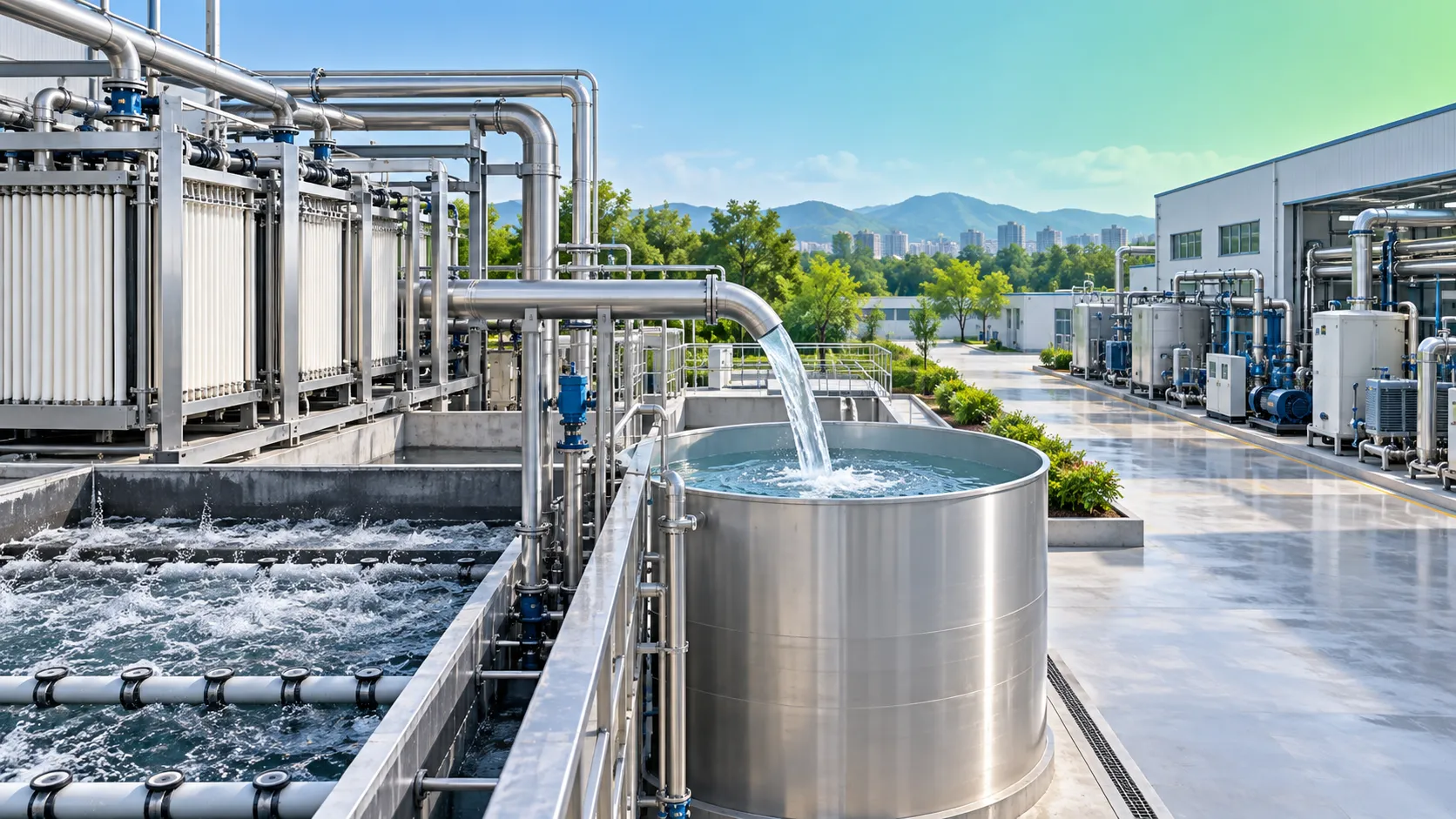
When does MBR equipment make sense for wastewater reuse?
Water treatment equipment for wastewater reuse: learn when MBR delivers compact, reliable low-solids effluent—and when alternative treatment trains offer better value.

How North America shapes global environmental governance standards
Global environmental governance North America: discover how regulation, finance, and procurement raise worldwide standards and reshape environmental projects.
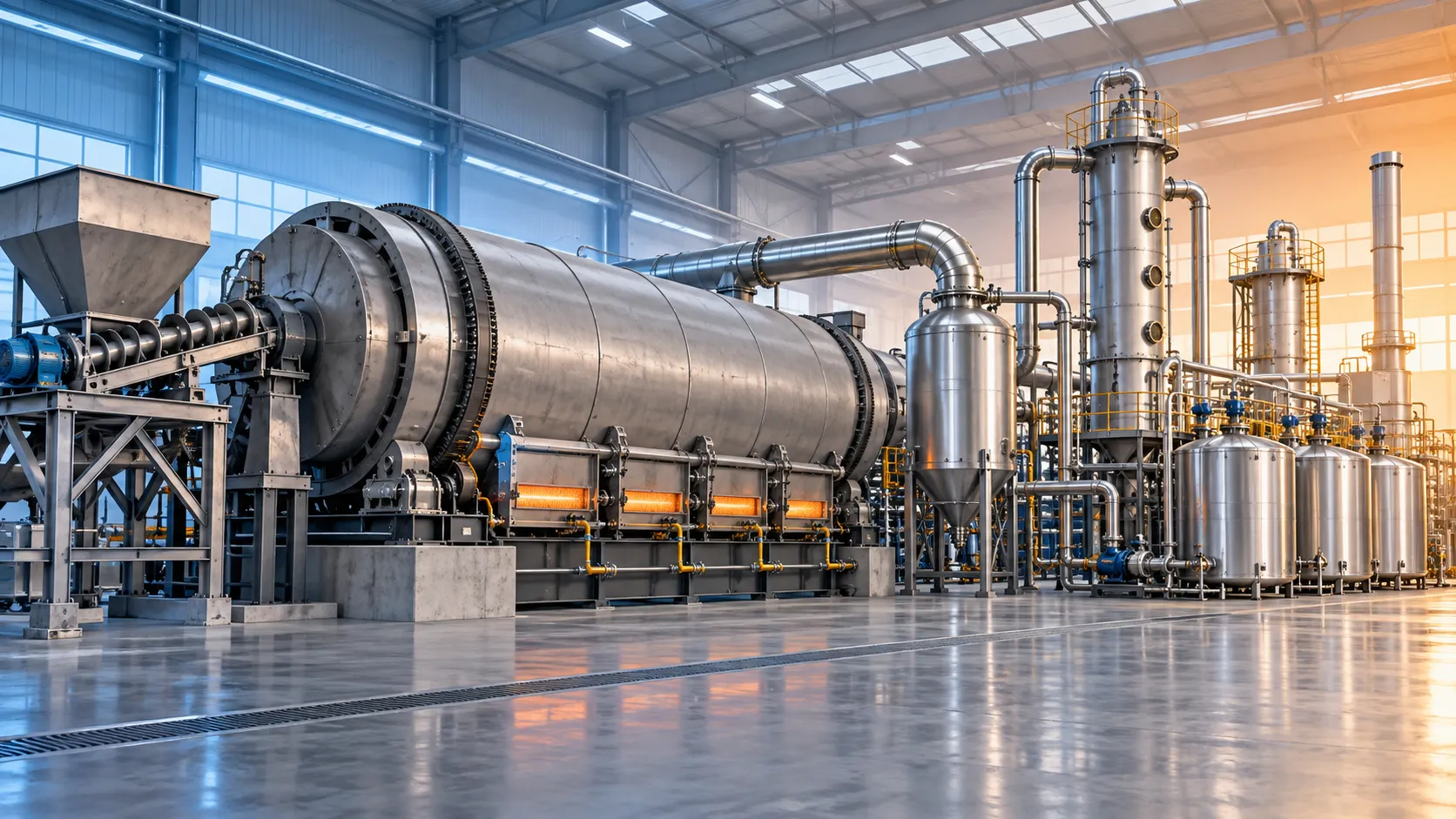
How reactor capacity affects throughput in pyrolysis systems
Pyrolysis systems reactor capacity explained: learn how heat transfer, residence time, feed quality, and emissions controls determine reliable throughput.
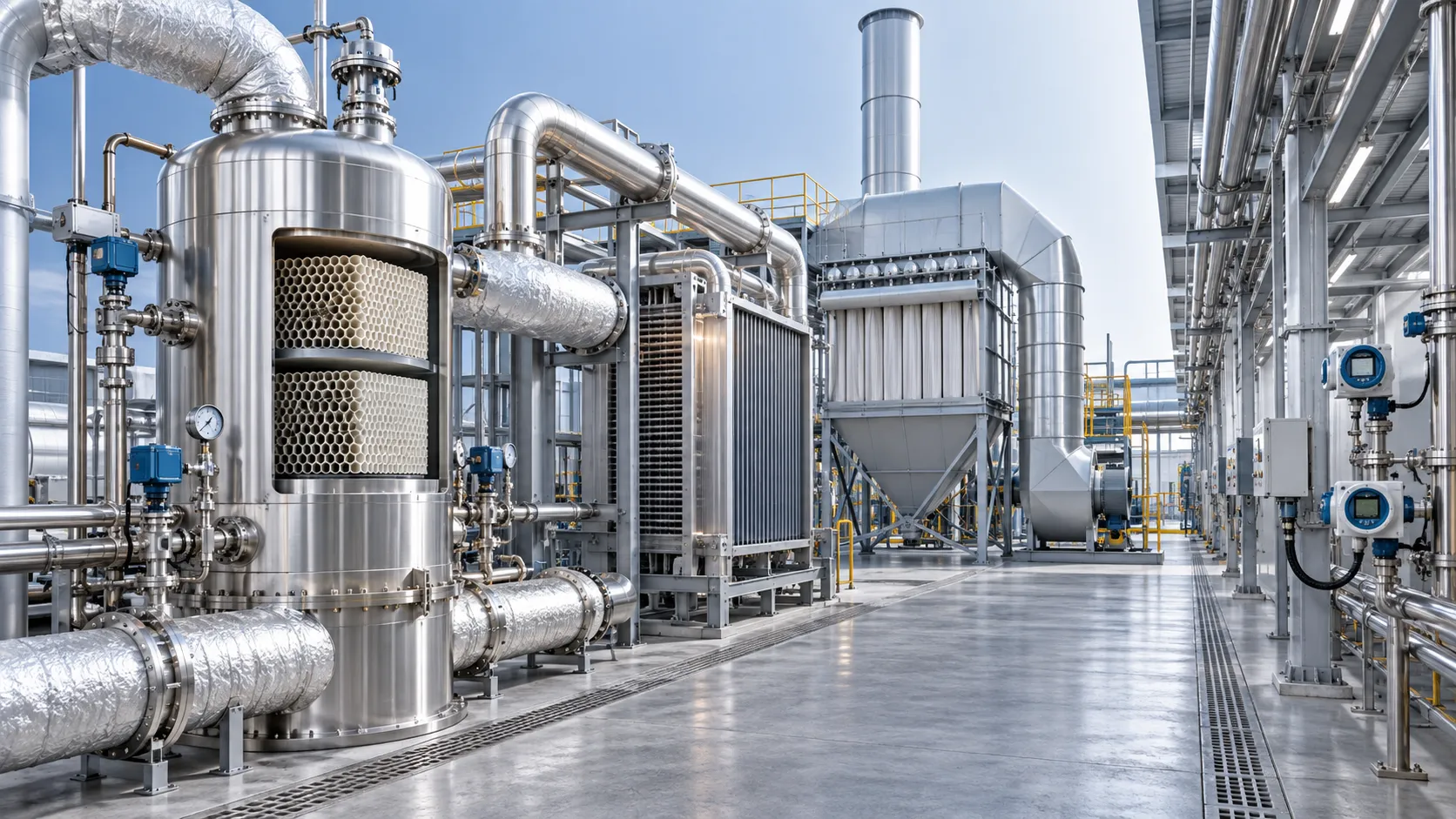
When low-temperature reaction equipment is the right fit for heat-sensitive processes
Low-temperature reaction equipment helps protect heat-sensitive streams, improve energy integration, and maintain reliable conversion. Explore key selection factors today.
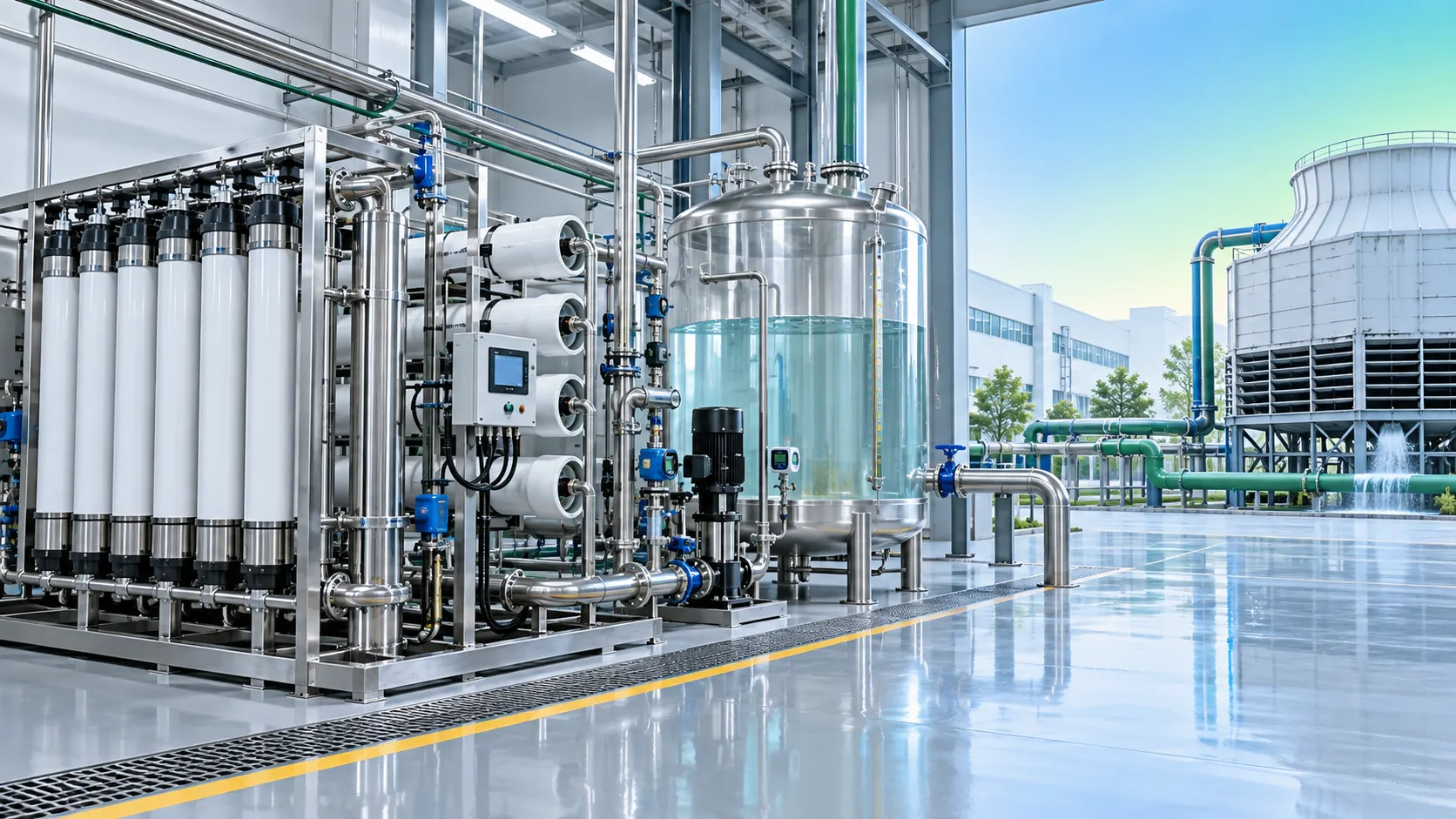
When do water reuse systems deliver a practical payback?
Water reuse systems deliver practical payback when they cut water, discharge, and downtime costs. Learn how to match treatment, recovery, and reuse quality for lasting ROI.
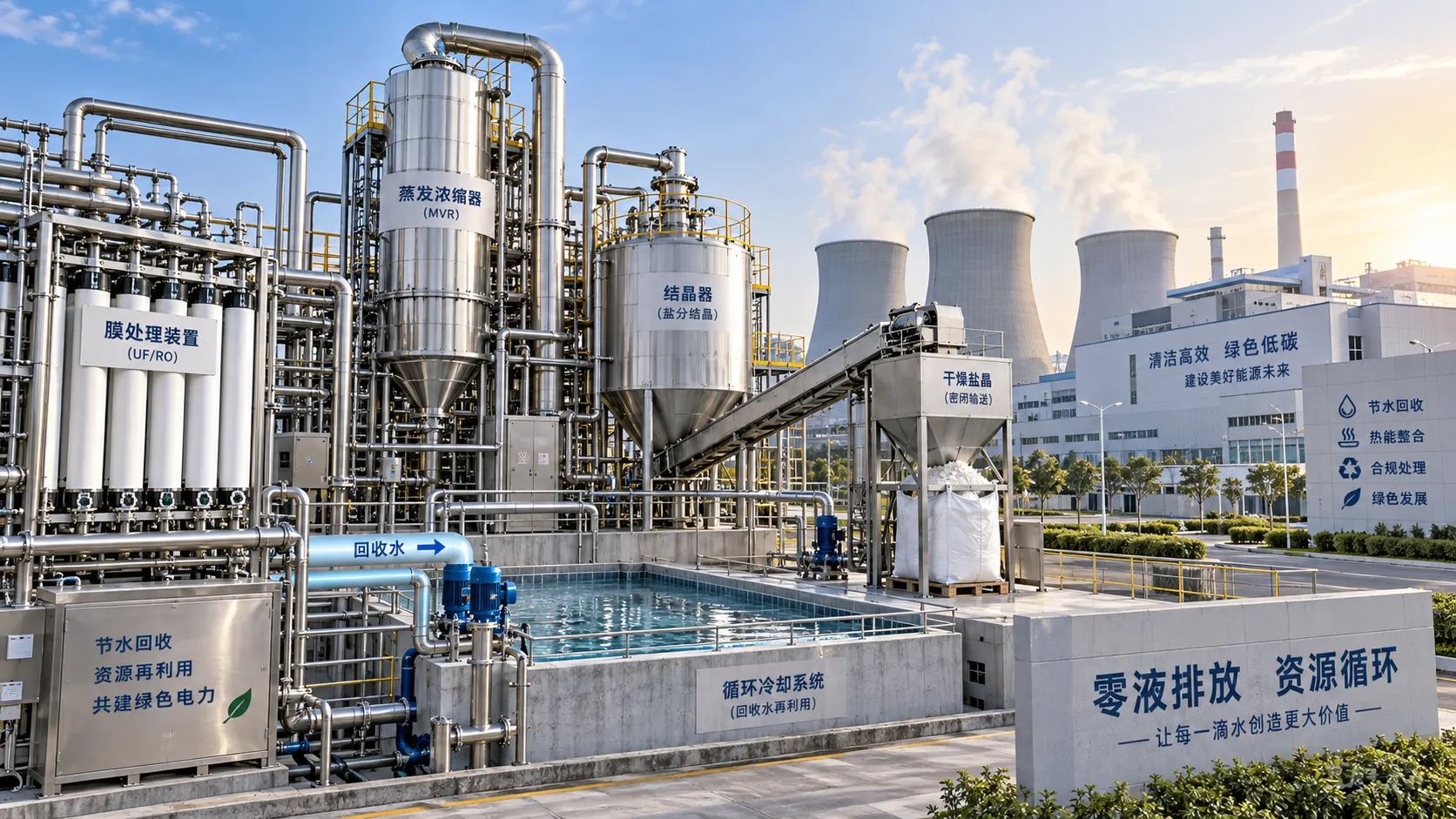
When do ZLD systems for power generation justify their energy use?
ZLD systems for power generation: learn when energy-intensive water recovery delivers stronger compliance, resilience, and long-term value.
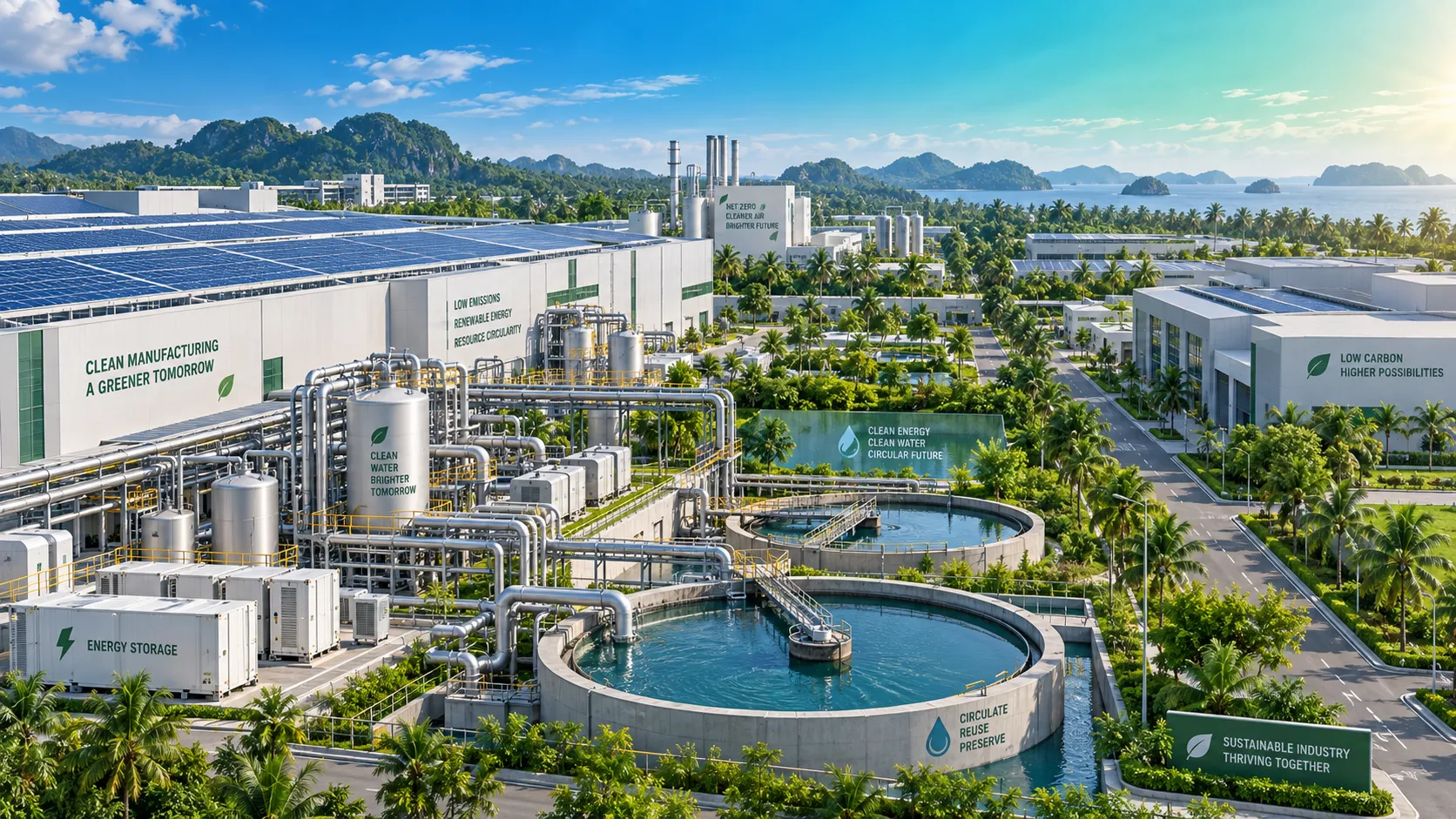
Which decarbonization pathways are most viable in Southeast Asia?
Decarbonization Southeast Asia: discover practical pathways for clean power, efficiency, electrification, circular recovery, and resilient industrial growth.
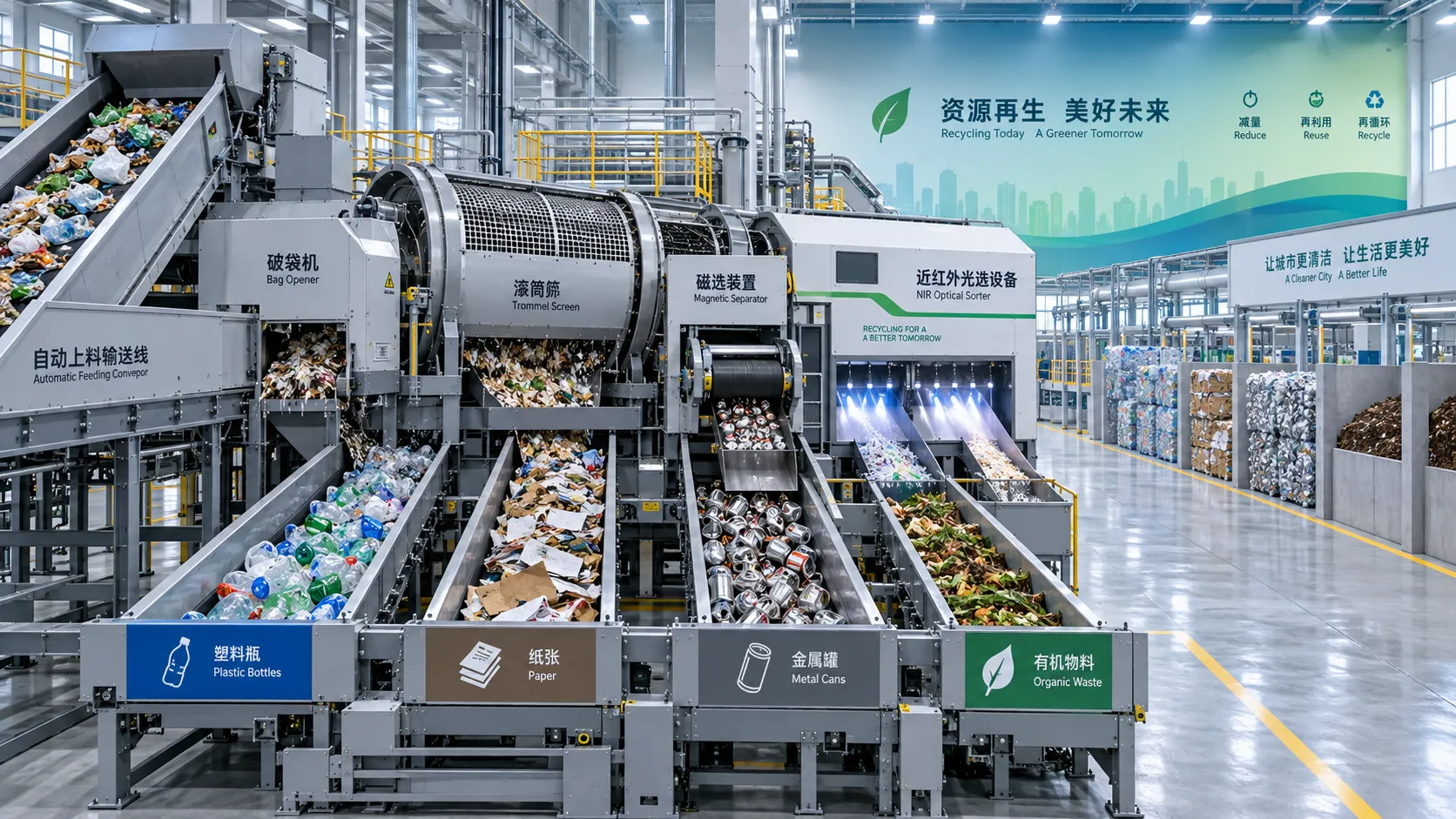
How to choose waste sorting equipment for mixed municipal waste
Waste sorting equipment selection guide for mixed municipal waste: compare technologies, improve recovery, reduce downtime, and build reliable output streams.
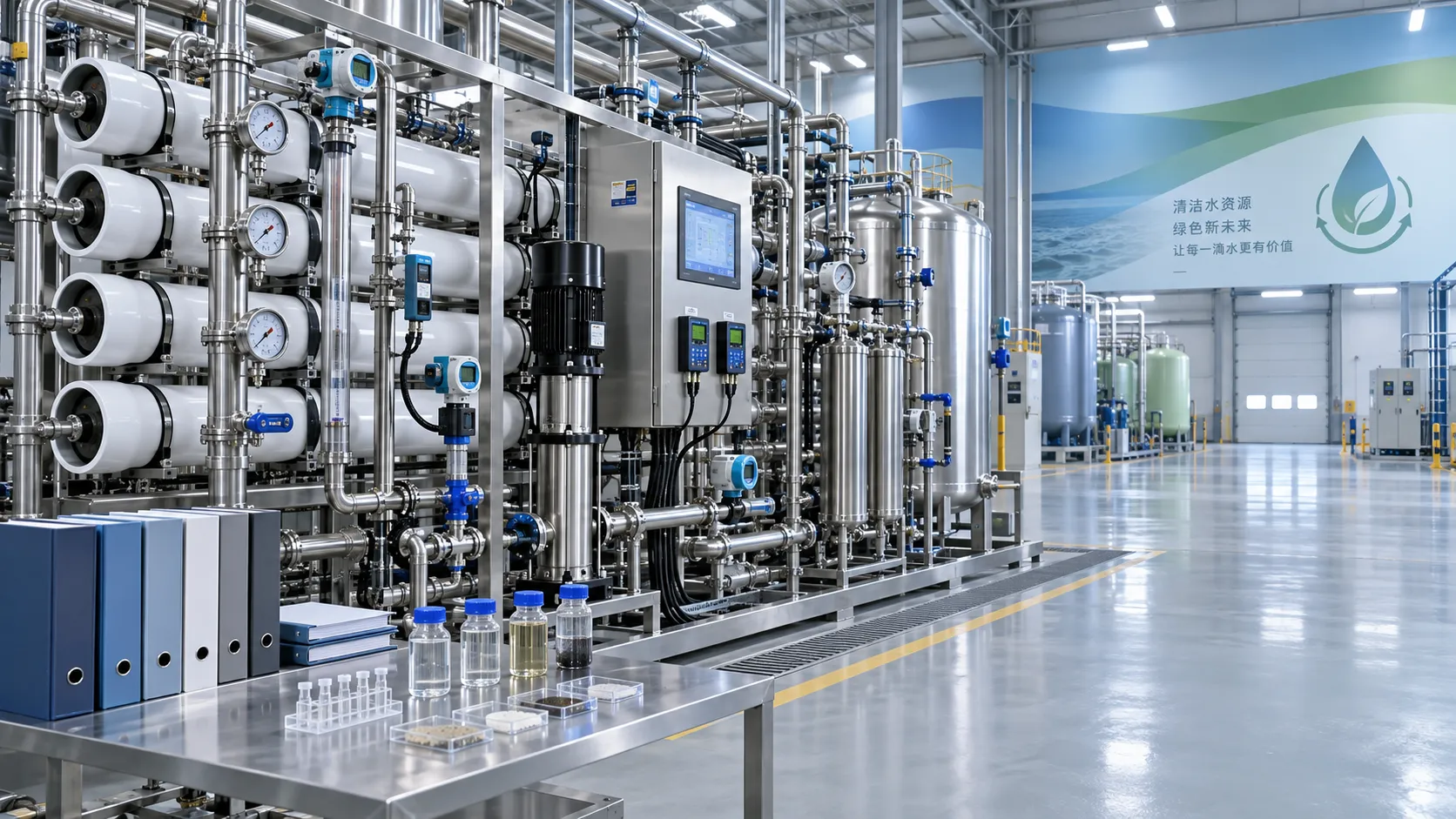
How to verify standards in an environmental equipment directory
environmental equipment directory standards reference: learn to verify certifications, performance evidence, scope, and project fit for confident, compliant equipment selection.