
Industry News
Curation by industry experts
Hot Articles
Popular Tags
When low-temperature reaction equipment is the right fit for heat-sensitive processes
A treatment stream can look suitable for a conventional thermal reactor until the evaluation team maps what is actually exposed to heat: an unstable organic fraction, a polymeric membrane concentrate, a catalyst with a narrow operating window, a solvent-bearing gas, or recovered material whose value falls after thermal damage. In these situations, raising temperature to force faster conversion may solve one reaction problem while creating degradation, fouling, off-spec material, corrosion, or an unnecessary energy burden elsewhere in the process.
Low-temperature reaction equipment is the right fit when the required conversion can be achieved at a temperature below the damage threshold of the feed, downstream components, or recovered product—and when that lower-temperature pathway remains stable under real contaminants, flow changes, and compliance conditions. The decision is not simply “lower temperature is safer.” It depends on reaction kinetics, pretreatment quality, catalyst behavior, heat integration, corrosion control, and the operational consequences of running closer to dew point or condensation conditions.
Start with the actual temperature constraint, not the reactor temperature
Technical evaluations often begin with a target operating temperature from a process datasheet. That is useful, but it can conceal the more important question: what fails first when temperature rises? The answer may be the treated substance, a supporting material, an emission-control component, or a downstream recovery step.
Heat sensitivity takes several forms. Some compounds decompose or form undesired by-products before the intended reaction reaches a useful rate. Some wastewater streams contain organics that become more difficult to separate after thermal exposure. In gas treatment, elevated temperature may alter volatile species, reduce sorbent effectiveness, or require costly reheating after a cooling stage. In resource-recovery operations, a recovered oil, polymer, nutrient fraction, or metal-bearing intermediate may lose value if the treatment route oxidizes, volatilizes, or changes its physical form.
There is also a systems-level constraint. A flue gas stream may be technically capable of supporting high-temperature catalytic reduction, yet locating the reactor upstream of heat recovery can impose pressure-drop, dust-loading, and maintenance penalties. Installing the reaction stage after heat recovery may protect the broader thermal balance, but then the catalyst must perform at lower temperatures. That is a legitimate reason to assess low-temperature SCR catalyst systems; it is not a reason to assume every low-temperature catalyst will tolerate the available gas composition.
Define the limiting threshold in a usable way
Before comparing equipment types, establish more than a single maximum temperature. Document the normal operating band, startup and shutdown exposure, local hot-spot risk, residence time at elevated temperature, and the consequences of brief excursions. A feed that tolerates a nominal reactor temperature may still be damaged by poor mixing, exothermic zones, heating-surface contact, or a temporary loss of quench control.
- Feed stability limit: the temperature and exposure duration at which degradation, volatilization, phase change, or undesired reaction becomes material.
- Product-quality limit: the point at which recovered materials no longer meet internal reuse or downstream processing requirements.
- Equipment-material limit: the range where gaskets, coatings, linings, seals, membranes, and instruments retain suitable performance.
- Process-integration limit: the temperature above which heat recovery, condensation, separation, or emissions-control sequencing becomes inefficient or unreliable.
This distinction prevents a frequent selection error: specifying a low-temperature reactor because the feed is “sensitive,” without identifying whether sensitivity comes from chemistry, materials, energy integration, or downstream operations. Each cause points to different equipment features.
When lower-temperature chemistry genuinely changes the decision
The strongest case for low-temperature operation is not a modest reduction in energy use by itself. It is a process where lower operating temperature changes the feasible arrangement of the treatment train. For example, a catalytic unit may be placed after particulate removal or heat recovery rather than before it. A reactive separation step may preserve a thermally fragile fraction that would otherwise be destroyed. A biological, electrochemical, photochemical, catalytic, or adsorption-assisted route may avoid conditions that trigger decomposition or uncontrolled side reactions.
Low-temperature reaction equipment is particularly worth evaluating under the following conditions:
- The stream contains heat-labile organics, reactive solvents, unstable intermediates, or recoverable fractions that should not be exposed to conventional thermal conditions.
- Available waste heat is limited, expensive to generate, or better reserved for desalination, evaporation, drying, regeneration, or another critical duty.
- The preferred process location is downstream of a cooling or heat-recovery section, where reheating the entire stream would complicate plant integration.
- High-temperature reaction creates secondary pollutants, changes the phase behavior of contaminants, or makes subsequent separation more difficult.
- Thermal expansion, refractory requirements, insulation demands, or hot-gas ducting introduce reliability concerns disproportionate to the conversion benefit.
- The treatment stream is intermittent or variable, making it difficult to hold a conventional reactor within its efficient temperature range without significant auxiliary energy.
These conditions do not automatically favor one technology. They establish a reason to investigate lower-temperature reaction pathways rather than treating a high-temperature configuration as the default.
Do not confuse low activation temperature with low operating risk
A reactor operating at a lower bulk temperature can still be demanding. As temperature falls, reaction rates may slow, equilibrium may shift, condensable compounds may become more troublesome, and catalyst activity can become more vulnerable to poisons. The equipment must compensate through catalyst selection, contact time, mixing, reagent distribution, surface area, pretreatment, or a different reaction mechanism.
Low-temperature SCR illustrates this distinction. A catalyst may show useful nitrogen oxide reduction within a lower flue-gas temperature window, enabling placement in a cooler section of the gas path. Yet its long-term suitability depends on sulfur species, alkali compounds, arsenic, fine particulates, ammonium salt formation, moisture behavior, and the actual temperature distribution across the reactor. A promising activity curve from controlled testing does not answer whether the catalyst will remain accessible and active when exposed to the plant’s dust and chemical profile.
Comparable issues arise in liquid-phase applications. Lower-temperature oxidation or reduction can protect heat-sensitive compounds, but suspended solids may mask active surfaces, dissolved salts may influence reaction selectivity, and pH drift can change both kinetics and corrosion behavior. A slower, more selective route may be preferable to a fast thermal route, but only if throughput, residence time, and cleaning needs remain practical.
Questions that reveal whether the chemistry is robust enough
During technical review, ask for performance information that matches the intended operating envelope rather than a single reference condition. Useful questions include:
- What conversion is expected at the lowest normal temperature, not only at the ideal point?
- How does performance change when flow, contaminant concentration, oxygen level, pH, moisture, or reagent ratio varies?
- Which feed constituents inhibit, poison, foul, or permanently deactivate the active material?
- Can the system recover after a cold excursion, contaminant breakthrough, or temporary loss of reagent feed?
- What by-products become more likely at the lower-temperature operating range?
- Is the stated residence time based on usable reactor volume after accounting for channeling, gas maldistribution, or solids accumulation?
Answers should be translated into operating boundaries. A technology is easier to select when its minimum temperature, maximum contaminant loading, acceptable pressure drop, and regeneration or replacement triggers are explicit. Vague statements about “wide applicability” are not enough for a heat-sensitive process where a temperature increase may not be an available fallback.
Match the equipment configuration to the stream, not only the reaction
Two systems using similar low-temperature chemistry may have very different reliability because their mechanical and process configurations differ. Selection should address the entire treatment path: feed conditioning, reaction zone, heat transfer, separation, control, and maintenance access.
Condensation deserves special attention. Reducing gas temperature can bring acid dew point or water condensation into the operating range. The result may be sticky particulate deposits, corrosion beneath insulation, ammonium salt deposition, or accelerated damage to downstream equipment. A low-temperature design must therefore consider local wall temperatures, not just average gas temperature. Cold corners, poorly insulated transitions, and zones near reagent injection can become the actual failure locations.
Use energy analysis as a process comparison, not a utility comparison
It is tempting to compare only the direct heating demand of a conventional reactor with that of a low-temperature alternative. That comparison is incomplete. Evaluate the full energy path: fan or pumping power from added pressure drop, reagent preparation, mixing energy, cooling requirements, heat tracing, regeneration, cleaning, and any loss of recoverable heat caused by reactor placement.
For an emissions-control train, a lower-temperature catalyst may avoid large-scale flue-gas reheating. However, the benefit can be offset if the cooler location increases fouling, requires more frequent cleaning, or creates substantial draft loss. In liquid treatment, avoiding thermal oxidation may reduce heating duty but require longer hydraulic residence time, recirculation, or chemical dosing. Neither outcome is inherently better; the relevant comparison is conversion quality and lifecycle operating burden at the required throughput.
Heat-sensitive processes also need an assessment of upset energy. Determine what happens when the feed arrives colder than expected, when waste heat is unavailable, or when a reactor must be kept warm during a short shutdown. Equipment that performs efficiently in steady state but requires a lengthy thermal recovery sequence may not suit a variable treatment duty.
Compliance performance depends on stability at the edges of operation
For environmental treatment equipment, the compliance question is not whether the reaction works under normal conditions. It is whether the system can maintain required control when the stream changes in the ways the plant can reasonably expect. A low-temperature unit should be evaluated against load swings, startup, shutdown, maintenance bypasses, seasonal ambient changes, reagent interruptions, and plausible contaminant excursions.
Specify the monitoring needed to identify declining performance before an exceedance or process upset occurs. Depending on the application, this may include inlet and outlet analyzers, differential pressure, temperature mapping, reagent flow confirmation, pH, oxidation-reduction potential, conductivity, catalyst-bed temperature, or sampling provisions for deposits. The purpose is not to add instrumentation by default. It is to distinguish reduced reaction activity from flow maldistribution, reagent error, fouling, leakage, or a change in feed composition.
For low-temperature SCR and related catalytic systems, ammonia slip or other unreacted reagent behavior must be assessed alongside pollutant conversion. In wet processes, residual oxidant, reduced species, dissolved by-products, or altered sludge characteristics can be equally important. A lower reaction temperature is not a compliance advantage if it transfers the problem to a downstream discharge, stack, separator, or waste-handling step.
A practical selection sequence before committing to equipment
Start with a representative stream definition rather than a design-average value. Include normal composition, expected variability, startup conditions, contaminants that appear during upset operation, particulate or solids characteristics, and the minimum and maximum available temperature. Where heat sensitivity is central, include the evidence used to establish the allowable exposure window.
Next, compare candidate pathways against the same decision basis. This should cover required conversion, selectivity, sensitivity to poisons or solids, equipment footprint, energy integration, material compatibility, expected cleaning or regeneration, and how failure is detected. Avoid comparing a mature high-temperature design with a low-temperature concept using different assumptions about feed quality or operating availability.
Then examine the weakest operating point. For a catalyst, that may be the coldest gas condition combined with the highest expected contaminant burden. For a liquid-phase reactor, it may be the lowest reactivity condition combined with suspended solids or adverse pH. If the proposed equipment only meets requirements at an ideal temperature and clean feed condition, it is not yet a defensible choice for a sensitive stream.
Finally, define the safeguards that preserve the lower-temperature advantage: pretreatment limits, bypass logic, temperature alarms, reagent interlocks, cleaning access, corrosion allowance, and sampling points. These details often determine whether low-temperature reaction equipment remains a reliable operating asset rather than a narrowly tuned process that requires constant intervention.
The right fit is therefore a bounded decision. Choose the low-temperature route when it protects valuable or vulnerable process conditions, integrates cleanly with the available thermal profile, and has enough kinetic and mechanical margin to handle real operating variation. Retain a conventional thermal approach when the lower-temperature option depends on feed conditions that cannot be maintained, creates unresolved condensation or poisoning risks, or shifts costs into maintenance and reliability without protecting a meaningful process constraint.
Recommended News
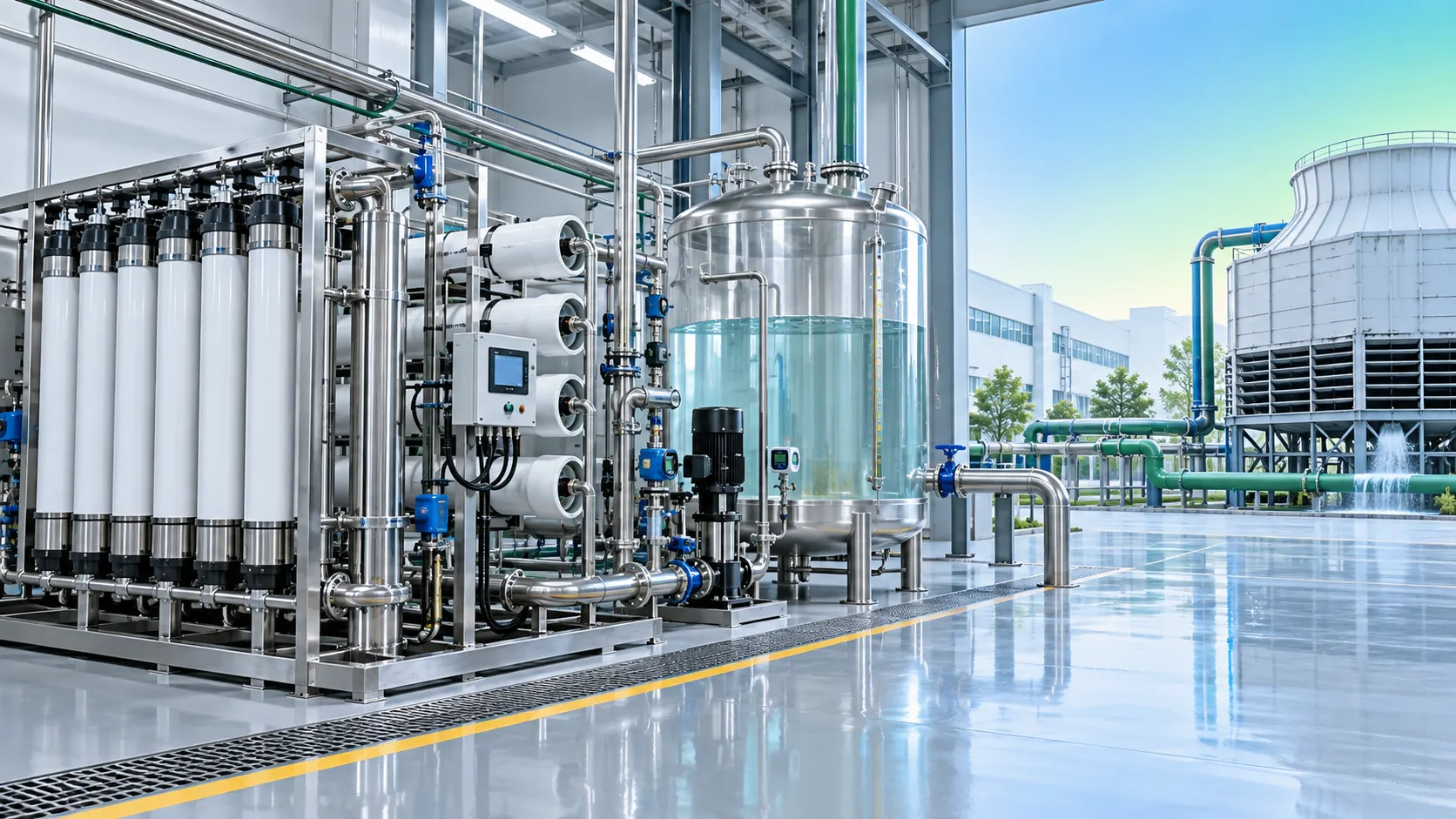
When do water reuse systems deliver a practical payback?
Water reuse systems deliver practical payback when they cut water, discharge, and downtime costs. Learn how to match treatment, recovery, and reuse quality for lasting ROI.
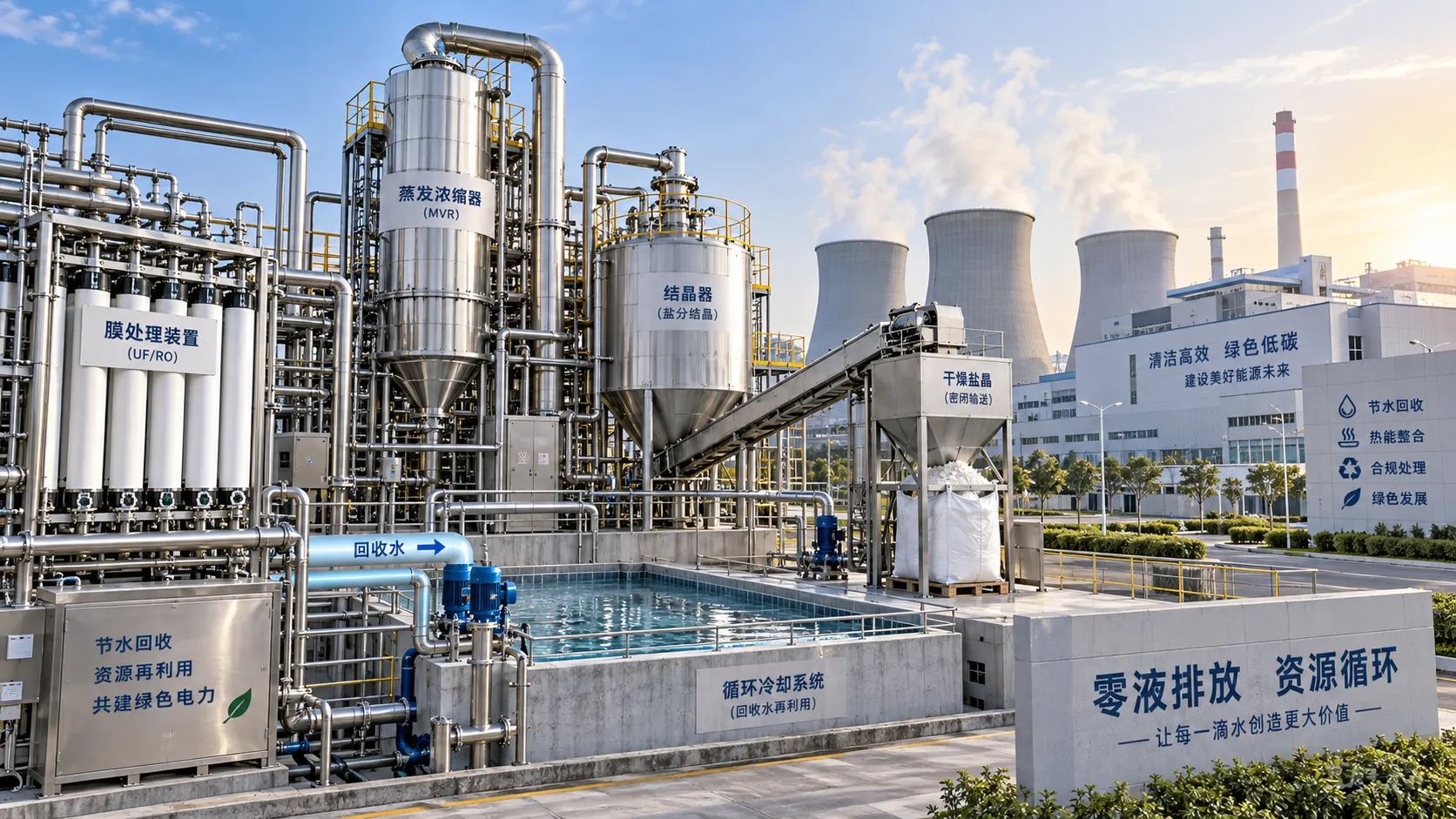
When do ZLD systems for power generation justify their energy use?
ZLD systems for power generation: learn when energy-intensive water recovery delivers stronger compliance, resilience, and long-term value.
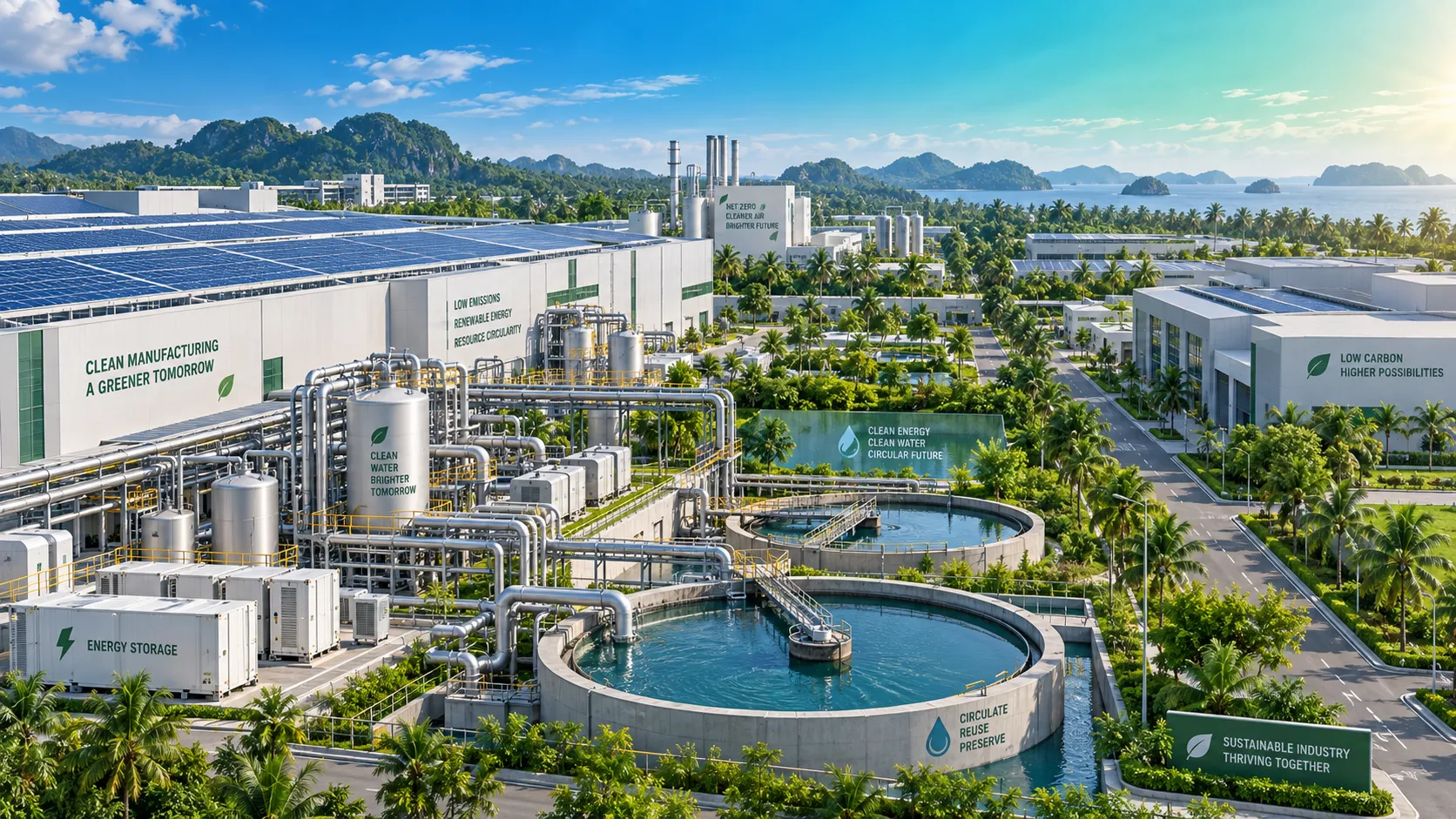
Which decarbonization pathways are most viable in Southeast Asia?
Decarbonization Southeast Asia: discover practical pathways for clean power, efficiency, electrification, circular recovery, and resilient industrial growth.
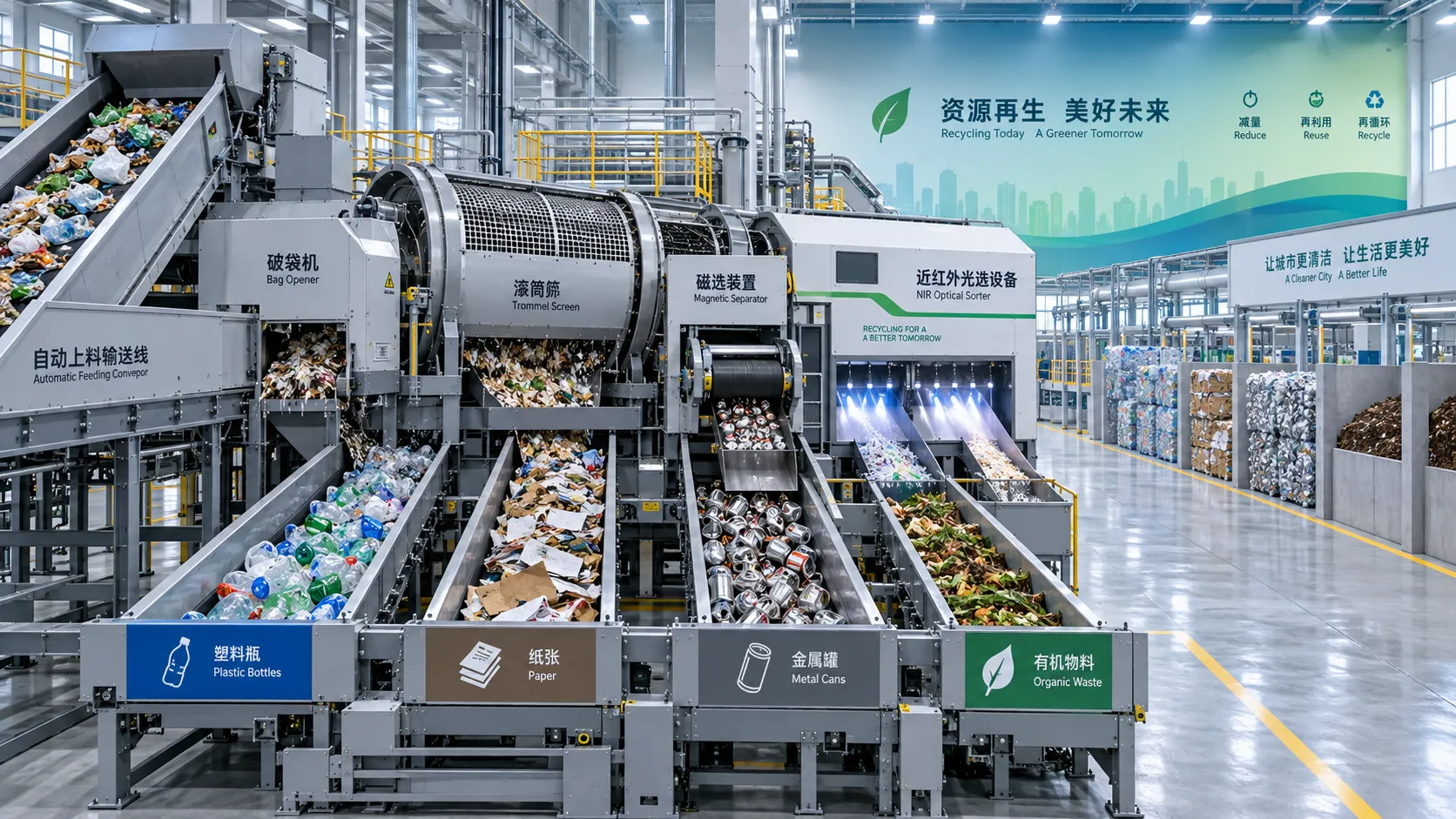
How to choose waste sorting equipment for mixed municipal waste
Waste sorting equipment selection guide for mixed municipal waste: compare technologies, improve recovery, reduce downtime, and build reliable output streams.
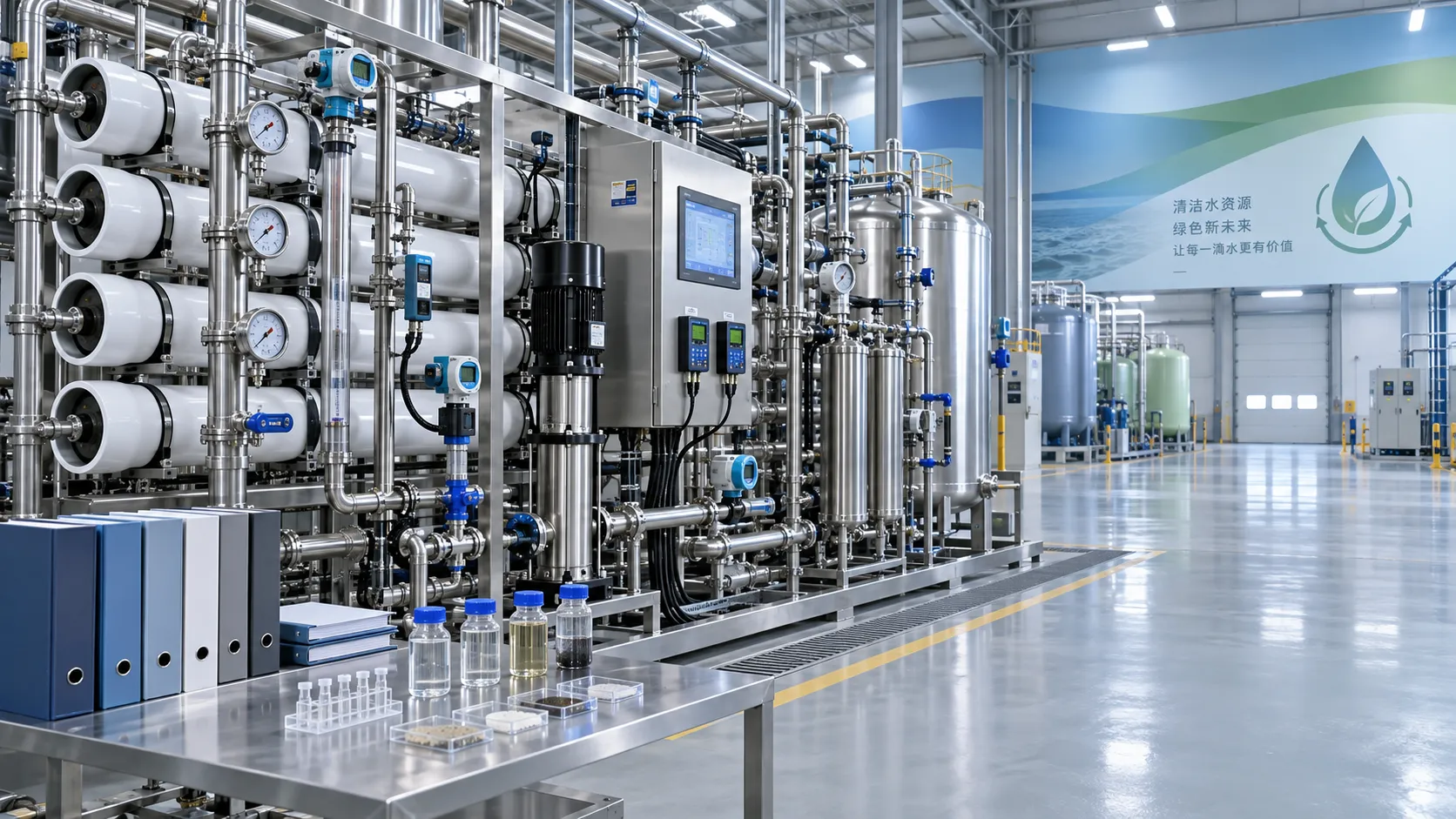
How to verify standards in an environmental equipment directory
environmental equipment directory standards reference: learn to verify certifications, performance evidence, scope, and project fit for confident, compliant equipment selection.
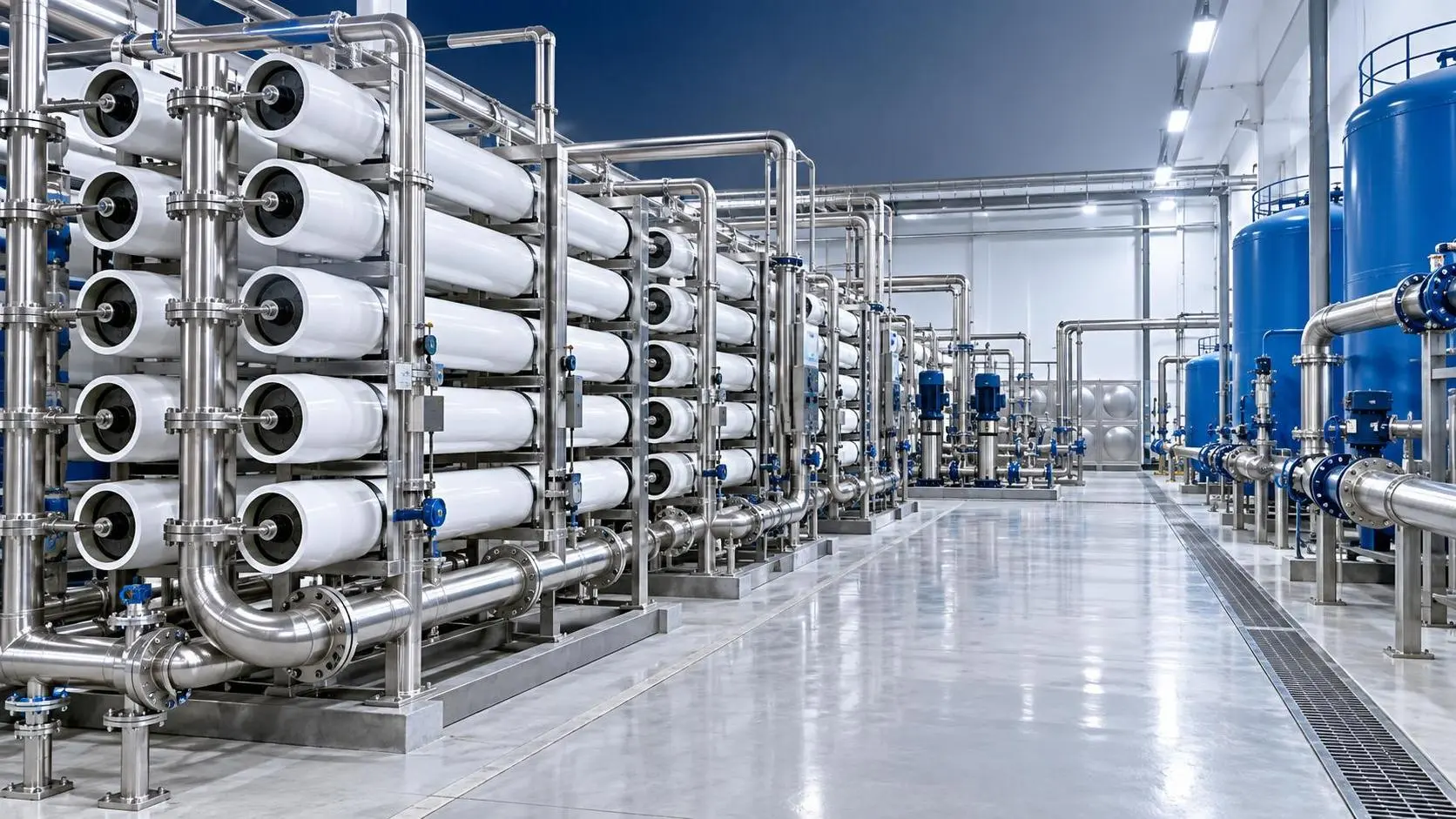
When high flux membrane water treatment justifies a larger footprint
High flux membrane water treatment can justify a larger footprint when variable feedwater, fouling risk, and uptime demands require resilient, lower-flux operation.
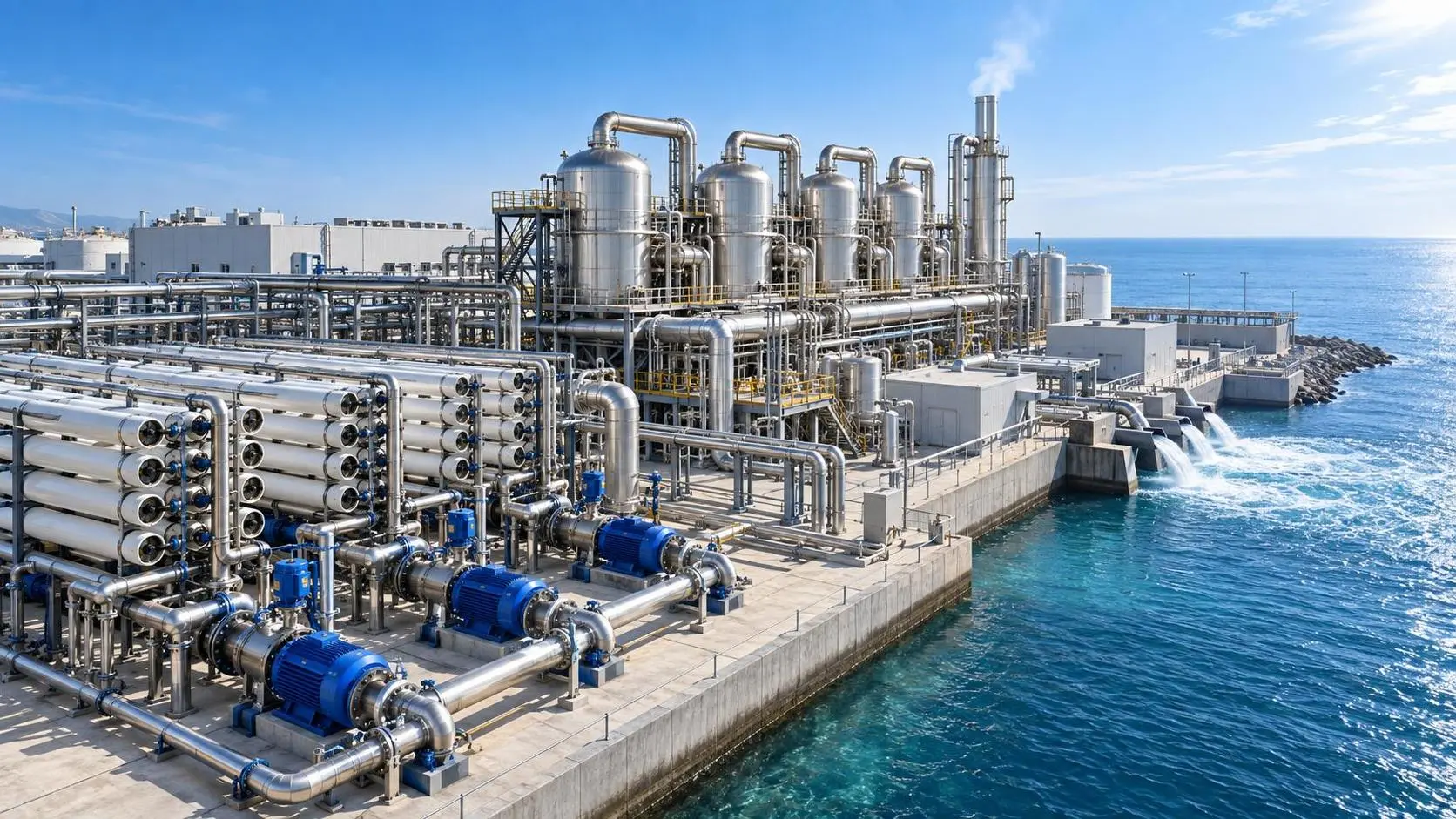
RO vs MED desalination: which is more energy-efficient at scale?
Desalination technology comparison: RO vs MED at scale. See how energy use, waste heat, feedwater, carbon, and flexibility determine the best choice.
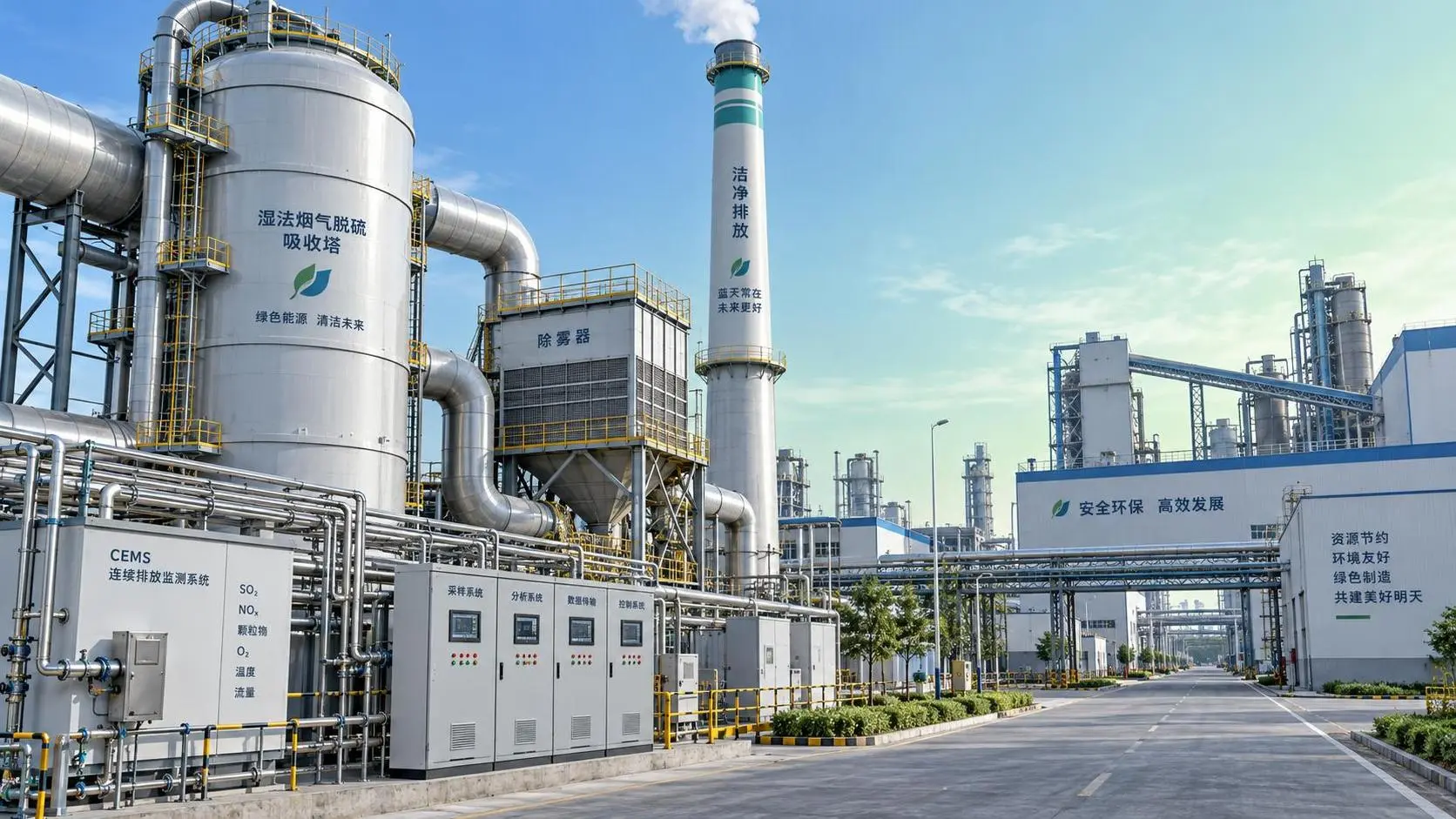
Which ISO standards apply to flue gas treatment systems?
Flue gas treatment systems ISO standards: explore key requirements for emissions testing, CEMS, safety, fabrication, corrosion control, and compliant project evaluation.

When corrosion resistant purification systems are needed for brine treatment
Corrosion resistant purification systems for brine treatment: assess chloride, heat, scaling, materials, and lifecycle reliability for demanding water projects.