
Industry News
Curation by industry experts
Hot Articles
Popular Tags
Which decarbonization pathways are most viable in Southeast Asia?
Decarbonization decisions in Southeast Asia often become difficult at the point where a corporate target meets a real operating constraint: a factory needs reliable electricity, a utility faces a congested grid, a city must manage growing waste volumes, or a water plant must reduce energy use without compromising treatment performance. The most viable pathways are therefore not identical across the region, and they are rarely single-technology projects.
For most businesses, the practical answer is a staged portfolio: secure cleaner electricity where it can be contracted and delivered, reduce energy demand before adding new supply, electrify processes that are technically ready, recover materials and energy from waste streams, and reserve carbon capture or low-carbon fuels for emissions that cannot be removed economically by other means. This approach to decarbonization Southeast Asia is more investable because it aligns emissions reduction with grid conditions, industrial heat requirements, water availability, financing structures, and local compliance obligations.
Start with the emissions that can be changed now
A common planning error is to begin with the most visible technology rather than the largest controllable source of emissions. In a manufacturing group, purchased electricity may dominate one site while combustion heat dominates another. In water and wastewater operations, pumping, aeration, membrane systems, and sludge handling may drive the carbon profile. A waste operator may find that landfill methane avoidance matters more than electricity savings alone.
The first decision is not “Which low-carbon technology should be purchased?” It is “Which emissions source can be reduced without creating an unacceptable cost, reliability, quality, or permitting risk?” That distinction matters in a region where power-market rules, renewable-resource availability, industrial clusters, and grid maturity differ materially between countries and even between provinces.
Before committing capital, decision-makers should separate the baseline into four categories:
- Purchased electricity: annual consumption, load profile, peak demand, contract terms, and whether renewable supply can be physically or contractually matched to operations.
- Direct fuel use: boilers, furnaces, kilns, steam systems, dryers, generators, and fleet fuel, with attention to temperature and uptime requirements.
- Process emissions: emissions created by chemical reactions, waste decomposition, refrigerants, or industrial production steps that efficiency measures cannot eliminate.
- Resource-linked emissions: waste disposal, freshwater abstraction, wastewater discharge, materials losses, and imported feedstocks that affect both carbon exposure and operating resilience.
This mapping prevents a familiar failure mode: installing solar capacity, then discovering that the site’s largest emissions source is a continuously fired thermal process, or replacing equipment without resolving the upstream waste and energy losses that make the process carbon-intensive.
Renewable electricity is the anchor pathway, but grid integration determines its value
Renewable power is usually the most scalable starting point for commercial and industrial decarbonization because electricity can displace emissions across many uses: motors, cooling, pumping, compressed air, certain heating applications, and eventually electric transport. Yet the viability of solar, wind, hydro-linked supply, or other clean generation depends less on headline capacity and more on how the electricity reaches the load.
Rooftop and on-site solar can work well where daytime load is substantial, roof structure is suitable, and local rules allow self-consumption or defined export arrangements. It is less effective for round-the-clock facilities that expect a solar installation alone to cover continuous process demand. In those settings, a project should be assessed alongside demand management, storage where justified, flexible equipment scheduling, and off-site renewable procurement options.
Corporate power purchase agreements, utility green tariffs, renewable energy certificates, and direct procurement mechanisms can broaden access where on-site generation is constrained. These instruments are not interchangeable. A procurement team should examine contract duration, settlement risk, additionality expectations, curtailment allocation, transmission constraints, certificate ownership, and whether the instrument supports the company’s own emissions-accounting rules.
Grid readiness is especially important. A renewable supply contract has limited operational value if a plant still requires high-emission backup generation during constrained periods. Facilities with sensitive loads should model outage procedures, power-quality requirements, ramping needs, and the role of battery systems or conventional backup. The correct design may be a mix of renewable procurement, load controls, storage for selected critical loads, and retained backup that is gradually reduced rather than abruptly removed.
What makes a power pathway credible
- The renewable supply is matched to actual load characteristics rather than annual consumption alone.
- Interconnection, curtailment, and dispatch limitations are understood before financial close.
- Claims about reduced electricity emissions are supported by contractual and operational evidence.
- Critical production systems have a clear resilience plan during grid disruptions.
- The project does not postpone basic efficiency upgrades that would reduce the amount of power that must be procured.
Efficiency and industrial electrification usually deliver the earliest operational gains
Energy efficiency is sometimes treated as a minor maintenance activity, but it is one of the most viable pathways because it lowers emissions regardless of how quickly the grid decarbonizes. It also reduces exposure to power-price volatility and may defer expensive capacity upgrades. The strongest opportunities are typically found in systems that run for long hours: pumps, fans, compressed-air networks, chillers, steam distribution, refrigeration, and wastewater aeration.
The issue is not simply replacing old equipment with a more efficient model. A high-efficiency pump operating against an oversized pipe network or throttled valve may still waste substantial energy. Variable-speed drives only create their expected value when flow demand varies and controls are correctly commissioned. Steam improvements require attention to insulation, traps, condensate recovery, pressure levels, and load balancing, not merely boiler efficiency.
Electrification should follow a similarly disciplined approach. Low- and medium-temperature heat, space heating, hot water, drying, and selected process duties may be candidates for heat pumps, electric boilers, induction, resistance heating, or other electric technologies. Their viability depends on the required temperature, load duration, available electrical capacity, electricity price structure, and the carbon intensity of the power supply.
For high-temperature operations, immediate full electrification may be technically difficult or commercially premature. Cement, metals, chemicals, glass, and other energy-intensive sectors may need a transition plan that combines heat recovery, fuel switching, feedstock changes, process redesign, and eventual carbon capture. Treating all thermal loads as equally electrifiable leads to unrealistic capital plans.
Circular resource recovery can reduce carbon and environmental liabilities together
In Southeast Asia’s growing urban and industrial economies, waste is not only a disposal issue. It is a source of methane, transport emissions, lost materials, contamination risk, and rising compliance exposure. Circular pathways are most viable when they are designed around the actual composition and quality of a waste stream, rather than around a generic promise of “waste-to-value.”
For municipal and commercial waste, source separation and reliable sorting are often prerequisites for high-value recovery. Mixed waste can damage recycling economics, complicate biological treatment, and increase emissions from downstream handling. AI-enabled sorting, mechanical separation, and material recovery systems can improve capture, but performance depends on feed consistency, contamination levels, end-market specifications, and the ability to manage residual fractions.
Organic waste deserves separate attention. Food waste, agricultural residues, sewage sludge, and selected industrial organics may support anaerobic digestion, biogas use, composting, or other recovery routes. The appropriate choice depends on moisture content, contamination, collection logistics, digestate management, and whether the resulting gas or recovered material has a stable outlet. Methane leakage control is essential; a project designed to avoid emissions can underperform if gas capture and monitoring are weak.
Thermal treatment and pyrolysis can have a role for specific feedstocks, especially where material recovery is not feasible and disposal risks are high. They should not be evaluated only on energy output. Feedstock preparation, emissions controls, residue handling, product quality, permitting, and the displacement of existing fuels or materials all affect the real carbon case.
Water infrastructure is a decarbonization lever, not merely a utility cost
Water and carbon strategies increasingly intersect. Water-stressed locations may require greater treatment, reuse, desalination, or pumping capacity, all of which can increase electricity demand. At the same time, untreated industrial wastewater and poorly managed sludge can create methane, nitrous oxide, and compliance risks. The viable pathway is to reduce the energy intensity of each cubic meter while recovering water, energy, and materials where conditions justify it.
At a large treatment plant, start with the hydraulic and biological process rather than jumping to a new technology package. Excess infiltration, poorly balanced aeration, unnecessary recirculation, membrane fouling, inefficient blowers, and unstable influent quality can raise both emissions and operating cost. Better instrumentation and process control can reveal whether the issue is equipment efficiency, a design mismatch, or inconsistent loading.
Industrial water reuse and zero liquid discharge approaches may be strategically justified where discharge limits are tight, freshwater access is uncertain, or valuable materials can be recovered. They are energy-intensive in many applications, so the decision should compare the full system: pretreatment quality, membrane recovery, concentrate management, thermal duty, chemical use, and available low-carbon electricity. A reuse system that reduces water risk but sharply increases fossil-powered energy demand may need a parallel clean-power plan.
Seawater desalination follows the same principle. Energy recovery devices, optimized intake and pretreatment, membrane performance management, and renewable power integration can lower carbon intensity, but reliability and water quality remain non-negotiable. Decarbonization should improve the plant’s operating envelope, not compromise the security of supply.
Carbon capture is most credible for residual, concentrated emissions
Carbon capture, utilization, and storage should be treated as a targeted pathway, not a substitute for efficiency or clean electricity. It becomes more relevant where emissions are concentrated, technically difficult to eliminate, and tied to essential industrial processes. Typical candidates include certain cement, chemical, refining, waste-treatment, and other heavy industrial operations.
The central question is whether capture can connect to a realistic transport, utilization, or permanent storage route. Capturing carbon dioxide without a defined destination simply moves the decision downstream. A sound assessment includes flue-gas composition, capture energy demand, space requirements, solvent or sorbent management, compression needs, transport arrangements, long-term storage responsibility, and monitoring obligations.
In early planning, it is useful to preserve physical space and utility connections for future capture even when installation is not yet justified. This can avoid costly redesign later, particularly for plants with long operating lives. However, “capture-ready” should not become a reason to delay measures that can cut emissions today.
Low-carbon fuels need a narrow, evidence-based role
Biofuels, biomethane, renewable fuels, hydrogen-derived products, and other alternatives may be necessary for applications where direct electrification is limited. Their usefulness depends on supply integrity, infrastructure compatibility, fuel quality, lifecycle emissions, and competing demand. A fuel that appears low-carbon at the point of combustion may carry significant upstream impacts if feedstocks, land use, transport, or production energy are not properly assessed.
For industrial users, a sensible sequence is to reduce heat demand, recover waste heat, electrify feasible loads, and then identify the smaller share of demand requiring alternative fuels. This avoids locking scarce low-carbon fuels into uses that could have been served more efficiently by electricity.
Build a pathway around investment gates, not broad commitments
Viable decarbonization programs are managed as operating decisions with clear gates. The first gate is a credible baseline and asset-level emissions map. The second identifies no-regret actions: maintenance-linked efficiency upgrades, metering, controls, waste segregation, leak reduction, and procurement changes that do not depend on uncertain infrastructure. The third tests larger investments against grid access, permitting, feedstock availability, and offtake arrangements.
Projects should also be ranked by dependency. An electric boiler depends on electrical capacity and tariff design. A biogas project depends on secure organic feedstock and gas-use infrastructure. A renewable procurement strategy depends on market access and contractual credibility. Carbon capture depends on a complete downstream chain. When these dependencies are visible, capital can be sequenced without overstating what a single site can deliver.
The strongest decarbonization pathways in Southeast Asia are therefore those that fit the physical system as it exists today while keeping future options open: cleaner and more reliable electricity, lower energy intensity, carefully chosen electrification, circular recovery systems, efficient water infrastructure, and focused treatment of residual emissions. A plan becomes credible when each pathway has an identified operating role, a measurable boundary, and a realistic route through the region’s infrastructure constraints.
Recommended News
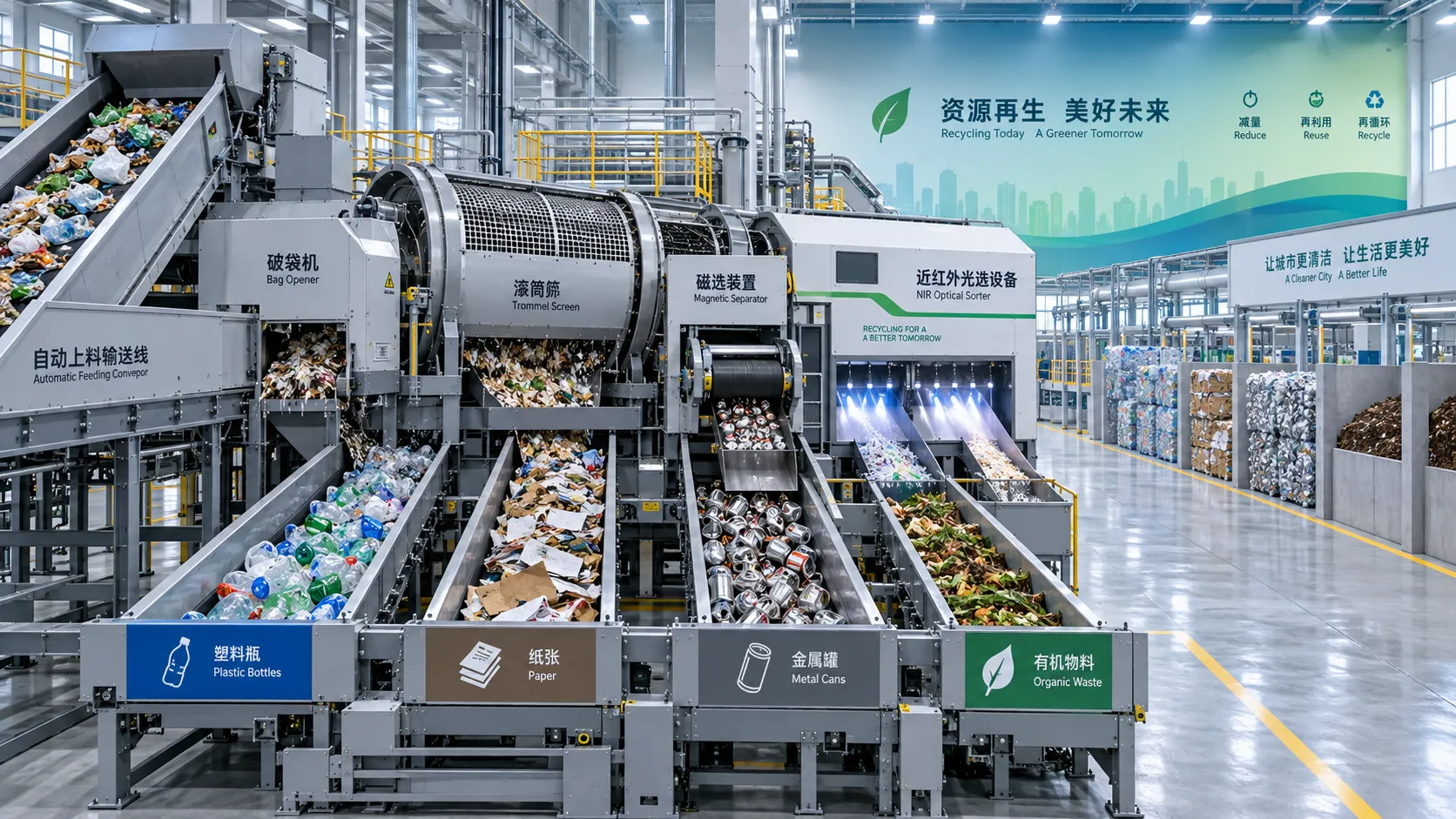
How to choose waste sorting equipment for mixed municipal waste
Waste sorting equipment selection guide for mixed municipal waste: compare technologies, improve recovery, reduce downtime, and build reliable output streams.
How to verify standards in an environmental equipment directory
environmental equipment directory standards reference: learn to verify certifications, performance evidence, scope, and project fit for confident, compliant equipment selection.
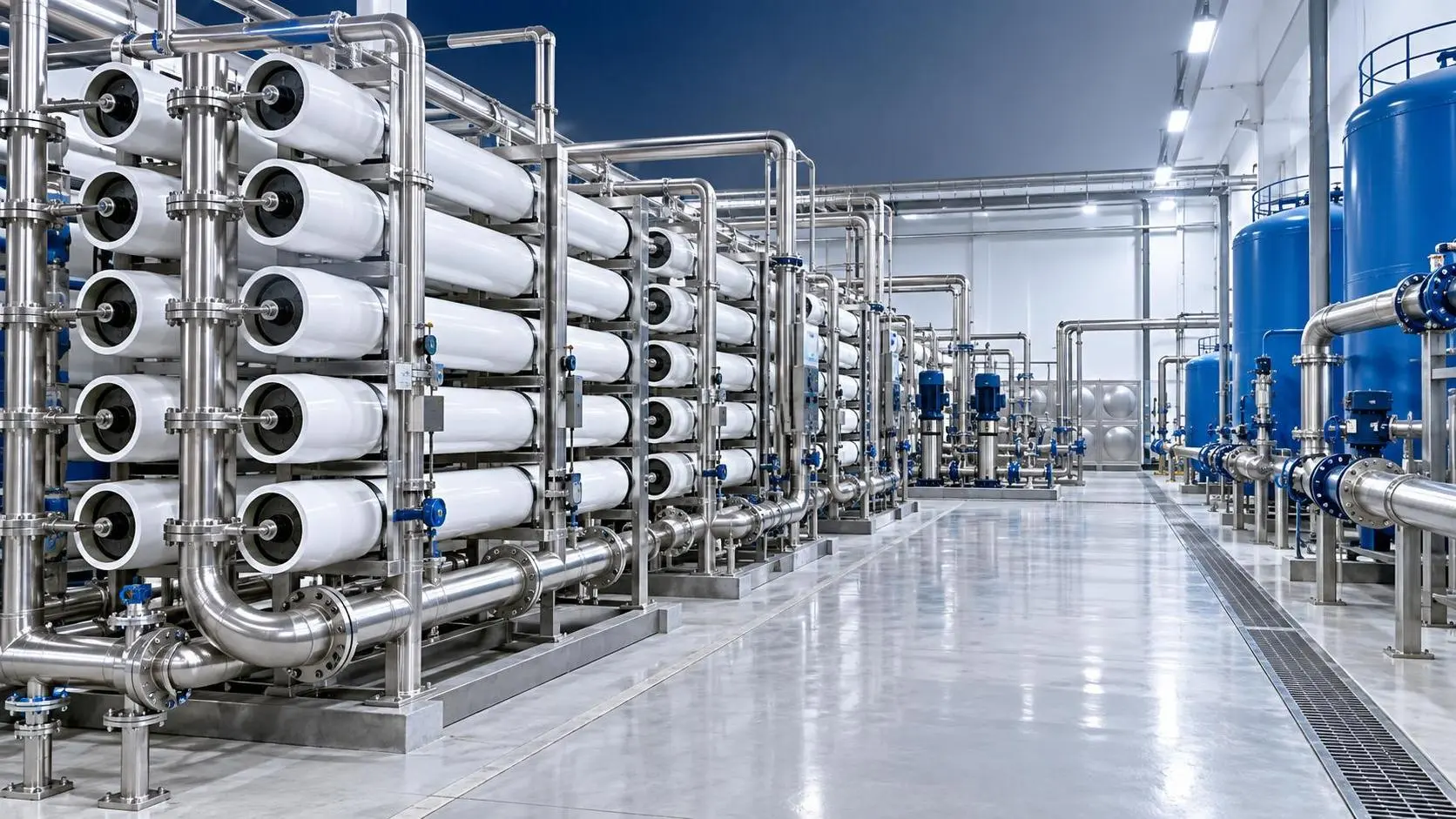
When high flux membrane water treatment justifies a larger footprint
High flux membrane water treatment can justify a larger footprint when variable feedwater, fouling risk, and uptime demands require resilient, lower-flux operation.
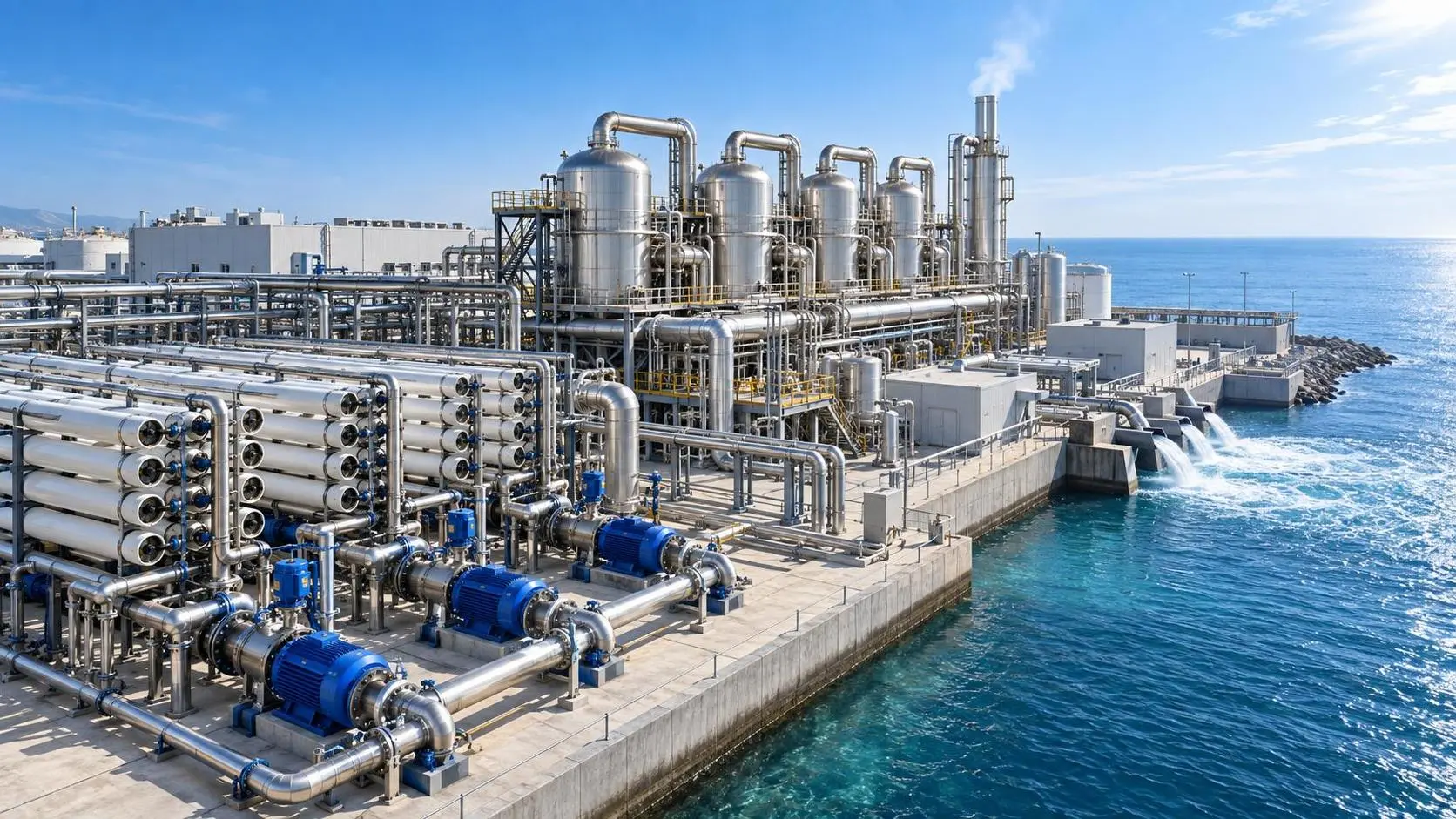
RO vs MED desalination: which is more energy-efficient at scale?
Desalination technology comparison: RO vs MED at scale. See how energy use, waste heat, feedwater, carbon, and flexibility determine the best choice.
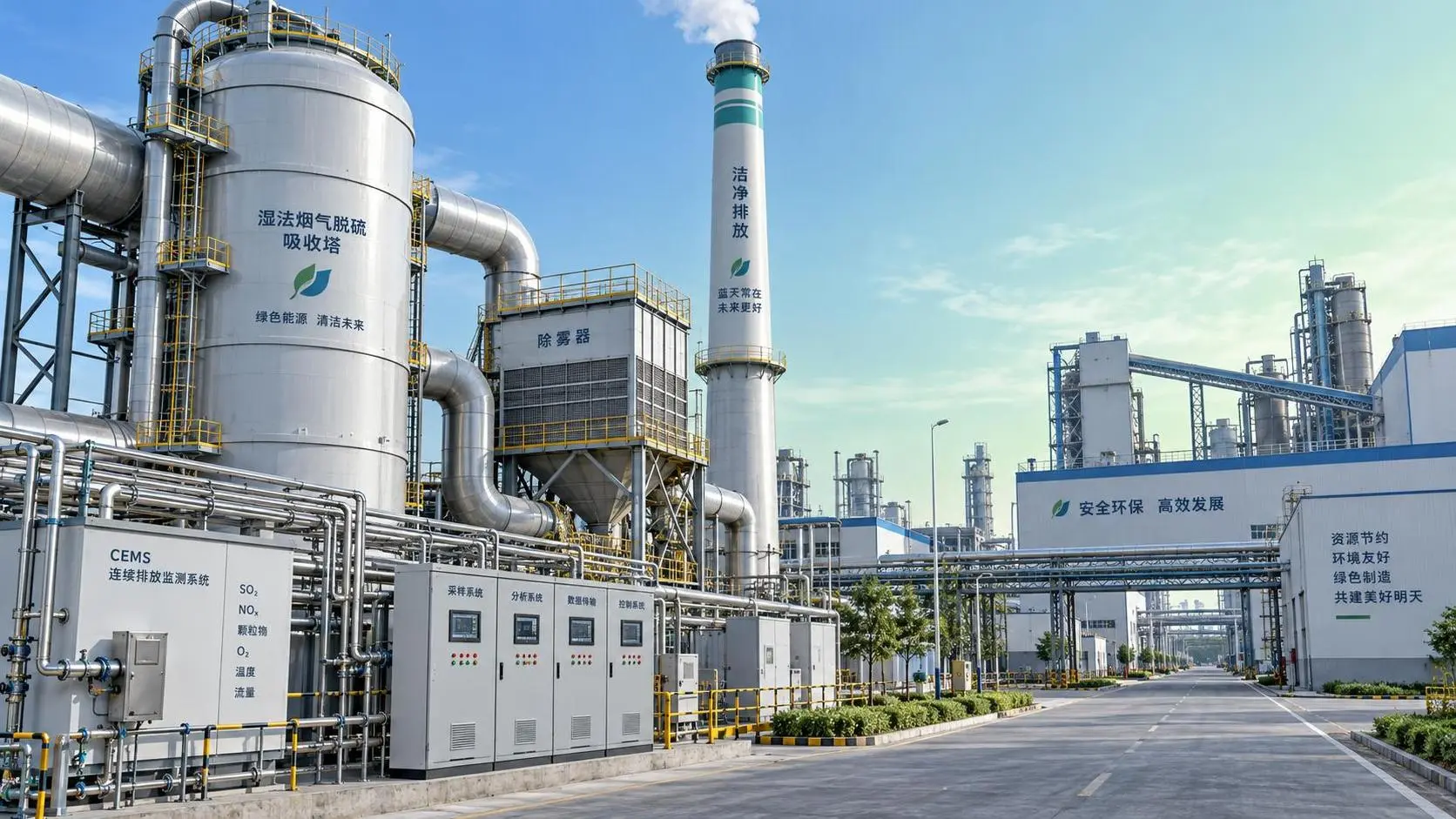
Which ISO standards apply to flue gas treatment systems?
Flue gas treatment systems ISO standards: explore key requirements for emissions testing, CEMS, safety, fabrication, corrosion control, and compliant project evaluation.

When corrosion resistant purification systems are needed for brine treatment
Corrosion resistant purification systems for brine treatment: assess chloride, heat, scaling, materials, and lifecycle reliability for demanding water projects.

How preventive maintenance reduces seawater desalination equipment downtime
Seawater desalination equipment maintenance reduces downtime through proactive monitoring, pretreatment protection, and planned repairs. Explore practical strategies for reliable RO performance.
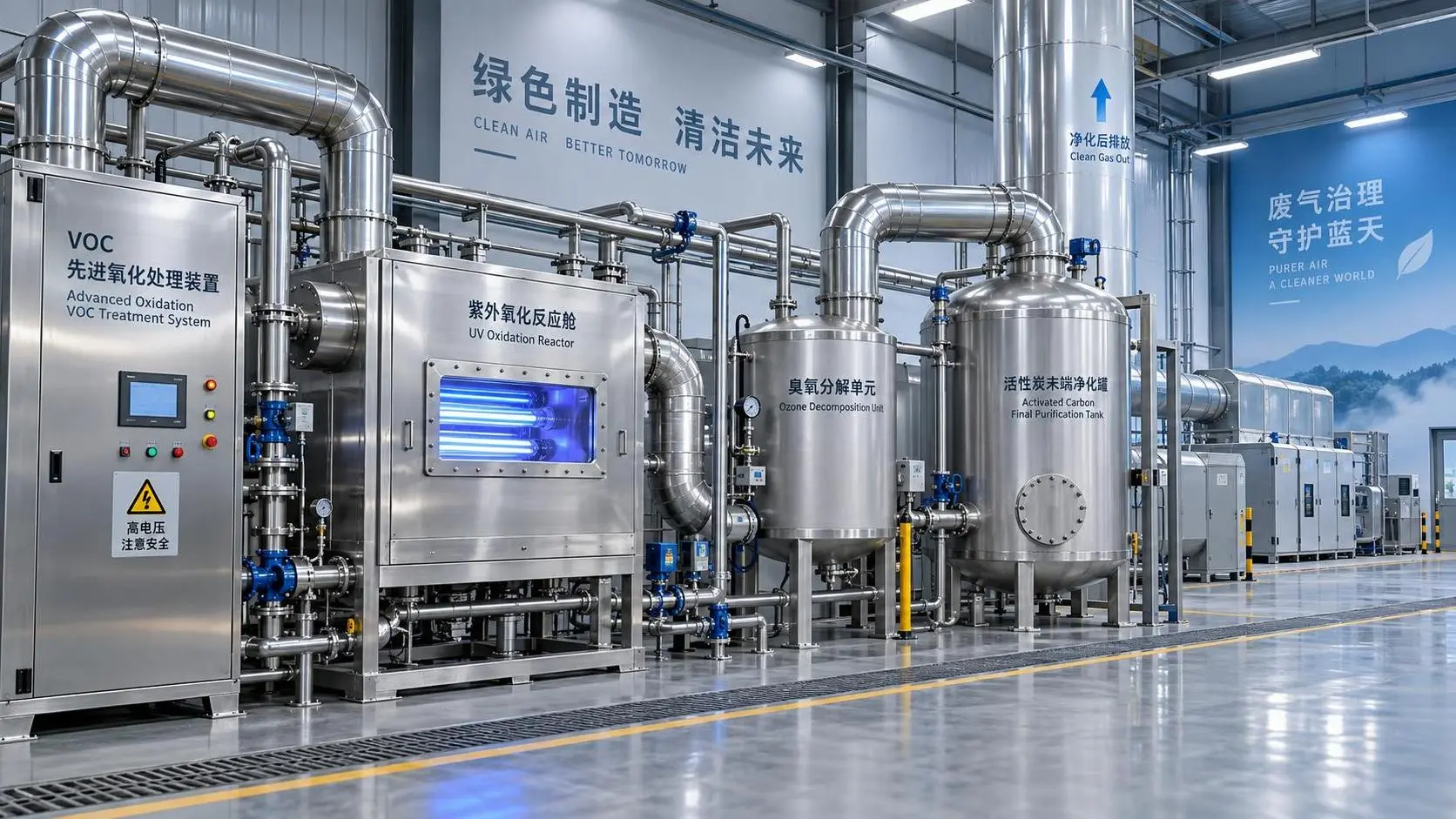
When are advanced oxidation processes the right choice for VOC control?
Advanced oxidation processes for VOC control: learn when AOPs outperform conventional options, manage by-products, and achieve reliable compliance.
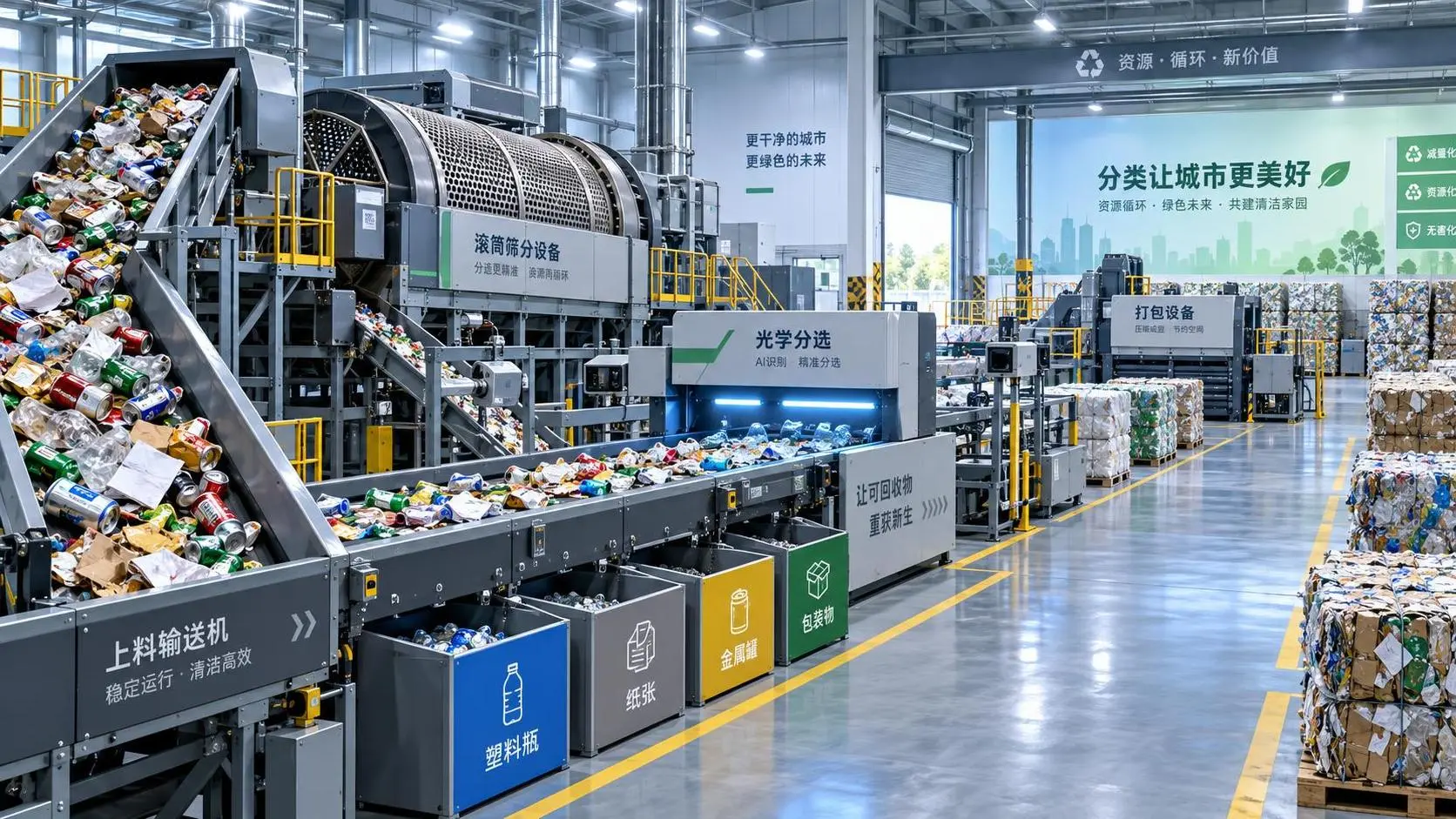
What throughput should municipal waste sorting equipment deliver?
Waste sorting equipment for municipal waste: learn how to set reliable throughput based on peak loads, material quality, uptime, and recovery targets.