
Industry News
Curation by industry experts
Hot Articles
Popular Tags
How VOC concentration affects industrial VOC treatment selection
VOC concentration is a critical starting point when selecting an industrial VOC treatment system. It affects which technologies are practical, how much energy they consume, and what safeguards they need. Dilute exhaust may favor adsorption or biological treatment; a richer stream may make solvent recovery or oxidation more attractive. Concentration alone, however, is not a design basis. Airflow, solvent composition, variability, and the required outlet performance can change the answer.
Concentration is useful only when the airflow is known
A treatment system handles both a volume of gas and a mass of contaminants. Two exhaust streams can have the same VOC concentration but very different pollutant loads if one carries much more air. Conversely, a low-concentration stream with a high flow rate may contain substantial solvent mass while still being expensive to heat or cool.
That distinction matters when comparing technologies. Oxidation economics depend heavily on the energy needed to bring the entire gas stream to operating temperature. Adsorption depends on the VOC load reaching the media, but also on how quickly the gas passes through the bed and how the individual compounds interact with it. Condensation depends on vapor concentration, composition, and the achievable cooling temperature.
Before requesting equipment proposals, put concentration and flow on a consistent basis. Confirm whether measurements are reported as ppm by volume, mass per unit volume, total organic carbon, or another expression. A conversion from ppmv to mass concentration requires molecular weight and stated temperature and pressure conditions. For mixed solvents, a single conversion factor can conceal a meaningful error.
Also check whether reported flow is actual or normalized, wet or dry, and measured upstream or downstream of dilution. A lower concentration caused by added air does not necessarily mean less VOC is being emitted. It may simply mean a larger treatment system is required.
What a dilute stream usually favors
Large volumes of dilute exhaust are common where ventilation is needed to protect workers or control heat, such as coating areas and production halls. Directly heating all that air in a thermal oxidizer can be costly because the VOC may contribute relatively little usable energy compared with the heating demand.
Adsorption is often worth evaluating in this situation. Activated carbon or another suitable adsorbent captures VOCs from the airflow, with the bed either replaced or regenerated. The attraction is straightforward: the system can treat a large air volume without heating all of it to oxidation temperature. The less obvious issue is that adsorption capacity is not a fixed property of the media. Humidity, temperature, competing compounds, and the desired breakthrough limit all affect working capacity.
A bed sized from a supplier’s capacity figure for one clean solvent may disappoint when it sees a humid mixture with intermittent peaks. Ask for the assumptions behind media life, the proposed breakthrough monitoring method, and the disposal or regeneration route. Some compounds can create bed-heating or other hazards, so compatibility review is part of safety design, not just a purchasing detail.
Biofilters and biotrickling filters can also suit some dilute, biodegradable streams, particularly when odor control is part of the duty. They need stable biological conditions and enough contact time. Poorly biodegradable compounds, toxic peaks, drying, nutrient imbalance, or long shutdowns can make performance less predictable. Biological treatment is therefore not simply a low-energy substitute for every dilute solvent stream.
When concentration makes oxidation more attractive
As VOC loading increases, the heat released by oxidation can offset more of the system’s heating demand. A regenerative thermal oxidizer, or RTO, recovers heat from treated exhaust to preheat incoming gas. Depending on the mixture, inlet temperature, heat recovery, and operating conditions, supplemental fuel demand may fall substantially. The point at which the unit can sustain operation without added fuel must be calculated for the actual stream; it is not a universal concentration threshold.
Higher loading also creates a different problem: too much heat. A design that works at average conditions may struggle during a solvent-rich production cycle. Peak load, burner turndown, heat-release control, and the capacity to manage hot excursions deserve as much attention as nominal destruction performance.
Catalytic oxidation can operate at lower temperatures than thermal oxidation, but its suitability depends on catalyst compatibility. Silicon-containing compounds, certain metals, and other constituents may foul or poison a catalyst. Halogenated or sulfur-containing compounds can also produce acidic combustion products and may require downstream gas cleaning. In those cases, a comparison based only on fuel use misses catalyst replacement, corrosion control, and secondary waste handling.
Concentration systems offer another route: capture VOCs from a large dilute airflow and desorb them into a smaller, richer stream for oxidation or recovery. The reduced oxidizer flow can improve economics, but the concentrator adds pressure drop, rotating or switching equipment, controls, and another set of failure modes. Check the complete system’s outlet performance, including adsorption breakthrough and desorption conditions, rather than comparing only oxidizer destruction efficiency.
Rich streams: recover the solvent or destroy it?
A concentrated solvent stream can justify looking beyond abatement. Condensation may recover solvent by cooling the gas until vapor condenses; adsorption followed by desorption is another possible recovery route. The commercial question is not just how much liquid can be collected, but whether it can be reused or sold after allowing for water, mixed solvents, impurities, storage, and any purification required.
A relatively clean, stable stream from a solvent-intensive process is a more promising recovery candidate than an exhaust that changes composition with each production recipe. If the recovered liquid needs distillation, that unit’s energy demand and residue disposal belong in the comparison. Condensation may also leave a residual vapor stream that needs polishing before discharge.
Thermal oxidation may still be preferable when the mixture has little recovery value or changes too often for a practical separation system. On the other hand, destroying a recoverable solvent without examining segregation can mean paying twice: once to purchase it and again to dispose of it in exhaust. Keeping a concentrated process vent separate from general ventilation is often worth investigating before combining ducts.
Average concentration can hide the design case
Batch charging, equipment cleaning, startup, and shutdown can produce short peaks that a time-weighted average obscures. Those peaks may govern explosion protection, adsorption breakthrough, oxidizer temperature control, and permitted emissions. A measurement campaign should therefore follow the operating cycle, not just sample during a convenient steady period.
For each relevant operating mode, establish the expected flow, composition, concentration range, duration, temperature, humidity, and oxygen content. Include planned production changes and credible upset conditions. Continuous monitoring or time-resolved sampling may be needed where short peaks matter; a single grab sample rarely describes a variable process adequately.
Flammability needs a separate assessment. The lower explosive limit varies by substance, and mixtures require an appropriate calculation and consideration of measurement uncertainty. Define where flammable conditions could arise, including ducts, concentrators, recovery equipment, and shutdown conditions. Monitoring locations, interlocks, purge arrangements, and any dilution strategy should be developed with the applicable local safety requirements and a qualified process-safety review. Dilution alone should not be treated as a substitute for that review.
Compare complete systems, not headline efficiencies
An attractive quoted removal or destruction efficiency does not by itself establish compliance. Confirm what is measured, at which inlet and outlet points, under what operating conditions, and over what averaging period. Local requirements may distinguish between total VOC, individual hazardous pollutants, concentration limits, mass emission rates, and other obligations. The applicable permit and test method need to be checked for the site.
For a realistic evaluation, request an operating-cost estimate that includes fan electricity, auxiliary fuel, cooling, media or catalyst replacement, maintenance, waste handling, and monitoring. For intermittent plants, ask how each system behaves at low load and during repeated starts. A solution with a favorable design-point energy balance may be less attractive if it spends much of its life heating up, idling, or bypassed.
The cross-media consequences matter too. A scrubber added after oxidation can create wastewater; solvent recovery can produce still bottoms; spent carbon requires an appropriate regeneration or disposal route. This is the kind of boundary between flue-gas treatment, water management, and resource recovery that Global Eco-Shield Dynamics tracks: moving a pollutant out of the stack is not the same as resolving its full treatment pathway.
The most useful next step is a process-specific comparison based on the same measured operating cases. Give each technology supplier the same peak and average load profile, composition, discharge target, and utility assumptions. Then ask each to identify its limiting condition and the evidence needed to verify performance. If those limits are unclear, the concentration figure on its own is not yet enough to select the equipment.
Recommended News
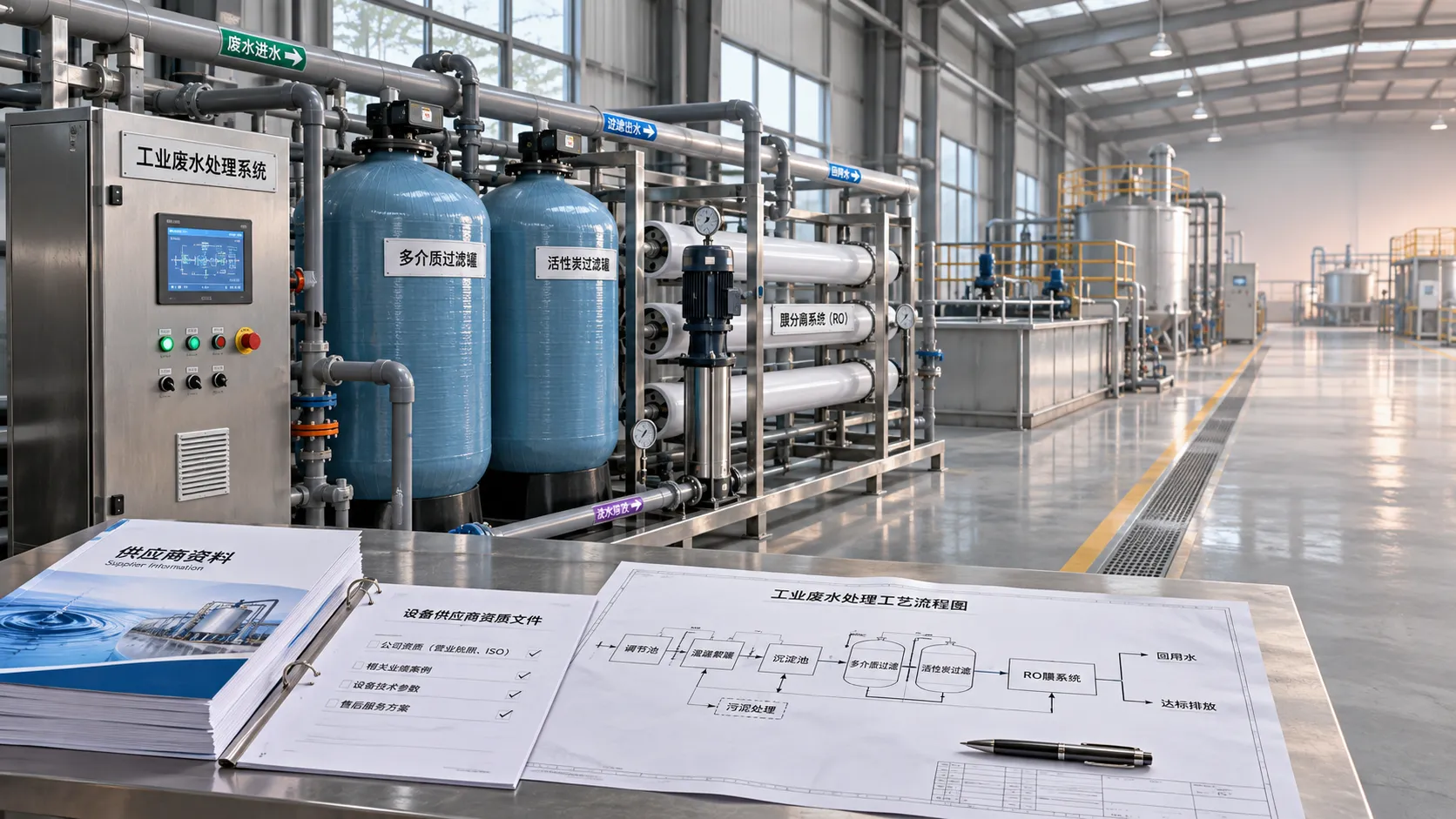
How to find verified providers in an industrial environmental solutions directory
Use an environmental solutions directory for industry to find verified providers, compare technical capabilities and costs, and build a reliable supplier shortlist.
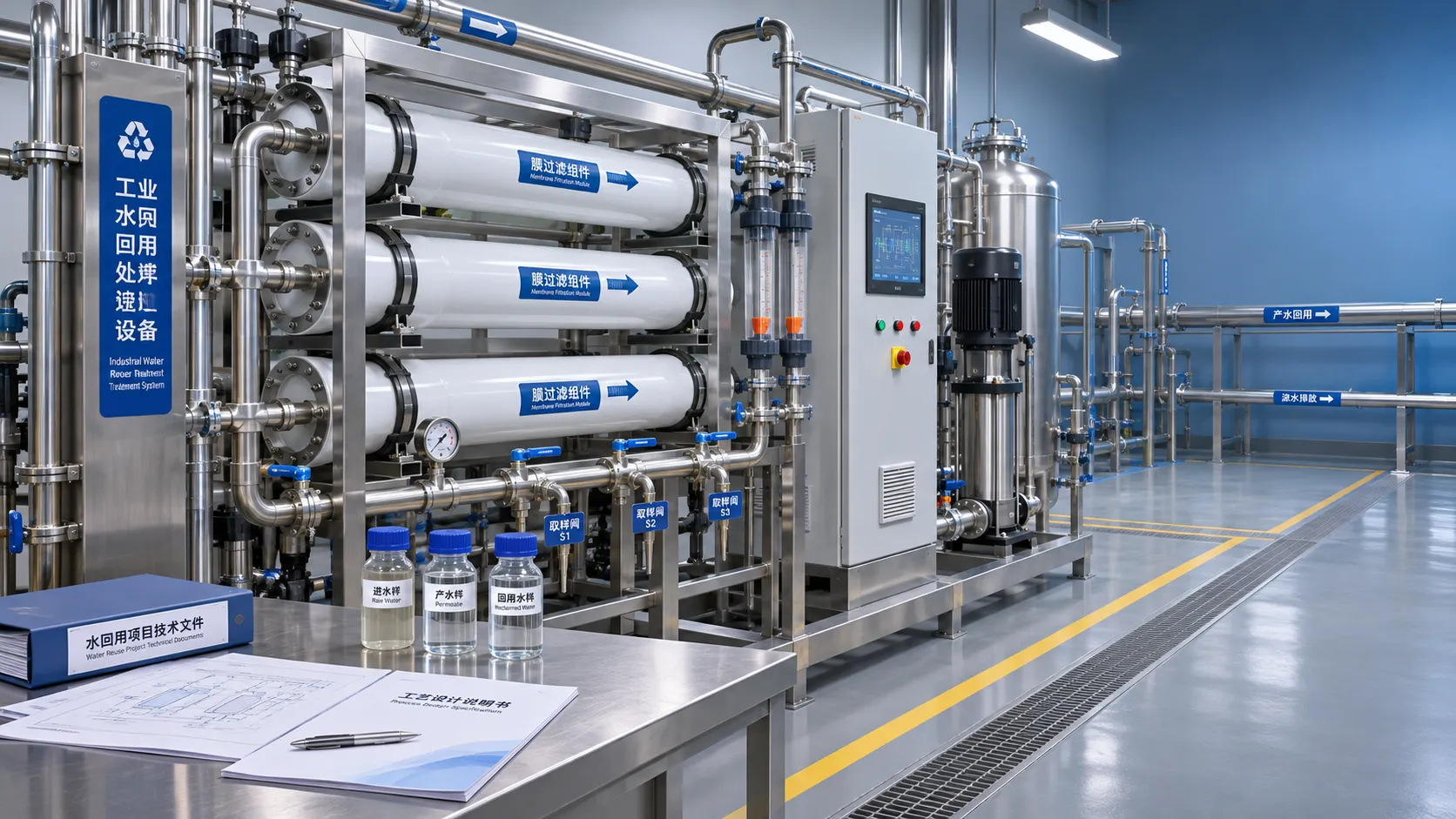
How to identify applicable water reuse equipment standards
Identify applicable water reuse equipment standards with a practical guide to regulations, performance claims, certification, and monitoring.
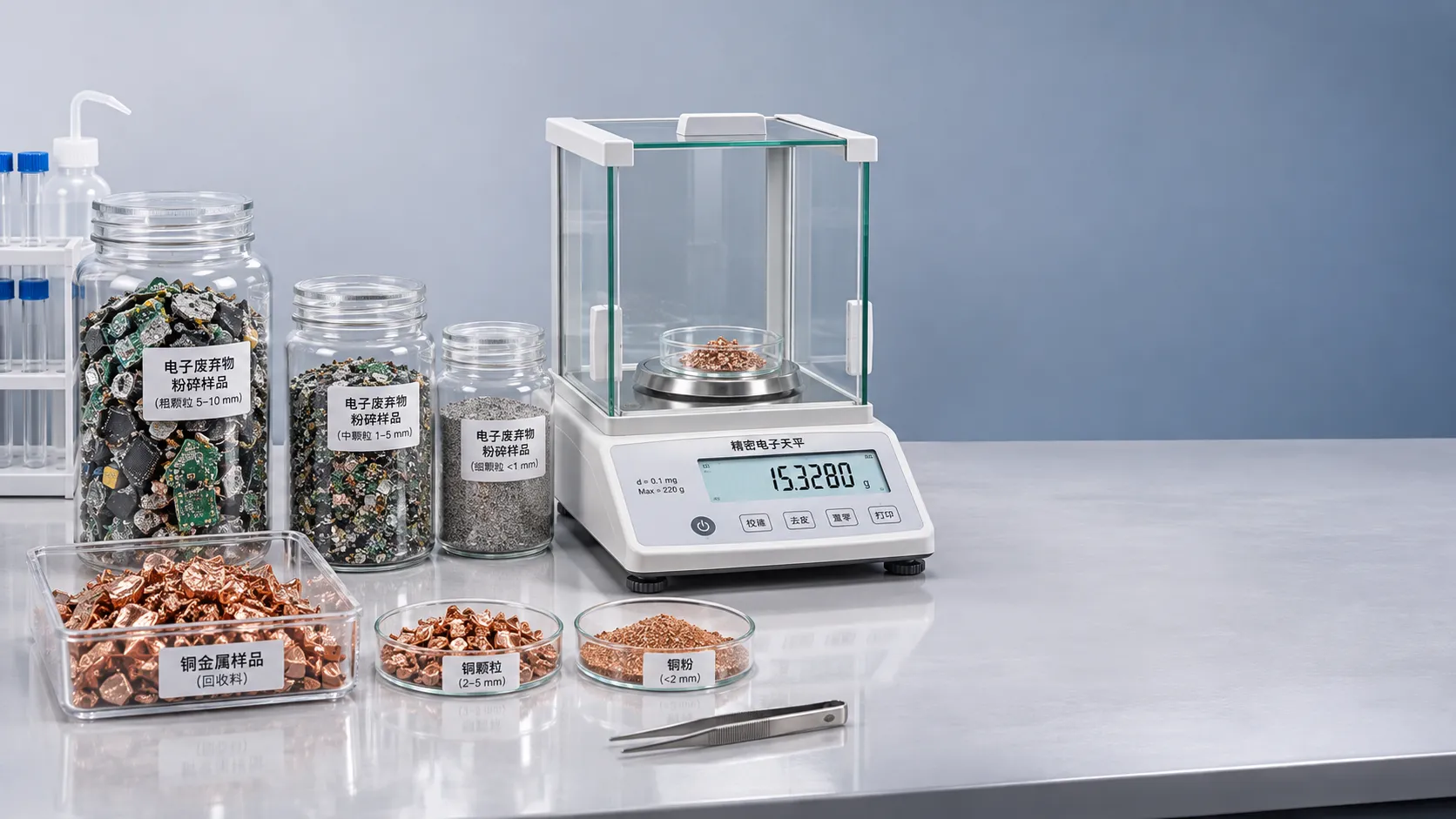
How to measure resource recovery efficiency in e-waste refining
Learn how to measure resource recovery efficiency in e-waste refining with metal balances, sampling and verified yields. Compare technologies with confidence.
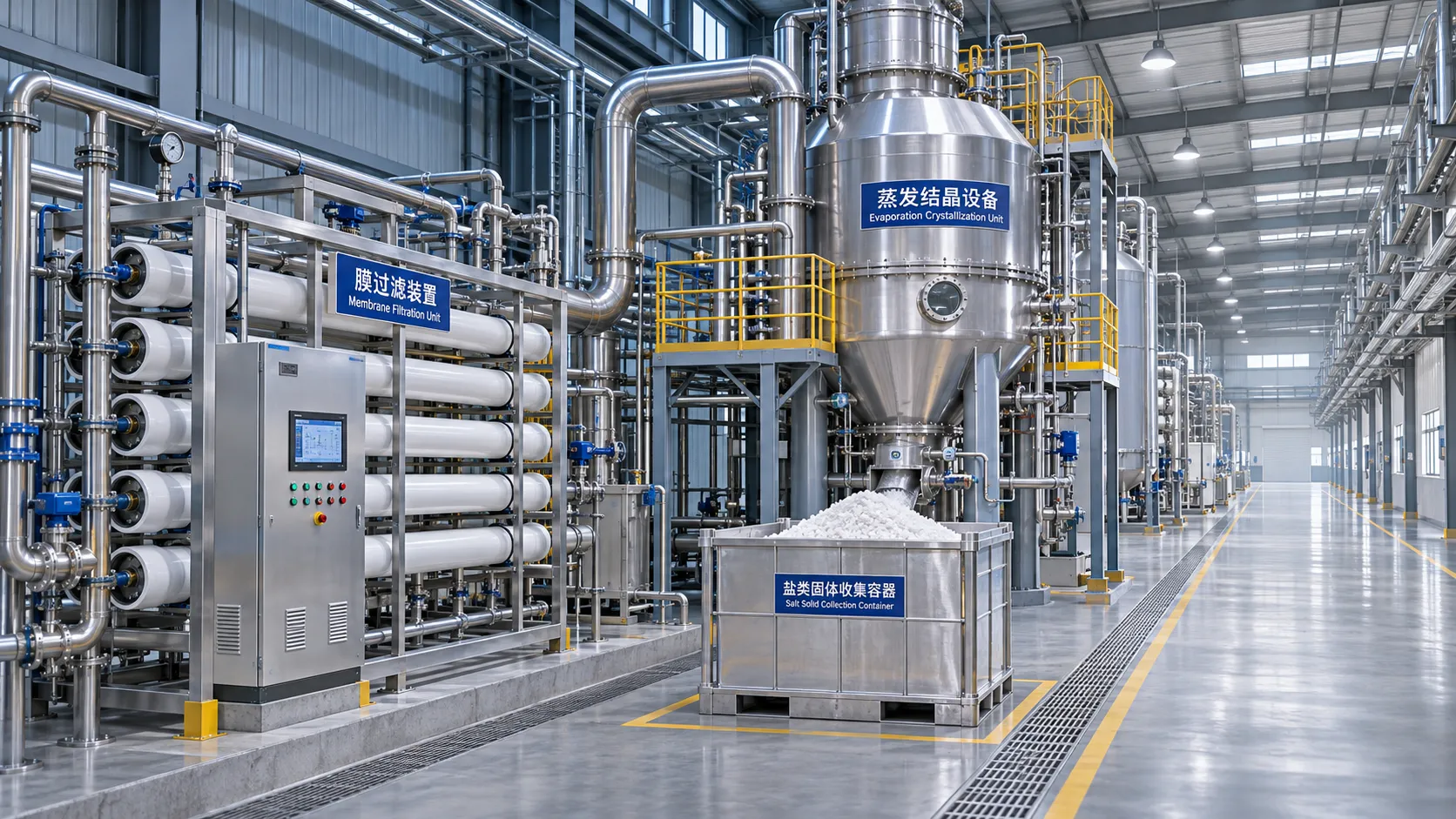
How to evaluate a ZLD system integrator’s project experience
Evaluate a ZLD system integrator with confidence. Learn how to verify relevant projects, operating results and contract risks before selecting a partner.
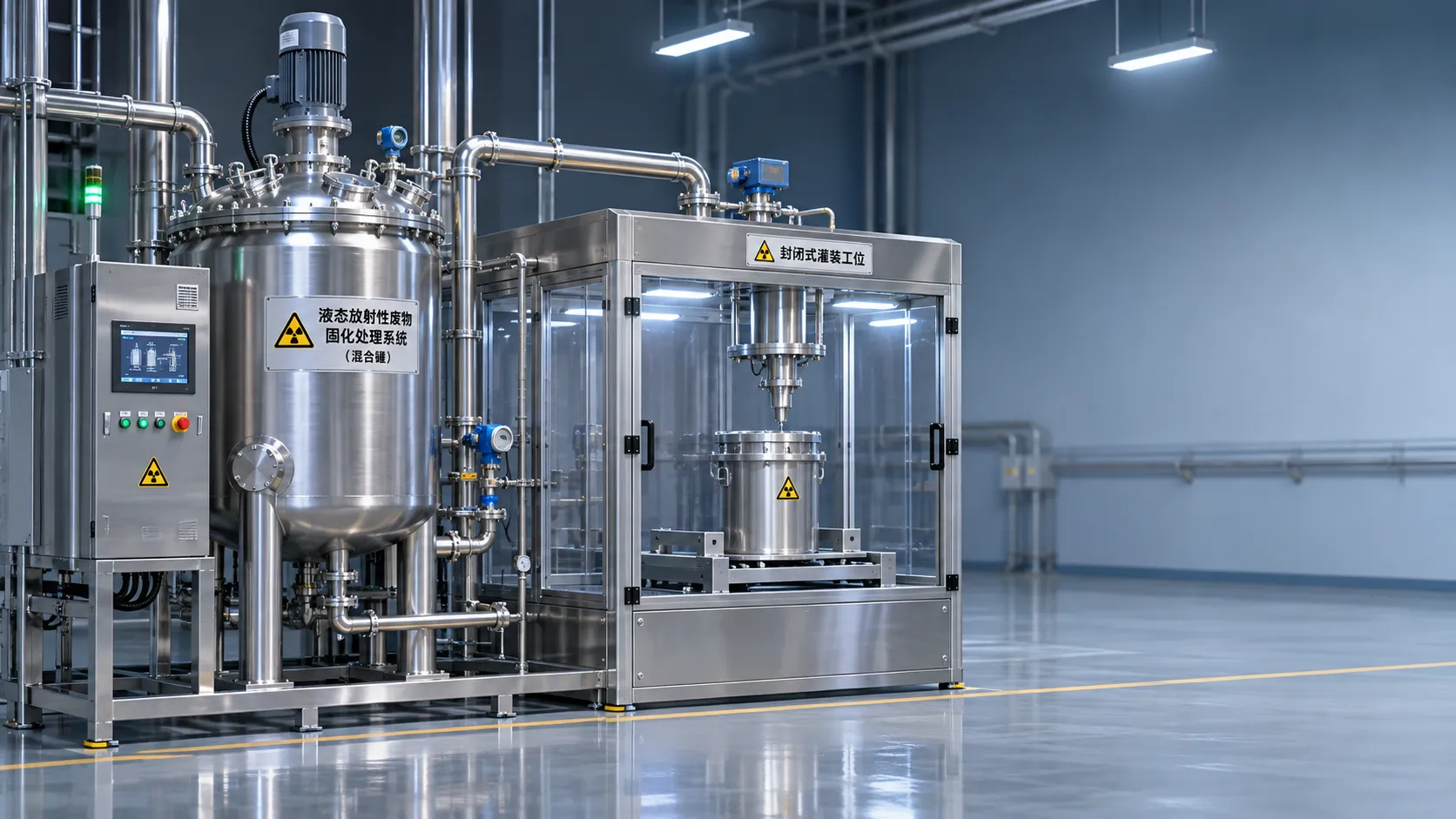
How to select nuclear waste safety equipment for liquid solidification
Choose nuclear waste safety equipment for liquid solidification with confidence. Compare waste acceptance, containment, radiation protection, and lifecycle costs.
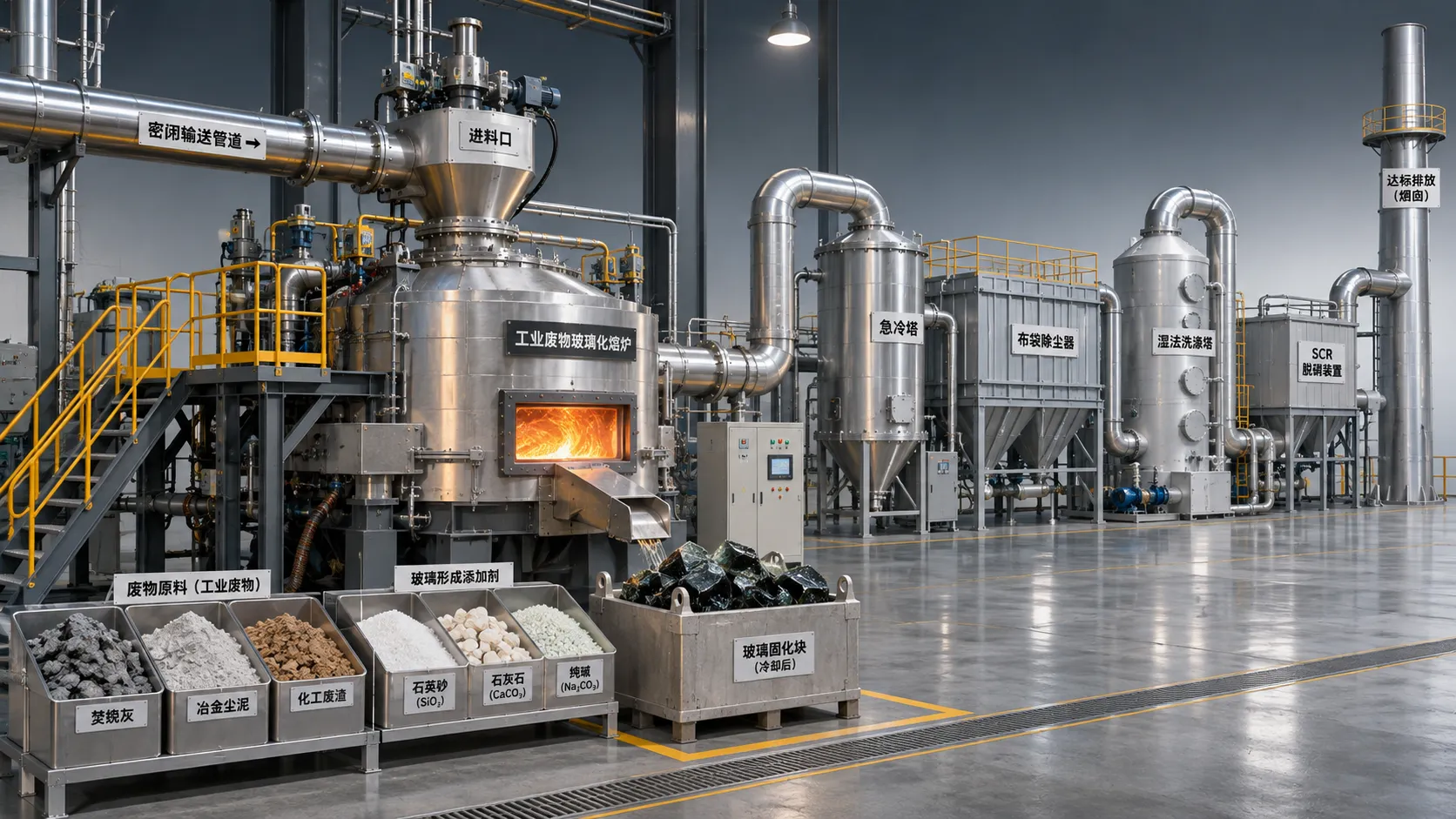
How does waste composition affect waste vitrification cost?
Discover how moisture, glass chemistry and contaminants affect waste vitrification cost—and learn how to compare bids and avoid hidden expenses.
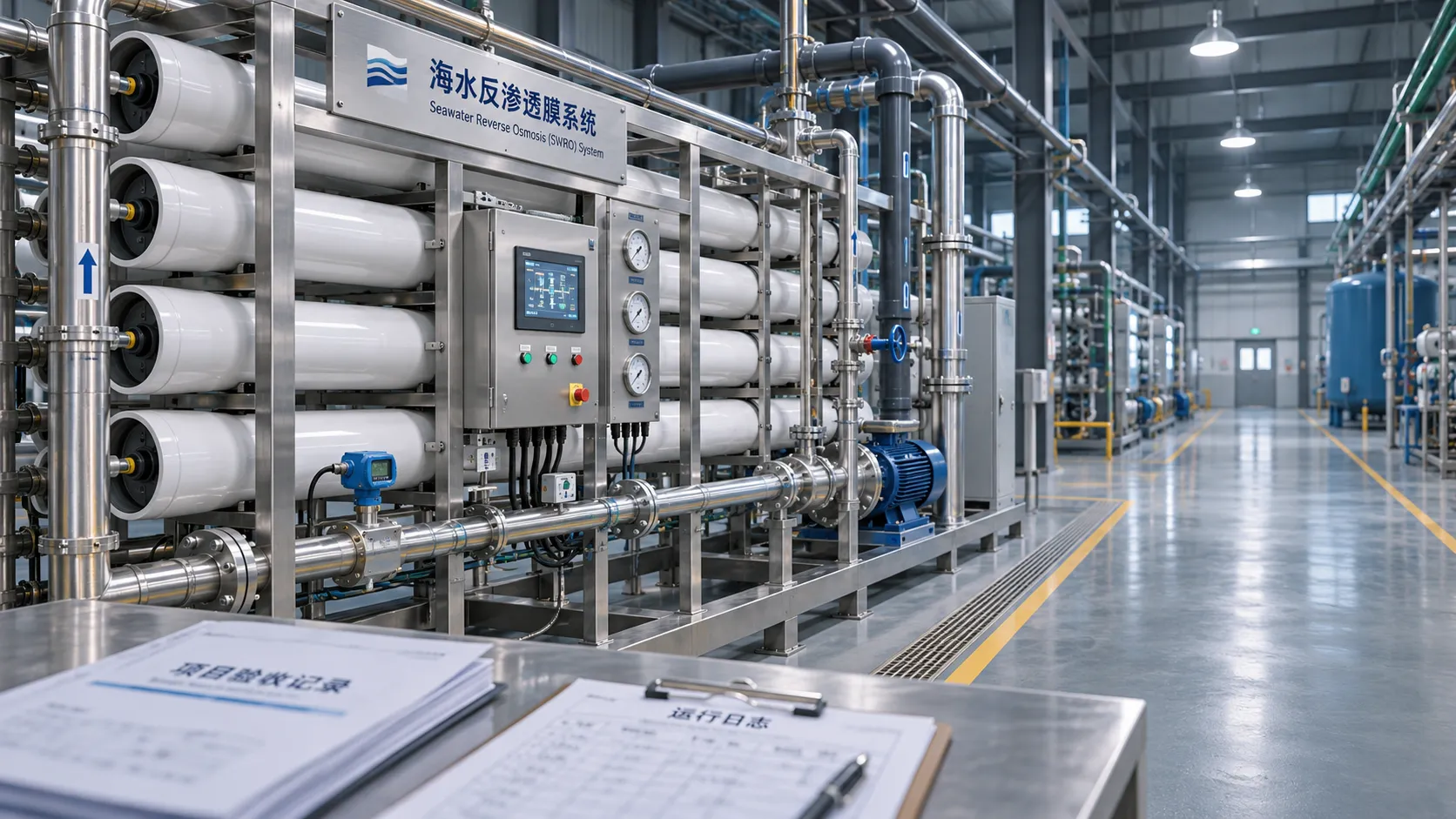
How to verify an SWRO membrane systems exporter's track record
Verify an SWRO membrane systems exporter's track record with practical checks for project references, operating evidence, export capability and after-sales support.
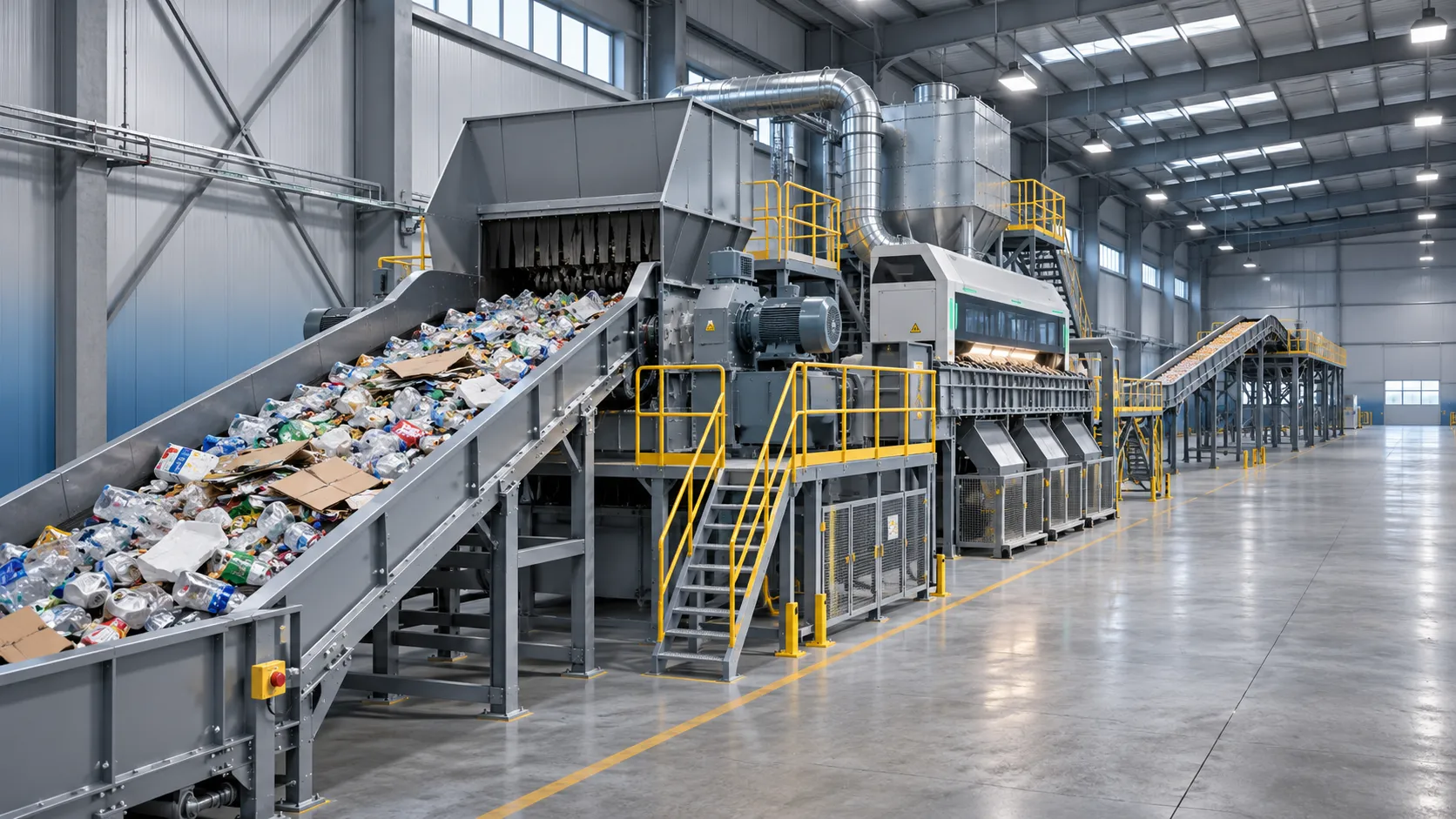
How does capacity affect waste recovery equipment price?
Discover how capacity affects waste recovery equipment price, and learn how to compare throughput, operating costs, and supplier quotes for a smarter investment.
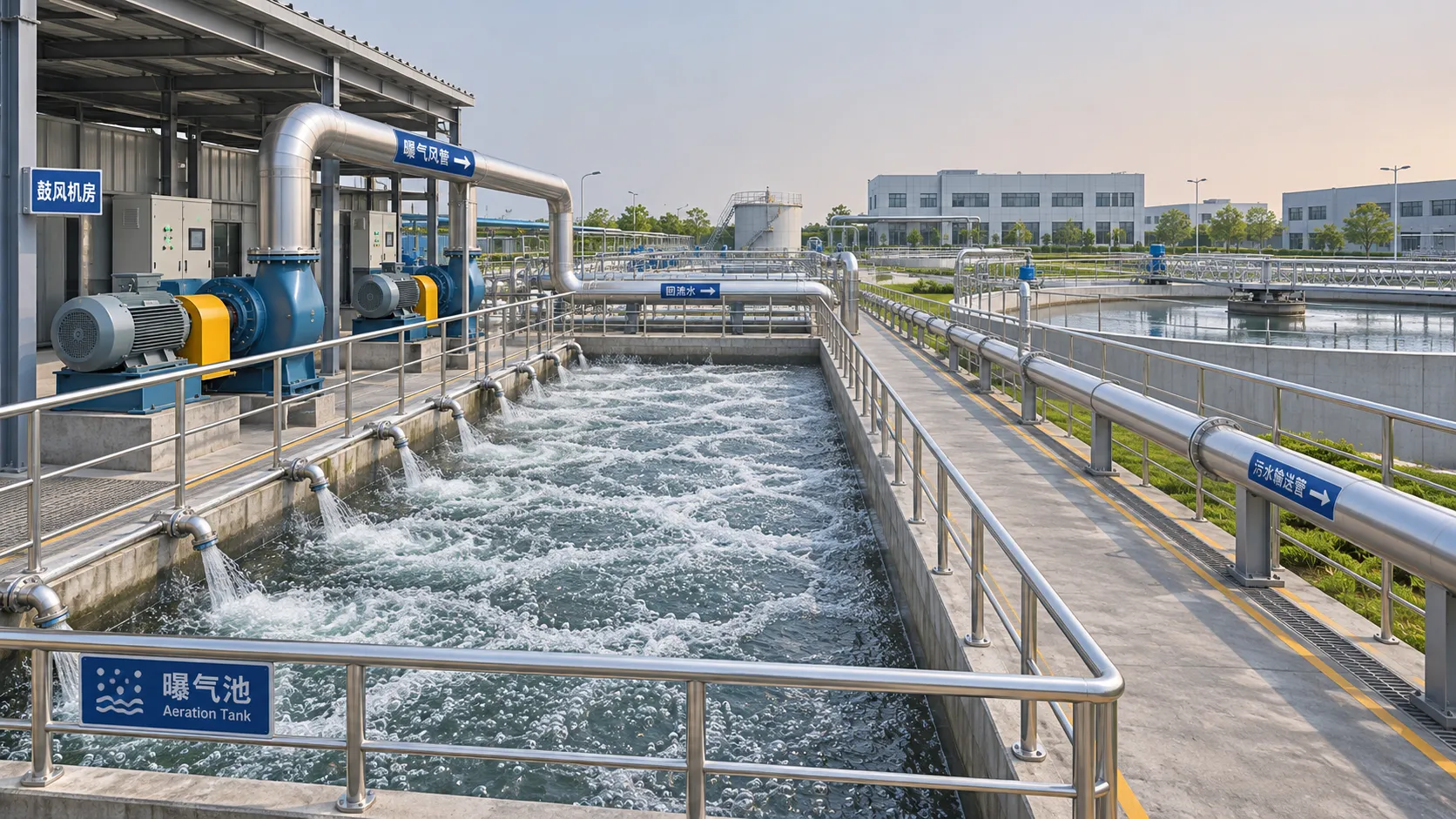
How energy use affects wastewater purification lifecycle costs
Wastewater purification lifecycle cost depends on more than equipment price. Discover how energy use, tariffs and treatment choices shape your investment.