
Industry News
Curation by industry experts
Hot Articles
Popular Tags
How does capacity affect waste recovery equipment price?
Higher capacity generally raises the purchase price of waste recovery equipment because it requires larger processing components, stronger material-handling systems, and often more supporting infrastructure. The increase is not necessarily proportional: a line designed for twice the throughput does not automatically cost twice as much. Some costs can be shared across a larger system, while others jump when a design requires an additional machine, sorting line, building extension, or utility upgrade.
The useful comparison is therefore not simply price per tonne of stated capacity. It is the cost of processing the expected waste stream, at the required recovery quality, over realistic operating hours. A lower-priced machine can become the more expensive choice if it creates a bottleneck, requires an extra shift, or cannot produce material that meets an offtaker’s specification.
Why capacity changes waste recovery equipment price
Capacity affects almost every part of a recovery system. A higher-throughput shredder may need a larger drive and heavier components; a faster sorting line may require wider conveyors, more separation units, additional bunkers, or more space for workers and equipment. Dust extraction, fire protection, electrical supply, and downstream handling may also need to increase in size.
Some elements do not scale at the same rate. Controls, engineering, installation mobilization, and certain shared facilities may support more than one processing rate without increasing in direct proportion. This can make a larger system appear cheaper per unit of installed capacity.
That comparison only holds if the extra capacity is used. Paying for throughput that remains idle ties up capital while still leaving the owner with maintenance, financing, and space costs. At the other extreme, a system sized too tightly may need overtime, temporary storage, or an earlier expansion than planned.
Capacity-related costs can also rise in steps. A modest increase in the design requirement may push a project beyond the range of one machine and require a second unit, an additional conveyor route, or a different building layout. Requesting prices for more than one capacity option helps reveal where those cost steps occur.
A tonne per hour is not a complete specification
Two quotations showing the same hourly capacity may describe very different operating conditions. Before comparing prices, establish what enters the equipment, what comes out, and how the stated throughput is measured.
Mixed commercial waste, construction and demolition debris, source-separated plastics, and organic material behave differently in a recovery line. Moisture, particle size, bulk density, contamination, and the proportion of bulky items all affect feeding and separation. A system rated for a relatively uniform stream may process a more variable stream at a lower rate, or require additional preparation.
Ask suppliers to state the assumed feed composition and whether the quoted rate applies to the complete line or to an individual machine. A shredder’s throughput does not define the capacity of the whole facility if the screen, optical sorter, baler, or reject conveyor cannot keep pace.
Output requirements matter just as much. Recovering material at a saleable quality may require additional sorting stages, recirculation, or a lower operating rate. A quote based on producing a rough mixed fraction should not be compared directly with one designed to produce several separated grades. Define the required output grades, acceptable contamination, and intended outlets before treating the prices as equivalent.
Convert annual volume into a practical capacity requirement
Annual tonnage is a starting point, but equipment is bought and operated at an hourly rate. Divide the expected annual incoming material by the realistic annual processing hours to estimate the average throughput needed. Then assess whether the plant can handle peaks, downtime, and changes in the waste mix.
Processing hours should reflect the intended shift pattern and planned stops for cleaning, inspections, maintenance, and changeovers. For example, a facility receiving material throughout the day but running its line for only part of that time needs enough processing capacity and storage to manage the difference. Increasing operating hours may reduce the required machine size, but it can increase labor, supervision, energy, and maintenance costs.
Peak deliveries deserve separate attention. If collection vehicles arrive in concentrated periods, an adequately sized line may still need a reception area or feed buffer. Conversely, a larger line may offer limited value if loading equipment or the incoming conveyor cannot feed it consistently. Compare the cost of extra processing capacity with the cost and practical limits of buffering, additional shifts, or altered delivery schedules.
Allow for uncertainty, but make that allowance explicit. A forecast based on committed supply contracts supports a different investment decision from a forecast based on anticipated growth. If future volumes are uncertain, price the current requirement and a credible expansion scenario separately.
Compare the whole line, not just the main machine
The largest visible machine is rarely the only capacity-sensitive item. The following comparison helps identify costs that can move a project into a different price bracket:
Pay particular attention to interfaces. A supplier may quote the processing equipment but exclude unloading, civil works, electrical connections, or removal of residual waste. Those exclusions can be entirely reasonable, but they must be priced elsewhere before the offers can be compared on the same basis.
Automation should also be evaluated against the intended operating pattern. Optical sorting, robotics, and automated controls can support a higher or more consistent throughput, but their value depends on the waste stream, required output quality, staffing, and availability of technical support. An automated line is not automatically the lowest-cost choice for a small or irregular feed stream.
When a larger system can lower cost per tonne
A larger system can be financially attractive when there is a dependable supply of material and enough operating time to use it. Fixed costs such as supervision, certain facilities, and some maintenance activities can then be spread across more processed tonnes. More capacity may also reduce the need for an additional shift or prevent incoming material from accumulating during busy periods.
The benefit depends on the amount actually processed, not the nameplate rating. To compare options, estimate annual ownership and operating costs for each configuration and divide them by the expected annual tonnes processed. Include financing or capital charges, labor, power, consumables, maintenance, residue handling, and relevant facility costs. Use the same assumptions about feed and output quality for each option.
Revenue from recovered materials and any fees associated with incoming waste can change the result, but they should be shown separately from processing cost. Use the project’s commercial assumptions, including quality requirements and the cost of disposing of rejects. A higher-throughput system that produces a less marketable output may not improve the overall financial result.
Also compare downside cases. If incoming volumes are lower than expected, the larger line’s cost per tonne may rise because its ownership costs are spread across fewer tonnes. If volumes or contamination are higher than expected, the smaller line may incur overtime, backlog, or extra processing costs. These scenarios show how much the decision depends on the forecast.
One larger line or capacity added in stages?
A single larger installation can make sense when supply is secure, site conditions are known, and demand is expected from the start. It may avoid repeat mobilization and provide a more integrated layout. However, a single critical machine can also become a single point of failure, so the cost of downtime and the availability of service support should be part of the decision.
Adding capacity in stages can suit a project with uncertain volumes or a phased supply contract. It limits the initial commitment and allows later equipment choices to reflect the material actually received. The trade-off is that expansion may cost more overall, particularly if it requires repeated installation work or interrupts operations.
A modular proposal is only useful if the expansion path is defined. Ask which components can be added, which must be replaced, and what spare space, foundations, power, controls, and permits the future phase would require. A larger incoming conveyor or electrical connection installed at the outset may be worthwhile if it avoids a disruptive rebuild; it is less attractive if expansion remains unlikely.
Make supplier quotations comparable
Give each supplier the same design basis and ask for an itemized offer. This makes it easier to see whether a price difference comes from capacity, process design, scope, or commercial terms.
- Feed: expected annual volume, delivery pattern, material composition, moisture and contamination ranges, and the size of incoming items.
- Performance: required line throughput under the stated feed conditions, operating hours, desired output grades, and treatment of rejects.
- Scope: equipment boundaries, conveyors, controls, installation, commissioning, training, civil works, utilities, and exclusions.
- Operating assumptions: staffing, energy demand, consumables, wear parts, maintenance intervals, and access for servicing.
- Commercial terms: delivery schedule, payment milestones, warranty, performance acceptance procedure, spare parts, and service support.
- Expansion: the equipment and site changes needed to reach a higher future throughput, with an indicative scope for that option.
For performance acceptance, define the material to be used, the duration and operating conditions of the demonstration, how throughput and output quality will be measured, and how interruptions will be treated. A capacity figure is more useful when both parties understand the conditions under which it must be achieved.
The preferred offer is the one that can process the expected material at the required quality and cost, with a manageable response to variation. Compare the base requirement with a realistic growth option, then identify the bottleneck and the full cost of removing it. That gives the capacity decision a financial basis instead of leaving it to a single headline rating.
Recommended News
How to find verified providers in an industrial environmental solutions directory
Use an environmental solutions directory for industry to find verified providers, compare technical capabilities and costs, and build a reliable supplier shortlist.
How to identify applicable water reuse equipment standards
Identify applicable water reuse equipment standards with a practical guide to regulations, performance claims, certification, and monitoring.

How to measure resource recovery efficiency in e-waste refining
Learn how to measure resource recovery efficiency in e-waste refining with metal balances, sampling and verified yields. Compare technologies with confidence.
How to evaluate a ZLD system integrator’s project experience
Evaluate a ZLD system integrator with confidence. Learn how to verify relevant projects, operating results and contract risks before selecting a partner.
How VOC concentration affects industrial VOC treatment selection
Explore how VOC concentration shapes industrial VOC treatment selection, from adsorption and oxidation to solvent recovery. Find the right approach for your process.
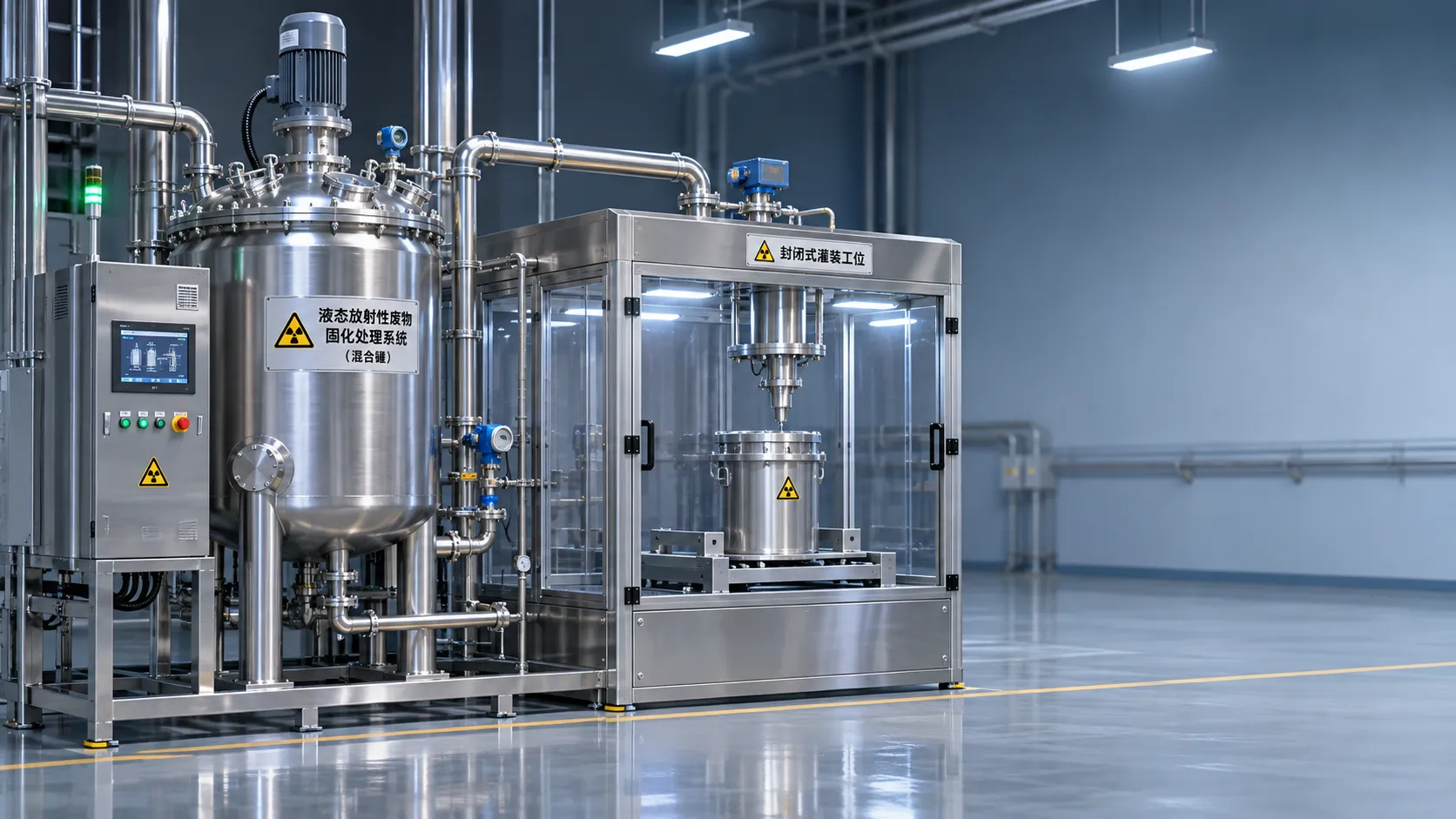
How to select nuclear waste safety equipment for liquid solidification
Choose nuclear waste safety equipment for liquid solidification with confidence. Compare waste acceptance, containment, radiation protection, and lifecycle costs.
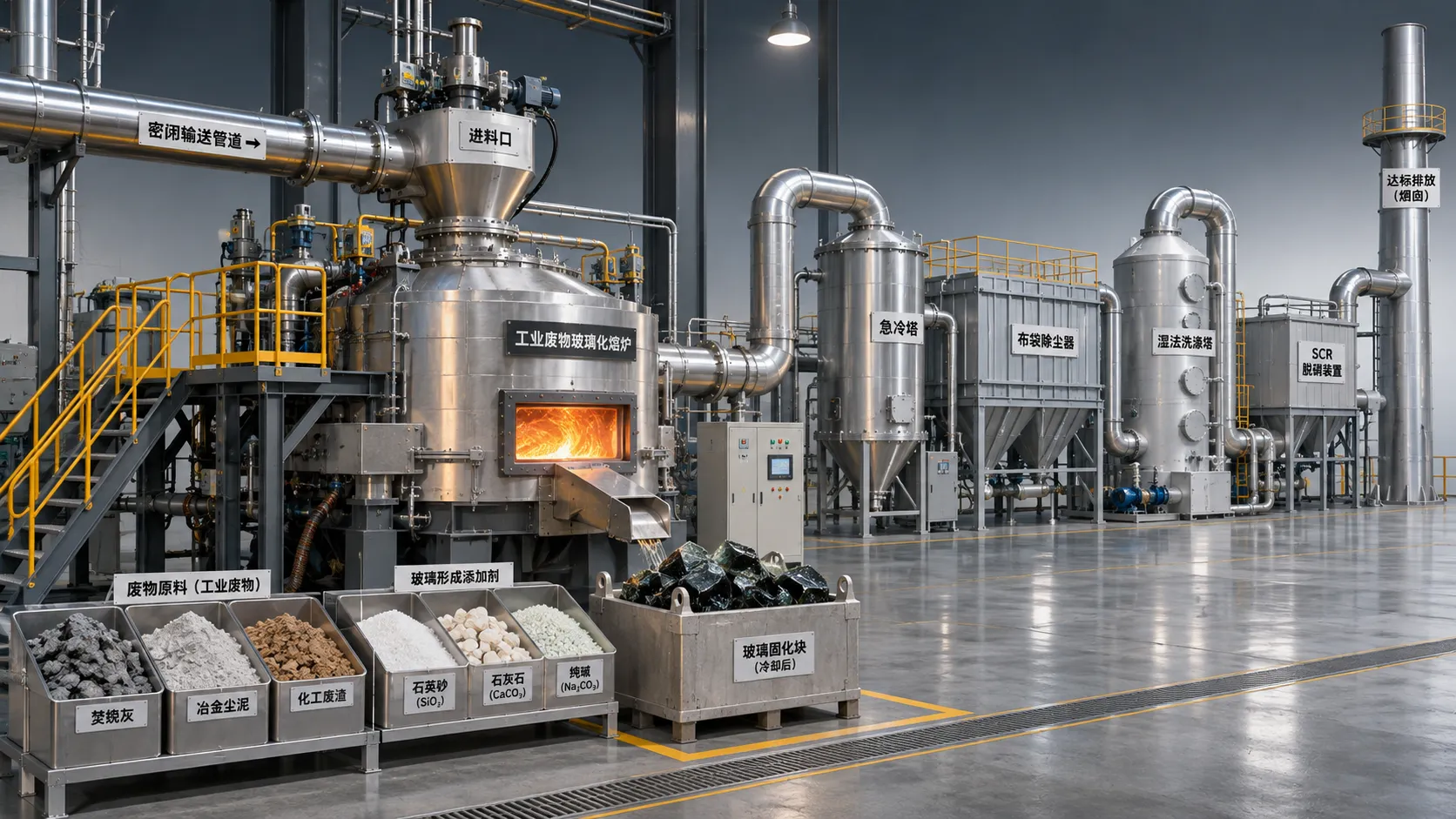
How does waste composition affect waste vitrification cost?
Discover how moisture, glass chemistry and contaminants affect waste vitrification cost—and learn how to compare bids and avoid hidden expenses.
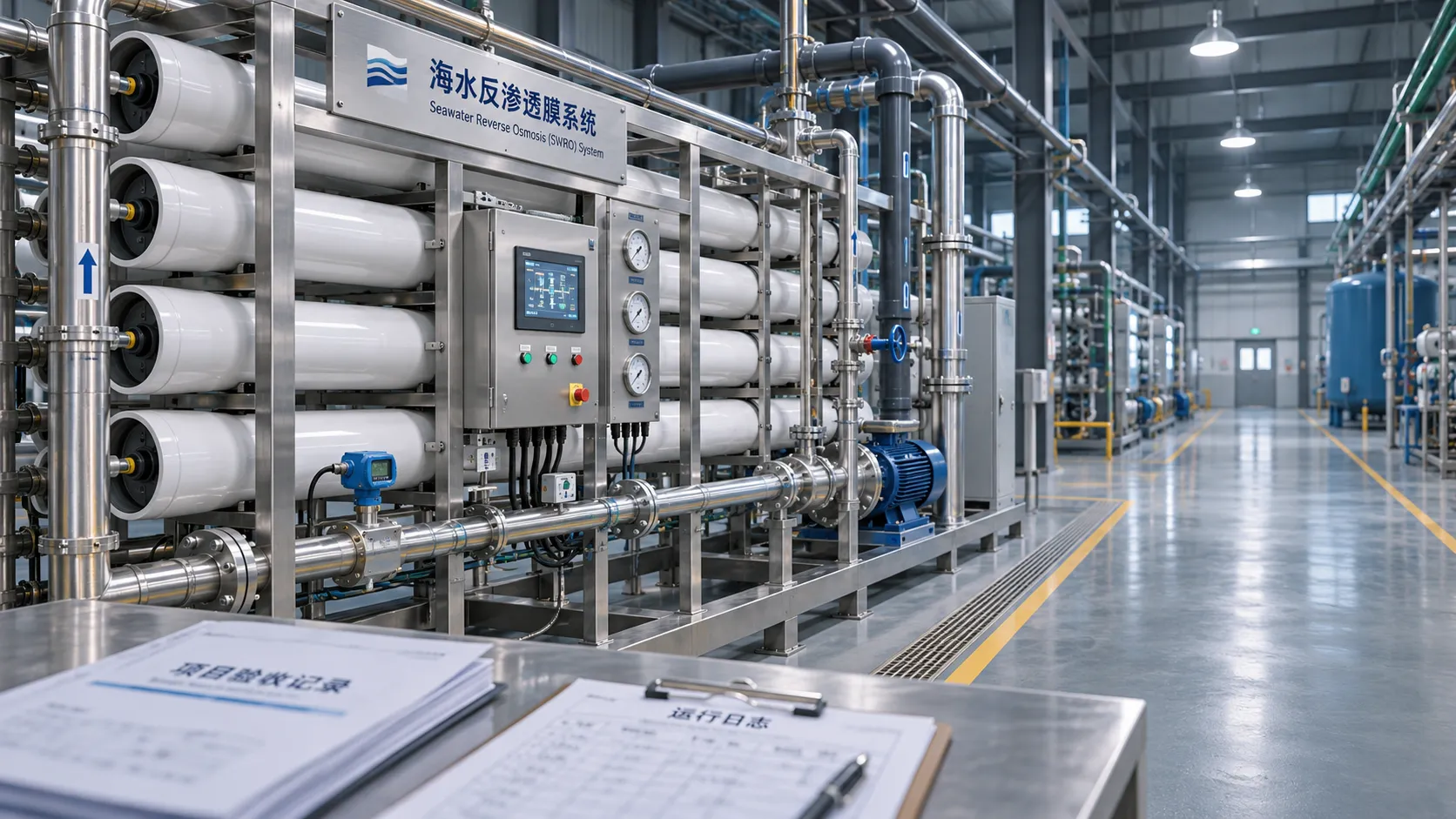
How to verify an SWRO membrane systems exporter's track record
Verify an SWRO membrane systems exporter's track record with practical checks for project references, operating evidence, export capability and after-sales support.
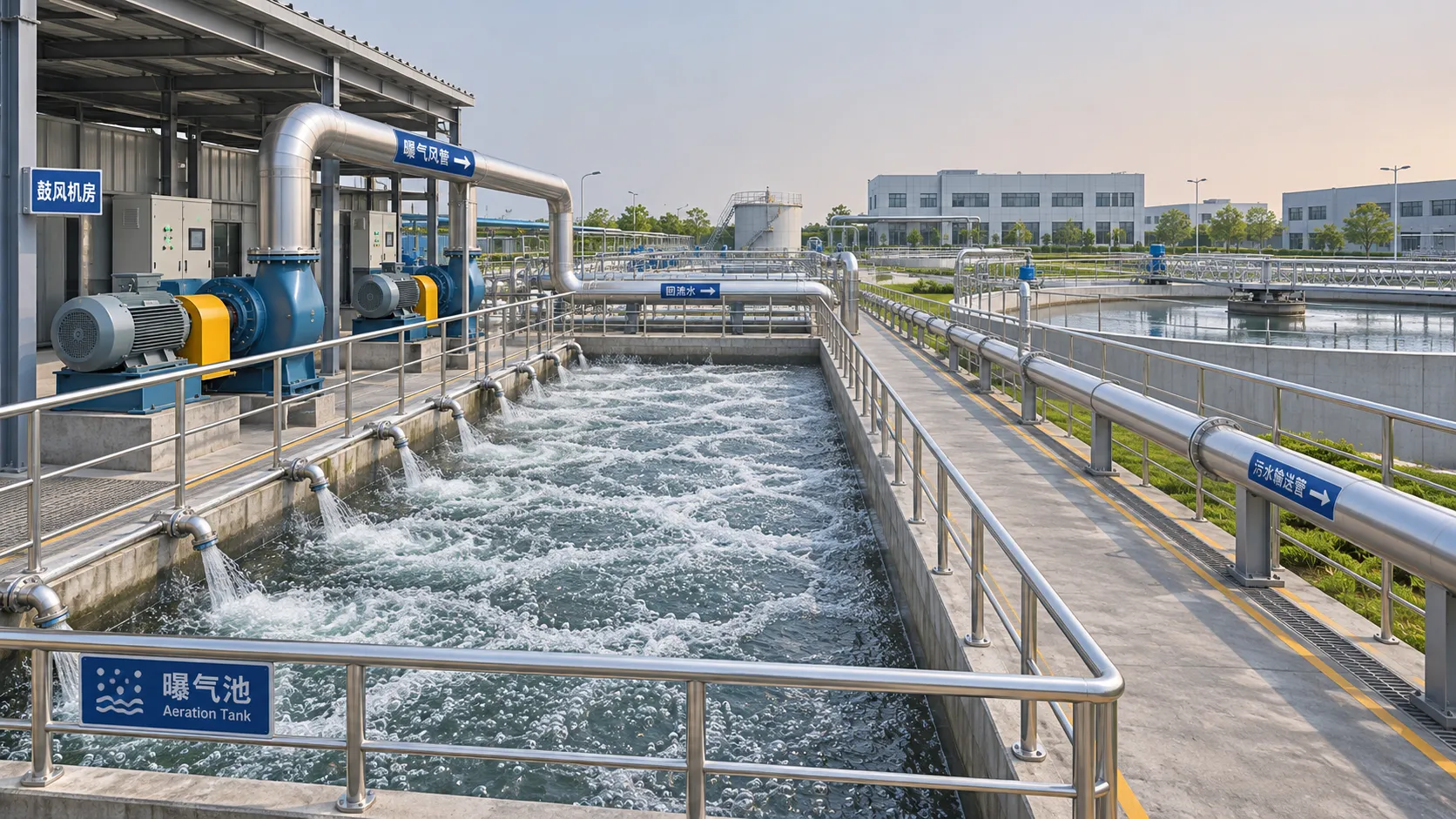
How energy use affects wastewater purification lifecycle costs
Wastewater purification lifecycle cost depends on more than equipment price. Discover how energy use, tariffs and treatment choices shape your investment.