
Industry News
Curation by industry experts
Hot Articles
Popular Tags
How to identify applicable water reuse equipment standards
Applicable water reuse equipment standards follow from the water source, the proposed use, the equipment boundary, and the rules enforced where the system will operate. A membrane rating or a disinfection claim cannot establish compliance on its own: the treated water must meet the relevant quality requirements under defined operating conditions, and the equipment must be suitable for its materials, pressure, electrical, monitoring, and safety duties.
Start by separating legal requirements from voluntary standards and project specifications. A regulation or permit can make a particular standard mandatory, while a contract can impose additional requirements. Record the issuing authority, applicable edition, scope, and evidence required for each obligation; a reference in a product brochure does not establish that the complete installation conforms.
Define the reuse route before selecting standards
Describe the system from the point where source water enters the treatment train to the point where reclaimed water is used or discharged. Identify whether the source is municipal wastewater, industrial process water, cooling-system blowdown, stormwater, or a mixture. Composition can change across operating modes, so include cleaning discharges, production shifts, seasonal variations, and foreseeable upstream changes where relevant.
Then define the intended use: irrigation, industrial washing, cooling, boiler makeup, toilet flushing, aquifer recharge, or another application. The same treated water can face different requirements when human contact, aerosol formation, food contact, or a connection to a potable distribution system is involved. Direct or indirect potable reuse requires a separate examination of the specific jurisdiction’s authorization, treatment, monitoring, and public health requirements.
Fix the equipment boundary early. A packaged treatment unit, an individual ultraviolet reactor, a membrane element, and an installed reuse system are different objects of assessment. A certificate for one component does not automatically extend to the assembled skid, its controls, or the quality of water at the final use point.
- Source conditions: flow range, temperature, suspended solids, organic load, salinity, relevant chemicals, and expected microbial hazards.
- Exposure route: worker or public contact, aerosols, ingestion potential, and proximity to drinking-water connections.
- Operating envelope: startup, shutdown, low-flow periods, peak load, storage, cleaning, and bypass conditions.
- System interfaces: feed and product connections, chemical supply, concentrate disposal, alarms, sampling points, and downstream storage.
Separate water-quality obligations from equipment requirements
Water reuse equipment standards can address different questions. Some establish test methods or performance claims for a device; others address mechanical safety, electrical construction, material contact, or system management. Regulations and permits can set water-quality limits, monitoring frequencies, operator duties, and restrictions on use. These layers need to be mapped together because satisfying one layer does not prove conformity with the others.
Use the competent authority’s current publications to identify the governing rules, then trace any referenced standards to their exact editions. A regulation can incorporate a dated edition even when a newer document exists. Conversely, an undated reference or a contract clause can have a different effect; resolve that question through the applicable legal text and the authority responsible for enforcement.
Build a requirement matrix around the treatment train
List each process step and its function, then connect it to the requirements that govern its design, performance, and operation. For example, screening protects downstream equipment, filtration reduces particulate loading, and disinfection controls specified microorganisms. The regulatory objective belongs to the complete treatment and monitoring arrangement unless an approval expressly assigns it to a single unit.
A useful matrix contains the requirement source and clause, the affected equipment or process boundary, the acceptance criterion, the operating condition, the evidence owner, and the status of any gap. Include both the claimed value and the method used to establish it. If a limit applies at the point of reuse, evidence collected only at the outlet of an upstream skid leaves storage and distribution effects unresolved.
Match performance claims to the actual duty
For membranes, distinguish nominal pore size, molecular-weight cutoff, salt rejection, and pathogen removal. These describe different properties and are not interchangeable measures of protection. Rejection measured with a specified salt solution does not establish removal of every dissolved organic compound or microorganism. Feed pressure, temperature, recovery, fouling, and integrity affect the relevance of a test result to the proposed duty.
For ultraviolet disinfection, a stated lamp power or transmission value alone does not establish delivered dose. Review the validated flow range, water transmittance, sensor arrangement, lamp aging assumptions, and alarm or shutdown conditions. Where chemical disinfection is used, assess the required concentration and contact time at the applicable temperature and pH, together with mixing, residual monitoring, and potential byproducts.
Log removal claims require a defined challenge and measurement method. Confirm the organism or surrogate, feed concentration, detection limit, and whether the claimed reduction applies to a tested device, an individual barrier, or a complete treatment train. Adding removal credits from separate processes requires the assumptions and authorization applicable to the project; a calculated sum is not automatically an accepted regulatory credit.
Account for operating conditions that invalidate a rating
A unit can meet a test criterion at one flow and fail to support the same claim outside that range. Review minimum and maximum flow, peak contaminant loading, temperature, water chemistry, and periods when treatment is bypassed or recirculated. Startups after membrane cleaning or extended shutdown can require diversion until operating conditions and water quality are restored.
Storage creates a separate exposure period. Loss of disinfectant residual, microbial regrowth, sediment accumulation, or cross-connections can change water quality after treatment. Where a standard or permit defines a sampling location, preserve that location in the design rather than substituting a convenient sample point upstream.
Assess materials, components, and installation interfaces
Materials must withstand both the normal water matrix and the chemicals used for cleaning and disinfection. Chloride, oxidants, pH extremes, temperature, and pressure can affect corrosion, seal life, membrane compatibility, and leaching. A material suitable for feed water is not necessarily suitable for concentrated brine or a cleaning solution. Record wetted surfaces, gaskets, coatings, lubricants, and replacement parts within the relevant assessment boundary.
Where water-contact material requirements apply, establish whether they concern potable water, a particular reuse application, or another exposure scenario. A drinking-water contact certification can be relevant to a defined component and condition, but it does not itself authorize reclaimed water for drinking or demonstrate treatment performance. Verify the certified model, materials, temperature and use conditions, and any restrictions in the listing.
Pressure vessels, piping, pumps, electrical panels, and control equipment can also fall under construction codes or conformity requirements independent of reuse water quality. The applicable obligations depend on the installation location, pressure, fluid classification, electrical supply, and equipment configuration. Include field-assembled connections and protective devices; a compliant component can be installed in a way that defeats its intended protection.
Examine conformity evidence beyond the certificate
Identify whether a claim is a supplier declaration, a laboratory test report, an inspection result, or a third-party certification. These forms of evidence serve different purposes. A test report describes results for the sample and conditions tested; certification can include a defined product scope and ongoing surveillance, subject to the scheme rules. Neither should be assumed to cover features absent from its stated scope.
Trace every document to the proposed model and configuration. Compare membrane type, reactor size, sensor package, control software, materials, and operating range with the equipment being specified. Check the issuing body’s current listing or other available verification route, certificate validity, the standard and edition, and any conditions or exclusions. Accreditation, where relevant, should cover the activity and scope being claimed; accreditation of an organization alone does not prove every test or certification it performs is covered.
Ask for the underlying test method and sufficient results to interpret the claim. A report with an impressive removal value but no challenge-water composition, flow, detection limit, or uncertainty leaves a significant evidence gap. Where proprietary information limits disclosure, define what an independent reviewer or the approving authority must be able to inspect before acceptance.
Connect monitoring and failure response to the approval basis
Continuous instruments often measure operational surrogates rather than the regulated contaminant itself. Turbidity can indicate a filtration upset, while conductivity can indicate changes in dissolved salts; neither alone demonstrates pathogen removal or the absence of a specific chemical. Link each surrogate to the performance claim or permit condition it supports, and define its alarm limits, calibration, maintenance, and response to invalid readings.
Document the action taken when a critical limit is exceeded: divert water, stop the relevant process, isolate storage, or use another response authorized for the system. A local alarm without a defined operator response or automatic interlock can leave nonconforming water available for use. Include power loss, communications failure, sensor fouling, and manual override in the control review.
Acceptance testing should distinguish equipment function from regulatory demonstration. A successful pump run or control-system test establishes that a component operates; it does not by itself establish sustained water quality. Define sampling locations, methods, operating conditions, duration, and acceptance criteria in the project documents, consistent with the applicable approval. Where performance cannot be verified until commissioning, record the limitation and the condition for final acceptance.
Resolve gaps before the specification is fixed
Classify each open item as an unidentified requirement, an unsupported claim, a design mismatch, or a matter requiring authority approval. These gaps call for different responses: obtain an interpretation of the governing rule, request test evidence, revise the equipment design, or submit the proposed approach for review. Record the responsible party and the point at which the issue must be closed.
Revisit the matrix when the source, end use, treatment configuration, or jurisdiction changes. A switch from closed-loop cooling to irrigation, for example, changes the exposure route and can change the applicable water-quality and monitoring requirements. Preserve the edition and approval basis used for the final design, and verify current local requirements before committing to equipment or relying on an earlier conformity assessment.
Recommended News
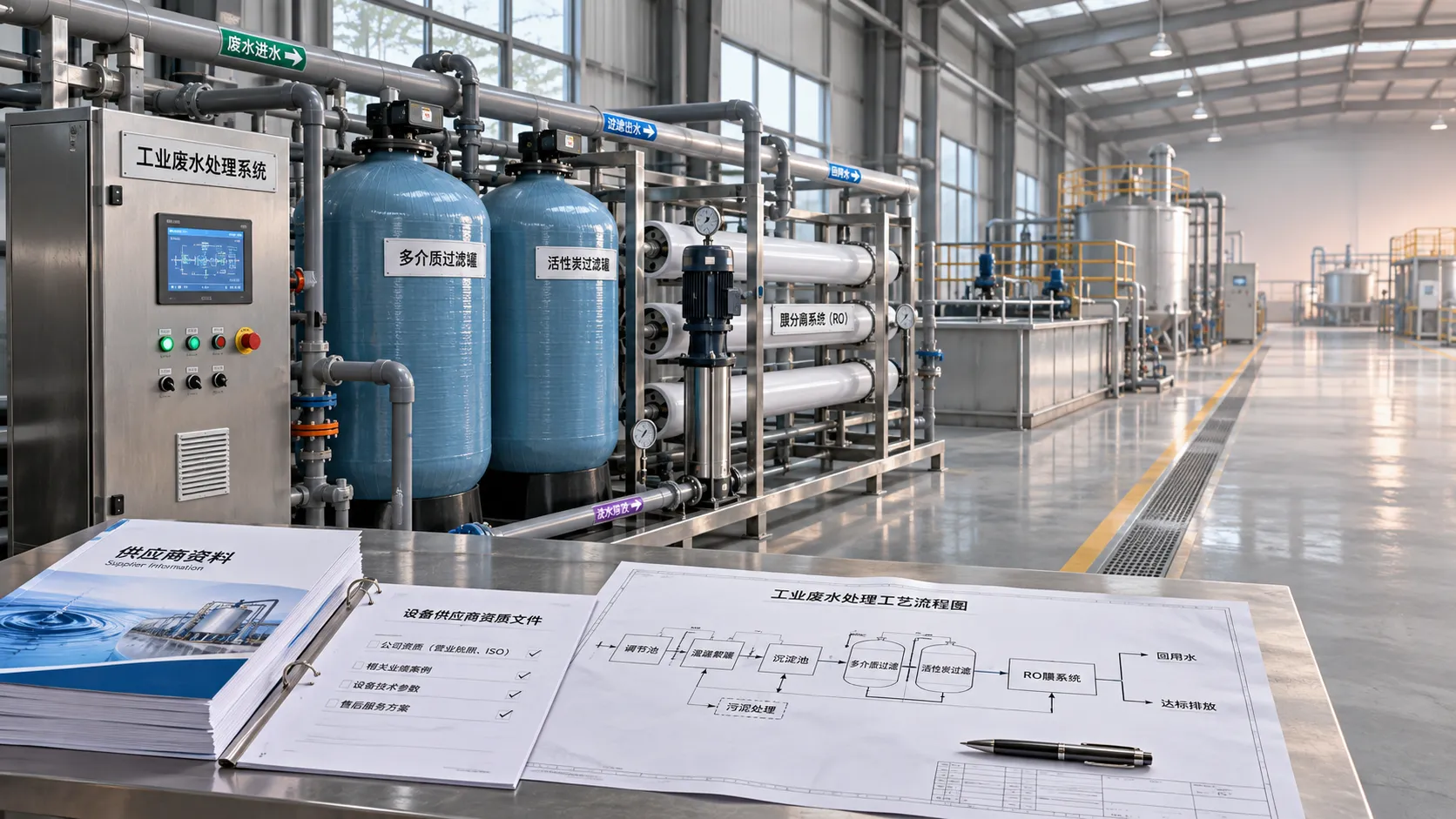
How to find verified providers in an industrial environmental solutions directory
Use an environmental solutions directory for industry to find verified providers, compare technical capabilities and costs, and build a reliable supplier shortlist.
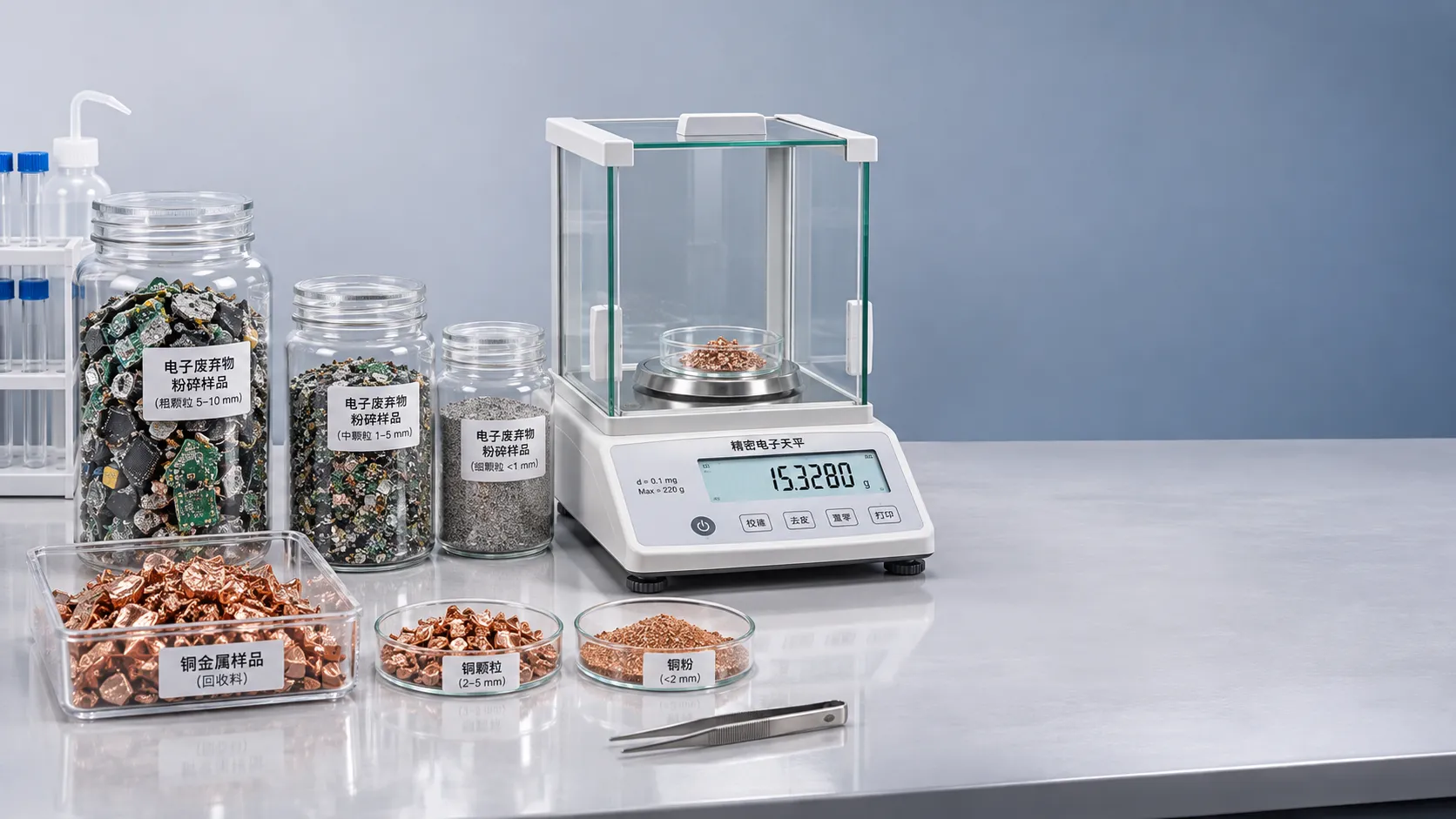
How to measure resource recovery efficiency in e-waste refining
Learn how to measure resource recovery efficiency in e-waste refining with metal balances, sampling and verified yields. Compare technologies with confidence.
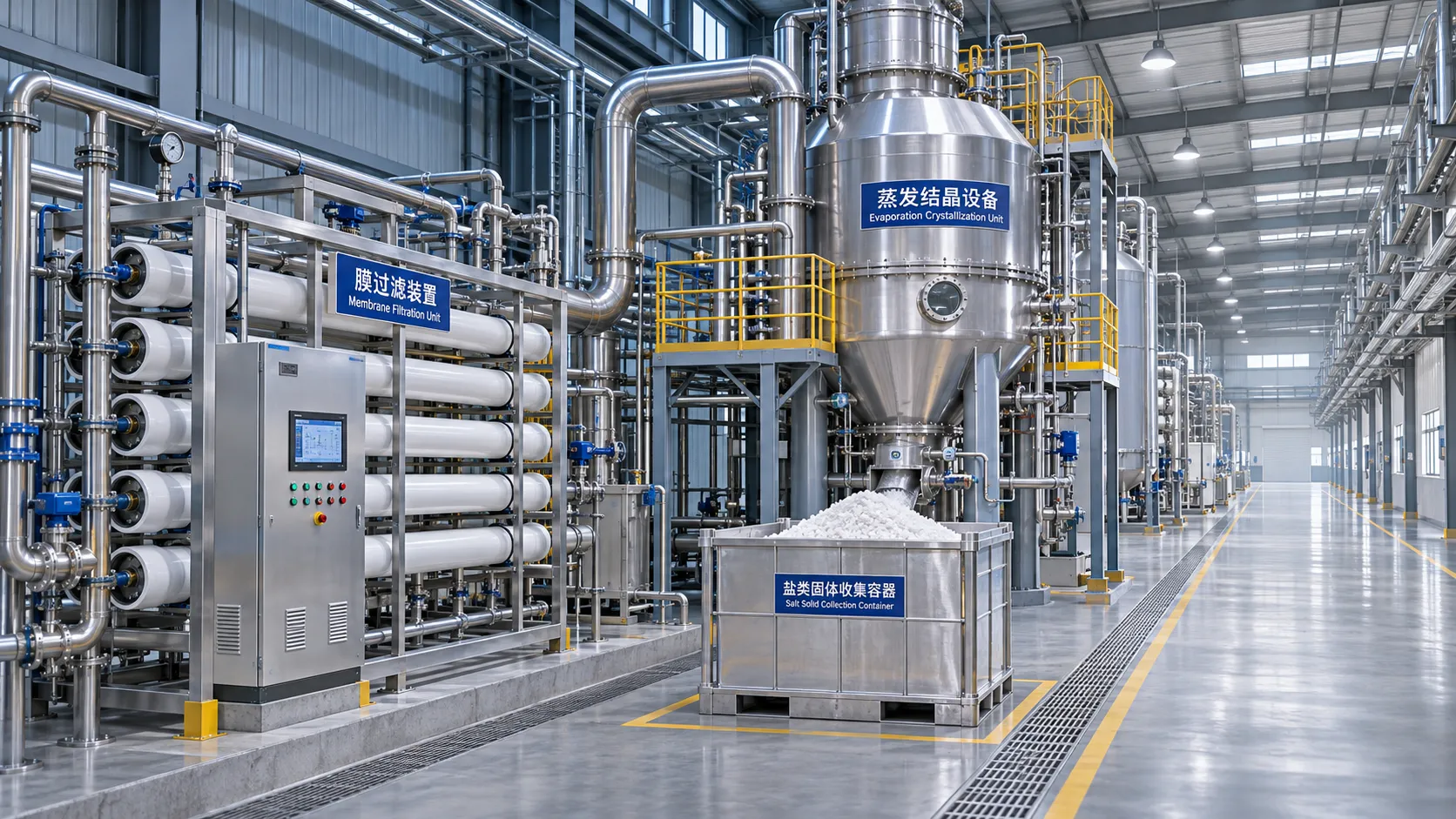
How to evaluate a ZLD system integrator’s project experience
Evaluate a ZLD system integrator with confidence. Learn how to verify relevant projects, operating results and contract risks before selecting a partner.
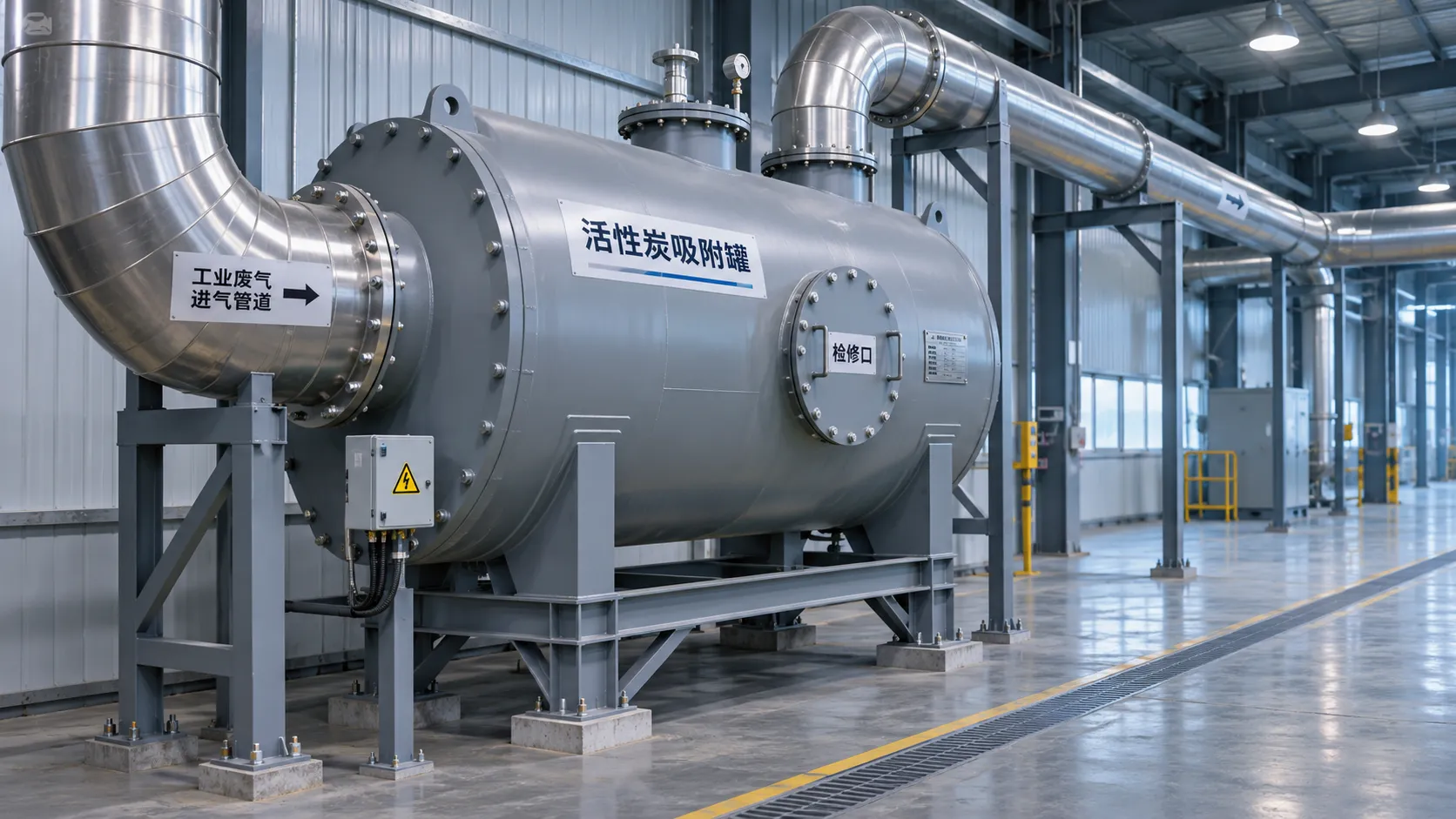
How VOC concentration affects industrial VOC treatment selection
Explore how VOC concentration shapes industrial VOC treatment selection, from adsorption and oxidation to solvent recovery. Find the right approach for your process.
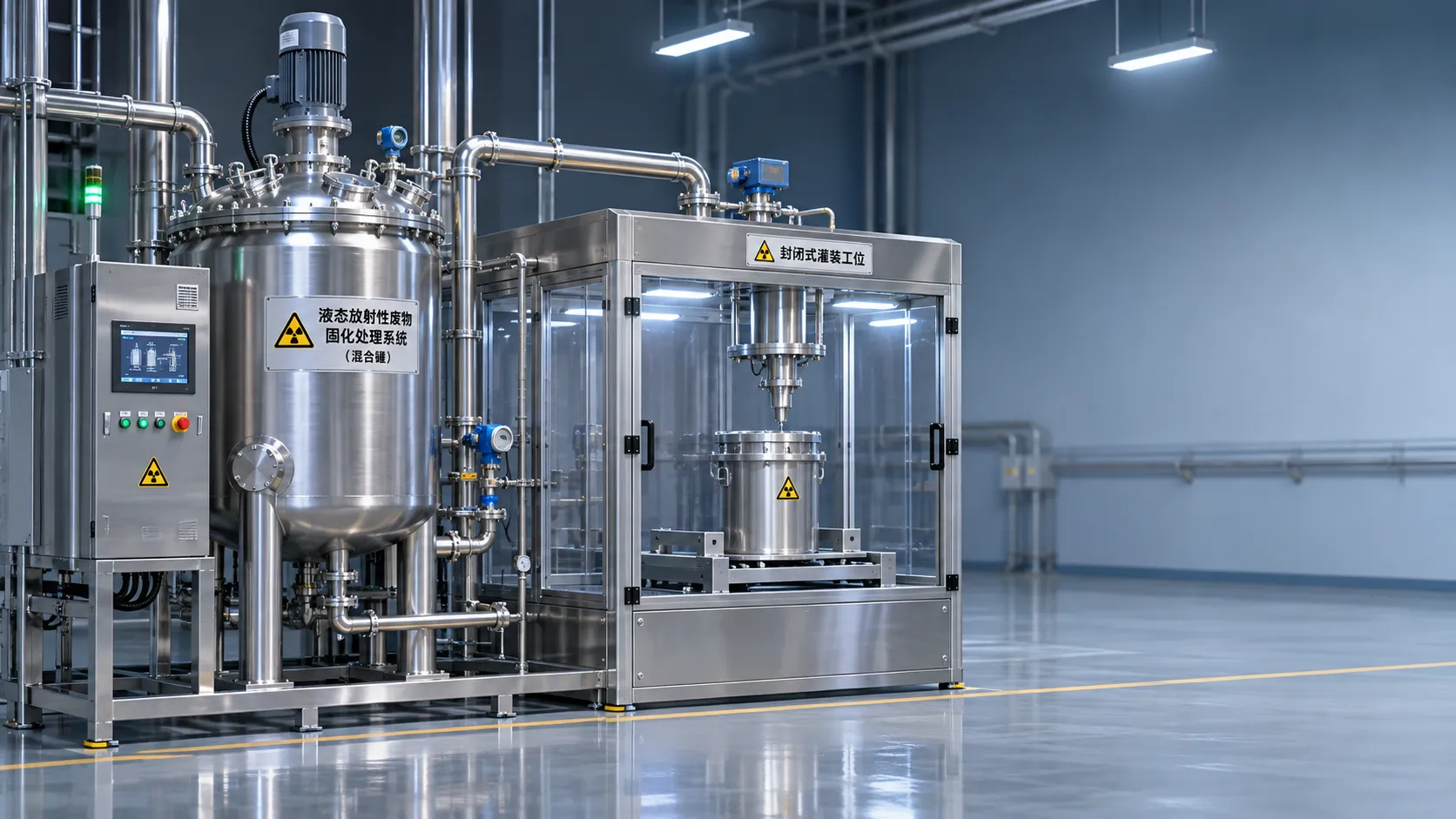
How to select nuclear waste safety equipment for liquid solidification
Choose nuclear waste safety equipment for liquid solidification with confidence. Compare waste acceptance, containment, radiation protection, and lifecycle costs.
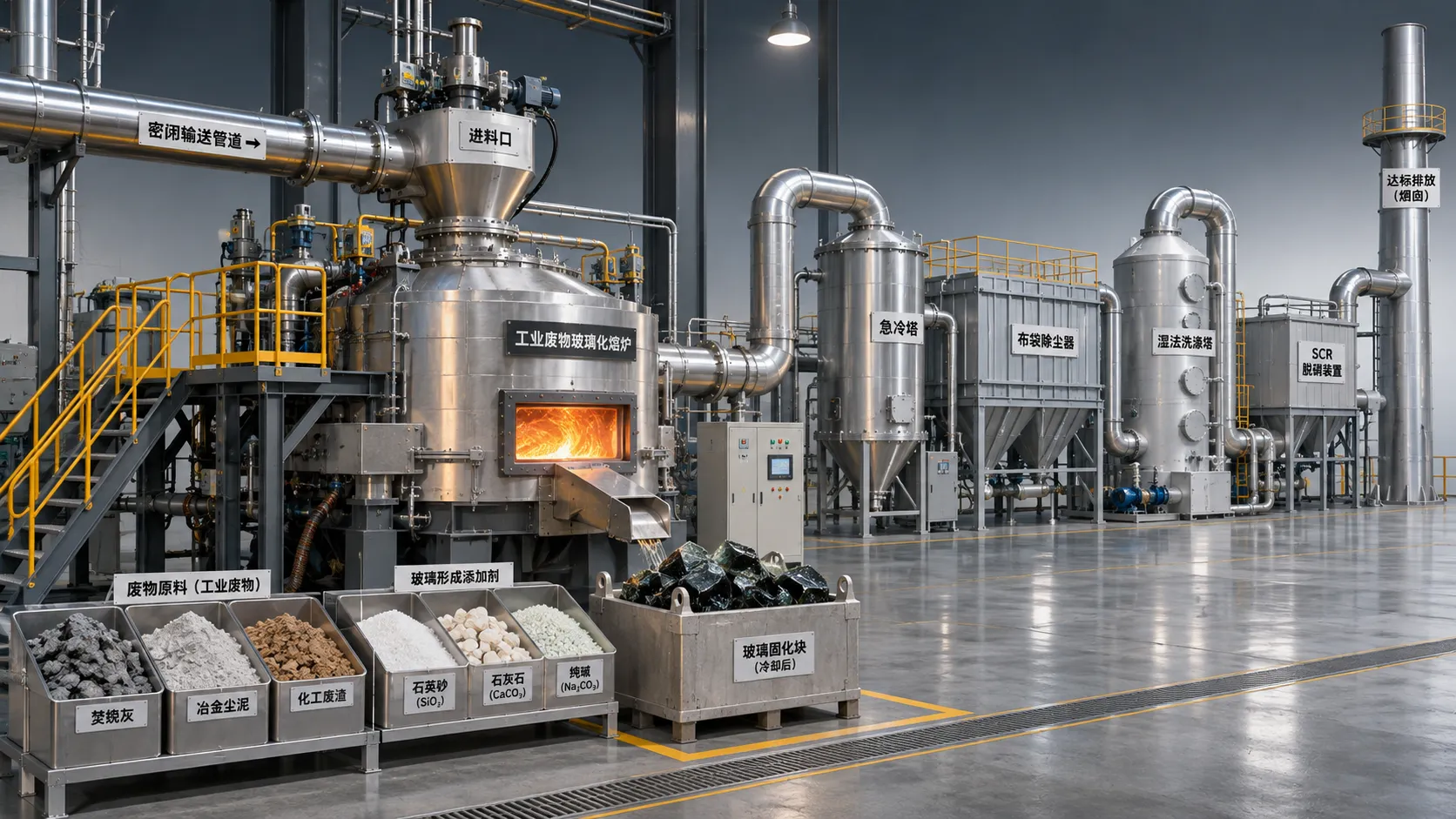
How does waste composition affect waste vitrification cost?
Discover how moisture, glass chemistry and contaminants affect waste vitrification cost—and learn how to compare bids and avoid hidden expenses.
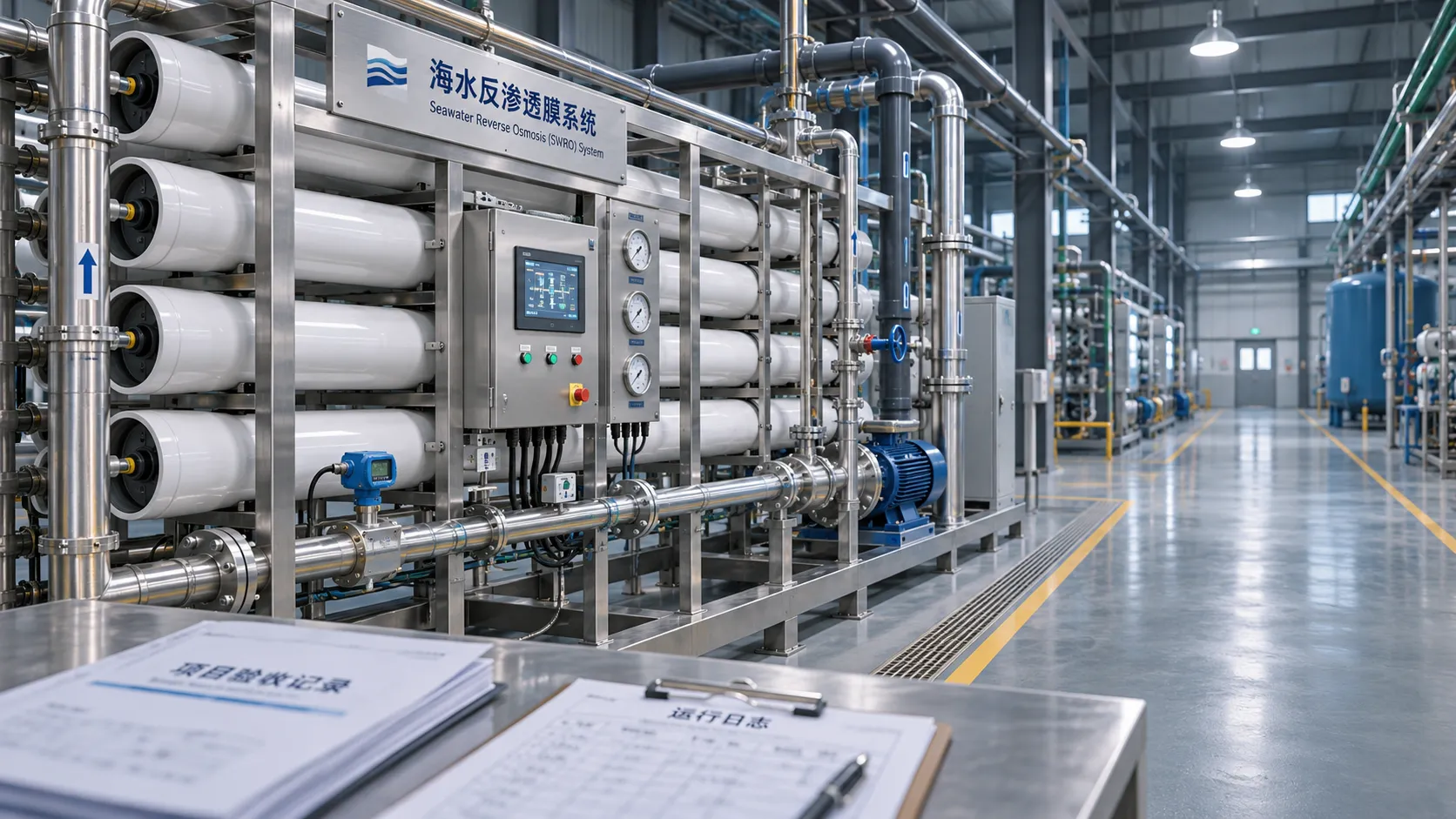
How to verify an SWRO membrane systems exporter's track record
Verify an SWRO membrane systems exporter's track record with practical checks for project references, operating evidence, export capability and after-sales support.
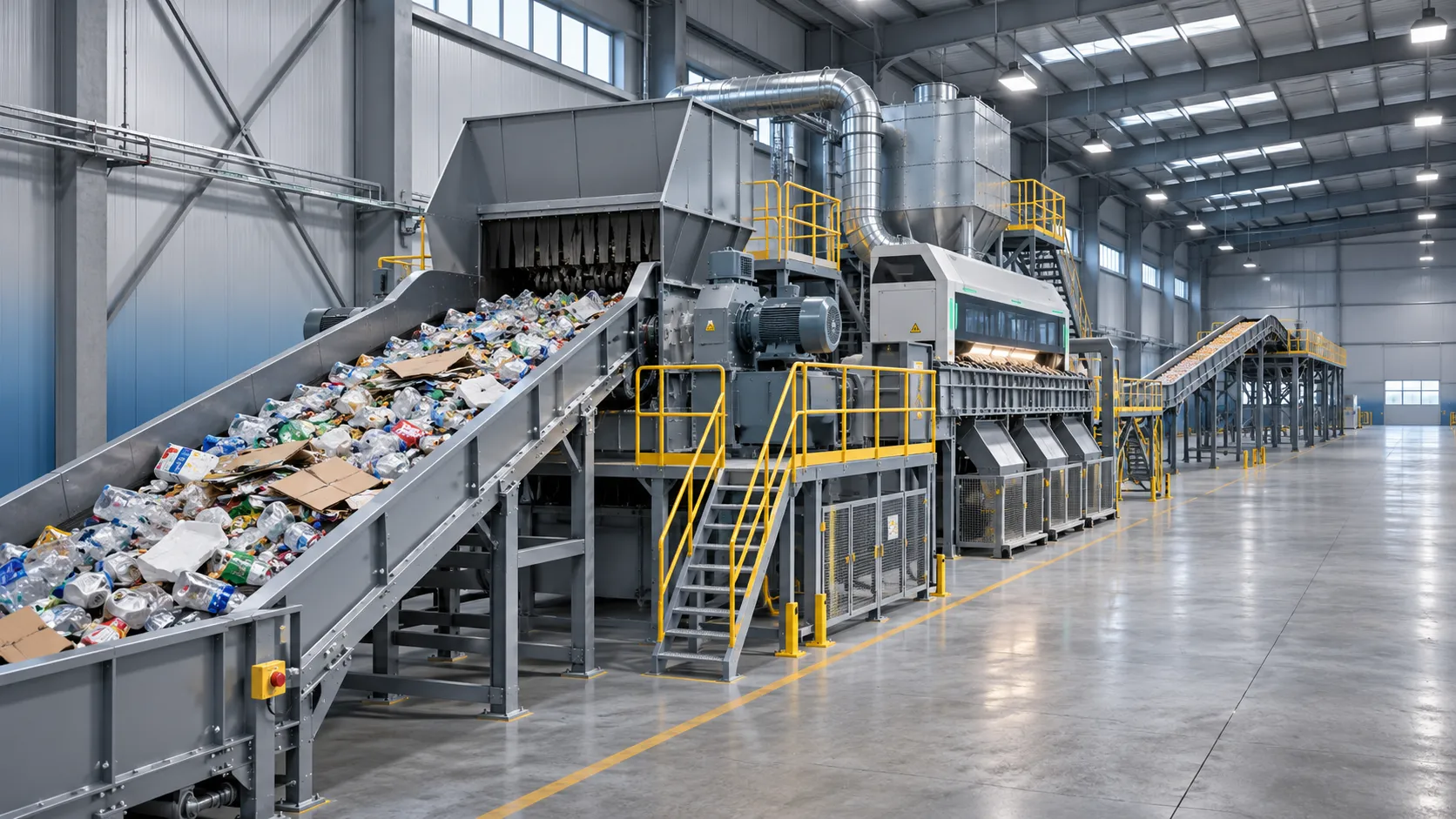
How does capacity affect waste recovery equipment price?
Discover how capacity affects waste recovery equipment price, and learn how to compare throughput, operating costs, and supplier quotes for a smarter investment.
How energy use affects wastewater purification lifecycle costs
Wastewater purification lifecycle cost depends on more than equipment price. Discover how energy use, tariffs and treatment choices shape your investment.