
Industry News
Curation by industry experts
Hot Articles
Popular Tags
How to verify an SWRO membrane systems exporter's track record
An SWRO membrane systems exporter has a credible track record when it can connect its claimed projects to verifiable customers, explain its role in each delivery, and provide operating evidence relevant to the system you intend to buy. A long project list is a useful starting point, but it does not establish that the exporter designed, supplied, commissioned, or supported the equipment.
For procurement teams, the strongest assessment combines three checks: whether the references resemble the proposed duty, whether independent evidence supports the supplier’s claims, and whether delivery and after-sales responsibilities were carried through. The depth of checking should reflect the consequences of failure: a membrane replacement order and a complete desalination package do not carry the same exposure.
Start by establishing what the exporter actually did
Ask for a project list that identifies the end user or project owner, site, delivery date, system capacity, scope of supply, and current operating status. Then ask the exporter to distinguish projects it supplied directly from projects performed by a parent company, an affiliate, a former employer, or a membrane manufacturer whose products it distributes.
This distinction matters because an SWRO package can involve several parties. One company may manufacture the membrane elements, another may integrate the high-pressure pumps and energy recovery equipment, and an EPC contractor may control the design and installation. A company that exported replacement elements may have valuable logistics experience, but that reference alone does not demonstrate its ability to deliver and commission a complete system.
For each shortlisted reference, request a short scope statement covering:
- The contracting entity and its relationship to the project owner or EPC contractor.
- The equipment and engineering services included in its contract.
- Whether it handled factory testing, shipment, installation supervision, commissioning, or operator training.
- Who held responsibility for process performance and who currently provides service.
Compare those statements with the scope in your own inquiry. If you need a complete plant package, evidence of membrane sales should be supplemented by references for system integration and commissioning. If your purchase is limited to replacement elements, verified supply history, traceability, storage practices, and delivery performance may be more relevant than plant design experience.
Choose references that test the risks in your project
A reference does not have to be identical to your project to be useful. It should, however, be close enough to test the capabilities on which your purchase depends. Capacity is one comparison point, but feedwater conditions, pretreatment, operating profile, and site constraints can be just as important.
Ask for projects with similar source water characteristics, including salinity, temperature range, and the challenges expected from suspended solids or biological fouling. A system operating on relatively stable open-sea intake water may offer limited evidence for a project facing highly variable intake conditions. Equally, a reference for a continuously operated municipal plant may not answer questions about frequent starts and stops at an industrial site.
Review the design boundaries before comparing results. Recovery rate, permeate quality, energy consumption, membrane configuration, and cleaning frequency depend on the feedwater and the overall plant design. A favorable number in a brochure has little value without its operating conditions and measurement basis.
Look at project age as well as project count. A recently delivered skid can demonstrate manufacturing and shipment capability; a system with an established operating history can provide a better view of reliability, maintenance, and service support. If the proposed equipment or configuration is materially different from the reference, ask what evidence supports the change and who will be accountable for its performance.
Separate installed capacity from demonstrated operation
“Supplied” and “operating” are different claims. Ask whether each reference was commissioned, accepted by the customer, and still in service. A project may have been shipped but never installed, or installed but operated under restrictions that do not appear in a supplier’s project list.
Where a plant is no longer operating, ask why. Closure or replacement does not automatically indicate equipment failure: a facility may have changed its water source, expanded, or reached the end of a contract. The explanation should nevertheless be consistent across the exporter’s documents and the reference contact’s account.
Verify performance with documents and direct conversations
Request evidence for a small number of relevant projects rather than relying on a large, unverified portfolio. Depending on contractual confidentiality, the exporter may provide purchase orders with sensitive information removed, completion or acceptance certificates, commissioning reports, performance test records, and service records. A photograph of a plant can support identification, but it does not establish who supplied it or how it performed.
For performance claims, ask for the test procedure and results together. Check what was measured, when it was measured, the feedwater conditions, the operating set points, and any exclusions or corrections applied. A short acceptance test can demonstrate that a system met agreed conditions at a particular time; it cannot by itself prove long-term availability or membrane life.
Where longer-term records are available, review trends rather than a single favorable reading. Useful material may include operating logs, cleaning records, membrane replacement history, unplanned shutdowns, and records of support visits. Interpret these alongside changes in feedwater, pretreatment, operating practices, and maintenance. An exporter should be able to explain the limits of the data instead of attributing every outcome solely to its equipment.
Speak directly with references selected from the exporter’s project list, subject to the customer’s agreement. Confirm the contact’s role and whether they were involved in procurement, operations, or maintenance. Different contacts may have different visibility into commercial delivery and plant performance.
Questions that tend to produce more useful answers than a general satisfaction rating include:
- What did the exporter supply, and where did its responsibility end?
- Did the equipment arrive with the agreed documentation, spare parts, and interface information?
- What issues arose during commissioning or operation, and how were they resolved?
- How accessible were technical support and replacement components after acceptance?
- Were performance guarantees tested under the agreed conditions, and were any exceptions recorded?
A confidential project is not necessarily a weak reference. Some owners restrict disclosure for legitimate commercial or security reasons. In that case, seek another route to corroboration, such as a redacted acceptance record, a controlled document review, or a conversation arranged with an authorized representative. If every significant claim remains inaccessible through every route, treat the track record as unsubstantiated and adjust the procurement risk accordingly.
Check export execution and support, not just plant performance
A technically successful system does not prove that the exporter can deliver it smoothly to your destination. Ask for evidence of shipments involving comparable equipment, packaging requirements, and import destinations. Identify the contracting party, shipping responsibilities, delivery point, and the party responsible for insurance and import clearance under the proposed contract terms.
Review how the exporter protects membrane elements and other sensitive components during storage and transit. Request the applicable manufacturer’s handling instructions, shelf-life information, and packaging requirements, together with the traceability documents that will accompany the shipment. For a full system, check how large skids, instruments, pressure vessels, and loose items will be packed, labeled, and matched to installation documents.
Export experience should also be checked against the destination project’s documentation requirements. Depending on the contract and jurisdiction, the buyer may need certificates of origin, material or pressure equipment documentation, electrical conformity evidence, water-contact documentation, or translations. The exporter should identify which requirements it will meet and provide evidence applicable to the supplied equipment and destination; a general company certificate cannot substitute for every product or project approval.
Examine certificates for their scope, issuing body, validity, and the legal entity or facility covered. Where appropriate, verify them with the issuer. A quality management certificate can support confidence in a supplier’s management system, but it does not prove that a particular SWRO package meets its performance guarantees.
Finally, establish who will respond after delivery. Ask whether commissioning engineers, remote technical support, membrane replacement, and spare parts are supplied by the exporter, the manufacturer, or a local partner. Check the proposed response arrangements, service coverage, and spare-parts availability in the contract. A reference from the same region is especially useful if it can confirm how those arrangements worked in practice.
Turn the evidence into a procurement decision
Record findings by claim, evidence, and remaining exposure. For example, a reference may support the exporter’s ability to assemble a comparable skid while leaving its commissioning capability unproven. That distinction allows the buyer to decide whether the gap can be managed through a qualified commissioning partner, an acceptance test, additional documentation, or a narrower scope of supply.
Pay particular attention to inconsistencies: different entities claiming the same project without a clear relationship, a delivery date that conflicts with the claimed operating history, or performance figures presented without test conditions. Give the exporter an opportunity to explain discrepancies and provide supporting records. An incomplete answer is not proof of failure, but it should not be scored as demonstrated experience.
Before award, carry the material findings into the contract. Define the scope boundaries, performance test conditions, acceptance criteria, document deliverables, warranty obligations, and escalation route for defects. If the exporter’s track record supports equipment supply but not the full performance responsibility, ensure that responsibility is assigned to a party with the evidence and contractual authority to carry it.
The decision is strongest when the supplier’s demonstrated experience matches the obligations it is being asked to accept. Where evidence is limited, the choice is to obtain stronger corroboration, reduce the unproven scope, or retain enough contractual protection to manage the remaining uncertainty.
Recommended News
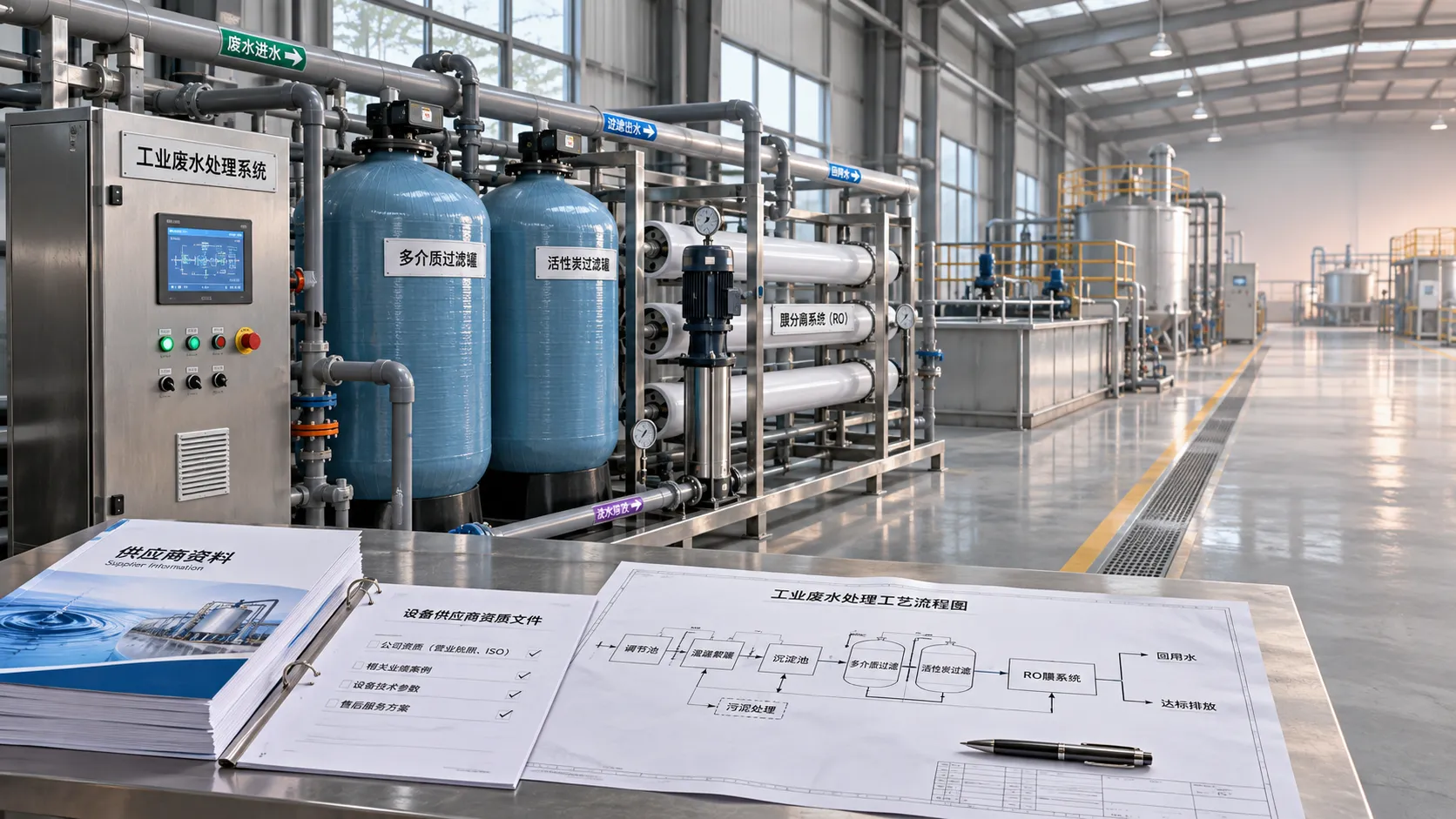
How to find verified providers in an industrial environmental solutions directory
Use an environmental solutions directory for industry to find verified providers, compare technical capabilities and costs, and build a reliable supplier shortlist.
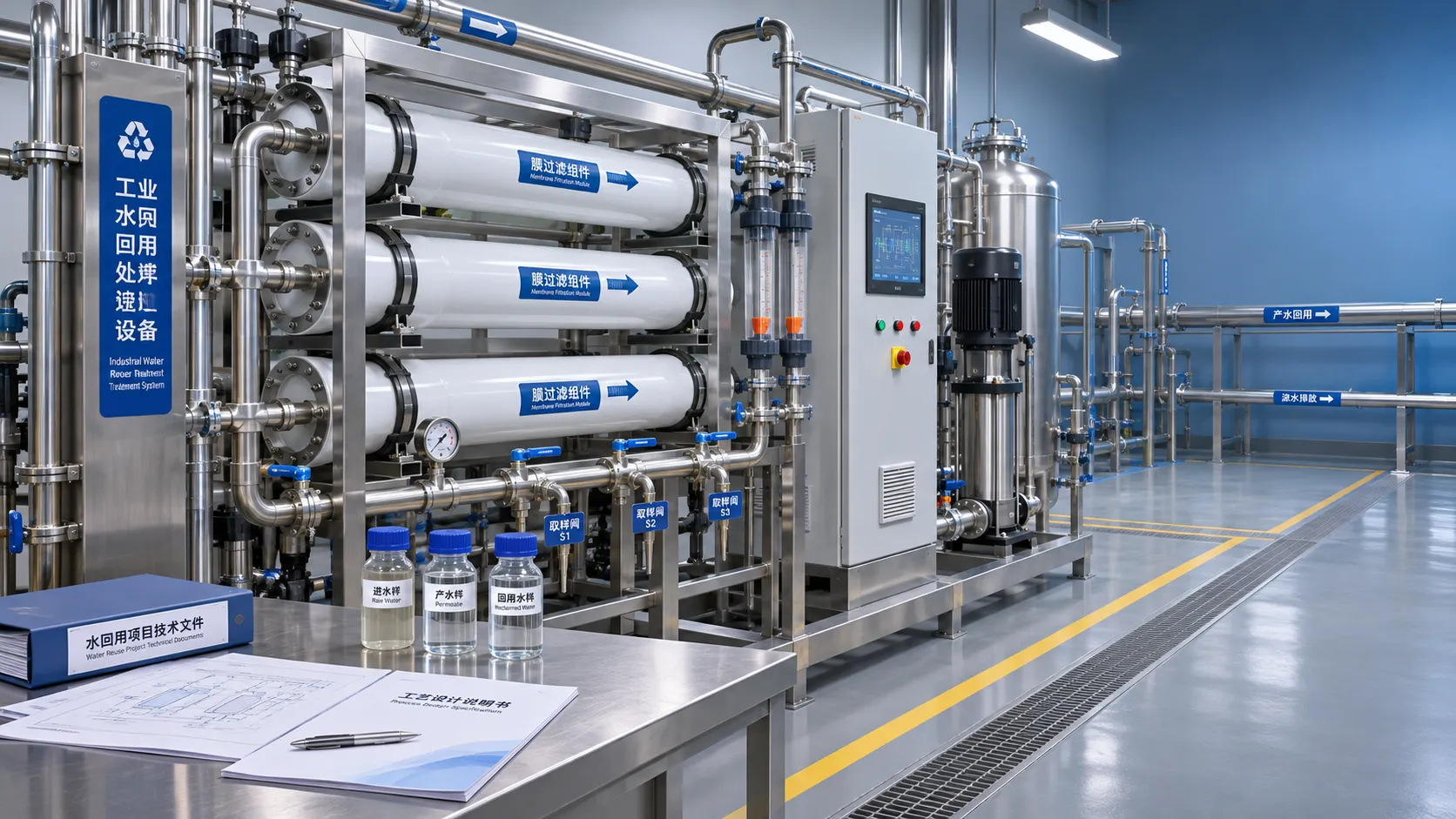
How to identify applicable water reuse equipment standards
Identify applicable water reuse equipment standards with a practical guide to regulations, performance claims, certification, and monitoring.
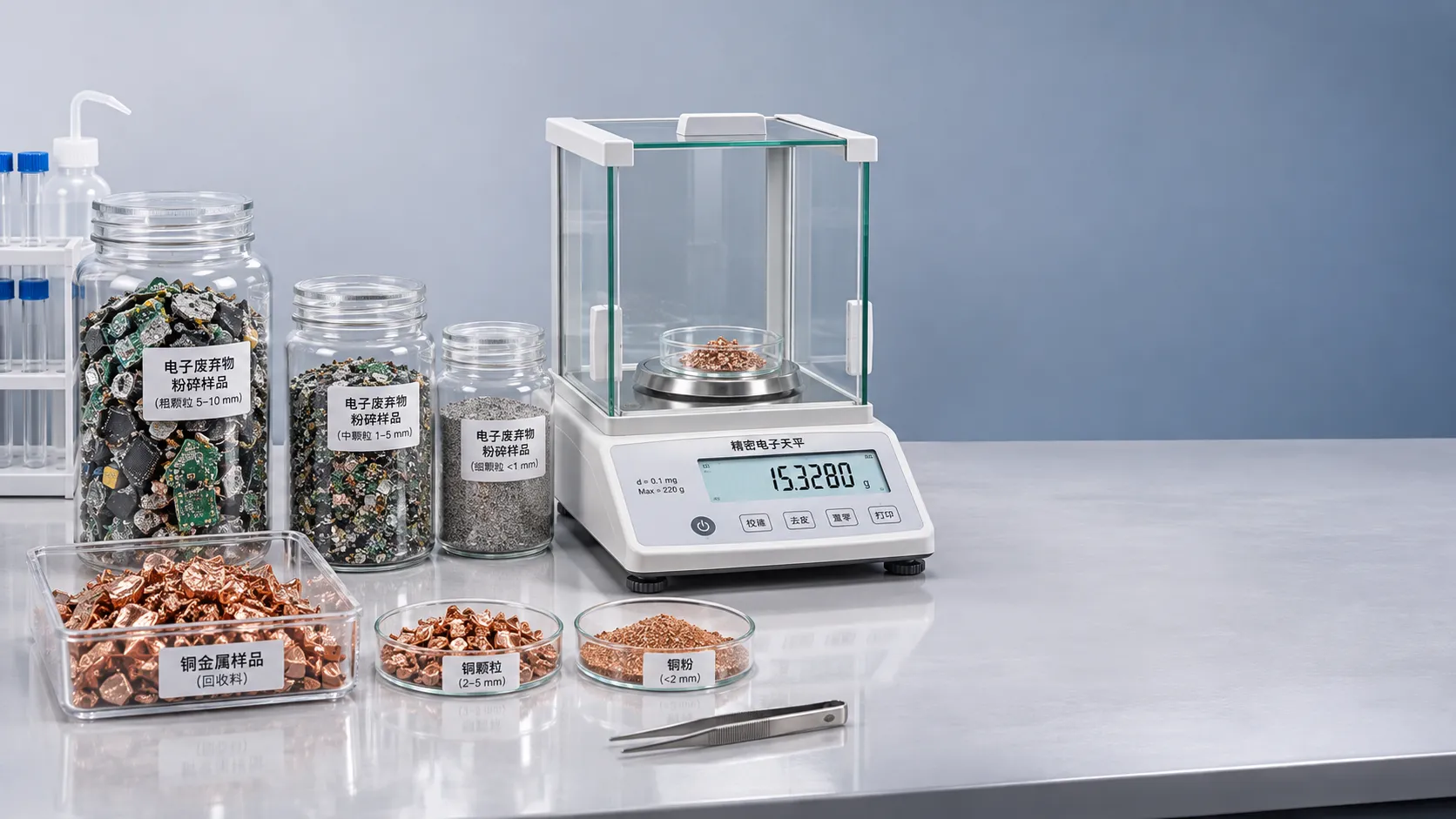
How to measure resource recovery efficiency in e-waste refining
Learn how to measure resource recovery efficiency in e-waste refining with metal balances, sampling and verified yields. Compare technologies with confidence.
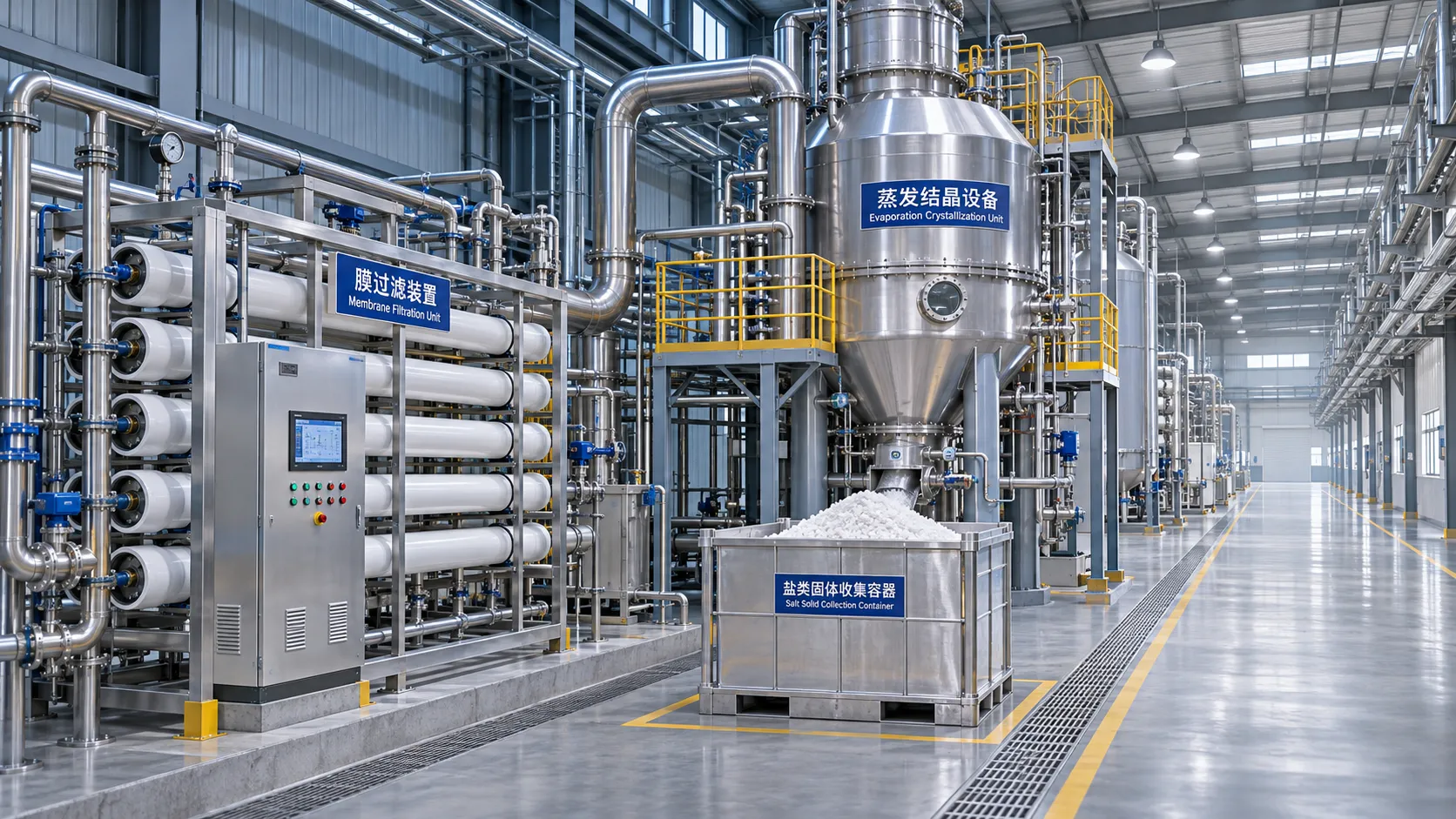
How to evaluate a ZLD system integrator’s project experience
Evaluate a ZLD system integrator with confidence. Learn how to verify relevant projects, operating results and contract risks before selecting a partner.
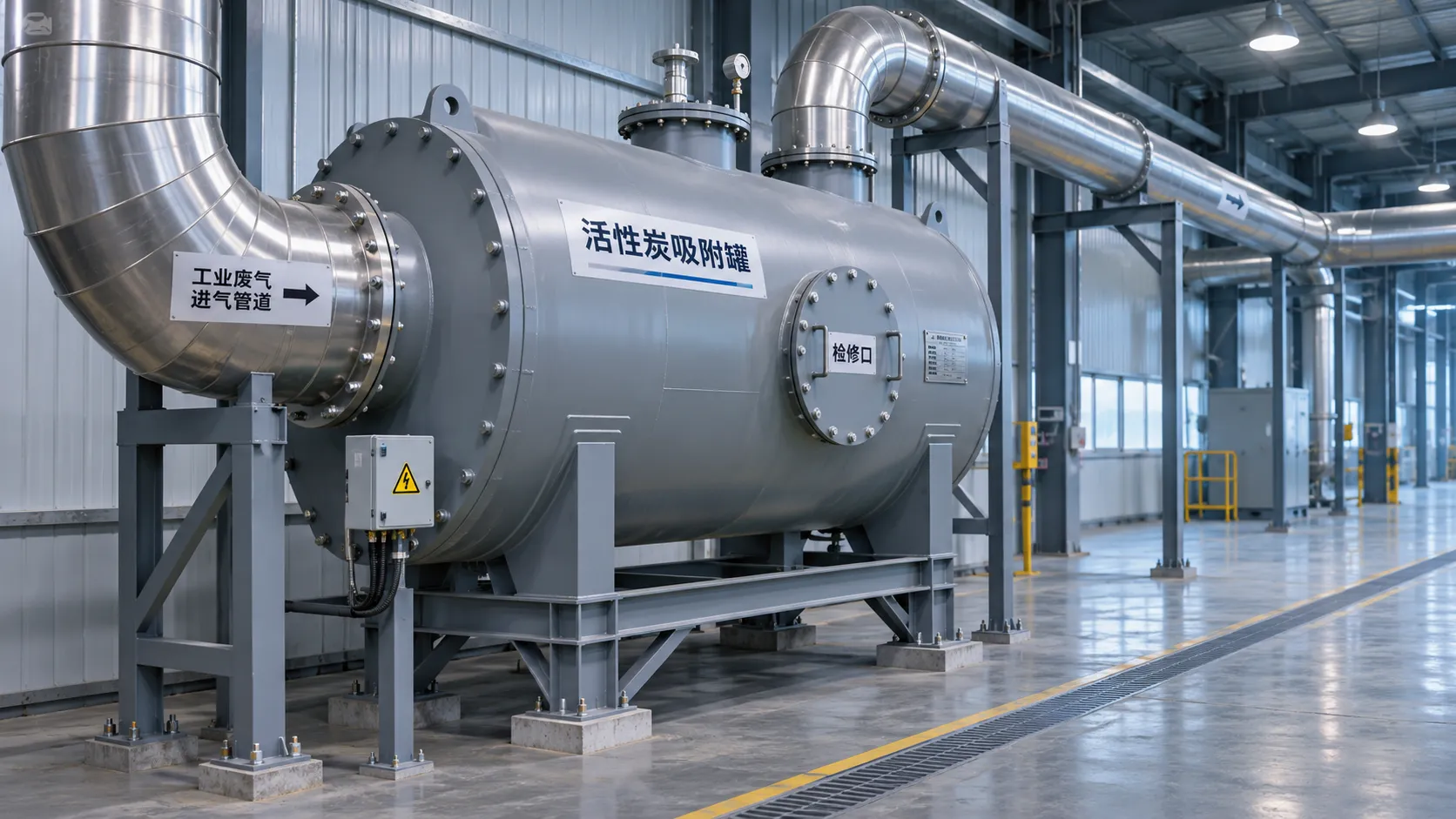
How VOC concentration affects industrial VOC treatment selection
Explore how VOC concentration shapes industrial VOC treatment selection, from adsorption and oxidation to solvent recovery. Find the right approach for your process.

How to select nuclear waste safety equipment for liquid solidification
Choose nuclear waste safety equipment for liquid solidification with confidence. Compare waste acceptance, containment, radiation protection, and lifecycle costs.
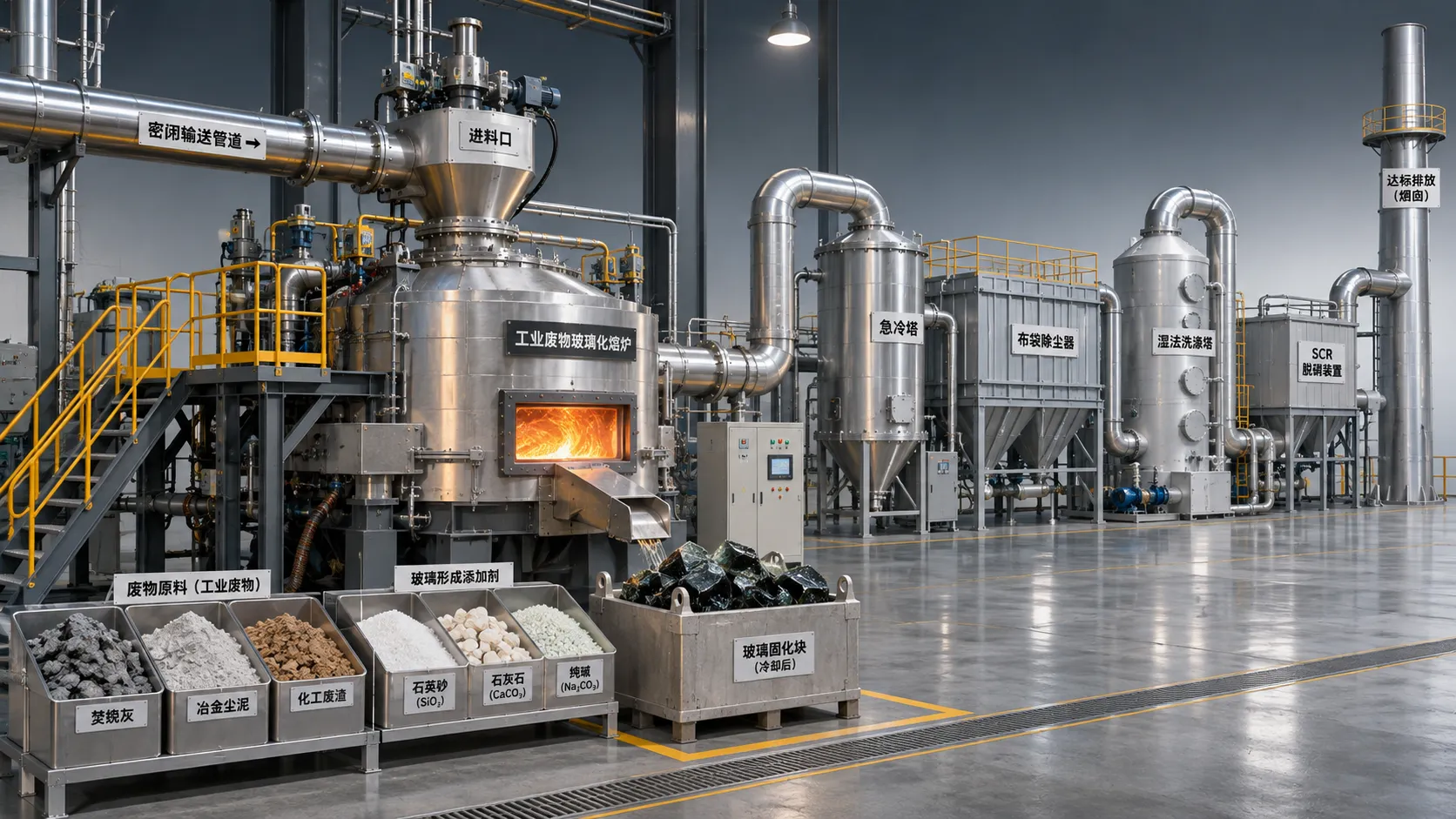
How does waste composition affect waste vitrification cost?
Discover how moisture, glass chemistry and contaminants affect waste vitrification cost—and learn how to compare bids and avoid hidden expenses.

How does capacity affect waste recovery equipment price?
Discover how capacity affects waste recovery equipment price, and learn how to compare throughput, operating costs, and supplier quotes for a smarter investment.
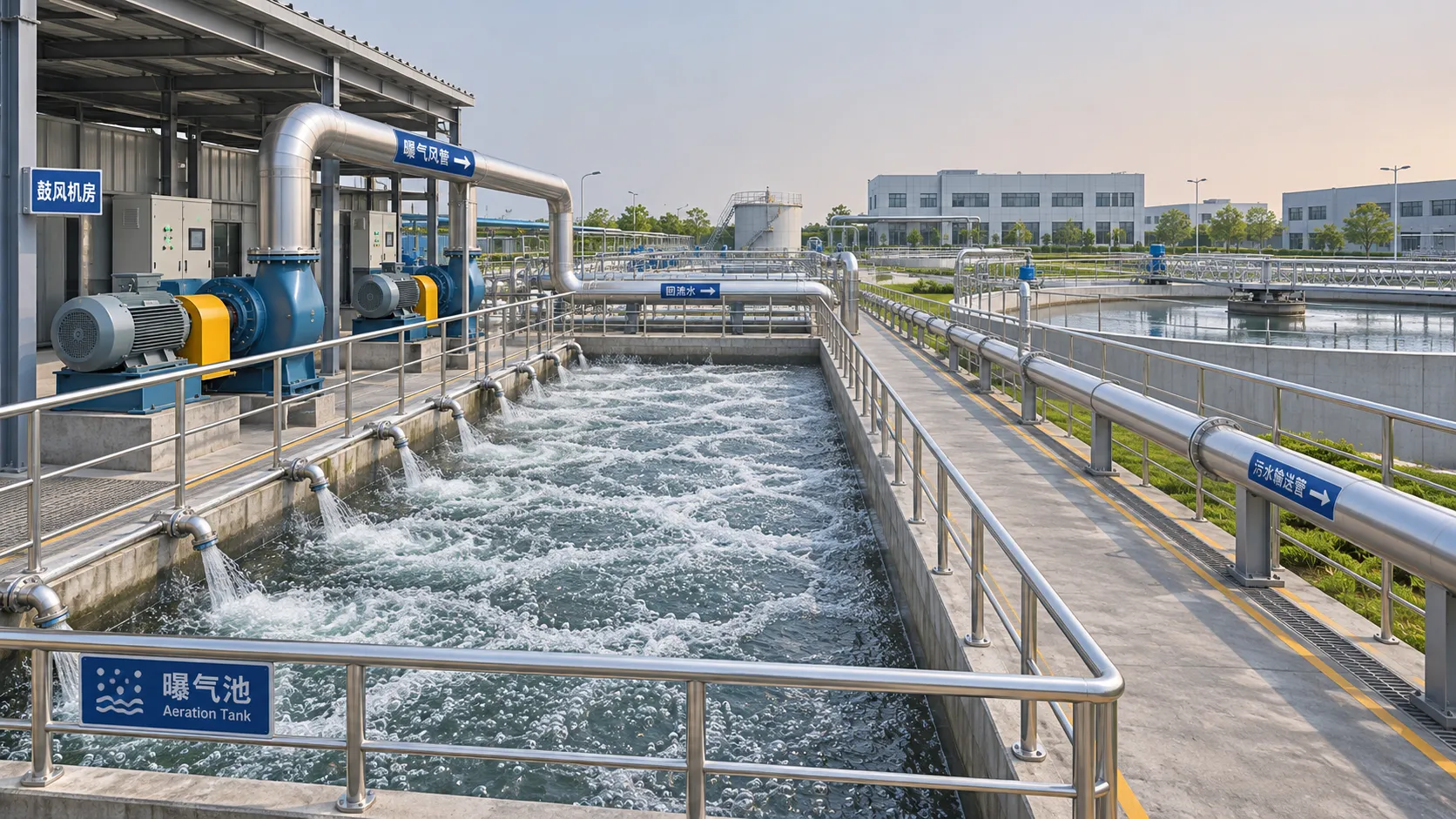
How energy use affects wastewater purification lifecycle costs
Wastewater purification lifecycle cost depends on more than equipment price. Discover how energy use, tariffs and treatment choices shape your investment.