
Industry News
Curation by industry experts
Hot Articles
Popular Tags
How does waste composition affect waste vitrification cost?
Waste composition affects vitrification cost by determining how much material must be prepared, heated, incorporated into glass and managed after treatment. A quoted price per tonne of incoming waste can therefore be misleading: two streams with the same weight may contain very different amounts of water, combustible matter, glass-forming minerals and hazardous constituents.
The largest cost difference is not always the electricity required to melt the waste. A constituent that limits waste loading in the final glass can increase the amount of additives, glass produced, containers required and material sent for disposal. Volatile contaminants can shift costs toward off-gas treatment and secondary-waste management. A credible estimate must connect the waste analysis to the full mass balance, not just to melter capacity.
Start with the cost basis: wet waste, dry solids or final glass?
Vitrification incorporates waste constituents into a molten material that cools into a solid product. Depending on the feed, the process may require drying, size reduction, blending, chemical adjustment and the addition of glass-forming materials. It also generates an off-gas stream and, in many systems, secondary residues from gas cleaning.
These flows make the unit of comparison important. A supplier may quote treatment per tonne of wet feed, while another prices dry solids or tonnes of glass produced. Disposal may be excluded, charged separately or based on the number and classification of containers. None of these figures is inherently wrong, but they cannot be compared without conversion to the same input and output basis.
Consider an illustrative tonne of waste containing 60% water and 40% dry solids. It contains 0.4 tonnes of dry solids before any processing losses. If the assumed glass formulation incorporates 40% waste-derived solids by mass in the final glass, those solids would correspond to approximately one tonne of glass. This simplified calculation assumes all dry solids remain in the glass; real processes can lose mass through decomposition and volatilization and generate separate residues.
If the permissible waste loading falls to 25%, the same 0.4 tonnes of solids would correspond to approximately 1.6 tonnes of glass under the same simplified assumptions. That change affects additive purchases, melting duty, output handling and potentially disposal cost. The relevant loading is the loading demonstrated for the actual waste and acceptance requirements, not the highest figure a technology can achieve with a different feed.
Moisture changes both energy demand and effective capacity
Water does not contribute to the final glass network. It must be removed or otherwise accommodated during processing. Evaporating water consumes heat, while the resulting vapor increases the volume of gas that must be handled and treated. Wet feed can also require enclosed storage, pumping, dewatering or drying before it reaches the melter.
The cost effect depends on where water is removed. Mechanical dewatering may reduce the thermal burden, but it creates a liquid stream that needs its own treatment or authorized discharge route. Drying can make feed more consistent, yet adds equipment, fuel or electricity demand, dust control and maintenance. In some designs, wet feeding is part of the process; in others, water content can constrain throughput or upset stable operation.
For commercial comparisons, moisture should be expressed as both an average and an expected range. A plant sized around a favorable average may process fewer tonnes of wet feed when water content rises. The resulting cost is not limited to extra energy: lower throughput can spread fixed labor, maintenance and capital charges over less treated waste.
Glass chemistry determines how much waste the plant can actually immobilize
Not all dry solids behave alike. Silica, alumina, alkali metals, calcium and other constituents influence melting behavior, viscosity, electrical properties and the durability of the final glass. Some wastes provide useful glass-forming components; others require substantial additions to produce a melt that can be processed and a product that meets the applicable acceptance criteria.
A waste with a high concentration of soluble salts or certain metals may reach a formulation limit before the melter reaches its thermal capacity. Sulfate, for example, can limit loading when it cannot be adequately incorporated into the selected glass formulation; excess sulfate may form a separate salt phase. Chromium or other constituents can also impose formulation constraints, depending on their concentration and the glass system. The consequence is more than an additive expense: lower loading produces more glass per tonne of waste solids.
Conversely, a feed containing glass-forming oxides is not automatically inexpensive to process. Its composition must still support a suitable melting temperature, manageable viscosity and a product that meets the relevant performance requirements. A formulation that reduces additive consumption but accelerates refractory wear or requires a higher operating temperature may increase total lifecycle cost.
When reviewing a proposal, distinguish the design waste loading used in the commercial model from a laboratory maximum. The design value should allow for feed variability, process control and the required product specifications. It should also identify whether loading is stated on a dry-oxide basis, another dry-solids basis or a different basis altogether.
Organics, chlorides and volatile metals move costs into the off-gas system
Organic matter changes the thermal and chemical behavior of the feed. Combustible material can release heat, but that does not make a high-organic waste a free energy source. Its destruction may require controlled oxidation, additional combustion or gas-cleaning equipment. Changes in feed composition can also affect oxygen demand and the stability of the process.
Chlorides and other halogens can contribute to corrosive gas formation and increase demands on materials and gas scrubbing. Sulfur-bearing compounds can affect both glass formulation and emissions control. The precise treatment train depends on the feed, operating conditions and applicable permit requirements; it should not be assumed that a standard melter package includes every necessary control.
Volatile or semi-volatile metals introduce another cost pathway. Some constituents can leave the melt with the off-gas rather than remain in the glass. Capturing them may require particulate filtration and other gas-cleaning stages, producing dusts, spent sorbents or liquid effluents that need separate management. Mercury is a particularly important constituent to characterize because its volatility can make capture and downstream handling significant design issues.
A proposal that reports only the contaminant concentration in the final glass leaves part of the commercial question unanswered. The mass balance should also show where contaminants are expected to go in the off-gas system and how resulting residues will be classified, packaged and disposed of. Recycling captured dust back to the melter is not automatically a solution: depending on the constituent and process, repeated recycle can cause accumulation or recirculation without eliminating the disposal obligation.
Radioactivity changes the cost of containment and product acceptance
Radioactive constituents can affect cost independently of their contribution to glass chemistry. The radionuclides present, their activity, radiation fields and physical form influence shielding, remote handling, contamination control, monitoring and maintenance arrangements. Facility licensing and the permitted route for managing the vitrified product can be decisive commercial constraints.
Two waste streams with similar chemical analyses may therefore have very different treatment costs if one requires more extensive radiological protection or a different disposal route. Conversely, activity alone does not define the process design: radionuclide inventory, heat generation where relevant, chemical composition and the receiving facility’s waste acceptance criteria all matter.
For radioactive waste, the boundary of the quotation deserves particular attention. It should be clear whether the price includes characterization, shielded containers, product testing, interim storage, transport and disposal, as well as the treatment of contaminated secondary wastes. Vitrification can produce a stable waste form, but it does not remove radioactivity or eliminate the need for an authorized long-term management route.
Variability can cost more than an unfavorable average
Waste is rarely presented to a plant as a perfectly uniform laboratory sample. Moisture, particle size, salt concentration, organic content and contaminant levels can vary between batches or across a stockpile. A design based only on a composite average can miss short periods in which a limiting constituent exceeds the process envelope.
The commercial response may be blending, segregation, additional sampling or a more conservative glass formulation. Each has a cost. Blending requires storage space and inventory control; segregation requires a way to identify and handle different materials; conservative formulation can lower average waste loading even when much of the feed would support a higher value.
Sampling quality therefore has direct financial value. The characterization plan should reflect how the waste is stored and fed, including distinct layers, containers or source streams where relevant. A single average analysis is less useful than a defensible description of both typical composition and the range that the facility must accommodate.
Procurement terms should also address what happens outside the agreed envelope. If moisture or chloride content exceeds a limit, the consequence might be a surcharge, reduced throughput, additional pretreatment or rejection of the batch. Those provisions should be costed alongside the headline treatment price rather than treated as remote contractual details.
Compare bids through a composition-linked mass balance
The most useful bid comparison follows a common reference quantity of incoming waste through each proposed process. For each offer, establish the assumed feed composition and calculate the quantities of additives, final glass, off-gas residues and liquid effluents. Then apply the relevant treatment, packaging and disposal charges to each output.
A practical comparison should make the following assumptions visible:
- Feed basis: wet tonnage, moisture range, dry-solids composition and annual quantity.
- Throughput: whether capacity is quoted for wet feed, dry solids or glass production, and how feed variations affect it.
- Formulation: additive requirements, design waste loading and limits for constituents that restrict loading.
- Utilities and consumables: electricity or fuel, oxygen where required, reagents, filters and refractory replacement assumptions.
- Outputs: glass mass, container count, secondary residues, liquid effluents and their proposed management routes.
- Scope: testing, commissioning, characterization, product acceptance, transport, storage and disposal included or excluded from the price.
Operating availability also needs to match the composition assumptions. A high nominal throughput is less valuable if deposits, corrosion or refractory wear associated with the feed require more frequent shutdowns. Where performance has been demonstrated only on a surrogate or a different waste, the commercial model should identify what remains uncertain for the proposed feed.
Because site conditions and waste acceptance rules differ, there is no universal cost per tonne that can reliably be applied to every waste stream. A more defensible estimate uses supplier-specific mass and energy balances, local utility and disposal prices, and a sensitivity analysis for the variables most likely to move the result. Testing the effect of lower glass loading, higher moisture and additional secondary-waste disposal can reveal whether an apparently competitive offer depends on optimistic feed assumptions.
The economically preferred option is the one that can process the expected range of waste into an acceptable product at a known total cost—not necessarily the one with the lowest quoted melter price or the highest stated loading. The strength of that decision rests on how well the waste has been characterized and how clearly each bidder has priced the material that enters, leaves and circulates through the process.
Recommended News
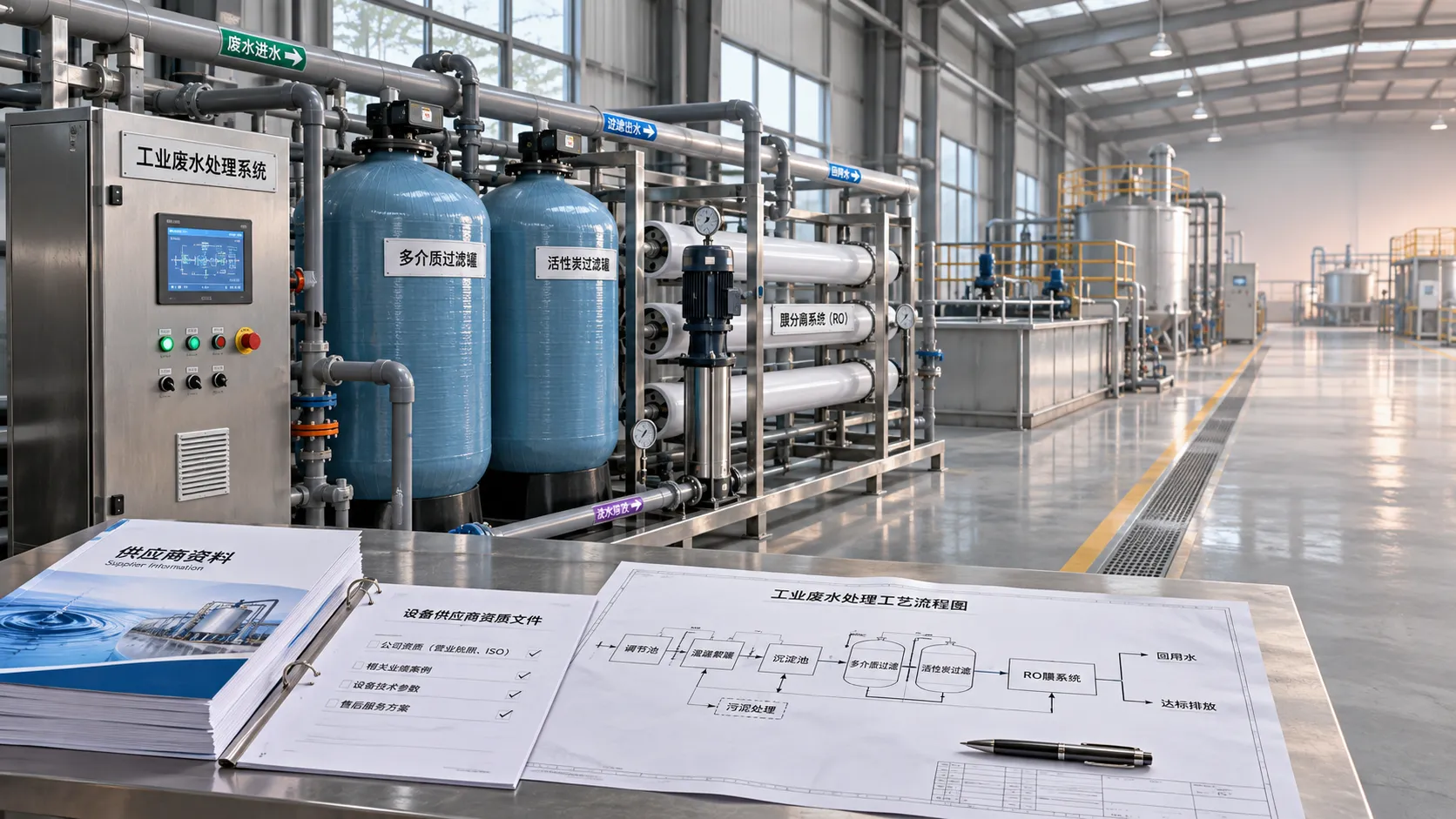
How to find verified providers in an industrial environmental solutions directory
Use an environmental solutions directory for industry to find verified providers, compare technical capabilities and costs, and build a reliable supplier shortlist.
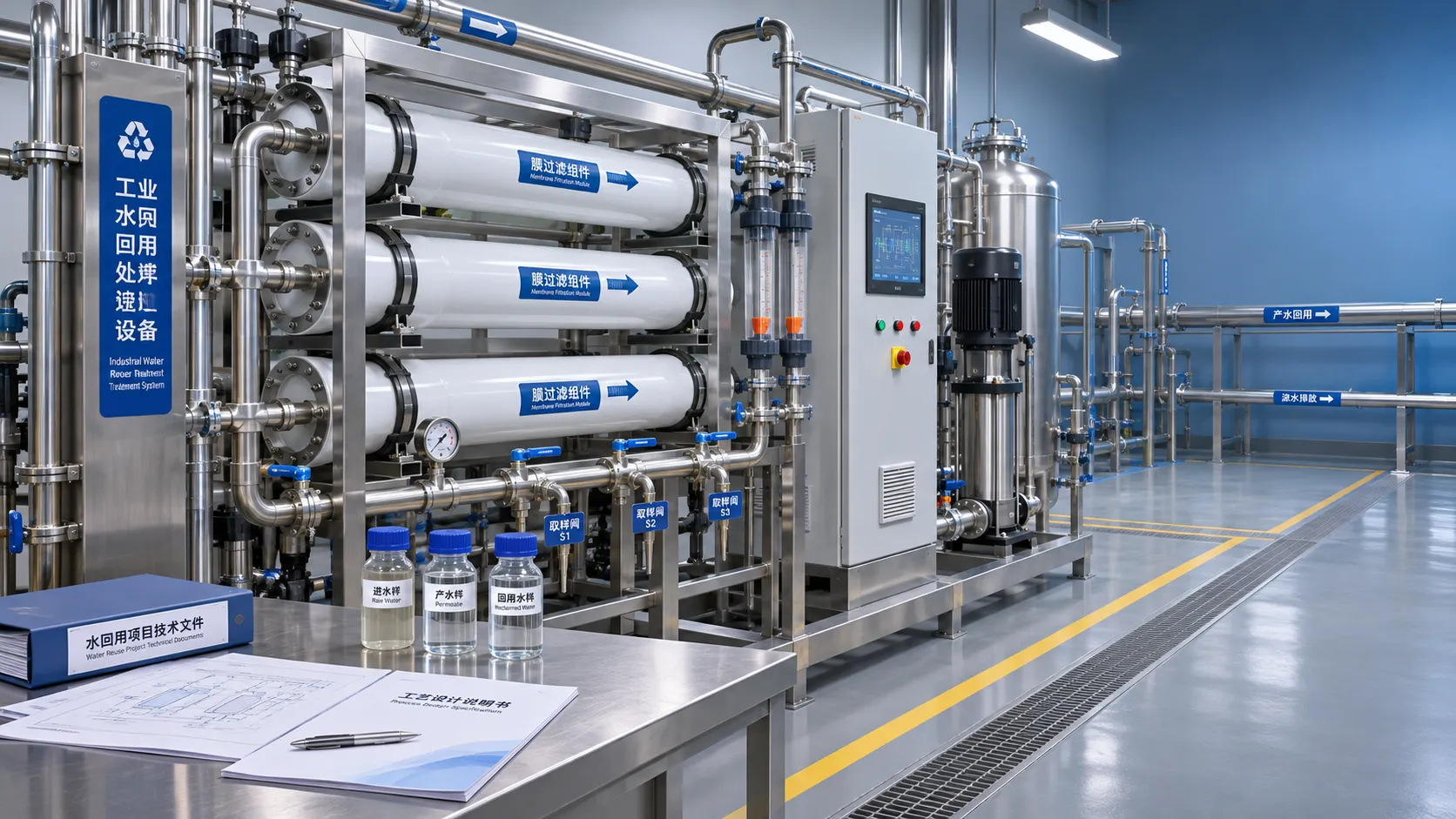
How to identify applicable water reuse equipment standards
Identify applicable water reuse equipment standards with a practical guide to regulations, performance claims, certification, and monitoring.
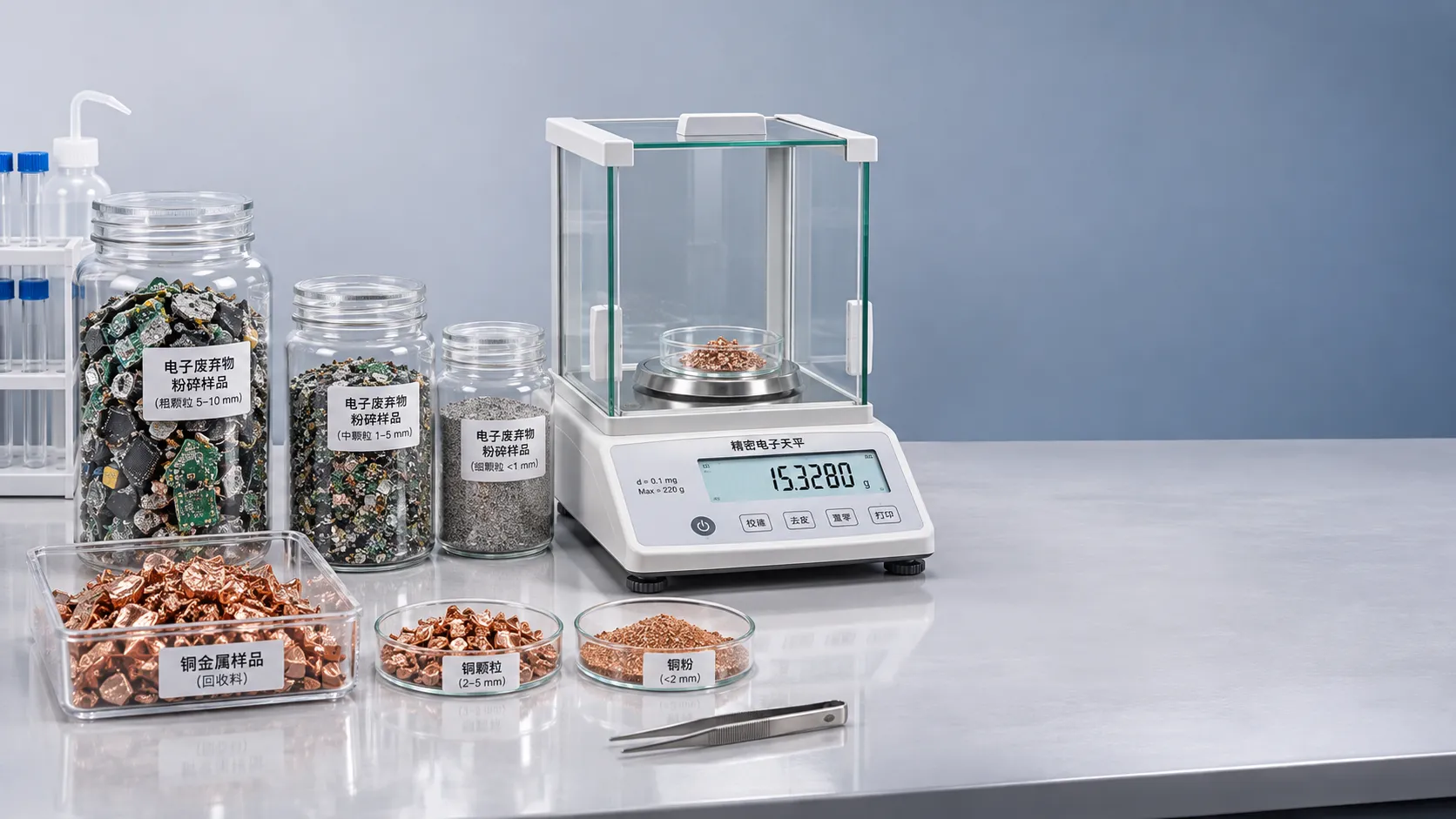
How to measure resource recovery efficiency in e-waste refining
Learn how to measure resource recovery efficiency in e-waste refining with metal balances, sampling and verified yields. Compare technologies with confidence.
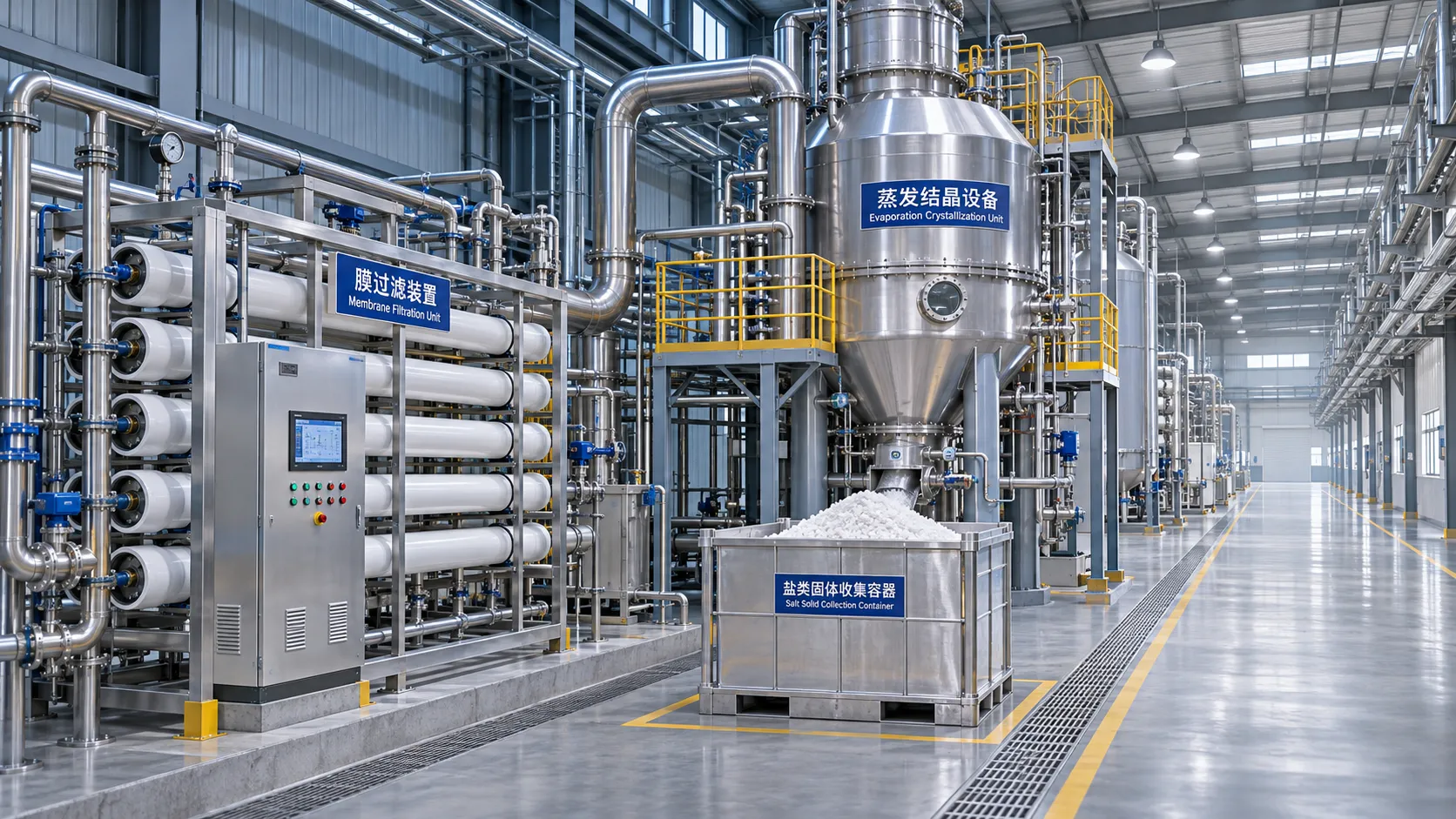
How to evaluate a ZLD system integrator’s project experience
Evaluate a ZLD system integrator with confidence. Learn how to verify relevant projects, operating results and contract risks before selecting a partner.
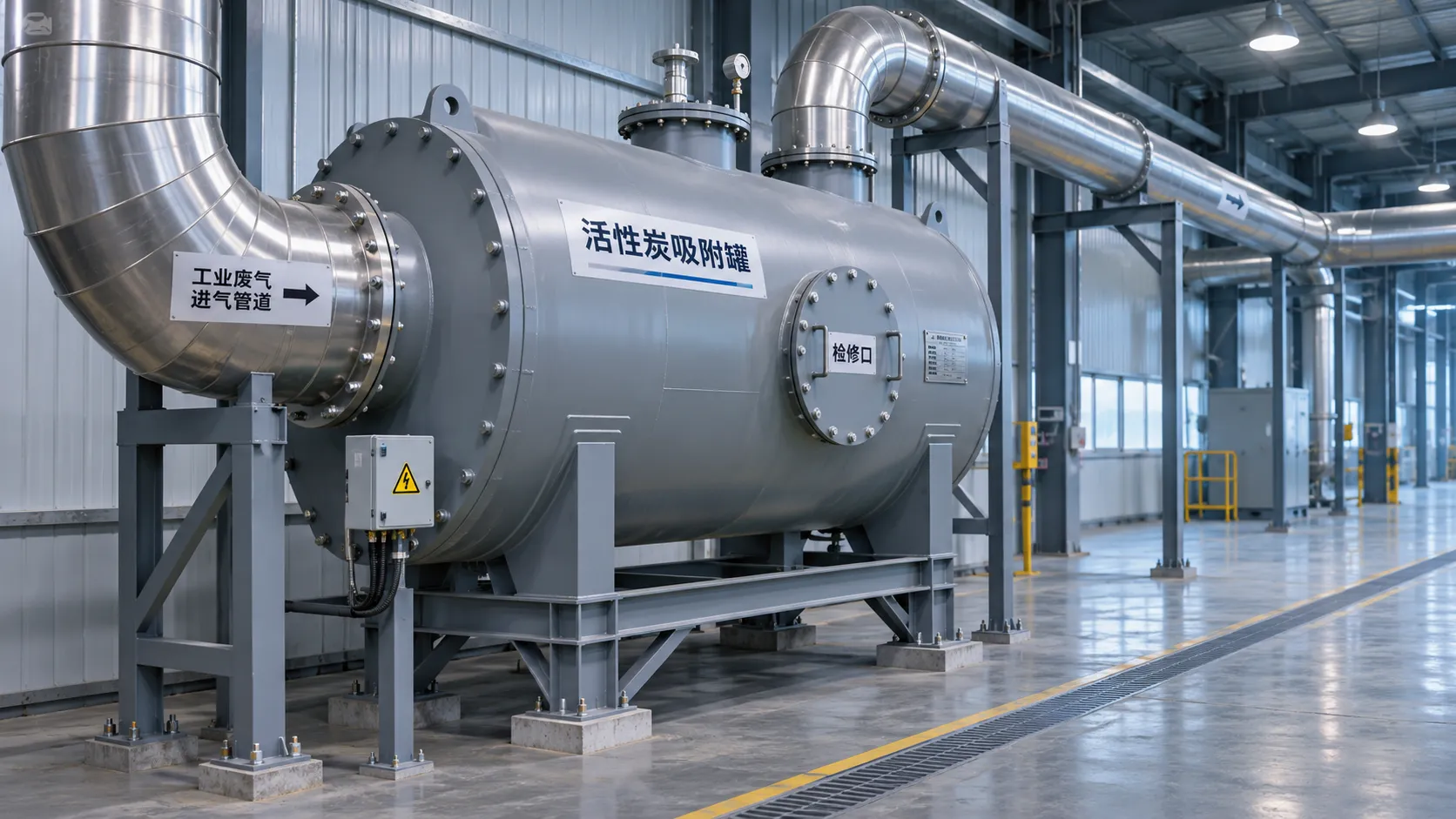
How VOC concentration affects industrial VOC treatment selection
Explore how VOC concentration shapes industrial VOC treatment selection, from adsorption and oxidation to solvent recovery. Find the right approach for your process.
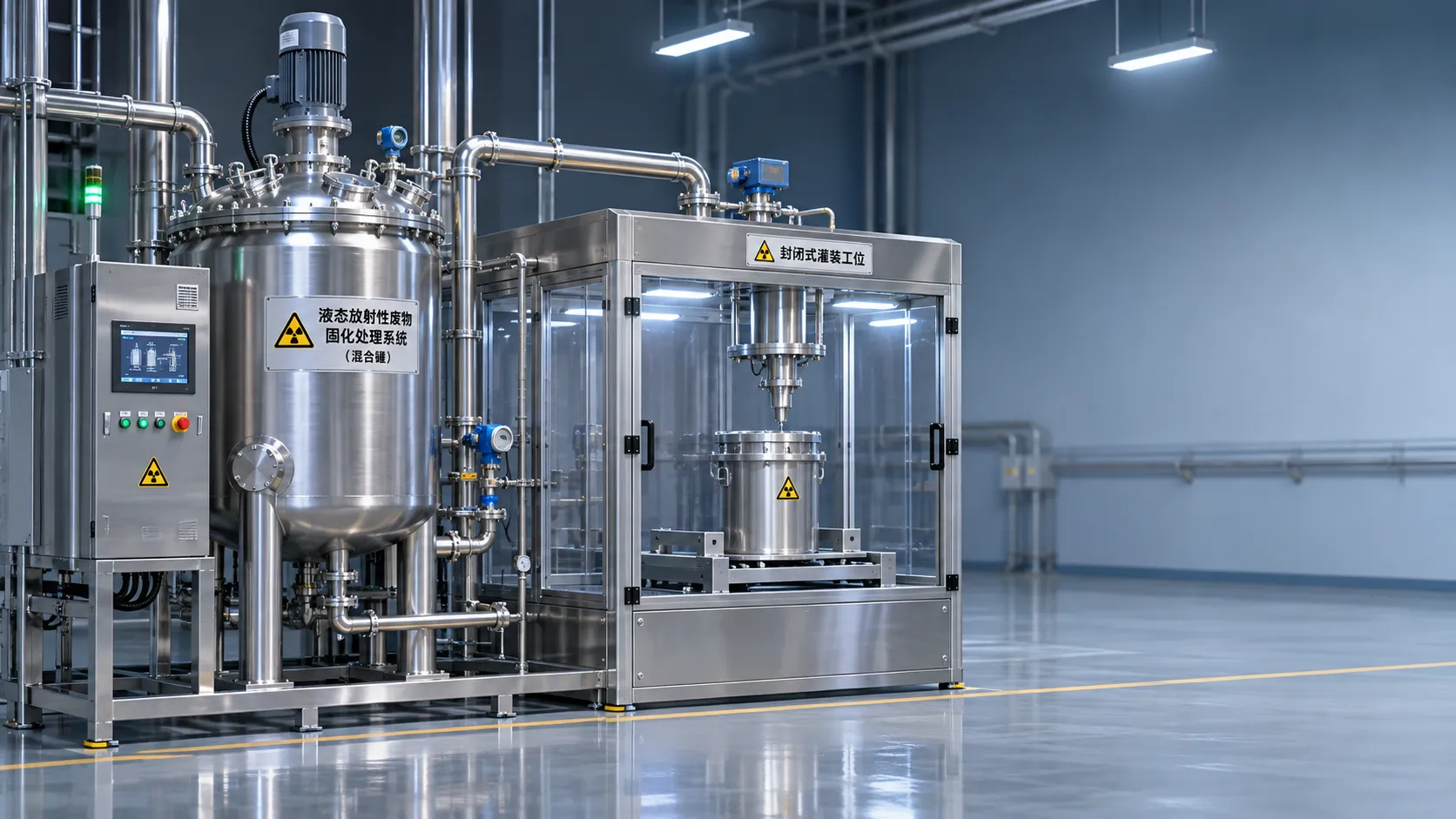
How to select nuclear waste safety equipment for liquid solidification
Choose nuclear waste safety equipment for liquid solidification with confidence. Compare waste acceptance, containment, radiation protection, and lifecycle costs.
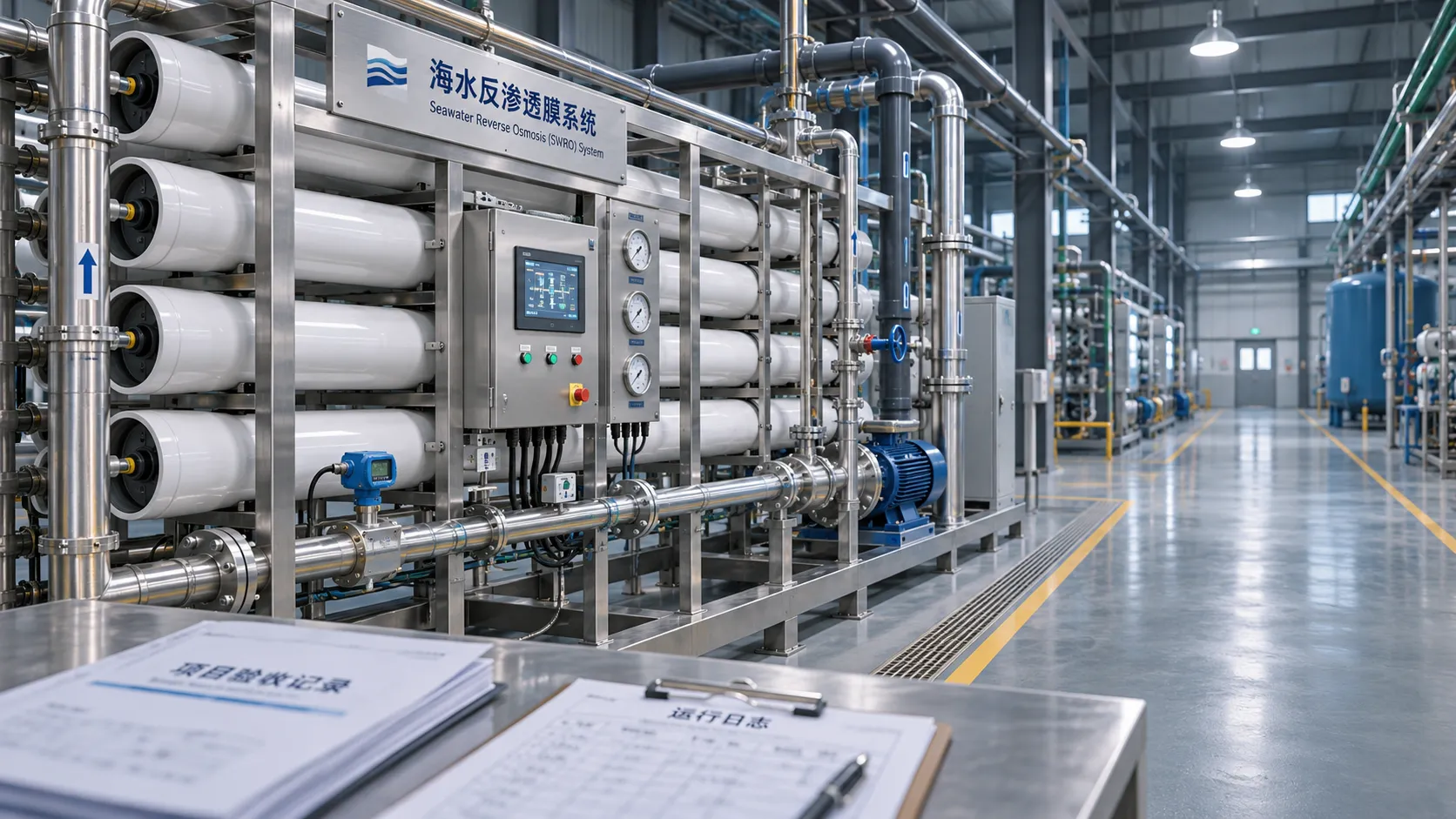
How to verify an SWRO membrane systems exporter's track record
Verify an SWRO membrane systems exporter's track record with practical checks for project references, operating evidence, export capability and after-sales support.
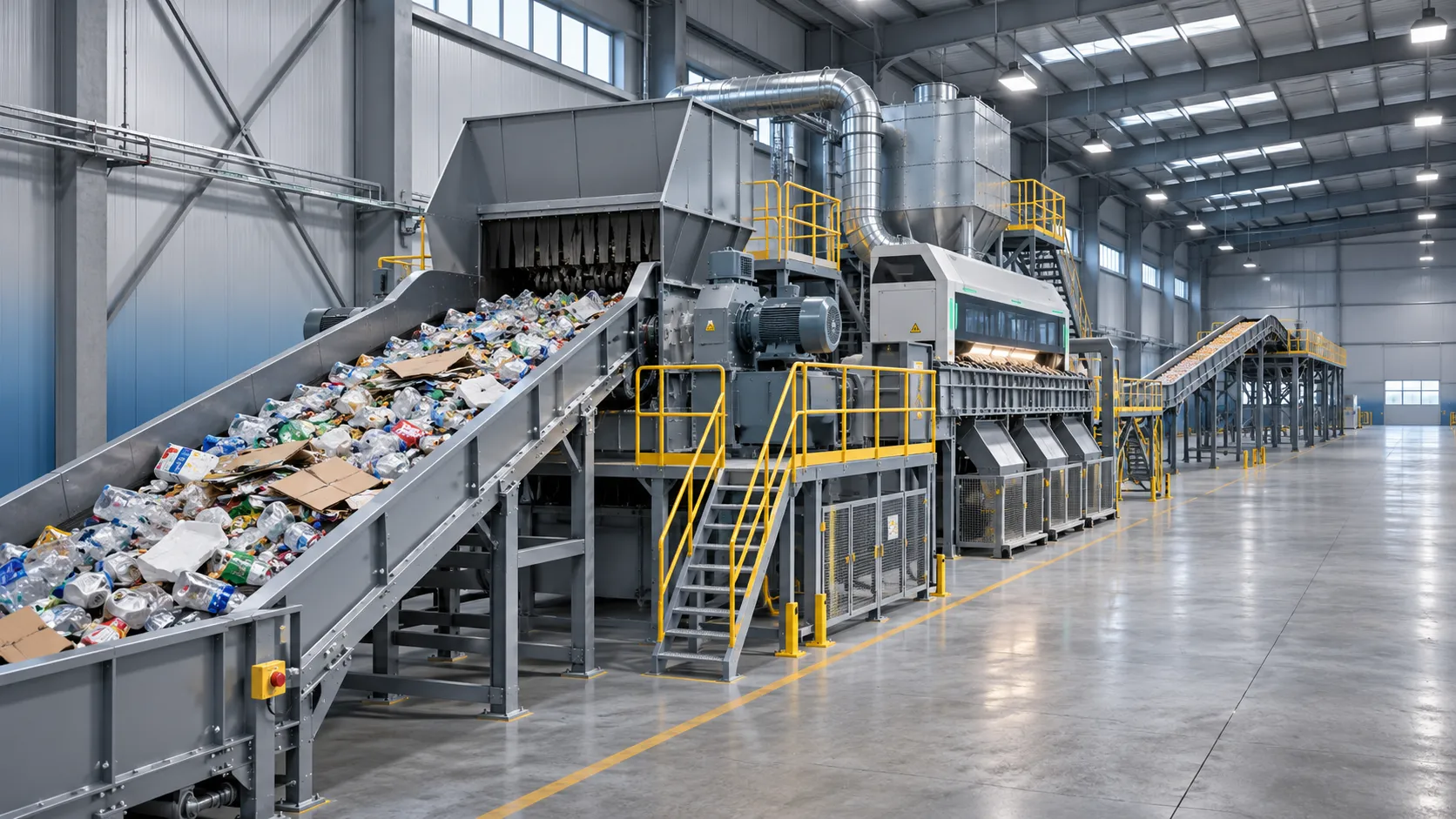
How does capacity affect waste recovery equipment price?
Discover how capacity affects waste recovery equipment price, and learn how to compare throughput, operating costs, and supplier quotes for a smarter investment.
How energy use affects wastewater purification lifecycle costs
Wastewater purification lifecycle cost depends on more than equipment price. Discover how energy use, tariffs and treatment choices shape your investment.