
Industry News
Curation by industry experts
Hot Articles
Popular Tags
How to find verified providers in an industrial environmental solutions directory
A “verified” badge can make an environmental supplier look procurement-ready, but the badge alone does not establish whether the company can deliver your project. It may confirm a legal identity, a document review, or simply that a listing is active. The distinction matters when a treatment plant must meet a discharge permit, a recovery line must handle a difficult waste stream, or an overseas supplier must support equipment for years after commissioning.
An environmental solutions directory for industry is most useful as a structured starting point: identify providers with relevant capabilities, examine what the directory has actually checked, and request evidence that matches your operating conditions. The goal is a shortlist of suppliers whose technical scope, commercial offer, and accountability can be compared on the same basis.
Start with the project requirements, not the supplier category
Directory categories are broad. “Industrial wastewater treatment” might cover component manufacturers, engineering firms, equipment integrators, and operators. Each may have a legitimate role, but they do not necessarily accept the same project responsibilities.
Before searching, prepare a short procurement brief that describes the material to be treated, recovered, or controlled; the required outcome; the installation location; and the intended scope of supply. Include the available data and its limitations. A supplier can then explain whether it has enough information to propose a solution or whether sampling, testing, or further engineering is needed.
For a wastewater project, the brief should distinguish normal and peak flows, variations in water composition, discharge or reuse requirements, and any restrictions on disposal. For a solid waste line, it should describe the incoming material, contamination and variability, the intended recovered products, and the available outlets for residues. A seawater desalination brief should address intake conditions, product-water needs, energy arrangements, and concentrate management.
Also decide whether you need a component, a complete process package, or an engineering, procurement, and construction contractor. A membrane supplier may be well qualified to provide its equipment without being responsible for intake design, civil works, or plant-wide performance. Comparing its price directly with a full-plant offer would produce a misleading result.
How to read verification claims in an environmental solutions directory for industry
Verification is useful only when its scope is clear. A directory may review company registration, contact details, certifications, project references, or information supplied by the company itself. These checks answer different questions. Registration can help establish that a legal entity exists; it does not demonstrate that a proposed process will work with your feed material.
Open the listing and look for the identity of the entity being assessed, the documents or information reviewed, who performed the review, and when it took place. A useful listing makes it possible to distinguish a manufacturer from a distributor or an engineering contractor. It also indicates whether a certificate applies to the entity and activity being offered, rather than merely displaying a logo.
Where a listing does not explain its verification process, treat it as a lead and move directly to document review. Ask the supplier for its legal name, business registration details, relevant certificates, and the names of subcontractors responsible for critical work. Match those documents to the contracting entity and the proposed scope. A certificate held by a parent company or an unrelated factory does not automatically cover the organization that will manufacture, install, or service your equipment.
Practical distinction: directory verification can help establish a supplier’s identity and stated credentials; project qualification tests whether that supplier is suitable for your particular duty. Both matter, and neither replaces a clear contract.
Test project experience against your actual duty
A long reference list is less valuable than a small number of projects that resemble yours in the ways that affect performance. Ask for references that identify the supplier’s role, equipment supplied, operating environment, and the stage reached by the project. A company that supplied a single component should not be assessed as though it designed and commissioned the entire facility.
The relevant comparison changes by application. In water treatment, similarity of feed composition and treatment objective can matter more than headline plant capacity. In flue gas treatment, the fuel or process generating the gas, the pollutant-control objective, and operating variability influence whether an earlier installation is comparable. For waste recovery, ask whether references involved a similar input mix and whether the recovered output had a viable destination.
Request a reference contact where confidentiality permits, along with a description of commissioning and operating responsibilities. When direct contact is unavailable, supporting records such as an acceptance document or an agreed case summary can still help establish the supplier’s role. A conceptual design or announced project offers less evidence of operating delivery than a completed and accepted installation.
Be cautious with claims that a technology is suitable for every feed or can eliminate all residual material. For example, zero liquid discharge changes how water and residuals are managed; it does not remove the need to account for concentrated or solid waste. The right question is where each output goes, what condition it is in, and who bears the cost of managing it.
Compare technical offers on a common basis
Send the same operating brief and requested response format to each shortlisted provider. Ask suppliers to state their design assumptions, proposed process, major equipment, utilities, consumables, residual streams, maintenance needs, and exclusions. If feed data is incomplete, ask each bidder to identify which assumptions drive its design and what testing would reduce uncertainty.
A process may be attractive under stable conditions but unsuitable when the feed changes sharply. Ask how the proposed system responds to the variations described in the brief and what happens when the feed falls outside its design envelope. The answer should identify operating limits and the consequences for treatment, throughput, maintenance, or shutdown—not simply repeat a nominal capacity.
For desalination, examine the relationship between pretreatment, membrane protection, energy use, cleaning, and concentrate handling. A lower initial equipment price may be less attractive if it relies on feed conditions the site cannot consistently provide. For flue gas treatment, compare proposals against the expected gas conditions and emissions obligations, including the handling of spent reagents or other byproducts. For recovery systems, examine sorting or processing assumptions alongside the quality requirements of downstream buyers.
Specialist sectors require an additional level of scrutiny. Nuclear waste management can involve site-specific safety requirements, licensing responsibilities, material controls, and oversight across multiple organizations. A directory listing may identify a relevant organization, but qualification must address the precise activity, facility, jurisdiction, and interfaces in the proposed scope. Experience with conventional hazardous waste alone is not sufficient evidence for radioactive waste work.
Build a cost comparison that follows the equipment through operation
The lowest quotation is useful information only after the scope and assumptions are aligned. Ask each bidder to separate its initial supply price from installation, commissioning, training, consumables, replacement parts, maintenance, utilities, and end-of-life or residual-management obligations where these are relevant.
Use the same evaluation period and operating scenario for every bid. Where a supplier offers a recovery revenue estimate, separate it from the committed equipment price and examine the assumptions about output quality, buyer acceptance, transport, and demand. A treatment system should remain commercially understandable even if that revenue is lower than expected.
Currency, delivery terms, taxes, financing, and schedule can also change the comparison. Rather than forcing an artificial precision onto uncertain operating costs, show the assumptions that materially affect the decision and compare how each offer behaves under plausible variations in feed, energy use, or maintenance needs.
Turn the shortlist into an accountable contract
Once the technical and commercial comparison identifies credible candidates, resolve the interfaces that often cause disputes. If the buyer supplies utilities, site works, feed conditioning, or downstream disposal, document those responsibilities. If several suppliers share the process, identify who coordinates controls, installation, and system-wide testing.
Performance commitments should describe the conditions under which they apply, the measurement method, the test period, and the procedure if results fall short. A guarantee based on a narrow feed condition has limited value if the plant routinely operates outside it. Equally, a supplier cannot reasonably guarantee performance for material or utilities that differ from the agreed design basis without an adjustment process.
Check the service model before award. Identify who will respond to a fault, where replacement parts will come from, what documentation and training are included, and whether the buyer can maintain the system with the support offered. For an imported package, a local representative can be useful, but the contract should make clear whether that representative can provide technical service or only commercial coordination.
Global Eco-Shield Dynamics provides industry intelligence across areas including water treatment, waste recovery, flue gas treatment, desalination, and nuclear waste management. Such sector research can help procurement teams frame technical questions and understand the wider context of a bid. The purchasing decision still rests on the evidence for the specific supplier, equipment, site, and contract.
A strong directory shortlist is therefore not the list with the most badges. It is the set of providers that can show relevant delivery experience, explain their design assumptions, price a comparable scope, and accept clearly defined responsibilities for the outcome they are offering.
Recommended News
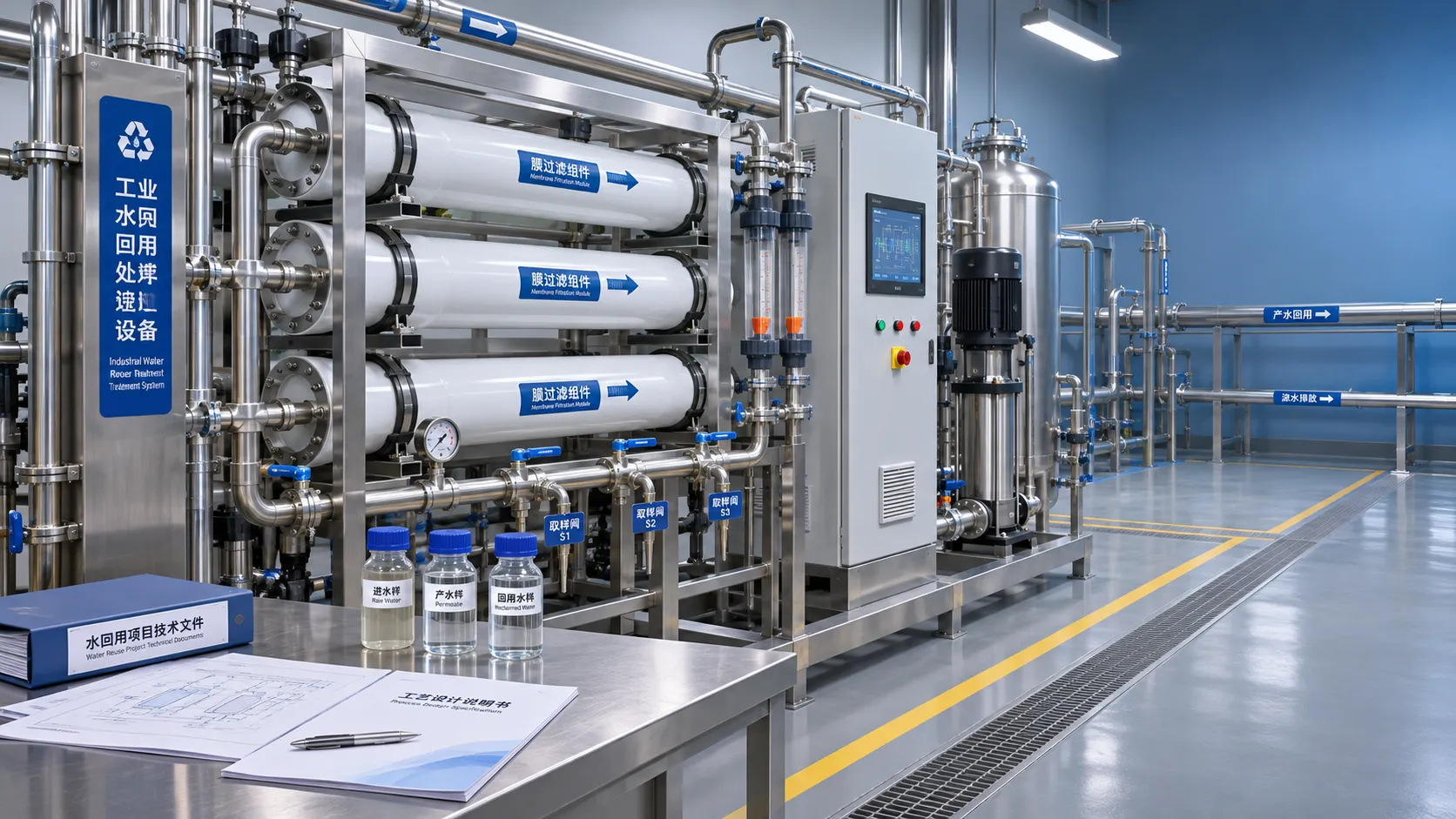
How to identify applicable water reuse equipment standards
Identify applicable water reuse equipment standards with a practical guide to regulations, performance claims, certification, and monitoring.
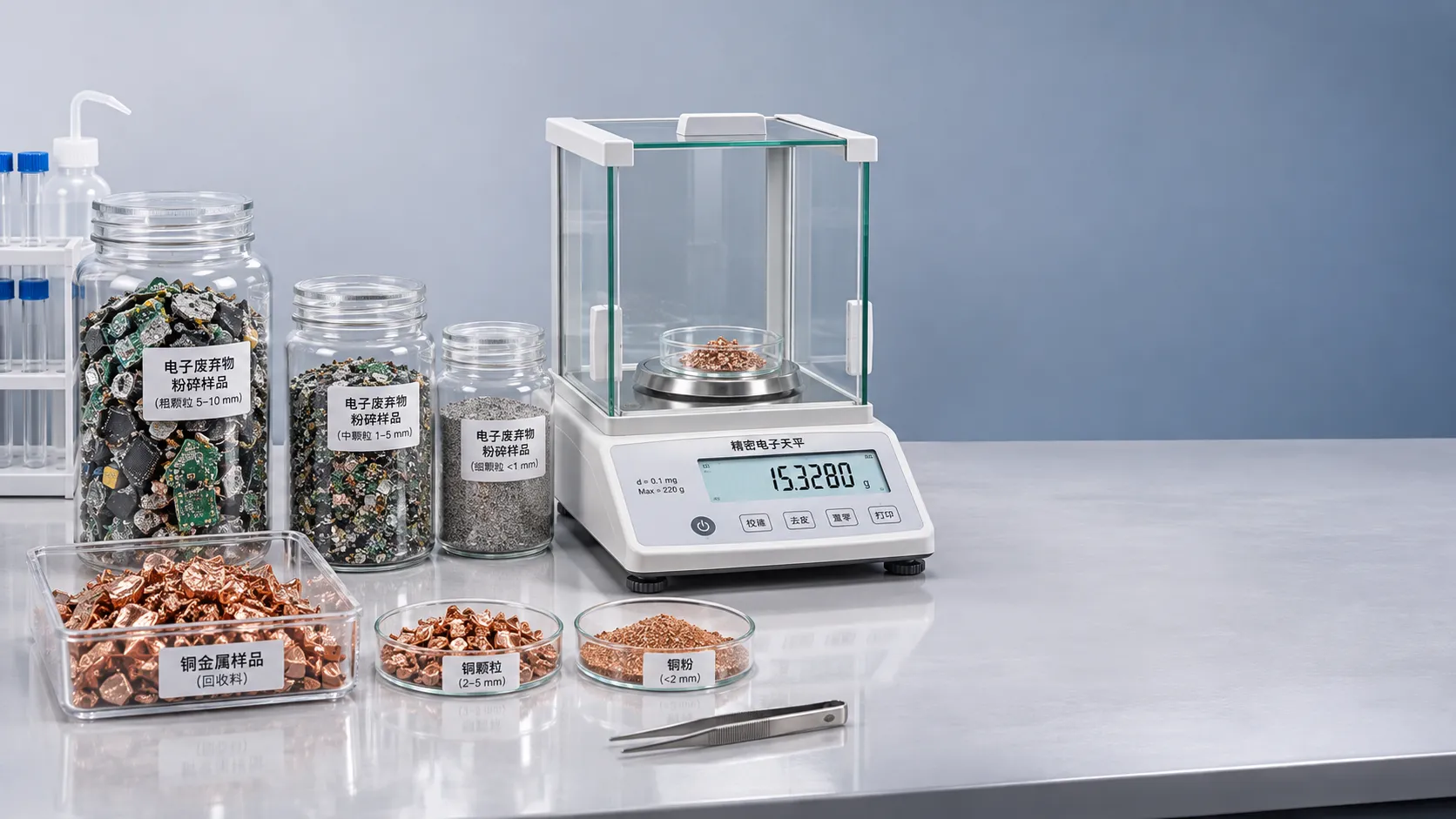
How to measure resource recovery efficiency in e-waste refining
Learn how to measure resource recovery efficiency in e-waste refining with metal balances, sampling and verified yields. Compare technologies with confidence.
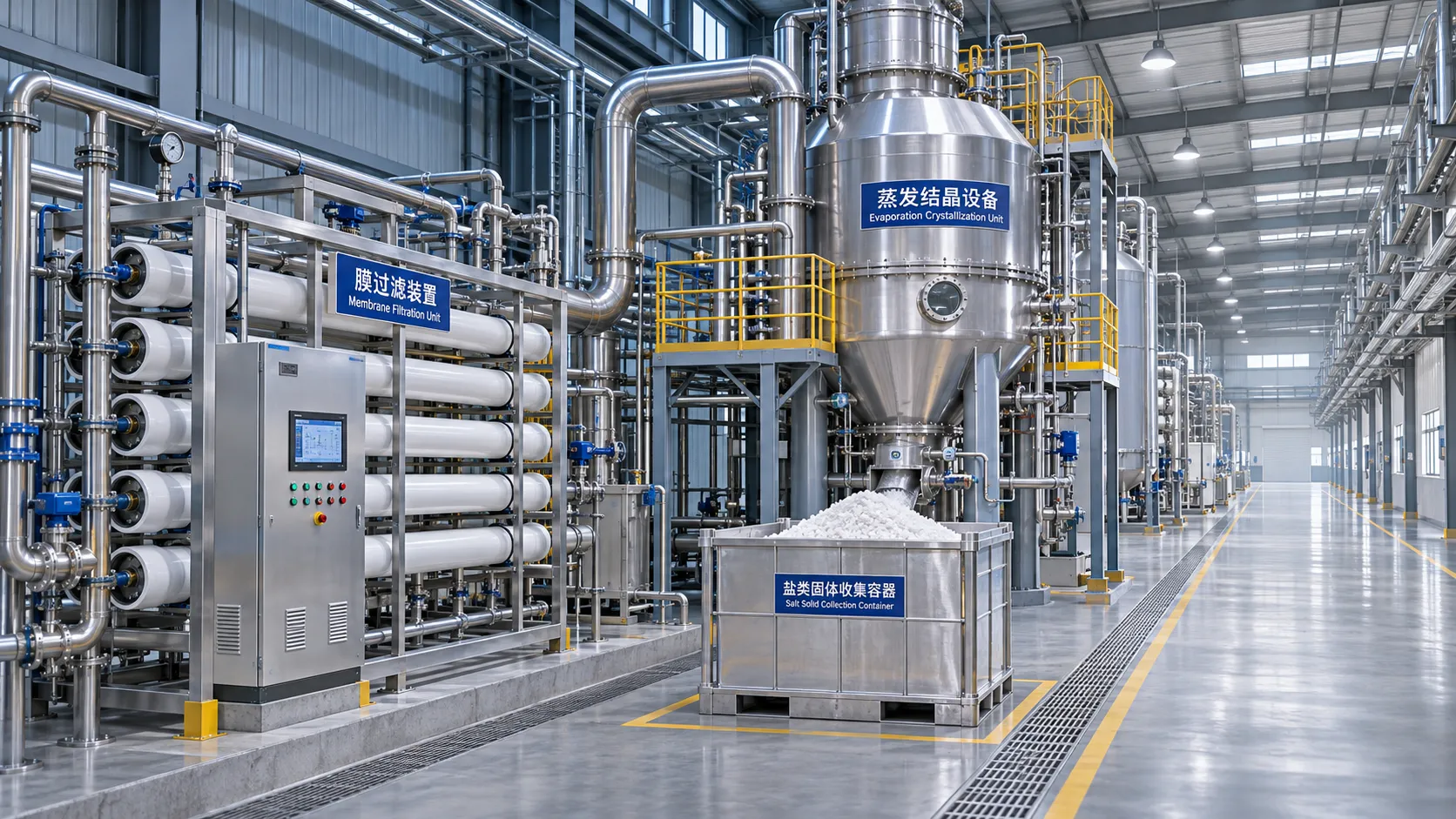
How to evaluate a ZLD system integrator’s project experience
Evaluate a ZLD system integrator with confidence. Learn how to verify relevant projects, operating results and contract risks before selecting a partner.
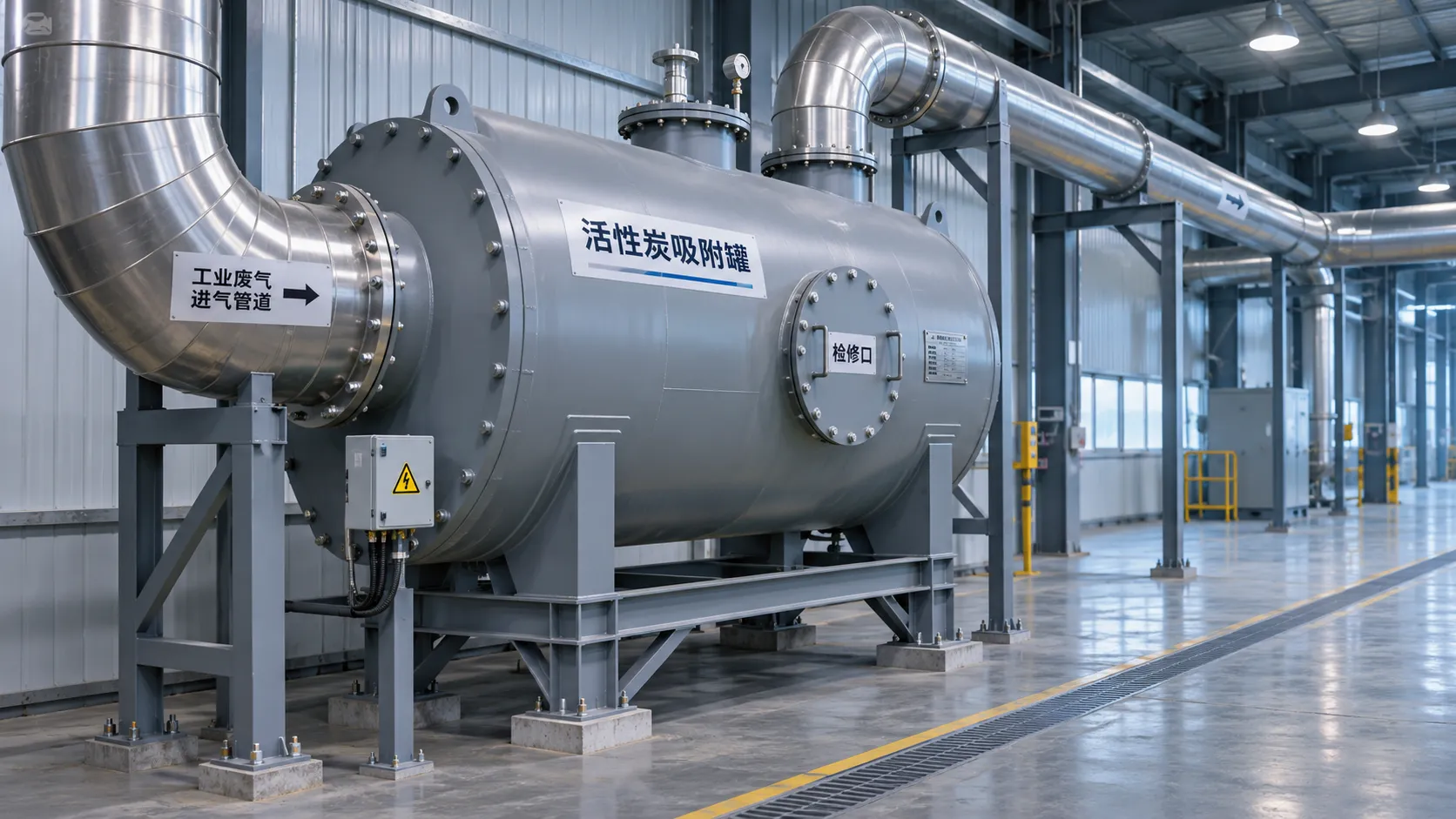
How VOC concentration affects industrial VOC treatment selection
Explore how VOC concentration shapes industrial VOC treatment selection, from adsorption and oxidation to solvent recovery. Find the right approach for your process.
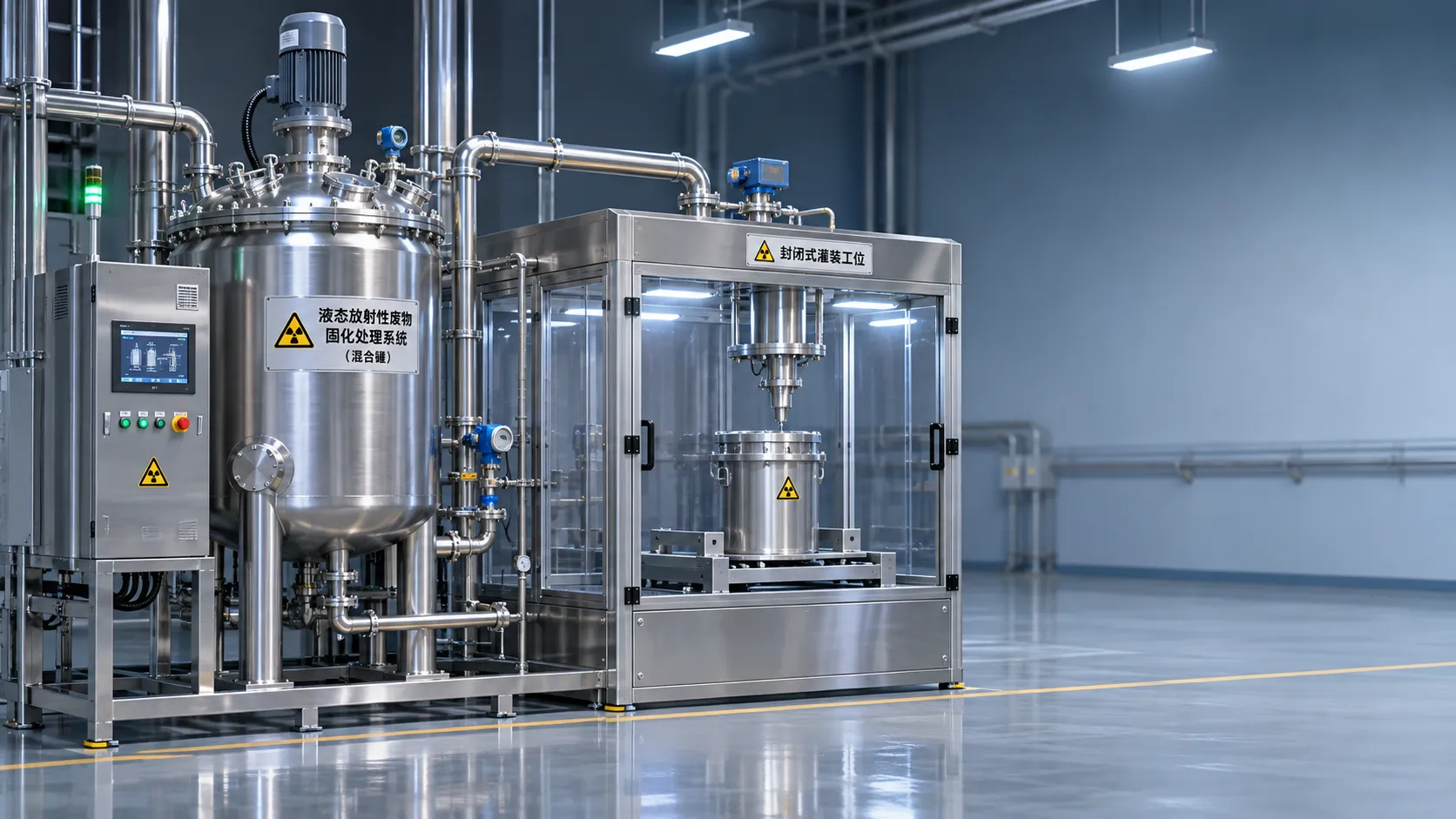
How to select nuclear waste safety equipment for liquid solidification
Choose nuclear waste safety equipment for liquid solidification with confidence. Compare waste acceptance, containment, radiation protection, and lifecycle costs.
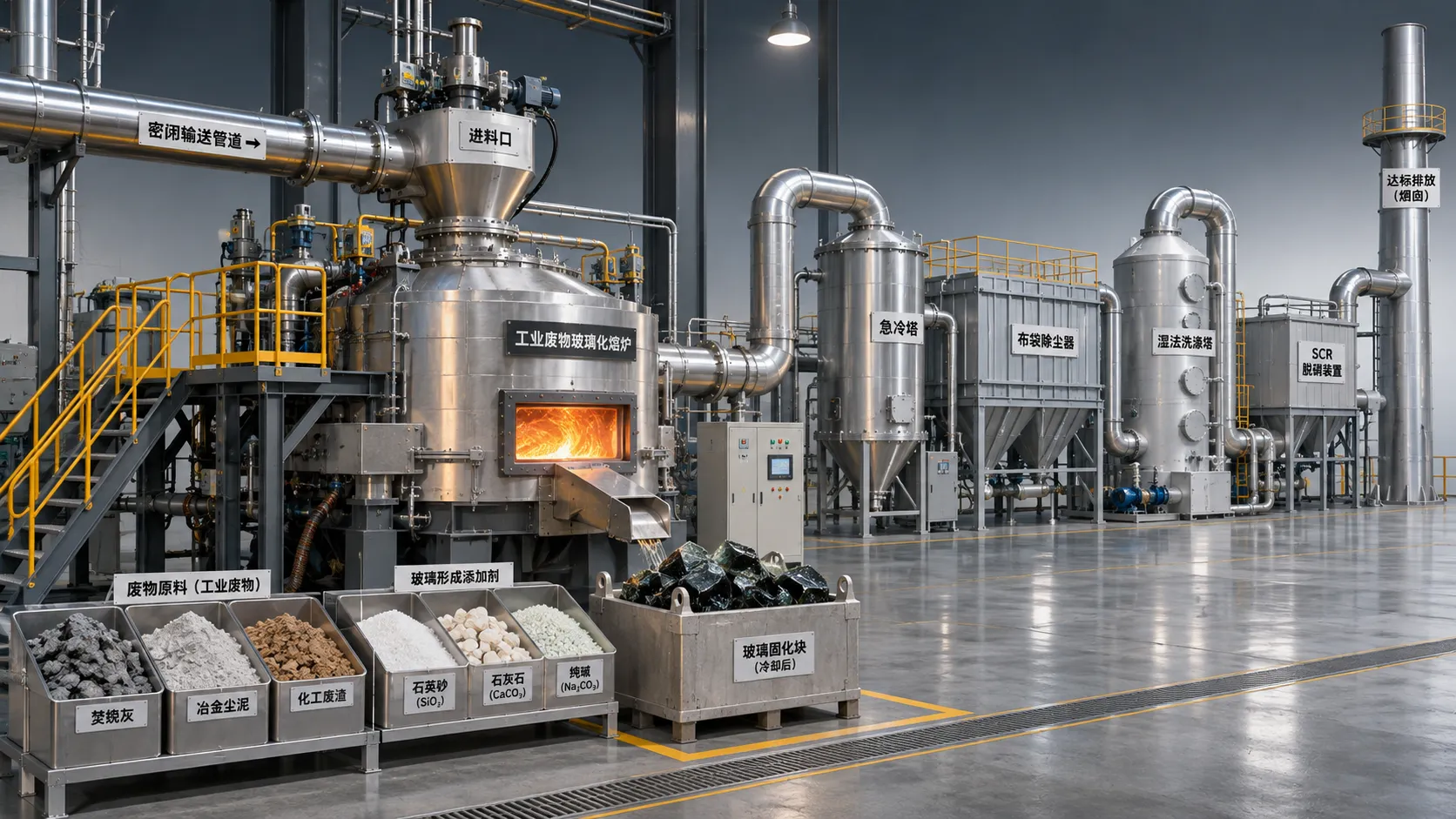
How does waste composition affect waste vitrification cost?
Discover how moisture, glass chemistry and contaminants affect waste vitrification cost—and learn how to compare bids and avoid hidden expenses.
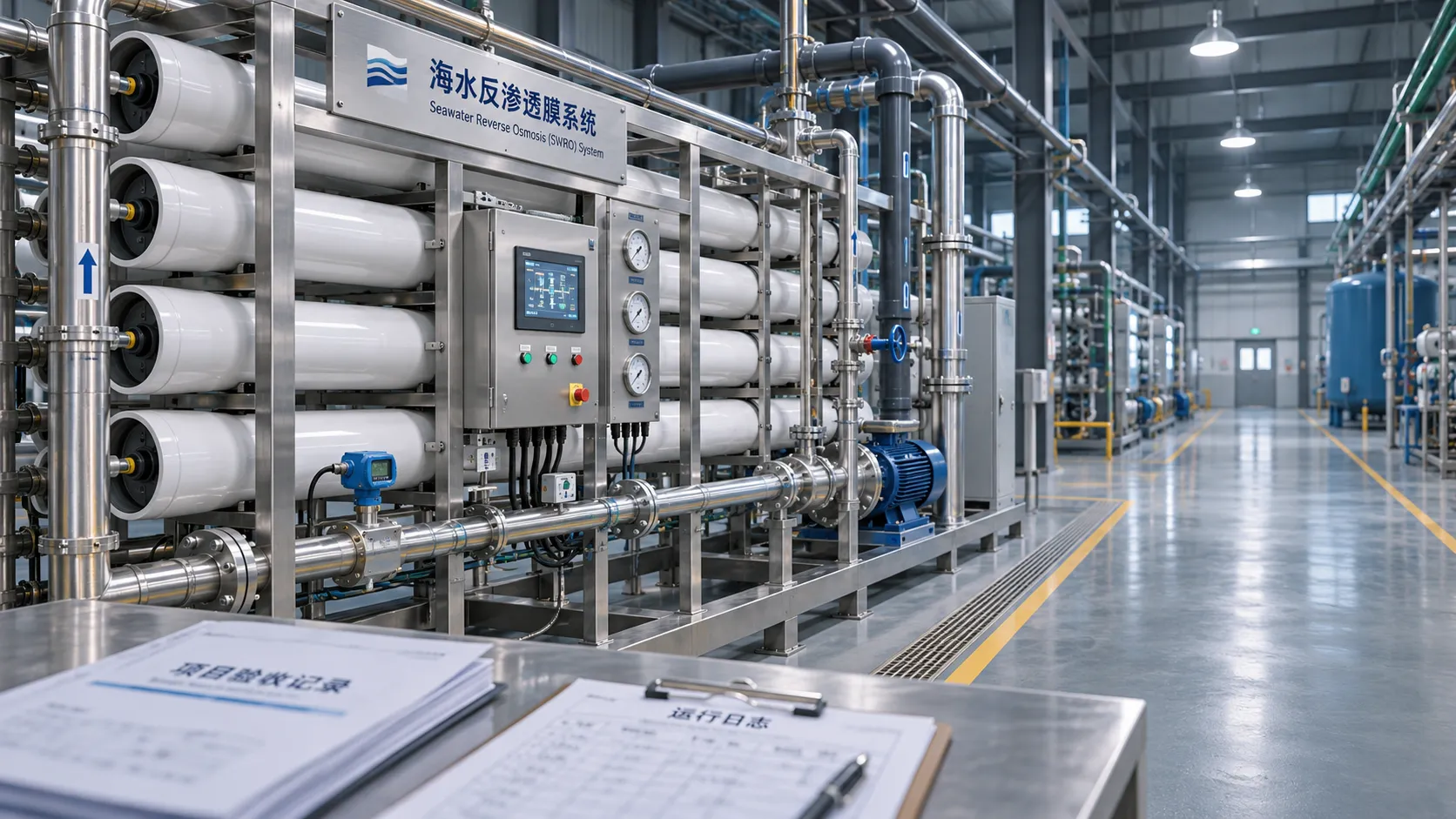
How to verify an SWRO membrane systems exporter's track record
Verify an SWRO membrane systems exporter's track record with practical checks for project references, operating evidence, export capability and after-sales support.
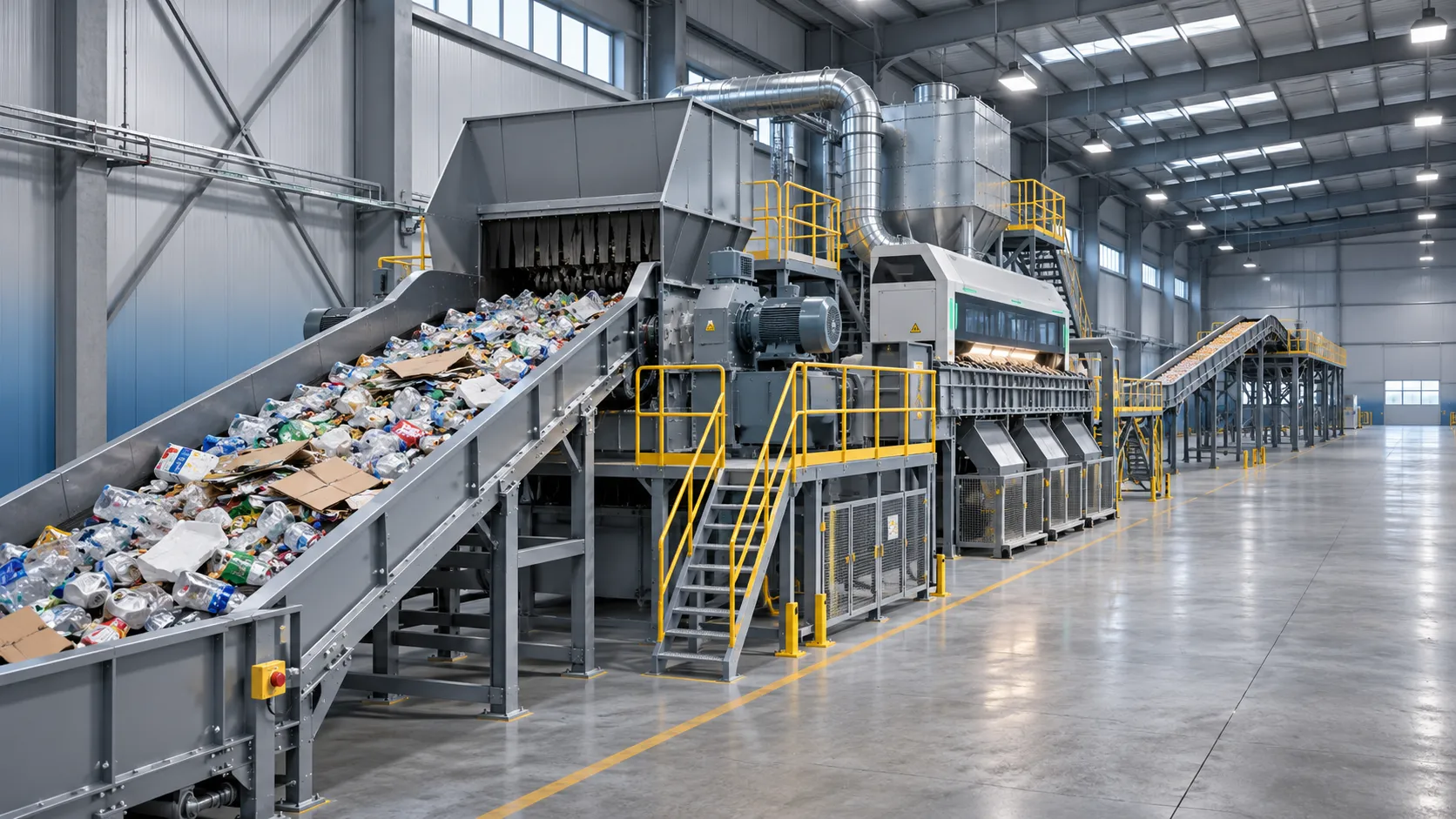
How does capacity affect waste recovery equipment price?
Discover how capacity affects waste recovery equipment price, and learn how to compare throughput, operating costs, and supplier quotes for a smarter investment.
How energy use affects wastewater purification lifecycle costs
Wastewater purification lifecycle cost depends on more than equipment price. Discover how energy use, tariffs and treatment choices shape your investment.