
Industry News
Curation by industry experts
Hot Articles
Popular Tags
How to evaluate a ZLD system integrator’s project experience
A long reference list does not establish that a ZLD system integrator can deliver your project. Give the most weight to operating installations with comparable wastewater, treatment duties and performance requirements—and verify what the integrator actually delivered, how the system was tested and how it performed after handover.
This distinction matters when a proposal cites impressive plant capacities but provides little evidence about salt composition, solids management or operating variability. A mismatch can surface later as scaling, unstable crystallization, higher utility demand or disputes over what “zero liquid discharge” was supposed to cover.
Start with relevance, not the number of references
Ask each bidder for a short list of projects that most closely resemble the proposed duty. Request enough information to compare the influent and process boundaries, not just the industry and nominal flow. A reference from the same sector can still be a poor match if it treats a different waste stream or receives extensive pretreatment upstream.
For each reference, establish the design and observed operating ranges where available:
- Flow and variability: Average and peak flow, operating hours, seasonal changes and the effect of batch discharges.
- Water chemistry: Dissolved and suspended solids, major ions, silica, hardness, organics and constituents that could affect scaling, corrosion, foaming or biological treatment.
- Process configuration: Pretreatment, concentration, evaporation or crystallization steps, and the final destination of recovered water and residual solids.
- Project status: Whether the installation is designed, under construction, commissioned or operating, and for how long operating evidence is available.
Compare ranges rather than single design-point values. An integrator may have handled a similar average salt concentration but not the short-duration peaks that govern equalization, cleaning frequency or evaporator operation. When feed data for your own project is incomplete, identify the gaps before treating a reference as proof of suitability.
Separate the integrator’s work from the project description
A company may cite a ZLD plant because it supplied one component, prepared an early study or joined a consortium. None of those roles is necessarily a weakness, but each supports a different conclusion about its experience as the system integrator.
For the most relevant references, request a responsibility breakdown covering process design, equipment selection, procurement, controls, construction oversight, commissioning and performance testing. Establish who designed the interfaces between packages and who held responsibility for overall plant performance. A bidder that supplied an evaporator, for example, should not automatically receive credit for integrating pretreatment, brine handling and solids disposal.
Also distinguish corporate experience from the experience of the proposed project team. Ask which individuals are expected to lead process design, controls and commissioning, what roles they held on the cited installations and how much of their time is committed to your project. Staff changes do not erase company experience, but a reference is more useful when the knowledge behind it is available to the delivery team.
Examine the treatment train as a connected system
A credible reference should show why the process sequence was selected for that water and what limitations emerged. Ask the bidder to explain the governing design constraints rather than simply naming technologies. For instance, membrane concentration may reduce the volume sent to thermal treatment, but its practical recovery depends on feed chemistry, pretreatment and scaling limits. Thermal concentration can handle different conditions, but requires a defensible approach to energy demand, corrosion and residual solids.
Use a process flow diagram or an agreed description of the reference to trace the material through the plant. At each interface, ask what quality and flow the downstream unit was designed to receive. Pay particular attention to:
- Pretreatment robustness: How hardness, silica, suspended matter or organics were controlled, and what happened when upstream performance deteriorated.
- Concentrate routing: Where membrane reject, cleaning solutions, equipment drains and off-specification streams went during normal operation and upsets.
- Thermal equipment: The basis for material selection, heat transfer assumptions, cleaning access and management of scaling or foaming.
- Solids handling: Whether the reference included dewatering, storage, characterization and an acceptable disposal or recovery route.
- Control strategy: How the system responded to variable feed, equipment trips, startup, shutdown and changes in downstream demand.
These questions help distinguish a complete plant reference from a collection of individually successful equipment packages. A crystallizer may operate as designed while the overall project still struggles because upstream chemistry shifts or because solids cannot be removed reliably.
Ask for evidence beyond commissioning
A successful startup is useful evidence, but it is not the same as sustained operation. Request the commissioning and acceptance-test basis for each priority reference: test dates, duration, feed conditions, measurement locations, sampling methods and the criteria used to determine acceptance. Where records are available, compare the tested conditions with the project’s design envelope.
Then ask for operating information from a representative period after handover. Useful evidence can include operating logs, water balances, cleaning records, downtime summaries and utility consumption, subject to the owner’s consent and confidentiality restrictions. Check whether reported availability excludes planned cleaning or depends on an upstream or downstream facility outside the integrator’s scope.
Do not treat an isolated figure as proof without its boundary. Energy per unit of treated water, for example, is difficult to compare unless the calculation identifies which equipment and utilities are included, the feed concentration and the volume basis. The same applies to recovery: clarify whether it refers to a membrane stage, a thermal unit or the entire wastewater system.
Define what counts as zero liquid discharge
Request a water and solids balance that accounts for the intended operating modes. Recovered water, evaporation, product moisture, purges, cleaning wastes and any off-site transfers should be visible. A reference described as ZLD may still send a liquid stream elsewhere for treatment or disposal; determine whether that arrangement is compatible with your project’s discharge obligations and contract definition.
Regulatory requirements and permit conditions vary by location and by the nature of the waste. Ask the bidder to identify the assumptions used in its reference and the requirements it expects to apply to your site, without assuming that a previous approval transfers automatically.
Use reference conversations to uncover execution risks
Where the owner permits contact, speak with people responsible for operation as well as project delivery. A commissioning manager can explain handover and testing; an operator can describe cleaning, maintenance access and the effects of changing feed conditions. If direct contact is unavailable, request redacted records or a structured, owner-approved response to the same questions.
Focus the discussion on how the integrator handled problems rather than whether the project was flawless. Ask which issues appeared during startup, how root causes were established, who paid for corrective work under the contract and whether changes affected performance guarantees. Explore the period between mechanical completion and stable operation, including operator training and the availability of controls and process support.
A refusal to disclose confidential details is not automatically a negative finding. However, a bidder should be able to explain the limits of disclosure and offer another way to substantiate critical claims. Treat a reference as unverified when neither the owner nor suitable records can confirm the scope or performance being relied on.
Translate experience into your project’s risk allocation
Once references have been screened, ask shortlisted bidders to connect their experience to your actual design basis. The useful deliverable is not another project list; it is a statement of which aspects are proven, which are extrapolations and what testing or engineering would reduce uncertainty.
For uncertain wastewater chemistry, review the sampling plan and consider whether laboratory work, treatability studies or pilot testing are needed. Define who supplies representative samples, which feed conditions will be tested and how results will influence design assumptions. A pilot can reduce uncertainty, but its duration and scale may not establish long-term fouling, corrosion or seasonal performance on their own.
Use the resulting evidence to examine contract terms:
- Does the performance guarantee cover the complete agreed plant boundary or only selected equipment?
- Are feed limits, utility conditions, operating procedures and owner responsibilities consistent with the design basis?
- Are acceptance tests and retests defined, including sampling, instruments and treatment of off-specification feed?
- Are consequences and remedies for missed performance stated, along with a process for resolving interface disputes?
- Are spare parts, documentation, training and post-startup support included for the equipment and controls supplied?
Compare bidders against the same requirements and record the evidence behind each judgment. A reference with closely matching chemistry, documented operating performance and clear system-level responsibility should generally carry more weight than several projects supported only by equipment lists. Where experience does not directly cover a material risk, make the remaining uncertainty visible in the design, testing plan and contract rather than treating the reference as proof.
Recommended News
How to find verified providers in an industrial environmental solutions directory
Use an environmental solutions directory for industry to find verified providers, compare technical capabilities and costs, and build a reliable supplier shortlist.
How to identify applicable water reuse equipment standards
Identify applicable water reuse equipment standards with a practical guide to regulations, performance claims, certification, and monitoring.
How to measure resource recovery efficiency in e-waste refining
Learn how to measure resource recovery efficiency in e-waste refining with metal balances, sampling and verified yields. Compare technologies with confidence.
How VOC concentration affects industrial VOC treatment selection
Explore how VOC concentration shapes industrial VOC treatment selection, from adsorption and oxidation to solvent recovery. Find the right approach for your process.
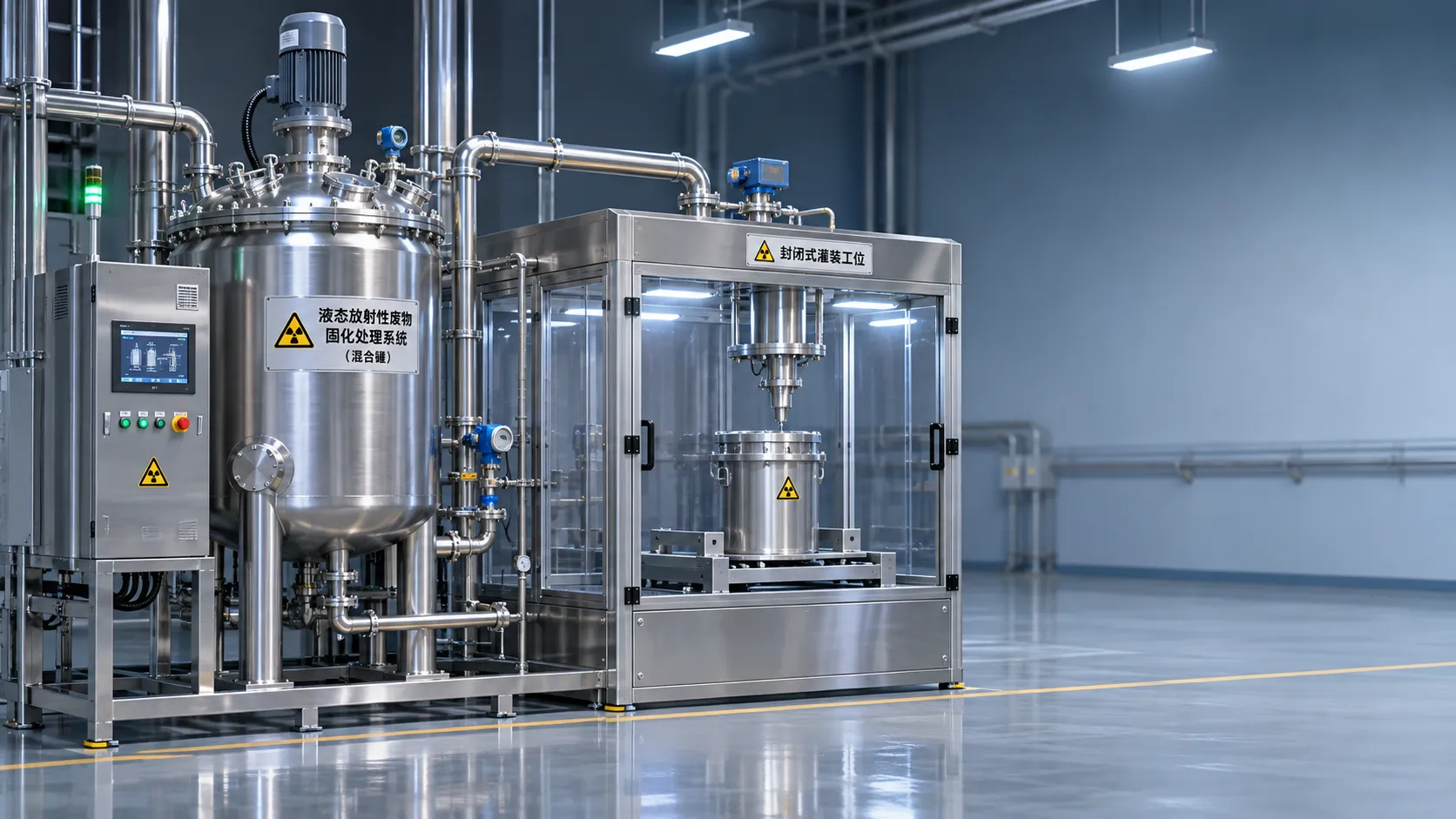
How to select nuclear waste safety equipment for liquid solidification
Choose nuclear waste safety equipment for liquid solidification with confidence. Compare waste acceptance, containment, radiation protection, and lifecycle costs.
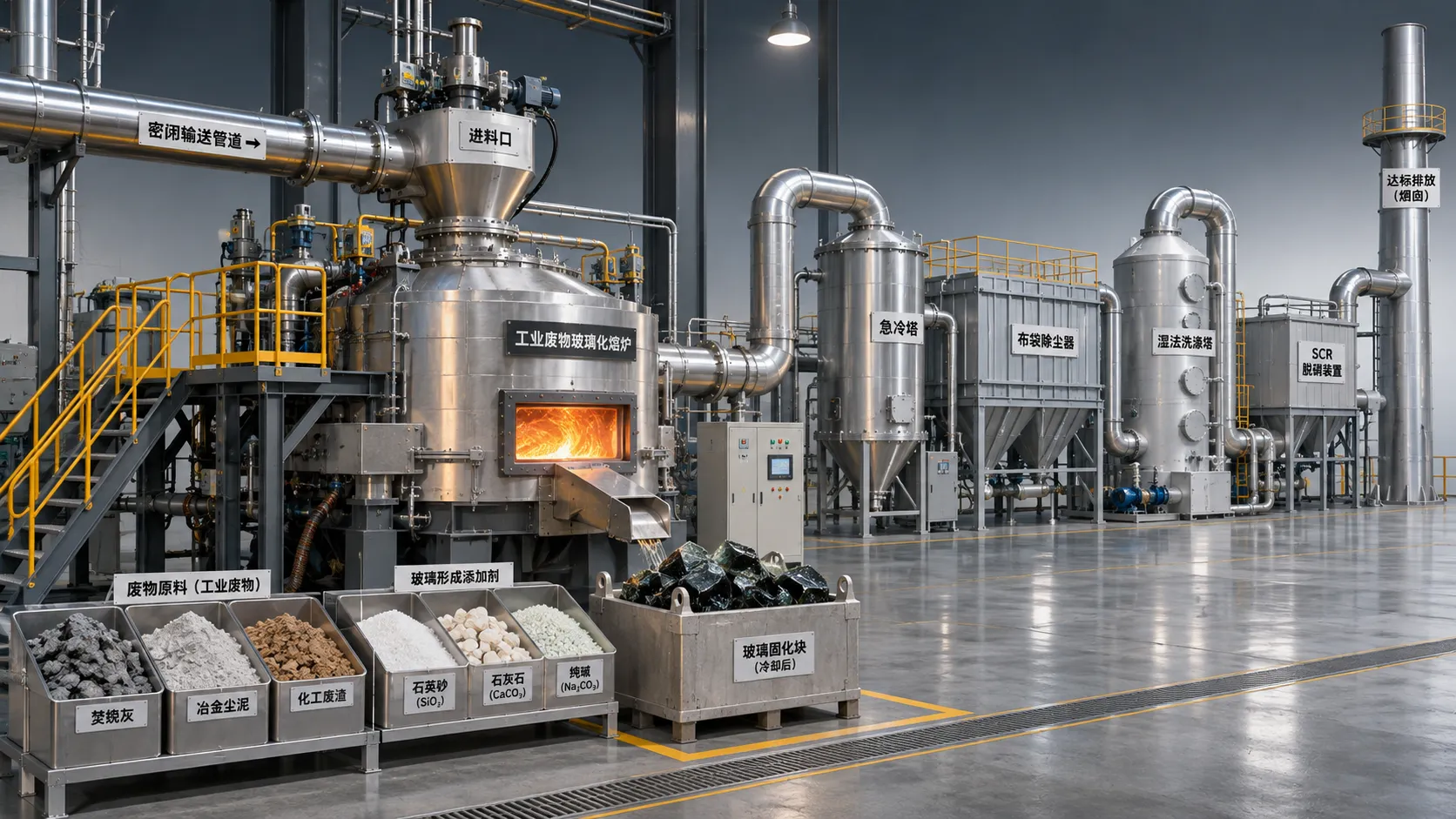
How does waste composition affect waste vitrification cost?
Discover how moisture, glass chemistry and contaminants affect waste vitrification cost—and learn how to compare bids and avoid hidden expenses.
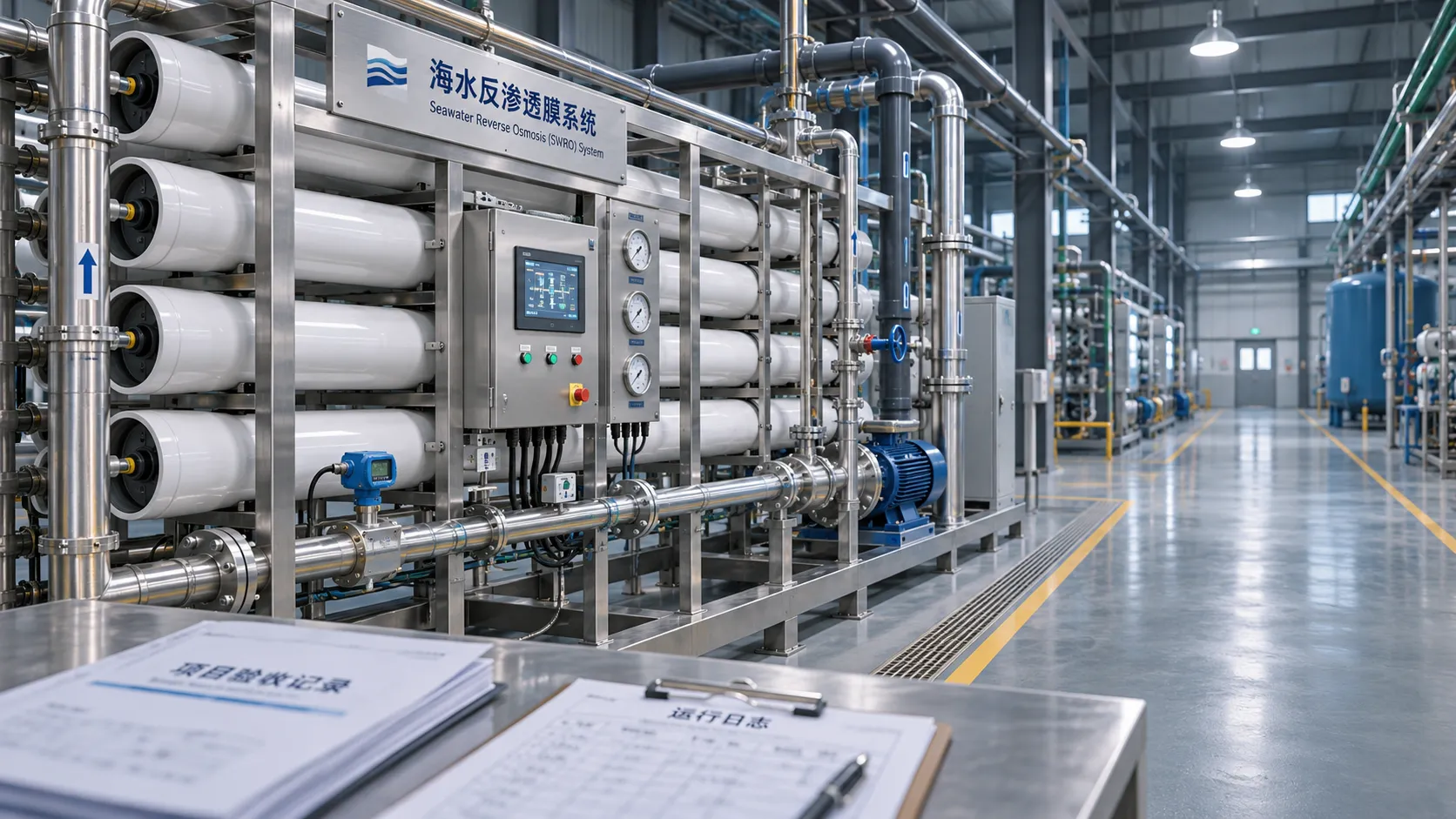
How to verify an SWRO membrane systems exporter's track record
Verify an SWRO membrane systems exporter's track record with practical checks for project references, operating evidence, export capability and after-sales support.

How does capacity affect waste recovery equipment price?
Discover how capacity affects waste recovery equipment price, and learn how to compare throughput, operating costs, and supplier quotes for a smarter investment.
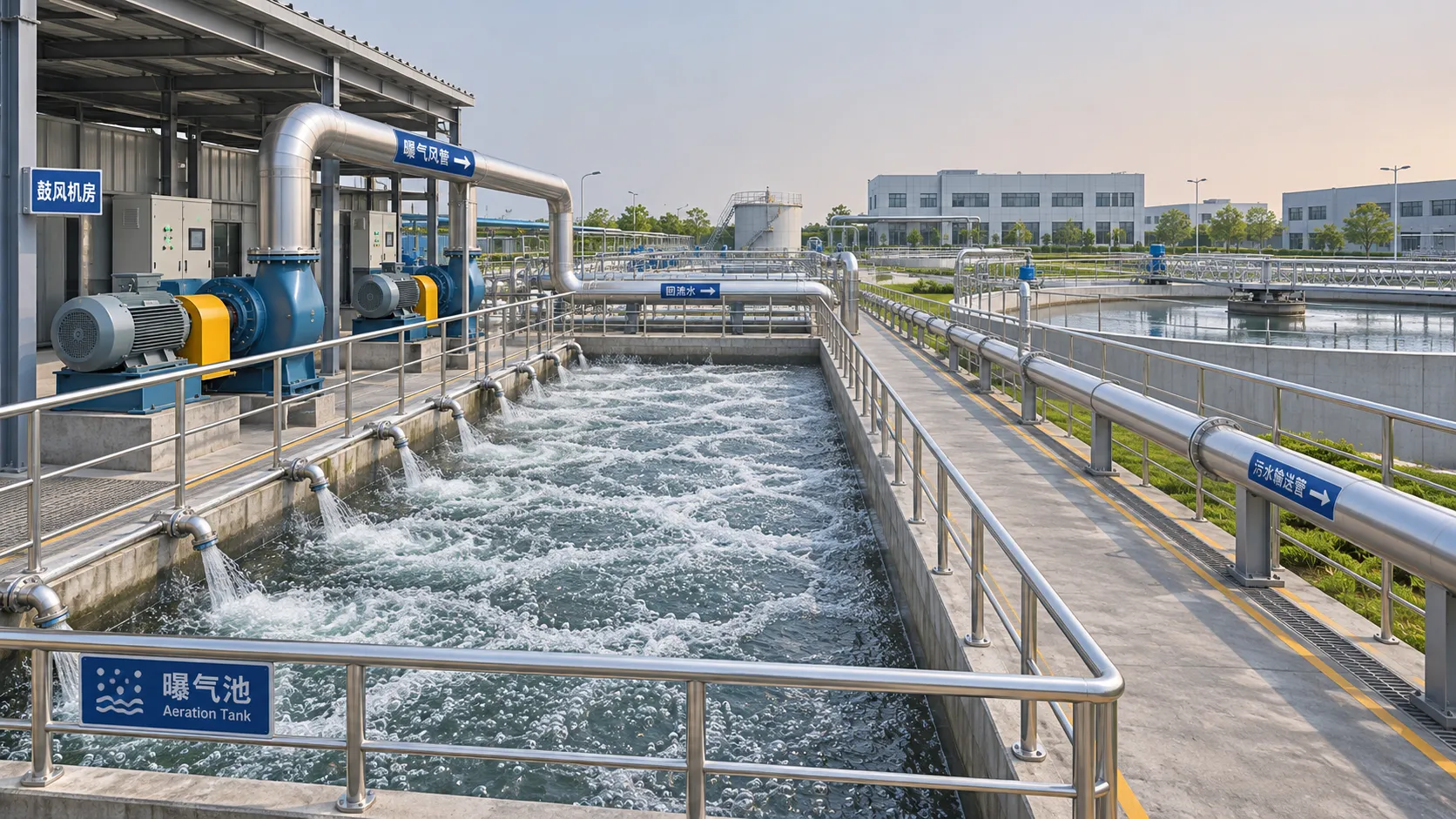
How energy use affects wastewater purification lifecycle costs
Wastewater purification lifecycle cost depends on more than equipment price. Discover how energy use, tariffs and treatment choices shape your investment.