
Industry News
Curation by industry experts
Hot Articles
Popular Tags
How to select nuclear waste safety equipment for liquid solidification
Select nuclear waste safety equipment for liquid solidification by starting with the waste acceptance criteria for the intended storage or disposal route, then working backward to the waste chemistry and process design. A system that achieves the required throughput is not a sound choice if it produces packages that cannot be accepted, exposes maintenance staff to avoidable dose, or cannot control gases and contaminated secondary waste.
The strongest evaluation compares the entire treatment line: feed preparation, immobilization, containment, ventilation, package handling, inspection, and maintenance. Each part must work with the expected range of waste, including abnormal batches and foreseeable interruptions.
Define the waste before comparing equipment
Liquid radioactive waste is rarely a uniform feed. It may contain dissolved salts, suspended solids, organic compounds, corrosion products, ion-exchange materials, or chemical residues from upstream treatment. Its radiological characteristics also matter: radionuclide inventory, activity concentration, radiation field, and the potential for contamination to become airborne all affect equipment selection.
A useful feed specification describes both normal conditions and credible variation. Include concentration ranges, acidity or alkalinity, solids content, corrosive constituents, and substances that could interfere with setting or immobilization. Identify how the waste will be sampled and how representative each sample is likely to be. A tank with settled solids, for example, may deliver a very different feed after agitation than it does when sampled from the surface.
For mixed or poorly characterized streams, ask suppliers to state the feed envelope their equipment can handle and the assumptions behind it. An offer based on a single average composition can conceal the need for additional mixing, pretreatment, shielding, or a different waste container.
Also consider the volume and variability of incoming waste. A batch system can offer useful segregation and hold points when feed composition changes, while a continuous system may suit a more consistent stream. Neither arrangement eliminates the need to control off-specification material or recover safely from a stoppage.
Choose the waste form and package together
Solidification equipment is only useful if the resulting waste form and container meet the requirements of the receiving facility. Engage the storage or disposal route early enough to establish the applicable waste acceptance criteria, including requirements for free liquid, package integrity, identification, documentation, and any waste-form properties specified for that route.
Cementation is a common option for suitable low- and intermediate-level liquid wastes. It can be attractive where the chemistry is compatible with a cement-based binder and the resulting packages fit the available handling and storage infrastructure. Its limitations are equally important: some salts, organics, or other constituents can interfere with setting or affect the properties of the final product. The added binder and packaging also increase the volume that must be handled and stored.
Other immobilization routes may be appropriate for particular waste streams and facility strategies. Polymer-based binders, for example, have their own compatibility, fire safety, and long-term performance considerations. Thermal processes such as vitrification require a different level of attention to high-temperature equipment, off-gas treatment, and maintenance. Do not assume that a process suitable for one radioactive waste stream can accept another without a waste-specific assessment.
Compare alternatives using representative waste or justified simulants and a qualification program suited to the project. The program should demonstrate that the proposed process can produce an acceptable waste form across the intended operating envelope, rather than only under ideal conditions. Include the effects of feed variability, mixing quality, curing or cooling conditions, and any package interactions that could influence acceptance.
Assess containment around the complete process
A mixer or filling station is only one potential release point. Review transfers from the feed tank, connections and disconnections, binder addition, filling, sampling, maintenance access, and package closure. For each operation, establish where contamination could escape and which barrier or control is intended to prevent or limit it.
Enclosed equipment, local extraction, ventilation filtration, and secondary containment may all be relevant, depending on the waste and facility design. Their selection should follow the hazard assessment, including credible spills, leaks, blockage, loss of ventilation, and other abnormal conditions. Filters and ventilation components must themselves be accessible for inspection, replacement, and management as potentially contaminated waste.
Pay particular attention to aerosols and gases. Agitation, transfers, and binder handling can create airborne contamination or dust; chemical reactions or radiolysis may generate gas in some waste streams and packages. The process design needs a way to identify and manage these hazards, including any implications for ventilation, package closure, storage, and monitoring. An airtight package is not automatically the right answer if gas generation is credible.
Materials of construction deserve the same scrutiny. A component exposed to corrosive feed, abrasive solids, cleaning agents, or radiation may fail differently from the mixer shown in a standard supplier demonstration. Review the complete wetted path, including seals, valves, hoses, instruments, and drain points.
Compare radiation protection during routine work and repair
Equipment selection affects exposure well beyond the treatment cycle. Ask how operators will prepare the system, collect samples, remove a blocked line, inspect a failed instrument, and replace a mixer or pump. A compact layout may reduce transfer distances but leave too little room for shielding, remote tools, or maintenance access.
Shielding should be evaluated against the expected radiation sources and operating tasks, including temporary sources such as a full transfer line or a package waiting for closure. Remote operation or handling can reduce time spent near a source, but it adds cameras, manipulators, connections, and other components that must remain usable and maintainable in the installed environment.
Consider whether contaminated components can be isolated, drained, decontaminated, removed, and packaged without dismantling large sections of the plant. Replaceable liners or modular assemblies can help in some designs, but their value depends on the dose, space, lifting arrangements, and waste generated during replacement. A maintenance demonstration or a task-by-task review of the proposed layout is often more revealing than a general statement that the system is “remotely maintainable.”
Look beyond nominal capacity
Published throughput may describe the mixer under steady conditions, while actual plant capacity is limited by sampling, feed adjustment, filling, curing, package inspection, or transfer to storage. Ask each supplier to define the start and end points of its capacity claim and identify the assumptions about feed composition, batch size, staffing, and equipment availability.
For an intermittent waste stream, a smaller batch unit may meet the annual treatment need if there is adequate buffer storage. For a continuous feed, insufficient capacity in a downstream packaging or storage step can force the upstream system to stop. The comparison should therefore include the whole line and its interfaces, not just the treatment vessel.
Abnormal operation deserves a separate review. If power or mixing is lost while a batch is setting, can the contents be recovered, or will a vessel or transfer line have to be removed as waste? Establish hold times, restart conditions, isolation points, and the route for rejected or partially processed batches. These scenarios influence both availability and occupational exposure.
Specify monitoring that supports release decisions
Process instruments should provide information that operators can use to keep the waste within the qualified operating envelope. Depending on the process, this may include measurements or records of feed quantities, reagent addition, mixing conditions, vessel status, ventilation performance, and package identification.
Measurements are useful only if their limitations are understood. A level sensor affected by deposits, for example, can give a misleading indication even when the control system appears healthy. Review instrument placement, calibration and inspection access, alarm response, and the safe state of the equipment if a measurement or control signal is lost.
Link process records to individual packages where required by the acceptance route. The record may need to connect the source waste, processing batch, formulation, relevant checks, deviations, and final package identity. Clarify which data the equipment captures automatically and which depend on operator entry or a separate site system.
Monitoring does not replace waste-form qualification. A batch can meet its recorded process settings yet still require inspection, sampling, or other verification under the approved quality program. Conversely, the response to an out-of-range result should be defined before procurement: whether the batch is held, reprocessed, assigned a different route, or managed as nonconforming waste.
Compare supplier proposals on the same basis
Before scoring bids, issue a common set of feed, facility, and end-package assumptions. Ask suppliers to identify exclusions and interfaces explicitly, especially where an offer relies on existing site ventilation, shielding, utilities, lifting equipment, laboratory support, or storage capacity.
- Process suitability: What waste compositions and operating ranges support the proposed formulation? What pretreatment is required?
- Waste-form evidence: What qualification work supports the proposed package, and what additional testing is needed for the site’s waste and acceptance route?
- Safety functions: Which barriers, alarms, interlocks, and operator actions address the identified hazards? What happens when a service or component fails?
- Maintenance: Which parts require routine access, how are they removed, and what contaminated materials will the work generate?
- Throughput: What is included in the stated capacity, and which downstream step limits the complete line?
- Lifecycle support: What consumables, spare parts, operator skills, decontamination provisions, and eventual dismantling arrangements does the design require?
Use these responses to build a comparable lifecycle assessment, covering capital cost, installation, operation, secondary waste, maintenance, and end-of-life management. A lower equipment price may carry a higher site cost if the proposal excludes substantial shielding, ventilation upgrades, or package handling infrastructure.
For a defensible selection, carry the preferred option through a joint review with the safety case, waste management, operations, maintenance, and receiving-facility teams. The decision is ready when the proposed feed envelope, process controls, package acceptance route, and recovery arrangements are consistent with one another—and when the remaining qualification and site integration work is clearly assigned.
Recommended News
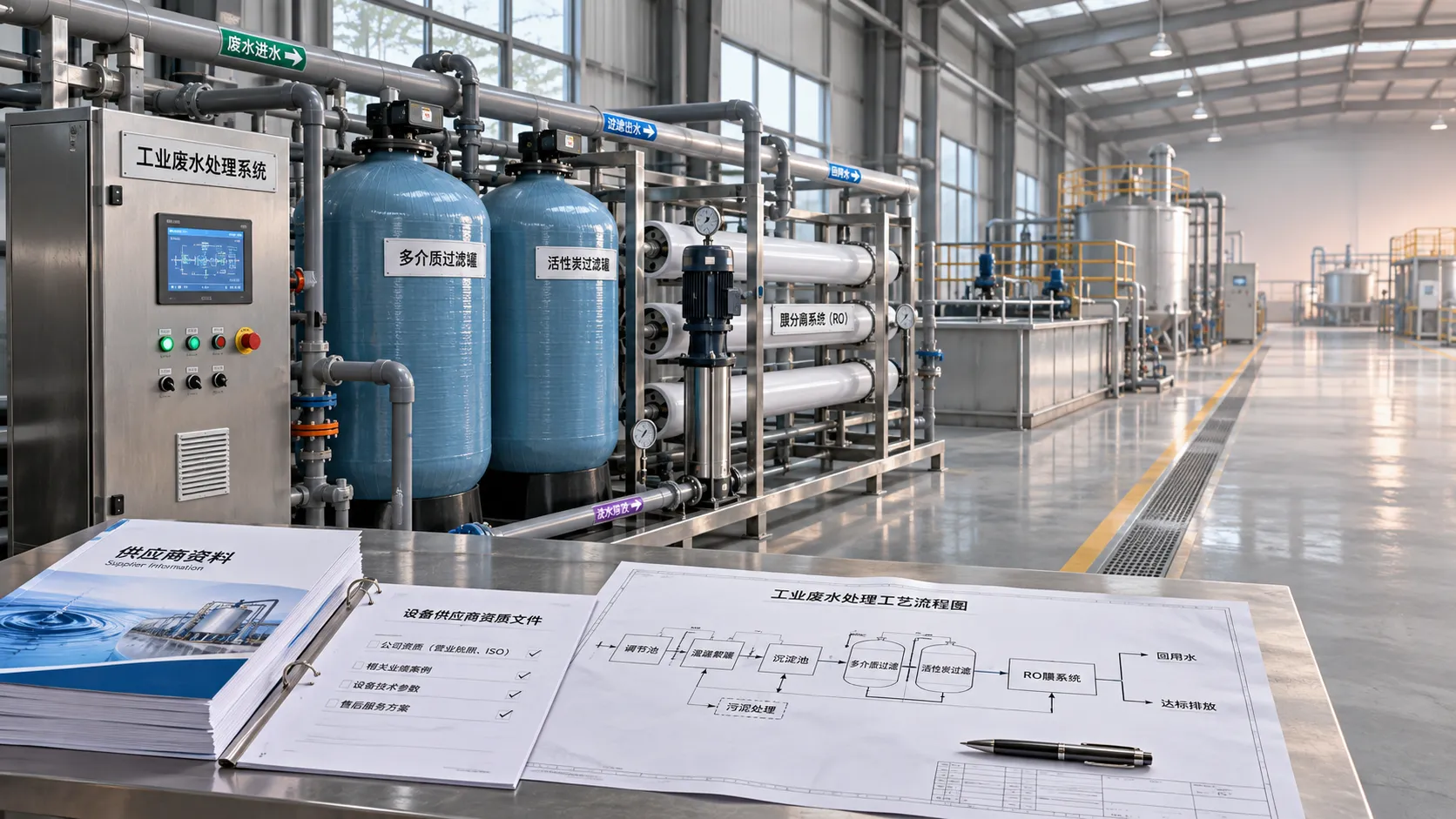
How to find verified providers in an industrial environmental solutions directory
Use an environmental solutions directory for industry to find verified providers, compare technical capabilities and costs, and build a reliable supplier shortlist.
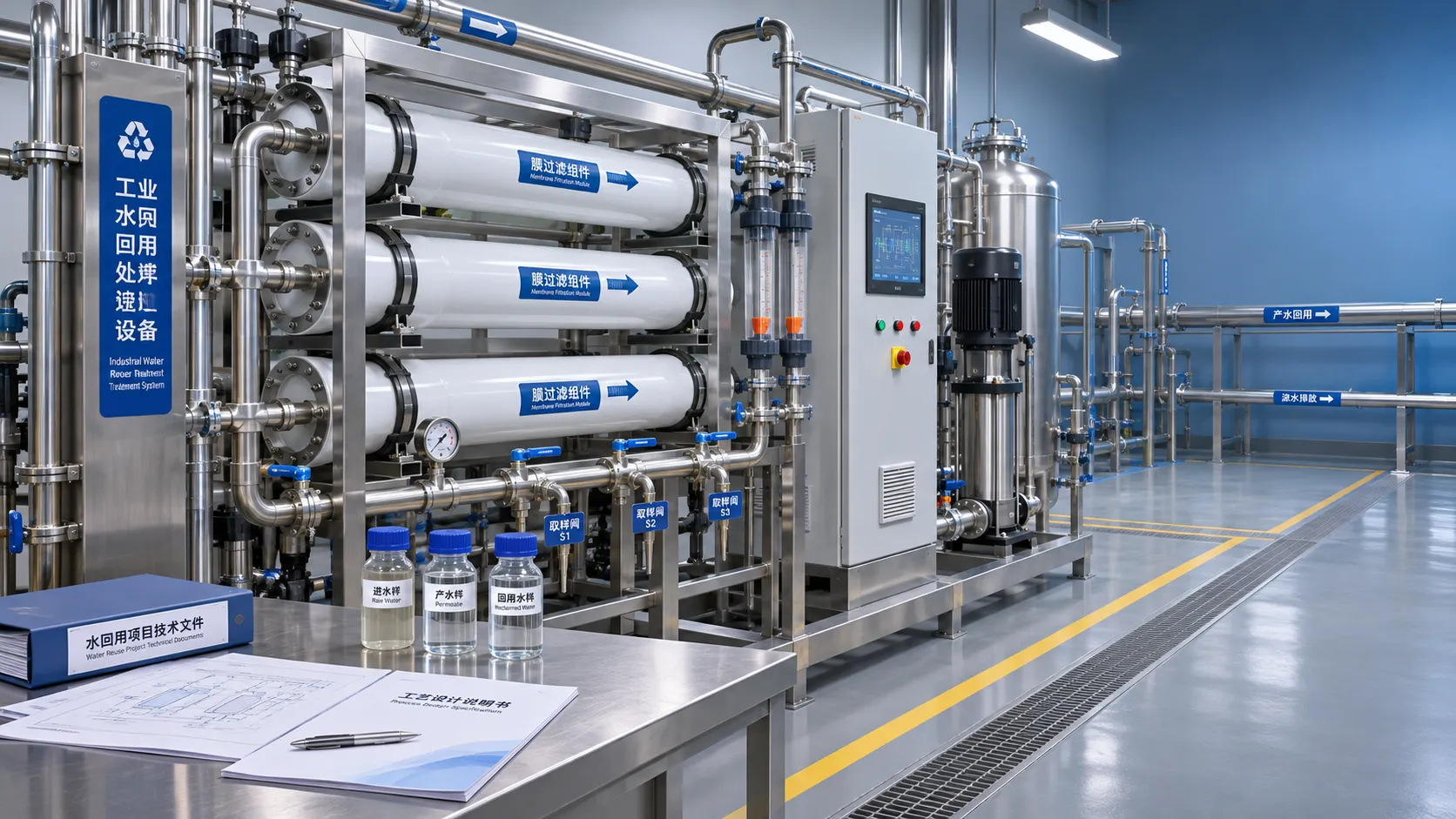
How to identify applicable water reuse equipment standards
Identify applicable water reuse equipment standards with a practical guide to regulations, performance claims, certification, and monitoring.
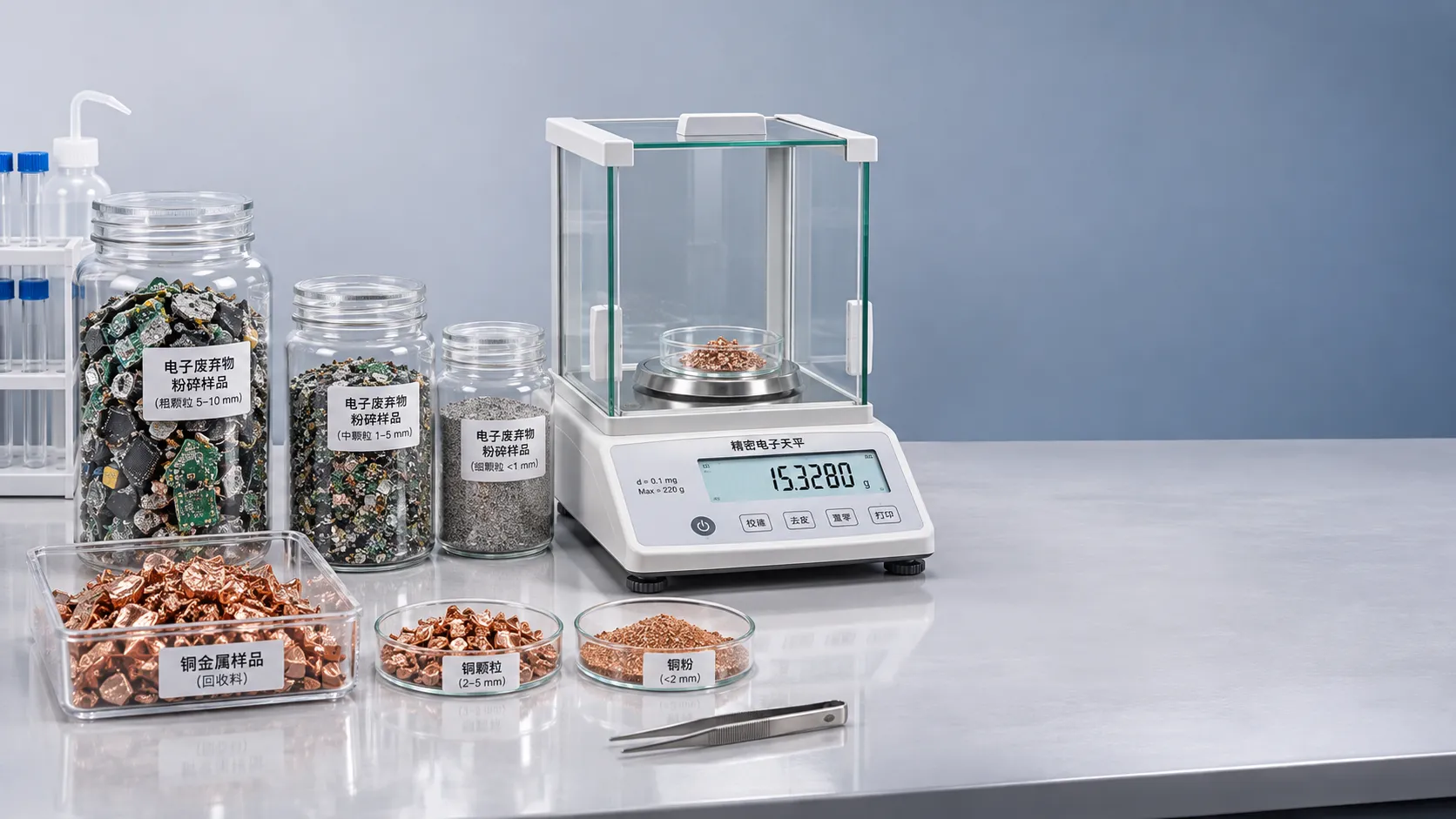
How to measure resource recovery efficiency in e-waste refining
Learn how to measure resource recovery efficiency in e-waste refining with metal balances, sampling and verified yields. Compare technologies with confidence.
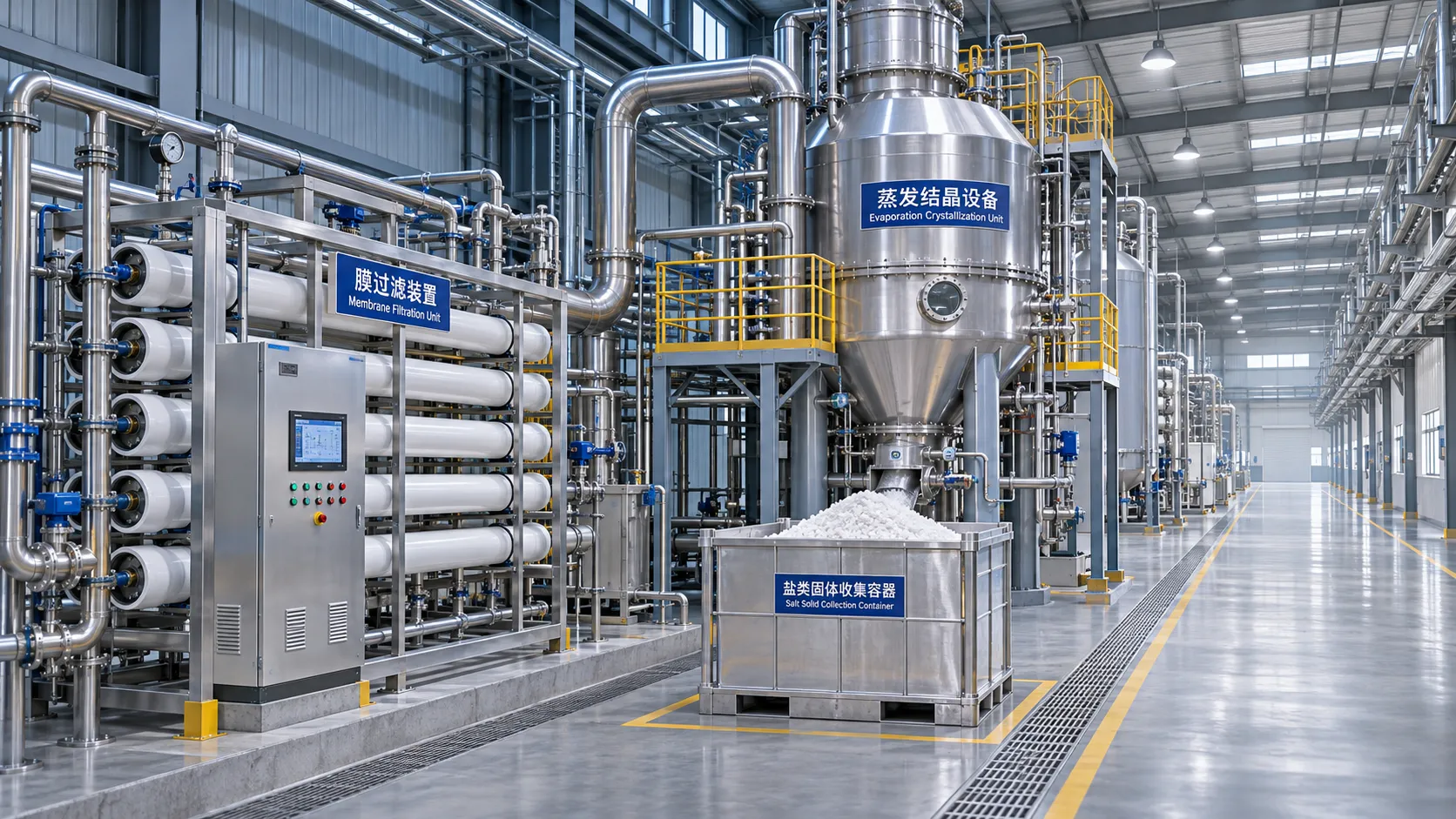
How to evaluate a ZLD system integrator’s project experience
Evaluate a ZLD system integrator with confidence. Learn how to verify relevant projects, operating results and contract risks before selecting a partner.
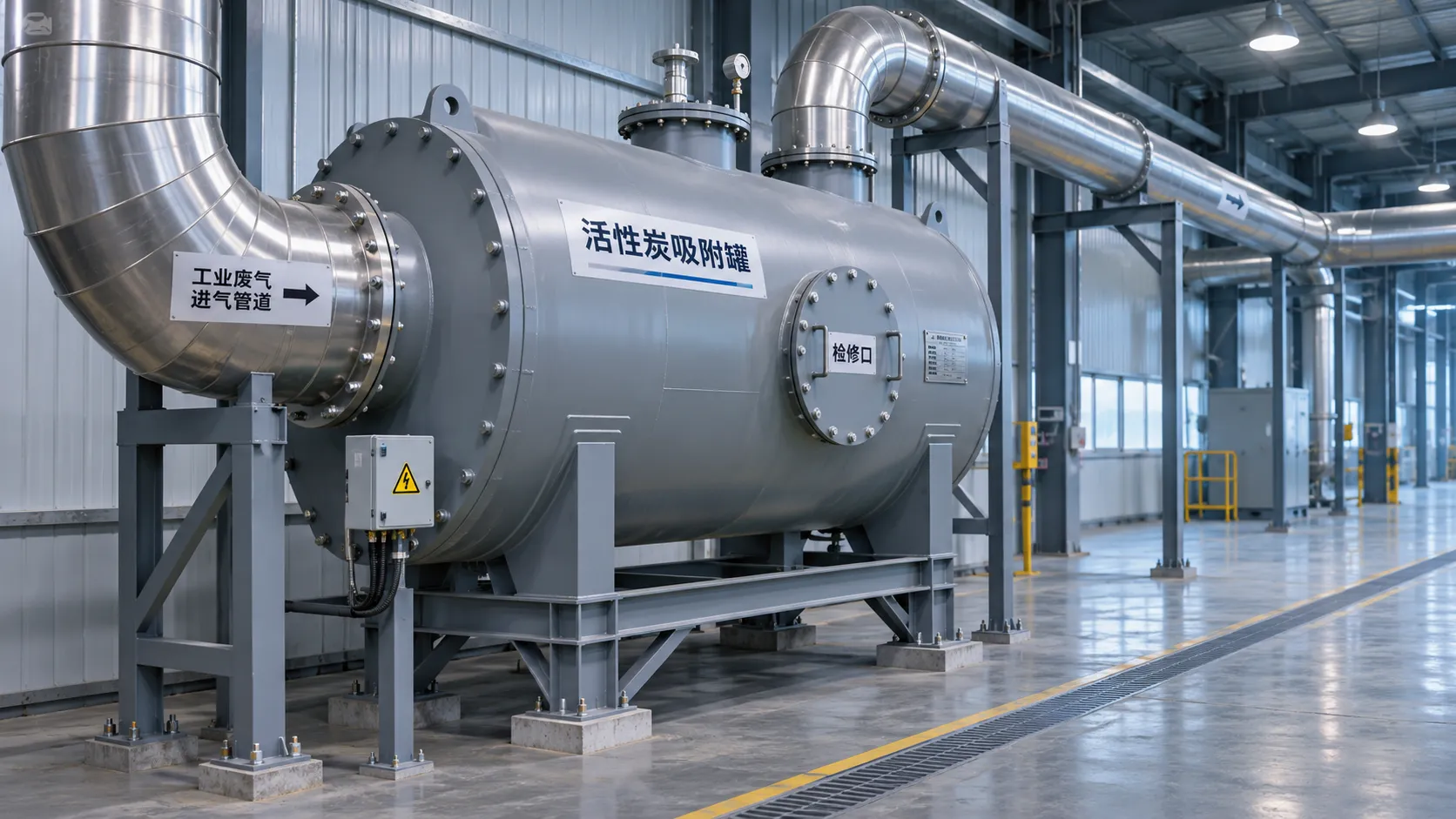
How VOC concentration affects industrial VOC treatment selection
Explore how VOC concentration shapes industrial VOC treatment selection, from adsorption and oxidation to solvent recovery. Find the right approach for your process.
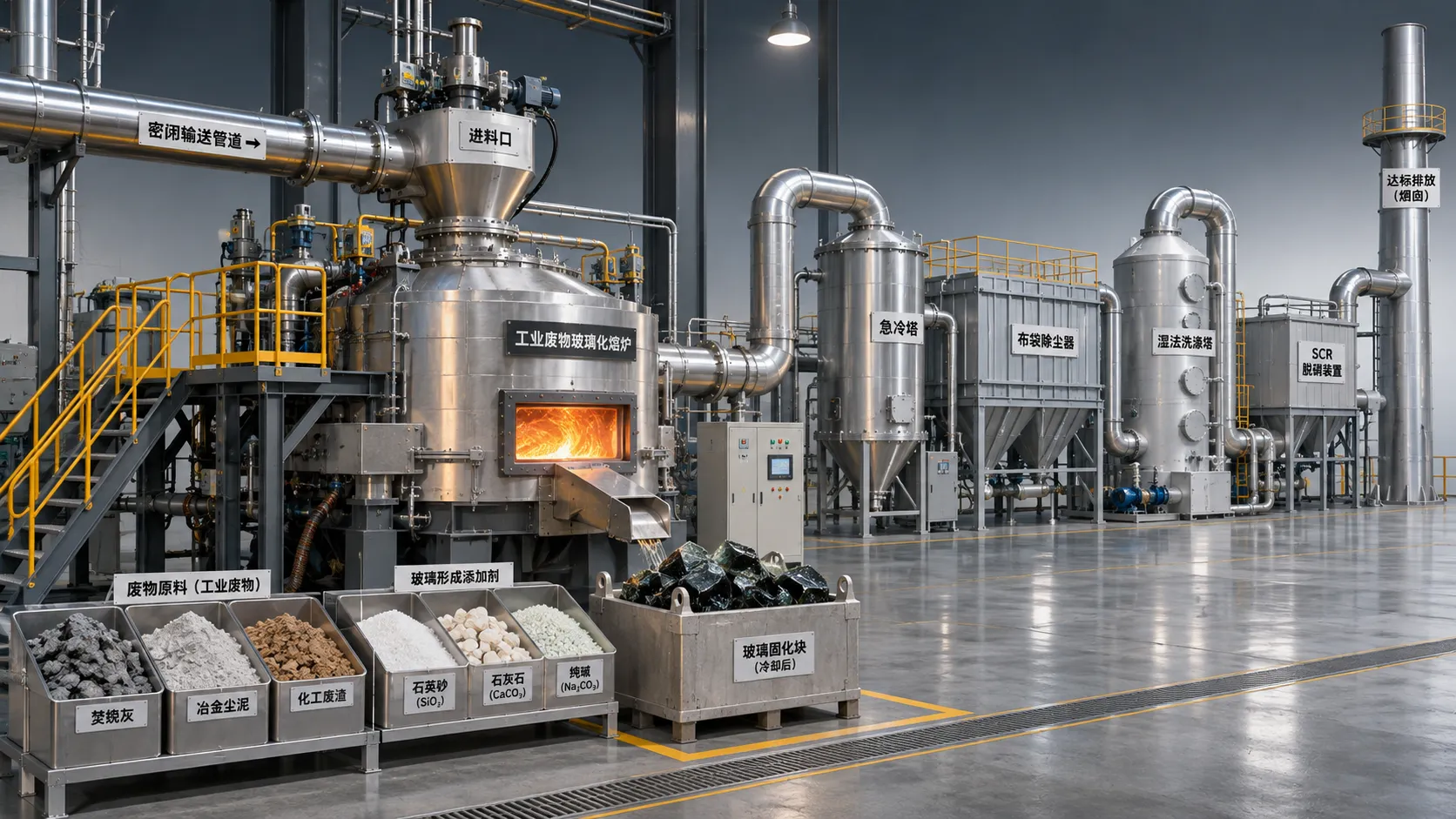
How does waste composition affect waste vitrification cost?
Discover how moisture, glass chemistry and contaminants affect waste vitrification cost—and learn how to compare bids and avoid hidden expenses.
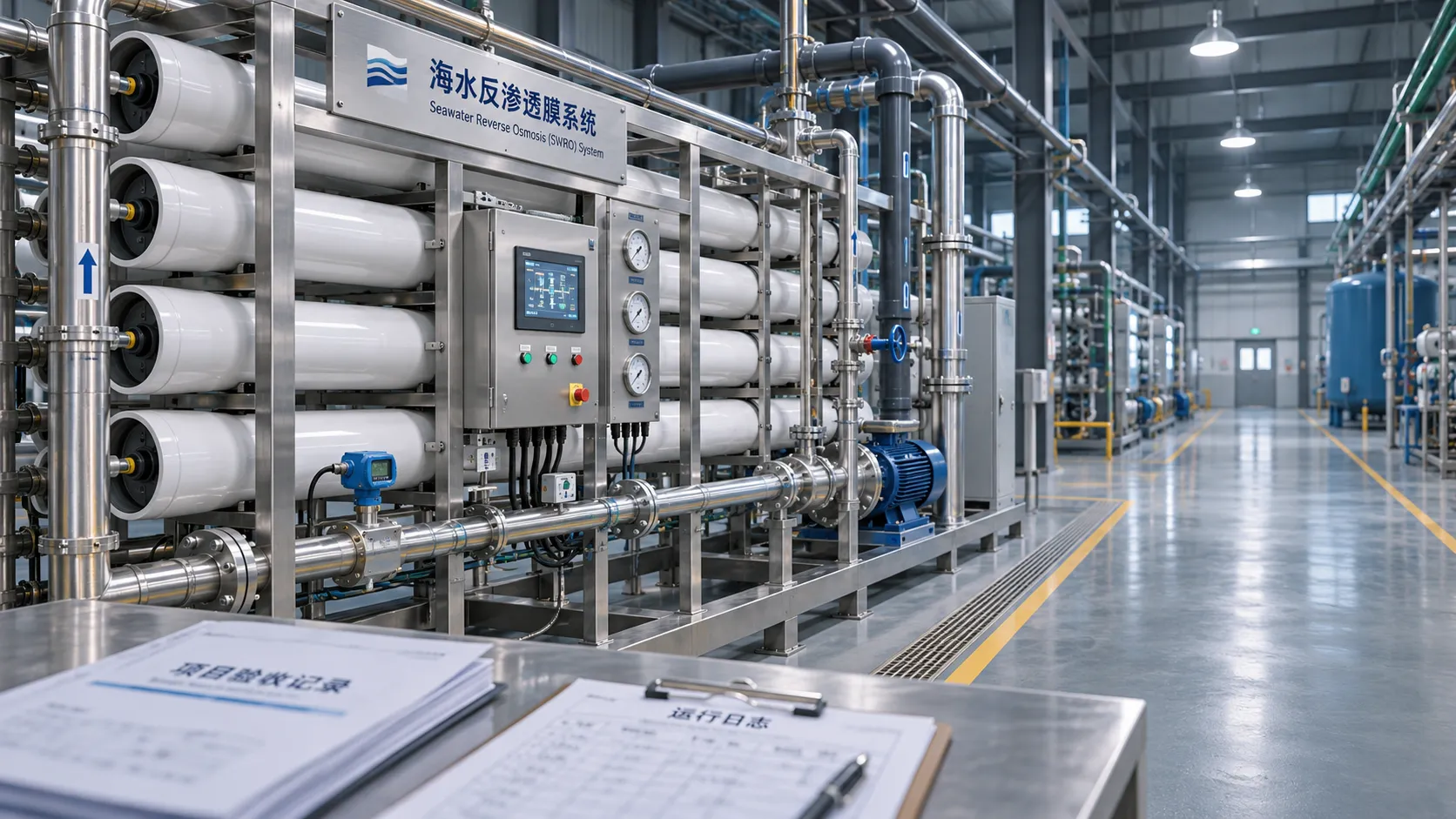
How to verify an SWRO membrane systems exporter's track record
Verify an SWRO membrane systems exporter's track record with practical checks for project references, operating evidence, export capability and after-sales support.
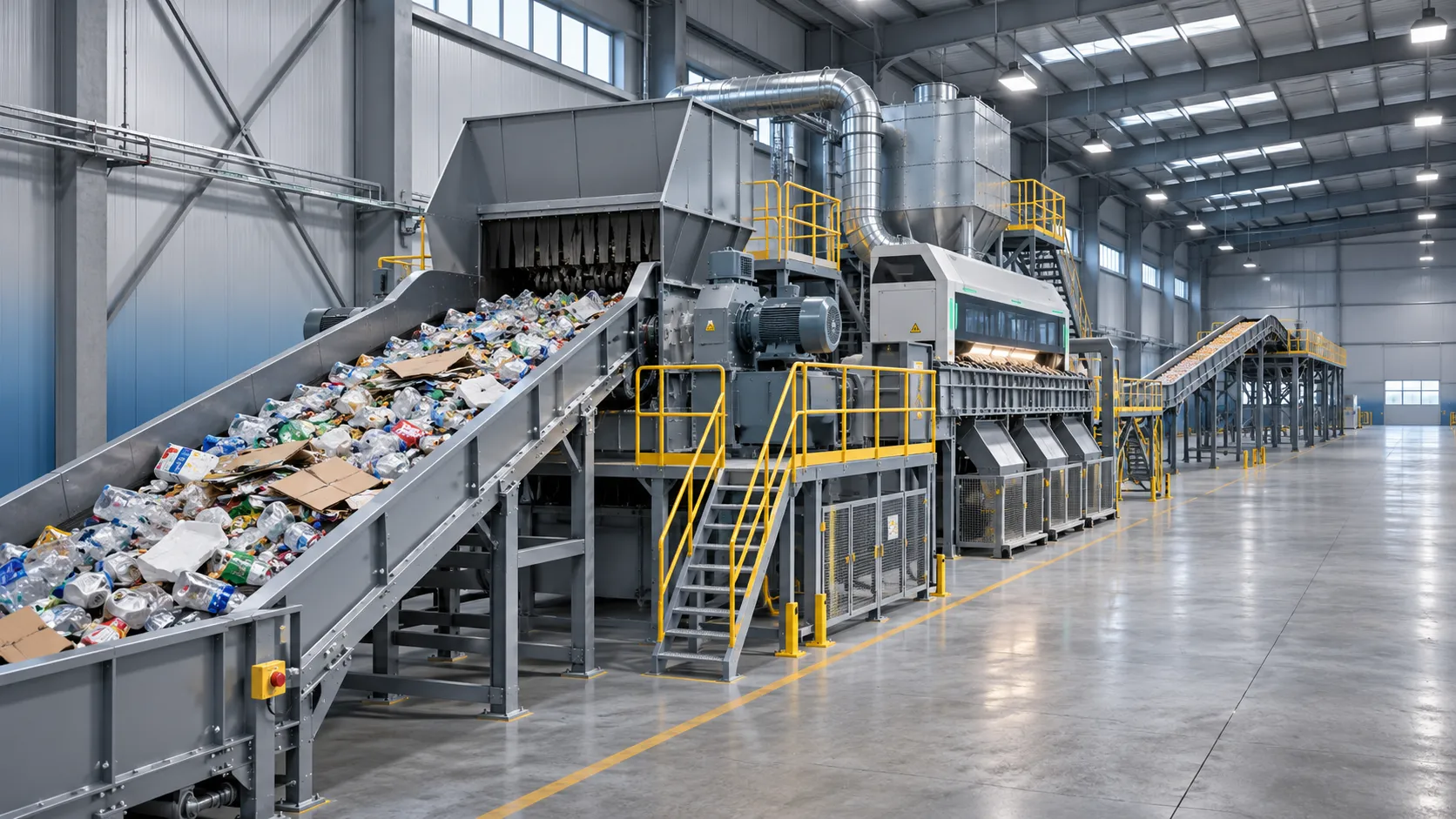
How does capacity affect waste recovery equipment price?
Discover how capacity affects waste recovery equipment price, and learn how to compare throughput, operating costs, and supplier quotes for a smarter investment.
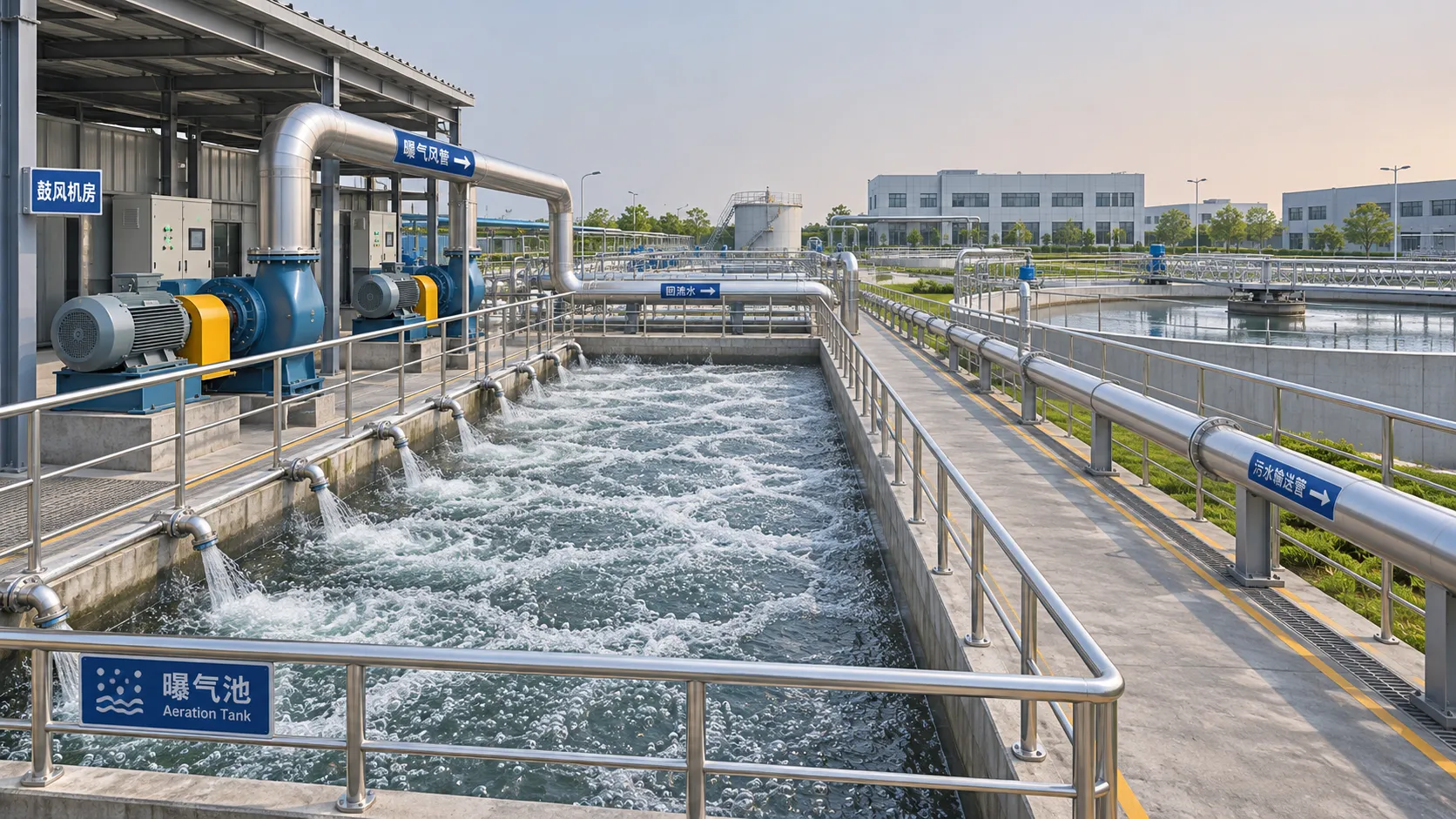
How energy use affects wastewater purification lifecycle costs
Wastewater purification lifecycle cost depends on more than equipment price. Discover how energy use, tariffs and treatment choices shape your investment.