
Industry News
Curation by industry experts
Hot Articles
Popular Tags
Decarbonization Solutions for Power Plants Compared
For technical evaluators comparing decarbonization solutions for power plants, the core issue is not simply which option cuts the most carbon on paper. The real comparison depends on retrofit difficulty, fuel availability, operating flexibility, permit exposure, financing conditions, and long-term asset life.
Across global energy systems, power stations face tighter emissions rules, rising carbon costs, and stronger scrutiny from lenders and insurers. As a result, decarbonization solutions for power plants are now evaluated as strategic infrastructure choices, not isolated engineering upgrades.
The most practical pathways usually combine several measures. Carbon capture, fuel switching, heat-rate improvement, co-firing, and digital optimization each solve different parts of the emissions problem. Their value changes by plant type, age, dispatch profile, and local environmental compliance conditions.
Core definition and comparison framework
Decarbonization solutions for power plants refer to technologies and operating strategies that reduce greenhouse gas emissions from electricity generation. Some options cut direct stack emissions. Others lower fuel use, change carbon intensity, or improve system efficiency.
A useful comparison framework should include five dimensions:
- Technology maturity and commercial track record
- Retrofit complexity and outage requirements
- Emissions reduction potential across full load ranges
- Lifecycle cost, including fuel and maintenance
- Regulatory durability under future carbon rules
This framework helps separate technically impressive ideas from scalable investments. It also shows why no single answer fits every coal, gas, oil, biomass, or hybrid thermal plant.
Current industry signals shaping investment choices
Several market and policy signals are driving renewed attention toward decarbonization solutions for power plants. These signals matter because they influence project bankability as much as engineering performance.
For intelligence platforms such as ESD, these signals also intersect with water treatment, flue gas systems, and compliance engineering. That connection is critical because decarbonization retrofits often shift burdens between air, water, energy, and waste streams.
Leading decarbonization solutions for power plants compared
Carbon capture, utilization, and storage
CCUS remains one of the most direct decarbonization solutions for power plants using fossil fuels. It can deliver deep emissions cuts while preserving dispatchable generation, especially for large baseload assets with long remaining life.
Its main challenges are high capital cost, energy penalty, solvent management, cooling demand, and transport or storage infrastructure. Water use and wastewater quality also require careful integration with existing treatment systems.
Fuel switching from coal to natural gas
Switching from coal to gas can cut direct CO2 emissions per unit of power. It is often faster than full carbon capture deployment and may improve operational flexibility in systems with growing wind and solar capacity.
However, methane leakage, gas price volatility, and future carbon policy can weaken its long-term value. It is usually best viewed as a transition measure rather than a final decarbonization endpoint.
Biomass or ammonia co-firing
Co-firing can lower the carbon intensity of existing thermal plants without complete asset replacement. It may extend plant usefulness where local policy supports low-carbon fuels or agricultural residue utilization.
The real constraint is supply-chain quality. Fuel consistency, storage safety, ash chemistry, combustion behavior, and NOx formation can materially affect economics and compliance performance.
Efficiency upgrades and heat-rate improvement
Among all decarbonization solutions for power plants, efficiency projects are often the lowest-risk starting point. Turbine upgrades, boiler tuning, improved condensers, variable-frequency drives, and better controls reduce fuel use immediately.
These projects rarely deliver the deepest cuts alone. Yet they improve the economics of every later retrofit, including carbon capture, because lower baseline fuel consumption reduces downstream system size.
Digital optimization and advanced monitoring
AI-assisted combustion control, predictive maintenance, and plant-wide digital twins help reduce avoidable losses. They support tighter operation at part load, fewer unplanned outages, and more reliable emissions reporting.
Their standalone carbon impact is smaller than major hardware retrofits. Still, digital tools are increasingly essential because they verify performance and support compliance evidence for lenders and regulators.
Practical value by plant condition and operating profile
The best decarbonization solutions for power plants depend strongly on asset condition. Plant age, steam cycle efficiency, remaining permit life, cooling water availability, and dispatch role all influence feasibility.
This asset-based view is more useful than generic rankings. A technically superior option can still fail if it conflicts with outage windows, water permits, or expected market dispatch hours.
Integration issues beyond carbon metrics
Strong comparisons should not stop at tons of CO2 avoided. Several adjacent engineering issues can determine whether decarbonization solutions for power plants remain practical after commissioning.
- Water balance changes from capture systems, cooling upgrades, or new fuel processing
- Flue gas chemistry impacts on SCR, FGD, particulate, and mercury control systems
- Solid byproduct handling, including ash behavior under alternative fuels
- Cybersecurity and data integrity for digital control platforms
- Measurement, reporting, and verification requirements for financed emissions reductions
These interactions are especially relevant in environmental engineering sectors covered by ESD. A carbon project that creates unresolved wastewater or waste-stream liabilities may simply shift compliance pressure rather than reduce it.
Implementation guidance and risk control
A disciplined roadmap improves the success rate of decarbonization solutions for power plants. Early screening should combine plant data, market outlook, environmental constraints, and financing assumptions in one decision model.
- Establish the true emissions baseline by load band, season, and startup frequency.
- Identify no-regret efficiency actions before evaluating large retrofit packages.
- Stress-test each pathway under future fuel, carbon, and water-cost scenarios.
- Review permit implications across air, water, waste, and safety systems.
- Require verifiable performance guarantees and integration responsibilities.
- Plan monitoring architecture for continuous optimization after startup.
Phased execution is often more resilient than one-step transformation. Many plants benefit from first improving efficiency and controls, then adding low-carbon fuel strategies or carbon capture where infrastructure and policy support are stronger.
Conclusion and next-step evaluation focus
Comparing decarbonization solutions for power plants requires a whole-asset perspective. The best pathway is not the one with the boldest headline. It is the one that can be permitted, financed, integrated, and operated reliably over time.
In most cases, the strongest strategy combines efficiency upgrades, digital optimization, and a site-specific deep-decarbonization option such as CCUS, co-firing, or structured fuel transition. That layered approach balances near-term savings with long-term compliance durability.
A practical next step is to build a comparison matrix covering emissions reduction, retrofit complexity, water impact, outage needs, and levelized lifecycle cost. With that baseline, technical screening becomes clearer, faster, and more defensible.
For organizations tracking environmental equipment intelligence, the most valuable insight is often at the system boundary. Carbon performance, water treatment, flue gas control, and operational data must be evaluated together to identify durable decarbonization solutions for power plants.
Recommended News
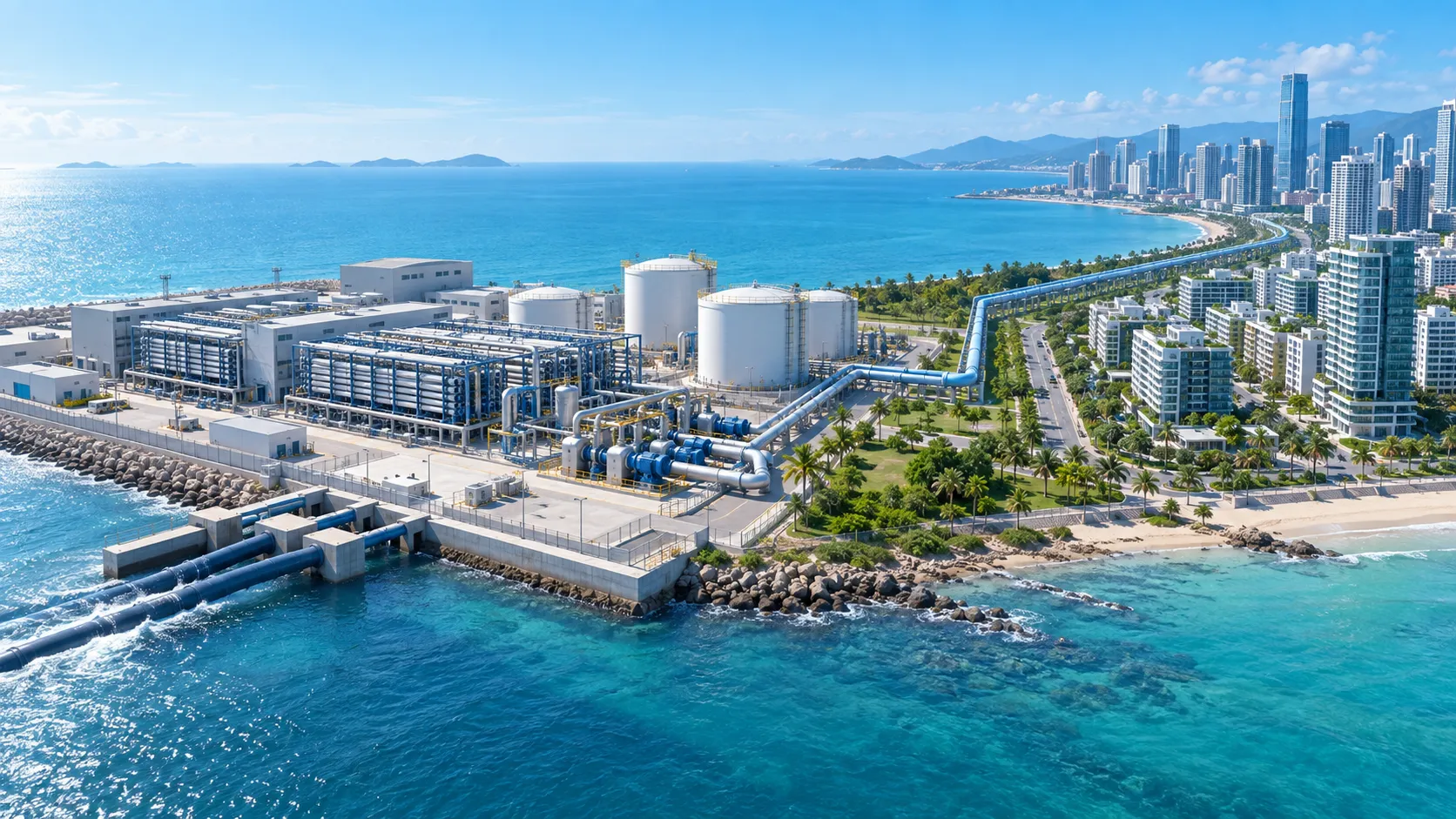
How coastal cities can select desalination solutions for peak demand
Seawater desalination solutions for coastal cities: compare firm peak capacity, intake risk, energy resilience, and lifecycle value to secure reliable water supply.
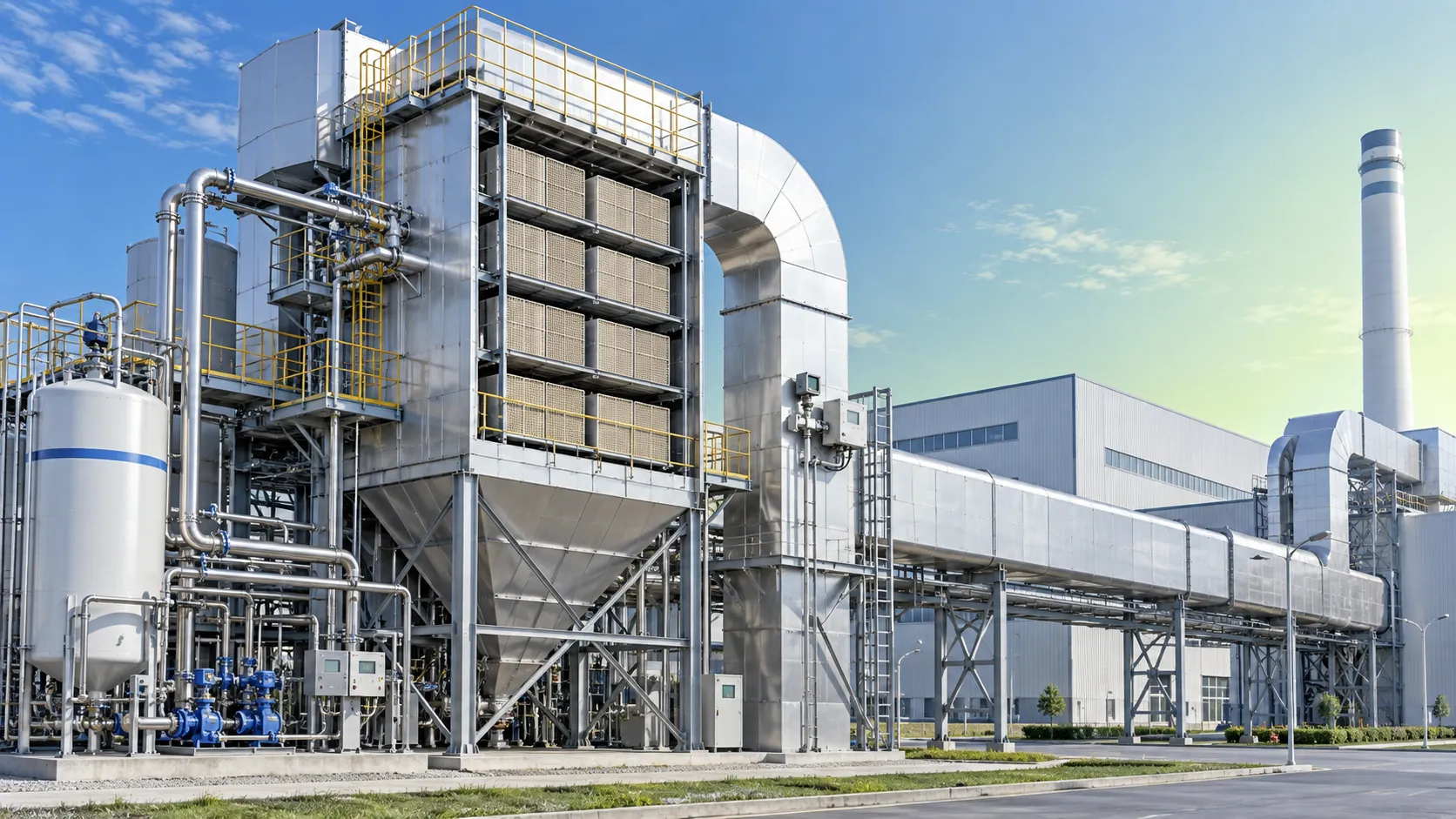
How SCR denitrification systems in Europe meet Industrial Emissions rules
SCR denitrification systems Europe: learn how permit-led design, ammonia-slip control, catalyst management and monitoring support Industrial Emissions compliance.
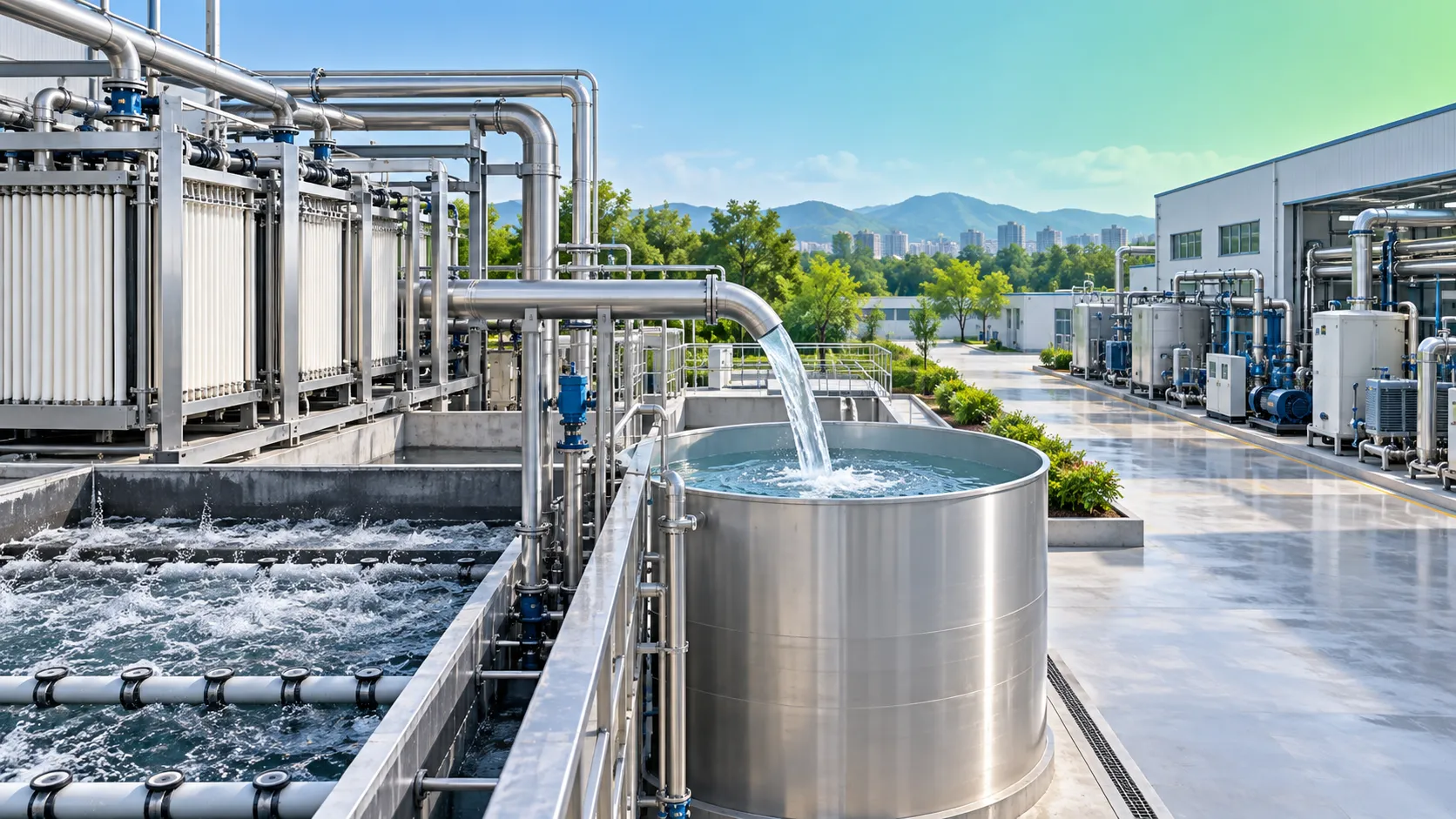
When does MBR equipment make sense for wastewater reuse?
Water treatment equipment for wastewater reuse: learn when MBR delivers compact, reliable low-solids effluent—and when alternative treatment trains offer better value.
How North America shapes global environmental governance standards
Global environmental governance North America: discover how regulation, finance, and procurement raise worldwide standards and reshape environmental projects.
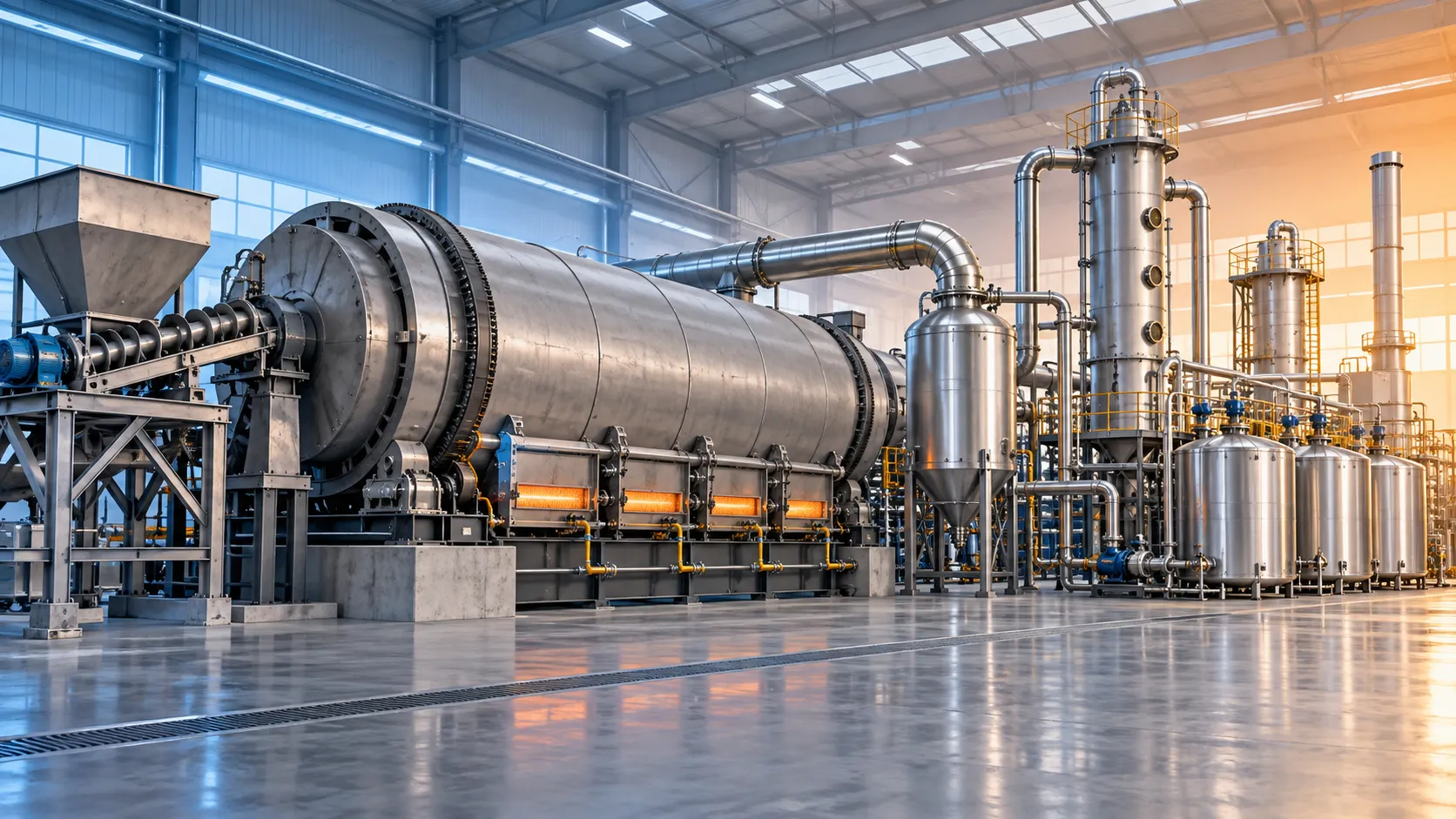
How reactor capacity affects throughput in pyrolysis systems
Pyrolysis systems reactor capacity explained: learn how heat transfer, residence time, feed quality, and emissions controls determine reliable throughput.
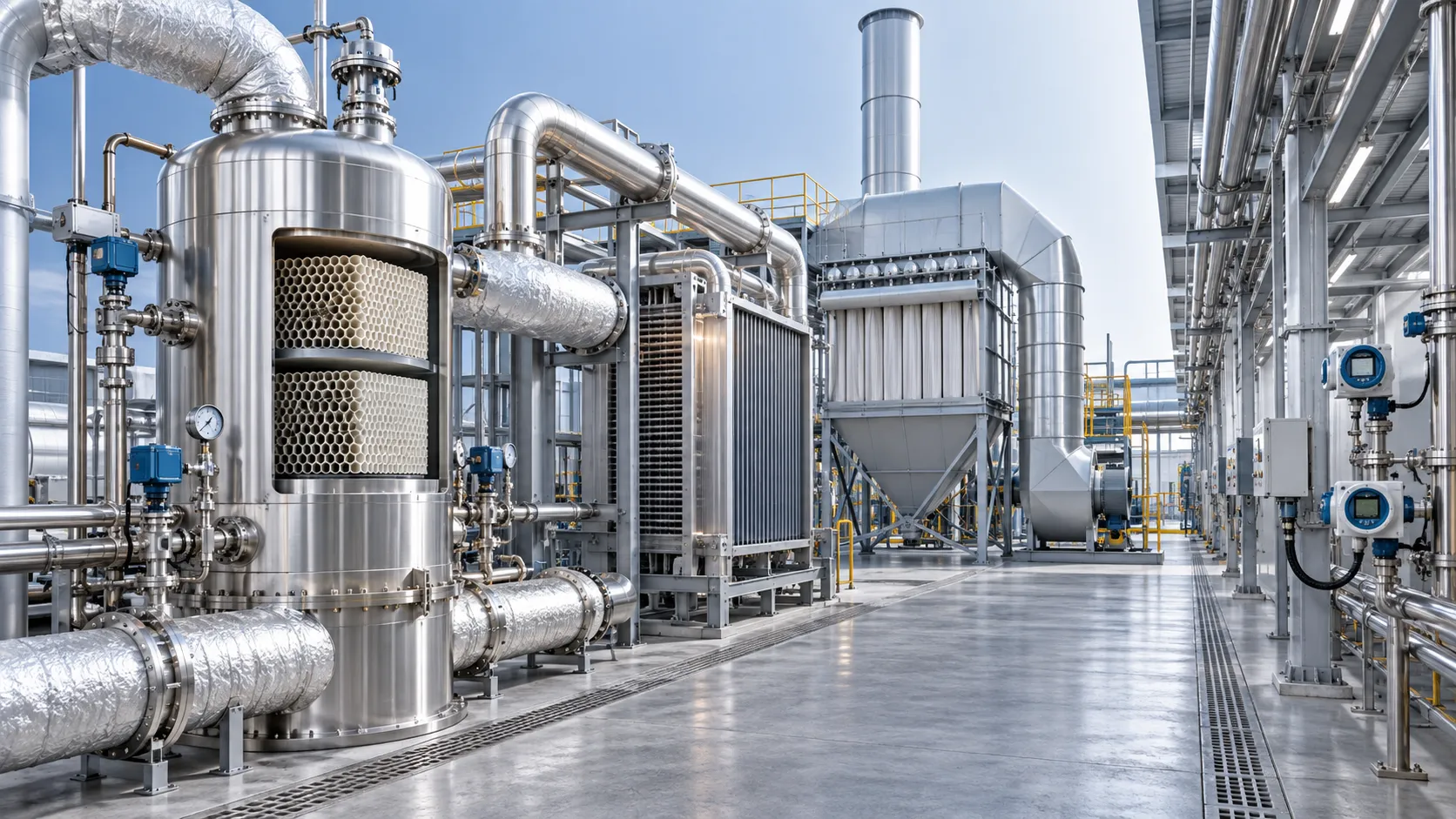
When low-temperature reaction equipment is the right fit for heat-sensitive processes
Low-temperature reaction equipment helps protect heat-sensitive streams, improve energy integration, and maintain reliable conversion. Explore key selection factors today.
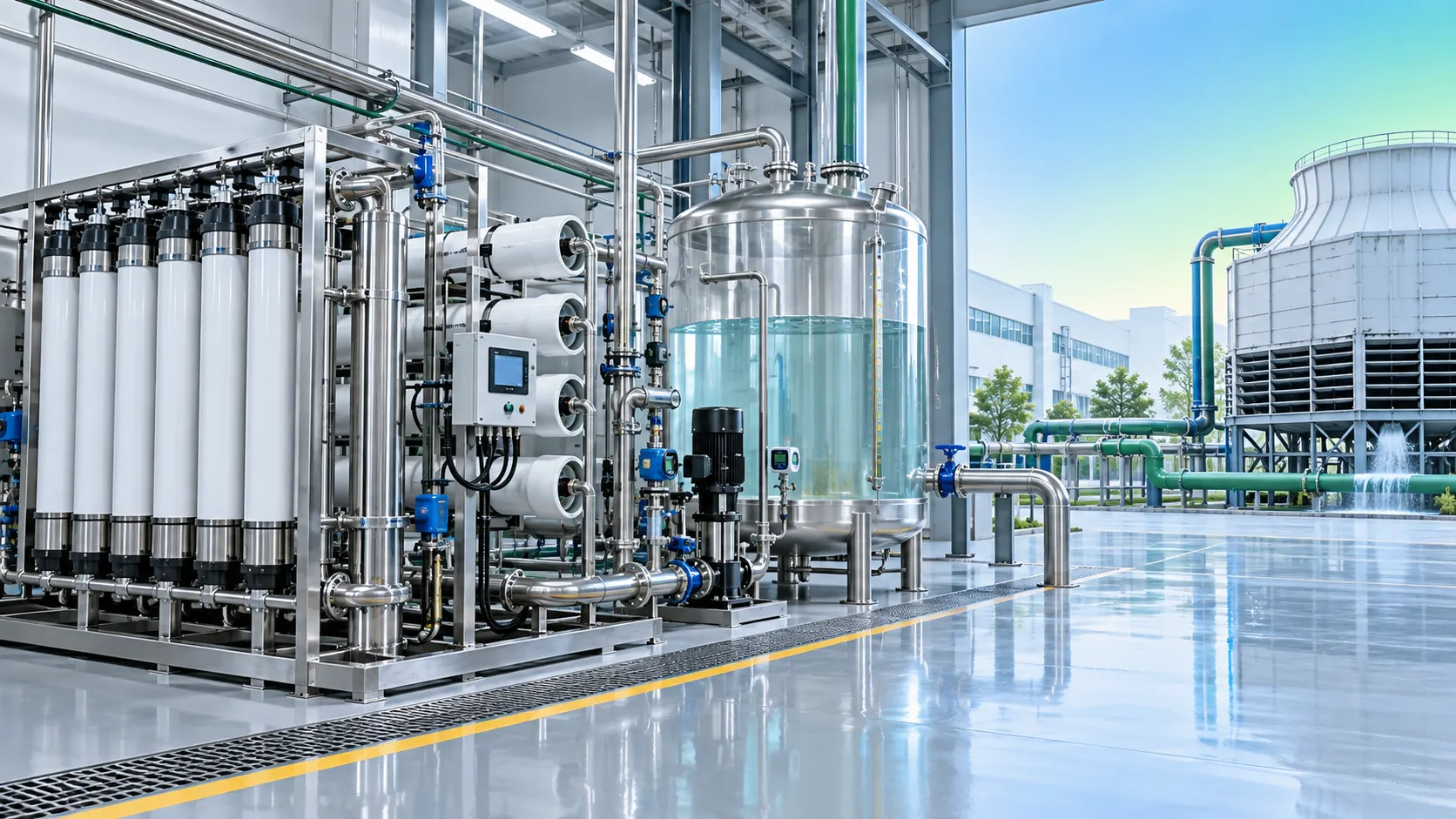
When do water reuse systems deliver a practical payback?
Water reuse systems deliver practical payback when they cut water, discharge, and downtime costs. Learn how to match treatment, recovery, and reuse quality for lasting ROI.
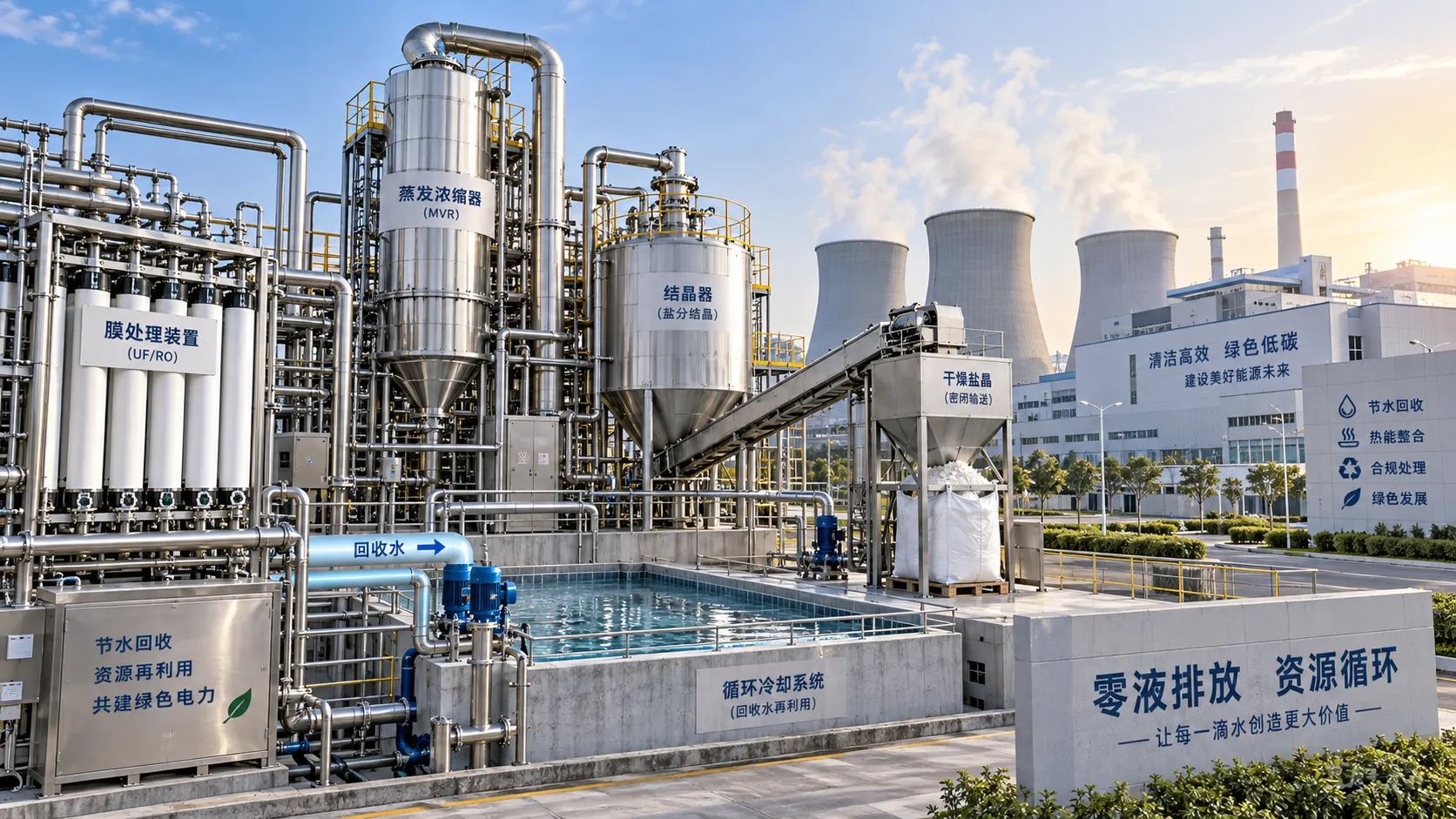
When do ZLD systems for power generation justify their energy use?
ZLD systems for power generation: learn when energy-intensive water recovery delivers stronger compliance, resilience, and long-term value.
Which decarbonization pathways are most viable in Southeast Asia?
Decarbonization Southeast Asia: discover practical pathways for clean power, efficiency, electrification, circular recovery, and resilient industrial growth.