
Industry News
Curation by industry experts
Hot Articles
Popular Tags
Can Water Purification Cost Analysis Predict Opex Surprises?
Water purification cost analysis is becoming a frontline risk signal
For procurement teams, water purification cost analysis is no longer a static spreadsheet task.
It now acts as an early warning system for operating expenditure volatility across treatment plants, desalination assets, and industrial reuse systems.
In many projects, Capex still gets most attention during bidding.
Yet the real surprises usually emerge later through energy use, membrane fouling, chemical consumption, sludge handling, and compliance-driven retrofits.
That shift matters across the broader environmental intelligence landscape tracked by ESD.
As discharge rules tighten and water stress expands, inaccurate water purification cost analysis can distort technology selection and undermine long-term project resilience.
The key question is not whether Opex will change.
The real question is whether cost analysis can predict where the next surprise will come from.
The market is signaling a move from price comparison to lifecycle intelligence
A clear trend is emerging across water treatment sectors.
Decision quality increasingly depends on lifecycle visibility rather than lowest initial system price.
This is especially visible in high-recovery RO, ZLD, ultrapure water, and municipal reuse applications.
Several signals explain this transition.
- Electricity tariffs are more volatile in many industrial regions.
- Chemical supply chains remain exposed to geopolitical and logistics shocks.
- Water quality variability is rising due to climate pressure and mixed feed sources.
- Environmental compliance standards are becoming stricter and more dynamic.
- Asset owners expect longer run time and fewer shutdowns.
These signals make water purification cost analysis more strategic than before.
Simple benchmark costs per cubic meter often hide the true operating profile.
A plant may appear efficient on paper, then underperform once scaling, pretreatment instability, or brine disposal costs rise.
Why Opex surprises keep happening despite detailed budgets
Most Opex surprises do not come from one dramatic failure.
They come from small assumptions layered into design models and vendor proposals.
When those assumptions drift, total cost diverges quickly.
Common hidden drivers behind cost gaps
Good water purification cost analysis identifies these variables before procurement decisions harden.
Weak analysis treats them as secondary details and leaves projects exposed later.
The strongest trend driver is growing process complexity
Water systems are becoming more interconnected with energy, waste, and compliance systems.
That complexity increases the value of sharper water purification cost analysis.
For example, a high-recovery system may reduce freshwater intake but increase scaling risk and antiscalant dependence.
A tighter discharge target may improve permit security but require more polishing, more sensors, and more operator intervention.
Desalination projects show the same pattern.
Higher performance membranes can cut specific energy consumption, yet pretreatment sensitivity may change the total Opex picture.
This is why lifecycle modeling now needs process interactions, not isolated line-item estimates.
What is pushing this complexity higher
- More variable feedwater sources, including reclaimed and blended streams.
- Higher recovery targets linked to water scarcity strategies.
- Digital monitoring that reveals underperformance faster.
- Regulation that rewards resilience, traceability, and lower emissions.
- Pressure to align Opex with carbon and sustainability reporting.
The impact is spreading across technical, commercial, and compliance decisions
Better water purification cost analysis changes more than budget forecasting.
It directly affects technology comparisons, contract design, and long-term reliability planning.
Across project evaluation, several consequences stand out.
- Technology selection shifts from unit price to cost stability under variable conditions.
- Vendor claims face greater scrutiny around fouling rates and performance guarantees.
- Maintenance planning gains importance because uptime now has larger financial consequences.
- Compliance scenarios must be priced earlier, not added after commissioning.
This matters for both municipal and industrial systems.
In industrial reuse, one underpriced consumable can erode expected savings from water recycling.
In municipal treatment, energy and sludge costs can reshape the economics of upgrade pathways.
As a result, water purification cost analysis is now tied to strategic resilience, not just financial housekeeping.
Where sharper cost intelligence should focus next
The next improvement is not merely collecting more data.
It is structuring water purification cost analysis around uncertainty, sensitivity, and trigger points.
Core points that deserve closer attention
- Model best-case, base-case, and stress-case Opex instead of one average forecast.
- Separate fixed, semi-variable, and feedwater-sensitive cost components.
- Test membrane replacement assumptions against realistic cleaning histories.
- Link power consumption to actual operating window, not ideal design point.
- Include compliance expansion costs for monitoring, reporting, and polishing steps.
- Quantify downtime economics, including lost production or service disruption.
- Review disposal pathways for sludge, concentrate, and spent media under future rules.
This approach helps expose which assumptions truly drive lifecycle cost.
It also improves negotiations with technology suppliers and EPC teams.
A practical framework can reduce the odds of future Opex shocks
A stronger framework for water purification cost analysis should combine technical data, market signals, and regulatory outlook.
This framework turns water purification cost analysis into a decision tool rather than a filing requirement.
The next step is to treat cost analysis as continuous intelligence
Can water purification cost analysis predict Opex surprises?
Not perfectly, but it can predict where surprises are most likely to emerge.
That predictive value increases when analysis is updated with field data, supplier revisions, and regulatory movement.
In a market shaped by resource stress, decarbonization pressure, and tighter discharge expectations, static models age quickly.
A disciplined water purification cost analysis process should therefore be revisited before tendering, before final selection, and after startup stabilization.
That is the practical path to fewer hidden Opex shocks and more durable treatment decisions.
Use the next review cycle to stress-test assumptions, reprice major variables, and compare technologies under real operating pressure.
That single step can make water purification cost analysis far more predictive, actionable, and strategically valuable.
Recommended News
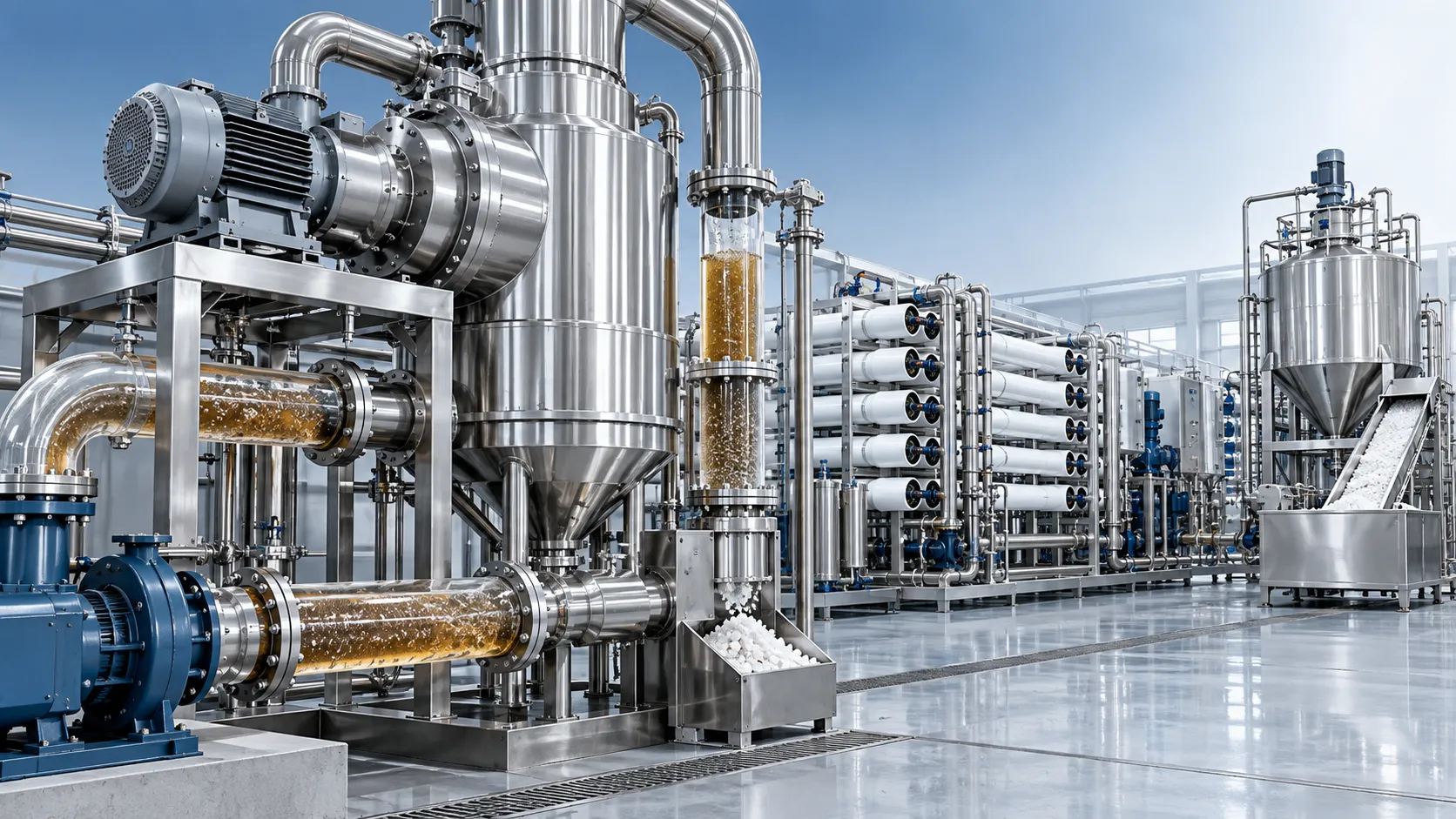
How feed salinity affects energy use in ZLD system brine treatment
ZLD system brine treatment: discover how feed salinity drives energy use, scaling risk, and technology choices for efficient, reliable zero liquid discharge.
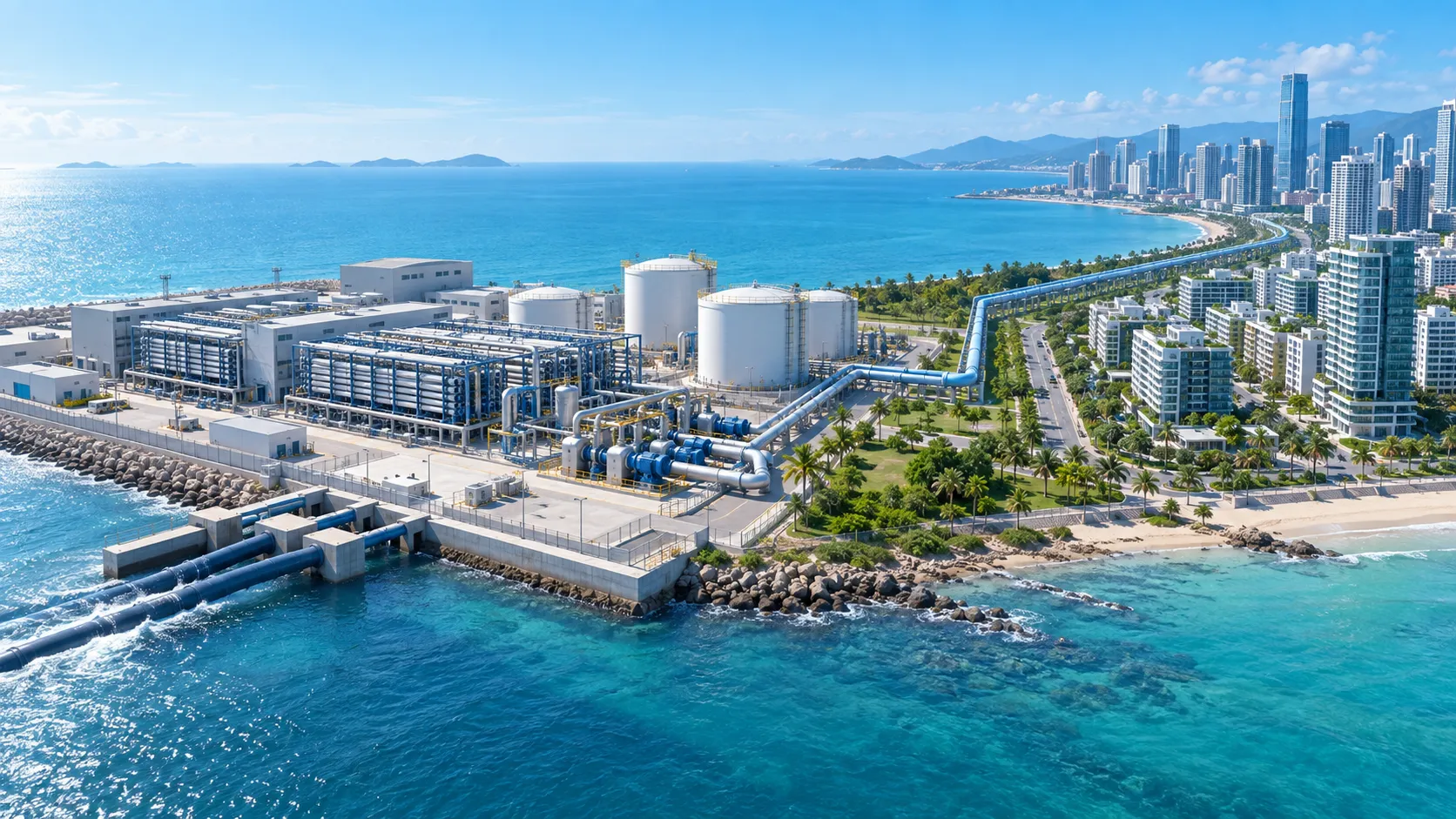
How coastal cities can select desalination solutions for peak demand
Seawater desalination solutions for coastal cities: compare firm peak capacity, intake risk, energy resilience, and lifecycle value to secure reliable water supply.
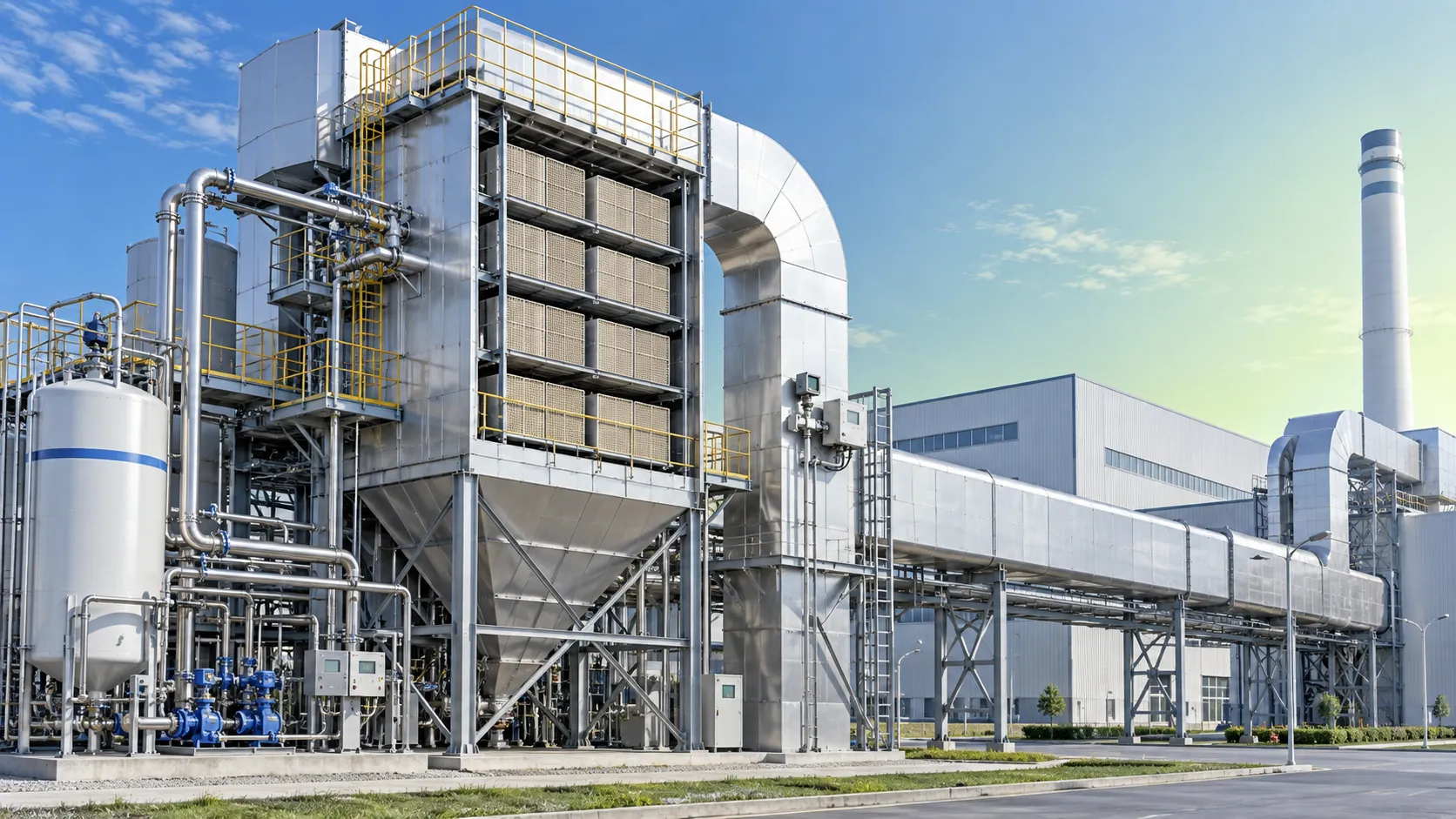
How SCR denitrification systems in Europe meet Industrial Emissions rules
SCR denitrification systems Europe: learn how permit-led design, ammonia-slip control, catalyst management and monitoring support Industrial Emissions compliance.
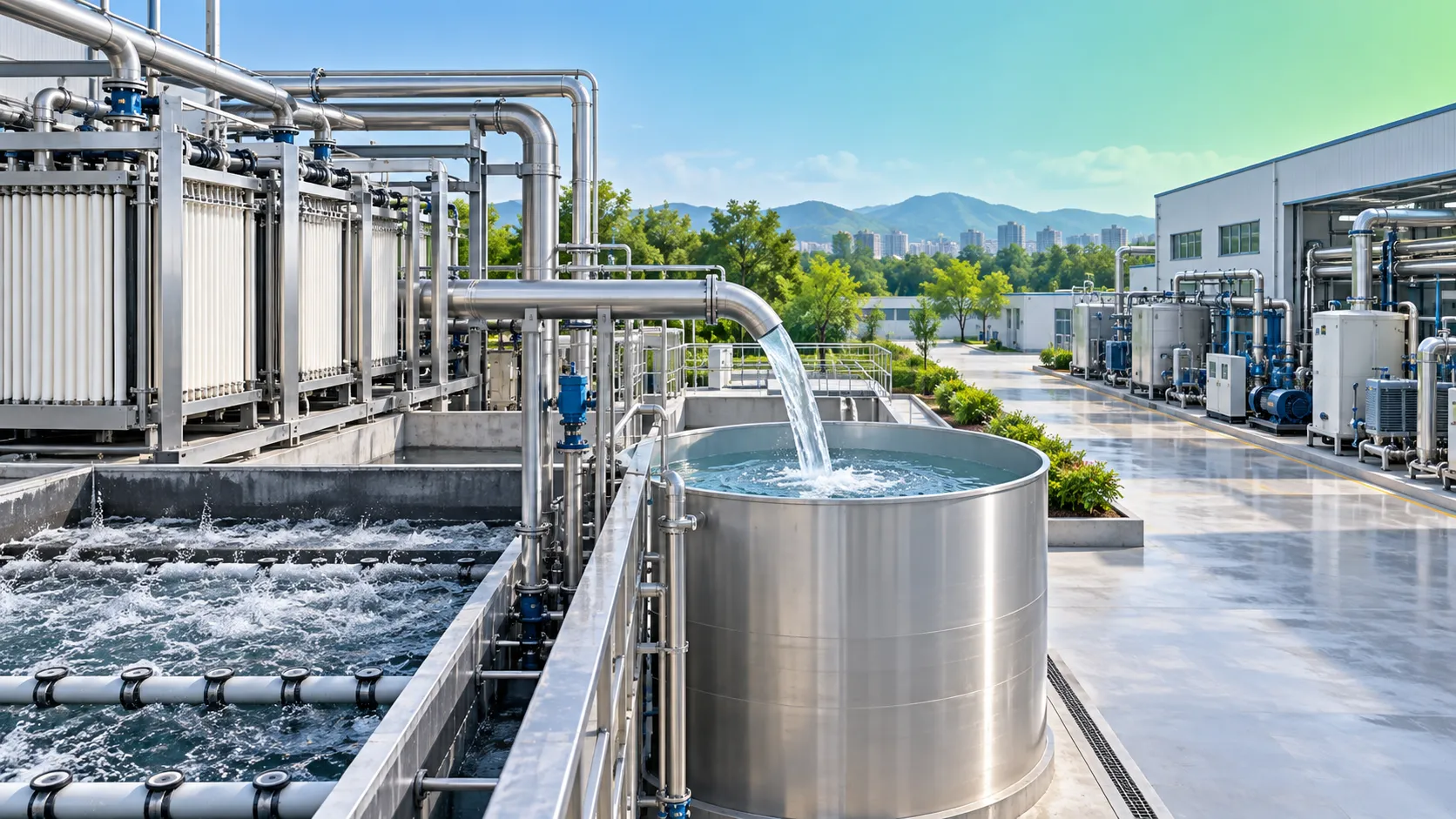
When does MBR equipment make sense for wastewater reuse?
Water treatment equipment for wastewater reuse: learn when MBR delivers compact, reliable low-solids effluent—and when alternative treatment trains offer better value.
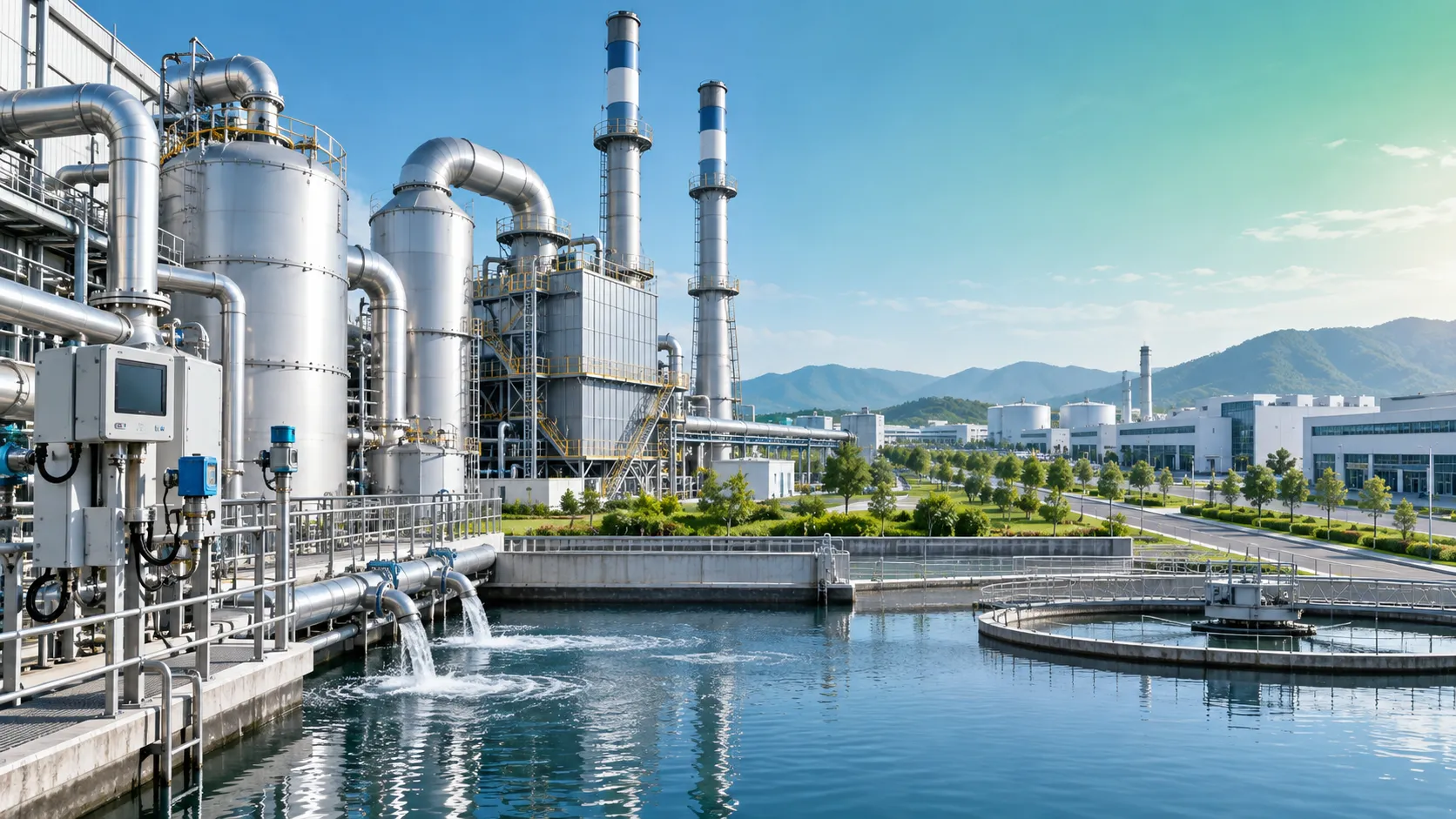
How North America shapes global environmental governance standards
Global environmental governance North America: discover how regulation, finance, and procurement raise worldwide standards and reshape environmental projects.
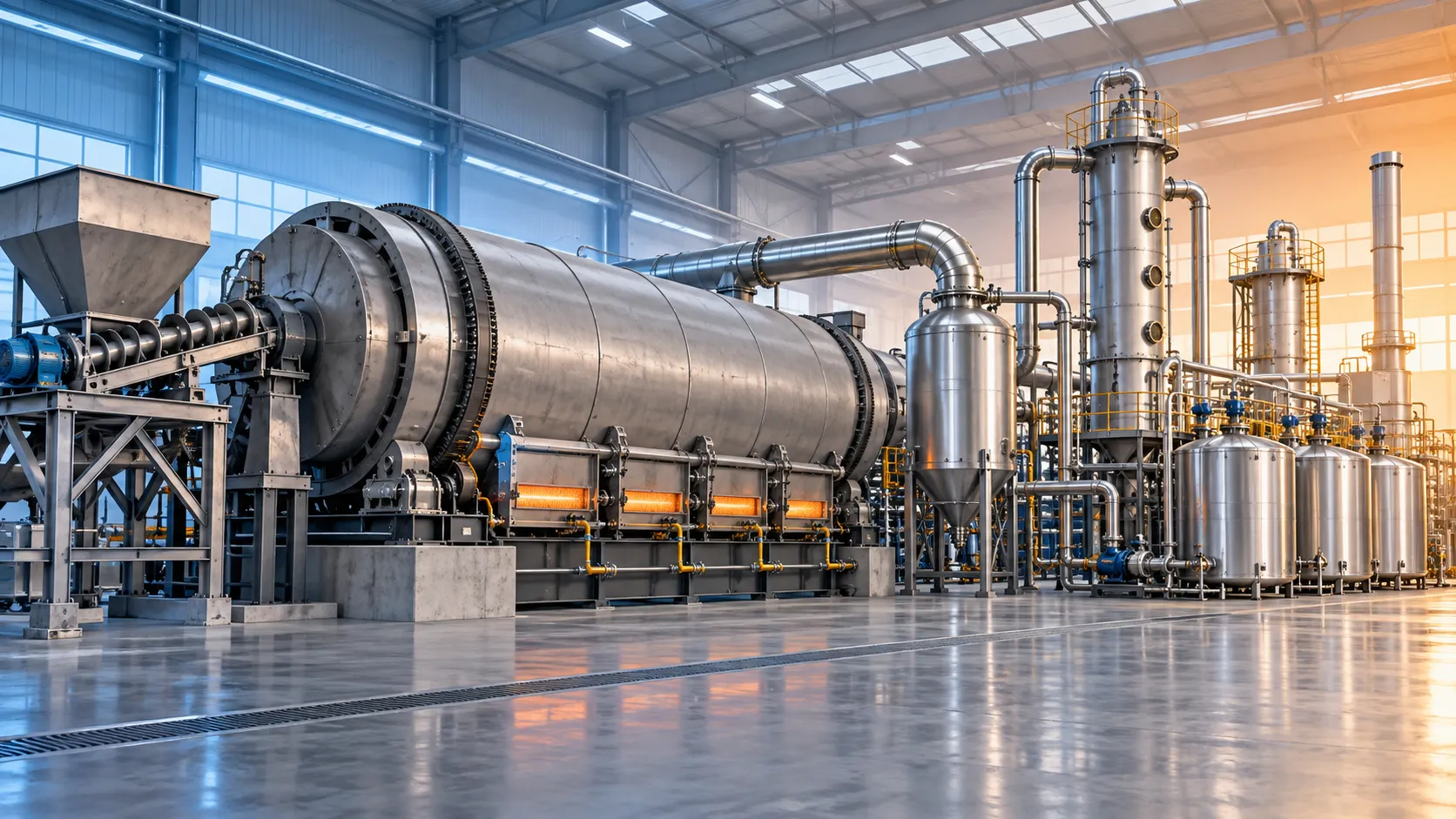
How reactor capacity affects throughput in pyrolysis systems
Pyrolysis systems reactor capacity explained: learn how heat transfer, residence time, feed quality, and emissions controls determine reliable throughput.
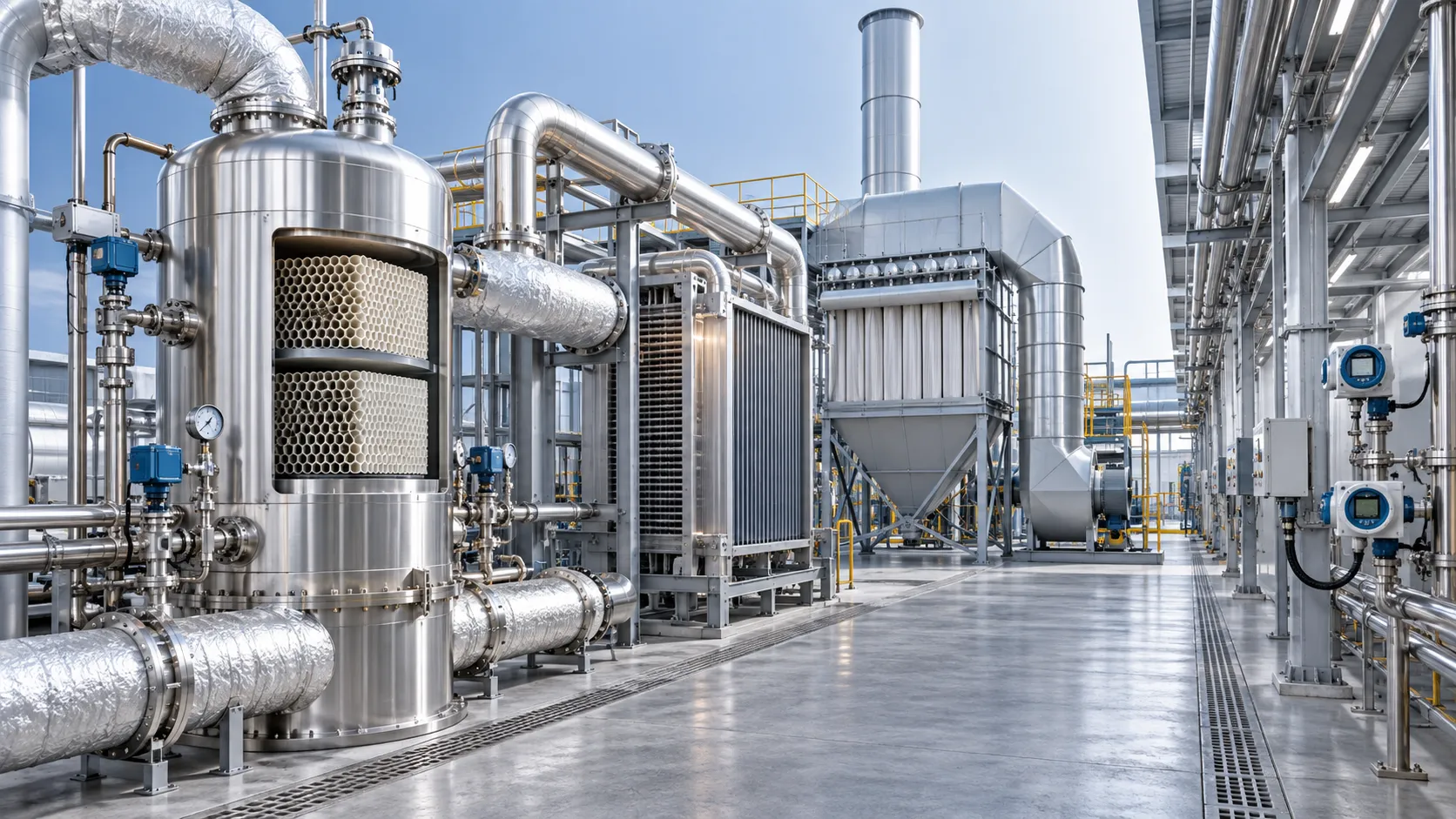
When low-temperature reaction equipment is the right fit for heat-sensitive processes
Low-temperature reaction equipment helps protect heat-sensitive streams, improve energy integration, and maintain reliable conversion. Explore key selection factors today.
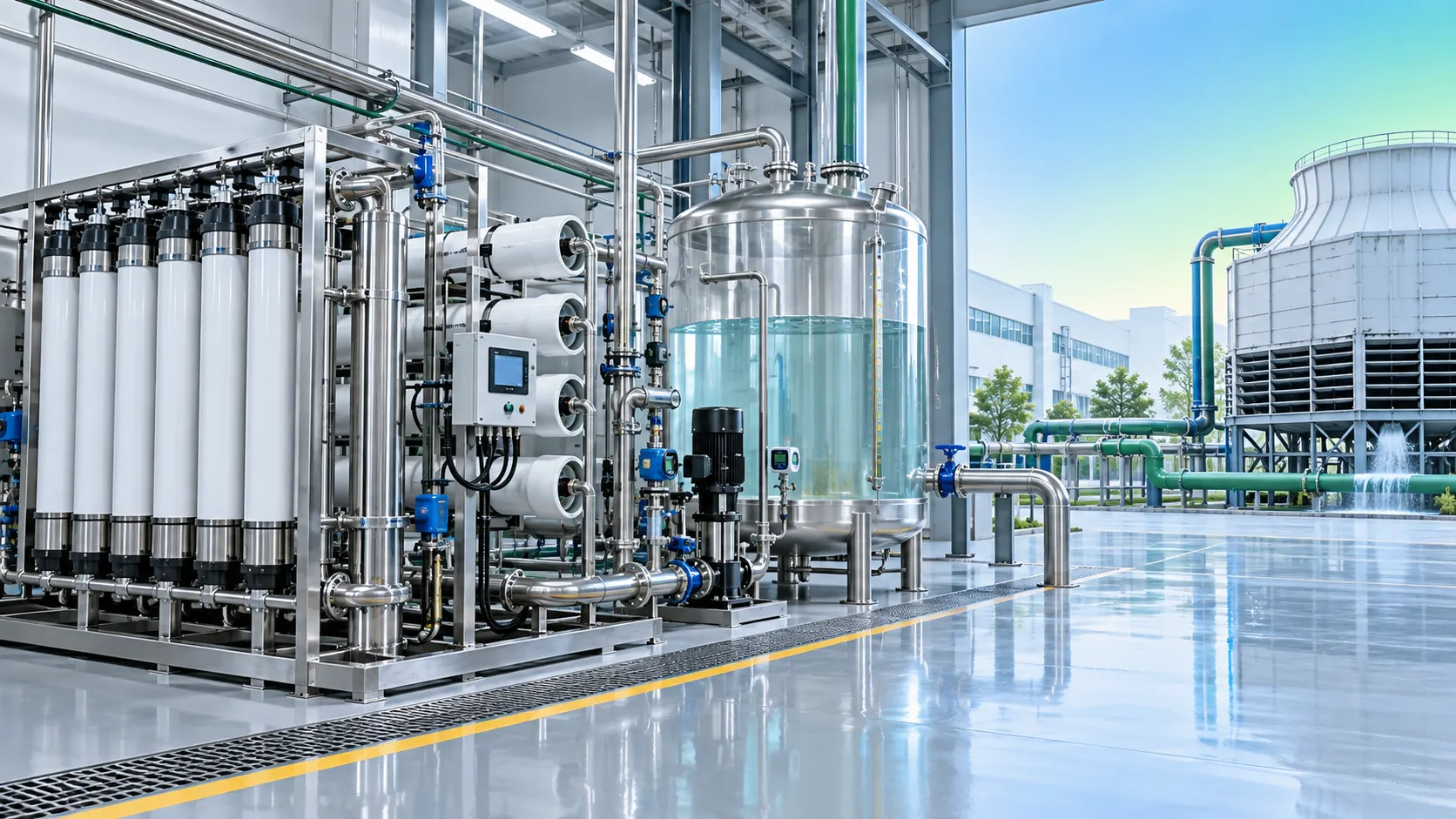
When do water reuse systems deliver a practical payback?
Water reuse systems deliver practical payback when they cut water, discharge, and downtime costs. Learn how to match treatment, recovery, and reuse quality for lasting ROI.
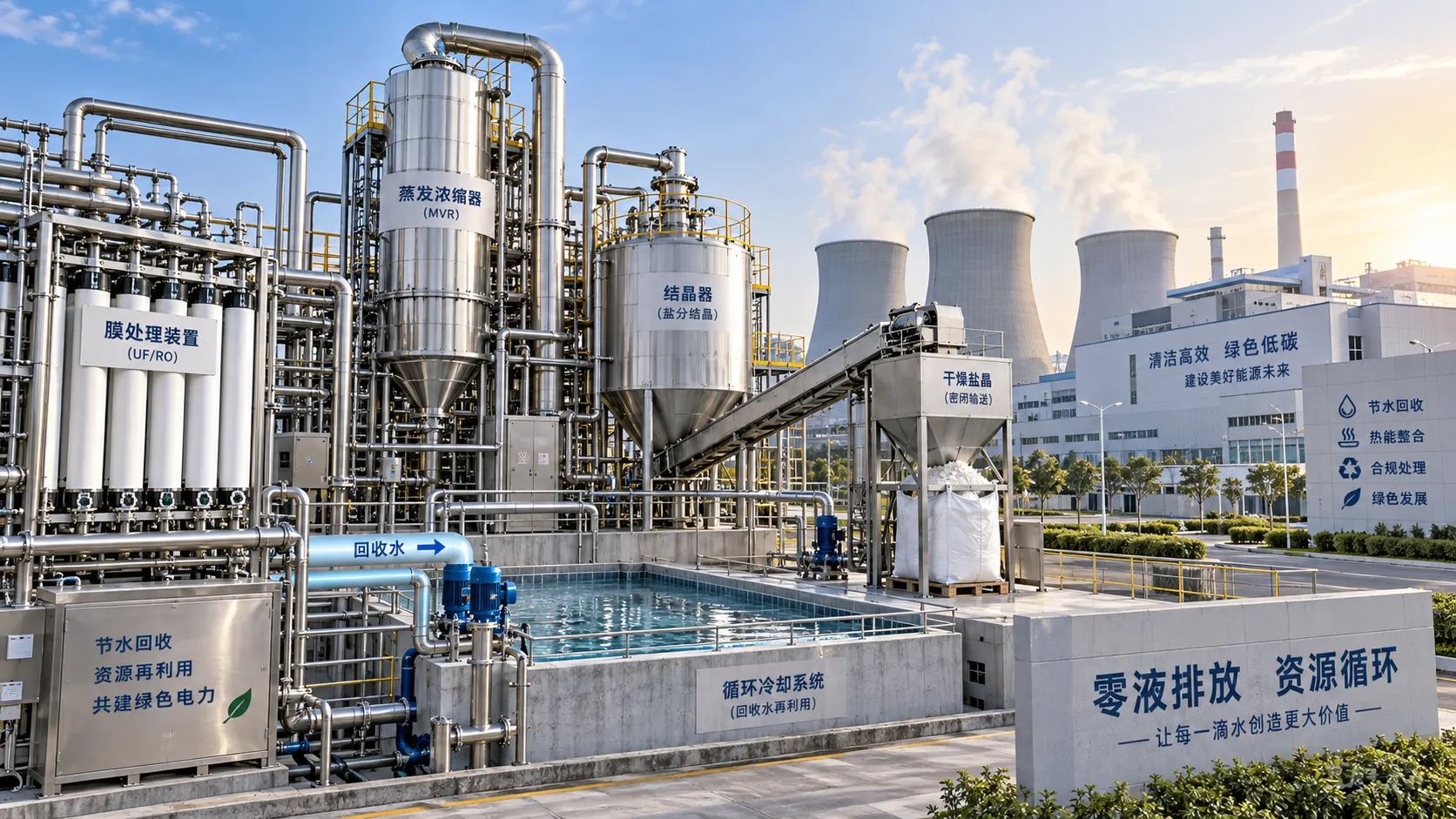
When do ZLD systems for power generation justify their energy use?
ZLD systems for power generation: learn when energy-intensive water recovery delivers stronger compliance, resilience, and long-term value.