
Industry News
Curation by industry experts
Hot Articles
Popular Tags
Green Tech Investment Opportunities Beyond Solar and EVs
For distributors, agents, and channel partners, green tech investment opportunities are expanding far beyond solar panels and electric vehicles. From advanced water treatment and waste recovery to flue gas control, desalination, and nuclear waste management, the next wave of growth is being shaped by regulation, infrastructure demand, and industrial decarbonization. Understanding where capital, policy, and equipment innovation intersect can unlock stronger positioning in fast-evolving environmental markets.
Why are green tech investment opportunities shifting beyond solar and EVs?
The market has moved into a broader environmental infrastructure cycle. Utilities, heavy industry, municipalities, ports, mining operators, and energy companies now face tougher discharge limits, carbon constraints, and resource efficiency targets. That change creates green tech investment opportunities in equipment segments that are less visible than solar farms but often more embedded in long-term industrial spending.
For channel partners, this matters because downstream customers are no longer buying isolated products. They are procuring process reliability, regulatory compliance, operating cost control, and lifecycle resilience. In many cases, the most attractive margins are found in technically demanding systems where specification support, after-sales coordination, and application intelligence influence the purchasing decision.
This is where ESD has strategic relevance. Its intelligence focus on large-scale water treatment, solid waste recovery, flue gas treatment, seawater desalination, and nuclear waste management helps distributors and agents identify where demand is structural rather than temporary. Instead of chasing short-term hype, channel partners can evaluate markets shaped by permits, public budgets, industrial retrofits, and national infrastructure planning.
- Environmental regulation is becoming more detailed, especially around wastewater discharge, air emissions, hazardous residues, and material traceability.
- Industrial decarbonization is pushing investment into enabling systems such as water reuse, flue gas cleanup, and waste-to-resource processes.
- Public infrastructure and EPC projects increasingly require technical prequalification, local support, and compliance documentation from supply partners.
- Higher complexity often means lower commoditization, which can protect channel value better than price-driven solar component trading.
Which segments deserve the closest distributor attention?
The following comparison highlights where green tech investment opportunities may be strongest for channel businesses seeking repeat orders, technical stickiness, and project-based expansion.
The strongest green tech investment opportunities for distributors are often those tied to compliance-critical equipment. Buyers may delay discretionary upgrades, but they cannot easily postpone systems needed to meet discharge permits, emission limits, or water security obligations.
How should channel partners evaluate market-ready opportunities?
A common mistake is to look only at technology novelty. Distributors and agents need a practical screening model: who buys, why they buy, how projects are funded, and what technical support the sale requires. Green tech investment opportunities become more bankable when they align with recurring plant needs and regional policy direction.
A procurement-first screening checklist
- Check whether the demand is compliance-led or voluntary. Compliance-led projects usually have more predictable urgency.
- Map the buying chain. EPC firms, municipal authorities, industrial plant managers, and operators each weigh risk differently.
- Estimate after-sales complexity. The more process-sensitive the equipment, the more valuable local technical support becomes.
- Review documentation burden. Datasheets, testing protocols, material compatibility, and certification pathways can decide tender eligibility.
- Assess replacement cycles and consumables. Membranes, catalysts, filters, and sensors create recurring revenue if supported correctly.
Why intelligence matters before product commitment
ESD’s strategic value lies in connecting scientific detail with commercial timing. In water treatment, small differences in feedwater composition can reshape membrane choice, pretreatment design, and cleaning schedules. In flue gas treatment, catalyst behavior at lower temperatures can affect both compliance margins and operating economics. In desalination, material durability and energy recovery design influence long-term channel reputation.
For a distributor, better intelligence reduces the risk of stocking the wrong category, backing an overhyped process, or entering a project segment without sufficient technical depth. That is especially important in green tech investment opportunities where the sale depends on system fit, not marketing appeal.
Which application scenarios create the most practical green tech investment opportunities?
Channel partners often perform best in sectors where end users face operational pain every day. The most durable green tech investment opportunities usually emerge from plants that cannot afford interruption, penalties, or resource waste.
High-priority scenarios by end-user environment
The table below helps distributors compare scenario fit, sales rhythm, and technical demands across major environmental segments.
This comparison shows why market access alone is not enough. In complex environmental projects, distributors win when they translate site conditions into realistic product positioning. That often determines whether green tech investment opportunities become recurring accounts or one-off bids.
Where channel partners can build stronger defensibility
- Water reuse projects create stickiness through consumables, monitoring, and process optimization support.
- Waste recovery lines benefit from local service capability because uptime and sorting precision directly affect plant economics.
- Flue gas systems reward partners who understand shutdown schedules, catalyst replacement, and environmental reporting requirements.
- Desalination projects favor suppliers who can discuss lifecycle energy use, membrane care, and brine-related operating constraints.
What should distributors compare before entering a new segment?
Not all green tech investment opportunities fit every channel model. Some categories require deep engineering engagement. Others depend more on logistics, local inventory, or tender responsiveness. Before committing resources, compare entry barriers and support demands.
Comparison points that matter in real channel economics
- Technical dependence: Will the customer expect process design input or only component supply?
- Tender visibility: Are projects concentrated in public procurement platforms or fragmented across private buyers?
- Inventory risk: Are products standardized enough to stock, or are they highly project-specific?
- Compliance exposure: Does local market entry require environmental, pressure, safety, or material documentation?
- Service burden: Can your team support commissioning, troubleshooting, and replacement planning?
A practical segment entry matrix
To assess green tech investment opportunities more clearly, use the following matrix as a decision tool for entry readiness.
This matrix helps channel businesses avoid a familiar trap: entering technically attractive markets without the operational depth needed to support them. Good opportunity selection is less about trend headlines and more about execution fit.
What compliance and technical signals should buyers never ignore?
In environmental equipment markets, commercial success is closely tied to credible technical documentation. Green tech investment opportunities can fade quickly if a distributor cannot answer performance, material, or compliance questions during evaluation.
Key documentation areas to confirm early
- Process conditions such as salinity, COD load, flue gas composition, operating temperature, and pressure range.
- Material compatibility, especially for corrosive streams, seawater exposure, aggressive chemical dosing, or contaminated solids.
- Performance boundaries, including recovery rate, removal efficiency, throughput stability, and expected maintenance intervals.
- Applicable standards and documentation pathways, which may include pressure equipment, emissions monitoring, or wastewater compliance references.
ESD’s strength is that it does not treat regulation and engineering as separate topics. For distributors, that integrated view is useful because procurement decisions increasingly combine process science with policy exposure. CBAM pressure, municipal reporting rules, and sector-specific environmental obligations can all influence equipment demand patterns.
Common mistakes when evaluating green tech investment opportunities
Mistake 1: Following visibility instead of infrastructure need
Many channel firms overfocus on categories with strong public attention. Yet some of the most resilient green tech investment opportunities sit in invisible infrastructure such as sludge reduction, membrane pretreatment, flue gas reagent management, or waste sorting optimization. These are operational necessities, not optional showcase items.
Mistake 2: Treating all environmental projects as similar
Water treatment, desalination, waste recovery, and nuclear waste support each involve different risk logic. A distributor who succeeds in one segment cannot assume the same commercial model will work in another. Spare strategy, documentation depth, bid cycles, and service response all vary significantly.
Mistake 3: Underestimating lifecycle value
Price competition is intense when channel partners sell only upfront equipment. Margins improve when the offer includes replacement planning, operating advice, consumables, troubleshooting coordination, and compliance-oriented reporting support. In other words, the best green tech investment opportunities are often service-enabled, not product-only.
FAQ: what do distributors and agents ask most often?
How do I choose between water treatment, waste recovery, and flue gas segments?
Start with your existing customer base. If you already serve industrial plants with utility or process equipment, water treatment and flue gas control may offer the fastest adjacency. If your network is stronger in municipal infrastructure or material handling, waste recovery systems can be more accessible. Match the segment to your support capability, not only to projected market size.
Which green tech investment opportunities are best for repeat business?
Segments with consumables, replacement cycles, and process monitoring usually support stronger repeat revenue. Examples include membranes, filters, dosing systems, catalysts, analyzers, and sorting line wear parts. Repeat business is strongest when the channel partner also helps track operating conditions and replacement timing.
What should I ask suppliers before becoming a distributor or agent?
Ask about application data requirements, standard documentation sets, technical training scope, spare parts availability, recommended project profiles, and expected commissioning support. Also clarify whether the supplier supports pre-bid review, parameter confirmation, and adaptation for local compliance requirements.
Are these markets too technical for general trading companies?
Not necessarily. However, general trading companies usually perform better when they enter through specific subcategories rather than entire systems. Pretreatment modules, dosing units, monitoring accessories, standardized recovery components, and select spare categories can provide a manageable path into broader green tech investment opportunities.
Why ESD is useful when channel decisions need more than headlines
Distributors and agents do not need generic sustainability narratives. They need decision-grade intelligence that links regulation, performance constraints, capital spending logic, and procurement timing. ESD brings that perspective across the five core pillars of ecological engineering: large water treatment, solid waste recovery, flue gas treatment, heavy seawater desalination, and nuclear waste management.
Its Strategic Intelligence Center is especially relevant for channel planning because it interprets evolutionary technology trends and commercial demand together. That helps partners identify where a membrane innovation matters commercially, where a catalyst trend changes retrofit economics, or where stricter environmental compliance opens a new bid window.
Why choose us for green tech market evaluation and channel planning?
If you are assessing green tech investment opportunities beyond solar and EVs, we can help you narrow the field with practical, market-facing analysis. Our focus is not abstract trend commentary. We support channel decision-making around technically demanding environmental sectors where timing, compliance, and system fit shape commercial outcomes.
- Parameter confirmation support for water treatment, desalination, flue gas, and recovery-related project conditions.
- Segment selection guidance based on your customer profile, regional demand, and service capacity.
- Procurement and bid-oriented insight covering documentation focus, project rhythm, and likely buyer concerns.
- Discussion on delivery cycles, spare strategy, customized solution paths, and technical communication points.
- Support for evaluating certification expectations, application scenarios, and quotation alignment before market entry.
If you are building a distribution portfolio, exploring agency cooperation, or preparing for environmental EPC opportunities, contact us with your target market, customer type, and product focus. We can help you compare segments, clarify technical priorities, and identify the green tech investment opportunities most aligned with your channel strategy.
Recommended News
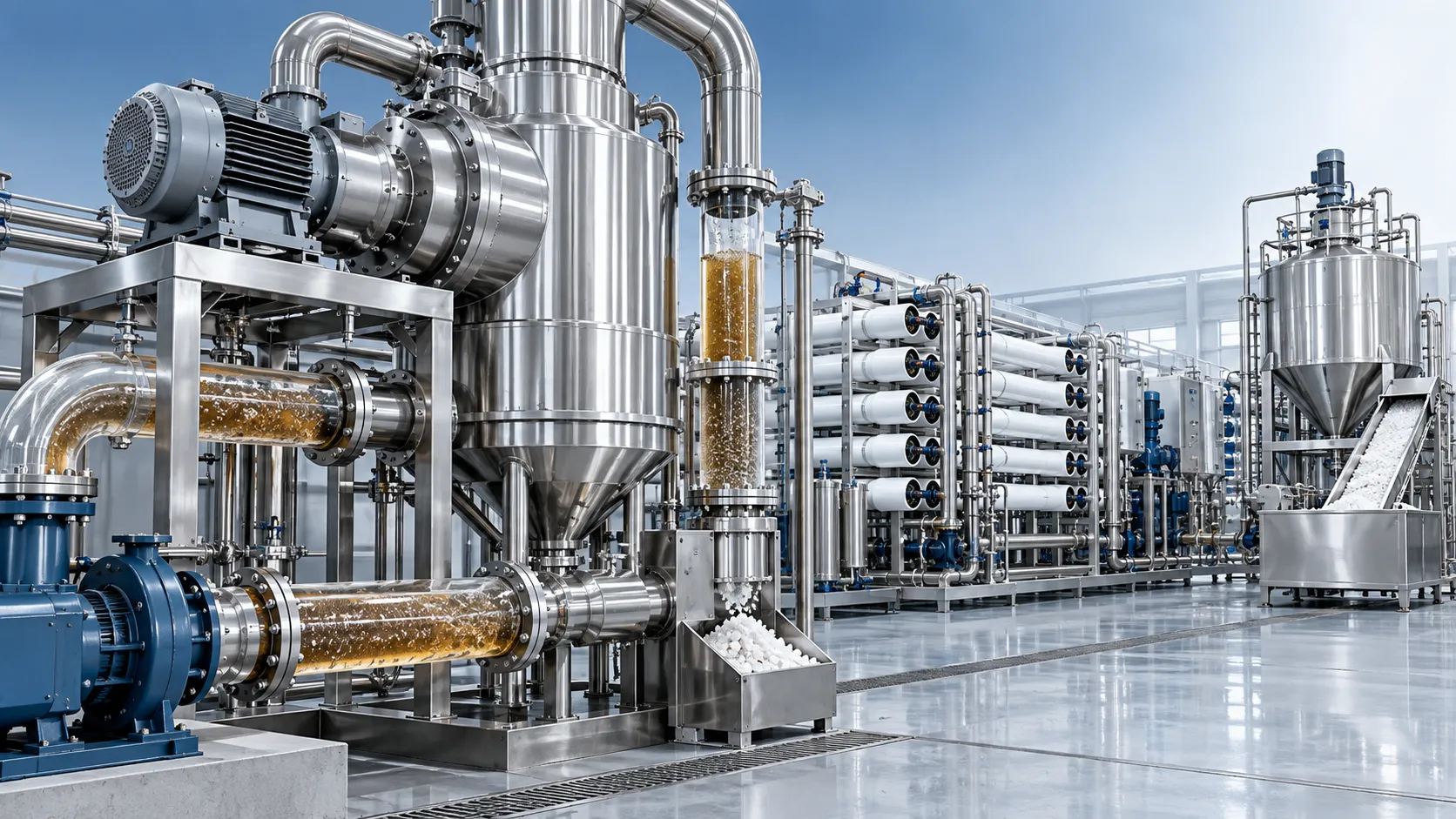
How feed salinity affects energy use in ZLD system brine treatment
ZLD system brine treatment: discover how feed salinity drives energy use, scaling risk, and technology choices for efficient, reliable zero liquid discharge.
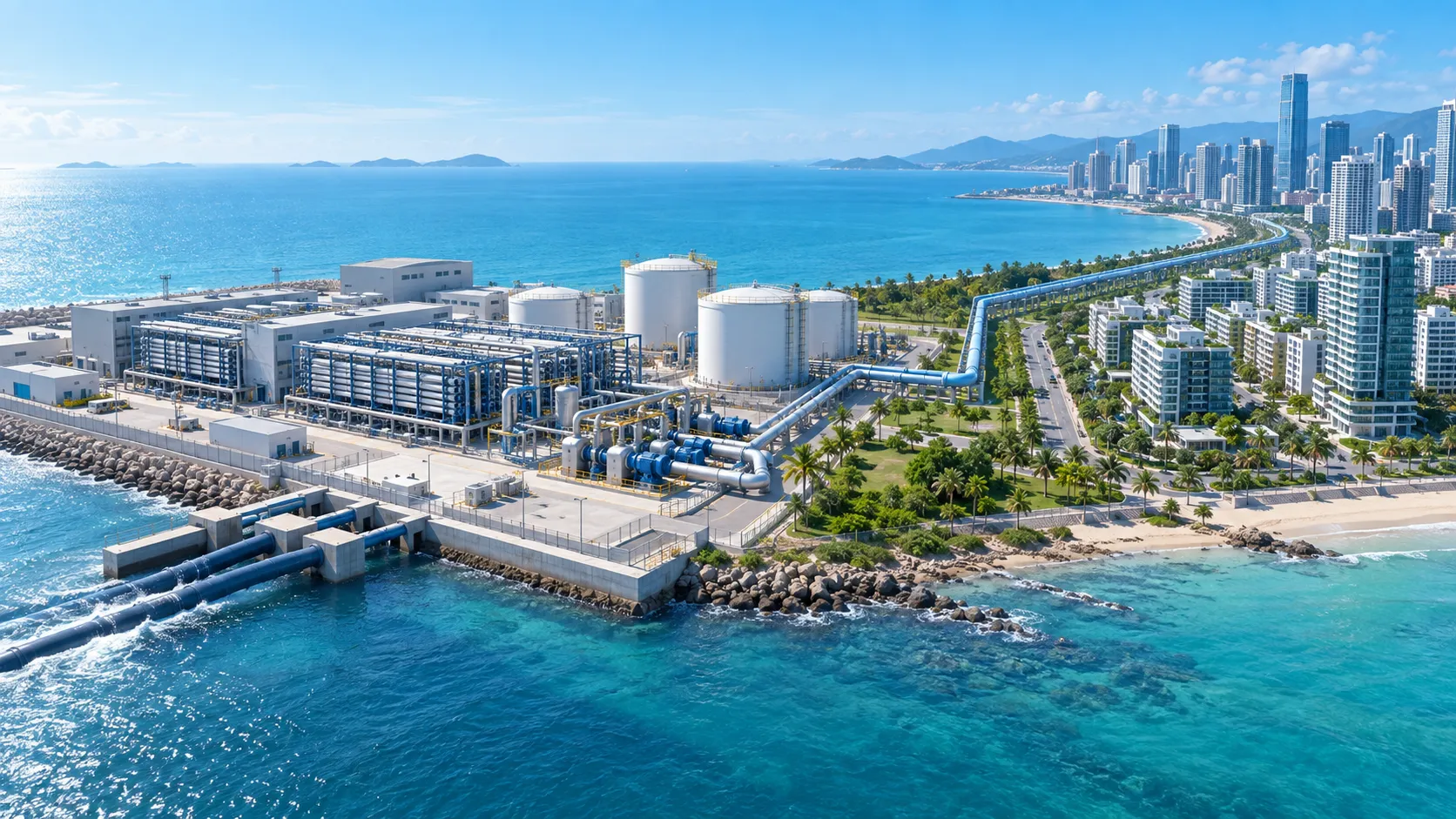
How coastal cities can select desalination solutions for peak demand
Seawater desalination solutions for coastal cities: compare firm peak capacity, intake risk, energy resilience, and lifecycle value to secure reliable water supply.
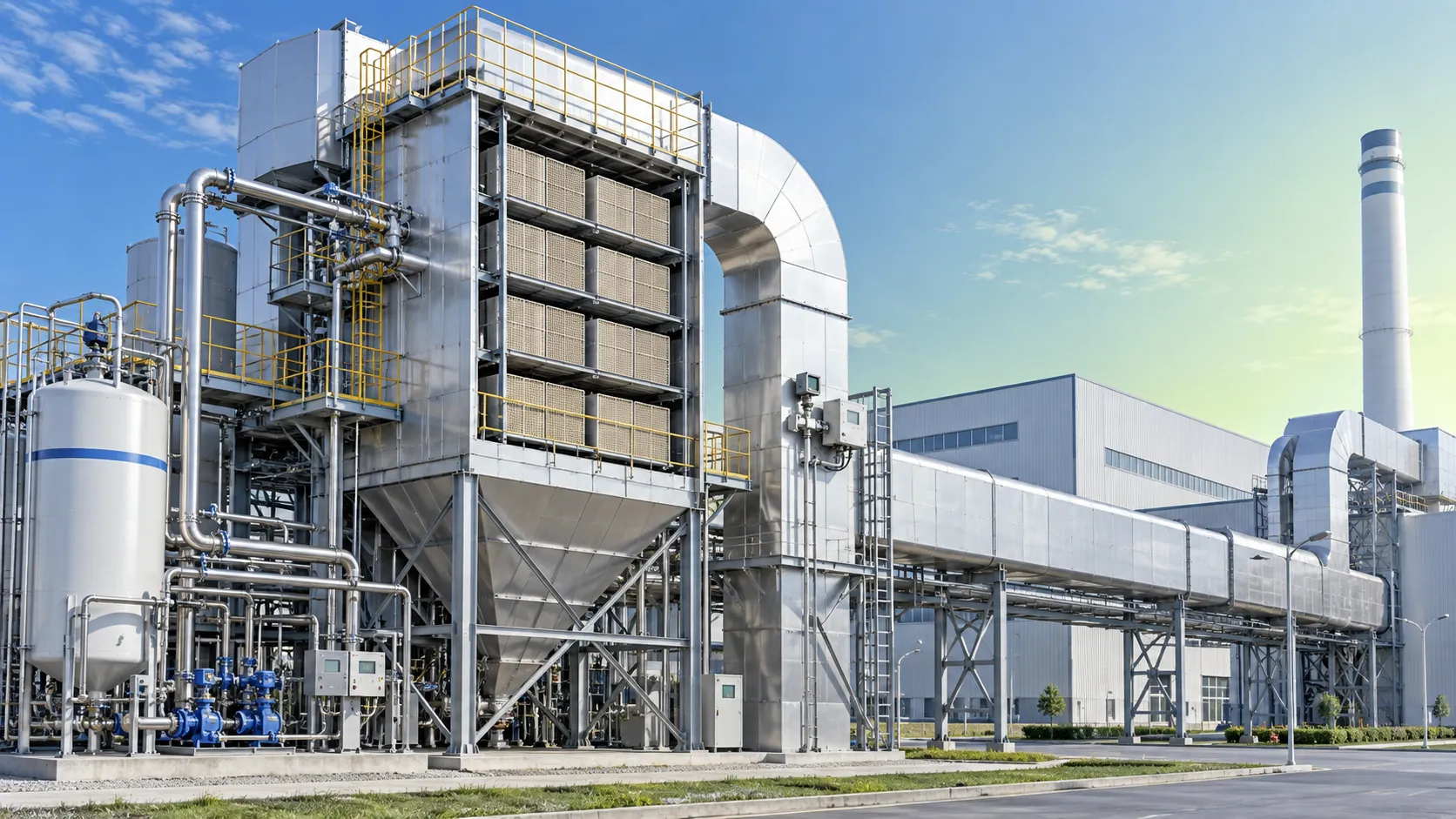
How SCR denitrification systems in Europe meet Industrial Emissions rules
SCR denitrification systems Europe: learn how permit-led design, ammonia-slip control, catalyst management and monitoring support Industrial Emissions compliance.
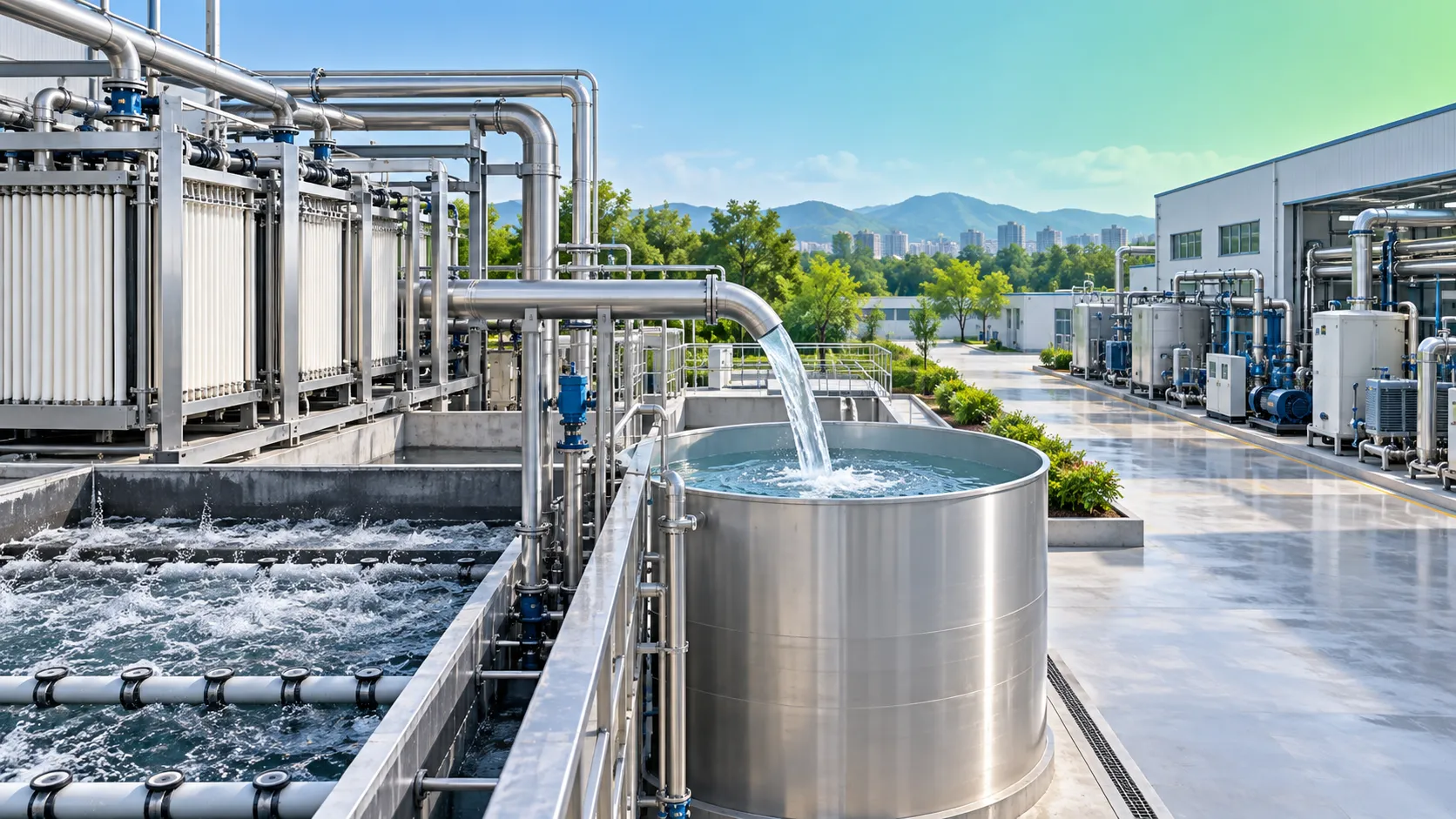
When does MBR equipment make sense for wastewater reuse?
Water treatment equipment for wastewater reuse: learn when MBR delivers compact, reliable low-solids effluent—and when alternative treatment trains offer better value.
How North America shapes global environmental governance standards
Global environmental governance North America: discover how regulation, finance, and procurement raise worldwide standards and reshape environmental projects.
How reactor capacity affects throughput in pyrolysis systems
Pyrolysis systems reactor capacity explained: learn how heat transfer, residence time, feed quality, and emissions controls determine reliable throughput.
When low-temperature reaction equipment is the right fit for heat-sensitive processes
Low-temperature reaction equipment helps protect heat-sensitive streams, improve energy integration, and maintain reliable conversion. Explore key selection factors today.
When do water reuse systems deliver a practical payback?
Water reuse systems deliver practical payback when they cut water, discharge, and downtime costs. Learn how to match treatment, recovery, and reuse quality for lasting ROI.
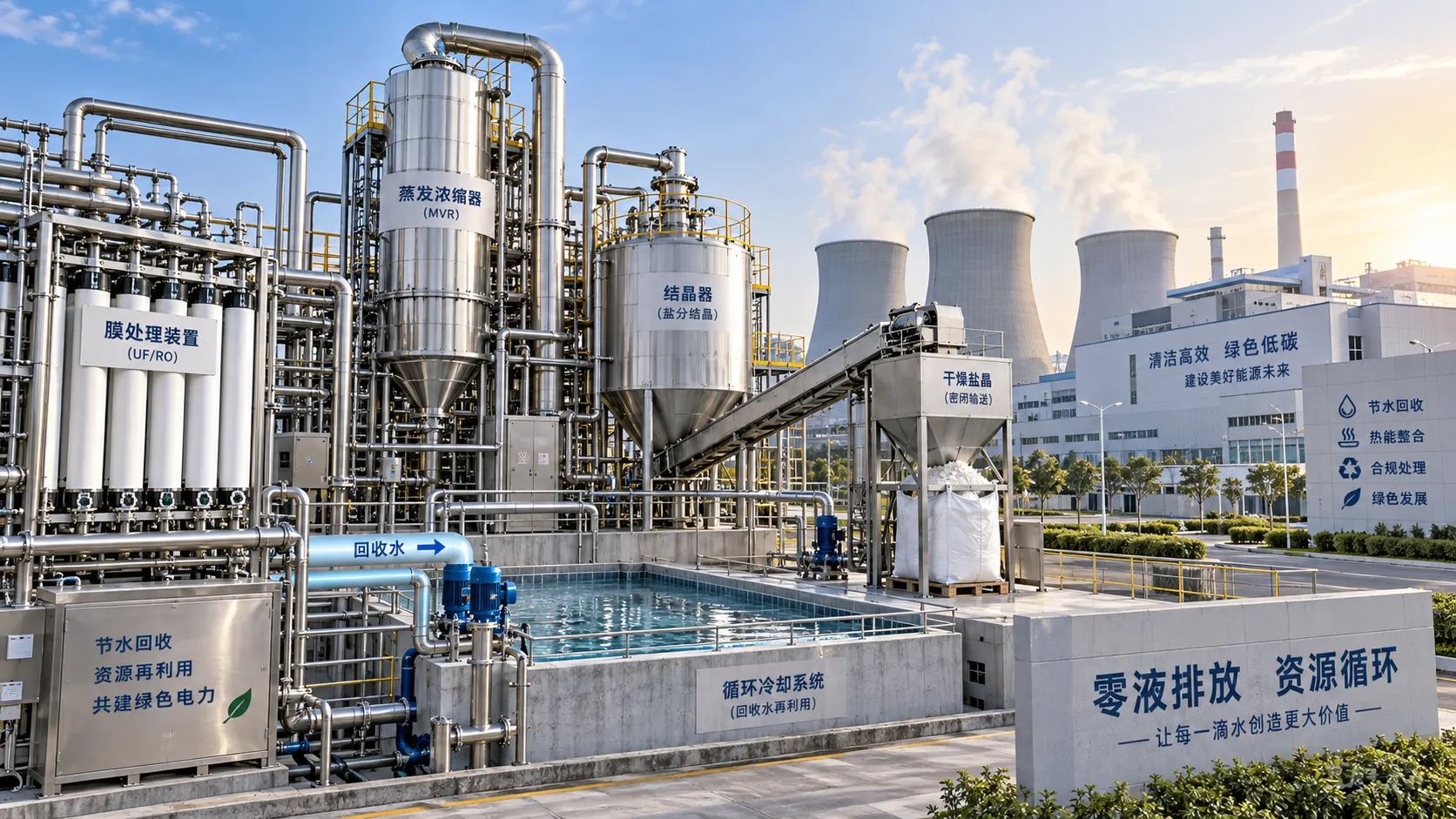
When do ZLD systems for power generation justify their energy use?
ZLD systems for power generation: learn when energy-intensive water recovery delivers stronger compliance, resilience, and long-term value.