
Industry News
Curation by industry experts
Hot Articles
Popular Tags
Urban Mining Waste Processing Is Changing Scrap Value
Urban mining waste processing is changing scrap value because buyers, recyclers, and investors no longer assess waste only by weight and visible metal grade.
They now evaluate recovery precision, contamination control, traceability, compliance exposure, and the ability to convert mixed waste into bankable secondary raw materials.
For business evaluators, the practical conclusion is clear: scrap value is increasingly determined by processing capability, not just incoming material composition.
That shift matters across electronics, construction debris, industrial residues, plastics, batteries, and municipal solid waste streams entering advanced recovery networks.
In other words, urban mining waste processing has moved from a back-end disposal activity to a margin-defining value creation function.
This article explains the search intent behind the topic, what commercial readers should assess first, and how processing technology is redefining valuation logic.
What business evaluators are really trying to understand
When readers search for urban mining waste processing, they usually want more than a technical definition or a sustainability narrative.
They want to know why scrap prices are changing, which technologies are raising material value, and how to judge commercial viability before committing capital.
For business evaluators, the central questions are practical: what increases realized recovery value, what erodes margins, and what risks can invalidate projected returns.
They also want to understand whether advanced processing creates durable competitive advantage or simply shifts costs from disposal to sorting and compliance.
That means the most useful discussion is not generic circular economy language, but an analysis of revenue quality, process yield, off-take confidence, and regulatory resilience.
Broad environmental benefits still matter, but they should support investment logic rather than replace it.
Why scrap value is no longer a simple commodity calculation
Traditional scrap valuation often depended on tonnage, visible grade, and prevailing commodity prices for metals, fibers, or reusable materials.
That approach works reasonably well for clean streams, but it fails when waste arrives mixed, contaminated, multi-layered, or chemically complex.
Urban mining waste processing changes the equation by making hidden value recoverable through separation, concentration, purification, and verified downstream reuse.
A mixed stream once sold at a discount may now produce several upgraded outputs, each with different pricing dynamics and customer pools.
For example, an electronics waste batch can contain copper, aluminum, precious metals, engineering plastics, and hazardous fractions requiring careful treatment.
The commercial value depends less on gross weight than on the processor’s ability to isolate these fractions safely, consistently, and at acceptable cost.
As a result, scrap value increasingly reflects processing intelligence, equipment sophistication, and quality assurance, not merely the physical presence of recoverable material.
Which technologies are driving the biggest valuation changes
Several technologies are pushing urban mining waste processing from low-efficiency recovery toward data-driven resource extraction.
AI-enabled sorting is one of the most important because it improves speed, identification accuracy, and separation purity across diverse waste streams.
Optical systems, robotics, eddy current separators, sensors, and machine vision can recover fractions that manual lines routinely miss or misclassify.
That improvement directly affects realized pricing because cleaner outputs attract better buyers, lower rejection risk, and reduce downstream reprocessing costs.
Pyrolysis is another major influence, especially in plastics, composite residues, and difficult hydrocarbon-rich streams that do not perform well in conventional recycling routes.
When engineered properly, pyrolysis can convert low-value waste into oils, gases, char, or feedstocks with more predictable industrial applications.
Hydrometallurgical and thermal recovery systems are also reshaping battery waste and complex metal-bearing residues by improving extraction from lower-grade feedstock.
For evaluators, the key issue is not whether a technology sounds advanced, but whether it improves recoverable yield, output quality, and commercial certainty.
How processing capability changes the economics of incoming waste
Two facilities can receive similar waste streams and generate very different revenues from the same input profile.
The difference often comes from pre-processing design, contamination management, automation, and the range of saleable outputs the operator can produce.
A basic operator may sell mixed material at a discount to larger refiners, preserving cash flow but surrendering much of the embedded value.
An advanced processor may wash, sort, densify, depolymerize, or extract key fractions, capturing more margin while reducing dependence on intermediaries.
That does not automatically mean higher profits, because sophisticated lines bring capital costs, maintenance burden, energy usage, and skilled labor requirements.
Still, where throughput is stable and market outlets are reliable, improved processing can lift average realized value per ton significantly.
This is why business evaluators should model economics by output basket and recovery pathway, not just by feedstock acquisition cost and blended scrap price.
What metrics matter most when evaluating urban mining waste processing
Commercial assessment should start with recovery yield, but yield alone is not enough.
Evaluators should look at output purity, contamination rates, product consistency, and the percentage of recovered material that can actually be sold under contract.
Net value per ton is more useful than gross value per ton because it captures energy, reagent, labor, maintenance, residue handling, and compliance costs.
Throughput stability is equally important, since processing economics often collapse when facilities operate below designed utilization levels.
Downtime, feedstock variability, and sorting bottlenecks can quickly erase the premium expected from advanced recovery systems.
Another critical measure is residue ratio: the portion of incoming material that still requires disposal or high-cost treatment after processing.
The lower the residual burden, the stronger the economics and the lower the exposure to tightening landfill or hazardous waste regulations.
Finally, buyers should examine traceability and certification readiness, especially when recovered outputs are sold into regulated or export-sensitive industries.
Why compliance and traceability are now part of scrap value
In many markets, scrap is no longer judged only by recoverable content; it is judged by whether the recovery chain can withstand regulatory scrutiny.
Environmental permits, emissions control, hazardous residue handling, worker safety systems, and chain-of-custody records increasingly affect asset value and deal quality.
This is particularly true in cross-border trade, where recycled materials may face import restrictions, quality verification demands, or carbon-related reporting obligations.
For business evaluators, compliance capability should be viewed as a value multiplier when it expands market access or secures premium customers.
It should also be viewed as a downside shield, because weak compliance can trigger shutdowns, product rejection, contract loss, or stranded capital.
In advanced urban mining waste processing, traceability supports pricing power by proving origin, composition, treatment quality, and responsible material recovery.
That proof becomes even more valuable as manufacturers increase recycled content requirements and procurement teams demand auditable sustainability claims.
Where the strongest commercial opportunities are emerging
Not all waste streams offer the same upside, and evaluators should avoid treating urban mining as a uniform opportunity set.
E-waste remains attractive because of embedded metals and the possibility of upgrading multiple fractions from one feedstock stream.
Battery recycling is drawing intense attention, especially where electric vehicle growth is creating future supply of lithium, nickel, cobalt, graphite, and copper-bearing waste.
Construction and demolition waste can also be valuable when high-volume mineral, metal, and reusable component recovery is linked to local infrastructure demand.
Plastic-rich mixed waste is more challenging, but advanced sorting and pyrolysis may improve economics where landfill costs are high and downstream chemical buyers are credible.
Industrial sludge, catalysts, and process residues can deliver strong returns in niche cases because they contain concentrated target materials or avoid expensive disposal routes.
The best opportunities generally combine consistent feedstock supply, favorable policy support, strong local offtake, and technology matched to material reality.
What can destroy value even when technology looks promising
One of the most common mistakes is overestimating feedstock quality and underestimating variability.
Pilot results from controlled samples often do not reflect what full-scale plants receive from fragmented collection networks and inconsistent pre-sorting sources.
Another problem is assuming that technical recovery automatically translates into marketable output.
If recovered fractions lack purity, stable specification, or buyer acceptance, the theoretical value may never be realized in cash.
Energy intensity can also weaken economics, especially in thermal processing routes exposed to volatile power or fuel prices.
In addition, maintenance complexity and spare-parts dependence can reduce uptime, particularly for sensor-rich or chemically intensive systems.
Policy incentives may improve near-term returns, but projects should remain defensible if subsidies shrink, reporting burdens increase, or export rules change.
For this reason, evaluators should stress-test business cases under lower commodity prices, higher contamination rates, and reduced operating efficiency.
How to assess investment quality in a processing asset or project
Start by mapping value creation from inbound waste acceptance to final product sale.
Ask where margin is generated: gate fees, material recovery, premium outputs, avoided disposal cost, carbon value, or long-term supply contracts.
Then verify whether the technology is proven on the actual feedstock type, not just in adjacent categories or laboratory conditions.
Review mass balance data, historical uptime, residue disposal costs, and evidence of product acceptance from downstream users.
Commercial due diligence should include contract depth on both sides of the chain: feedstock security and offtake reliability matter equally.
It is also important to test whether the asset depends on one buyer, one region, or one narrow commodity cycle for profitability.
A resilient facility usually has flexible input handling, multiple output channels, and enough compliance maturity to serve demanding industrial customers.
Where possible, compare management claims with actual realized revenue per ton over several quarters, not just nameplate capacity assumptions.
Why this matters for the future of circular industry valuation
Urban mining waste processing is changing scrap value because industrial waste is being reclassified from disposal burden to secondary resource platform.
That reclassification rewards operators who can combine advanced separation, process control, compliance discipline, and commercial access.
For business evaluators, the implication is strategic: valuation models must shift from commodity thinking toward system-level performance analysis.
The most valuable assets will not always be those with the largest tonnage, but those that recover higher-quality outputs with stronger traceability and lower residual risk.
As environmental rules tighten and manufacturers seek secure recycled feedstocks, processing capability will become an even more important driver of price realization.
In that environment, understanding urban mining waste processing is less about following a sustainability trend and more about recognizing how value is actually created.
Conclusion
The headline insight is straightforward: scrap value is no longer defined only by what waste contains, but by what processing systems can reliably extract and monetize.
For business evaluators, that means focusing on yield quality, residue burden, compliance readiness, throughput stability, and downstream market acceptance.
Urban mining waste processing deserves close attention because it changes both the upside case and the risk profile of resource recovery investments.
Projects with the right technology-market fit can unlock significant hidden value, while weak assumptions on feedstock, energy, and offtake can quickly erode returns.
The best decisions will come from treating waste processing as a precision industrial value chain rather than a simple scrap trading activity.
Recommended News
How feed salinity affects energy use in ZLD system brine treatment
ZLD system brine treatment: discover how feed salinity drives energy use, scaling risk, and technology choices for efficient, reliable zero liquid discharge.

How coastal cities can select desalination solutions for peak demand
Seawater desalination solutions for coastal cities: compare firm peak capacity, intake risk, energy resilience, and lifecycle value to secure reliable water supply.
How SCR denitrification systems in Europe meet Industrial Emissions rules
SCR denitrification systems Europe: learn how permit-led design, ammonia-slip control, catalyst management and monitoring support Industrial Emissions compliance.
When does MBR equipment make sense for wastewater reuse?
Water treatment equipment for wastewater reuse: learn when MBR delivers compact, reliable low-solids effluent—and when alternative treatment trains offer better value.
How North America shapes global environmental governance standards
Global environmental governance North America: discover how regulation, finance, and procurement raise worldwide standards and reshape environmental projects.
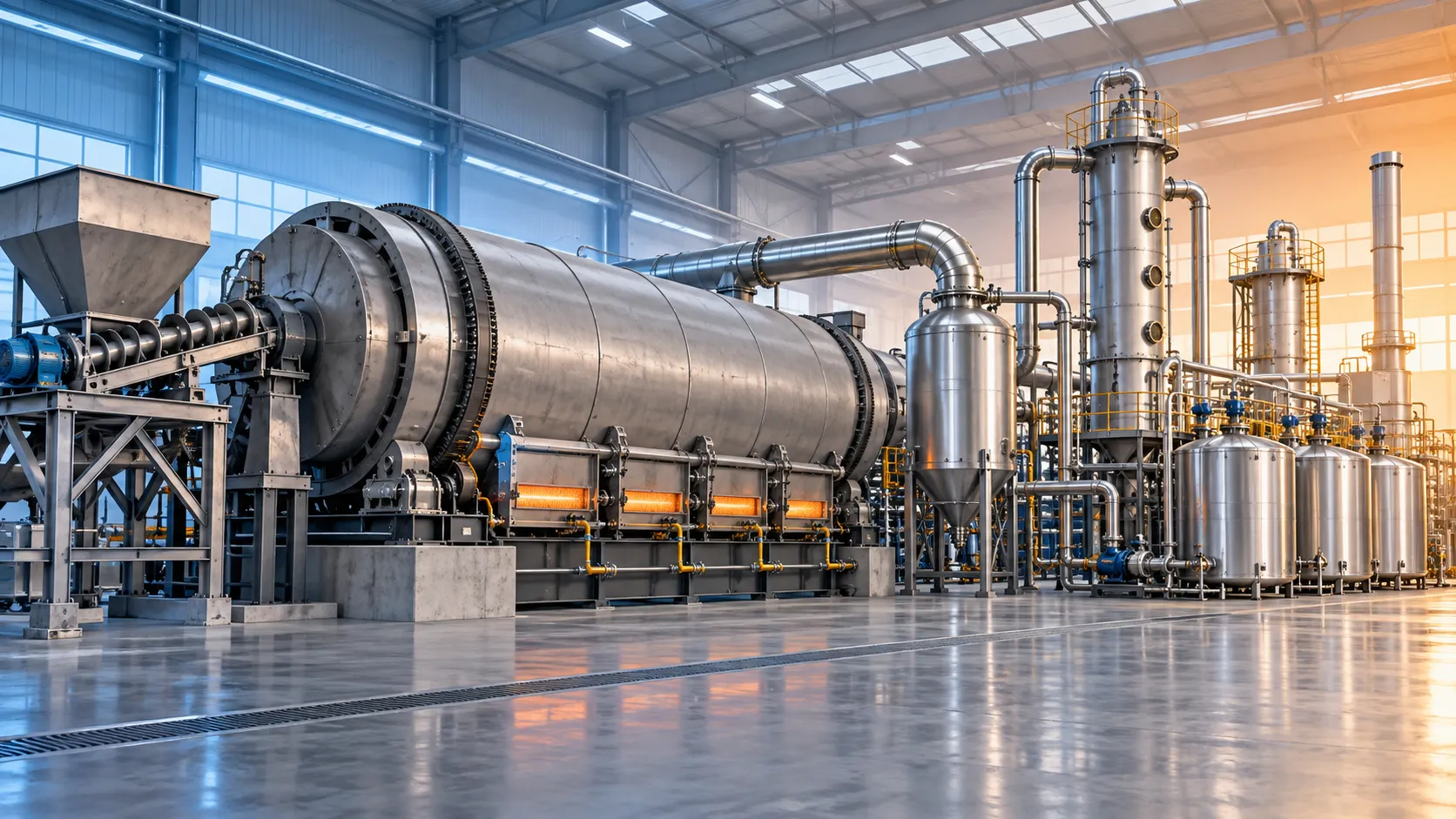
How reactor capacity affects throughput in pyrolysis systems
Pyrolysis systems reactor capacity explained: learn how heat transfer, residence time, feed quality, and emissions controls determine reliable throughput.
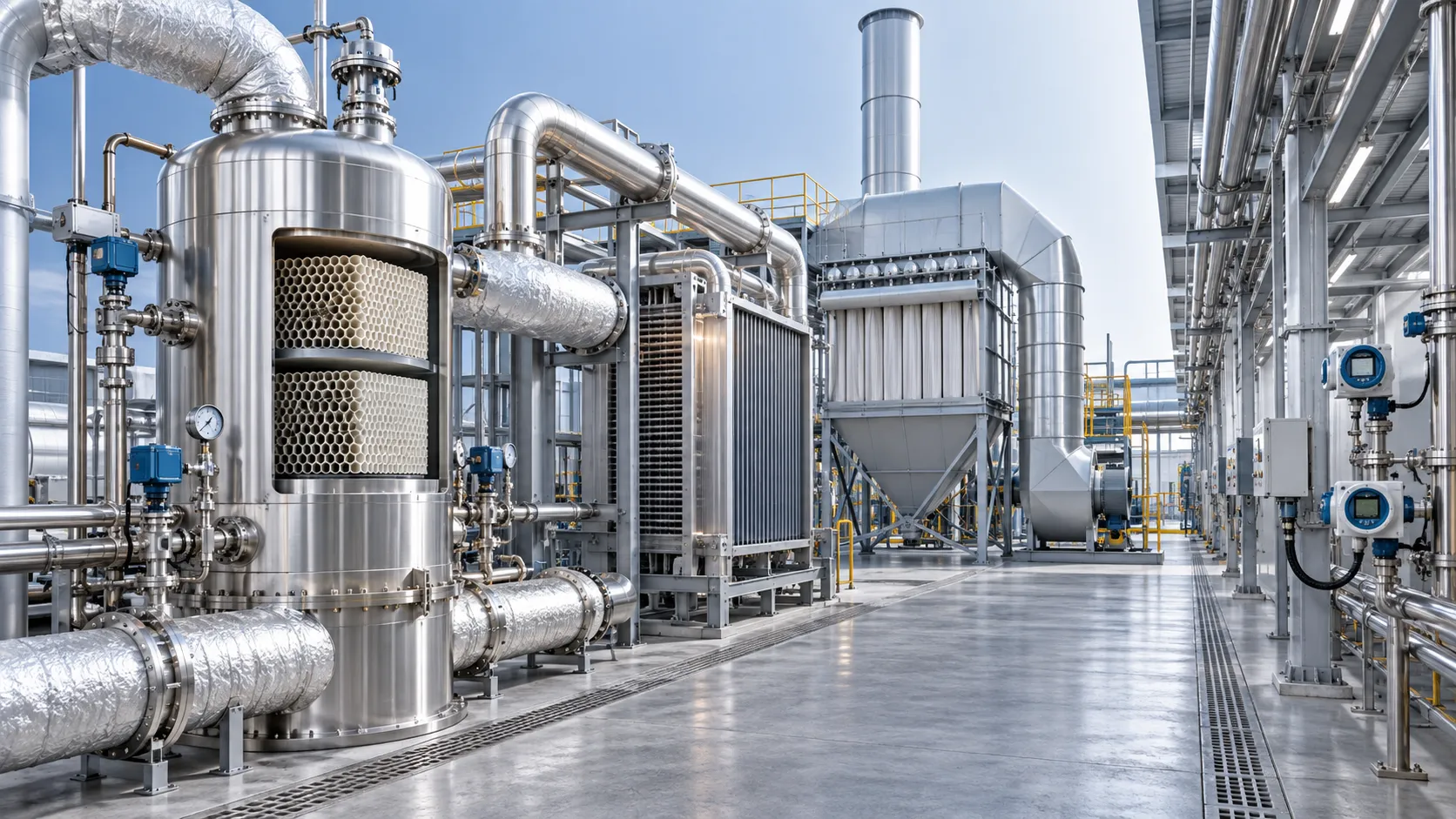
When low-temperature reaction equipment is the right fit for heat-sensitive processes
Low-temperature reaction equipment helps protect heat-sensitive streams, improve energy integration, and maintain reliable conversion. Explore key selection factors today.
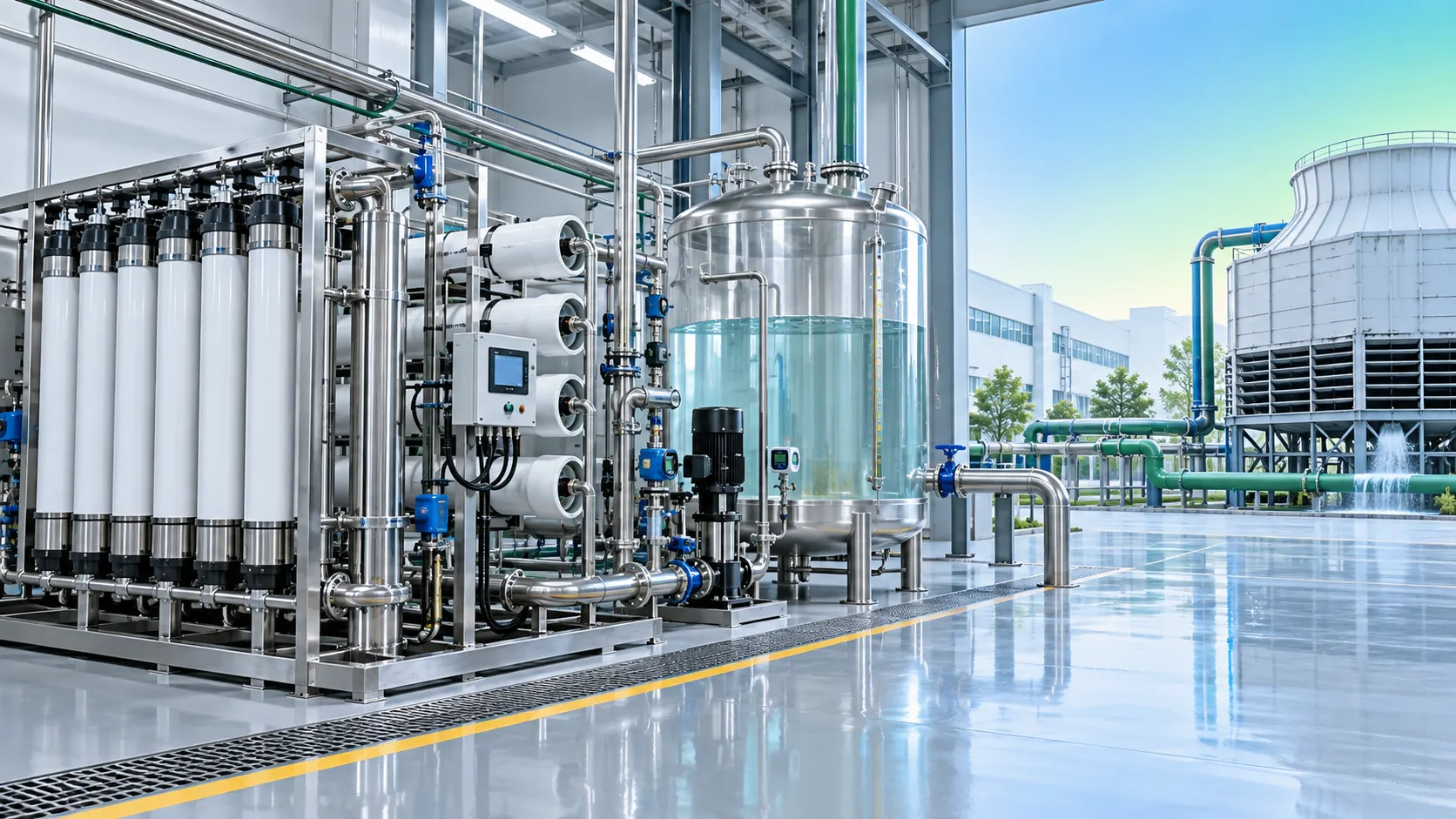
When do water reuse systems deliver a practical payback?
Water reuse systems deliver practical payback when they cut water, discharge, and downtime costs. Learn how to match treatment, recovery, and reuse quality for lasting ROI.
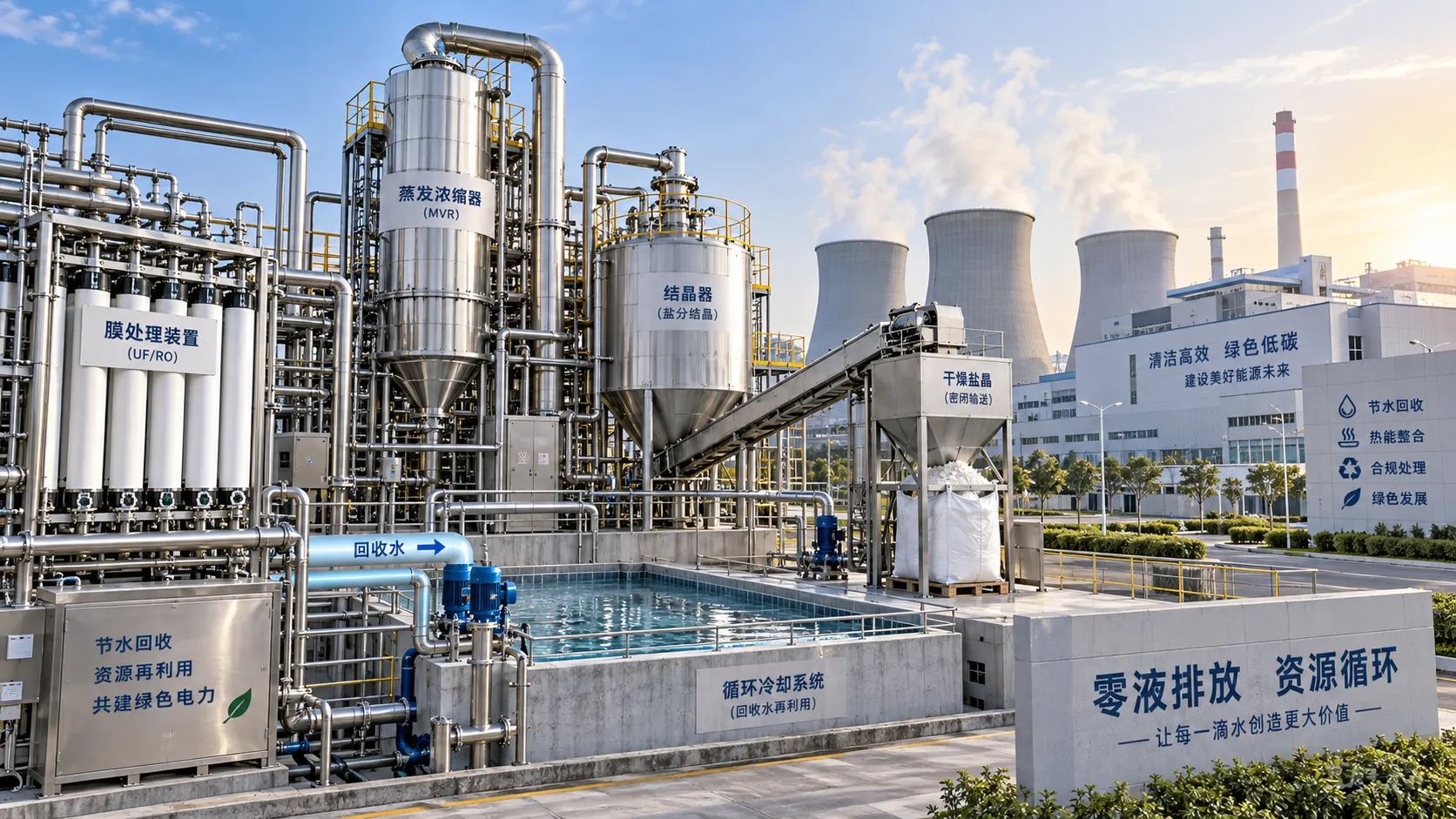
When do ZLD systems for power generation justify their energy use?
ZLD systems for power generation: learn when energy-intensive water recovery delivers stronger compliance, resilience, and long-term value.