
Industry News
Curation by industry experts
Hot Articles
Popular Tags
What Makes Radioactive Waste Storage Safer Over Time
For quality control and safety management teams, the long-term safety of radioactive waste storage facilities depends on far more than thick barriers alone. From engineered containment and material stability to real-time monitoring, regulatory compliance, and progressive risk reduction, safer storage is built through layered systems that perform reliably over decades. This article explores what truly makes radioactive waste storage safer over time and why each control point matters.
In practice, safer storage is not a single technology purchase. It is a managed system covering waste characterization, package integrity, facility design life, environmental controls, inspection frequency, staff competence, and emergency preparedness. For teams evaluating existing sites or new projects, the key question is not whether one barrier is strong enough, but whether multiple barriers can still perform after 10, 30, or 100 years.
This matters across the broader environmental infrastructure landscape observed by ESD, where nuclear waste management shares the same reliability logic as advanced water treatment and flue gas control: containment must remain stable under changing loads, shifting regulations, and real-world operating stress. In radioactive waste storage facilities, long-term safety improves when engineering, monitoring, and governance reinforce each other instead of operating in isolation.
Why Long-Term Safety in Radioactive Waste Storage Facilities Is a Layered System
A well-run storage program uses the defense-in-depth principle. Instead of depending on one wall, one container, or one procedural check, it combines 4 to 6 control layers. These often include waste form stabilization, package containment, building structure, environmental management, radiation monitoring, and administrative control.
For quality control personnel, the first task is to verify that each layer has a measurable performance target. A container may need corrosion resistance over 20 to 50 years, while ventilation systems may require continuous operation with preventive maintenance every 3 to 6 months. If targets are vague, long-term safety becomes difficult to audit.
The role of waste classification
Not all radioactive waste behaves the same way over time. Low-level, intermediate-level, and high-level materials differ in heat generation, shielding demand, and isolation period. That is why radioactive waste storage facilities must be designed around inventory characteristics rather than generic storage assumptions.
A mixed inventory creates added inspection complexity. For example, low-heat packaged waste may be managed with periodic radiation and contamination checks, while higher-activity streams may need tighter dose zoning, thicker shielding, and more frequent package condition reviews. Storage safety rises when segmentation rules are clear and physically enforced.
Why passive safety becomes more important over time
Over long periods, passive safety features usually outperform systems that rely entirely on constant human intervention. Corrosion-resistant materials, stable waste matrices, drainage control, and conservative spacing reduce the chance that a single missed inspection causes a major problem. This is especially important over 25-year to 60-year operating horizons.
That does not reduce the value of active systems. Instead, it changes the balance. The safest radioactive waste storage facilities combine passive robustness with active verification, such as dose-rate trending, leak detection, humidity alarms, and access logging. Passive design buys time; monitoring confirms continued performance.
The following framework highlights the core layers that safety managers usually examine when assessing whether a facility is becoming safer over time rather than simply older.
The table shows why long-term safety is cumulative. Facilities improve over time when each layer is measurable, inspectable, and linked to response actions. If one layer weakens, others should still provide enough margin for correction before release or overexposure occurs.
Engineered Containment and Material Stability Over Decades
One of the biggest contributors to safer radioactive waste storage facilities is the quality of the waste package itself. Good storage starts with compatible materials: the waste form, the liner, the container wall, seals, and any overpack must age predictably together. If one component degrades faster than expected, the full containment strategy weakens.
Container materials and corrosion control
Steel, stainless steel, concrete, and specialty alloys are selected based on humidity, chloride exposure, expected radiation field, and storage duration. In coastal or high-humidity environments, corrosion monitoring may need to occur every 6 to 12 months instead of every 18 to 24 months. Environmental exposure defines inspection pace.
Quality teams should not only confirm nominal material grade. They should also review weld quality, coating continuity, drainage around storage zones, and whether condensation can accumulate on lower surfaces. Many containment failures begin at edges, weld seams, lifting points, or interfaces rather than flat wall sections.
Common material-related failure modes
- Pitting corrosion caused by moisture and salts
- Stress corrosion cracking under residual fabrication stress
- Seal hardening or embrittlement after long thermal exposure
- Concrete surface deterioration due to water ingress and freeze-thaw cycles
- Unexpected waste-package chemical incompatibility
Stability of the waste form
Safer storage also depends on converting waste into a form that is less likely to disperse. Common approaches include cementation, bituminization, polymer encapsulation, and vitrification for more demanding streams. The choice depends on heat output, radionuclide profile, free liquid content, and final storage concept.
For QC teams, acceptable free liquid limits, void ratio, and matrix uniformity are not minor details. Even a 1% to 3% increase in retained moisture can accelerate corrosion or internal gas generation in some package types. Over decades, that can change pressure behavior, internal chemistry, and surface dose conditions.
Spacing, heat, and accessibility
Where waste generates heat, layout matters. Thermal loading affects seal life, air circulation, and worker access routes. A conservative storage plan often sets temperature monitoring points and minimum spacing between package rows to maintain inspection access and avoid local heat accumulation. Even a few degrees of persistent increase can matter over a 10-year period.
Accessibility is a safety control, not just an operations preference. If operators cannot inspect labels, sidewalls, sumps, or floor conditions without delay, response time lengthens. In well-designed radioactive waste storage facilities, inspection routes are planned into the structure from day 1 rather than added after congestion develops.
Monitoring, Inspection, and Data Trending That Reduce Risk Over Time
Facilities become safer over time when they learn from their own data. Monitoring is not just a compliance exercise; it is the mechanism that turns weak signals into early intervention. Radiation levels, airborne contamination, humidity, temperature, sump status, and package surface condition all reveal whether storage conditions are stable or drifting.
What should be monitored routinely
A practical monitoring program usually combines continuous, weekly, monthly, and annual checks. Continuous systems may cover area dose rate and critical alarms. Weekly rounds may verify access control, housekeeping, and visible package condition. Monthly or quarterly inspections often include contamination surveys, corrosion review, and ventilation verification.
The point is not to maximize data volume. The point is to align frequency with failure speed. A slow corrosion mechanism may justify 6-month trending, while airborne contamination in an active handling area may need near-real-time tracking. Better radioactive waste storage facilities define thresholds in advance so action starts before a regulatory breach.
The matrix below shows how safety teams can align parameters with action timing and practical response levels.
The key takeaway is that data only improves safety if trend review leads to action. A 12-month pattern of rising humidity, even without immediate exceedance, can justify earlier maintenance, drainage correction, or packaging review. Waiting for a formal limit exceedance often means waiting too long.
Calibration, records, and traceability
Instrumentation is only as useful as its calibration status. Many facilities work with calibration intervals of 6 or 12 months, but interval selection should match instrument criticality, service environment, and drift history. A detector in a dusty or humid zone may need more frequent verification than one in a clean control room.
Traceable records also support long-term confidence. When safety managers can compare package inspections across 5, 10, or 15 years, they can separate isolated defects from true degradation trends. This is where digital asset management adds value: not by replacing field judgment, but by making trend evidence easier to retrieve and act on.
Regulatory Discipline, Human Factors, and Emergency Readiness
Even strong engineering can be undermined by weak governance. Radioactive waste storage facilities remain safer over time when operating limits, inspection routines, permit conditions, and training obligations are tightly managed. Safety drift often begins with paperwork gaps, delayed corrective actions, or unclear ownership of recurring issues.
Administrative controls that matter most
- Inventory reconciliation at defined intervals, such as monthly or quarterly
- Formal change control for package relocation, repackaging, and layout revision
- Corrective action closure targets, often within 7, 30, or 90 days by severity
- Refresher training for operators and responders every 12 months
- Periodic emergency drills, commonly 1 to 2 times per year
These controls are especially relevant for safety managers handling contractor interfaces. A technically sound storage area can still be exposed to risk if temporary workers do not understand zoning, contamination boundaries, or waste handling restrictions. Clear permits, task briefings, and stop-work authority reduce these human-factor risks.
Compliance is not static
Environmental and nuclear oversight expectations tend to tighten over time, especially around documentation, emissions control, security, and lifecycle accountability. Facilities that were acceptable 15 years ago may now require stronger digital records, better secondary containment, or improved event reporting discipline. Safety improves when compliance reviews are proactive rather than reactive.
This is where strategic intelligence becomes operationally useful. Safety teams benefit from tracking regulatory change in the same way water or flue gas operators monitor discharge limits and emissions thresholds. Better radioactive waste storage facilities treat compliance updates as engineering inputs, not just legal notices.
Emergency preparedness and recovery time
No long-term safety model is complete without emergency capability. A credible plan covers spill response, abnormal dose-rate alarms, fire interface, ventilation upset, flooding, and package damage during movement. Teams should know not only what to do, but how fast they must do it. For some events, the first 15 to 30 minutes matter most.
Preparedness also includes recovery planning. After any event, the facility needs defined criteria for re-entry, decontamination verification, package isolation, and return to normal operation. Facilities become safer over time when drill findings lead to layout changes, equipment upgrades, or revised communication chains rather than just filed reports.
How QC and Safety Teams Can Evaluate Improvement Opportunities
For organizations reviewing new builds, retrofits, or operating contracts, a practical evaluation model is essential. The most useful approach is to score radioactive waste storage facilities against a small number of high-impact dimensions instead of collecting disconnected observations. Four dimensions usually provide a strong baseline: containment, detectability, maintainability, and governance.
A simple 4-part evaluation checklist
- Containment: Are waste form, package, and building materials compatible for the intended storage period?
- Detectability: Can the facility identify abnormal radiation, contamination, moisture, or corrosion early enough?
- Maintainability: Are access routes, replacement parts, calibration windows, and inspection points practical?
- Governance: Are responsibilities, records, training, and emergency actions clearly assigned and tested?
Using this structure, teams can compare facilities or suppliers in a more disciplined way. A site with heavier shielding may still be less safe over 20 years if package tracking is weak, calibration discipline is poor, or drainage design allows hidden water accumulation. The strongest solution is the one with balanced performance across all four dimensions.
Common procurement and retrofit questions
When assessing upgrades, buyers often focus on visible assets such as casks, barriers, and monitors. Those are important, but procurement value also depends on documentation quality, spare-part strategy, inspection accessibility, and integration with site safety systems. A lower upfront cost can create higher lifetime risk if inspections become slower or response becomes less reliable.
For decision-makers in industrial environmental infrastructure, the best suppliers and system integrators are usually the ones that can explain degradation assumptions, inspection intervals, failure points, and recovery procedures in operational terms. That level of clarity supports both compliance and asset reliability.
Questions worth asking before approval
- What is the intended design life of each containment component?
- Which parameters are trended continuously, and which are reviewed manually?
- How quickly can a suspect package be isolated or repackaged?
- What are the calibration and preventive maintenance intervals?
- How are regulatory changes translated into revised operating procedures?
Safer radioactive waste storage facilities do not result from a single barrier, a single audit, or a single compliance milestone. They become safer over time through layered containment, stable materials, disciplined inspection, trend-based intervention, trained personnel, and governance that keeps pace with both aging assets and changing rules.
For quality control and safety management teams, that means evaluating not only what a facility is today, but how well it can detect, absorb, and correct change over the next 10 to 50 years. If you are reviewing storage strategies, upgrade priorities, or supplier options in nuclear waste management, now is the right time to obtain a more structured risk and performance assessment.
To explore more intelligence on radioactive waste storage facilities, long-term containment strategy, and high-reliability environmental infrastructure, contact ESD to get a tailored assessment, discuss technical decision points, or learn more solutions for safer lifecycle management.
Recommended News

How feed salinity affects energy use in ZLD system brine treatment
ZLD system brine treatment: discover how feed salinity drives energy use, scaling risk, and technology choices for efficient, reliable zero liquid discharge.

How coastal cities can select desalination solutions for peak demand
Seawater desalination solutions for coastal cities: compare firm peak capacity, intake risk, energy resilience, and lifecycle value to secure reliable water supply.
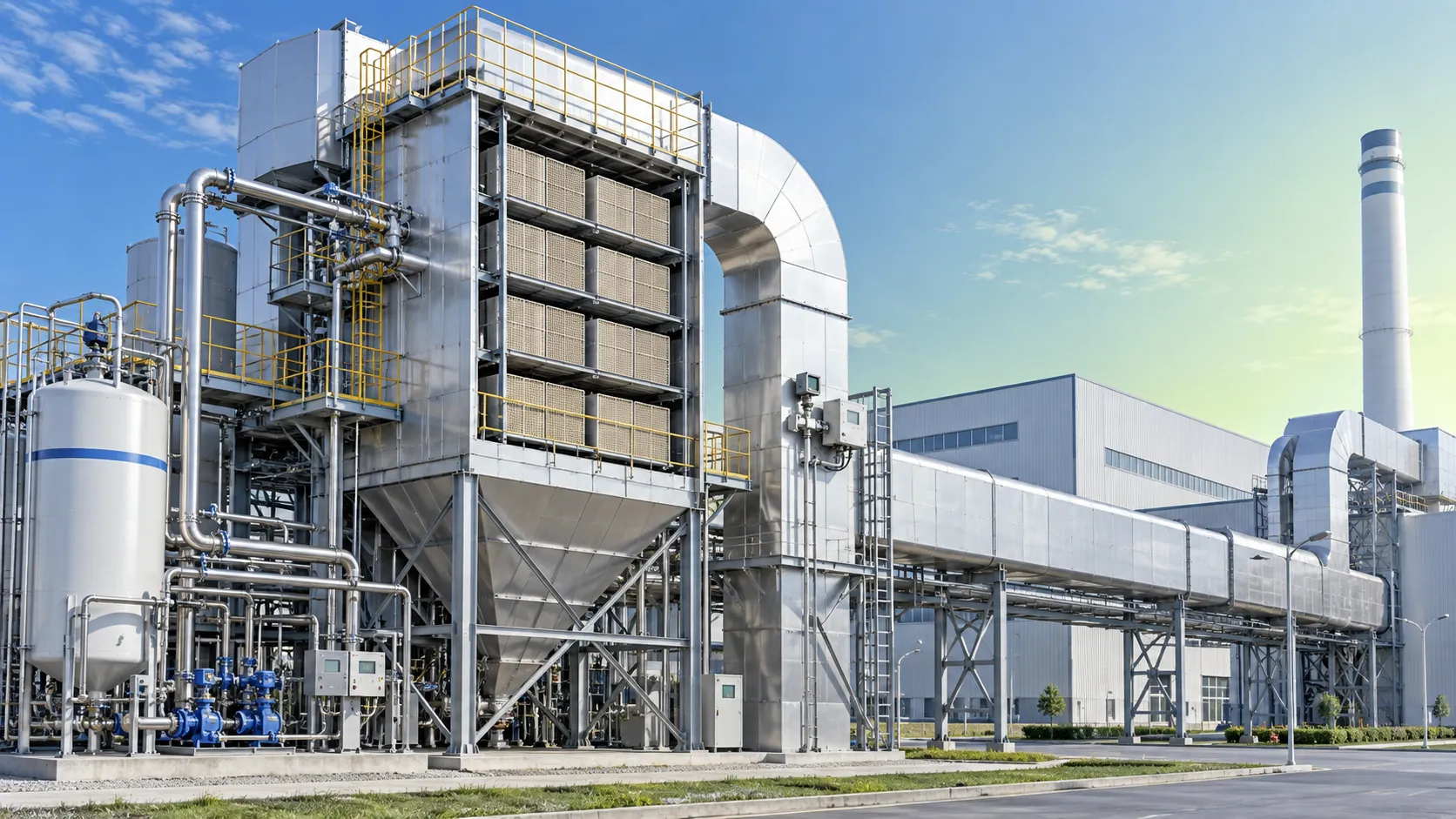
How SCR denitrification systems in Europe meet Industrial Emissions rules
SCR denitrification systems Europe: learn how permit-led design, ammonia-slip control, catalyst management and monitoring support Industrial Emissions compliance.
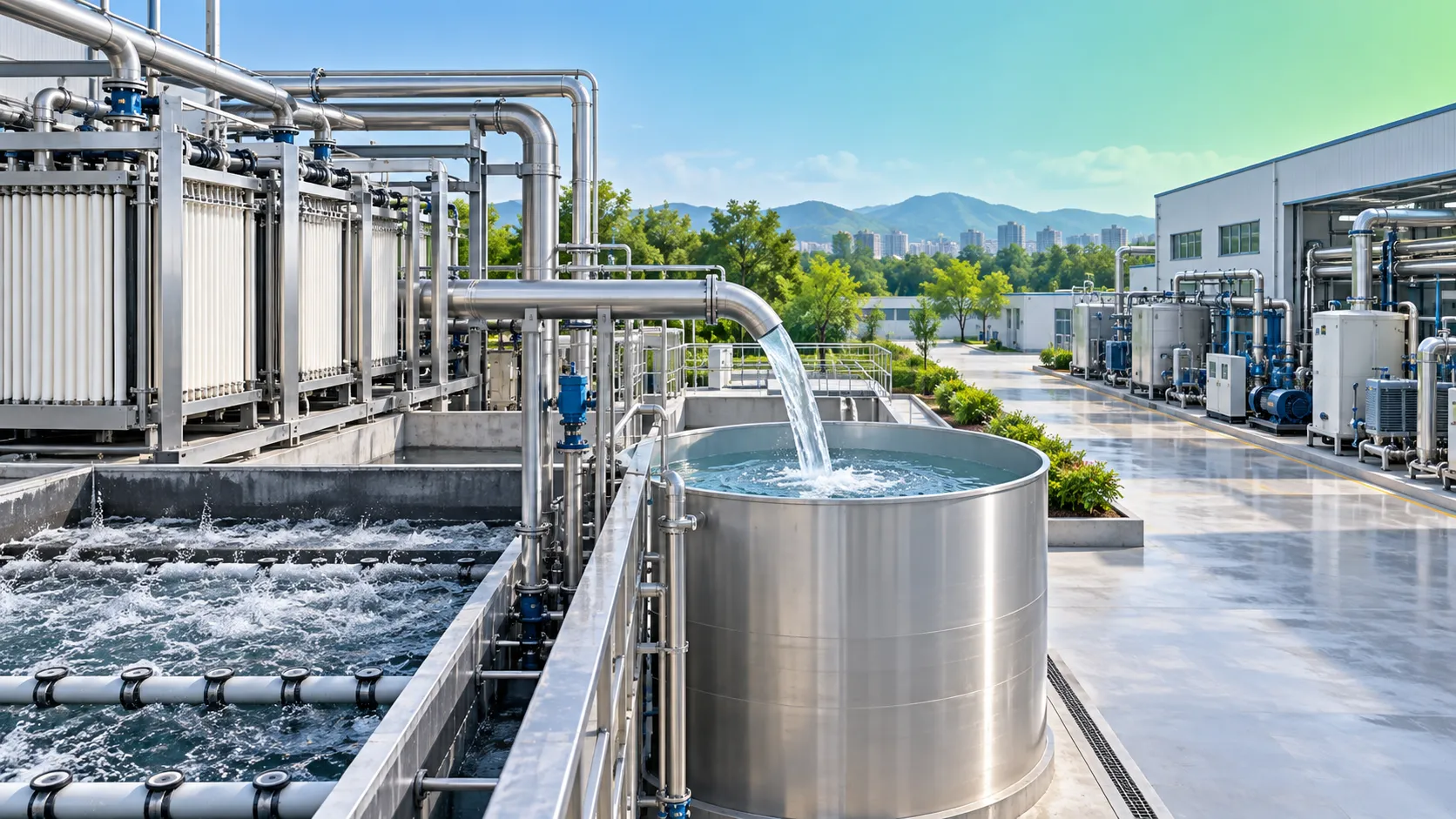
When does MBR equipment make sense for wastewater reuse?
Water treatment equipment for wastewater reuse: learn when MBR delivers compact, reliable low-solids effluent—and when alternative treatment trains offer better value.

How North America shapes global environmental governance standards
Global environmental governance North America: discover how regulation, finance, and procurement raise worldwide standards and reshape environmental projects.

How reactor capacity affects throughput in pyrolysis systems
Pyrolysis systems reactor capacity explained: learn how heat transfer, residence time, feed quality, and emissions controls determine reliable throughput.
When low-temperature reaction equipment is the right fit for heat-sensitive processes
Low-temperature reaction equipment helps protect heat-sensitive streams, improve energy integration, and maintain reliable conversion. Explore key selection factors today.
When do water reuse systems deliver a practical payback?
Water reuse systems deliver practical payback when they cut water, discharge, and downtime costs. Learn how to match treatment, recovery, and reuse quality for lasting ROI.
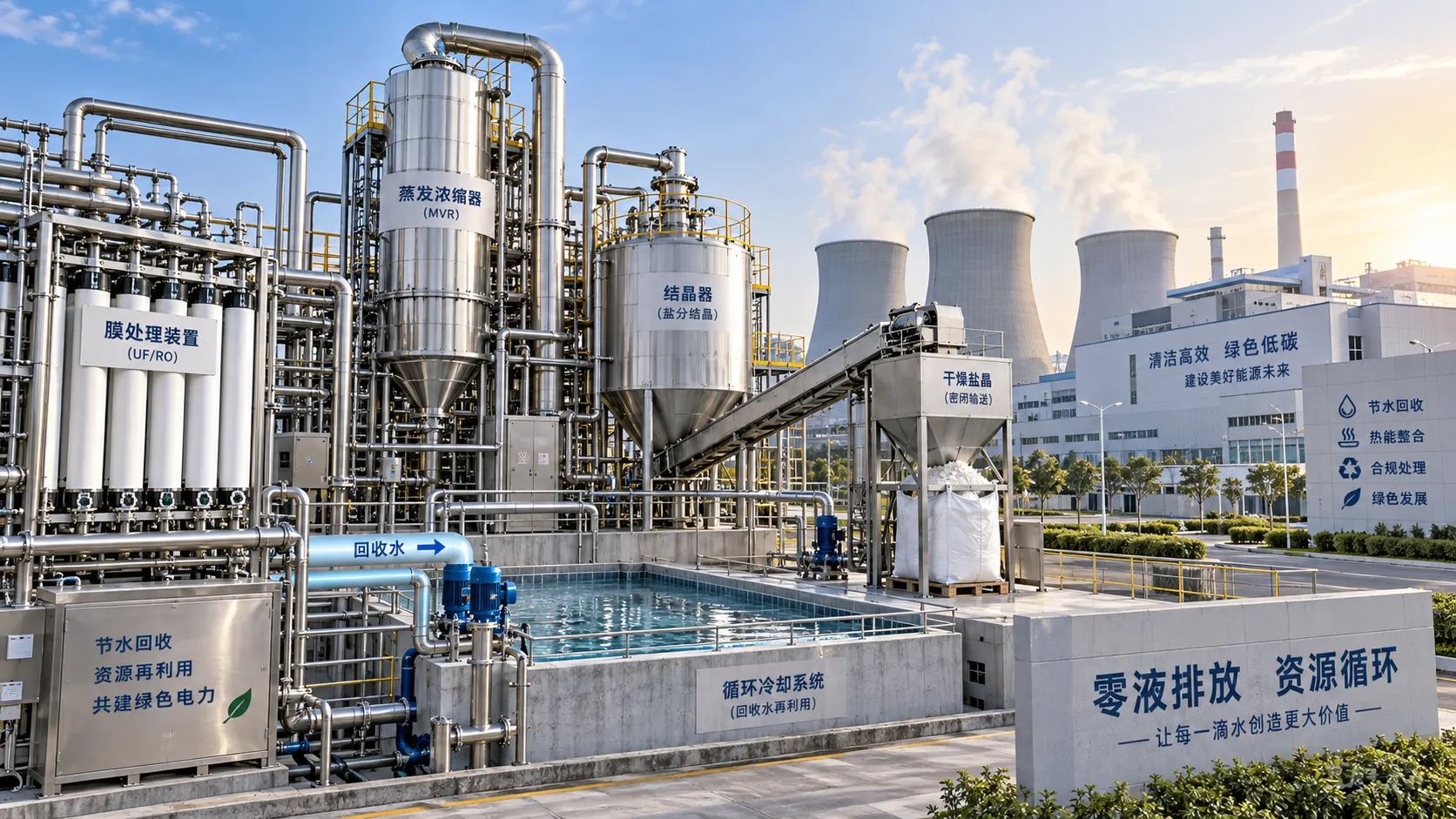
When do ZLD systems for power generation justify their energy use?
ZLD systems for power generation: learn when energy-intensive water recovery delivers stronger compliance, resilience, and long-term value.