
Industry News
Curation by industry experts
Hot Articles
Popular Tags
Where Urban Mining Waste Processing Still Breaks Down
Urban mining waste processing does not usually fail because the material lacks value. It breaks down because valuable material moves through a chain of unstable handoffs, each one introducing loss, contamination, delay, cost, or compliance risk.
For technical evaluators, the key issue is not theoretical recovery potential. It is whether the full system can consistently convert mixed urban waste streams into downstream-ready fractions at acceptable purity, throughput, and cost.
That means the real evaluation focus should sit between collection logic, pre-processing robustness, sorting accuracy, contamination management, and refining compatibility. This is where many projects look strong in presentations but weaken in operating reality.
Where urban mining waste processing still breaks down in practice
The core search intent behind this topic is practical diagnosis. Readers want to know where urban mining waste processing still fails operationally, why recovery systems underperform, and how to judge whether a plant design can actually sustain economic output.
For technical assessment teams, the most useful answer is not a generic overview of circular economy benefits. It is a stage-by-stage breakdown of failure points that affect feedstock quality, equipment utilization, recovered value, and compliance exposure.
Across electronics scrap, construction waste, municipal solids, batteries, and mixed industrial residues, the pattern is similar. System losses usually appear at interfaces, not at isolated machines. A sorter may work, while the upstream feed preparation makes it ineffective.
That is why urban mining projects should be evaluated as integrated process architectures. A strong line is not one with the most advanced unit operations. It is one with stable handoffs, measurable quality control, and realistic tolerance for incoming variability.
Why feedstock instability remains the first major bottleneck
The largest technical weakness in urban mining waste processing is inconsistent feedstock. Urban waste streams are not ore bodies with stable grades. They vary by geography, policy, season, collection behavior, informal recovery, and product design cycles.
In project proposals, feedstock is often described by average composition. For evaluators, average composition is rarely enough. What matters more is variance, contamination frequency, particle size distribution, moisture swings, and the presence of difficult composite materials.
A line built for high-value recovery can quickly underperform if the incoming stream contains too many fines, too much moisture, or unexpected bonded materials. These factors reduce sensor accuracy, clog mechanical systems, and lower downstream recovery yields.
Electronics recycling shows this clearly. Printed circuit boards, cables, plastics, batteries, displays, and steel housings arrive together, but not in a predictable ratio. Even small changes in product mix can alter shredding behavior and separation performance.
Construction and demolition waste creates a different version of the same problem. Concrete, gypsum, wood, plastics, insulation, and metals may be present in large volumes, yet the purity of any recovered fraction depends heavily on pre-demolition discipline and site segregation.
Technical evaluators should therefore ask a basic question early: is the process designed around real feedstock variability, or around idealized material assumptions? Many operational disappointments start with this mismatch rather than with equipment quality alone.
Collection and pre-sorting are still weaker than downstream technology
One of the most overlooked breakdown points is the front end. Collection systems and pre-sorting logic often lag behind the sophistication of optical sorting, eddy current separation, hydrometallurgy, or thermal treatment technologies further downstream.
If materials arrive poorly segregated, compacted, wet, or mixed with hazardous components, even advanced recovery lines lose efficiency. This is especially true when urban mining waste processing depends on precise classification before high-value recovery steps.
Many facilities invest heavily in sorting equipment but underinvest in collection protocol design, transfer station quality checks, and operator training. The result is a technically strong plant receiving commercially weak feedstock that erodes expected returns.
In battery recycling, for example, unsafe collection and inadequate state-of-charge control create risks long before black mass recovery begins. Fire hazards, damaged modules, and undocumented chemistries complicate dismantling and contamination management.
For mixed municipal recyclables, the issue is often packaging complexity. Multi-layer films, black plastics, food residue, labels, and incompatible polymers reduce the ability of sorting systems to create saleable outputs. The problem began at disposal behavior, not at detection hardware.
Technical due diligence should include upstream system maturity. Without disciplined collection architecture, traceability, and acceptance standards, downstream processing becomes a constant compensation exercise rather than a controlled recovery operation.
Contamination control is where economic value often disappears
Urban mining depends on concentration of value. But contamination dilutes that value at every stage. In many projects, contamination is treated as a side issue when it is actually central to commercial performance and regulatory compliance.
Contamination appears in different forms: embedded food waste in packaging streams, chlorine in plastic fractions, leaded glass in electronics scrap, oil and dirt in metal-bearing waste, or cross-chemistry contamination in end-of-life batteries.
These contaminants do more than reduce sale price. They can damage shredders, alter thermal behavior, poison refining reactions, trigger emission control burdens, and create residue streams that require expensive disposal rather than profitable recovery.
Plastic recovery illustrates this well. A polymer fraction may look acceptable by weight percentage, yet brominated flame retardants, PVC traces, or additive complexity can make it unsuitable for higher-value reuse applications. Material is recovered, but value is not.
In metal recovery, contamination can lower smelter acceptance or impose treatment penalties. Downstream refiners do not pay for theoretical composition. They pay for material that meets handling, chemistry, and impurity thresholds with reliable consistency.
Technical evaluators should examine contamination control as a system function. This includes source separation, de-pollution steps, enclosure and dust handling, wash circuits, quality testing, and reject management. If these controls are weak, headline recovery rates can be misleading.
Sorting accuracy alone does not guarantee downstream readiness
Sorting technology has advanced quickly, especially with AI vision systems, near-infrared identification, robotics, and sensor fusion. But a common industry mistake is to confuse sorting recognition performance with bankable downstream material quality.
A sensor may identify target material correctly under controlled conditions. The harder question is whether the sorted stream remains consistent enough for refining, remanufacturing, chemical recovery, or regulatory shipment standards under variable plant conditions.
Throughput pressure often exposes this gap. As facilities push for higher tonnage, material presentation deteriorates, overlap increases, and mis-sorts rise. Operators then face the trade-off between speed and purity, which directly affects product value.
Particle size reduction introduces another challenge. Shredding can liberate value, but it can also create fines that are difficult to recover and easy to contaminate. Fines management remains a weak point in many urban mining waste processing systems.
When a process relies on multiple sort passes, each additional step can improve purity but also reduce yield and increase handling cost. Evaluators should therefore assess not only sorting efficiency, but mass balance consequences across the full line.
The best question is simple: can the sorted fractions be sold or refined without exceptional rework? If not, the sorting architecture may be technically impressive but commercially incomplete.
Downstream refining is often less flexible than project models assume
Many urban mining business cases assume that once a fraction is separated, downstream recovery value will follow. In reality, refining capacity is selective, specification-driven, and often intolerant of inconsistent feed streams.
A recovered copper-rich fraction, battery black mass, plastic flake, or aluminum concentrate still needs a compatible downstream outlet. If impurity levels fluctuate or documentation is weak, refiners may discount the material or reject it entirely.
This is one reason handoff failure is so important. The upstream processor may report successful recovery, while the downstream buyer sees unstable chemistry, unsuitable particle size, or problematic contaminants. Value then collapses between process stages.
Battery recycling is again instructive. Black mass can contain lithium, nickel, cobalt, graphite, electrolyte residues, fluorine compounds, and mixed cathode chemistries. Without stable characterization, hydrometallurgical recovery performance can vary sharply.
For waste plastics, the problem may be application mismatch. Mechanical recycling requires narrow quality windows for many higher-value end uses, while chemical recycling routes may tolerate some contamination but demand different economics and scale assumptions.
Evaluators should map the full qualification path from output fraction to final buyer specification. If the project depends on downstream flexibility that has not been contractually or technically validated, the process risk remains high.
Compliance pressure is no longer a secondary design consideration
Environmental compliance has become a decisive factor in urban mining waste processing economics. As regulations tighten, plants must manage not only recovery efficiency, but also emissions, worker safety, residue classification, traceability, and transboundary shipment rules.
This is especially important where thermal treatment, chemical leaching, battery dismantling, or hazardous component removal are involved. A process that looks profitable before compliance costs may become marginal after full air, water, and residue controls are included.
Technical evaluators should pay close attention to dust capture, wastewater treatment, off-gas treatment, residue stabilization, and fire prevention systems. These are not peripheral utilities. In many facilities, they determine permit viability and operating continuity.
Extended producer responsibility rules, waste shipment restrictions, and product-specific take-back frameworks also shape feedstock access and output destinations. Processing design cannot be separated from the evolving legal architecture around waste and secondary materials.
For globally exposed operators, the situation is even more complex. Carbon accounting, recycled content claims, and green procurement standards increasingly influence market access. Recovery plants need both material performance and documentation credibility.
In short, compliance pressure now acts as a process design parameter. Projects that understate this reality may encounter expensive retrofits, delayed ramp-up, or impaired commercialization.
How technical evaluators should judge whether a system is robust
For technical assessment teams, the most useful framework is to evaluate urban mining waste processing through five linked tests: feedstock realism, handoff stability, contamination resilience, downstream compatibility, and compliance completeness.
First, check whether the material characterization reflects operating reality. Look for variance data, not just average composition. Strong projects define feed envelopes, upset conditions, and rejection criteria instead of assuming homogeneous input quality.
Second, analyze handoff points. Review how materials move from collection to pre-treatment, from size reduction to sorting, and from sorting to refining. Most hidden losses appear at these transitions through mixing, damage, dust generation, or purity decline.
Third, test contamination resilience. Ask what contaminants are expected, how they are detected, where they are removed, and what happens when concentrations exceed thresholds. A robust system has a control strategy, not just a contamination assumption.
Fourth, validate marketability. Identify actual buyers, acceptance specifications, penalty structures, and qualification history. Revenue quality matters as much as recovery quantity. Secondary material that cannot clear downstream specifications has limited strategic value.
Fifth, assess the environmental control backbone. Examine water loops, emissions systems, hazardous residue handling, and digital traceability. In modern projects, environmental infrastructure is inseparable from process performance and bankability.
The overall judgment: value exists, but integration still decides success
The main lesson is clear. Urban mining waste processing still breaks down less because of a lack of recoverable value and more because the system cannot consistently protect that value across unstable, contaminated, and compliance-sensitive process chains.
For technical evaluators, the right posture is disciplined skepticism. Do not evaluate isolated technologies in abstraction. Evaluate whether the full architecture can absorb real-world feedstock variability and still produce downstream-ready outputs under regulatory constraints.
The strongest projects are usually not those making the highest recovery claims. They are the ones with realistic feed assumptions, well-designed front-end controls, transparent mass balance logic, qualified offtake pathways, and compliance systems sized for actual risk.
As circular economy investment grows, this distinction will become more important. Urban mines are real, but they are operationally difficult. Economic success depends on integration quality, not on the headline promise of material value alone.
That is where technical evaluation creates the most value: identifying whether a project has solved the hard interfaces between collection, sorting, contamination control, and refining, or whether those interfaces remain the point where performance still breaks down.
Recommended News
How feed salinity affects energy use in ZLD system brine treatment
ZLD system brine treatment: discover how feed salinity drives energy use, scaling risk, and technology choices for efficient, reliable zero liquid discharge.

How coastal cities can select desalination solutions for peak demand
Seawater desalination solutions for coastal cities: compare firm peak capacity, intake risk, energy resilience, and lifecycle value to secure reliable water supply.
How SCR denitrification systems in Europe meet Industrial Emissions rules
SCR denitrification systems Europe: learn how permit-led design, ammonia-slip control, catalyst management and monitoring support Industrial Emissions compliance.
When does MBR equipment make sense for wastewater reuse?
Water treatment equipment for wastewater reuse: learn when MBR delivers compact, reliable low-solids effluent—and when alternative treatment trains offer better value.
How North America shapes global environmental governance standards
Global environmental governance North America: discover how regulation, finance, and procurement raise worldwide standards and reshape environmental projects.
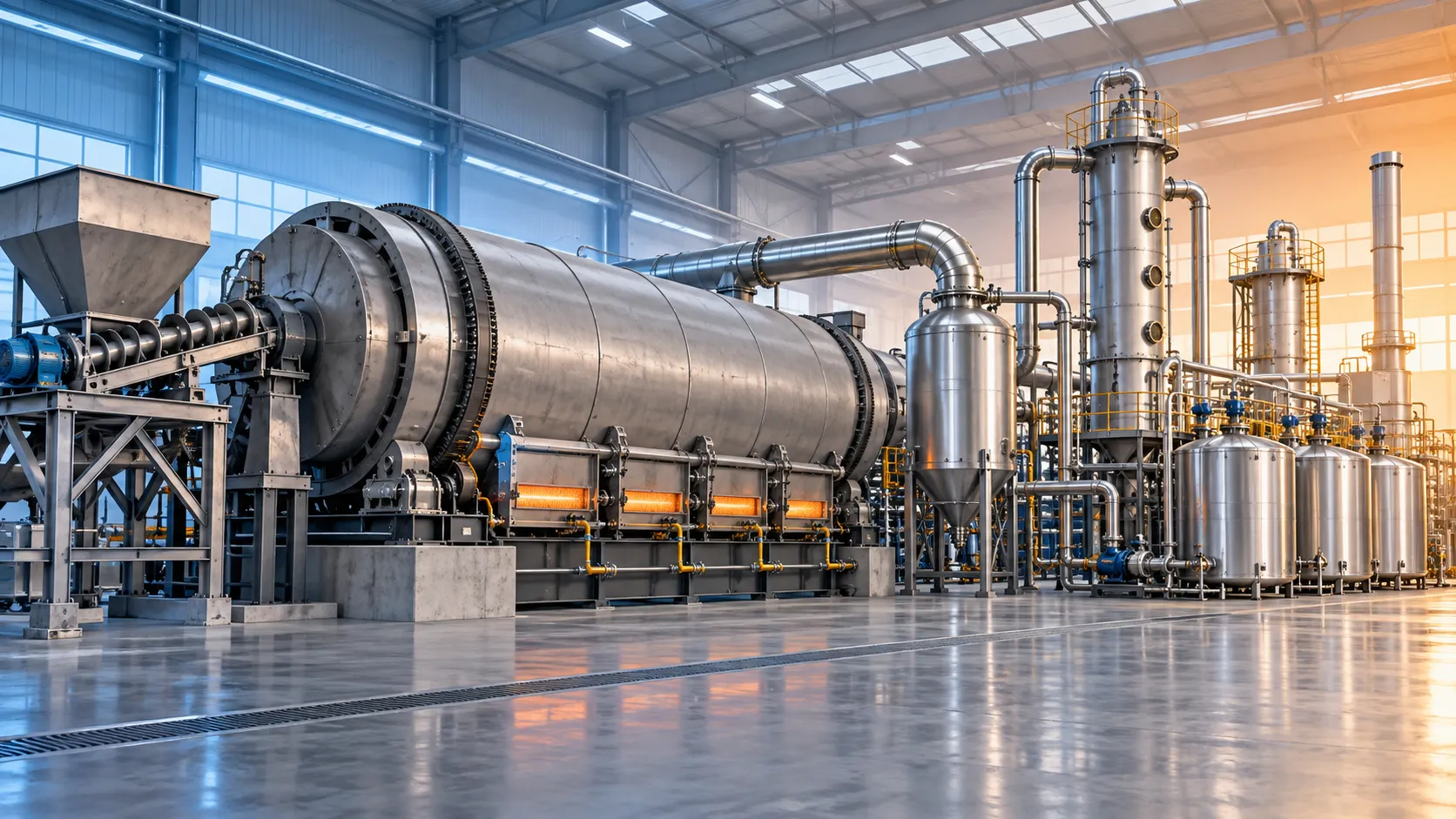
How reactor capacity affects throughput in pyrolysis systems
Pyrolysis systems reactor capacity explained: learn how heat transfer, residence time, feed quality, and emissions controls determine reliable throughput.
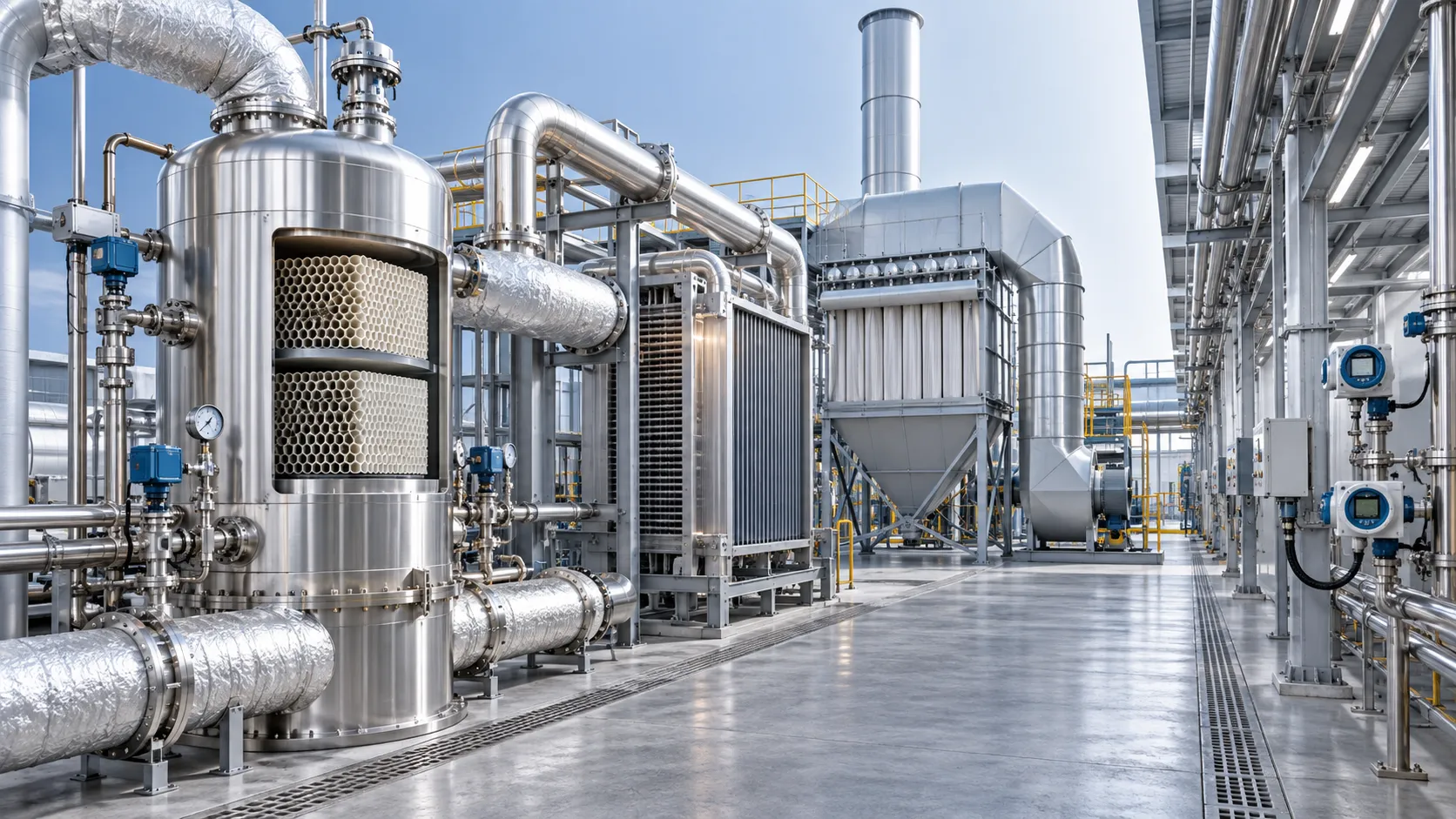
When low-temperature reaction equipment is the right fit for heat-sensitive processes
Low-temperature reaction equipment helps protect heat-sensitive streams, improve energy integration, and maintain reliable conversion. Explore key selection factors today.
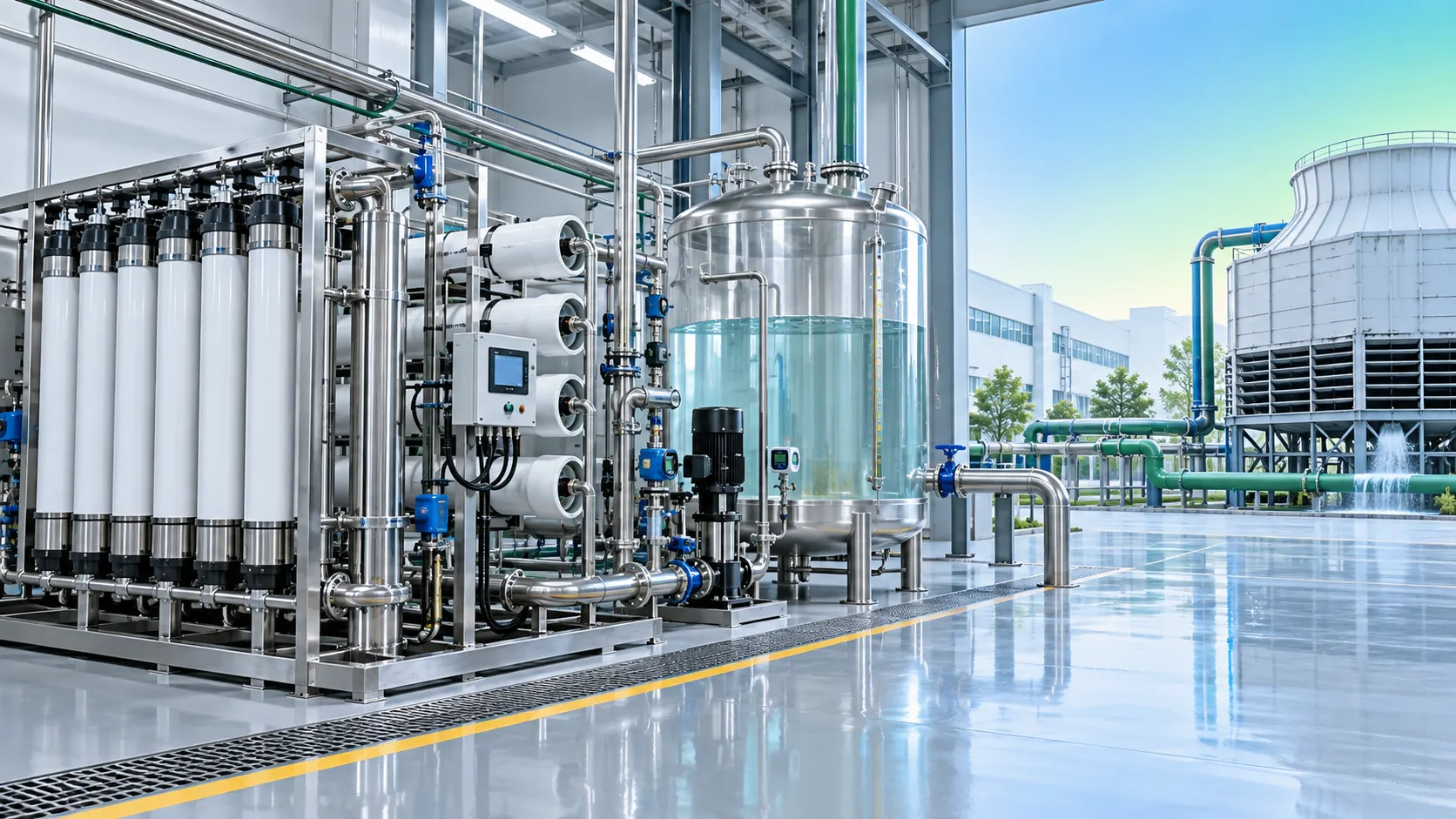
When do water reuse systems deliver a practical payback?
Water reuse systems deliver practical payback when they cut water, discharge, and downtime costs. Learn how to match treatment, recovery, and reuse quality for lasting ROI.
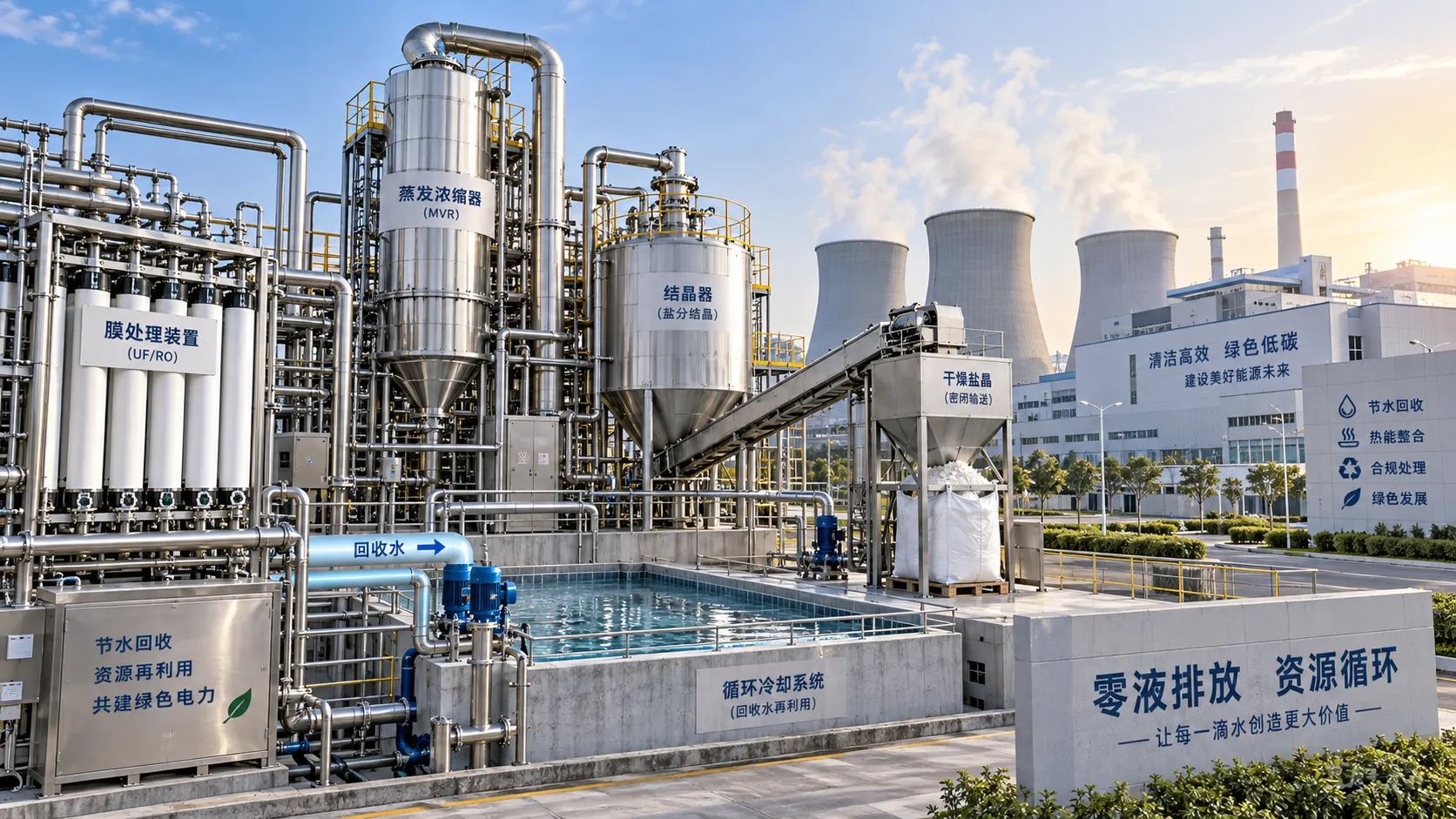
When do ZLD systems for power generation justify their energy use?
ZLD systems for power generation: learn when energy-intensive water recovery delivers stronger compliance, resilience, and long-term value.