
Industry News
Curation by industry experts
Hot Articles
Popular Tags
Radioactive Waste Storage Facilities Face New Pressure
Radioactive waste storage facilities are under sharper pressure because the debate has moved beyond routine containment. Regulators now expect stronger proof of long-term integrity, communities demand transparency, and operators face stricter compliance, higher monitoring costs, and rising reputational risk.
For information researchers, the key takeaway is clear: this is not simply a story about aging infrastructure or political controversy. It is a structural shift in nuclear waste management, where technical resilience, public acceptance, and regulatory alignment increasingly determine whether facilities remain viable.
What Is Driving New Pressure on Radioactive Waste Storage Facilities?
The pressure on radioactive waste storage facilities comes from several forces converging at once. First, many countries are re-evaluating how interim storage can safely bridge the long timeline before permanent disposal solutions are fully available.
Second, safety expectations are changing. It is no longer enough for operators to show that a facility meets yesterday’s licensing requirements. Authorities increasingly want evidence that systems can withstand more complex stress scenarios over longer periods.
These scenarios include climate-related flooding, heat extremes, seismic events, corrosion, power disruptions, cyber risks in monitoring systems, and human-factor failures in maintenance or emergency response. Each factor raises questions about whether existing safeguards are still sufficient.
Third, public trust has become a central operational issue. Communities near radioactive waste storage facilities increasingly expect open reporting, independent oversight, and visible contingency planning. Even technically compliant sites can face pressure if communication is weak or confidence is low.
Finally, nuclear energy policy itself is changing the context. As some governments expand nuclear generation to support decarbonization, the back-end waste question becomes more visible. More reactors or longer reactor lifetimes mean greater attention on storage capacity, logistics, and long-term stewardship.
Why Researchers Should Treat This as More Than a Regulatory Story
For the target reader, the most useful framing is that renewed scrutiny affects not just safety documents, but the whole value chain around nuclear waste management. Storage performance now influences procurement priorities, infrastructure planning, insurance assumptions, and social license.
That matters because radioactive waste storage facilities are rarely judged only on technical design. They are judged on whether they can demonstrate durable containment, traceable operations, and credible governance across decades rather than quarterly reporting cycles.
Researchers tracking industry developments should therefore watch three layers at the same time: engineering reliability, regulatory evolution, and stakeholder response. Looking at only one layer can produce misleading conclusions about the actual pressure facing a facility or operator.
For example, a site may remain technically sound while still facing intensified review because national waste policy changes. Conversely, a facility may face less public controversy yet still require major upgrades due to emerging inspection findings or revised environmental standards.
In other words, the current pressure is systemic. It reflects a higher benchmark for proving that storage systems can remain safe, governable, and socially defensible under changing environmental, political, and industrial conditions.
Which Questions Matter Most When Evaluating a Storage Facility?
Information researchers usually gain more value by asking practical evaluation questions instead of relying on broad claims about safety. The first question is whether the facility is designed for the actual waste profile it stores, including heat load, radioactivity, chemical behavior, and expected storage duration.
A second critical question concerns containment barriers. Researchers should examine whether the facility relies on single-point protection or a layered defense strategy involving waste form stability, canister integrity, engineered barriers, ventilation, shielding, drainage, and site controls.
The third question is how aging is managed. Many radioactive waste storage facilities were not originally built with today’s extended timelines or stress assumptions in mind. Material degradation, corrosion pathways, seal performance, and monitoring access all deserve close attention.
Fourth, it is important to assess monitoring quality. A robust facility should support continuous or routine inspection of radiation, temperature, structural condition, groundwater interactions where relevant, and container performance, with clear procedures for anomaly detection and escalation.
Fifth, researchers should examine emergency preparedness. The issue is not only whether an emergency plan exists, but whether the plan is realistic under compound events such as severe weather combined with power loss, transportation disruption, or staffing constraints.
Finally, governance matters. Facilities under new pressure are often those where documentation, accountability, contractor coordination, or communication channels are fragmented. Strong governance can reduce risk exposure even before major capital upgrades are completed.
How Safety Expectations Are Expanding Beyond Traditional Compliance
One of the biggest changes is that traditional compliance no longer guarantees strategic confidence. A facility may satisfy licensing conditions, yet still face demands for additional safety margins if external risk assumptions have changed since the original approval.
This is especially relevant for interim storage facilities, which in practice may operate longer than initially expected. The longer the storage horizon becomes, the more important it is to revisit assumptions about container lifespan, maintenance intervals, institutional continuity, and funding durability.
Another shift involves the growing importance of resilience thinking. Regulators and expert observers increasingly evaluate how facilities respond to low-probability but high-consequence disruptions, rather than only normal operating conditions or isolated design-basis events.
That broader lens also brings environmental compliance into sharper focus. Runoff management, groundwater protection, secondary contamination prevention, waste handling traceability, and decommissioning preparedness are receiving more attention alongside radiological controls.
As a result, radioactive waste storage facilities face pressure not only to remain safe, but to prove adaptability. Facilities that can document periodic reassessment, conservative maintenance practices, and transparent reporting are generally better positioned under tougher scrutiny.
Where the Biggest Risks Usually Emerge
The most serious risks often do not come from one dramatic failure, but from cumulative weaknesses. Deferred maintenance, incomplete inspection data, underestimated climate exposure, unclear contractor roles, and aging infrastructure can interact in ways that gradually erode confidence.
Corrosion is a recurring concern, especially where metal canisters, reinforced concrete structures, saline environments, or variable humidity conditions are involved. Even if immediate containment remains intact, uncertainty about future degradation can trigger regulatory intervention or public alarm.
Capacity pressure is another major issue. When waste inventories grow faster than disposal pathways, storage systems can become operationally stressed. This may affect layout efficiency, cooling assumptions, handling frequency, and the flexibility needed for inspection or repackaging.
Data quality risk is also rising in importance. If condition monitoring is inconsistent, siloed, or difficult to audit, decision-makers cannot easily verify whether a facility’s safety case still reflects actual field conditions. That gap can become a serious compliance weakness.
Researchers should also watch for institutional risk. Leadership changes, funding uncertainty, and shifting national policy can delay upgrades, complicate long-term planning, or weaken coordination between operators, regulators, waste agencies, and local authorities.
What Stronger Facilities Are Doing Differently
Facilities that respond well to new pressure usually show a combination of technical discipline and governance maturity. They do not rely solely on legacy approval. Instead, they update risk models, strengthen monitoring regimes, and communicate openly about limitations and mitigation plans.
Many are investing in improved inspection technologies, including remote sensing, digital asset management, predictive maintenance tools, and better data integration across operational and compliance teams. The goal is earlier detection of degradation and more defensible decision-making.
Some operators are also revisiting storage architecture itself. That may include container upgrades, ventilation redesign, added shielding, flood protection, seismic reinforcement, modular expansion, or site drainage improvements depending on the facility type and hazard profile.
Equally important is organizational preparedness. Stronger facilities tend to conduct regular emergency drills, maintain clearer contractor accountability, and create more transparent interfaces with regulators and surrounding communities. These steps help reduce friction when scrutiny increases.
For researchers, this means that the most credible operators are not necessarily those claiming zero concern. They are often the ones openly documenting reassessment, showing where uncertainties exist, and demonstrating how risk is being reduced over time.
How This Pressure Could Reshape the Nuclear Waste Management Market
Renewed scrutiny is likely to affect procurement and investment patterns across the nuclear waste management ecosystem. As radioactive waste storage facilities face tighter expectations, demand may grow for more durable materials, advanced monitoring systems, and engineered barrier solutions.
Service providers focused on structural diagnostics, corrosion control, remote inspection, environmental monitoring, and compliance documentation could see stronger opportunities. The market may also reward solutions that improve traceability and simplify regulator-facing evidence collection.
At the policy level, new pressure may accelerate investment in consolidated storage strategies, repository development, or waste conditioning technologies that reduce long-term storage uncertainty. That would have implications for equipment suppliers, EPC firms, and specialized engineering consultants.
However, the market impact will not be uniform. Countries differ widely in reactor fleets, regulatory maturity, waste inventories, and public acceptance. Researchers should therefore avoid assuming that one national response model will translate neatly across jurisdictions.
The clearest trend is that back-end nuclear infrastructure is becoming more central to the credibility of clean energy expansion. In that sense, radioactive waste storage facilities are no longer a peripheral issue. They are increasingly a strategic test of nuclear responsibility.
How to Read Future Developments More Accurately
When new headlines emerge, researchers should ask whether the reported pressure is technical, regulatory, social, or political in origin. These categories often overlap, but distinguishing them helps identify whether a development signals immediate risk or longer-term structural change.
It is also useful to separate interim operational issues from fundamental design concerns. A corrective action notice, for example, does not necessarily mean a facility is unsafe. But repeated notices around monitoring, maintenance, or documentation may indicate deeper systemic weakness.
Pay attention to time horizon. A facility can appear stable in short-term performance while facing long-term uncertainty over material aging, disposal delays, or climate resilience. The most important judgments often depend on whether long-duration assumptions remain credible.
Researchers should also compare what operators say with what regulators require. If public messaging emphasizes compliance but regulatory records show repeated requests for additional justification, that gap may reveal where the real pressure is building.
Finally, track whether scrutiny leads to measurable action: capital upgrades, revised storage strategies, new technical standards, expanded monitoring, or institutional reform. Pressure matters most when it changes how radioactive waste storage facilities are designed, managed, and governed.
Conclusion
Radioactive waste storage facilities face new pressure because the world is demanding more than minimum containment. The standard is shifting toward long-term resilience, transparent governance, stronger environmental accountability, and credible readiness for uncertain future conditions.
For information researchers, the practical conclusion is straightforward. The most important question is not whether storage remains necessary, but whether each facility can prove it is technically robust, adaptively managed, and institutionally trustworthy over extended timeframes.
That is why this topic deserves close attention across policy, engineering, and market analysis. As nuclear power remains part of many decarbonization strategies, the quality of radioactive waste storage facilities will increasingly shape confidence in the entire nuclear value chain.
Recommended News
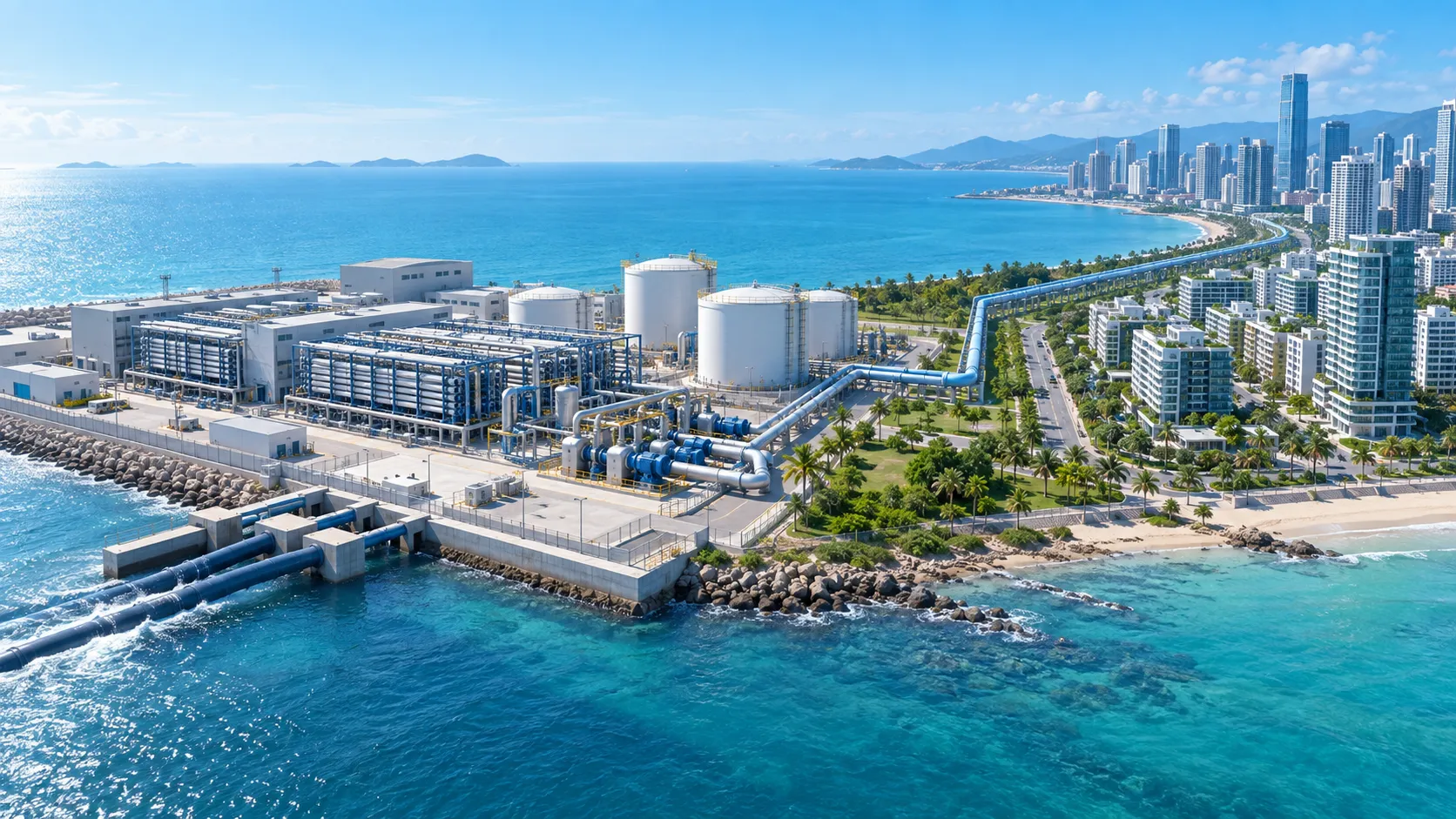
How coastal cities can select desalination solutions for peak demand
Seawater desalination solutions for coastal cities: compare firm peak capacity, intake risk, energy resilience, and lifecycle value to secure reliable water supply.
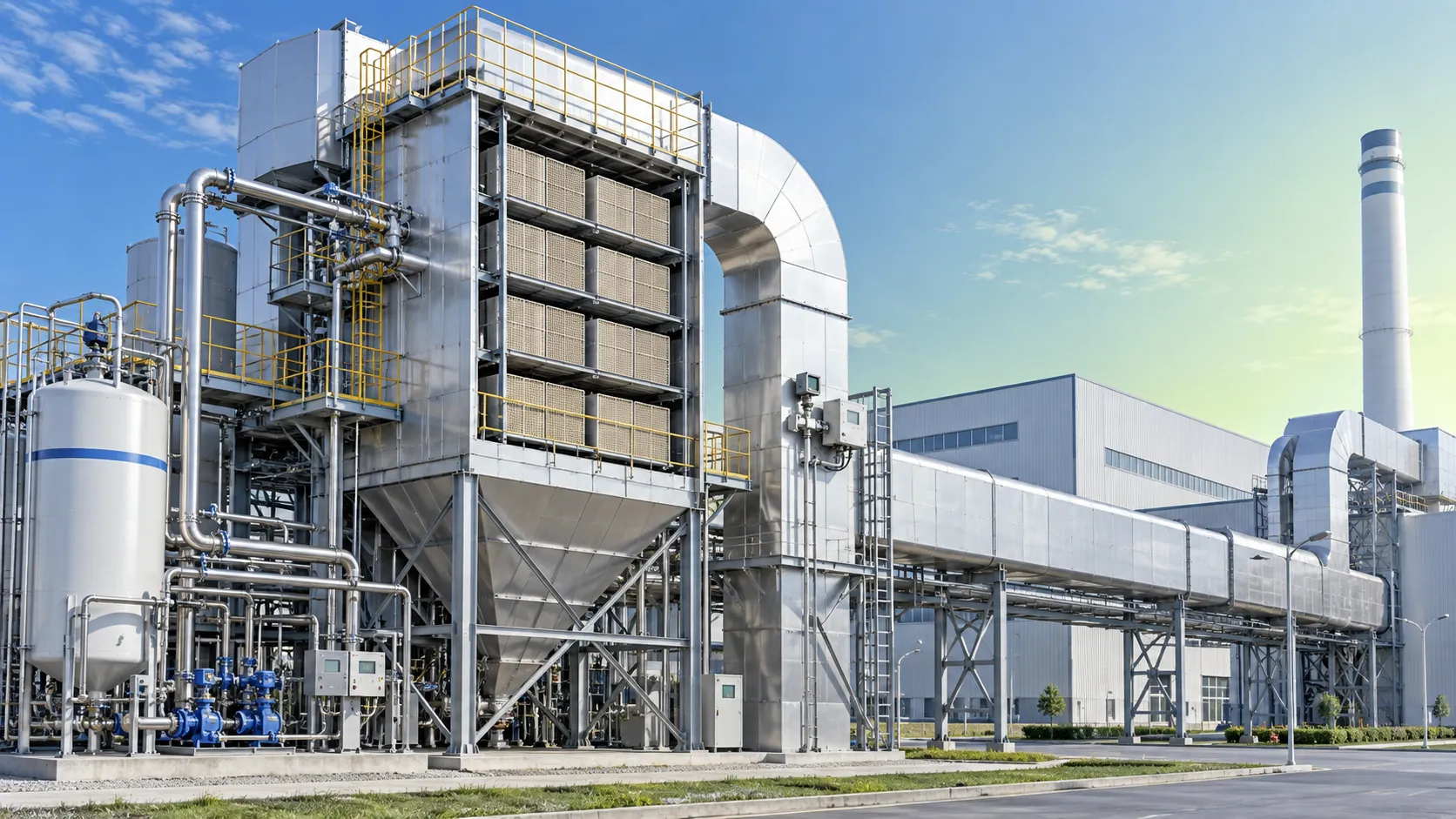
How SCR denitrification systems in Europe meet Industrial Emissions rules
SCR denitrification systems Europe: learn how permit-led design, ammonia-slip control, catalyst management and monitoring support Industrial Emissions compliance.
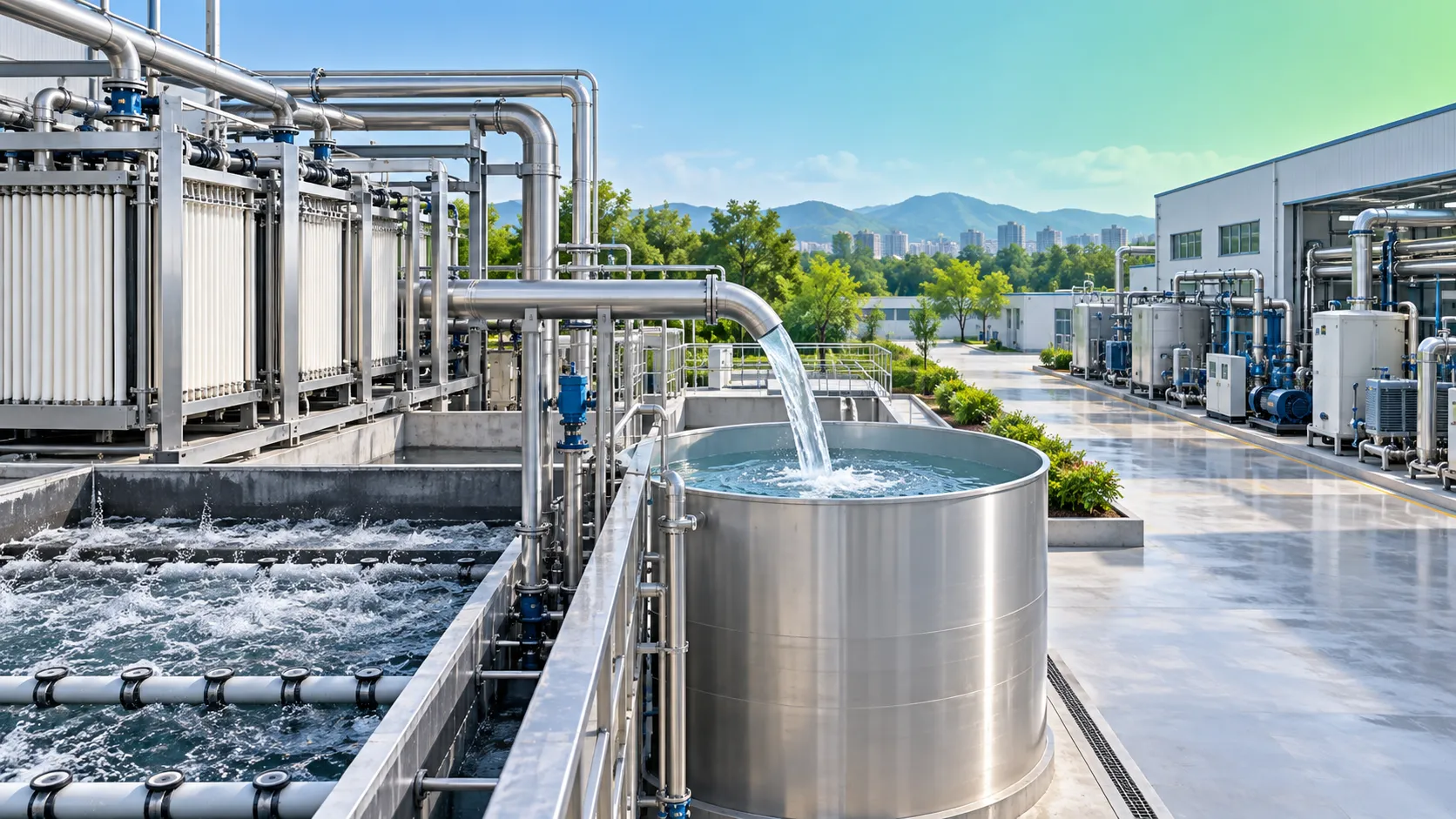
When does MBR equipment make sense for wastewater reuse?
Water treatment equipment for wastewater reuse: learn when MBR delivers compact, reliable low-solids effluent—and when alternative treatment trains offer better value.
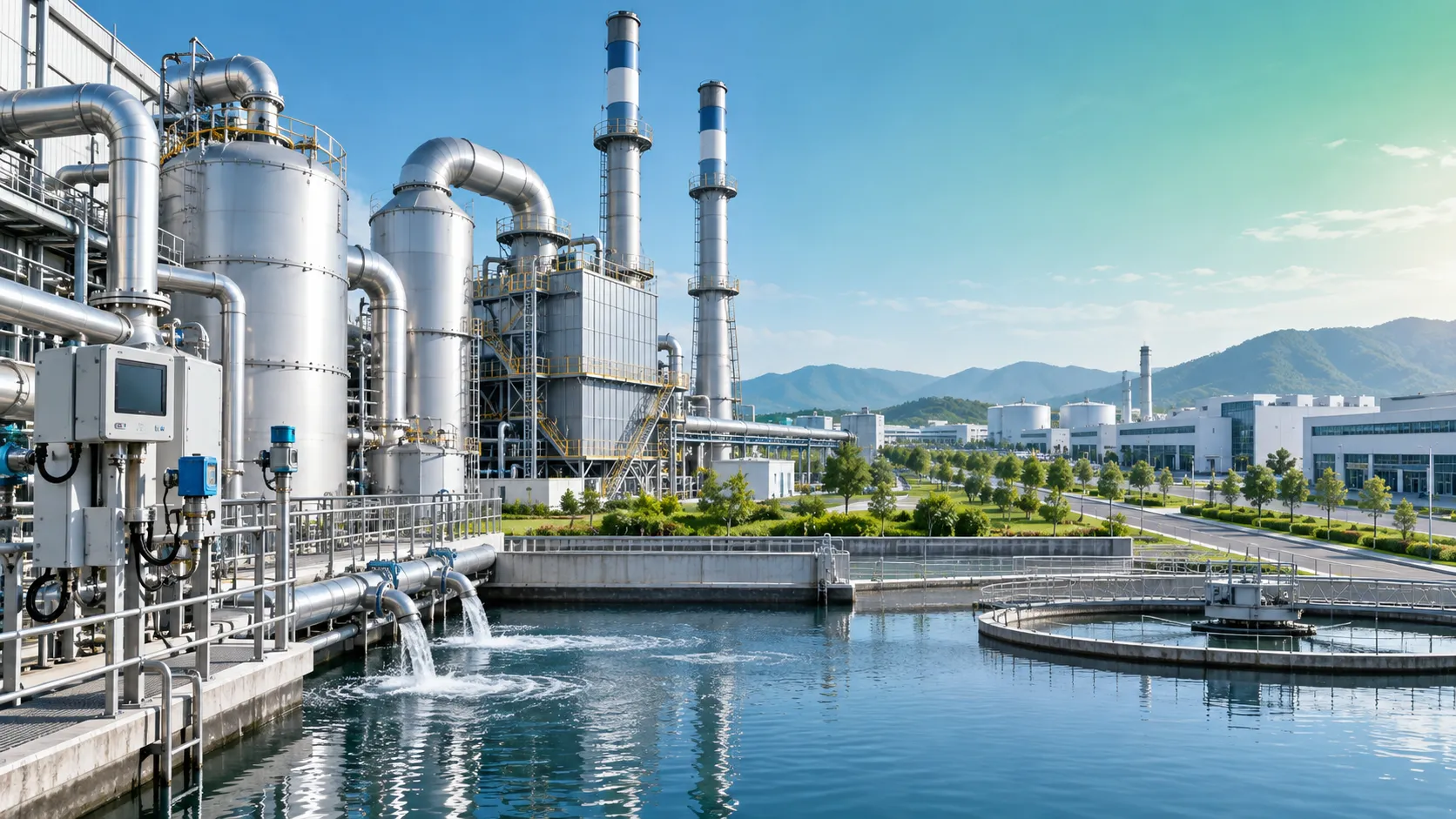
How North America shapes global environmental governance standards
Global environmental governance North America: discover how regulation, finance, and procurement raise worldwide standards and reshape environmental projects.
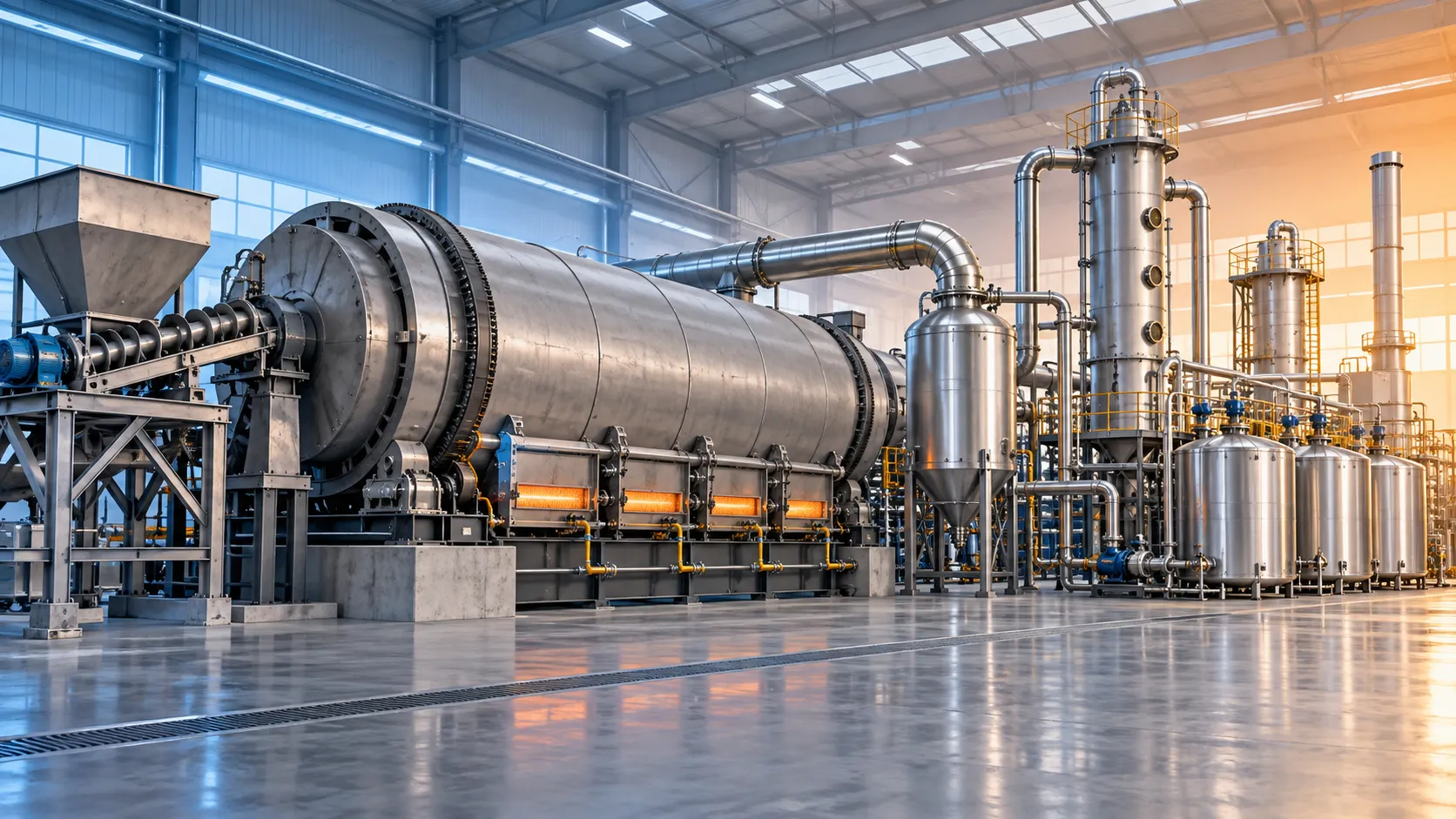
How reactor capacity affects throughput in pyrolysis systems
Pyrolysis systems reactor capacity explained: learn how heat transfer, residence time, feed quality, and emissions controls determine reliable throughput.
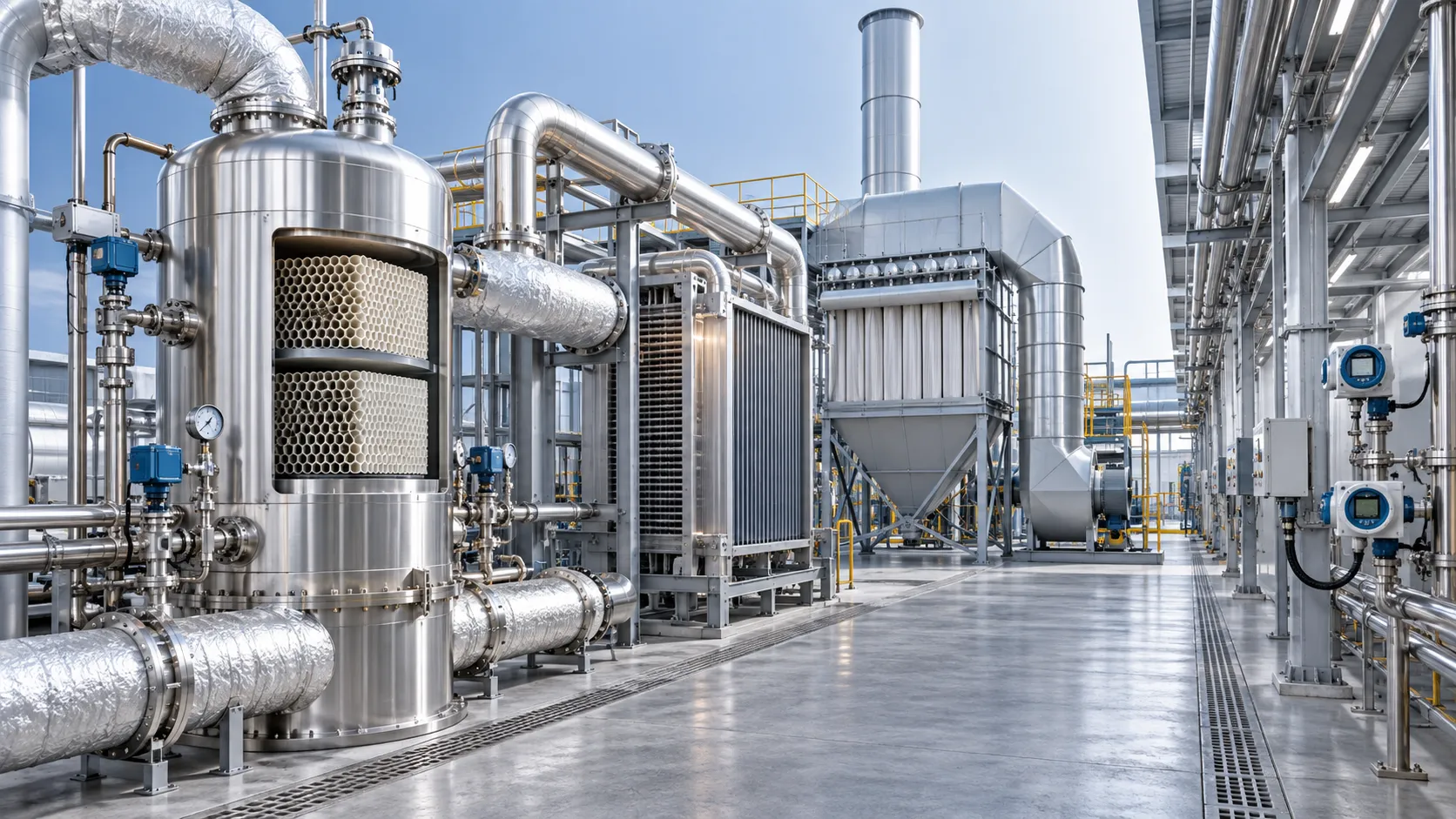
When low-temperature reaction equipment is the right fit for heat-sensitive processes
Low-temperature reaction equipment helps protect heat-sensitive streams, improve energy integration, and maintain reliable conversion. Explore key selection factors today.
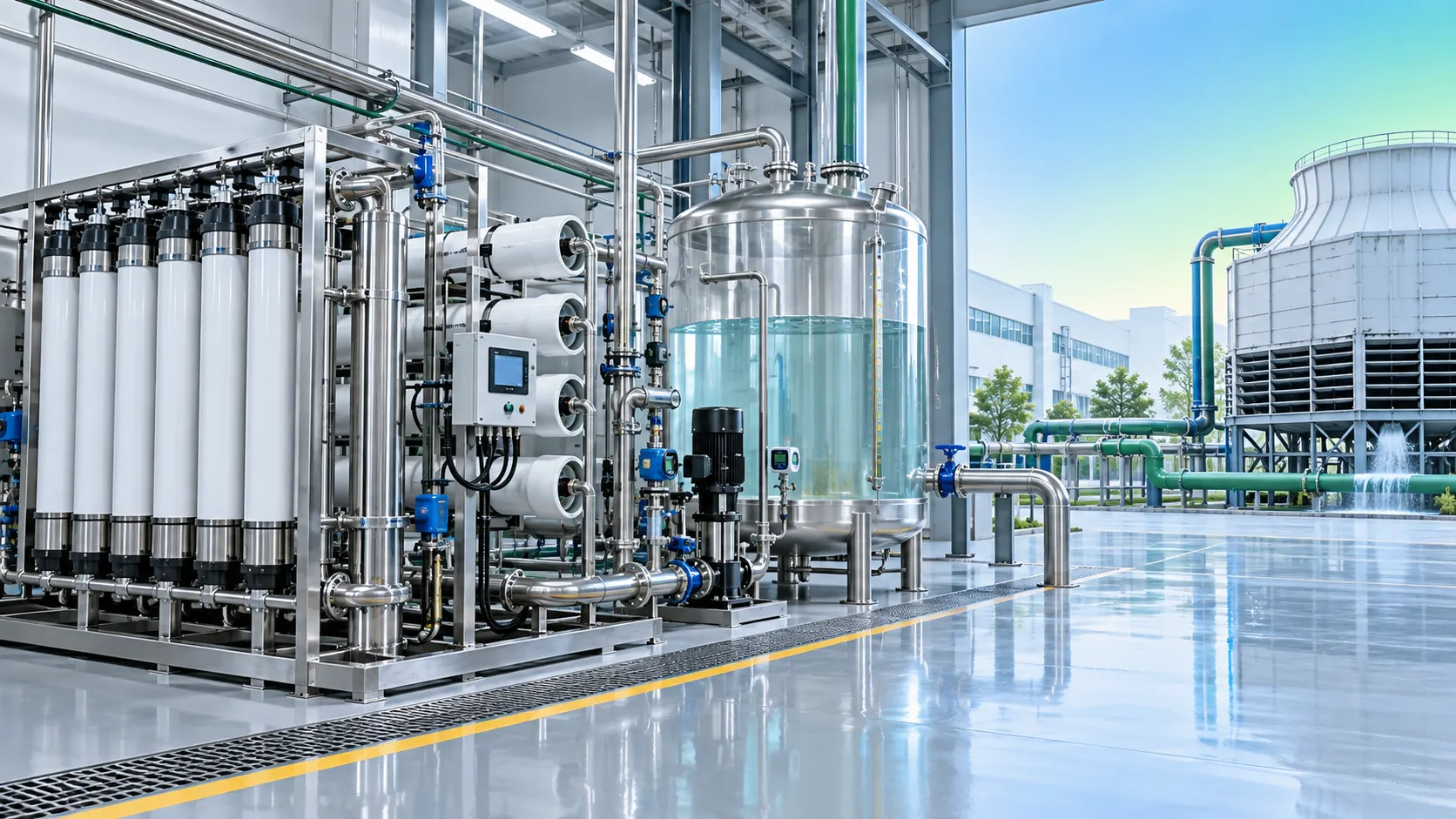
When do water reuse systems deliver a practical payback?
Water reuse systems deliver practical payback when they cut water, discharge, and downtime costs. Learn how to match treatment, recovery, and reuse quality for lasting ROI.
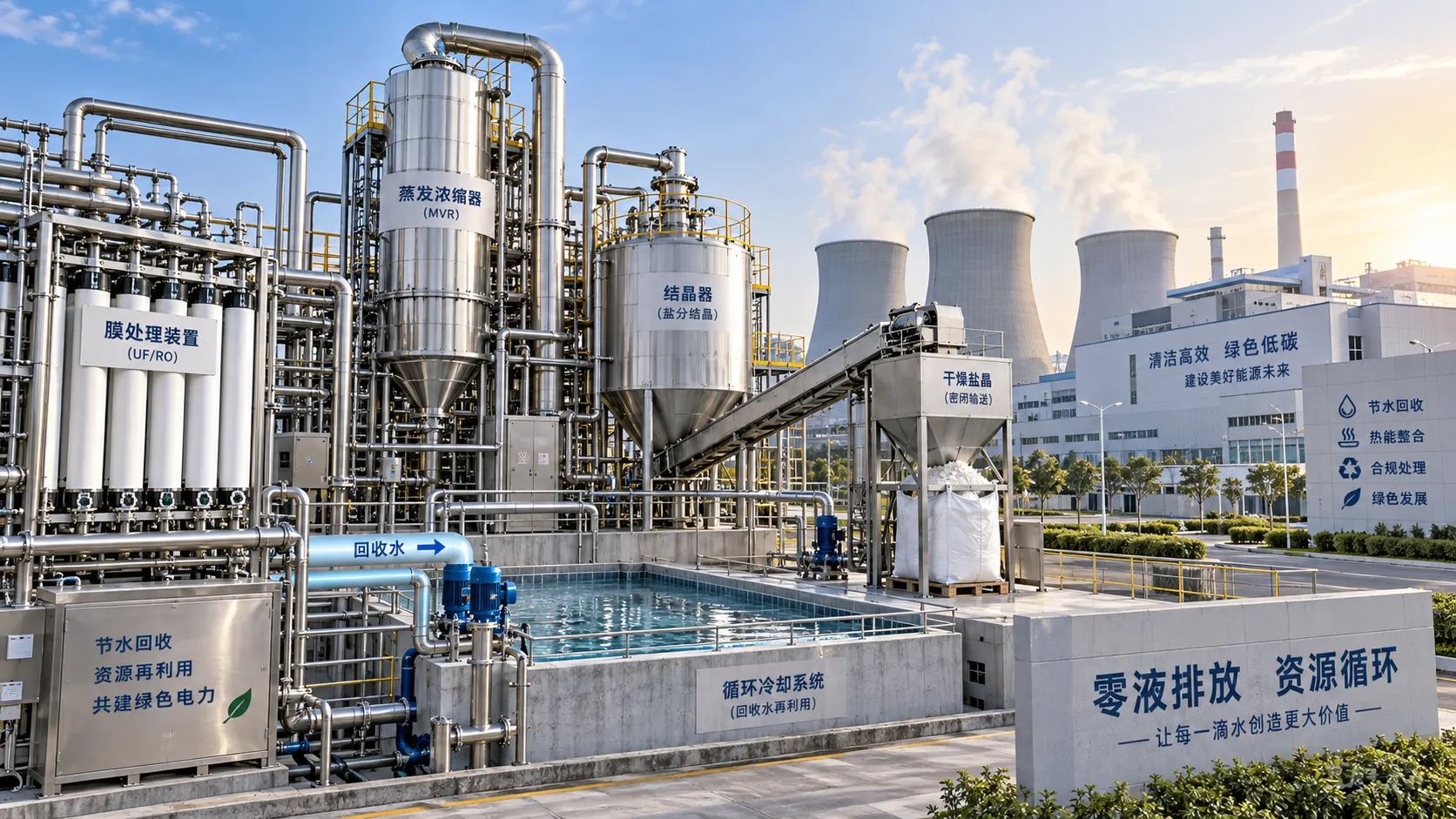
When do ZLD systems for power generation justify their energy use?
ZLD systems for power generation: learn when energy-intensive water recovery delivers stronger compliance, resilience, and long-term value.
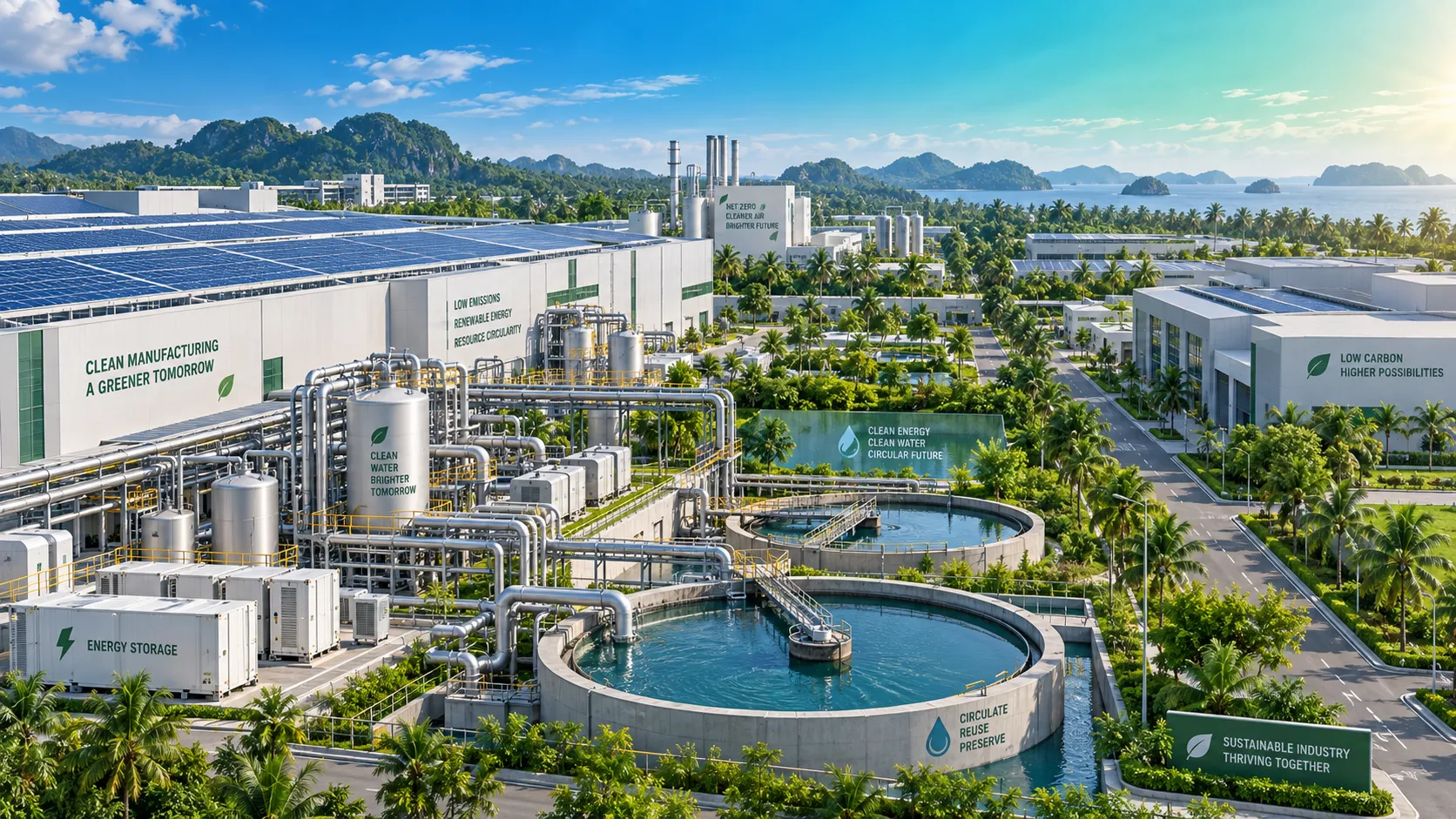
Which decarbonization pathways are most viable in Southeast Asia?
Decarbonization Southeast Asia: discover practical pathways for clean power, efficiency, electrification, circular recovery, and resilient industrial growth.