
Industry News
Curation by industry experts
Hot Articles
Popular Tags
Why Some Power Plant Decarbonization Plans Stall
Why Some Power Plant Decarbonization Plans Stall
Many decarbonization roadmaps fail during delivery, not strategy.
Targets may look credible on paper, yet execution often breaks under cost, timing, technology, and policy pressure.
That is why practical decarbonization solutions for power plants must be screened through a disciplined project lens.
A stalled program usually reflects weak alignment between engineering readiness, compliance obligations, fuel strategy, and asset life expectations.
For the broader environmental intelligence sector, this issue also connects with water treatment, flue gas control, waste handling, and long-term infrastructure resilience.
Why a Structured Evaluation Matters
Power plant decarbonization is not one decision.
It is a sequence of linked decisions involving fuel switching, carbon capture, turbine retrofits, cooling systems, emissions treatment, and financing structures.
When one assumption fails, the entire timeline can slip.
A checklist-based review helps identify hidden blockers before capital is committed.
It also improves selection among decarbonization solutions for power plants by separating technically possible options from commercially executable ones.
This approach is especially relevant where environmental compliance is tightening and carbon cost exposure is rising.
Core Checks Before Choosing Decarbonization Solutions for Power Plants
- Confirm whether the plant has enough remaining asset life to justify retrofit payback, outage disruption, and future operating complexity.
- Verify fuel quality, grid role, dispatch profile, and load flexibility before selecting carbon capture, co-firing, or efficiency upgrades.
- Check water availability, wastewater treatment limits, and cooling integration because several low-carbon technologies sharply increase water demand.
- Test if flue gas composition, temperature range, and impurity levels match the selected capture or emissions control technology.
- Map all permitting risks early, including carbon transport, storage approval, air permits, wastewater discharge, and land-use constraints.
- Stress-test capital assumptions against inflation, supply chain delays, interest rate shifts, and contractor availability in the target region.
- Review whether balance-of-plant systems, including steam, power distribution, and controls, can support the retrofit without major redesign.
- Assess if the decarbonization pathway preserves availability, ramping capability, and reliability under realistic operating conditions.
- Confirm the project has measurable compliance value under present regulation, not only under optimistic future policy scenarios.
- Examine long-term byproducts, solvent waste, ash changes, or captured CO2 logistics so environmental burdens are not merely shifted.
The Most Common Reasons Plans Stall
1. Technology Fit Is Assumed, Not Proven
Many studies use generic performance data.
Real plants often have aging boilers, variable fuels, sulfur swings, or space limitations that undermine standard decarbonization solutions for power plants.
A carbon capture system that works well at one site may struggle at another because heat integration and flue gas conditioning differ.
2. Water and Waste Impacts Are Underestimated
Decarbonization is often treated as a pure emissions question.
In reality, capture solvents, blowdown streams, brine handling, and added treatment loads can become permitting and cost bottlenecks.
This is where integrated environmental intelligence matters.
Projects that ignore water treatment and waste recovery interfaces frequently lose schedule certainty.
3. Capital Planning Is Too Optimistic
Early budgets may exclude owner’s costs, outage losses, grid interconnection changes, and supporting infrastructure.
When these costs appear later, decision-makers pause or redesign the project.
The result is not always cancellation, but prolonged stagnation.
4. Policy Support Lacks Bankable Clarity
A plan can look attractive under expected carbon prices, tax credits, or market reforms.
If those incentives shift, financing confidence weakens immediately.
Strong decarbonization solutions for power plants need a commercial case that survives partial policy change.
5. Delivery Chains Are Not Ready
Some components have long lead times.
Compressors, membranes, heat recovery systems, solvent handling packages, and control upgrades may all compete for limited fabrication slots.
Without procurement realism, execution calendars become fiction.
How the Risks Change by Plant Scenario
Coal Plants Facing Tight Emissions Deadlines
Coal assets face the hardest trade-offs.
Carbon capture may reduce emissions, but steam extraction penalties, ash behavior, and added wastewater treatment can erode economics fast.
Key checks include remaining asset life, flue gas cleaning readiness, and access to CO2 transport or storage infrastructure.
Gas-Fired Plants Supporting Grid Flexibility
Gas plants often play balancing roles.
That means ramping performance matters as much as emissions intensity.
Hydrogen blending, post-combustion capture, and efficiency retrofits must be tested against cycling duty and combustion stability.
A solution that reduces carbon but weakens responsiveness may not be viable in practice.
Islanded or Water-Stressed Sites
Remote and water-limited locations face a different bottleneck.
Here, decarbonization solutions for power plants must be screened for water intensity, brine management, chemical logistics, and maintenance skill availability.
Desalination links, ZLD systems, and wastewater reuse may become essential enabling investments rather than secondary items.
Often Ignored Issues That Later Cause Delay
Grid and Market Design Misalignment
If market rules reward short-term dispatch over low-carbon capacity value, project revenue can remain weak despite technical success.
Operational Skills Gap
Advanced systems introduce new chemistry, diagnostics, cybersecurity, and process control requirements that basic staffing plans may overlook.
Interface Failures Between Environmental Systems
Air, water, and waste systems often get designed in parallel.
Later, incompatible assumptions create redesign work and permit complications.
Weak Measurement and Verification Planning
Without a robust monitoring framework, compliance claims, financing triggers, and performance guarantees can all become disputed.
Practical Execution Steps That Improve Success
- Start with plant-specific baselining, including heat rate, emissions profile, water balance, and equipment condition.
- Compare at least three decarbonization solutions for power plants using one common financial and operational model.
- Add water treatment, flue gas cleanup, and waste handling teams at the earliest concept stage.
- Use phased investment gates tied to permits, pilot data, supply chain confirmation, and offtake certainty.
- Build contingency for outage risk, owner engineering, and carbon transport or storage delays.
- Set measurable performance thresholds before final approval, including capture rate, parasitic load, water intensity, and availability.
What Better Decision Support Looks Like
The strongest projects treat decarbonization as part of a broader environmental system.
That includes wastewater polishing, solids recovery, flue gas conditioning, and regulatory intelligence across borders.
This is where specialized intelligence platforms such as ESD add value.
By connecting purification performance, closed-loop resource logic, and compliance trends, they help expose project friction before it becomes sunk cost.
For complex assets, better decisions rarely come from emissions data alone.
They come from integrated evaluation of technical, environmental, and commercial constraints.
Final Takeaway and Next Step
Most stalled plans are not caused by lack of ambition.
They stall because chosen decarbonization solutions for power plants were not matched to the site’s real operating envelope and compliance pathway.
The practical next step is simple.
Review each project against a structured checklist covering asset life, water, flue gas, waste, permitting, financing, and delivery readiness.
That process will quickly reveal whether the roadmap needs refinement, sequencing changes, or a different low-carbon technology pathway.
In a market shaped by carbon pressure and infrastructure volatility, disciplined screening is the shortest route to workable decarbonization.
Recommended News
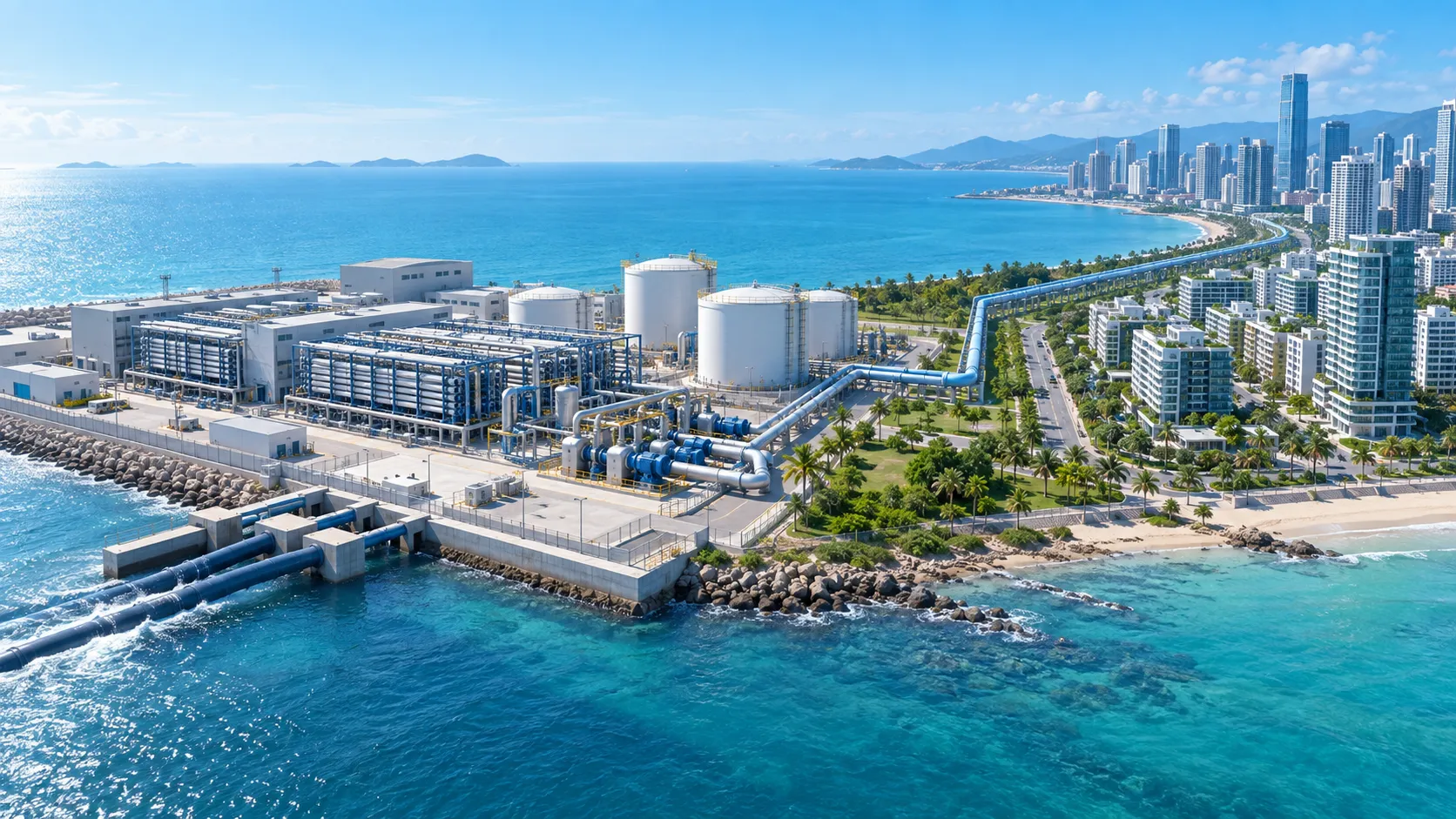
How coastal cities can select desalination solutions for peak demand
Seawater desalination solutions for coastal cities: compare firm peak capacity, intake risk, energy resilience, and lifecycle value to secure reliable water supply.
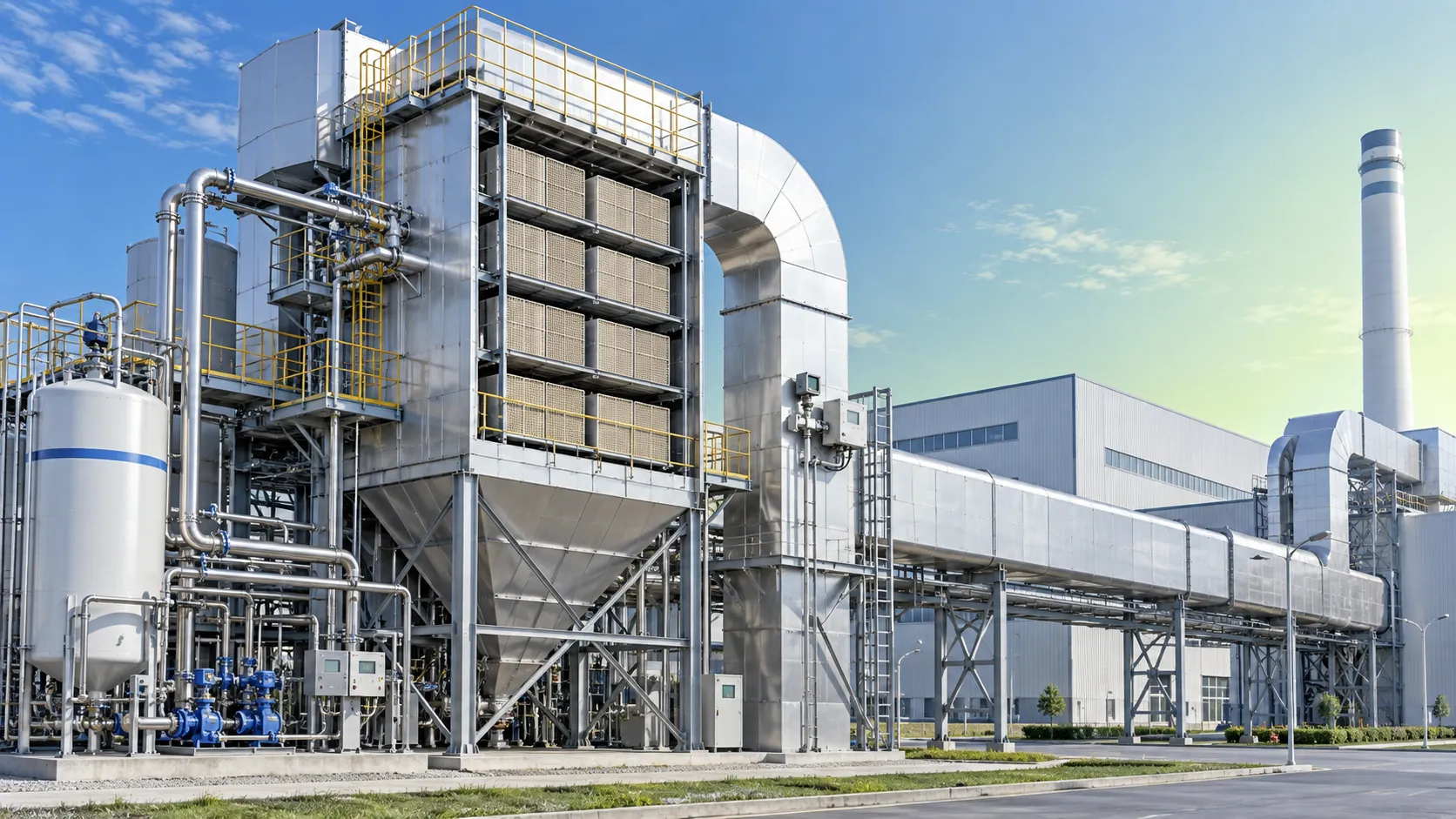
How SCR denitrification systems in Europe meet Industrial Emissions rules
SCR denitrification systems Europe: learn how permit-led design, ammonia-slip control, catalyst management and monitoring support Industrial Emissions compliance.
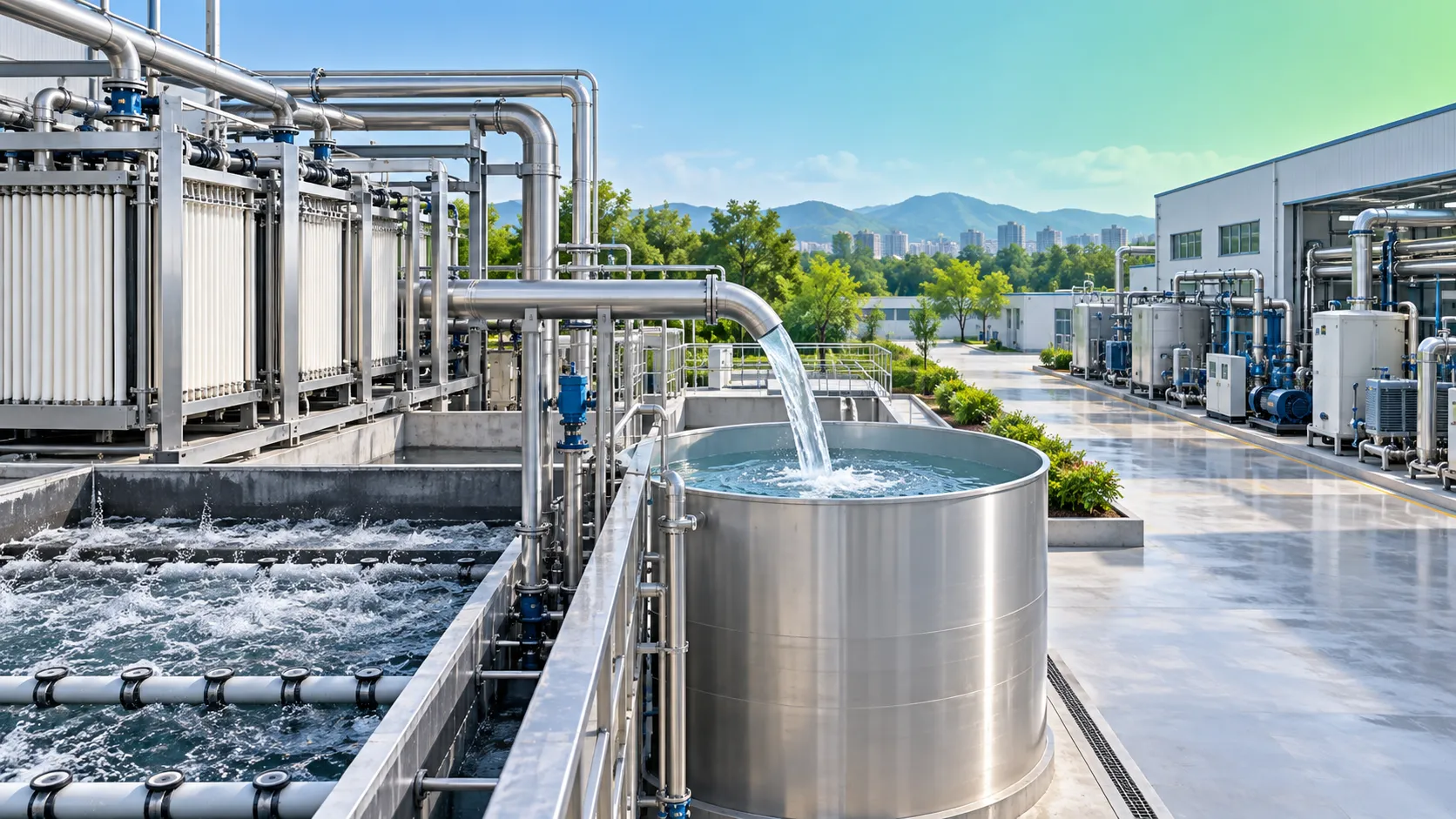
When does MBR equipment make sense for wastewater reuse?
Water treatment equipment for wastewater reuse: learn when MBR delivers compact, reliable low-solids effluent—and when alternative treatment trains offer better value.
How North America shapes global environmental governance standards
Global environmental governance North America: discover how regulation, finance, and procurement raise worldwide standards and reshape environmental projects.
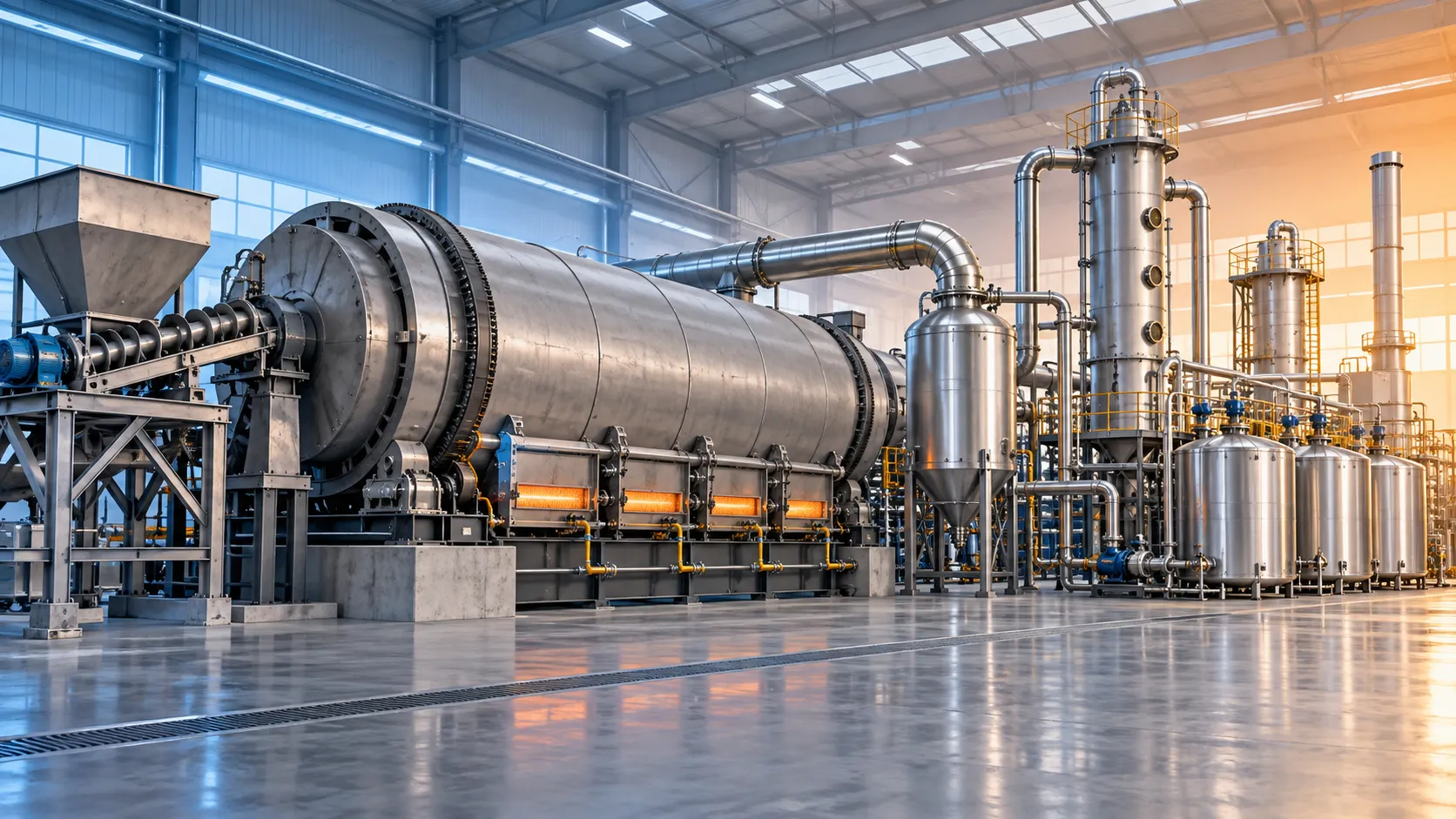
How reactor capacity affects throughput in pyrolysis systems
Pyrolysis systems reactor capacity explained: learn how heat transfer, residence time, feed quality, and emissions controls determine reliable throughput.
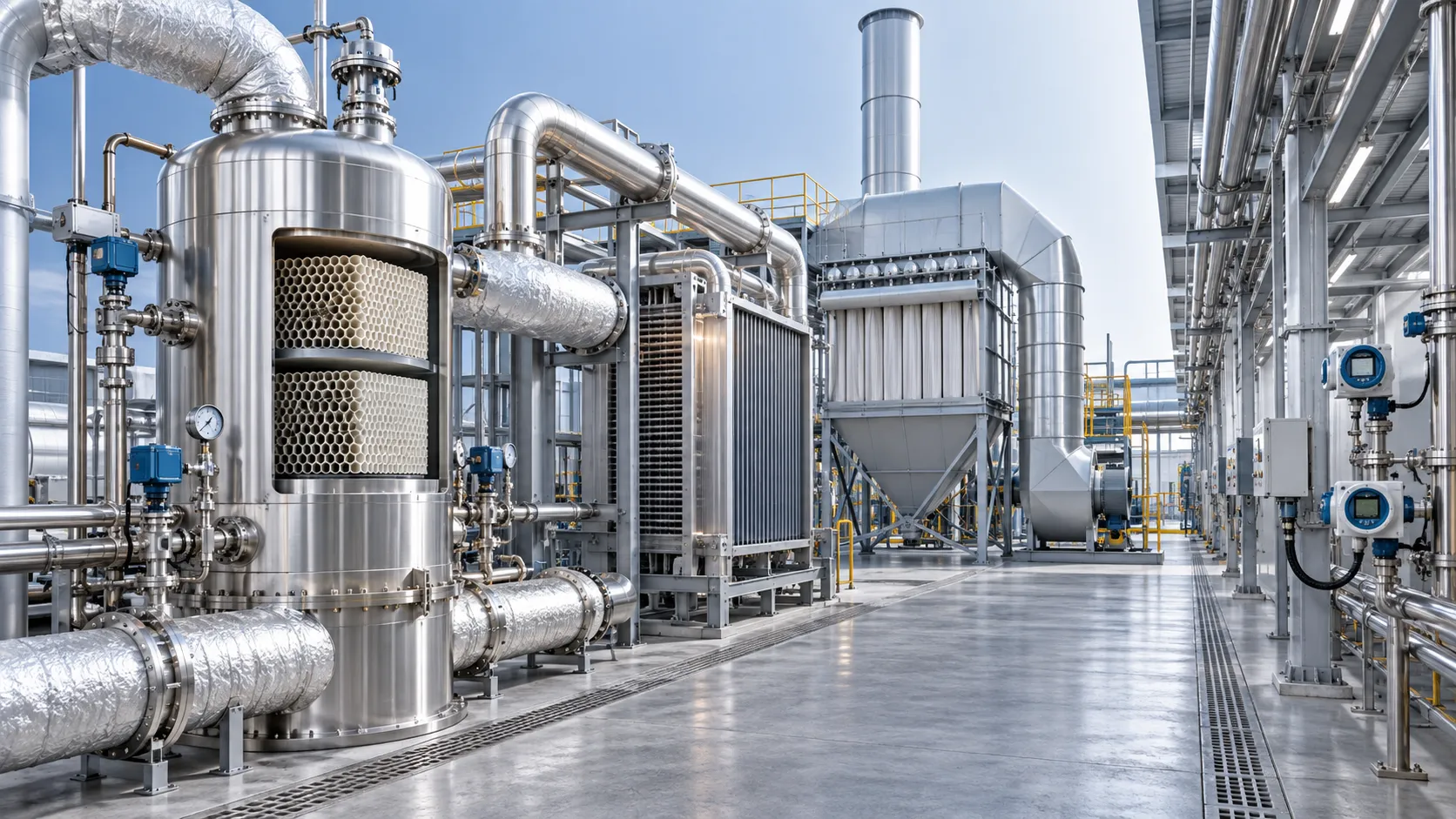
When low-temperature reaction equipment is the right fit for heat-sensitive processes
Low-temperature reaction equipment helps protect heat-sensitive streams, improve energy integration, and maintain reliable conversion. Explore key selection factors today.
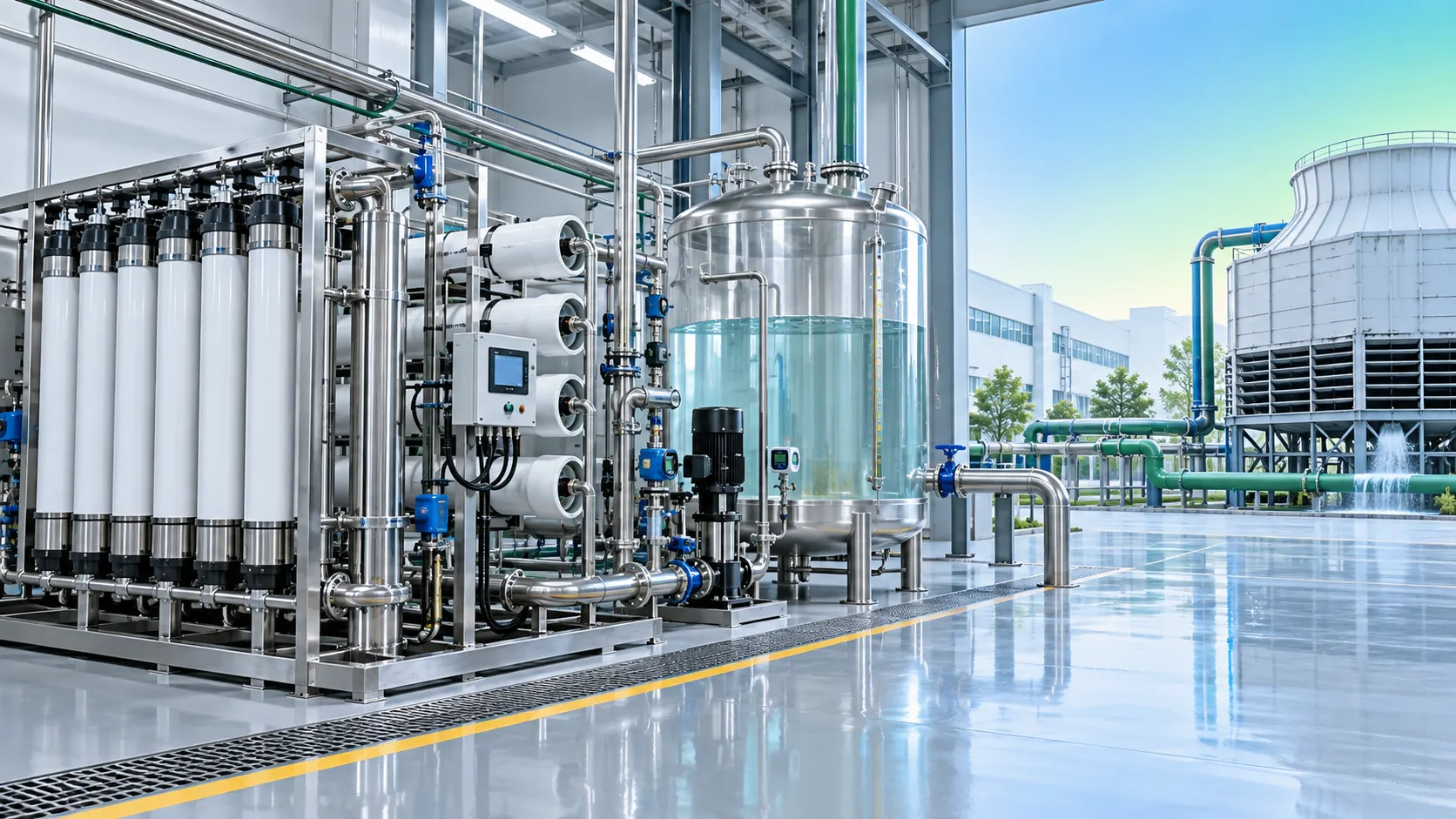
When do water reuse systems deliver a practical payback?
Water reuse systems deliver practical payback when they cut water, discharge, and downtime costs. Learn how to match treatment, recovery, and reuse quality for lasting ROI.
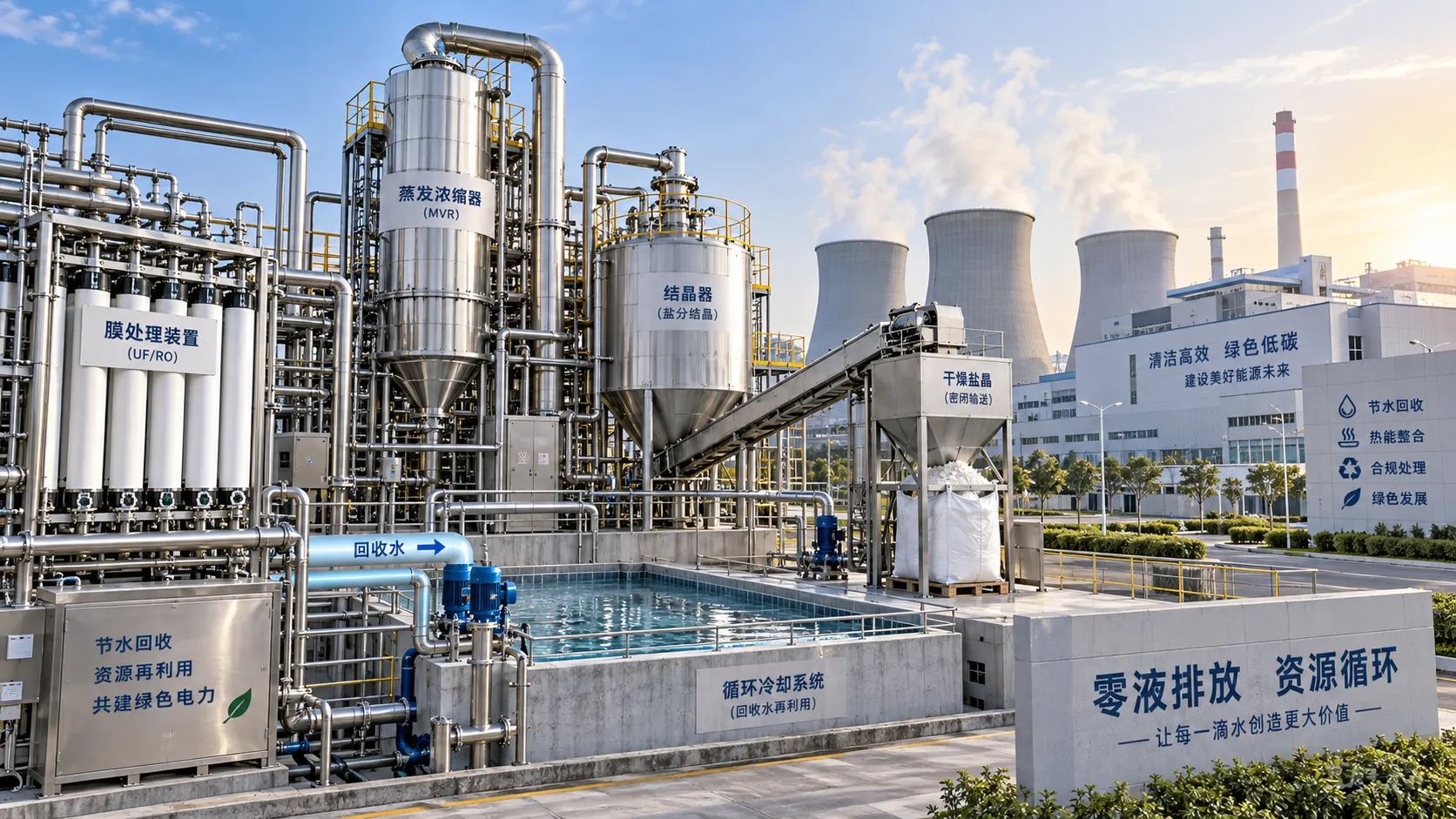
When do ZLD systems for power generation justify their energy use?
ZLD systems for power generation: learn when energy-intensive water recovery delivers stronger compliance, resilience, and long-term value.
Which decarbonization pathways are most viable in Southeast Asia?
Decarbonization Southeast Asia: discover practical pathways for clean power, efficiency, electrification, circular recovery, and resilient industrial growth.