
Industry News
Curation by industry experts
Hot Articles
Popular Tags
How feed salinity affects energy use in ZLD system brine treatment
Feed salinity sets the energy floor for a zero liquid discharge process. In ZLD system brine treatment, higher dissolved-solids content does not simply mean that there is less water left to remove. It also means lower water activity, higher boiling-point elevation, more difficult heat transfer, greater osmotic pressure, and a higher likelihood of salts precipitating in places where they damage performance. The result is often a system that consumes more steam, electricity, cleaning chemicals, or all three.
The practical question is not whether salinity affects energy use; it always does. The useful question is which part of the salinity profile is creating the energy penalty, and whether pretreatment, membrane concentration, thermal evaporation, crystallization, or salt recovery should carry that burden. A total dissolved solids result is a starting point, not a design basis by itself.
Why more dissolved solids require more energy
Pure water and saline water do not behave the same way when heated or pressurized. Dissolved ions reduce the tendency of water molecules to escape into vapor. This effect is expressed as water activity and, in thermal systems, as boiling-point elevation. As brine becomes more concentrated, the evaporator must operate at a higher temperature to produce vapor at a given pressure. That reduces the effective temperature difference available for heat transfer.
In a forced-circulation evaporator, mechanical vapor recompression unit, or multi-effect evaporator, a smaller effective temperature difference means the equipment must compensate. Depending on the configuration, it may need more heating steam, more compressor work, more heat-transfer area, or lower throughput. None of these outcomes is favorable for energy intensity or capital efficiency.
The same principle appears earlier in membrane concentration. Reverse osmosis separates water by applying pressure greater than the feed's osmotic pressure. As salinity rises, osmotic pressure rises, so the net driving pressure available for permeate production narrows unless operating pressure also increases. Pumping energy grows, recovery becomes harder to sustain, and concentration polarization near the membrane surface becomes more severe.
This is why a ZLD train should not be assessed as a collection of separate machines. The energy demand of the final crystallizer is partly determined by how aggressively upstream membranes concentrated the stream, while membrane performance is affected by the scaling and precipitation risks created by the feed chemistry.
Total salinity is not enough to predict the energy burden
Two brines with similar total dissolved solids can produce very different operating results. The reason is ionic composition. Sodium chloride-dominant brine behaves differently from a stream containing substantial calcium, magnesium, silica, sulfate, bicarbonate, fluoride, organics, ammonia, or metals. These constituents influence scaling tendency, viscosity, boiling-point behavior, solids morphology, corrosion exposure, and the quality of any recovered salt.
A sodium chloride-rich stream may remain relatively manageable through much of its concentration path, although corrosion and chloride-compatible materials remain critical. A calcium-sulfate-bearing stream can reach a sparingly soluble salt limit much earlier. Once precipitation occurs on heat-transfer surfaces or membrane elements, the apparent salinity problem becomes a fouling problem. Energy then rises because heat transfer declines, pressure drop increases, circulation demand climbs, and cleaning interrupts stable operation.
Silica deserves separate attention because it may form tenacious deposits or polymerize under certain concentration and pH conditions. Calcium, magnesium, and alkalinity can also interact to create carbonate scale. Organic compounds can worsen foaming, carryover, and membrane fouling even when their contribution to measured salinity is modest. A brine characterization package should therefore include major ions, hardness, alkalinity, silica, suspended solids, organics, pH, temperature, and any contaminants that affect downstream materials or disposal options.
The concentration factor determines where energy rises sharply
Feed salinity matters in relation to the planned concentration factor. A moderately saline feed sent to a very high recovery target may present a tougher thermal duty than a more saline feed that is only modestly concentrated. The concentration factor describes how far the system pushes dissolved material into a smaller liquid volume. As water is removed, the dissolved species do not all increase smoothly to the same endpoint. Individual salts reach saturation at different times, and the first salt to precipitate can determine the practical operating limit.
This creates an important distinction between bulk concentration and local concentration. Within a membrane module, concentration at the membrane surface can exceed the bulk concentration. In an evaporator, concentration near a heat-transfer surface can exceed that of the circulating liquor. These local conditions are where scale begins. A design based only on bulk TDS may look acceptable on paper while operating close to an unstable scaling threshold.
For this reason, energy projections should be evaluated against a concentration path rather than a single feed analysis. The path should show what happens as recovery increases: which salts approach saturation, when antiscalant effectiveness becomes limited, when softening or selective removal is needed, and when the stream should transfer from membrane concentration to thermal treatment.
How salinity changes the role of membranes and thermal equipment
Membranes are generally most valuable while the feed has sufficient permeability and manageable scaling potential. They can remove a substantial amount of water before thermal equipment is required, reducing the liquid volume that reaches the energy-intensive end of the train. But using membranes beyond their practical recovery limit can be counterproductive. Rising pressure, lower flux, frequent cleaning, and early scaling can erase the expected energy benefit.
Thermal evaporation is more tolerant of high salinity than membrane treatment, but it is not indifferent to chemistry. A thermal unit can continue treating brine after membrane concentration becomes impractical, yet the cost of doing so depends heavily on boiling-point elevation, fouling rate, available heat source, and required solids endpoint. The best configuration is often a staged one: remove low-cost water first, then apply thermal energy only to the smaller and more difficult residual stream.
Boiling-point elevation is often underestimated
Boiling-point elevation is one of the clearest links between feed salinity and thermal energy consumption. Dissolved salts raise the temperature at which brine boils at a given pressure. In a multiple-effect system, the available temperature difference must be shared between effects. When a significant portion is lost to boiling-point elevation, fewer effective temperature increments remain for evaporation.
That does not mean every high-salinity stream requires the same response. The impact depends on the salt mixture, concentration, operating pressure, and evaporator design. However, it does mean that generic evaporator energy assumptions should not be applied to a site-specific brine without accounting for composition and final concentration. A vendor proposal that reports energy consumption without a defined feed envelope, concentration target, and cleaning basis is difficult to compare fairly.
Mechanical vapor recompression can reduce dependence on external steam by recycling vapor energy, but the compressor still needs a workable temperature lift. If salinity and fouling reduce heat-transfer performance, the apparent advantage may narrow. Evaluations should consider stable operation over the expected range of feed quality, not only performance under clean, nominal conditions.
Salinity can increase energy indirectly through fouling and solids handling
Energy meters do not identify scale, but scale often explains unexpected energy use. A deposit on an evaporator tube wall adds thermal resistance. More temperature difference is then needed to maintain evaporation, or evaporation rate falls. In membrane systems, fouling increases feed-channel pressure drop and reduces flux, encouraging higher pump pressure or more frequent cleaning cycles. Both responses consume resources that are sometimes excluded from a narrow energy model.
High salinity also changes slurry behavior near the crystallization endpoint. Dense or viscous mother liquor requires more circulation energy. Fine crystals can be difficult to separate from liquid, leaving a wetter cake and sending more dissolved salts back in recycle. Poor crystal control can therefore increase the load on centrifuges, filters, dryers, and the crystallizer itself.
Salt precipitation is not automatically a failure. In ZLD, it is required eventually. The engineering objective is to make precipitation occur in the intended vessel, at the intended stage, and in a form that can be separated. Uncontrolled precipitation inside a membrane element, transfer line, heat exchanger, or recirculation loop is what converts salinity into avoidable energy and maintenance cost.
What to request before comparing ZLD energy figures
A useful technical comparison begins with a common design basis. Comparing one supplier's specific energy value with another's is not meaningful unless both calculations use the same feed conditions, recovery target, utility boundary, and solids endpoint.
- Feed variability: Define normal, high-salinity, low-salinity, and upset conditions. Average chemistry can conceal short periods that control scaling and capacity.
- Full ionic analysis: Identify major cations and anions, silica, alkalinity, organics, suspended material, and components that create corrosion or hazardous solids concerns.
- Required water recovery: State whether the target is maximum water reuse, minimal liquid discharge, dry solids, or a recoverable salt product. These are not equivalent endpoints.
- Energy boundary: Include pumps, compressors, circulation, vacuum systems, centrifuges, dryers, cooling, chemical preparation, and cleaning where applicable. Thermal energy and electricity should be reported separately.
- Pretreatment assumptions: Show softening, clarification, pH adjustment, degassing, selective ion removal, and antiscalant dosing explicitly. Pretreatment changes downstream energy and reliability.
- Fouling allowance: Require stated assumptions for heat-transfer decline, membrane cleaning, blowdown, and offline washing. A clean-condition model is not an operating model.
One common mistake is to choose the lowest projected energy figure while treating pretreatment as an optional add-on. For difficult brines, selective removal of hardness, silica, sulfate, or organics may increase the front-end treatment requirement but allow more stable membrane recovery or lower fouling in thermal equipment. The relevant comparison is lifecycle energy and operability for the whole treatment train, not the isolated consumption of a single unit.
When salinity reduction upstream is worth considering
Not every feed should go directly to the main ZLD train. If a high-salinity stream is mixed with relatively clean wastewater, the combined flow may force expensive thermal treatment of water that could otherwise be reused or discharged after conventional treatment. Segregating streams by salinity and contaminant type can reduce the volume sent to brine concentration.
Likewise, selective treatment may be justified when a small fraction of the feed contains the ions responsible for scaling or corrosivity. Removing that fraction, or treating it separately, can improve the stability of the larger water-recovery system. This is especially relevant where operational data show that salinity fluctuates with batch production, regeneration cycles, blowdown events, or seasonal source-water changes.
Source reduction should be assessed alongside end-of-pipe equipment. Reducing unnecessary water use lowers the volume requiring evaporation. Recovering rinse water separately can reduce the mass of salts entering the brine circuit. Changing process chemicals may alter downstream salt composition. These measures do not replace ZLD where zero discharge is required, but they can lower the concentration duty that determines its energy demand.
A practical way to make the selection decision
Start by mapping the brine from feed to final solids rather than asking which technology is “best” for a TDS value. Establish the water balance, salt mass balance, variability range, intended recovery point, and destination for recovered water and solids. Then identify the first likely constraint: membrane osmotic pressure, sparingly soluble scale, organic fouling, chloride corrosion, foaming, or crystallizer solids behavior.
That constraint should guide the process architecture. A relatively clean saline stream may justify extensive membrane concentration before evaporation. A hardness- or silica-rich stream may need conditioning before either membrane or thermal concentration. A stream with unstable composition may favor a more robust thermal stage, even if its nominal energy requirement is higher. Where salt reuse is a goal, crystallization strategy and impurity control may matter more than achieving the highest possible upstream recovery.
For ZLD system brine treatment, feed salinity is therefore not a single number that predicts a utility bill. It is a chemical and operational condition that determines pressure demand, boiling behavior, scaling risk, equipment duty, and solids-management complexity. The strongest energy decision comes from defining that condition accurately, matching each concentration stage to its workable range, and refusing to treat high-salinity brine as merely “less water with more salt.”
Recommended News
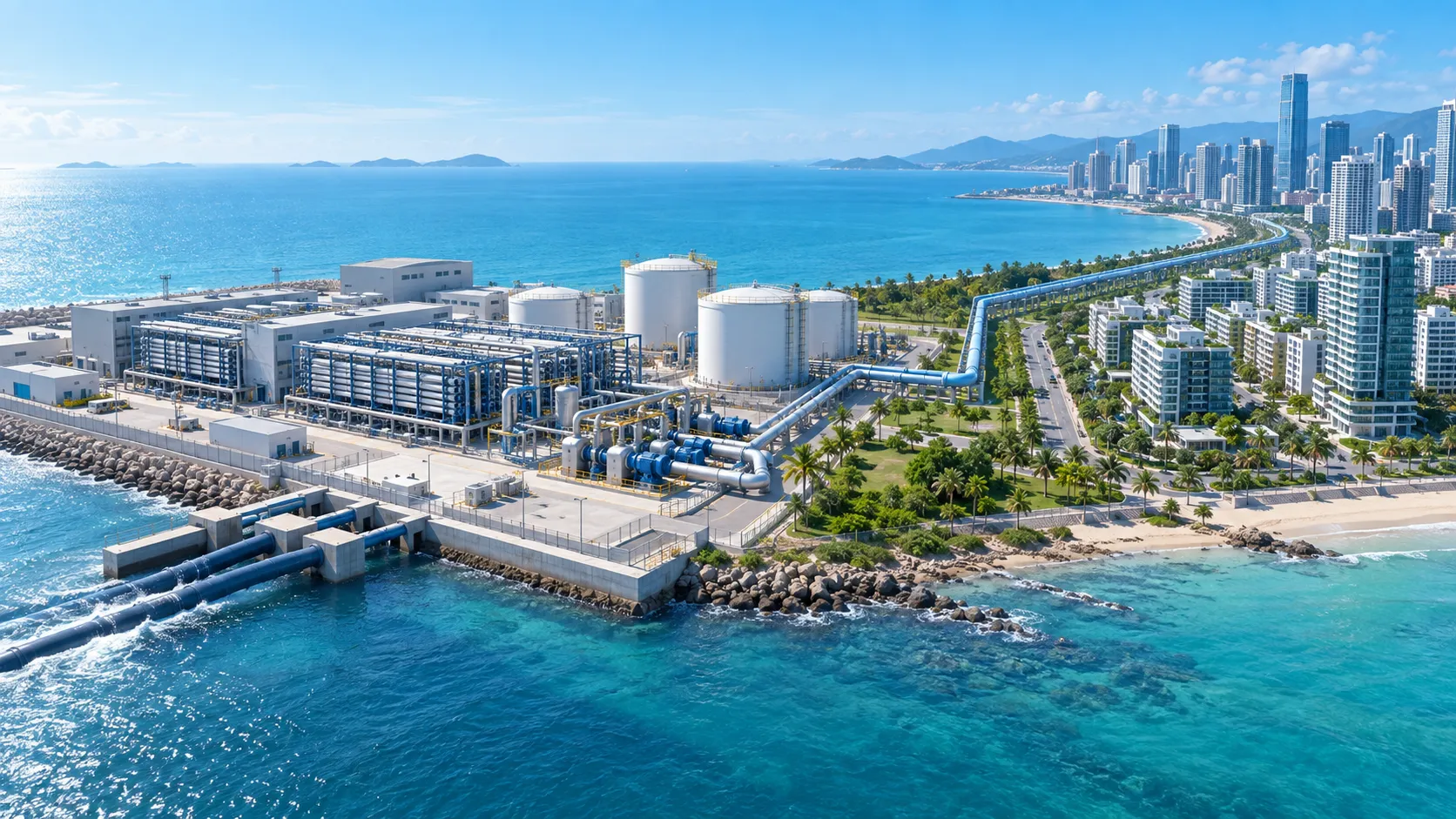
How coastal cities can select desalination solutions for peak demand
Seawater desalination solutions for coastal cities: compare firm peak capacity, intake risk, energy resilience, and lifecycle value to secure reliable water supply.
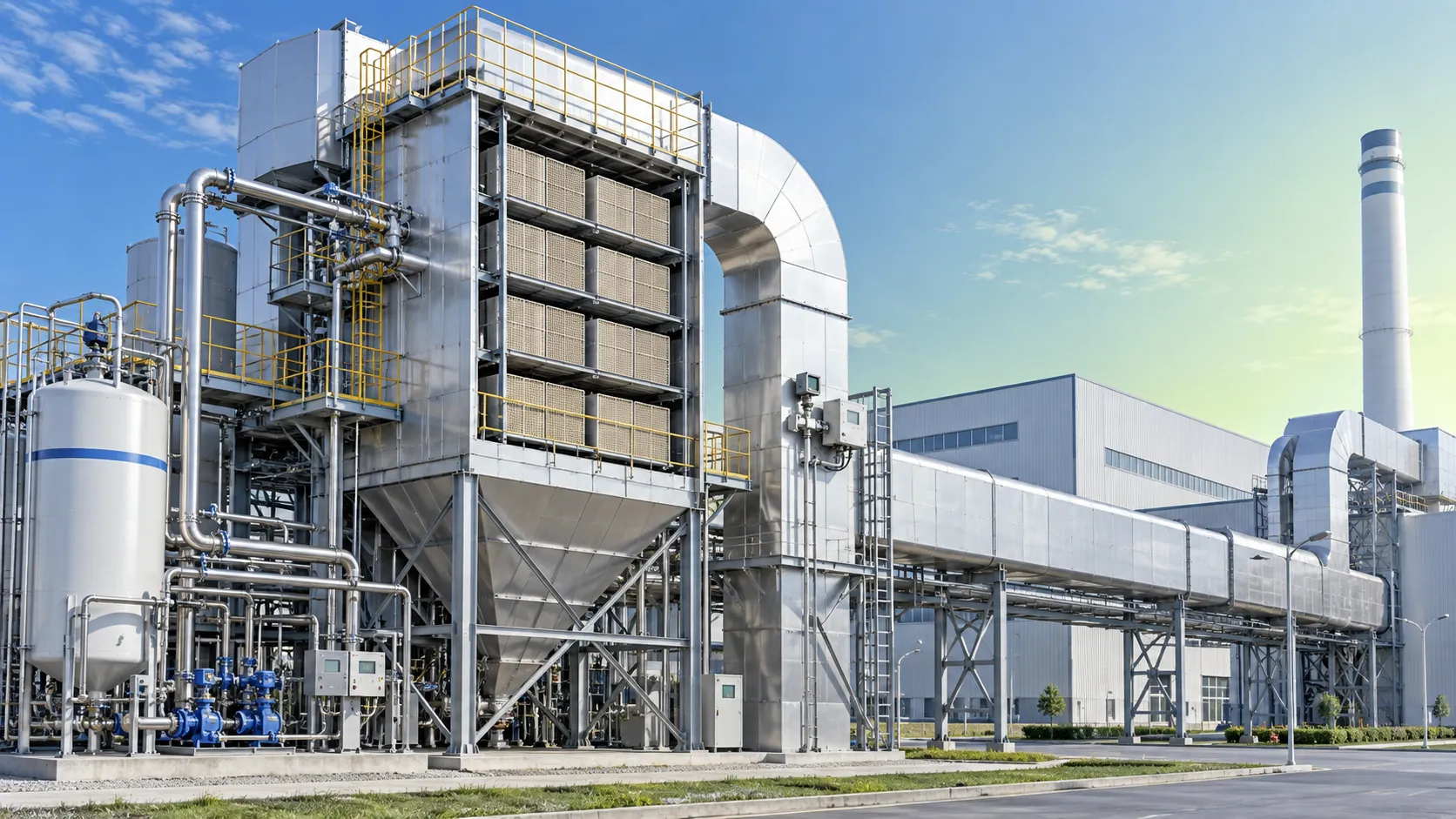
How SCR denitrification systems in Europe meet Industrial Emissions rules
SCR denitrification systems Europe: learn how permit-led design, ammonia-slip control, catalyst management and monitoring support Industrial Emissions compliance.
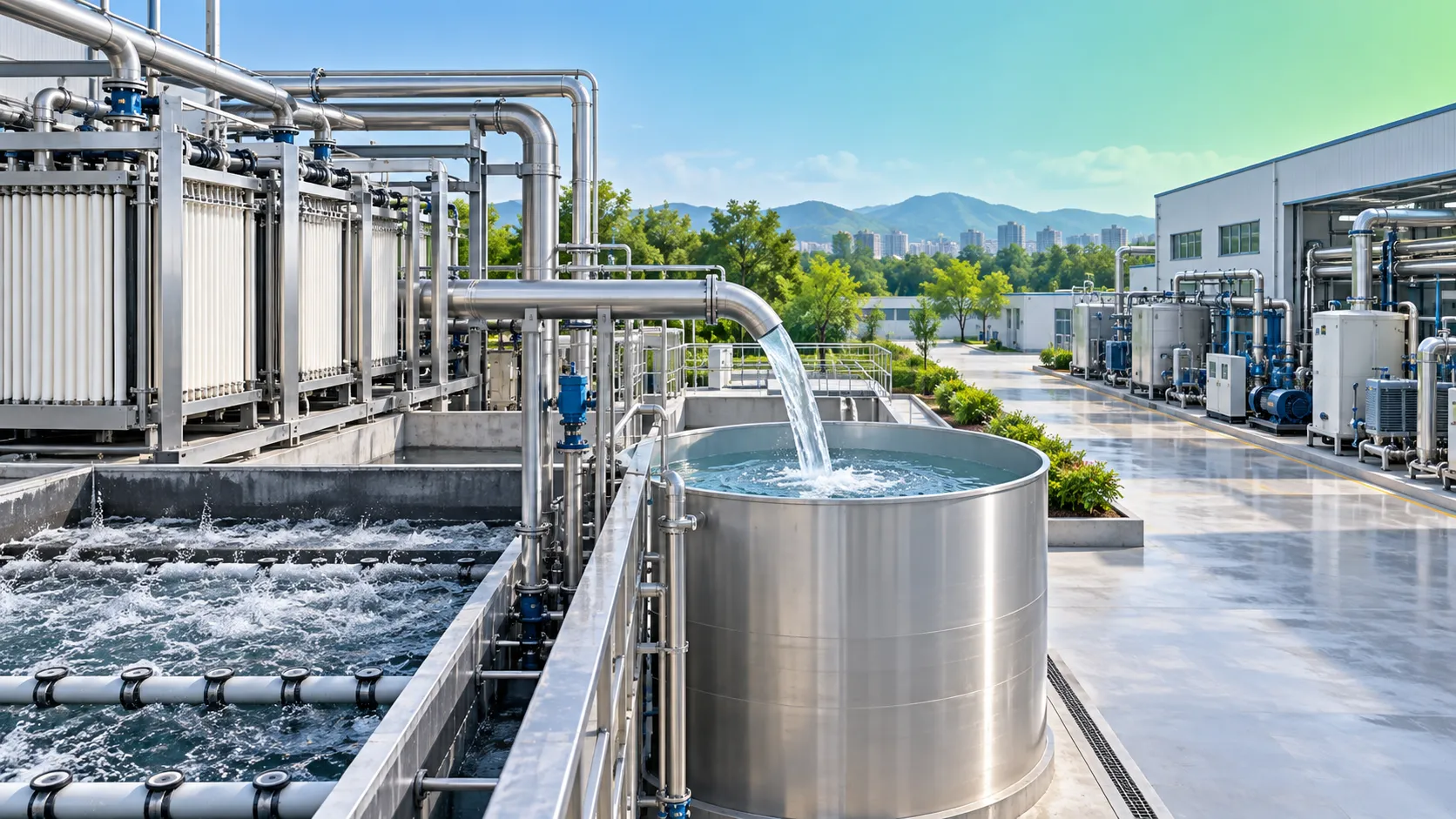
When does MBR equipment make sense for wastewater reuse?
Water treatment equipment for wastewater reuse: learn when MBR delivers compact, reliable low-solids effluent—and when alternative treatment trains offer better value.
How North America shapes global environmental governance standards
Global environmental governance North America: discover how regulation, finance, and procurement raise worldwide standards and reshape environmental projects.
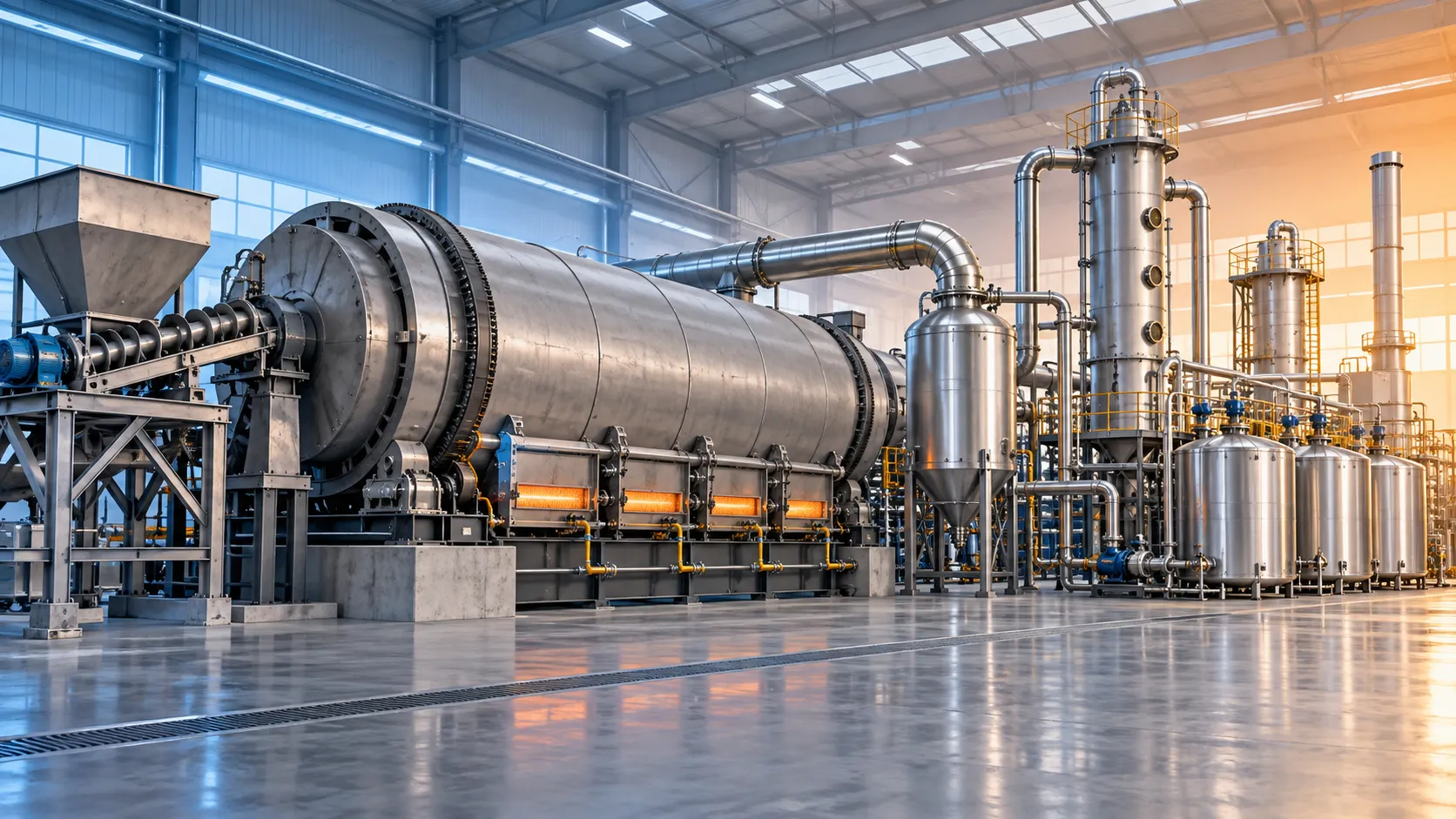
How reactor capacity affects throughput in pyrolysis systems
Pyrolysis systems reactor capacity explained: learn how heat transfer, residence time, feed quality, and emissions controls determine reliable throughput.
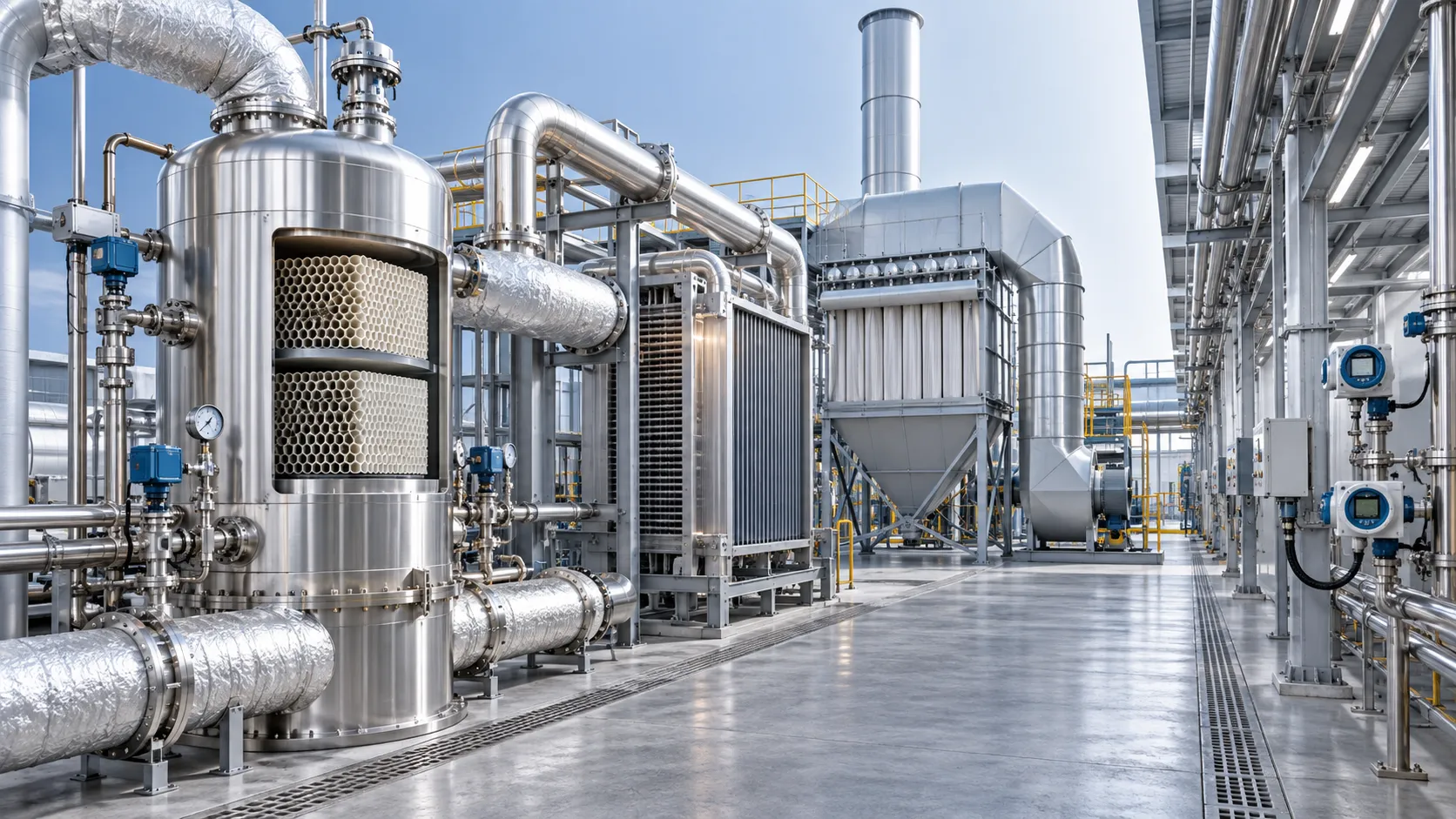
When low-temperature reaction equipment is the right fit for heat-sensitive processes
Low-temperature reaction equipment helps protect heat-sensitive streams, improve energy integration, and maintain reliable conversion. Explore key selection factors today.
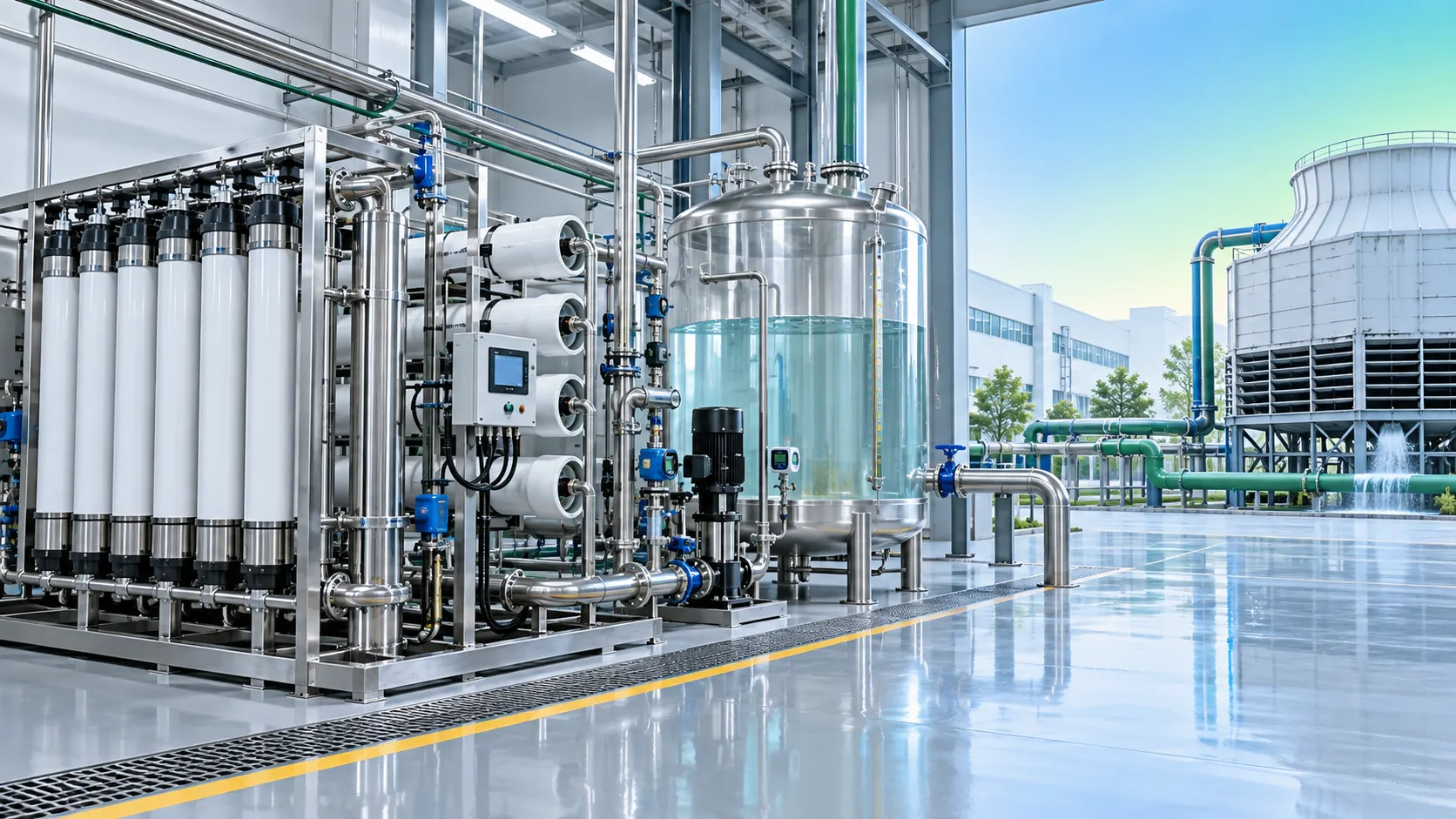
When do water reuse systems deliver a practical payback?
Water reuse systems deliver practical payback when they cut water, discharge, and downtime costs. Learn how to match treatment, recovery, and reuse quality for lasting ROI.
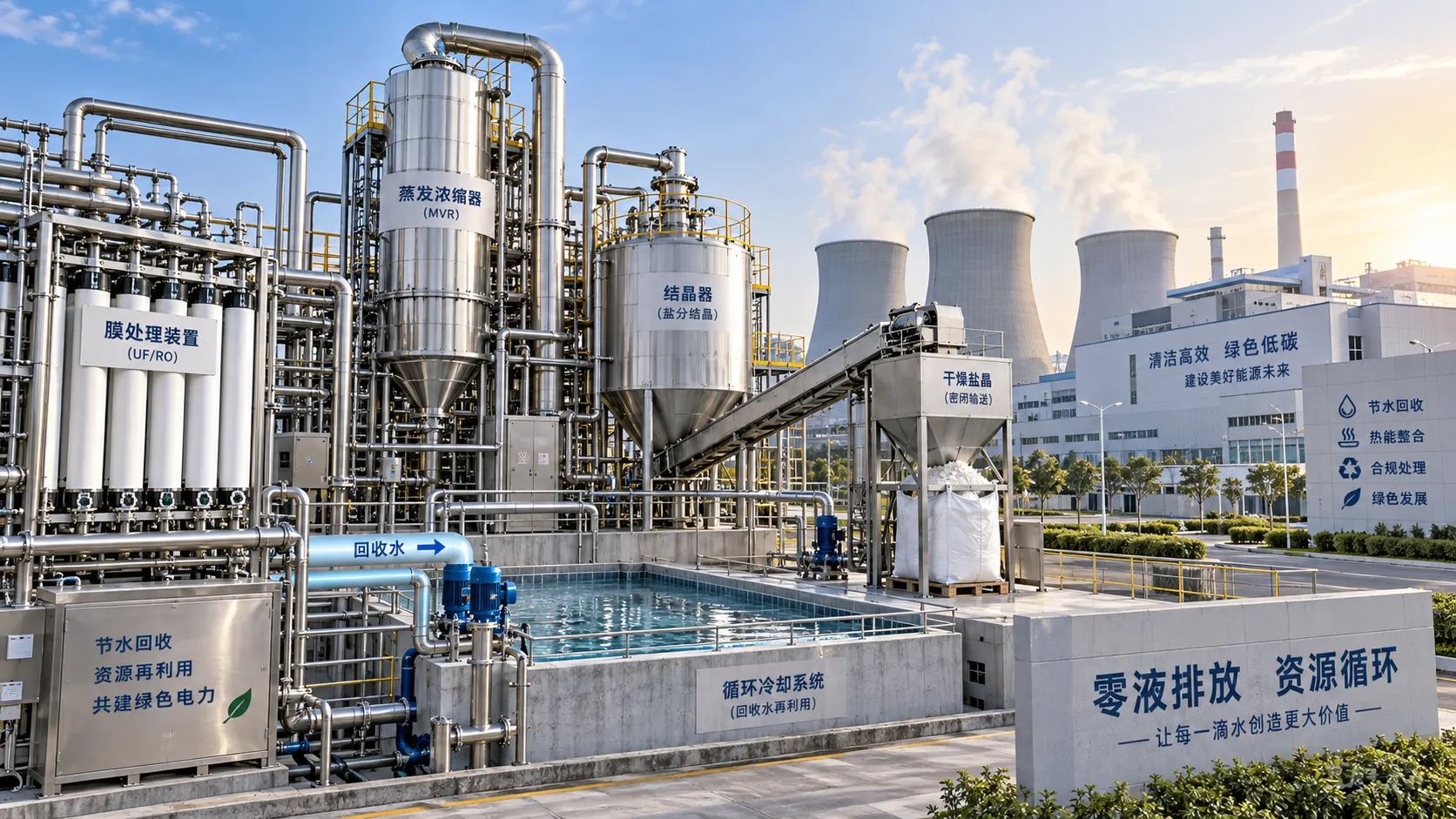
When do ZLD systems for power generation justify their energy use?
ZLD systems for power generation: learn when energy-intensive water recovery delivers stronger compliance, resilience, and long-term value.
Which decarbonization pathways are most viable in Southeast Asia?
Decarbonization Southeast Asia: discover practical pathways for clean power, efficiency, electrification, circular recovery, and resilient industrial growth.