
Industry News
Curation by industry experts
Hot Articles
Popular Tags
How coastal cities can select desalination solutions for peak demand
How Coastal Cities Can Select Desalination Solutions for Peak Demand
Coastal cities should select desalination capacity around dependable peak-period delivery, not average annual demand or the lowest quoted water price.
For project leaders, the right solution combines seawater conditions, energy strategy, permitting constraints, network integration, and operational flexibility into one bankable decision.
Tourism surges, heatwaves, drought restrictions, seasonal industry, and population growth can create short but severe demand peaks across coastal water systems.
A desalination plant that performs well under normal conditions may still fail the real resilience test when electricity, intake quality, and distribution demand deteriorate together.
This guide explains how project managers can compare seawater desalination solutions for coastal cities, build a defensible selection process, and reduce lifecycle delivery risk.
Start With the Actual Peak-Demand Problem
The first task is not choosing reverse osmosis technology. It is defining the precise water-security gap that desalination must close during critical operating periods.
Project teams should model hourly, daily, monthly, and seasonal demand rather than relying only on a single annual peak-day forecast.
A summer tourism destination may need exceptional production for twelve weeks, while an industrial port may experience short, high-volume weekday demand spikes.
These patterns affect intake sizing, treatment trains, storage requirements, distribution pumping, power procurement, and whether modular capacity offers better value than permanent oversizing.
Define the required service outcome clearly: uninterrupted potable supply, drought reserve, emergency municipal backup, industrial water replacement, or a combined regional resilience asset.
Each outcome carries different reliability standards. A facility supporting hospitals and public networks needs stronger redundancy than a plant supplying interruptible industrial demand.
Peak demand should also be assessed alongside existing source reliability. Reservoir yield, groundwater salinity, imported water allocations, and reuse capacity may decline during the same period.
This correlation matters because desalination is often required precisely when every alternative source is under the greatest environmental and operational stress.
Build a demand scenario set that includes normal conditions, expected peak conditions, drought-year peak conditions, and compound events such as heatwaves plus power constraints.
Selection decisions become more robust when capacity is tested against these scenarios instead of being justified through one optimistic baseline forecast.
Choose Plant Capacity for Firm Output, Not Nameplate Output
Nameplate production is useful for procurement comparisons, but firm output is the more important measure for a city facing peak demand.
Firm output is the volume the plant can reliably deliver after considering membrane cleaning, standby equipment, intake fouling, maintenance, temperature variation, and energy limitations.
Project leaders should request guaranteed net production figures under defined worst-case feedwater quality and ambient seawater temperature conditions.
These conditions should be tied to local monitoring data, not generic assumptions supplied by equipment vendors or reference projects in different coastal environments.
Warmer seawater can improve membrane permeability, but algae blooms, turbidity events, oil contamination, and seasonal biological activity can increase pretreatment pressure.
Conversely, colder water may reduce reverse osmosis flux, requiring greater pressure or additional membrane area to maintain the contracted production target.
For peak demand planning, evaluate whether the facility can temporarily exceed base output without compromising permeate quality, membrane life, or energy performance.
Flexible operation may be achieved through additional trains, variable-speed high-pressure pumps, optimized energy recovery devices, and sufficient pretreatment capacity.
However, peak operation should not be treated as unlimited. Vendors must state the duration, conditions, maintenance consequences, and guaranteed production of overload operation.
A useful procurement metric is firm peak capacity over a defined period, such as seven consecutive days during the highest expected demand season.
Assess Intake Conditions Before Comparing Core Technology
Intake selection often determines long-term reliability more than the reverse osmosis skid itself, especially in crowded or environmentally sensitive coastal locations.
Open-ocean intakes can provide large volumes, but they may expose the plant to storms, suspended solids, marine growth, harmful algal blooms, and pollution events.
Subsurface intakes, including beach wells and infiltration galleries, can offer natural pretreatment and lower turbidity where geology and coastline access permit.
They may also reduce chemical consumption and pretreatment complexity, but they require detailed hydrogeological investigation and can have limited scalable yield.
Project managers should require seasonal seawater characterization covering salinity, temperature, turbidity, organics, microorganisms, hydrocarbons, metals, and biological fouling indicators.
One-off sampling is insufficient because desalination assets operate for decades and must withstand unusual conditions rather than only average water quality.
Intake design should include contingency arrangements for abnormal events, such as oil spills, harbor contamination, red tides, storm sediment, and construction-related turbidity.
Options can include intake shutdown protocols, alternate intake points, enhanced pretreatment modes, temporary barriers, storage reserves, and treated-water demand management.
The best seawater desalination solutions for coastal cities are therefore designed around local source risk, not selected from a standard technology catalogue.
Early intake studies also reduce permitting uncertainty, because regulators and coastal communities often focus on marine impact before reviewing downstream treatment performance.
Match Pretreatment and Membranes to Local Seawater Risk
Seawater reverse osmosis remains the dominant technology for municipal desalination because it generally offers lower energy use than thermal desalination at comparable scale.
Yet reverse osmosis performance depends heavily on pretreatment quality, especially where coastal water contains variable solids, algae, organic matter, or industrial contaminants.
Conventional media filtration may suit stable open-water sources, while ultrafiltration can provide more consistent feedwater quality during rapid turbidity changes.
Dissolved air flotation is often considered where algal blooms, low-density solids, or elevated organic loads create persistent fouling risk for downstream filters.
There is no universally superior pretreatment train. The appropriate design depends on seawater data, land availability, operator capability, chemical access, and lifecycle economics.
Membrane selection should consider salt rejection, boron removal, permeability, cleaning tolerance, operating pressure, supplier availability, and performance decline over time.
For potable supply, boron compliance can be particularly important where local regulations are strict or where permeate is blended minimally before distribution.
Project teams should ask suppliers to demonstrate expected membrane replacement schedules using local feedwater assumptions and realistic clean-in-place frequency.
A cheaper membrane package can become expensive if it raises energy demand, loses productivity quickly, or requires frequent cleaning during peak seasonal operation.
Specify online monitoring for silt density indicators, differential pressure, conductivity, normalized permeate flow, and chemical dosing to support early operational intervention.
Evaluate Energy as a Reliability and Cost Issue
Energy is typically the largest controllable operating cost in seawater reverse osmosis, but peak-demand planning makes it equally important as a resilience issue.
When heatwaves increase water demand, electricity systems may also face their highest loads, highest tariffs, and greatest risk of curtailment or outage.
Projects should model electricity demand at base production, firm peak production, startup, membrane flushing, and emergency operating conditions.
High-efficiency energy recovery devices, optimized pump selection, variable-frequency drives, and hydraulic design can materially reduce specific energy consumption over the asset lifecycle.
Still, project leaders should avoid selecting equipment only through a lowest-kilowatt-hour guarantee measured under ideal laboratory-like seawater conditions.
Ask for performance guarantees across seasonal salinity and temperature ranges, including the electricity requirement after membrane aging and normal fouling allowances.
Power strategy should include grid connection capacity, substation lead times, tariff exposure, backup generation, energy storage feasibility, and renewable power procurement options.
Dedicated renewable energy can improve carbon performance, although intermittency must be reconciled with continuous treatment needs and minimum stable operating requirements.
Where the grid is constrained, a desalination project may need contractual demand response arrangements or dedicated firm power before construction can proceed safely.
Energy evaluation should therefore connect engineering design with municipal resilience planning, carbon commitments, and the long-term affordability of the delivered water.
Plan Brine Management and Permitting Early
Brine discharge is not a late-stage environmental appendix. It is a core selection issue that can determine site feasibility, public acceptance, and construction schedule.
Environmental regulators typically assess salinity increase, diffuser performance, marine habitat sensitivity, chemical residuals, thermal effects, and cumulative coastal discharges.
A technically capable plant can still face major delays if its discharge design does not address local currents, seabed conditions, fisheries, protected areas, or neighboring outfalls.
Hydrodynamic modeling should begin early enough to influence site selection, outfall alignment, diffuser design, blending opportunities, and monitoring program costs.
Some facilities can combine brine with cooling water or treated wastewater flows, but such integration requires careful quality control and dependable operating coordination.
Zero liquid discharge is generally not the default answer for large seawater desalination because evaporation and crystallization can require substantial energy and land.
However, ZLD-related thinking remains useful where inland concentrate handling, sensitive receiving waters, or industrial reuse opportunities create exceptional constraints.
Project managers should define a complete chemical management plan covering antiscalants, cleaning chemicals, coagulants, neutralization, storage, transport, and emergency containment.
Transparent marine baseline studies and credible monitoring commitments can reduce stakeholder conflict more effectively than generalized statements about environmental compliance.
Early permitting work protects the project schedule because intake and discharge approvals often have longer lead times than process equipment procurement.
Use Modularity to Balance Capital Cost and Growth Risk
Many coastal cities face uncertain demand growth, making a single oversized plant financially difficult to justify even when future water stress is evident.
Modular desalination trains allow capacity to be added in stages, aligning capital expenditure with verified demand, network readiness, and available power infrastructure.
A phased approach can also simplify commissioning, train operators progressively, and create opportunities to improve later stages using operating data from earlier modules.
However, modularity is valuable only when the site, intake, outfall, electrical systems, and pretreatment facilities have been planned for the ultimate capacity.
Building insufficient common infrastructure may make later expansion disproportionately expensive, disruptive, or impossible under changed land-use and environmental conditions.
Project teams should compare at least three cases: full initial build, phased build with ultimate infrastructure, and distributed smaller plants near demand centers.
Distributed facilities can reduce transmission requirements and provide localized redundancy, but they may increase staffing complexity, spare-parts needs, and permitting workload.
Centralized plants can capture scale economies, but a single outage can create system-wide consequences unless storage, interconnections, and contingency sources are strong.
The right architecture depends on the water network, geography, land availability, critical customers, and how quickly demand uncertainty is expected to resolve.
For peak-demand resilience, storage often deserves equal attention because treated-water reservoirs can reduce the amount of expensive instantaneous desalination capacity required.
Compare Lifecycle Value Rather Than Lowest Bid Price
Capital cost remains important, yet procurement based solely on initial price can transfer significant technical and financial risk to the asset owner.
A lifecycle comparison should include civil works, intake and outfall systems, energy use, chemicals, membrane replacement, labor, maintenance, major renewals, and disposal costs.
It should also account for the financial impact of water shortages, emergency tanker supply, industrial disruption, tourism losses, and regulatory noncompliance.
These avoided-cost categories are especially relevant when desalination supports a city during drought, heat stress, or seasonal demand peaks with high economic consequences.
Use a common financial model for all bidders, with transparent assumptions for electricity escalation, availability, membrane life, financing, inflation, and residual asset value.
Require bidders to state exclusions clearly. Low offers sometimes omit grid upgrades, marine works, land remediation, network reinforcement, or required standby systems.
Performance guarantees should cover water quality, net output, specific energy consumption, availability, and recovery rate under a defined range of feedwater conditions.
Contract remedies must be practical. A guarantee has limited value if testing conditions are vague, dispute resolution is slow, or supplier liability is materially capped.
For public infrastructure, consider whether an engineering, procurement, and construction model, concession, lease, or long-term water purchase agreement best allocates risk.
The preferred commercial model should support accountable operations for decades, rather than rewarding rapid construction while leaving the owner with uncertain long-term performance.
Build Operational Resilience Into the Selection Process
Peak-demand desalination is an operating system, not simply a collection of pumps, membranes, tanks, and control panels delivered at project completion.
Evaluate the operator model early. A city may retain operations internally, appoint a specialized contractor, or combine local staff with long-term technology support.
Whichever model is selected, the plant needs clear responsibility for performance optimization, emergency response, maintenance planning, laboratory control, and regulatory reporting.
Critical spares should be assessed according to supply lead time and failure consequence, particularly for high-pressure pumps, energy recovery devices, instruments, and control components.
Remote monitoring can improve reliability, but it must be supported by cybersecurity controls, local override capability, alarm governance, and trained onsite response personnel.
Cybersecurity deserves direct attention because water plants increasingly depend on connected operational technology, vendor access, remote diagnostics, and centralized data platforms.
Design reviews should include failure mode analysis for power loss, intake contamination, pretreatment upset, membrane failure, brine outfall interruption, and communications outages.
For each event, define detection methods, immediate actions, minimum service level, recovery time objective, and the water network contingency plan.
Commissioning should include stress testing under realistic operational scenarios rather than limiting acceptance tests to smooth, steady-state production runs.
A plant that can demonstrate recovery from adverse conditions offers greater value than one that reaches impressive efficiency only under narrowly controlled conditions.
Use a Practical Selection Framework
Project leaders can improve governance by using a weighted decision framework before issuing final procurement documents or selecting a preferred technology partner.
Begin with non-negotiable gates: source-water feasibility, land access, environmental approvals, grid availability, required water quality, and network connection capacity.
Any option that cannot pass these gates should be removed, even if it appears attractive on capital cost or theoretical energy efficiency.
Then score viable options across firm peak capacity, lifecycle cost, energy resilience, intake reliability, environmental impact, scalability, maintainability, and delivery schedule.
Assign weighting through a documented stakeholder process involving water utility teams, engineering advisers, finance officials, environmental specialists, and emergency planning representatives.
Do not allow a single department to define the evaluation alone. Desalination affects budgets, ecosystems, electricity systems, public health, and urban development simultaneously.
Independent technical review is valuable before financial close, particularly for seawater assumptions, guaranteed output calculations, outfall modeling, and operational availability commitments.
The final decision record should explain why the selected solution delivers the best risk-adjusted water security, not merely why it had the lowest headline price.
This documentation supports board approval, public communication, lender diligence, regulatory engagement, and later accountability when performance is reviewed against original assumptions.
Conclusion: Select for Dependable Water at the Worst Moment
The strongest seawater desalination solutions for coastal cities are selected around dependable service during the conditions when water systems are most exposed.
That means evaluating firm output, intake risk, pretreatment suitability, energy security, environmental compliance, modular growth, lifecycle value, and operational readiness together.
For project managers, the central question is simple: can this system provide compliant water reliably when demand peaks and surrounding infrastructure is under stress?
When the answer is supported by local data, realistic guarantees, resilient design, and disciplined lifecycle analysis, desalination becomes a strategic water-security asset rather than a reactive emergency investment.
Recommended News
How SCR denitrification systems in Europe meet Industrial Emissions rules
SCR denitrification systems Europe: learn how permit-led design, ammonia-slip control, catalyst management and monitoring support Industrial Emissions compliance.
When does MBR equipment make sense for wastewater reuse?
Water treatment equipment for wastewater reuse: learn when MBR delivers compact, reliable low-solids effluent—and when alternative treatment trains offer better value.
How North America shapes global environmental governance standards
Global environmental governance North America: discover how regulation, finance, and procurement raise worldwide standards and reshape environmental projects.

How reactor capacity affects throughput in pyrolysis systems
Pyrolysis systems reactor capacity explained: learn how heat transfer, residence time, feed quality, and emissions controls determine reliable throughput.

When low-temperature reaction equipment is the right fit for heat-sensitive processes
Low-temperature reaction equipment helps protect heat-sensitive streams, improve energy integration, and maintain reliable conversion. Explore key selection factors today.
When do water reuse systems deliver a practical payback?
Water reuse systems deliver practical payback when they cut water, discharge, and downtime costs. Learn how to match treatment, recovery, and reuse quality for lasting ROI.
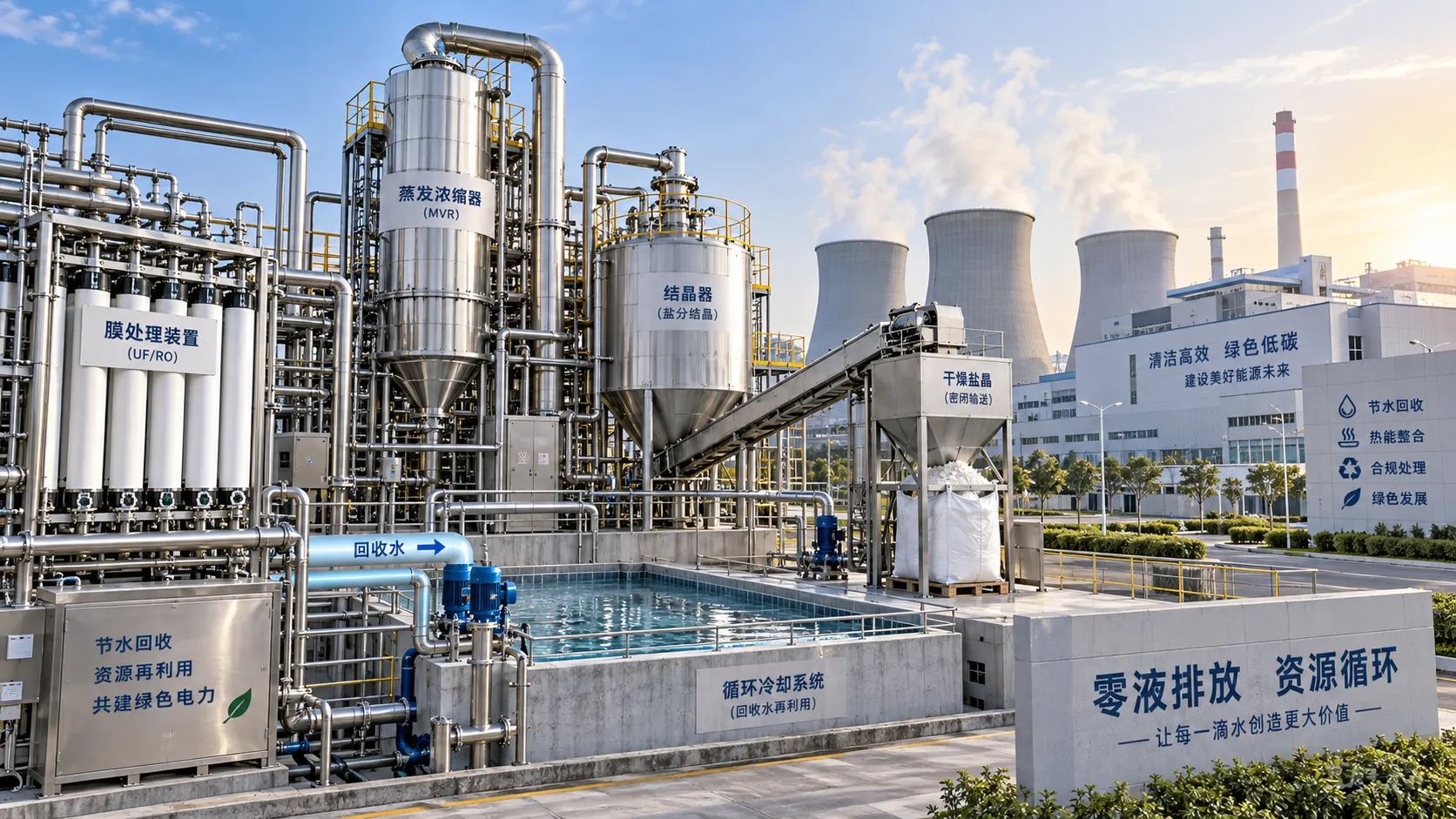
When do ZLD systems for power generation justify their energy use?
ZLD systems for power generation: learn when energy-intensive water recovery delivers stronger compliance, resilience, and long-term value.
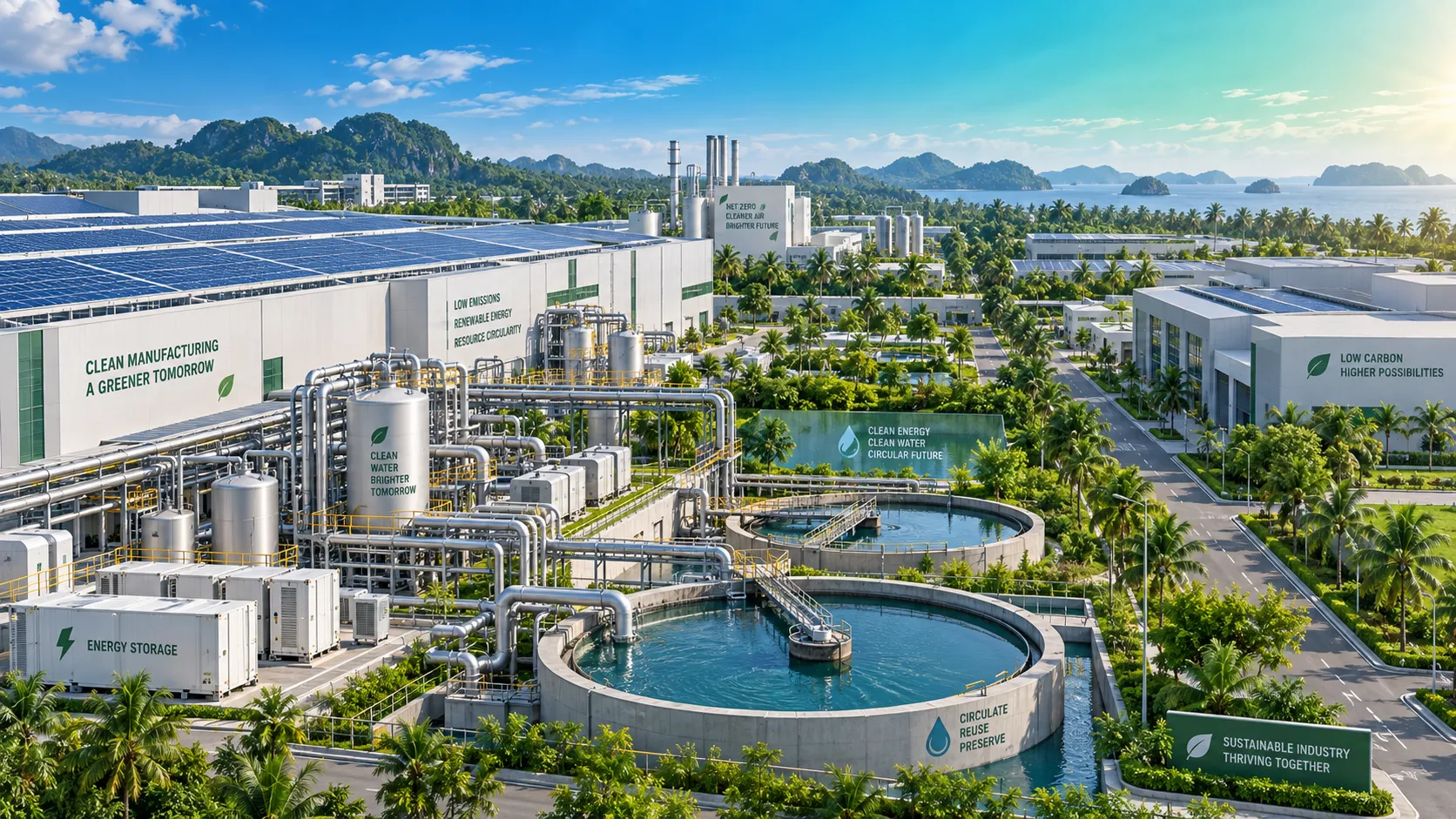
Which decarbonization pathways are most viable in Southeast Asia?
Decarbonization Southeast Asia: discover practical pathways for clean power, efficiency, electrification, circular recovery, and resilient industrial growth.
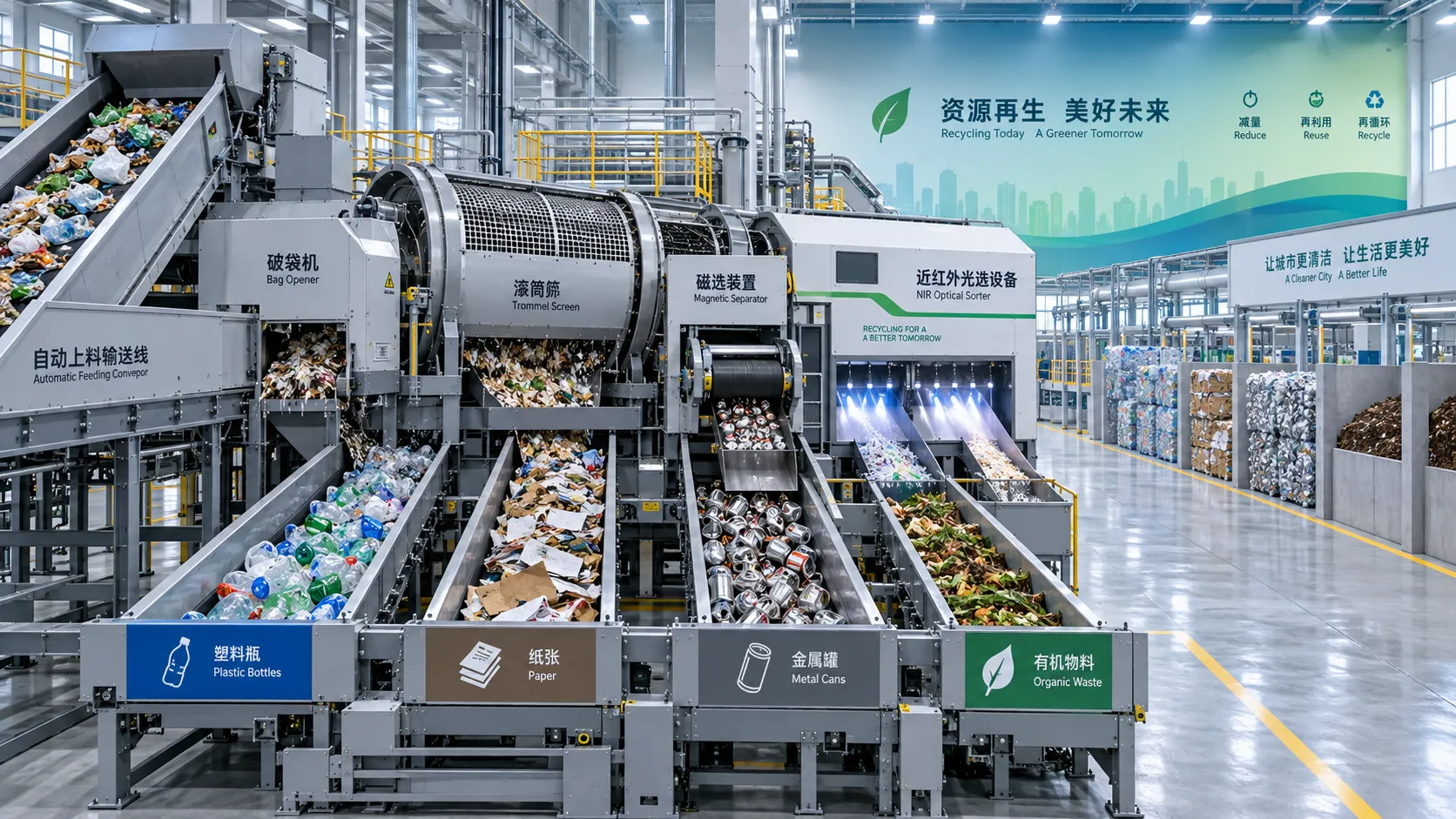
How to choose waste sorting equipment for mixed municipal waste
Waste sorting equipment selection guide for mixed municipal waste: compare technologies, improve recovery, reduce downtime, and build reliable output streams.