
Industry News
Curation by industry experts
Hot Articles
Popular Tags
How high purity heavy metal recovery affects recovered metal value
A recovered metal is not valued simply because it has been removed from a waste stream. It is valued because a buyer can confidently use it. That distinction sits at the center of high purity heavy metal recovery. Two recovery systems may capture a similar mass of copper, nickel, cobalt, zinc, lead, or precious-metal-bearing solids, yet produce materials with sharply different sales prospects, refining charges, transport restrictions, and working-capital requirements.
For business evaluators, the question is therefore broader than “How much metal can this plant recover?” The more useful question is: “What grade, consistency, documentation, and downstream route will the recovered material achieve over time?” A recovery project that looks attractive on a metal-content basis can lose much of its value when contaminants, variable feed chemistry, off-spec batches, or compliance uncertainty force the material into a discounted outlet.
High purity recovery changes the commercial equation by converting a difficult residue into a more tradable secondary raw material. It can reduce the distance between a waste-management cost center and a revenue-generating circular resource stream—but only when the purification target is matched to a real buyer’s specification.
Recovered metal value is a chain, not a laboratory result
In industrial wastewater treatment, battery recycling, electroplating operations, ash processing, catalyst recovery, and mining-related residues, a metal assay is only the first indicator of value. Commercial value is usually shaped by four linked conditions:
- Contained metal: the actual quantity of recoverable metal in the feed and final product.
- Product purity and impurity profile: whether unwanted elements remain below buyer-defined limits.
- Physical form: sludge, hydroxide cake, carbonate, sulfate solution, cathode metal, mixed concentrate, or another saleable intermediate.
- Reliability of supply: whether each shipment is sufficiently consistent for a refiner, smelter, chemical producer, or battery-material processor to accept.
A high-grade product can still be commercially awkward if it arrives with excessive moisture, inconsistent particle size, difficult-to-handle salts, or hazardous impurities. Conversely, a lower-purity concentrate may retain strong value if it has a well-established off-take route and predictable processing cost. Procurement teams should resist treating purity as an isolated percentage. It is a commercial attribute defined by the intended market.
For example, copper recovered from rinse water may be acceptable as a mixed copper-bearing precipitate for a specialist refiner, while a manufacturer of copper chemicals needs much tighter controls over iron, zinc, chloride, and organic contaminants. The same principle applies to nickel and cobalt streams from batteries or plating operations: their ultimate value depends not only on metal content, but on whether manganese, aluminum, lithium, fluorine, sodium, calcium, or trace organics create a costly downstream separation burden.
Why purity commands a premium—and why the premium is not automatic
High purity heavy metal recovery can improve realized revenue in several ways. First, it raises the proportion of commercially useful metal in every tonne shipped. Less inert material means fewer truckloads, lower handling expense, and a smaller disposal component hidden inside the logistics bill.
Second, improved purity can widen the pool of potential buyers. A mixed hazardous sludge may have only a few processors willing to accept it. A stable, characterized metal salt or concentrate may attract refiners, metal traders, chemical producers, and specialized recyclers. More qualified outlets generally give the seller stronger negotiating leverage, particularly when local treatment capacity is constrained.
Third, cleaner material can reduce deductions. Buyers commonly adjust payable metal values for moisture, low assay, deleterious elements, sampling uncertainty, and additional refining work. The headline market price for nickel, copper, or cobalt is never the amount a seller receives. The net settlement is shaped by the buyer’s cost and risk of converting the material into a usable product.
Still, not every incremental purity gain creates equal financial value. Chasing near-prime purity can require additional ion exchange, solvent extraction stages, selective precipitation, electrowinning, membrane concentration, crystallization, polishing filtration, or thermal treatment. These steps consume reagents, energy, maintenance capacity, operator attention, and sometimes large amounts of water. At a certain point, the cost of removing the last fraction of an impurity can exceed the price uplift available in the market.
The best design target is rarely “maximum purity at any cost.” It is the lowest total cost needed to meet the most profitable verified outlet specification.
A practical value bridge for procurement reviews
When evaluating equipment proposals or integrated recovery schemes, it helps to build a value bridge rather than relying on recovery-rate claims. The bridge should start with the metal in the incoming stream and end with cash received after all commercial deductions.
This approach exposes a common weakness in early-stage business cases. A proposal may quote “99% removal” from wastewater, but removal is not the same as recovery, and recovery is not the same as monetization. If the metal is transferred into a mixed sludge containing lime, iron hydroxides, gypsum, organic residues, and excess water, its apparent capture rate may conceal a poor final-product value.
Contaminant control decides whether a product is a resource or a liability
Impurities do more than lower an assay. They influence metallurgical behavior, product safety, regulatory classification, and the buyer’s process risk. Chlorides can cause corrosion or complicate electrorefining. Fluorine-bearing compounds may restrict certain recycling routes. Arsenic, mercury, cadmium, chromium(VI), and persistent organic contaminants can trigger specialized handling requirements and narrow the number of acceptable processors. Even relatively benign metals can be undesirable when they interfere with a downstream chemistry.
For this reason, an equipment evaluation should review the full impurity map, not only the target-metal concentration. Ask for representative feed analyses across seasons, production shifts, cleaning cycles, and foreseeable changes in raw materials. In many industrial plants, the “average” sample is not the sample that creates the commercial problem. A short-term upstream change—such as a new plating bath additive, a different battery feedstock, or a cleaning chemical—can alter separation performance and turn a previously accepted product into an off-spec shipment.
Selective recovery technologies are particularly valuable where multiple metals have different economic destinations. pH-controlled precipitation can be cost-effective but may co-precipitate several species. Membranes can concentrate valuable ions, though they may suffer fouling or struggle with complex mixed streams. Ion exchange offers selectivity in suitable chemistries, while solvent extraction can produce a cleaner split when properly controlled. Electrowinning may deliver a high-value metallic product, but requires feed quality and energy conditions that support stable deposition.
The right technology is not defined by a single recovery percentage. It is defined by how well it controls the contaminants that buyers care about, under the real chemistry of the site.
Purity targets should begin with the off-take route
Before selecting a recovery train, business evaluators should identify at least two plausible destinations for the material. This is not a paperwork exercise. It prevents capital from being committed to a product that looks valuable on paper but has no resilient market route.
A useful starting conversation with prospective buyers should cover product form, minimum lot size, accepted assay range, moisture ceiling, prohibited contaminants, sampling method, settlement timing, treatment and refining charges, and rejection conditions. It should also clarify who carries responsibility if the shipment is reclassified as hazardous or fails an incoming inspection.
In some cases, the most profitable route is a high-purity salt solution supplied to a nearby chemical user. In others, concentrating metals into a stable mixed intermediate is more sensible because a regional refiner already has the equipment to separate them. Where cross-border movement is involved, regulatory documentation and waste-versus-product status may matter as much as assay. A material with excellent metal content can still face delays, extra testing, or limited transport options if its classification is unclear.
ESD’s wider view of solid waste recovery and large-scale water treatment is relevant here: resource recovery does not operate separately from environmental compliance. The design of a metal-recovery system affects discharge quality, sludge generation, zero-liquid-discharge strategy, chemical consumption, carbon footprint, and the traceability needed by customers and regulators. Commercial upside is strongest when these elements are planned as one operating system rather than purchased as disconnected units.
Where projects lose money: three recurring misjudgments
Confusing removal efficiency with saleable recovery
Removing dissolved metal from an effluent may be essential for discharge compliance, but the resulting solids can be diluted and contaminated. A procurement review should require separate figures for metal removal, metal captured in a recoverable stream, and metal actually expected to be paid for by an off-taker.
Using average operating costs for a variable feed
Heavy metal recovery processes are sensitive to pH, oxidation state, competing ions, suspended solids, temperature, and organic load. A system optimized for ideal feed may consume far more reagent or generate lower purity during normal variation. Pilot trials and supplier guarantees should define feed envelopes, not just best-case test conditions.
Ignoring the value of quality assurance
Sampling, assay protocols, batch records, calibration, and chain-of-custody procedures may seem secondary to process equipment. In commercial settlement, they are not. If seller and buyer disagree on metal content or contaminants, the weaker measurement system usually bears the cost. Reliable analytical controls protect revenue and make long-term contracts easier to negotiate.
How to compare recovery proposals beyond the headline price
A lower-capex system may appear attractive until its output requires frequent disposal or receives heavy refining deductions. A more selective process may cost more initially but create a product with a stable buyer base and lower compliance exposure. The comparison should therefore include a lifecycle view of value.
Request that suppliers model several conditions: expected feed, lower-grade feed, high-contaminant feed, and upset scenarios. Review the expected product quality for each case, not merely throughput. Consider reagent availability, wastewater generation, energy intensity, consumables, automation requirements, spare parts, operator skill, and maintenance downtime. If the system produces brines, spent regenerant, off-gas residues, or secondary sludges, account for their treatment path from the start.
It is also prudent to ask where the separation boundary sits. Does the proposed solution recover one target metal cleanly, or does it create a mixed fraction that requires another party to finish the job? Neither answer is inherently wrong. What matters is whether the downstream cost, commercial risk, and contractual responsibility are visible in the financial model.
The procurement decision: optimize netback, not purity alone
High purity heavy metal recovery affects recovered metal value because it shapes what the market believes the material is worth after processing risk has been priced in. Higher purity can improve payability, reduce penalties, expand off-take options, lower logistics burdens, and support stronger compliance positioning. Yet purity only creates value when it is technically repeatable and economically aligned with a real outlet.
For a business evaluator, the strongest investment case combines three forms of evidence: a realistic mass balance, a documented impurity profile, and buyer-informed netback economics. That combination turns recovery from an attractive environmental concept into a defensible procurement decision.
In a resource-constrained world, industrial residues increasingly contain materials that should not be treated as anonymous waste. But their path back into the economy depends on disciplined separation, credible quality control, and a clear understanding of who will use the recovered metal next. The most durable projects are built around that final buyer’s threshold—not around an impressive purity number alone.
Recommended News
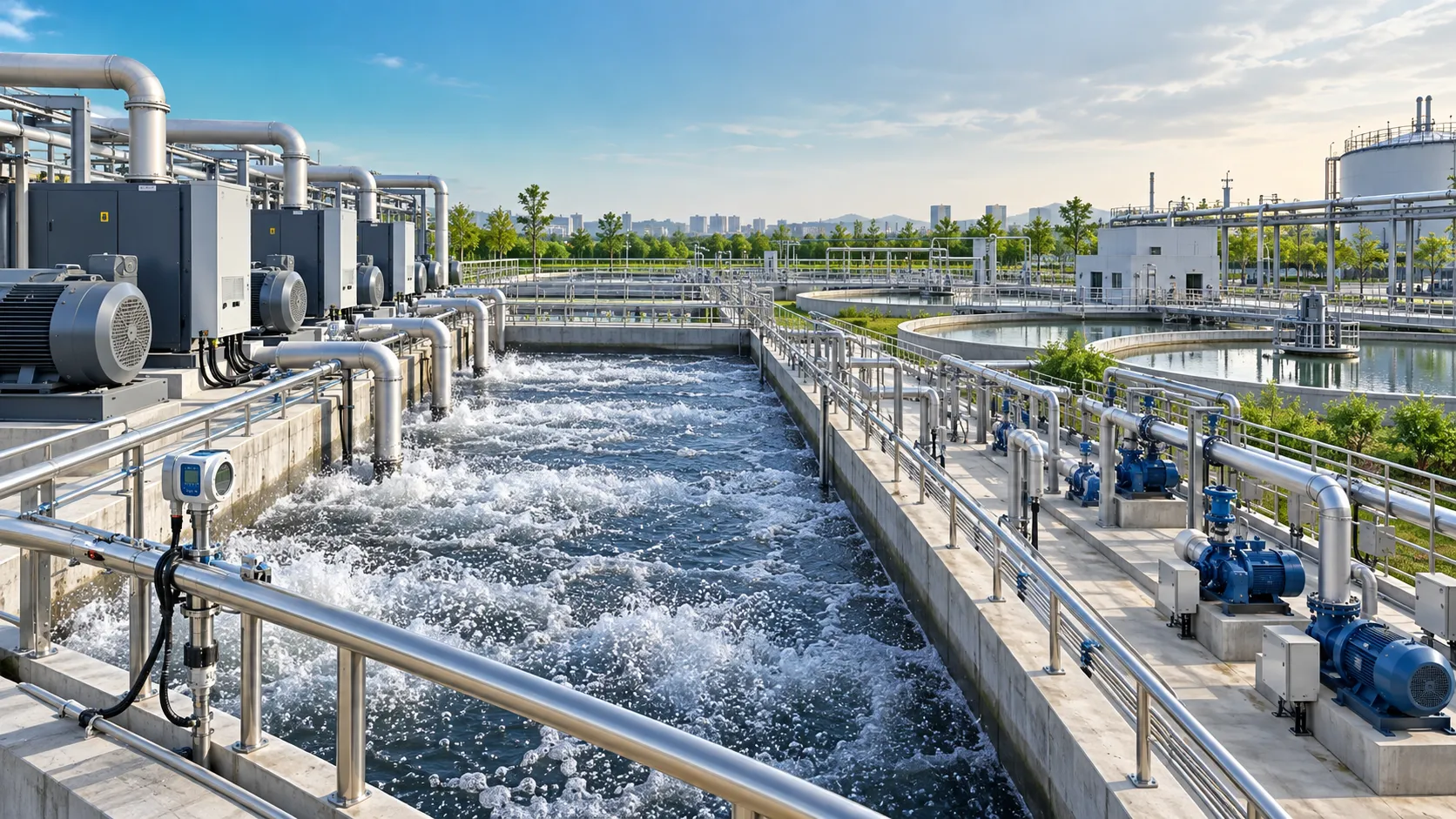
When does environmental equipment intelligence reduce wastewater plant energy use?
Environmental equipment intelligence for wastewater plants cuts energy use through smarter aeration, pumping, and data-driven controls—without compromising compliance. Discover when it delivers measurable savings.
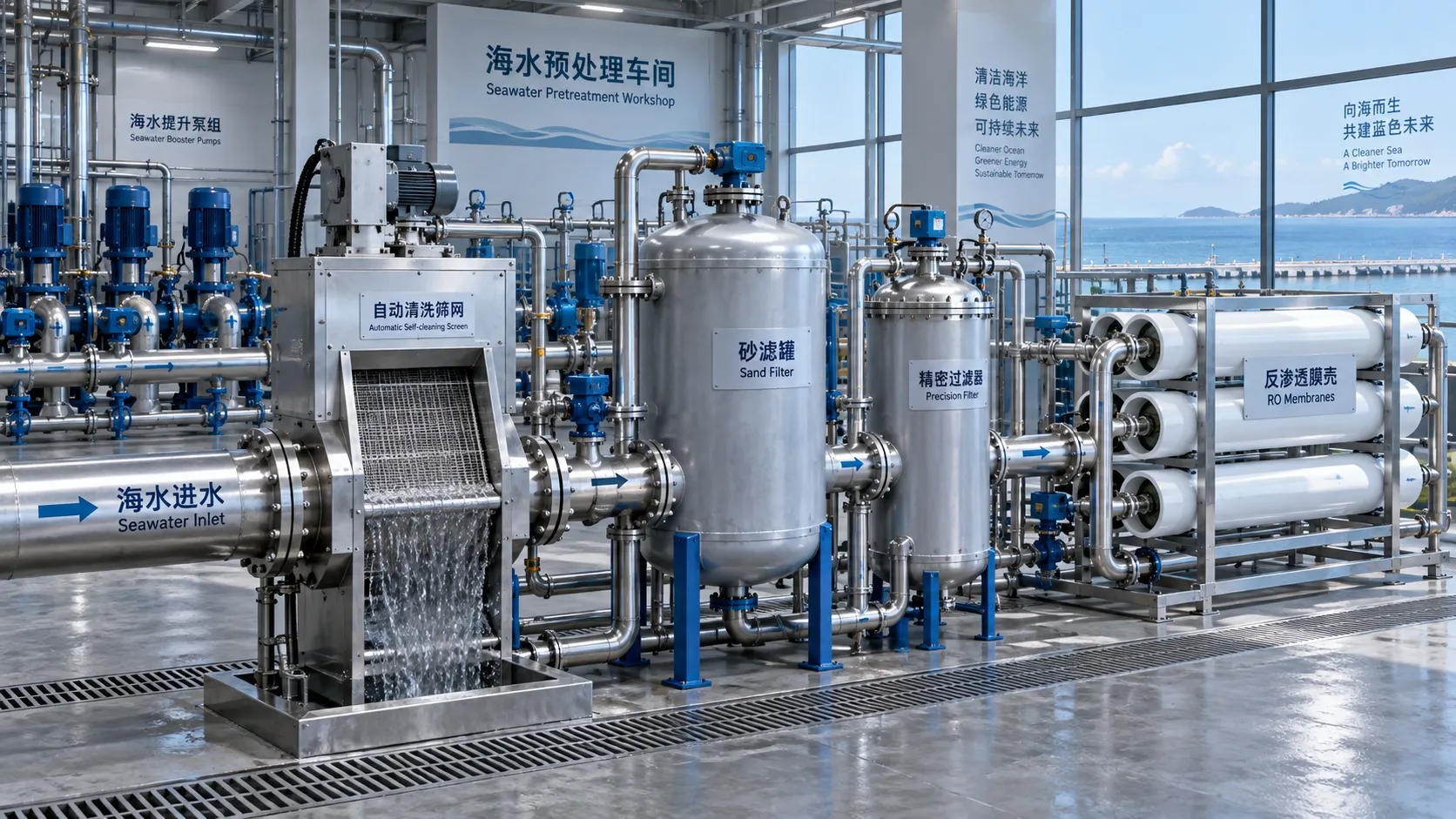
How to Improve Industrial Seawater Quality Before Cooling or Membrane Treatment
How can I improve the quality of seawater used for industrial processes? Explore proven pretreatment strategies for cooling systems and RO membranes.
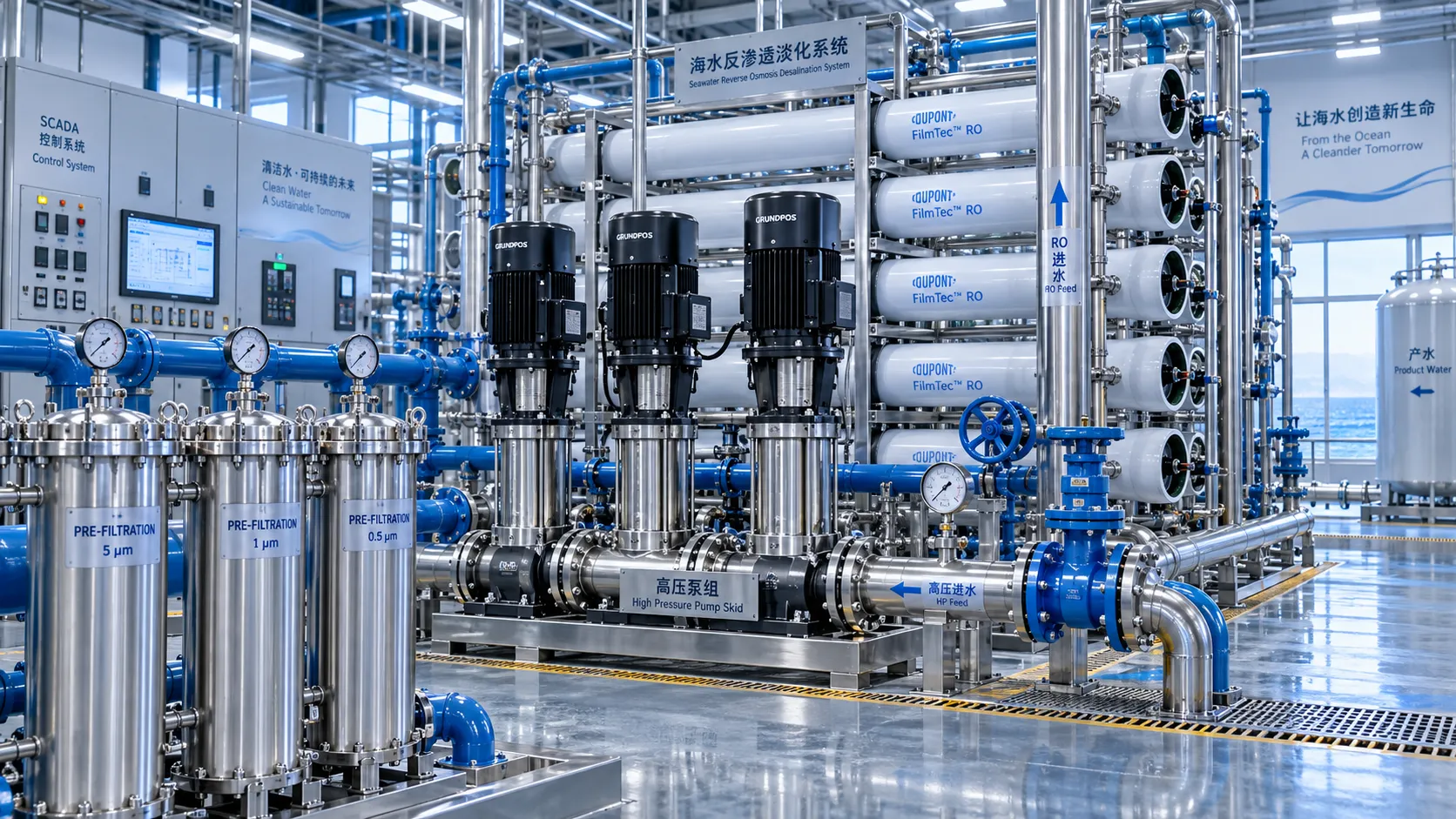
Desalination Plant Maintenance Priorities That Prevent Unplanned Downtime
Desalination plant maintenance priorities that reduce unplanned downtime: protect pretreatment, RO membranes, pumps, chemical dosing, and critical controls.
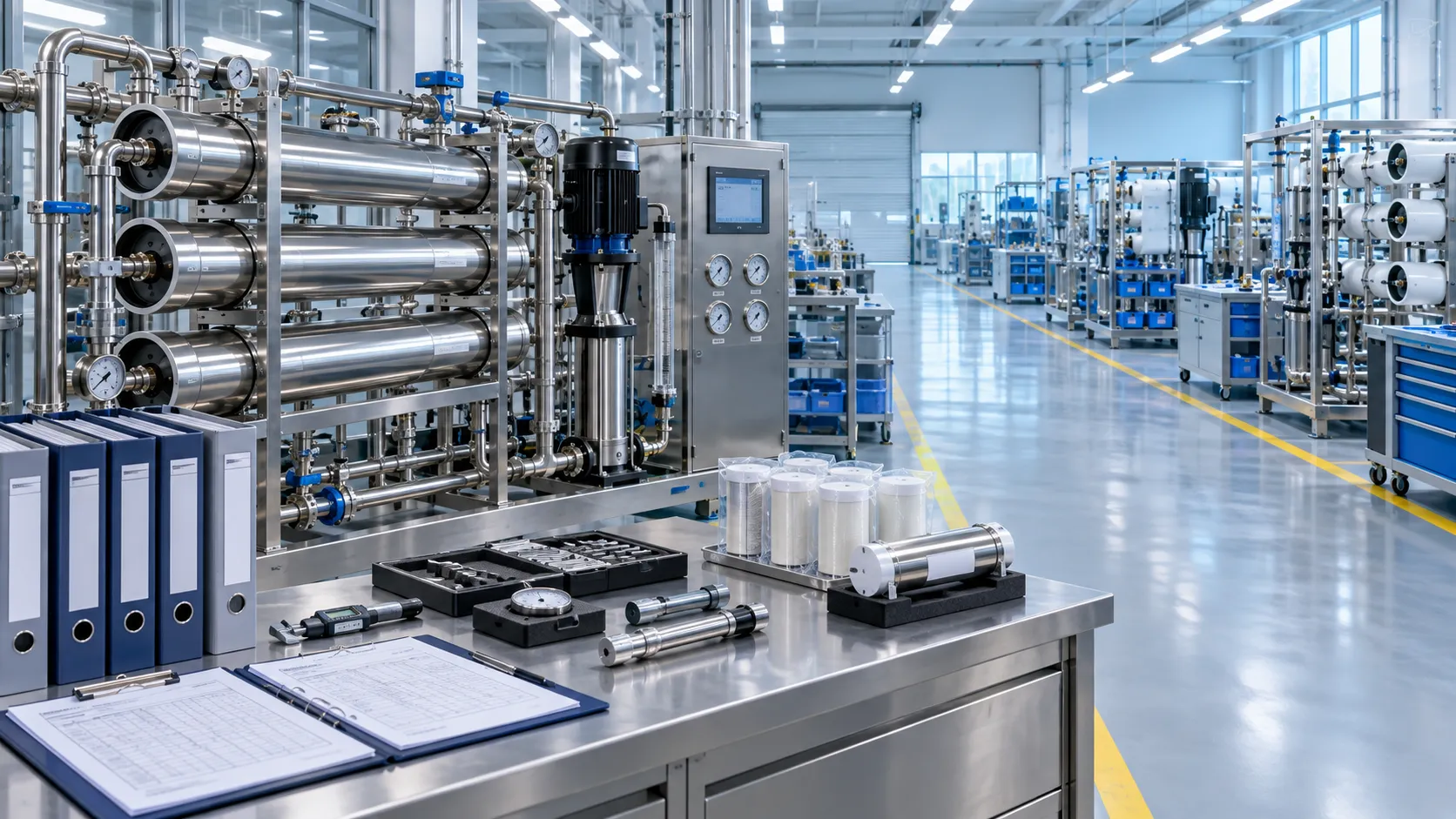
Which supplier evaluation support tools improve audit consistency?
Supplier evaluation support tools improve audit consistency with controlled checklists, evidence capture, risk scoring, CAPA workflows, and traceable approvals. Explore the essentials.
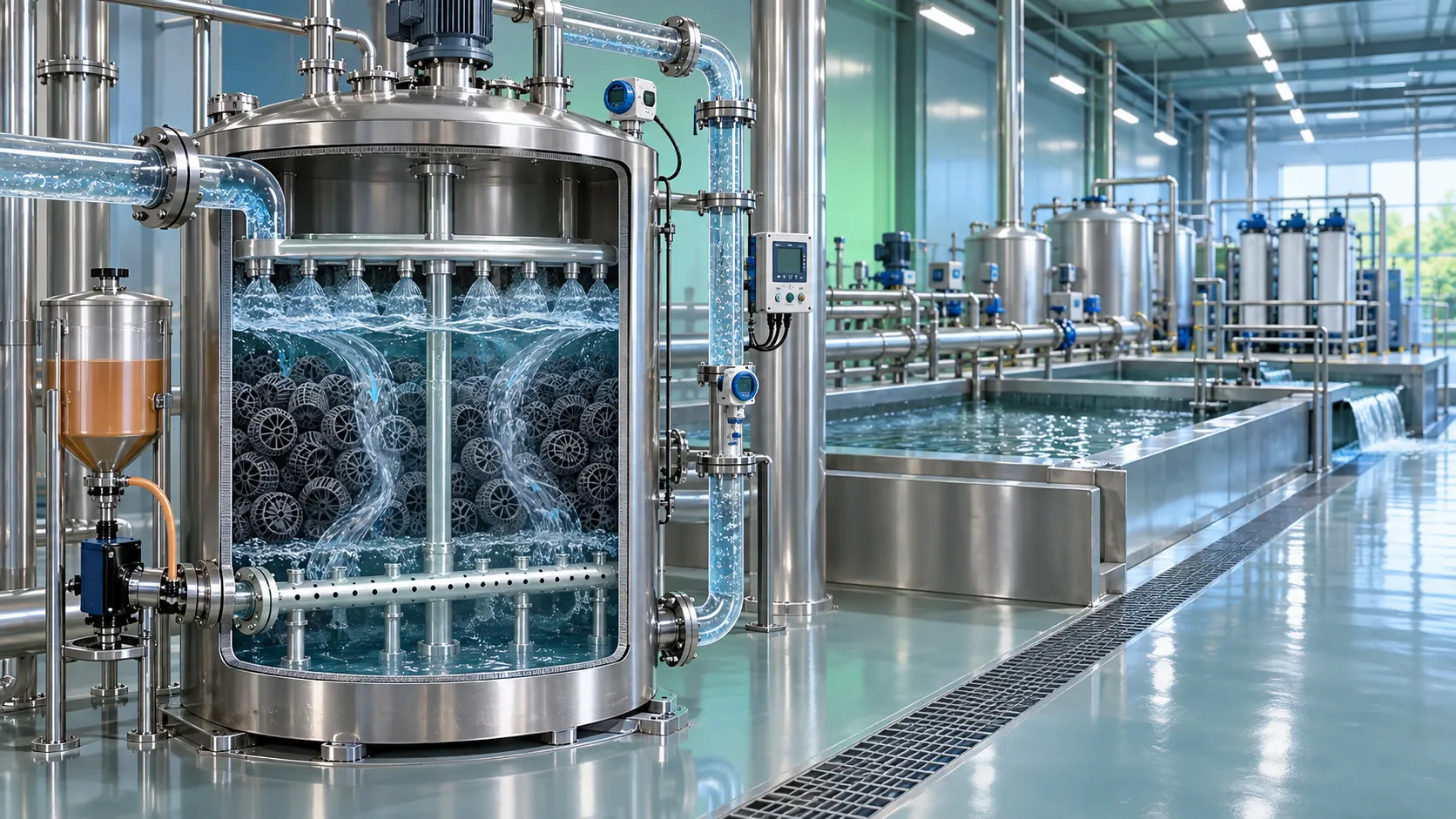
How reactor retention time affects denitrification equipment performance
Denitrification equipment reactor performance depends on retention time, carbon, mixing, and load control. Explore practical insights for reliable nitrogen removal.
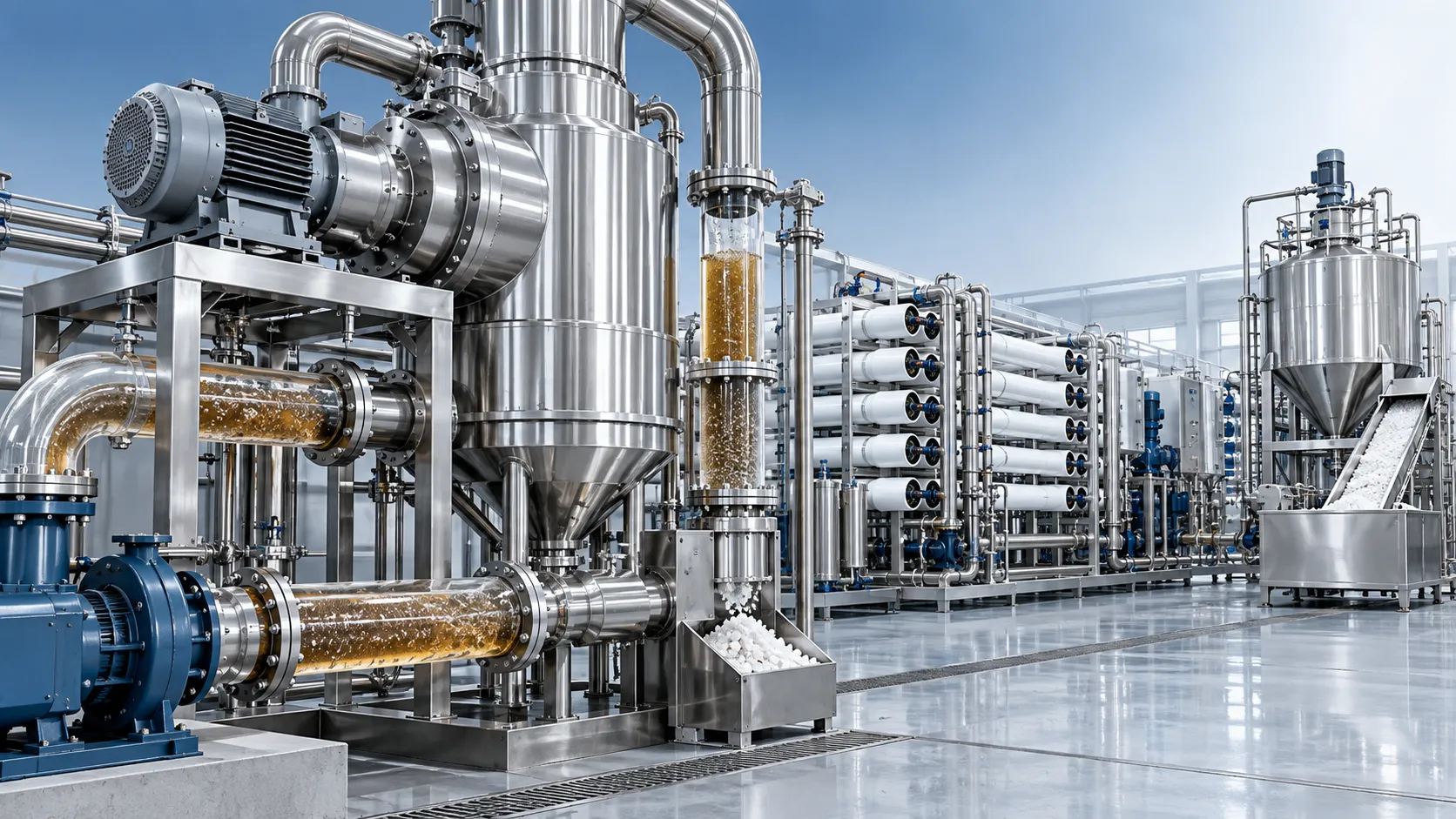
How feed salinity affects energy use in ZLD system brine treatment
ZLD system brine treatment: discover how feed salinity drives energy use, scaling risk, and technology choices for efficient, reliable zero liquid discharge.

How coastal cities can select desalination solutions for peak demand
Seawater desalination solutions for coastal cities: compare firm peak capacity, intake risk, energy resilience, and lifecycle value to secure reliable water supply.
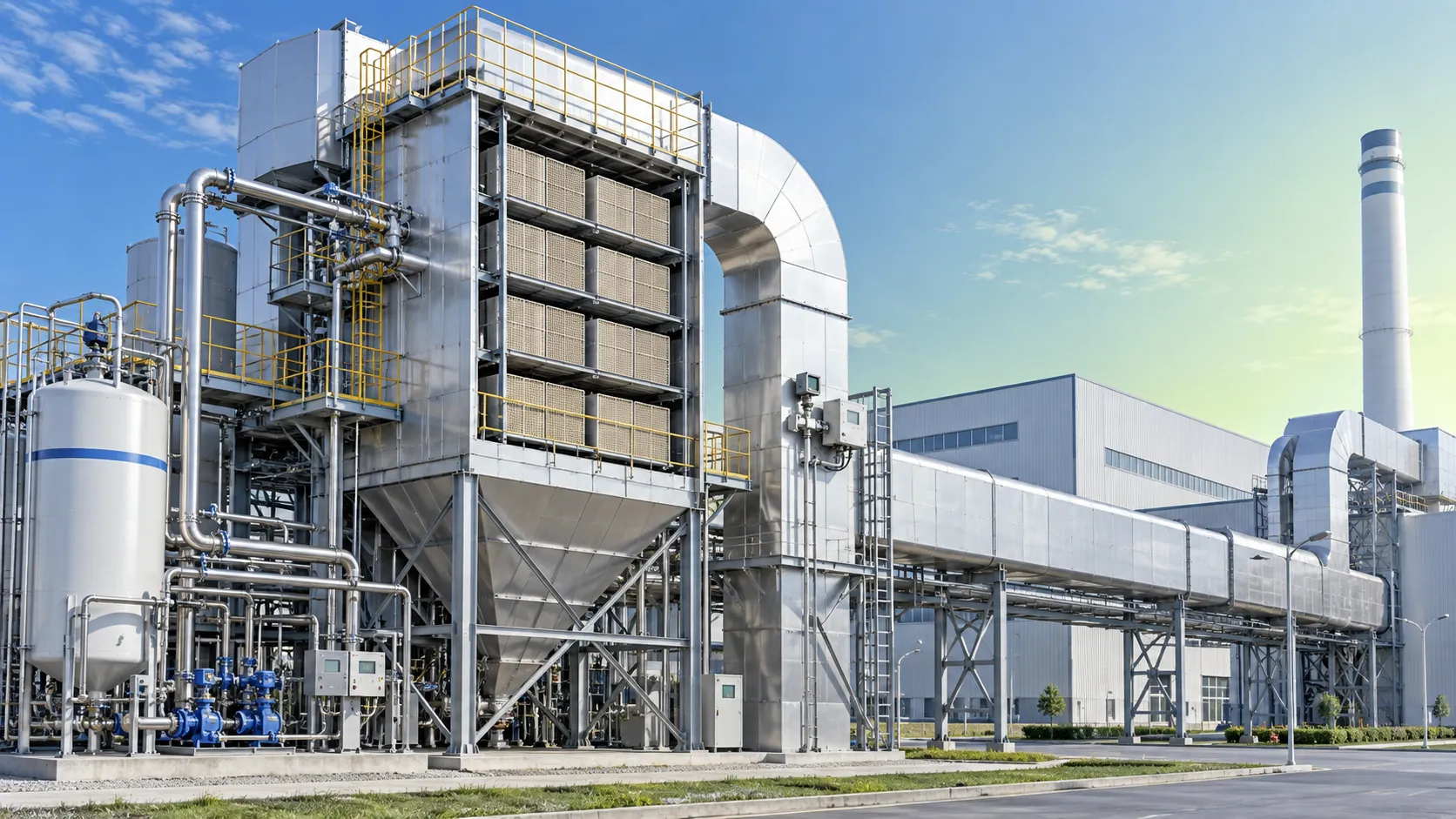
How SCR denitrification systems in Europe meet Industrial Emissions rules
SCR denitrification systems Europe: learn how permit-led design, ammonia-slip control, catalyst management and monitoring support Industrial Emissions compliance.
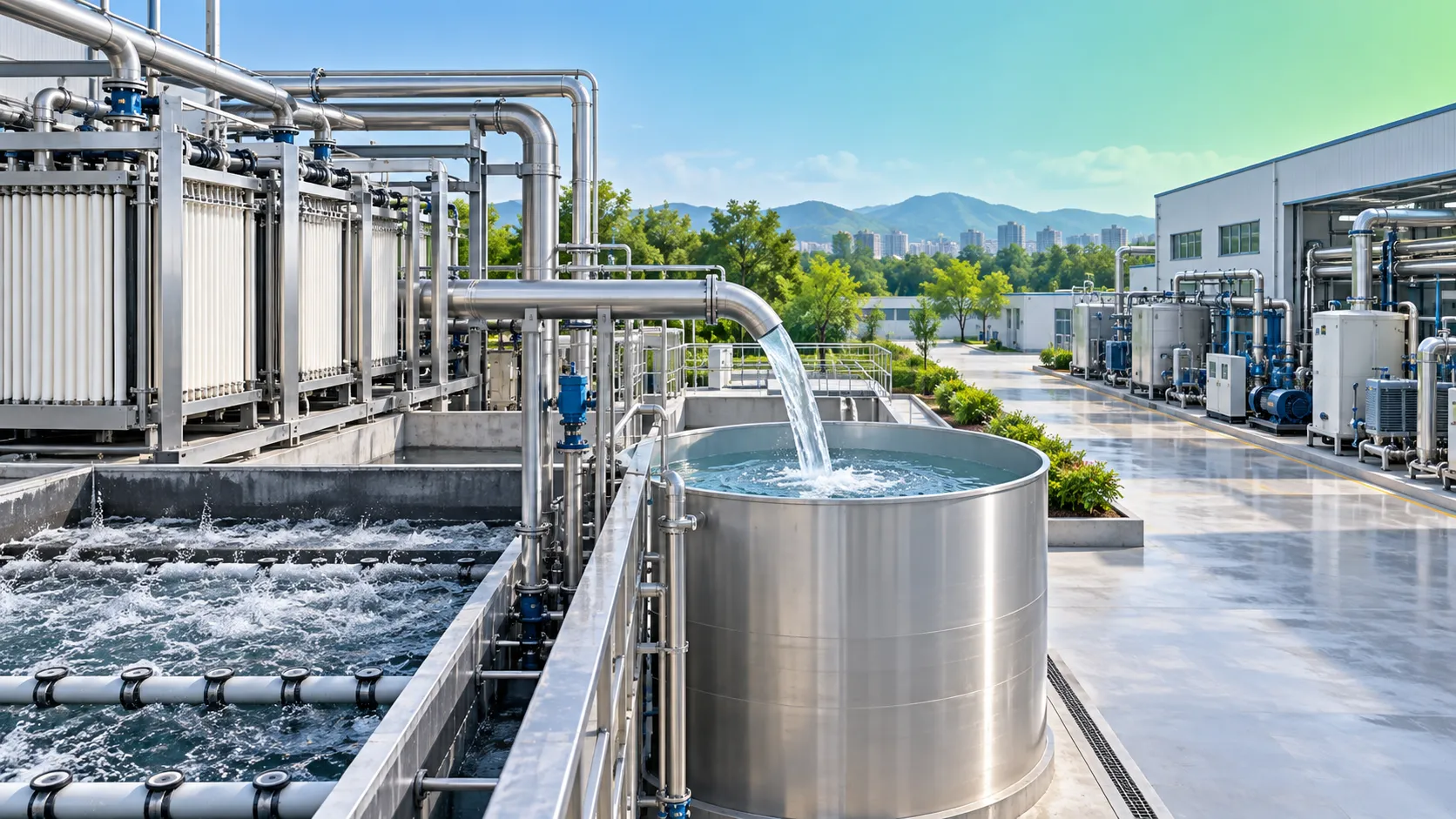
When does MBR equipment make sense for wastewater reuse?
Water treatment equipment for wastewater reuse: learn when MBR delivers compact, reliable low-solids effluent—and when alternative treatment trains offer better value.