
Industry News
Curation by industry experts
Hot Articles
Popular Tags
Desalination Plant Maintenance Priorities That Prevent Unplanned Downtime
Unplanned downtime in a desalination plant rarely begins with a single catastrophic failure. It usually starts with a small deviation that is either not detected, not interpreted correctly, or deferred because production appears stable. A rising differential pressure across pretreatment filters, a slow loss of normalized membrane permeability, repeated pump seal leakage, or a drifting conductivity signal can each develop into a forced shutdown when the plant has little operating margin.
The most effective desalination plant maintenance programs do not treat every asset on the same calendar. They focus attention on equipment whose failure can immediately interrupt feedwater supply, damage reverse osmosis membranes, compromise permeate quality, or make safe operation impossible. The priority is not simply completing scheduled tasks; it is identifying degradation early enough to intervene during a controlled maintenance window.
Prioritize by production consequence, not by equipment count
A large SWRO facility contains many pumps, valves, instruments, filters, chemical systems, electrical panels, and auxiliary units. Attempting to apply identical inspection intensity across all of them creates paperwork without necessarily reducing risk. Maintenance priorities should reflect three practical questions:
- Would failure stop or materially reduce water production?
- Could failure damage another high-value asset, especially membranes, high-pressure pumps, or energy recovery devices?
- Is the failure detectable early enough to plan corrective work?
Assets with high production consequence and limited warning time deserve the closest monitoring. High-pressure pumping trains, seawater intake systems, pretreatment barriers, energy recovery equipment, chemical dosing systems, and critical electrical supply components usually belong in this group. Their maintenance strategy should combine routine physical inspection with operating-data review, because mechanical condition and process performance often reveal different parts of the same problem.
A useful distinction is between a component that can fail safely and one that creates a cascading failure. A standby chemical transfer pump may be manageable if a tested duty/standby arrangement exists. A failed antiscalant dosing system, however, can expose membrane trains to scaling risk if it remains undetected. Likewise, a leaking seal on an auxiliary pump may be a localized repair, while vibration on a high-pressure pump can signal bearing, alignment, hydraulic, or cavitation problems that threaten availability of an entire train.
Protect the feedwater path before it reaches the membranes
Membrane fouling is often discussed as an RO issue, but many avoidable membrane problems originate upstream. Pretreatment reliability is therefore one of the most important defenses against unplanned downtime. The operating team should not view screens, clarifiers, dissolved air flotation units, media filters, ultrafiltration systems, cartridge filters, and chemical conditioning equipment as separate maintenance islands. They form a barrier chain. Weakness at one point increases the loading on the next.
For open-intake seawater systems, intake screens, traveling screens, screening wash systems, debris handling equipment, and intake pumps require attention because obstruction or marine growth can restrict feedwater flow before the RO process is reached. Inspecting screen cleaning performance matters as much as checking whether the mechanical drive runs. A screen can move while still leaving deposits, damaged panels, or poorly cleaned sections that reduce effective open area.
In pretreatment, differential pressure is useful only when interpreted with flow, temperature, source-water condition, and cleaning history. A rising pressure drop across media filters may reflect solids accumulation, but it can also indicate inadequate backwash expansion, ineffective air scour, valve sequencing errors, damaged underdrains, or media loss. Repeatedly increasing backwash frequency without investigating the cause can hide an emerging failure until filter performance deteriorates sharply.
Cartridge filters deserve particular discipline. A sudden rise in cartridge filter differential pressure can indicate pretreatment breakthrough, a change in coagulant performance, biological debris, oxidized metal carryover, or a cartridge compatibility issue. Replacing cartridges restores flow but does not answer why loading changed. Recording the condition of removed cartridges, the distribution of fouling across housings, and the time since the previous change provides useful evidence for tracing upstream instability.
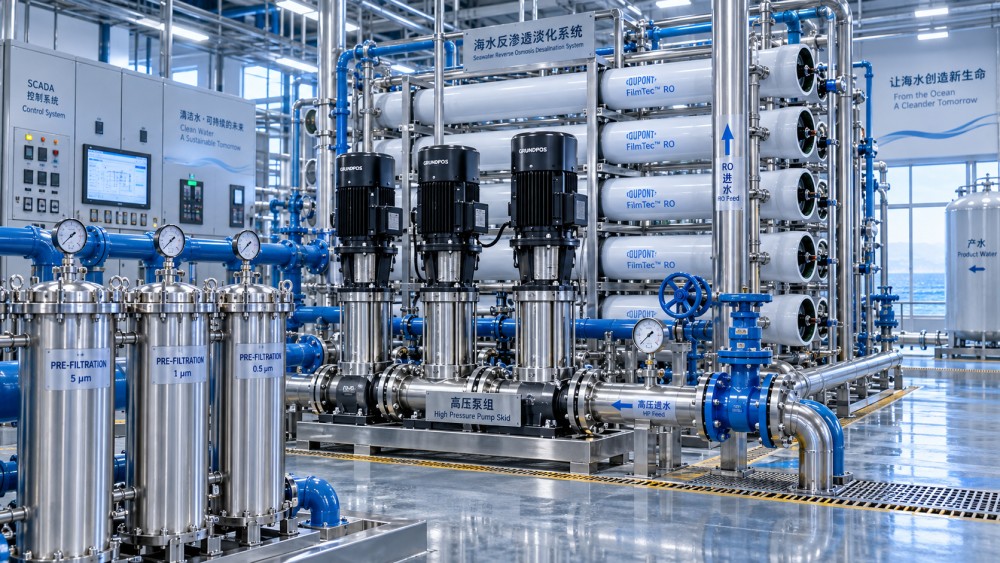
Where ultrafiltration is used, maintenance decisions should consider permeability trends, backwash effectiveness, chemical enhanced backwash results, integrity test behavior, air scour performance where applicable, and valve reliability. A declining UF performance trend should not automatically trigger stronger cleaning chemistry. First determine whether the limitation is membrane fouling, inadequate backwash hydraulics, air distribution problems, poor chemical concentration control, or an instrumentation error. Cleaning a membrane cannot correct a faulty flow transmitter or a valve that is not reaching its commanded position.
Use normalized RO performance to distinguish real membrane deterioration
Raw operating values can be misleading in reverse osmosis systems because feedwater temperature, salinity, recovery, and pressure vary. Permeate flow, salt passage, and differential pressure should therefore be assessed in normalized form wherever the plant’s design and data system allow. A change in normalized performance is more informative than a change in uncorrected flow on a warmer or cooler day.
Three membrane indicators require close attention:
- Normalized permeate flow: a decline may indicate fouling, scaling, compaction, reduced net driving pressure, or feed-side hydraulic restrictions.
- Normalized salt passage or permeate conductivity: an increase can point to membrane damage, O-ring leakage, interconnector problems, sealing failures, oxidation damage, or changes in feed conditions.
- Stage or train differential pressure: an increase often indicates particulate, biological, colloidal, or scale-related deposition, although the location of the pressure increase matters.
The pattern matters more than any single reading. Increased differential pressure with stable salt passage may suggest feed-side fouling. Increased salt passage without a comparable pressure-drop increase can suggest a sealing issue, membrane integrity concern, or sensor problem. A simultaneous decline in normalized flow and increase in differential pressure may justify closer review of pretreatment quality and cleaning history. Maintenance action should be based on the trend, the rate of change, and the operating consequences, not merely on whether a value has crossed a generic threshold.
Cleaning-in-place should be treated as a controlled restoration activity, not as a routine response to every deviation. Premature or poorly executed CIP adds chemical exposure, handling risk, membrane stress, and production interruption. Delayed cleaning can allow deposits to become harder to remove. The decision should consider normalized performance loss, differential-pressure trajectory, feedwater evidence, prior cleaning response, and the risk that continued operation will make recovery more difficult.
CIP effectiveness also needs verification. If performance is not substantially restored after cleaning, repeating the same procedure without diagnosing the foulant can consume time while the underlying cause continues. Review chemical selection, pH, temperature limits, circulation flow, soak conditions, cartridge filter condition in the CIP loop, and waste solution observations. An incomplete recovery may indicate irreversible fouling, membrane aging, damaged elements, poor chemical contact, or a process problem upstream of the RO train.
High-pressure pumps and energy recovery devices need condition-based attention
High-pressure equipment is central to both production continuity and energy performance. A pump can remain online while efficiency declines, vibration increases, or seal leakage becomes more frequent. Waiting for a trip signal is not a maintenance strategy; it is a decision to let protection systems define the maintenance interval.
Routine checks should connect mechanical observations to hydraulic behavior. Review suction pressure stability, discharge pressure, flow, motor current, bearing temperatures, vibration trends, seal flush condition, leakage pattern, coupling alignment, foundation condition, and lubrication practice. Changes in these parameters can indicate cavitation, suction restrictions, internal wear, misalignment, bearing degradation, recirculation, or hydraulic instability.
Vibration data should not be interpreted in isolation. A vibration increase after a process change may have a hydraulic cause rather than a purely mechanical one. For example, altered feed conditions, a partially closed suction valve, fouled strainers, air ingress, or operation away from the pump’s preferred range can contribute to vibration. Replacing bearings without correcting the hydraulic cause risks repeating the failure.
Energy recovery devices require the same discipline because their performance affects both operating cost and train stability. Inspection intervals should reflect the device design, seawater quality, operating hours, manufacturer requirements, and observed wear indicators. Abnormal pressure balance, unusual noise, leakage, declining recovery efficiency, or unstable operating behavior should prompt investigation before damage spreads to associated piping, valves, or pumps.
Do not allow chemical systems to become invisible single points of failure
Chemical dosing systems are deceptively simple. Their failure modes include empty tanks, crystallized or degraded chemicals, blocked injection quills, failed calibration, loss of suction, air locks, damaged diaphragms, faulty level switches, and incorrect stroke settings. Because the dosing pump may still cycle when actual chemical delivery has stopped, visual confirmation of pump motion is insufficient.
Antiscalant, acid, coagulant, disinfectant, dechlorination chemical, and cleaning chemical systems each need verification suited to their process role. The key question is whether the required dose is reaching the correct injection point at the intended concentration. Checking tank inventory against expected consumption, confirming injection pressure, inspecting quills and non-return valves, and validating dosing calculations against actual flow provide stronger assurance than relying on a single pump-status signal.
Oxidant control requires special caution where polyamide RO membranes are installed. Inadequate dechlorination can cause irreversible membrane damage, while excessive reducing-agent dosing can create other process-control issues. Online residual measurements, analyzer maintenance, sample conditioning, reagent condition, and grab-sample verification all influence whether the displayed value is trustworthy. A failed analyzer can be as dangerous as a failed dosing pump when operators treat its reading as definitive.
Instrument reliability is part of mechanical reliability
Many forced shutdowns are triggered by false process signals, failed interlocks, or instruments that drift gradually out of calibration. Conductivity, pH, oxidation-reduction potential, turbidity, flow, pressure, level, temperature, and chlorine-related analyzers may influence alarms, dosing control, membrane protection, and product-water release decisions. Their maintenance cannot be separated from plant availability.
Calibration should be risk-based rather than purely calendar-driven. Instruments used for membrane protection, chemical control, high-pressure trip logic, or product-water compliance need more rigorous verification than indicators used only for general observation. Just as important is validating the full measurement chain: sample line condition, isolation valves, sensor cleanliness, transmitter configuration, control-system scaling, and alarm setpoints. A correctly calibrated sensor installed in a fouled sample line can still provide misleading information.
When a signal appears abnormal, compare it with related process variables before initiating a major intervention. A conductivity increase should be checked against train flow, pressure profile, temperature, laboratory results where available, and other conductivity points. A pressure anomaly may be confirmed with a local gauge or redundant transmitter. This disciplined cross-checking prevents unnecessary shutdowns while avoiding the more serious error of dismissing a genuine warning as “instrument trouble.”
Electrical and control failures often determine the length of downtime
Mechanical repairs can be delayed by an unavailable variable-frequency drive, failed motor protection relay, damaged actuator, control power loss, or unresolved PLC input fault. Electrical reliability should therefore be included in critical asset planning, especially for high-pressure trains, intake pumps, chemical systems, backwash equipment, and emergency shutdown functions.
Thermal inspections of panels and connections, cleaning of cooling paths, verification of enclosure condition, inspection for moisture ingress, review of nuisance trips, and testing of critical standby power arrangements can identify problems that are not visible during normal operation. Repeated electrical trips should be investigated for load, cooling, cable, insulation, harmonic, configuration, or process-related causes. Resetting a protection device restores operation; it does not establish why the protection operated.
Control-system backups, current configuration records, tested spare modules, and clear actuator fail-position records can materially reduce restoration time after a fault. These are often neglected because they do not appear as conventional preventive-maintenance tasks, yet they determine whether a small component failure becomes an extended outage.
Make planned outages more valuable than emergency outages
A shutdown window should be used for tasks that cannot be completed safely or reliably while the train is operating: internal pump inspection, coupling alignment, valve overhaul, membrane vessel checks, instrument replacement, electrical maintenance, cleaning-loop repairs, and verification of isolation integrity. The maintenance scope should be built from known condition data rather than from a generic list alone.
Before restarting, confirm that temporary bypasses have been removed, drain and vent points are restored, chemicals are correctly connected, valves are in verified positions, instruments are returned to service, and protective interlocks are functional. Restart errors can create the very incident the maintenance shutdown was intended to prevent.
Post-maintenance review is equally important. Compare normalized RO performance, pressure profiles, pump vibration, motor load, chemical consumption, and instrument agreement with pre-shutdown values. If a corrective action did not improve the expected indicator, record that result and revisit the diagnosis. Closing a work order should mean that the equipment condition has been verified, not merely that labor was completed.
Reliable desalination plant maintenance depends on converting weak signals into timely action. The most valuable maintenance routines are those that connect upstream water quality, mechanical condition, membrane performance, chemical control, instrumentation, and electrical reliability into one operating picture. When those connections are visible, minor deviations can be corrected during planned work instead of becoming the reason a desalination train is taken offline unexpectedly.
Recommended News
When does environmental equipment intelligence reduce wastewater plant energy use?
Environmental equipment intelligence for wastewater plants cuts energy use through smarter aeration, pumping, and data-driven controls—without compromising compliance. Discover when it delivers measurable savings.
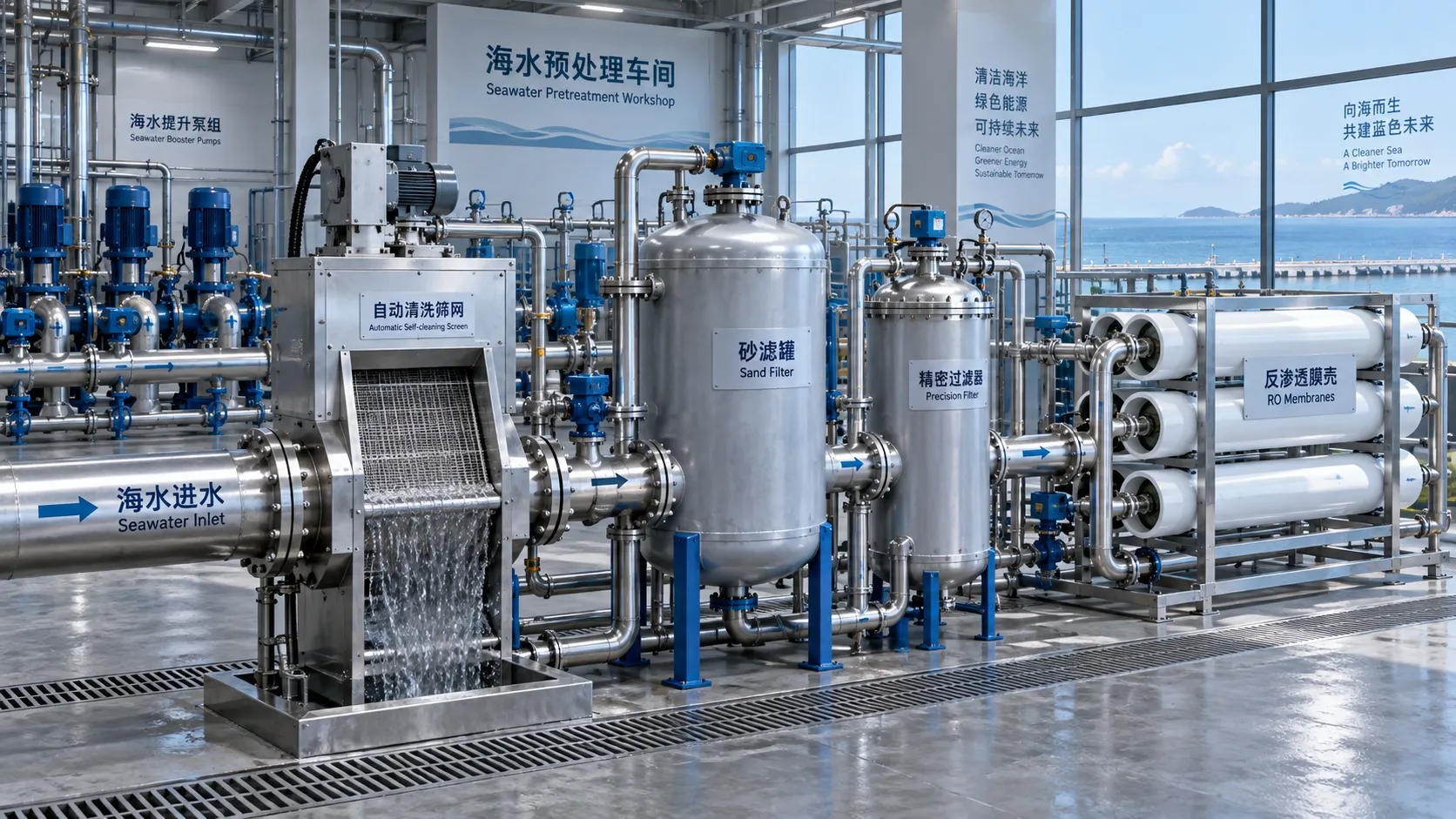
How to Improve Industrial Seawater Quality Before Cooling or Membrane Treatment
How can I improve the quality of seawater used for industrial processes? Explore proven pretreatment strategies for cooling systems and RO membranes.
Which supplier evaluation support tools improve audit consistency?
Supplier evaluation support tools improve audit consistency with controlled checklists, evidence capture, risk scoring, CAPA workflows, and traceable approvals. Explore the essentials.
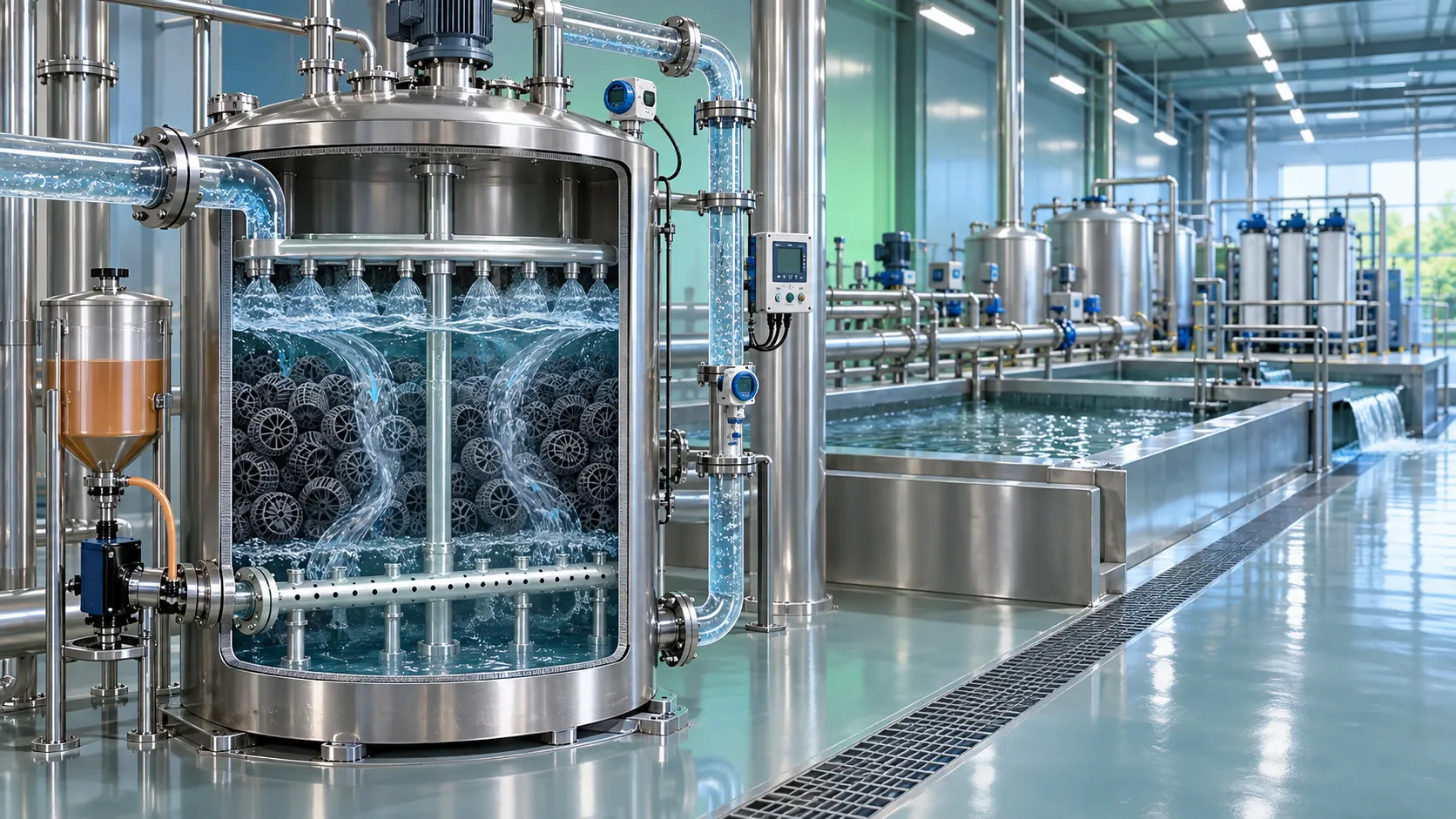
How reactor retention time affects denitrification equipment performance
Denitrification equipment reactor performance depends on retention time, carbon, mixing, and load control. Explore practical insights for reliable nitrogen removal.
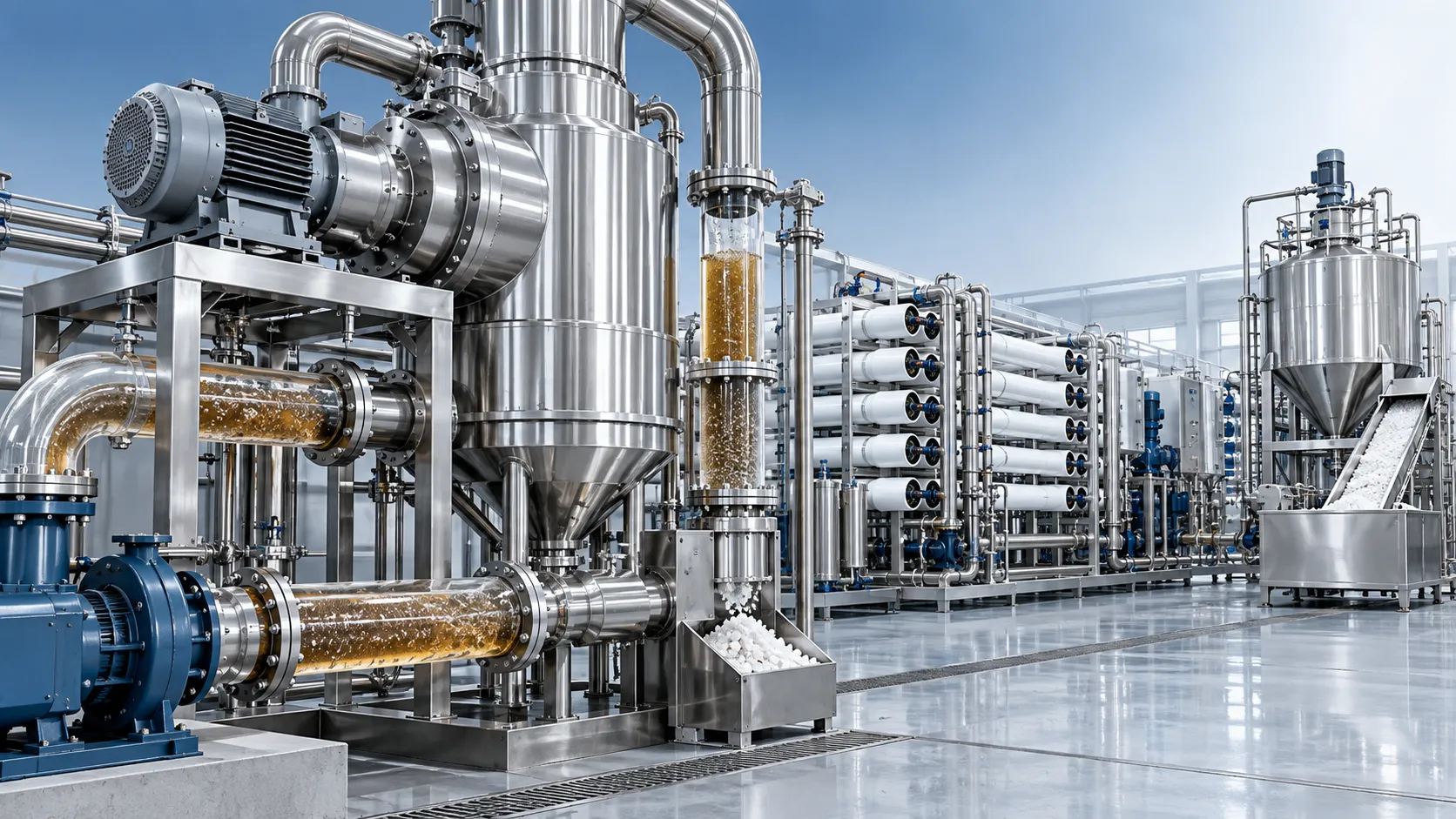
How feed salinity affects energy use in ZLD system brine treatment
ZLD system brine treatment: discover how feed salinity drives energy use, scaling risk, and technology choices for efficient, reliable zero liquid discharge.
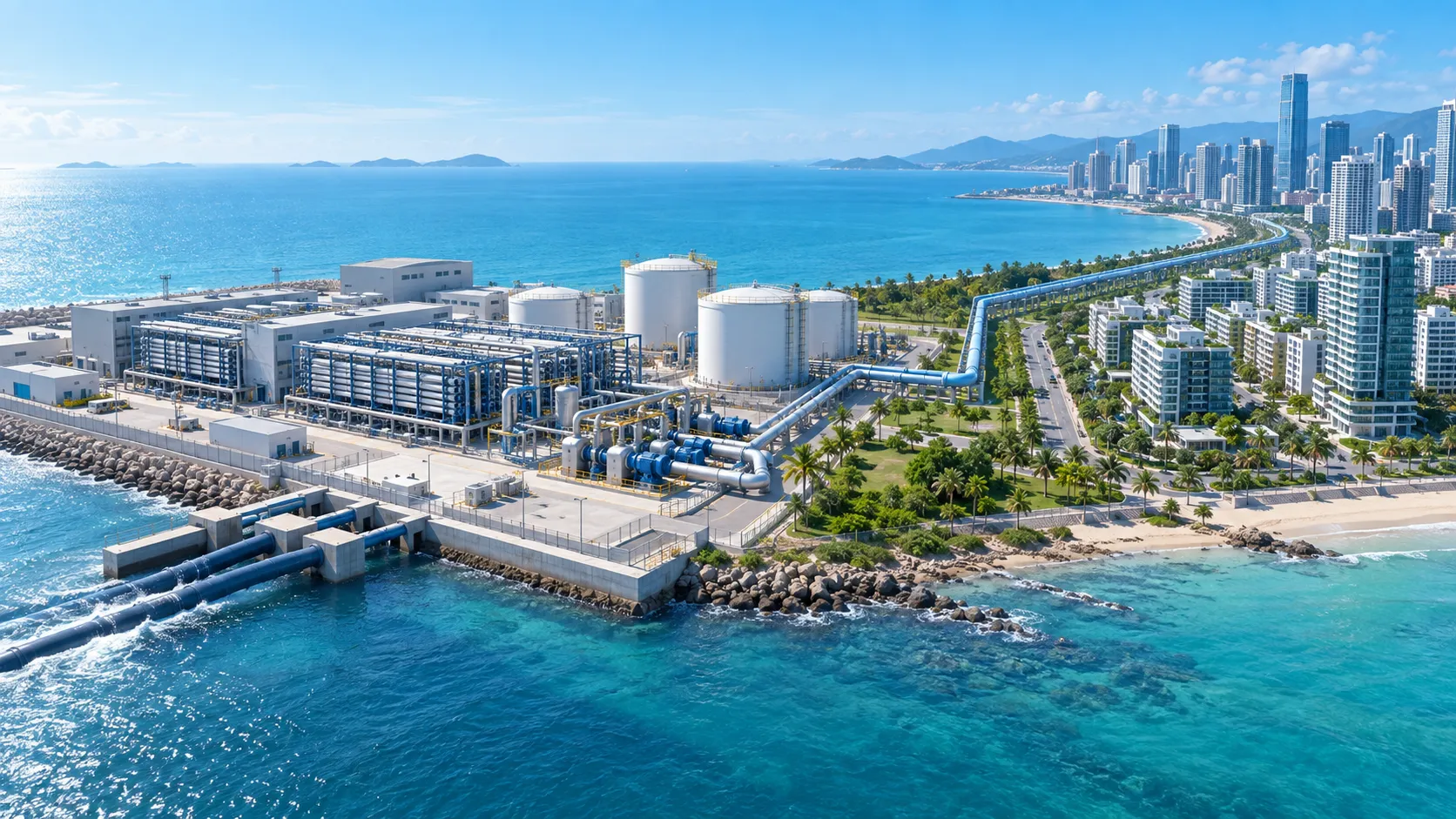
How coastal cities can select desalination solutions for peak demand
Seawater desalination solutions for coastal cities: compare firm peak capacity, intake risk, energy resilience, and lifecycle value to secure reliable water supply.
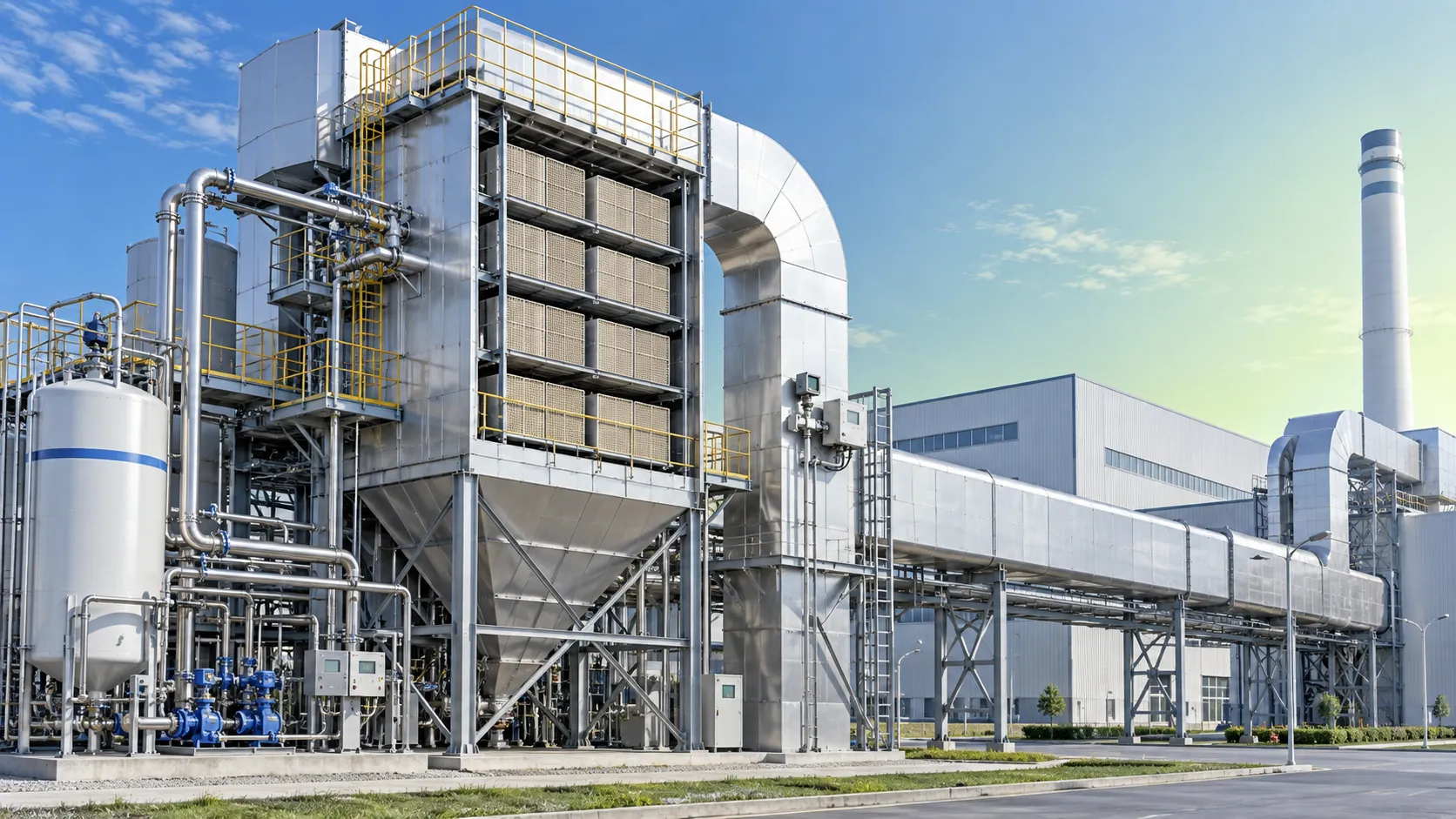
How SCR denitrification systems in Europe meet Industrial Emissions rules
SCR denitrification systems Europe: learn how permit-led design, ammonia-slip control, catalyst management and monitoring support Industrial Emissions compliance.
When does MBR equipment make sense for wastewater reuse?
Water treatment equipment for wastewater reuse: learn when MBR delivers compact, reliable low-solids effluent—and when alternative treatment trains offer better value.
How North America shapes global environmental governance standards
Global environmental governance North America: discover how regulation, finance, and procurement raise worldwide standards and reshape environmental projects.