
Industry News
Curation by industry experts
Hot Articles
Popular Tags
When does environmental equipment intelligence reduce wastewater plant energy use?
When Does Environmental Equipment Intelligence Actually Reduce Wastewater Plant Energy Use?
Wastewater plants do not reduce energy use simply because they install more sensors, connect equipment to a dashboard, or add an AI label to an operating system. Energy falls when intelligence changes a physical operating decision at the right moment: an aeration blower stops supplying unnecessary air, a pump avoids a high-head operating point, a return sludge rate responds to a real process condition, or a membrane train is cleaned before pressure losses become expensive.
That distinction matters for enterprise decision-makers. In a large municipal or industrial facility, energy is embedded in the treatment process itself. It cannot be eliminated without consequences. Biological nutrient removal needs oxygen and mixing. High-salinity wastewater may require robust separation. Zero Liquid Discharge (ZLD) systems are inherently energy-intensive because they concentrate and manage difficult streams. The practical question is not whether a plant can use less power in theory. It is whether environmental equipment intelligence for wastewater plants can remove avoidable energy consumption without compromising effluent limits, equipment availability, operator control, or permit compliance.
The answer is usually yes under specific conditions: the plant has meaningful load variability, its largest energy users are measurable and controllable, process data can be trusted, and operations teams are willing to use the recommendations rather than treat the platform as another reporting layer. Where those conditions are absent, intelligence may improve visibility but deliver little direct energy reduction.
The biggest opportunity is usually not where the dashboard looks busiest
A common mistake in digital modernization is starting with the equipment that produces the most alarms rather than the equipment that consumes the most electricity. In conventional activated-sludge treatment, aeration is often the first area worth examining because blowers, diffusers, dissolved oxygen control, ammonia removal, and basin mixing interact continuously. A fixed dissolved oxygen setpoint may be simple to operate, but it can be unnecessarily conservative when influent load drops, temperatures change, or upstream equalization is working well.
Intelligent aeration control becomes useful when it sees more than dissolved oxygen alone. It should interpret influent flow, ammonia or nitrogen loading where reliable analyzers exist, oxidation-reduction trends, basin conditions, blower performance, and the treatment objective for that period. The objective is not to run the lowest possible oxygen level. It is to provide enough oxygen, in the right zone and at the right time, while preserving nitrification stability and the plant’s margin for sudden load changes.
Pumping is another major target, especially at plants with lift stations, long conveyance routes, variable inflow, recycled streams, or elevation changes. Pump control based only on tank level can miss a considerable operational issue: pumps have preferred operating regions, and a station may consume more energy when throttled, operated too far from its efficient range, or repeatedly started and stopped. Intelligence is valuable when it can coordinate pump sequencing, variable-frequency drive settings, wet-well levels, downstream capacity, and tariff periods without increasing overflow or process risk.
Sludge processing deserves the same scrutiny. Thickening, dewatering, recirculation, digestion mixing, polymer dosing, and filtrate return can create energy and process penalties that are easy to overlook because they sit outside the main water line. A plant may optimize aeration while repeatedly sending a poorly managed sidestream back to the biological process. The result is a system that appears efficient in one area but makes the whole plant harder to control.
Intelligence works best when influent variability is real
A highly stable plant with steady influent flow, limited production variation, and manually tuned equipment may have fewer immediate savings opportunities than a facility with pronounced daily, seasonal, or batch-driven swings. This is particularly relevant in industrial wastewater treatment. Food processing, chemicals, pharmaceuticals, mining, metal finishing, and landfill leachate management can all produce wastewater whose strength changes much faster than a conventional operating schedule.
Consider an industrial site where high-COD wastewater enters in intermittent production batches. If the treatment plant receives notice only after the load reaches the equalization tank, operators may respond late by increasing aeration, chemical dosing, or recirculation aggressively. A better intelligence layer links production information, upstream tank levels, online measurements, and treatment capacity. It does not eliminate the load, but it gives the plant time to stage equipment and avoid an expensive reaction.
For municipal plants, wet-weather events create a different version of the same problem. Higher hydraulic loading may require changed pumping and treatment sequencing, while diluted influent can make some analyzer readings less representative of actual biological demand. The control strategy must distinguish a genuine process requirement from noisy or temporarily misleading data. That is why a model developed for dry-weather operation should not be blindly applied during storms.
Good data is not the same as lots of data
Many projects stall because the data foundation is weaker than the business case suggests. A plant may have years of historian records but still lack reliable context. Was an oxygen probe fouled? Was a pump out of service? Did operators run in manual mode during a maintenance event? Was a lab value tied to the same time window as the online reading? Without that context, an optimization model can learn from abnormal operations and recommend the wrong action with great confidence.
Before deploying advanced controls, teams should establish a short but disciplined data review. Confirm instrument calibration practices, missing-data patterns, tag definitions, time synchronization, maintenance records, and existing control logic. This review often uncovers simpler opportunities: a failed air-flow meter, a stuck valve, a blower control loop that hunts, or a pump that has gradually moved away from its expected performance curve.
These are not minor housekeeping issues. They determine whether intelligence can be trusted. A predictive model should have clear operating boundaries, a way to flag uncertain recommendations, and a safe fallback mode. In wastewater treatment, the cost of a poor recommendation is not limited to electricity. It can include permit excursions, odor events, process upset, excess sludge generation, accelerated membrane fouling, or an avoidable maintenance intervention.
The right control architecture keeps operators in the loop
There is a practical progression from visibility to action. Some plants benefit first from a performance layer that compares energy intensity, equipment status, and process indicators by shift, load condition, or treatment train. Others are ready for advisory control, where the system proposes setpoint changes but an operator approves them. Closed-loop optimization can be appropriate for well-understood, repeatable control tasks, but it should not be treated as the default destination for every unit process.
Operators need to understand why a recommendation appears. “Reduce blower output” is not enough. A usable interface should indicate the underlying process signals, the expected constraints, the duration of the suggested action, and the conditions that would trigger reversal. When systems become opaque, experienced operators tend to override them—often for sound reasons.
This is especially important in facilities managing difficult industrial discharges, seawater desalination brines, or concentrated residual streams. The physical chemistry can shift quickly. In membrane systems, for example, lowering energy by pushing higher flux or delaying cleaning can be a false economy if it accelerates fouling or compromises recovery. In thermal concentration or crystallization stages associated with ZLD, an energy model must be considered alongside scaling potential, corrosion exposure, solids behavior, and the value of recovered water or materials.
The same engineering discipline applies across environmental infrastructure. A flue-gas treatment system cannot optimize fan energy by ignoring emissions control; an AI sorting line cannot maximize throughput by degrading material purity; nuclear waste management cannot trade safety margin for convenience. Environmental equipment intelligence has value when it respects the hard boundary conditions of each process.
How to decide whether a project is ready
The most credible starting point is an energy-and-process baseline, not a software demonstration. Identify the plant’s major electrical loads and relate them to treatment output: flow treated, pollutant load removed where meaningful, water recovered, or solids processed. Then isolate periods with similar influent conditions and ask why energy performance differs. The explanation may be operational practice, equipment degradation, control strategy, weather, production scheduling, or some combination.
A pilot should focus on one or two decisions that operators recognize as recurring pain points. Aeration control, pump station sequencing, membrane cleaning optimization, and chemical-energy coordination are usually more defensible starting points than an all-plant “smart transformation.” Define non-negotiable process constraints before implementation. These could include effluent-quality requirements, minimum dissolved oxygen limits established by the operating team, equipment operating envelopes, redundancy rules, or maximum acceptable intervention frequency.
It is also wise to separate savings caused by intelligence from savings caused by unrelated events. A lower monthly power bill is not proof by itself. Influent strength, temperature, weather, production output, maintenance outages, and tariff changes may all influence the result. Decision-makers should require a measurement approach that compares like-for-like operating conditions as far as practical.
Intelligence should strengthen the plant’s operating judgment
For large water treatment plants, the strongest use case is rarely “automation for its own sake.” It is the disciplined connection of purification parameters, equipment behavior, resource-recovery logic, and compliance exposure. That connection is increasingly relevant as environmental operators face tighter discharge expectations, carbon-accounting pressure, and more complex water sources.
At Global Eco-Shield Dynamics, the broader environmental equipment landscape is best understood as an interconnected ecological defense system: wastewater treatment, solid-waste recovery, desalination, flue-gas control, and nuclear waste containment all depend on equipment that must perform reliably near physical and regulatory limits. Strategic intelligence is useful when it translates technical signals into decisions that engineering, operations, finance, and compliance teams can examine together.
Environmental equipment intelligence for wastewater plants reduces energy use when it is applied to a controllable waste point, fed by dependable data, bounded by sound process engineering, and accepted by the people accountable for the effluent. If a proposed system cannot explain what decision it will improve, what constraint it will protect, and how success will be verified, the plant is not yet buying intelligence. It is buying another screen.
Recommended News
Which supplier evaluation support tools improve audit consistency?
Supplier evaluation support tools improve audit consistency with controlled checklists, evidence capture, risk scoring, CAPA workflows, and traceable approvals. Explore the essentials.
How reactor retention time affects denitrification equipment performance
Denitrification equipment reactor performance depends on retention time, carbon, mixing, and load control. Explore practical insights for reliable nitrogen removal.
How feed salinity affects energy use in ZLD system brine treatment
ZLD system brine treatment: discover how feed salinity drives energy use, scaling risk, and technology choices for efficient, reliable zero liquid discharge.
How coastal cities can select desalination solutions for peak demand
Seawater desalination solutions for coastal cities: compare firm peak capacity, intake risk, energy resilience, and lifecycle value to secure reliable water supply.
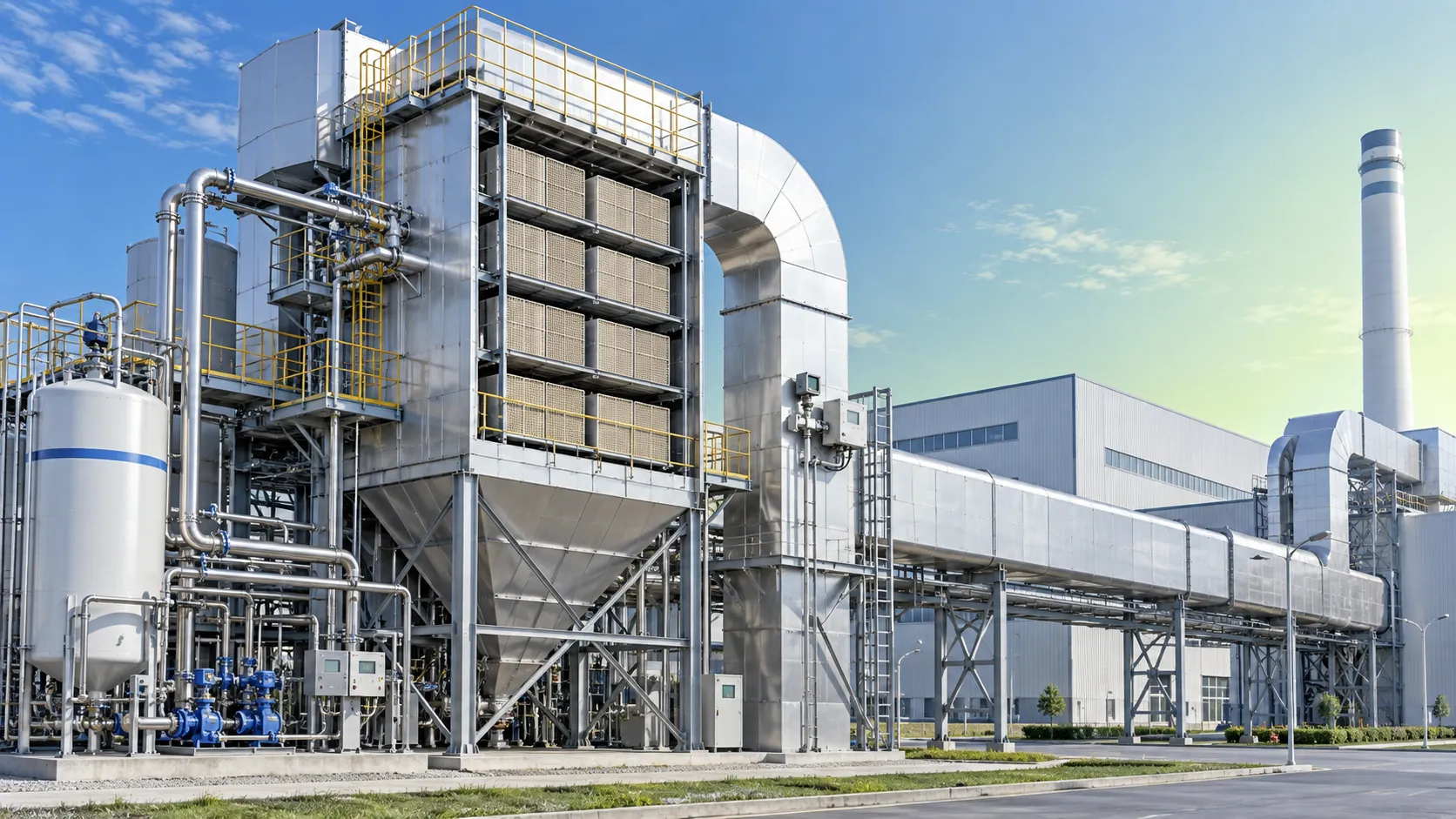
How SCR denitrification systems in Europe meet Industrial Emissions rules
SCR denitrification systems Europe: learn how permit-led design, ammonia-slip control, catalyst management and monitoring support Industrial Emissions compliance.
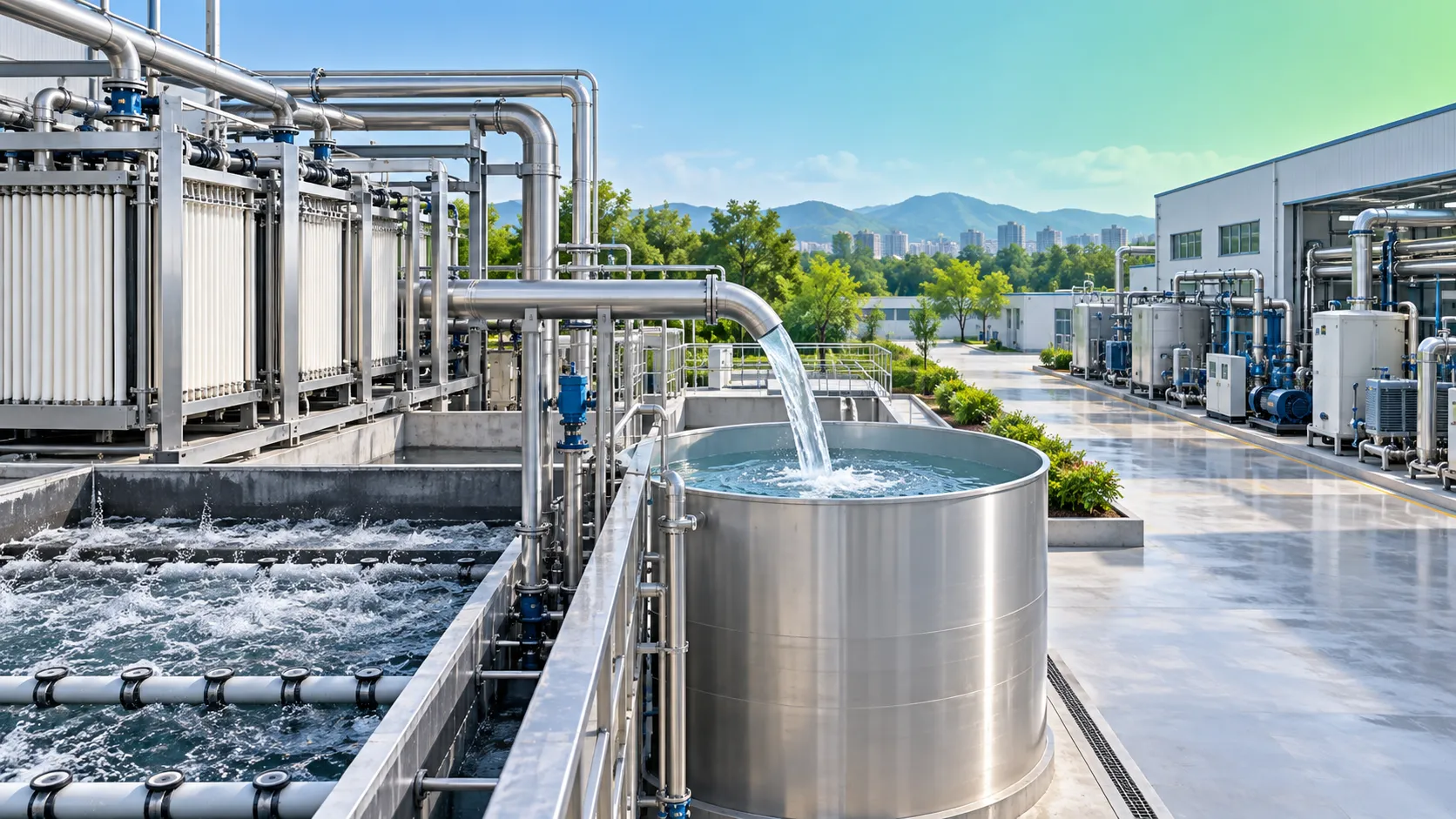
When does MBR equipment make sense for wastewater reuse?
Water treatment equipment for wastewater reuse: learn when MBR delivers compact, reliable low-solids effluent—and when alternative treatment trains offer better value.
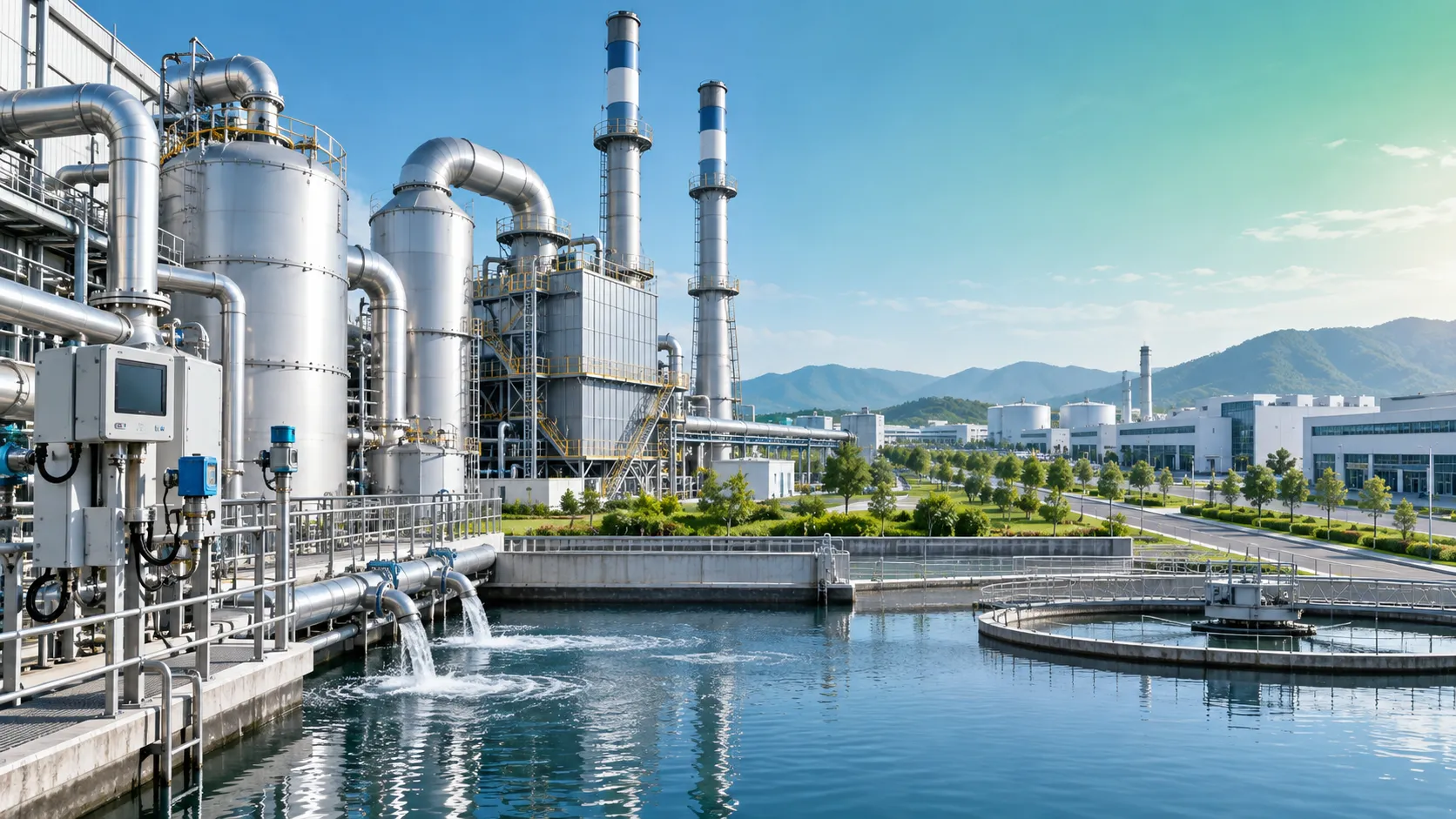
How North America shapes global environmental governance standards
Global environmental governance North America: discover how regulation, finance, and procurement raise worldwide standards and reshape environmental projects.
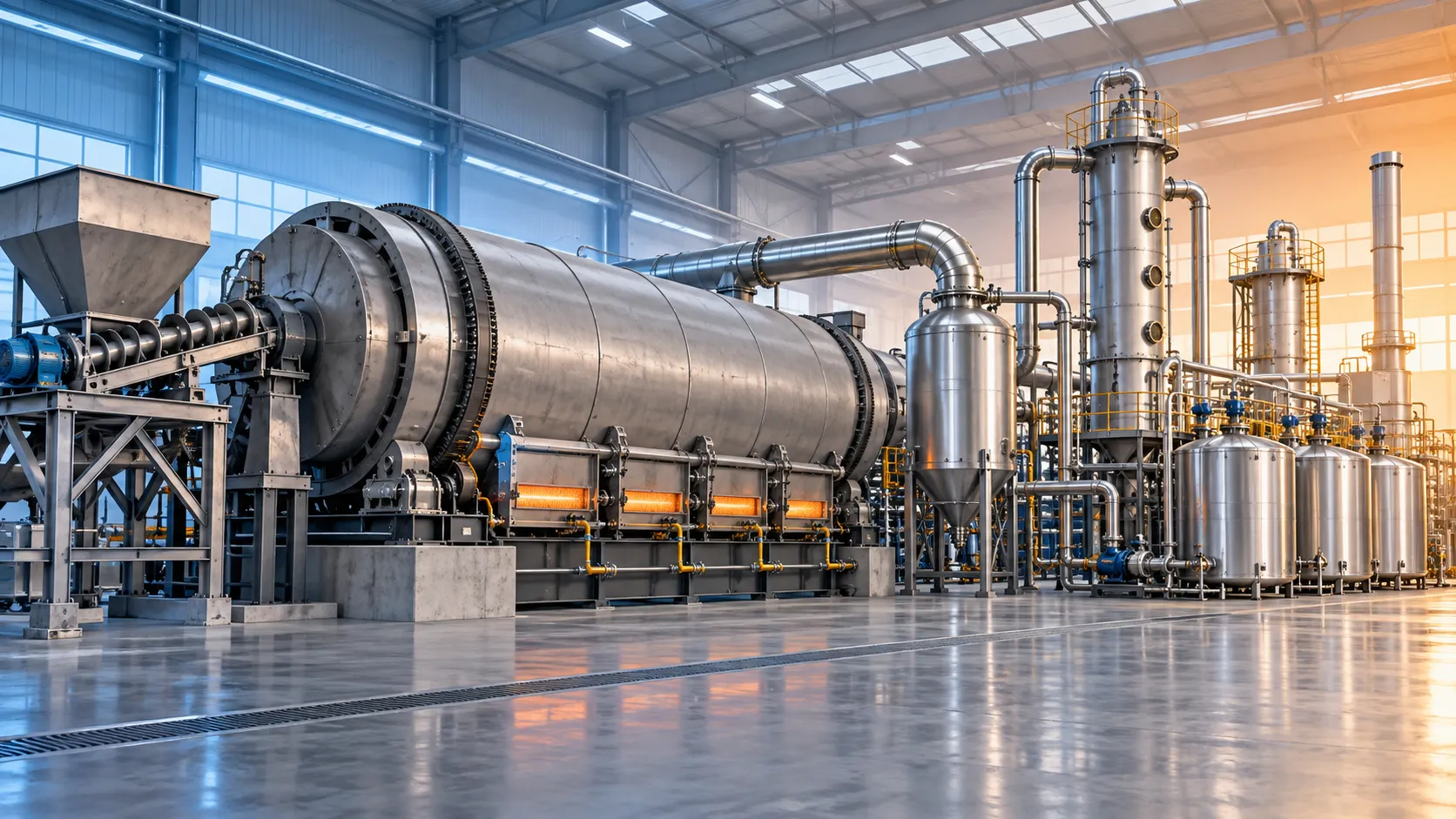
How reactor capacity affects throughput in pyrolysis systems
Pyrolysis systems reactor capacity explained: learn how heat transfer, residence time, feed quality, and emissions controls determine reliable throughput.
When low-temperature reaction equipment is the right fit for heat-sensitive processes
Low-temperature reaction equipment helps protect heat-sensitive streams, improve energy integration, and maintain reliable conversion. Explore key selection factors today.