
Industry News
Curation by industry experts
Hot Articles
Popular Tags
How to Improve Industrial Seawater Quality Before Cooling or Membrane Treatment
Improving seawater quality for industrial use starts by matching pretreatment to the failure mechanism that matters at the point of use. A cooling-water intake, a seawater reverse-osmosis (SWRO) train, and a process-water system may draw from the same coast, yet they need different protection. Fine suspended solids can block a membrane feed channel while having little immediate effect on an open cooling basin. Dissolved oxygen and chlorides can accelerate corrosion in metallic equipment even when the water appears clear. Biological growth can impair heat transfer, foul filters, and create under-deposit corrosion long before a basic turbidity result signals a problem.
A reliable treatment design therefore begins with a source-water profile across changing conditions, followed by a treatment sequence that removes or controls the contaminants most likely to damage downstream equipment. The objective is not to make seawater universally pure. It is to deliver water within a stable operating envelope for the heat exchanger, membrane, pipework, or process unit it will enter.
Start with intake conditions rather than a single seawater sample
Seawater composition changes with tides, storms, river discharge, dredging activity, seasonal algae events, port traffic, and intake depth. A laboratory result taken during calm weather can be misleading when the plant must remain available during rough seas or high-runoff periods. The intake location and hydraulic arrangement are part of water-quality control, not merely civil works.
Characterize raw water over a representative operating period and distinguish dissolved constituents from particles. Turbidity indicates light scattering, but it does not fully describe the loading that will foul a membrane or settle in a basin. Silt density index, modified fouling index, particle-size distribution, total suspended solids, and cartridge-filter loading provide different views of particulate risk. For membrane systems, a modest turbidity value can still conceal small colloids that pass through coarse media and form a dense fouling layer on the membrane surface.
Biological indicators also require context. Chlorophyll-related measurements, algae identification where bloom risk exists, microbial activity, and organic matter trends help anticipate biofouling. A sudden increase in dissolved organic material may consume oxidant, support biological growth, or complicate coagulation even if suspended-solids readings remain relatively low. For cooling systems, microbiological monitoring should be linked to heat-transfer performance, differential pressure, and inspection findings instead of being treated as an isolated laboratory exercise.
Salt content should be assessed alongside temperature, alkalinity, calcium, magnesium, sulfate, silica, pH, and dissolved gases. Salinity alone does not predict scaling or corrosion. Warm seawater with elevated alkalinity can create a different scale risk from colder water at similar total dissolved solids. Conversely, low-pH water near industrial discharge zones can change corrosion behavior without reducing the chloride burden.
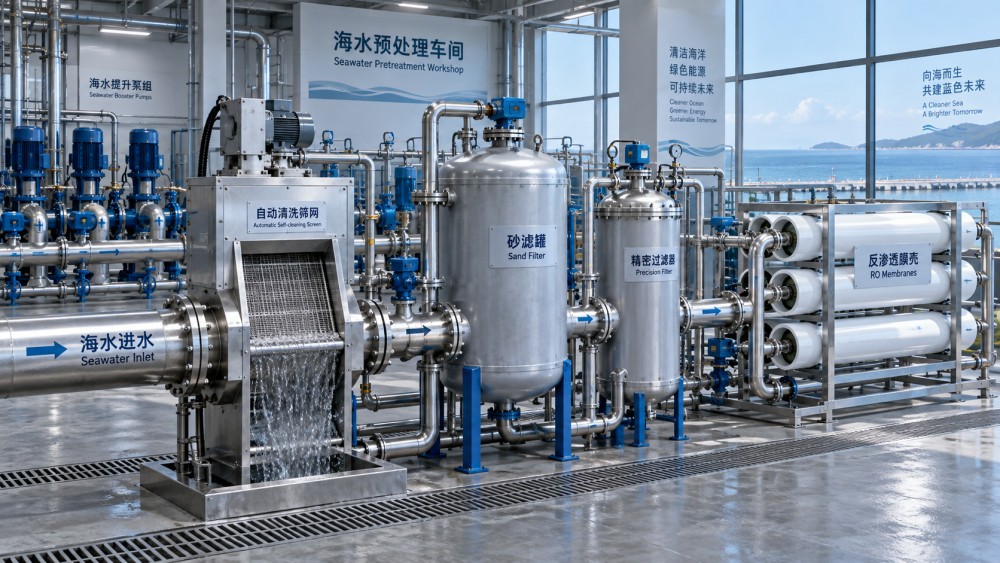
Remove debris and grit before fine treatment becomes expensive
The first barriers should protect pumps, screens, filters, and membrane pretreatment equipment from physical loading. A properly designed intake commonly combines exclusion of larger debris with a means of handling sand, shell fragments, and coarse suspended matter. The details depend on the intake configuration: open-ocean intakes, beach wells, infiltration galleries, harbor intakes, and shared cooling-water channels produce distinctly different water quality.
Beach wells and infiltration galleries often provide useful natural filtration, but their performance can change as the seabed shifts or biological growth develops around the collection zone. Open intakes remain more exposed to episodic solids and marine organisms, so screen cleaning capacity, bypass prevention, and debris disposal must be considered from the outset. An intake screen does not replace downstream solids removal; it prevents large material from reaching equipment that was never designed to handle it.
Grit removal is especially relevant where wave action, shallow intake channels, or dredged sediment produces mineral particles. Abrasive solids can wear pump impellers, valve seats, and rotating equipment. Settling or hydrocyclone-type separation is useful when the particle population is sufficiently dense and coarse. It will not solve colloidal turbidity. Treating all visible solids as one problem often leads to undersized clarification equipment or unrealistic expectations from strainers.
Build the pretreatment train around the downstream duty
Cooling-water preparation usually emphasizes solids control, biological management, corrosion control, and scale management. A membrane feed requires tighter and more stable removal of fine particles, colloids, microorganisms, and oxidant residuals. Combining these duties into a single vague requirement such as “filtered seawater” leaves too much room for a treatment train that works on paper but creates chronic operational intervention.
For cooling systems
Where seawater passes once through condensers or large heat exchangers, the practical aim is to prevent deposition, biological attachment, and corrosive conditions at wetted surfaces. Coarse and fine screening are followed, where necessary, by filtration sized for the exchanger passage geometry and the expected debris load. Fine filtration is particularly valuable for plate heat exchangers, small cooling passages, nozzle circuits, and systems with narrow control valves. A larger tube-and-shell exchanger can tolerate particle sizes that would rapidly plug a compact plate pack.
Biological control must account for the treatment contact time and the sections of the system where organisms can attach. Intermittent oxidant dosing at the intake may be effective for certain open systems, while dead legs, low-flow headers, and warm recirculation zones can remain vulnerable. Residual oxidant should be verified at representative downstream points, not only at the dosing skid outlet. Excess dosing can increase material degradation and may conflict with downstream discharge constraints; insufficient dosing can permit persistent biofilm that is difficult to remove after it matures.
Material selection belongs in the same discussion. Chloride-rich seawater is demanding for carbon steel and many stainless-steel configurations, particularly in stagnant, warm, oxygenated, or crevice-prone locations. Coatings, cathodic protection, corrosion-resistant alloys, nonmetallic piping, and controlled flow velocity may all be relevant, but no material choice compensates for poorly managed deposits. A deposit creates local chemistry different from the bulk seawater and can initiate localized attack beneath otherwise acceptable water conditions.
For membrane treatment
SWRO pretreatment must deliver a stable feed rather than merely achieve a low average turbidity. The membrane surface concentrates salts and retained contaminants, so short raw-water events can have consequences beyond their duration. A conventional arrangement may include screening, coagulation where colloidal removal requires it, clarification or dissolved-air flotation for variable solids or algae, granular media filtration, and cartridge filtration immediately before high-pressure pumping. Ultrafiltration or microfiltration can replace or supplement portions of this train where feed variability and operational goals justify it.
Coagulation should be established through jar testing or equivalent site-specific evaluation, using actual seawater over changing conditions. The optimum dose is affected by particle charge, organic matter, temperature, pH, mixing energy, and settling or filtration performance. Applying a fixed chemical dose based solely on a past turbidity result may produce weak floc during one period and excess residual solids during another. Poorly controlled coagulant addition can itself increase membrane fouling if carryover reaches downstream filters.
Dissolved-air flotation is often considered where low-density algae, oil-associated solids, or episodic organic loading resist conventional settling. It is not automatically superior to clarification; its value depends on the particle characteristics and the stability of influent conditions. Media filters can provide robust polishing but require well-managed backwash water, air scour where applicable, and control of media loss. Cartridge filters are final guards, not primary treatment devices. If cartridges plug rapidly, the upstream barrier is not carrying its intended load.
Oxidizing biocides used upstream of polyamide RO membranes demand special care. Residual oxidant can damage these membranes, so dechlorination and verification are needed before the membrane vessels. This creates a narrow operating zone: biological growth must be controlled upstream while the membranes must see essentially no damaging oxidant residual. Chemical injection points, mixing length, analyzer location, and response to analyzer failure all affect whether this boundary is truly maintained.
Separate fouling, scaling, and corrosion in the troubleshooting process
Reduced flow, rising differential pressure, declining heat transfer, and increased energy consumption can originate from different mechanisms. Treating every loss of performance as “dirty seawater” leads to ineffective corrective action.
Membrane data should be normalized for temperature and feed salinity before interpreting performance changes. Colder seawater naturally raises viscosity and pressure demand; a raw increase in pressure is therefore not enough to prove fouling. Similarly, salt passage, permeate flow, pressure drop, and cleaning response should be considered together. A membrane that recovers after cleaning points toward reversible foulants, whereas repeated short cleaning intervals can indicate an upstream pretreatment gap or an unsuitable chemical-cleaning approach.
Scale evaluation also needs a complete chemistry picture. Calcium carbonate, calcium sulfate, silica-related deposits, and mixed inorganic-organic foulants require different controls. Acidification may reduce carbonate scaling tendency but does not address every scale type and can alter corrosion exposure. Antiscalant selection should be based on feed chemistry, concentration factor, recovery target, and compatibility with the membrane and downstream disposal route. Dosing a product without confirming its fit to the actual concentrate chemistry can transfer a problem from the membrane train to cleaning frequency or discharge management.
Design for unstable seawater, not average seawater
Seasonal blooms, storms, red-tide events, shoreline construction, and accidental oil contamination are operational realities for many intakes. A robust design includes a defined response for each event: reduce production, shift intake depth where infrastructure allows, increase solids removal, adjust coagulation through validated testing, isolate contaminated streams, or temporarily protect membranes with conservative operating limits. The response should identify which trigger is credible and which instrument confirms it. A turbidity alarm alone may not detect dissolved hydrocarbons or early biological loading.
Storage and distribution between pretreatment stages deserve equal attention. Tanks with poor turnover, uncovered channels, low-velocity pipe runs, and bypass lines create areas where solids settle and organisms establish. Once sloughed into the process, this accumulated material can resemble a sudden intake-quality event. Drainability, access for inspection, flushing connections, and avoidance of stagnant branches should be reviewed as part of water-quality improvement.
Instrumentation should support decisions rather than create a large set of unconnected readings. Continuous turbidity, conductivity, pH, differential pressure, flow, oxidant residual where used, and temperature provide useful operational signals when sampling points are representative and instruments are maintained. Periodic laboratory testing supplies the chemical and biological detail that online instruments cannot replace. Trending is more valuable than isolated compliance-style records because the direction and rate of change often reveal an approaching problem before equipment protection is challenged.
Translate water quality into equipment requirements
Procurement documents should define the required feed condition at each equipment interface, not only the composition at the seawater intake. For example, a membrane package needs clear limits or design assumptions for particulate fouling potential, oxidant residual, oil and grease exposure, temperature range, and chemical compatibility. A cooling exchanger specification should address suspended solids, biological-control regime, velocity limits, materials, cleaning access, and allowable pressure loss. These interfaces prevent disputes where one package meets its own specification while delivering water unsuitable for the next package.
Commissioning should include baseline measurements after the system reaches stable operation: filter differential pressure, membrane normalized performance, heat-transfer approach, corrosion-protection readings where fitted, chemical consumption, and representative water chemistry. Without a baseline, later deterioration is harder to separate from initial design limitations. Preserve samples and inspection evidence when unusual fouling occurs. Deposit analysis can distinguish mineral scale from biological material, corrosion products, sand intrusion, or treatment-chemical carryover, which is far more useful than choosing a corrective chemical by appearance alone.
Effective seawater improvement is sustained through controlled intake conditions, correctly sequenced barriers, and performance monitoring tied to the actual failure modes of downstream assets. When each treatment stage has a defined contaminant duty and a measurable handoff to the next stage, cooling and membrane systems operate with fewer surprises and clearer paths for corrective action.
Recommended News
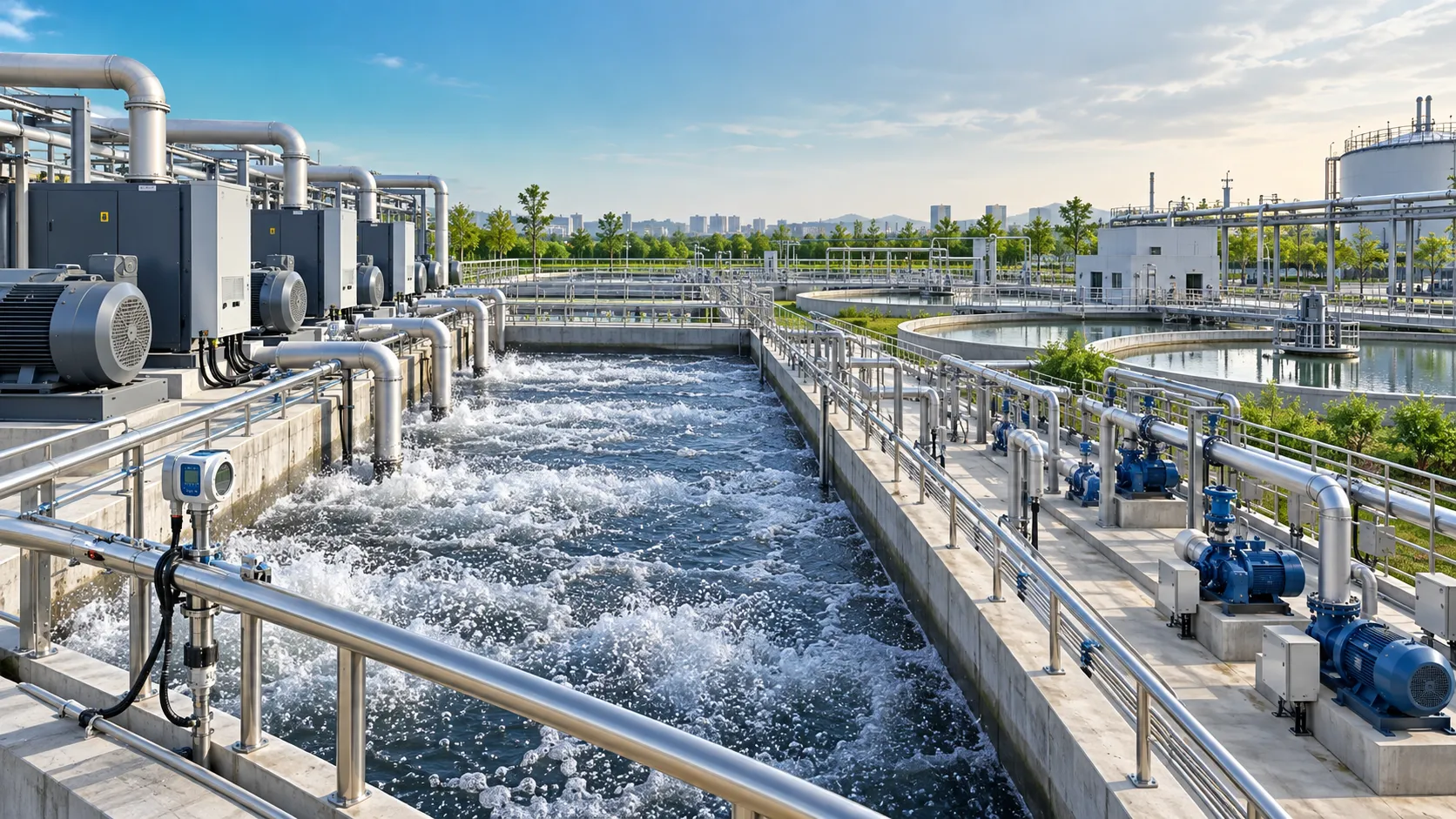
When does environmental equipment intelligence reduce wastewater plant energy use?
Environmental equipment intelligence for wastewater plants cuts energy use through smarter aeration, pumping, and data-driven controls—without compromising compliance. Discover when it delivers measurable savings.
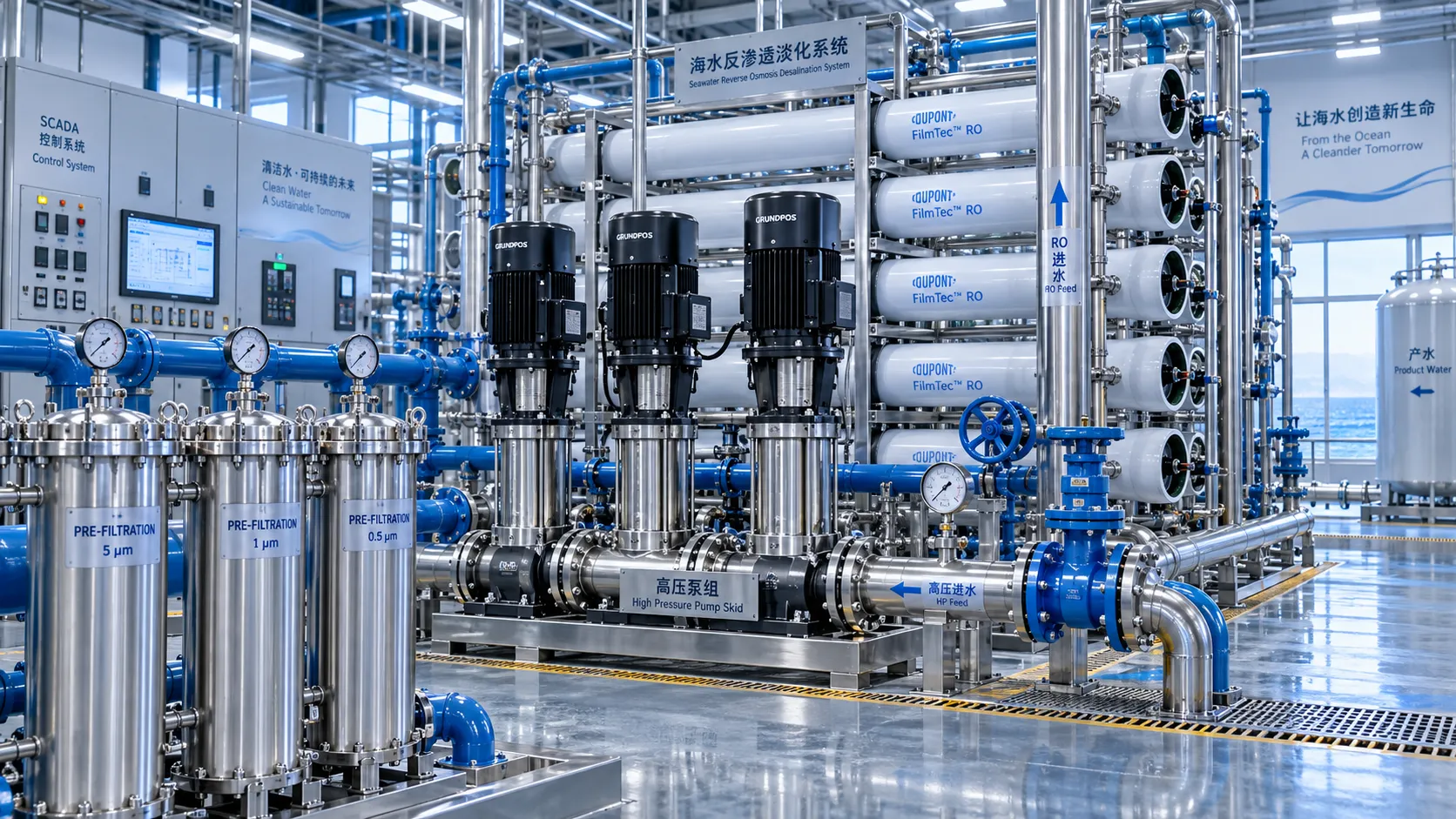
Desalination Plant Maintenance Priorities That Prevent Unplanned Downtime
Desalination plant maintenance priorities that reduce unplanned downtime: protect pretreatment, RO membranes, pumps, chemical dosing, and critical controls.
Which supplier evaluation support tools improve audit consistency?
Supplier evaluation support tools improve audit consistency with controlled checklists, evidence capture, risk scoring, CAPA workflows, and traceable approvals. Explore the essentials.
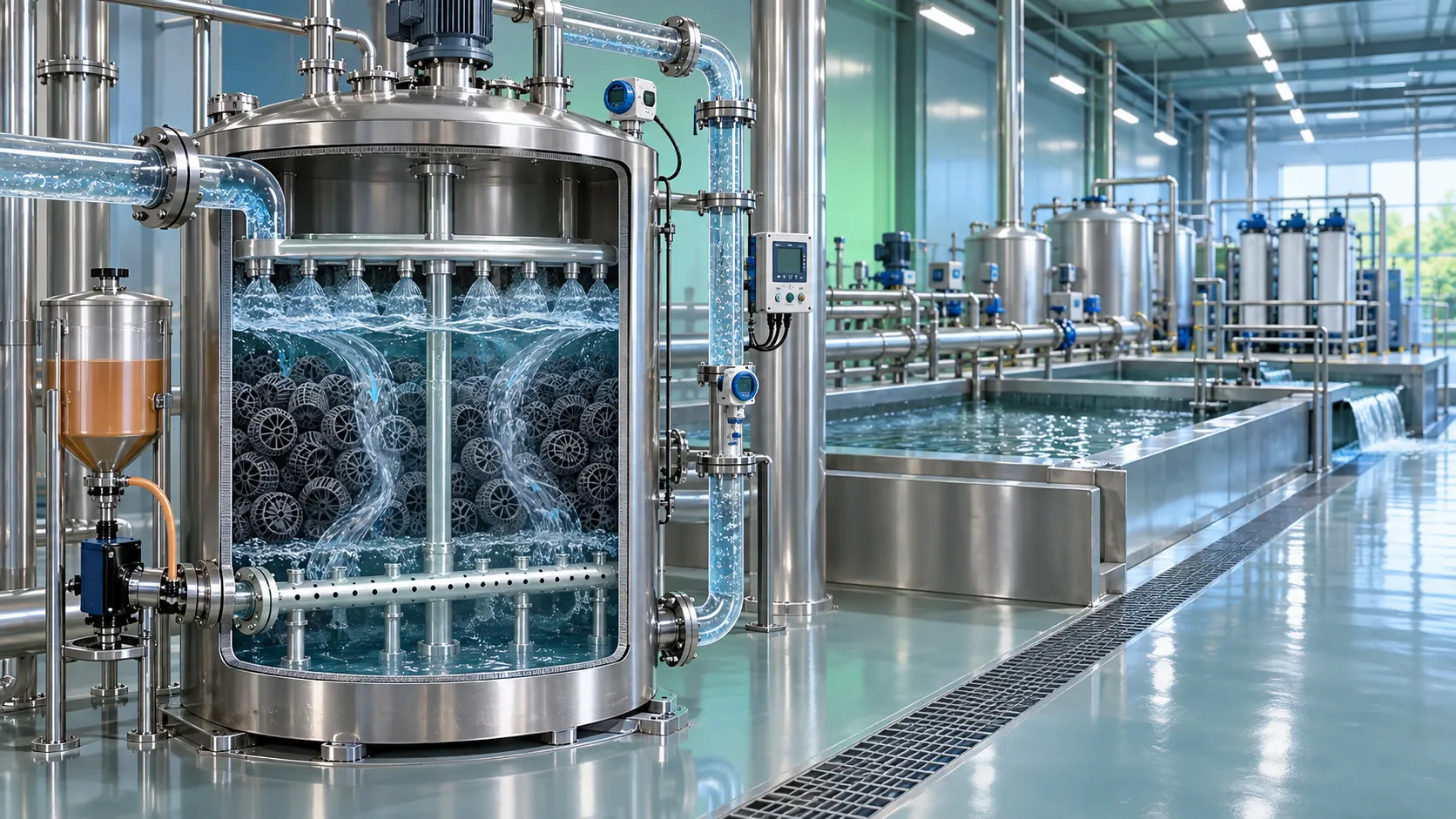
How reactor retention time affects denitrification equipment performance
Denitrification equipment reactor performance depends on retention time, carbon, mixing, and load control. Explore practical insights for reliable nitrogen removal.
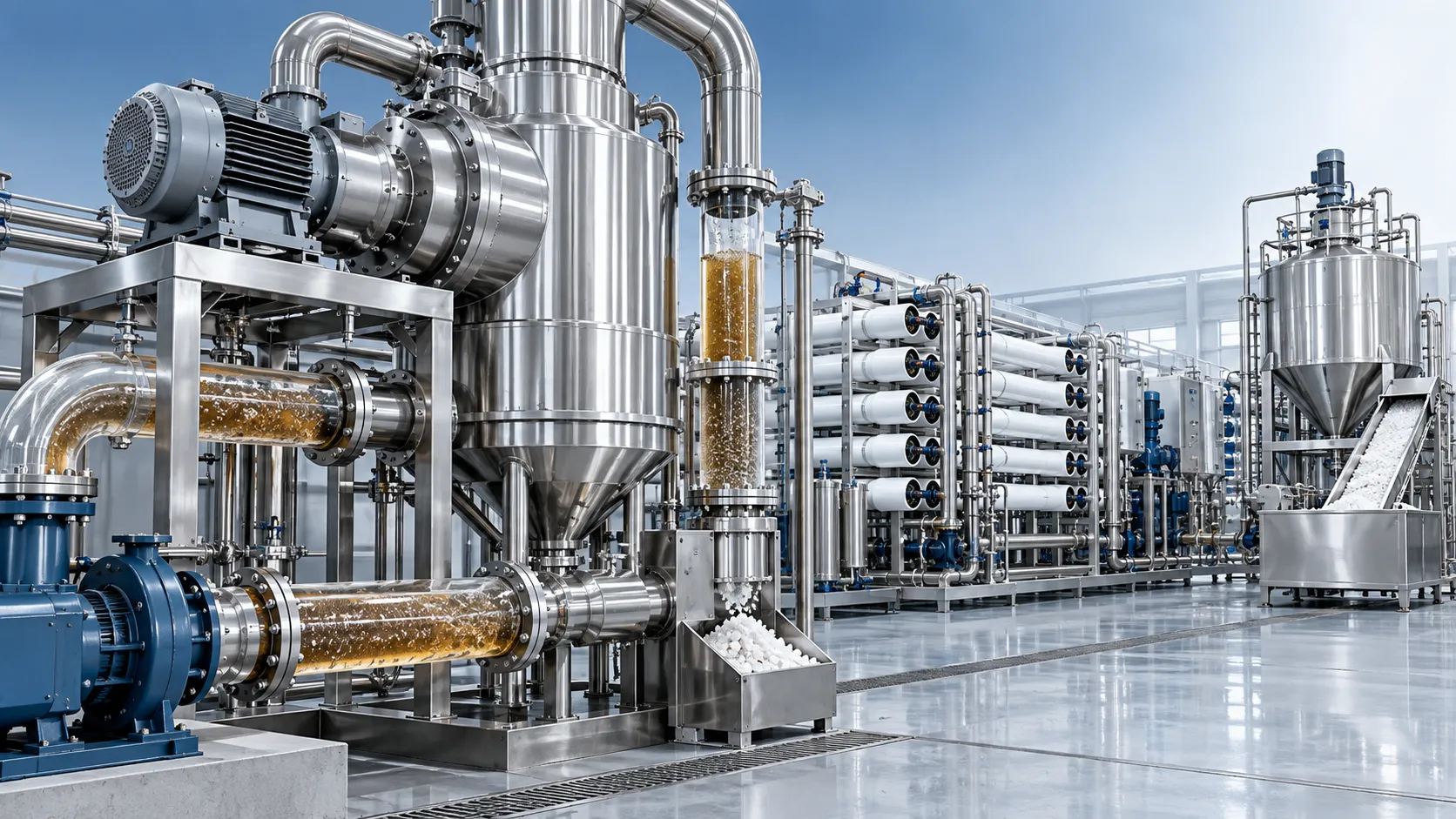
How feed salinity affects energy use in ZLD system brine treatment
ZLD system brine treatment: discover how feed salinity drives energy use, scaling risk, and technology choices for efficient, reliable zero liquid discharge.
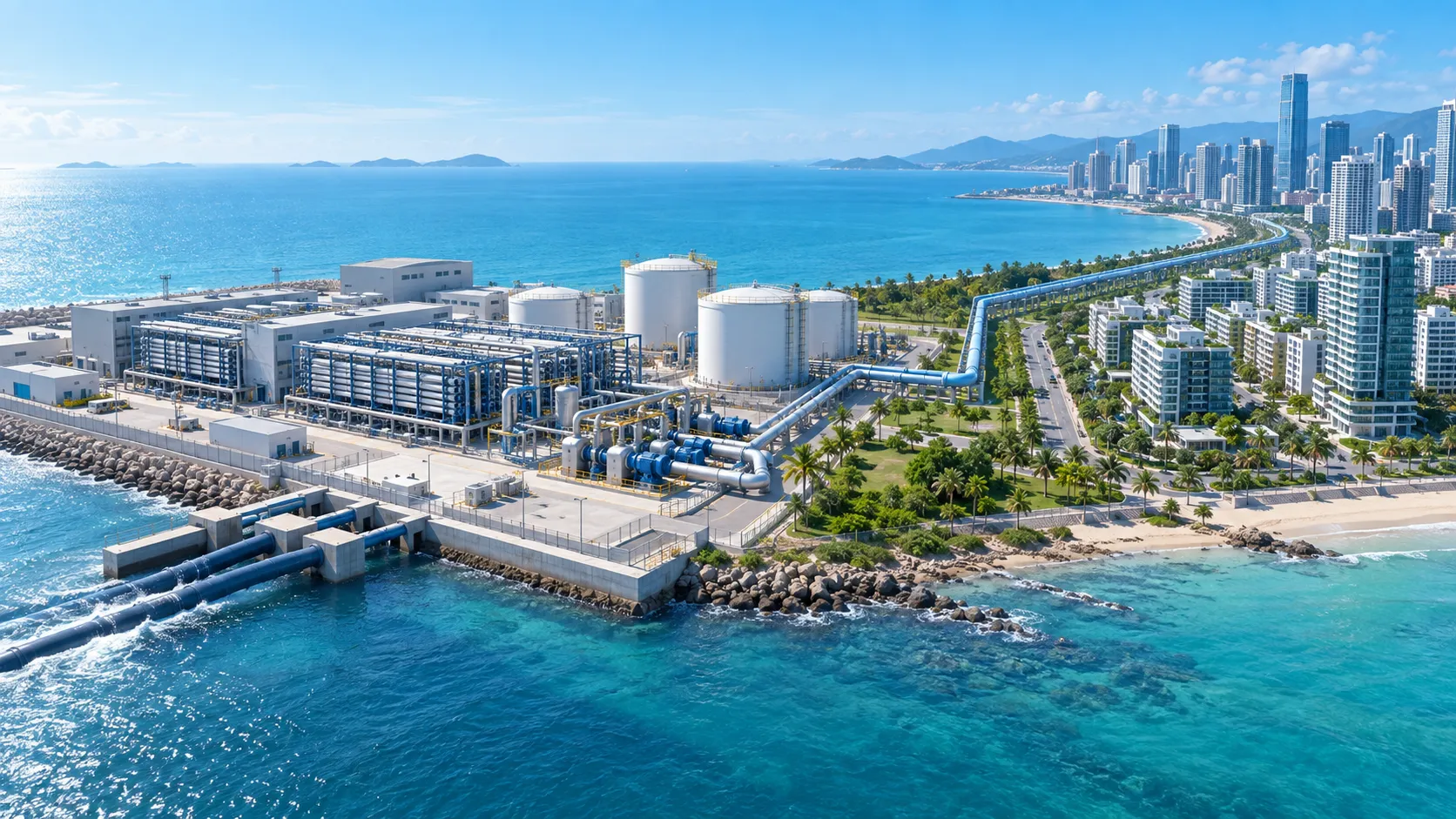
How coastal cities can select desalination solutions for peak demand
Seawater desalination solutions for coastal cities: compare firm peak capacity, intake risk, energy resilience, and lifecycle value to secure reliable water supply.
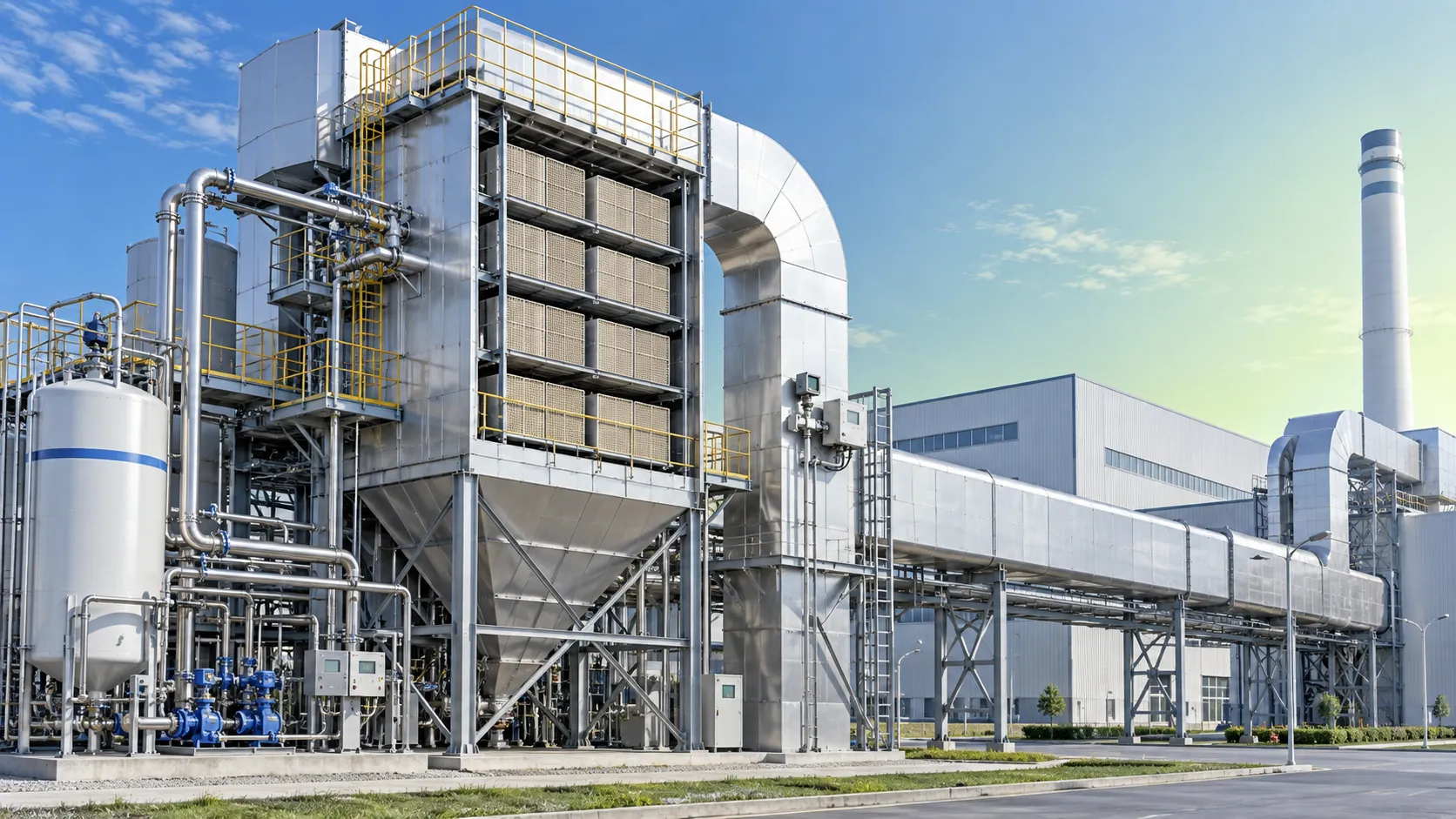
How SCR denitrification systems in Europe meet Industrial Emissions rules
SCR denitrification systems Europe: learn how permit-led design, ammonia-slip control, catalyst management and monitoring support Industrial Emissions compliance.
When does MBR equipment make sense for wastewater reuse?
Water treatment equipment for wastewater reuse: learn when MBR delivers compact, reliable low-solids effluent—and when alternative treatment trains offer better value.
How North America shapes global environmental governance standards
Global environmental governance North America: discover how regulation, finance, and procurement raise worldwide standards and reshape environmental projects.