
Industry News
Curation by industry experts
Hot Articles
Popular Tags
High Dust SCR Catalysts: How to Judge Activity and Ash Tolerance
High dust SCR catalysts are judged in the field, not on a clean datasheet. In real flue gas, activity, ash tolerance, and pressure-drop behavior move together. A catalyst that looks strong in lab conditions may lose deNOx efficiency quickly once fly ash, alkali species, and temperature swings begin to reshape the reaction surface.
That is why this topic matters across heavy industry. For plants facing tighter NOx limits, carbon-border pressure, and stricter uptime expectations, high dust SCR catalysts sit at the intersection of compliance, operating stability, and lifecycle cost. It is also a useful lens for the broader environmental equipment intelligence work tracked by ESD, where flue gas treatment remains one of the core defenses in industrial ecological control.
Why high-dust conditions change the evaluation logic
A standard SCR catalyst converts NOx with ammonia over an active surface. In a high-dust arrangement, that surface is exposed before most particulate removal. The chemistry stays familiar, but the operating burden changes sharply.
Dust does more than settle on the catalyst face. It can block pore entrances, accumulate in channel corners, alter gas distribution, and carry poison species such as arsenic, potassium, sodium, calcium, or phosphorus.
As a result, evaluating high dust SCR catalysts requires more than checking initial NOx conversion. The better question is how much useful activity remains after realistic ash exposure, cleaning cycles, and fluctuating boiler or kiln operation.
What activity really means in practical assessment
Activity is often reduced to one number, usually conversion at a set temperature. That is too narrow for technical screening. In practice, activity is the catalyst’s ability to maintain target deNOx performance within the plant’s actual temperature and gas composition window.
For high dust SCR catalysts, useful activity should be examined through four linked dimensions:
- Initial activity at the intended operating temperature, not only at ideal benchmark conditions.
- Activity retention after ash loading, soot blowing, or exposure to common poisons.
- Sensitivity to low-temperature operation, especially where ammonium bisulfate risk increases.
- Selectivity, including control of ammonia slip and avoidance of unwanted SO2 to SO3 oxidation.
A catalyst with slightly lower fresh activity can still be the better choice if it loses performance more slowly. That distinction becomes important in systems with unstable fuel quality or heavy ash burden.
Temperature window matters more than peak performance
Many failures in catalyst selection come from overvaluing peak conversion at one temperature. Real plants run through load shifts, startup transitions, and seasonal fuel variation. A broad stable window is often worth more than a high point on a supplier curve.
This is especially relevant in ESD-style cross-sector analysis, where reaction kinetics, compliance risk, and system reliability are judged together. The catalyst must fit the process, not just the specification sheet.
How to judge ash tolerance without oversimplifying it
Ash tolerance is not simply resistance to plugging. It includes how the catalyst handles deposition, erosion, chemical poisoning, and the pressure-drop consequences that follow from those effects.
The first issue is physical fouling. Coarse and sticky particles can bridge across channels or settle in dead zones. Geometry matters here. Wider pitch designs may reduce blockage risk, but they can also affect surface area and reactor footprint.
The second issue is chemical interaction. Some ash carries alkali or heavy metals that neutralize active sites. Others promote deposits that become difficult to remove during normal soot blowing. In these cases, ash characteristics matter more than total dust concentration alone.
The third issue is recoverability. A high dust SCR catalyst should not be judged only by how fast it degrades, but also by whether performance can be restored through cleaning, regeneration, or layer rotation.
Pressure drop is an early warning signal
Pressure drop often tells the truth before conversion data does. A rising differential pressure may indicate ash accumulation, uneven flow, or progressive masking of active surfaces. It also changes fan load and can disrupt upstream and downstream balances.
For that reason, high dust SCR catalysts should be assessed with pressure-drop stability as a core criterion, not a side note. A catalyst that holds activity but drives unstable pressure loss can still become a poor asset.
Meaningful review includes baseline pressure drop, rate of increase under dust load, response after cleaning events, and sensitivity to gas velocity maldistribution. These factors often expose hidden weaknesses in reactor and catalyst matching.
Typical industrial scenarios where the differences show up
Not every high-dust service behaves the same. Coal-fired boilers, waste-to-energy lines, cement kilns, and metallurgical furnaces can all use high dust SCR catalysts, yet the stress profile changes from one application to another.
- Coal-fired units often bring variable ash loading, sulfur influence, and long operating campaigns.
- Cement lines can introduce strong particulate abrasion and difficult mineral dust behavior.
- Waste-to-energy systems may carry more complex poison species and fluctuating temperatures.
- Industrial furnaces may show uneven gas flow that amplifies local deposition and local deactivation.
The evaluation logic should therefore start with the flue gas fingerprint. Dust mass alone is not enough. Chemistry, velocity, sulfur level, moisture, and expected operating discipline all influence which catalyst design will survive.
A practical framework for comparing high dust SCR catalysts
A useful comparison process combines lab data, reference cases, and operating context. None of these should stand alone. The most reliable decisions come from putting them into one consistent review frame.
Start with the flue gas map
Define temperature range, dust loading, ash chemistry, sulfur content, expected poisons, gas velocity, and load variability. This step prevents selecting a catalyst around nominal conditions that rarely occur in operation.
Check deactivation evidence, not only fresh samples
Ask for aged performance data, regeneration history, and long-cycle case references. Fresh conversion numbers can be useful, but they say little about year two or year three behavior.
Compare reactor compatibility
High dust SCR catalysts must fit soot blowing intensity, module arrangement, access for inspection, and allowable pressure-drop budget. Good chemistry can still fail inside a poor mechanical arrangement.
Model lifecycle cost with realistic loss curves
The relevant cost is not the initial catalyst price. It is the combined effect of replacement timing, ammonia slip control, fan energy, outages, and compliance margin. This is where ash tolerance becomes a financial variable, not only a technical one.
What deserves closer scrutiny during vendor review
Supplier claims often sound similar, so the differentiators are usually hidden in test boundaries and operating assumptions. Several questions help uncover that difference.
- What ash type was used in activity-retention testing?
- Was the catalyst evaluated under realistic sulfur and moisture conditions?
- How much pressure-drop growth was measured over time?
- What was the ammonia slip target during the reported conversion result?
- How many cleaning or regeneration cycles are supported by operating evidence?
- Which references match the same fuel, ash chemistry, and load profile?
This level of questioning is consistent with how ESD approaches environmental equipment intelligence: not by chasing isolated headline numbers, but by linking kinetics, reliability, regulation, and project economics.
Where to focus next
The most effective next step is to build a site-specific judgment matrix for high dust SCR catalysts. Include activity retention, ash chemistry fit, pressure-drop trend, cleanability, sulfur tolerance, and reference quality.
From there, compare options against the real flue profile rather than procurement shorthand. In most cases, the strongest choice is not the catalyst with the highest fresh activity, but the one that keeps deNOx performance stable under dust, time, and operating disturbance.
That approach creates a clearer basis for technology selection, outage planning, and compliance resilience. It also turns high dust SCR catalysts from a commodity line item into a measurable long-term control strategy.
Recommended News
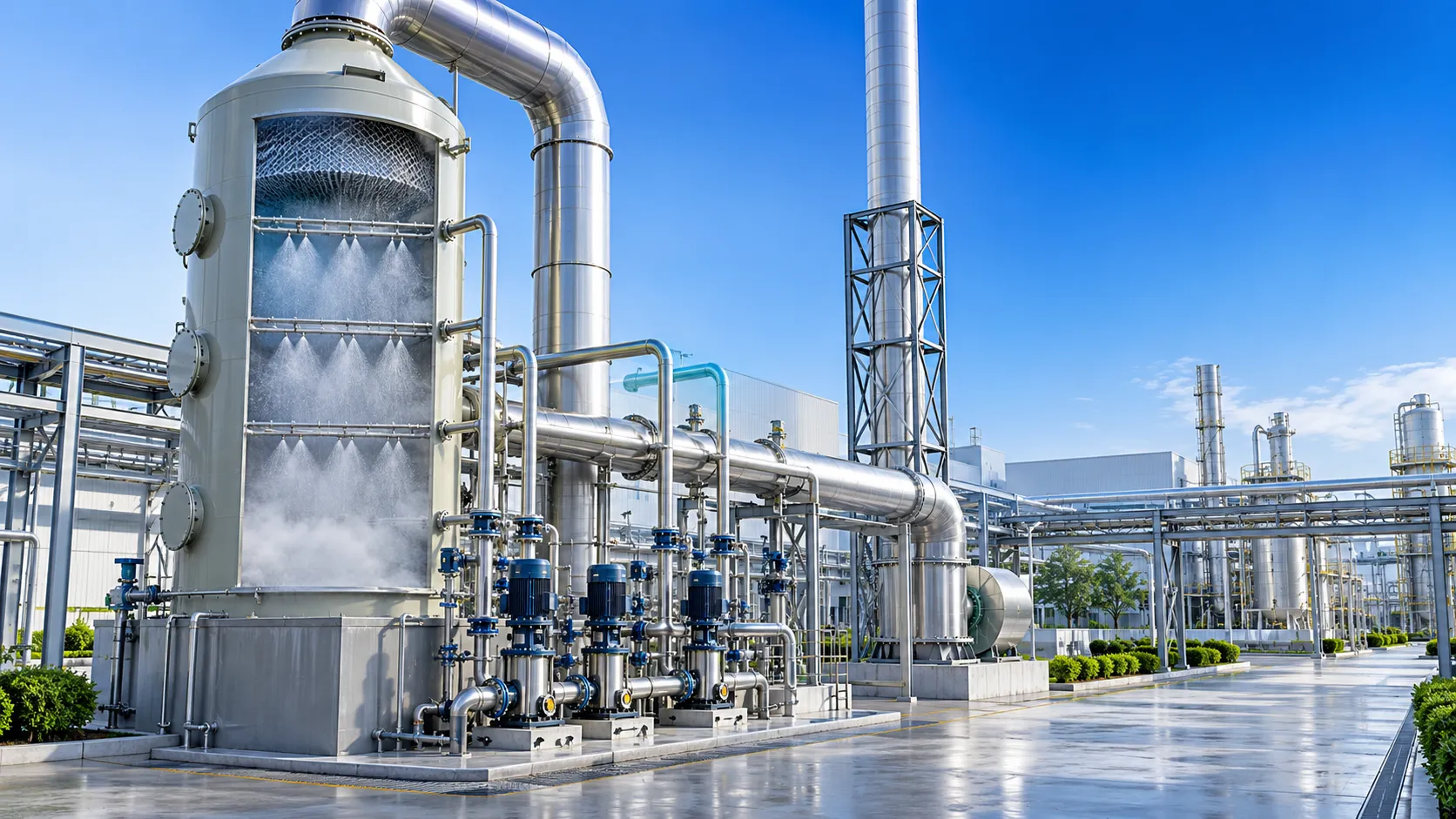
How to size a desulfurization equipment scrubber for variable gas flow
Desulfurization equipment scrubber sizing for variable gas flow: optimize SO2 removal, pressure drop, liquid-to-gas control, and compliance across every load.
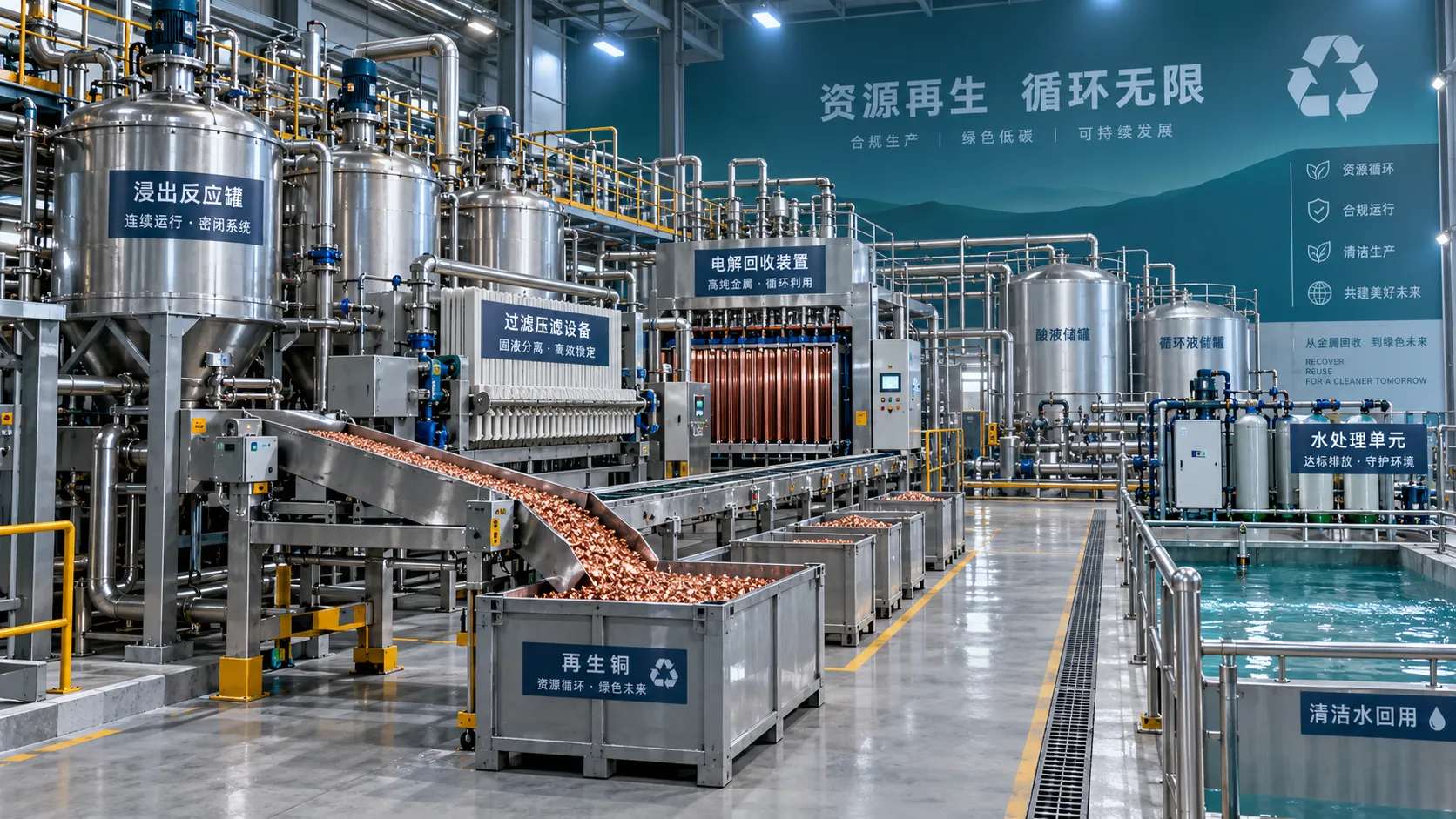
When does repeatable metals recovery infrastructure justify the investment?
Repeatable metals recovery infrastructure: discover when consistent feedstock, lower disposal costs, compliance control, and reliable offtake justify investment.
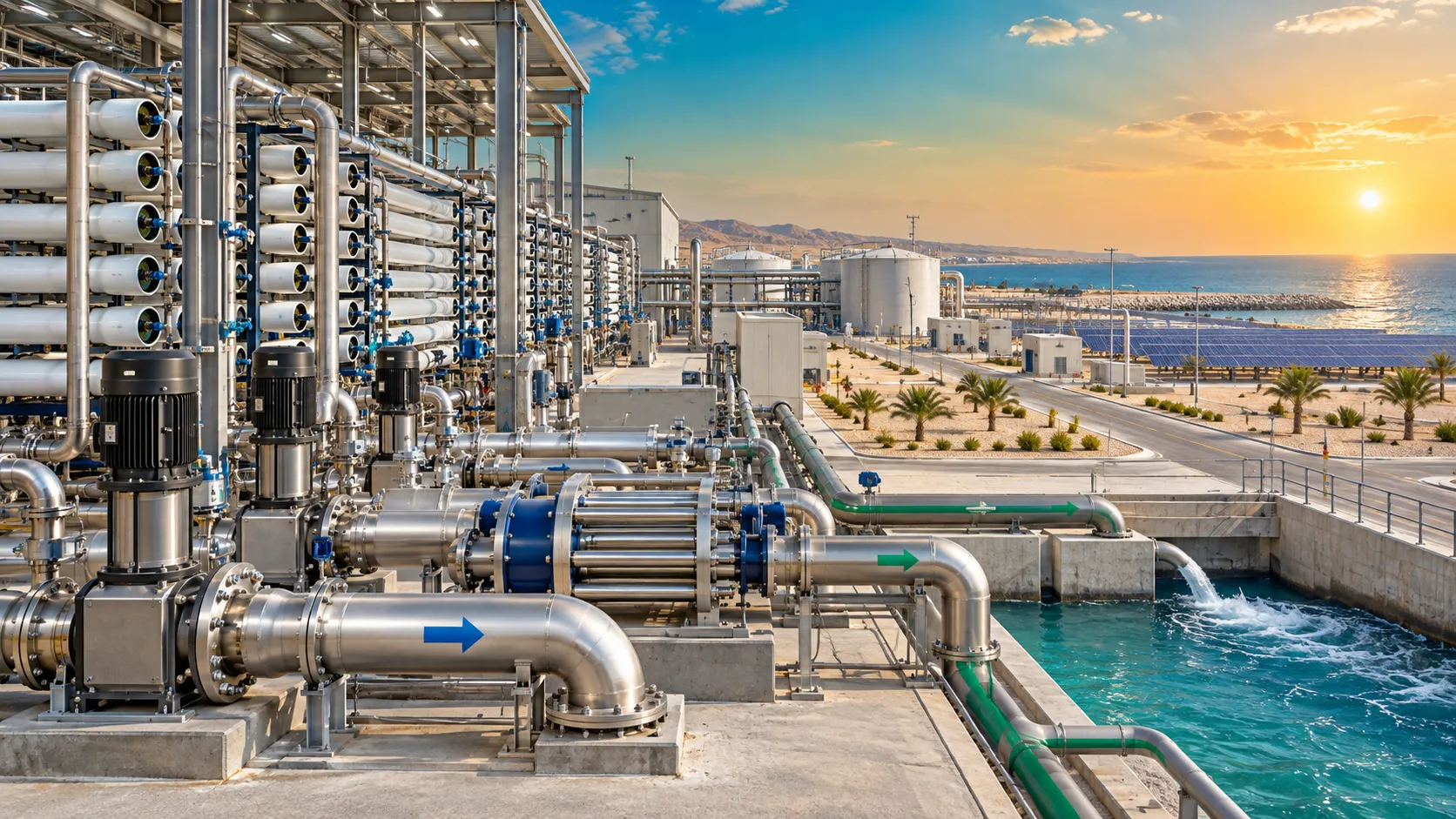
How energy recovery cuts the cost of seawater desalination in the Middle East
Seawater desalination Middle East projects can cut lifecycle costs with energy recovery. Explore savings, bankability, power-risk strategies, and smarter investment decisions.
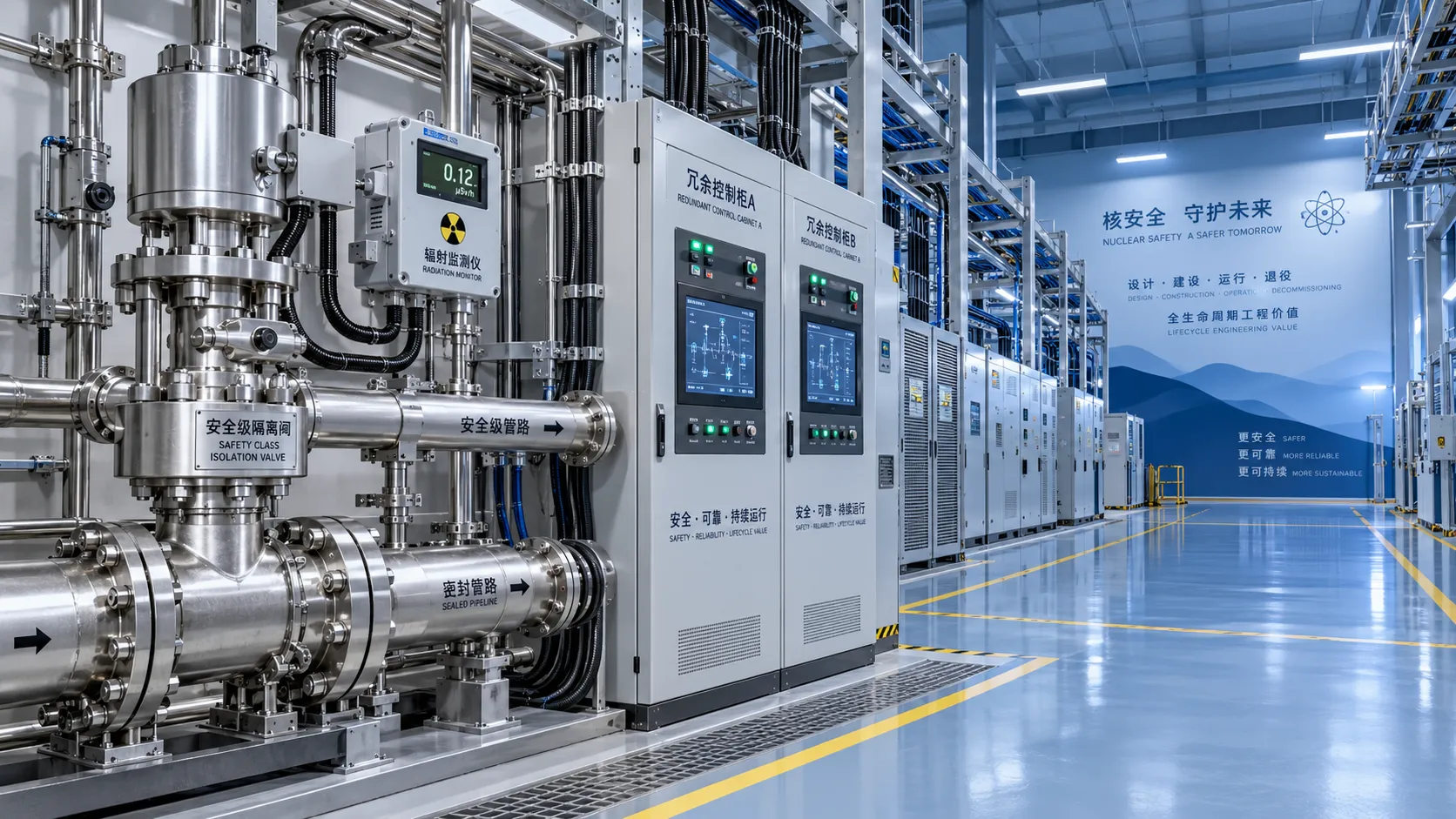
What drives nuclear safety solutions pricing for new facility projects?
Nuclear safety solutions pricing explained: uncover the key cost drivers for new facilities, from qualification and interfaces to lifecycle support.
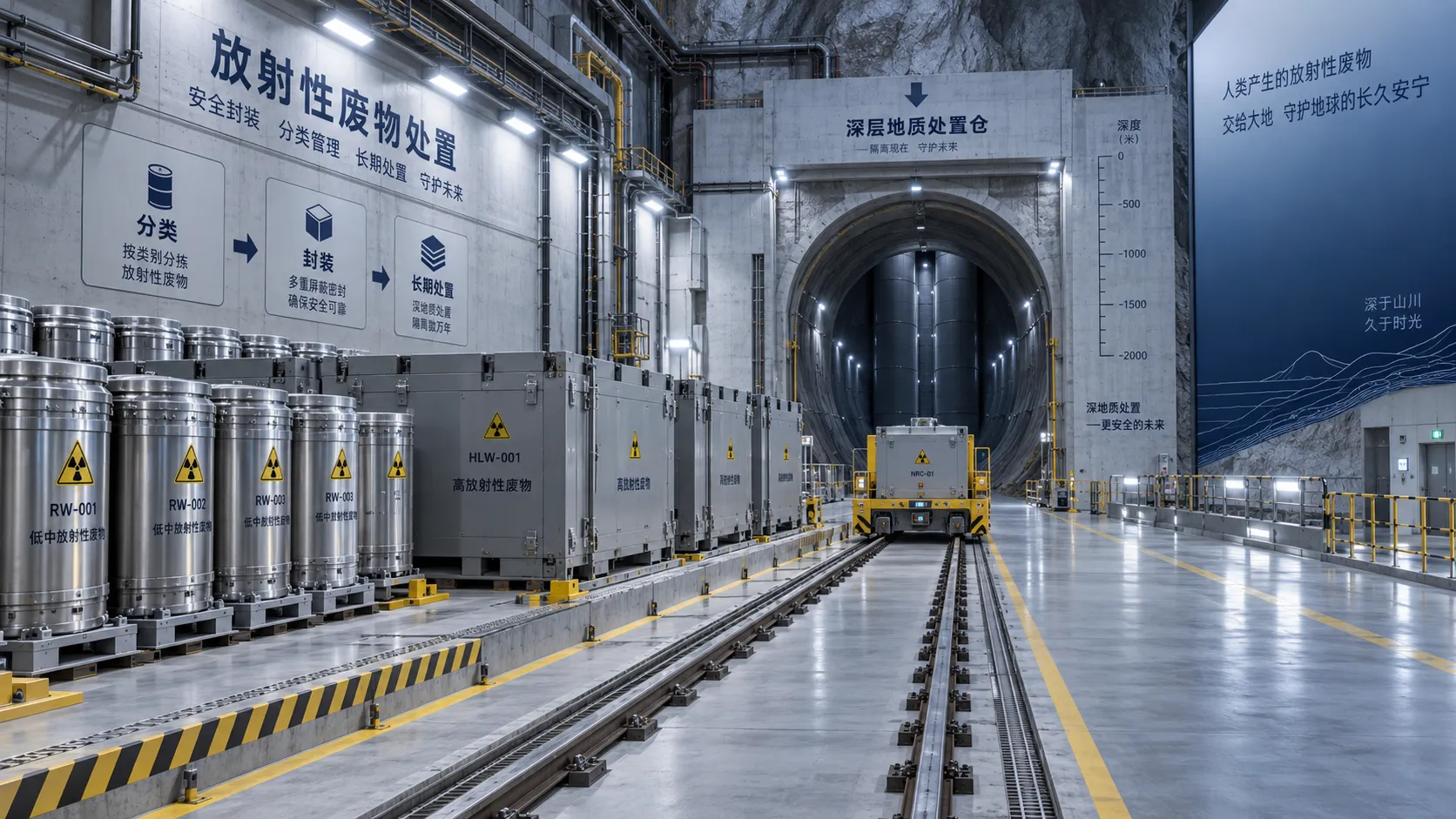
What drives radioactive waste cost over the life of a disposal project?
Radioactive waste cost depends on classification, treatment, transport, storage, disposal access, and long-term compliance. Explore the key lifecycle cost drivers.
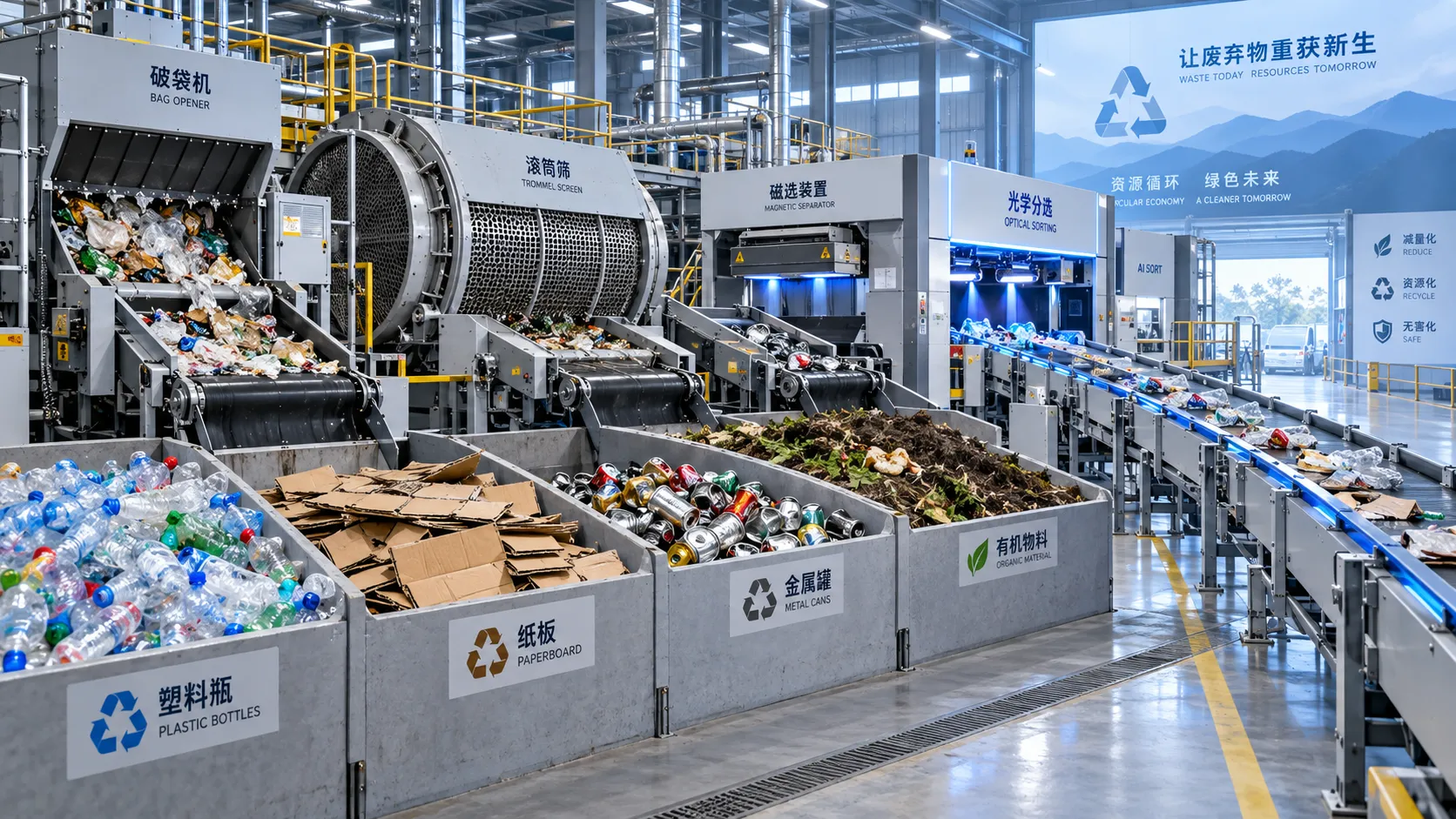
How to choose solid waste equipment based on waste stream characteristics
Environmental equipment guide for solid waste: discover how to match sorting, treatment, and recovery equipment to waste composition, moisture, contamination, and output goals.
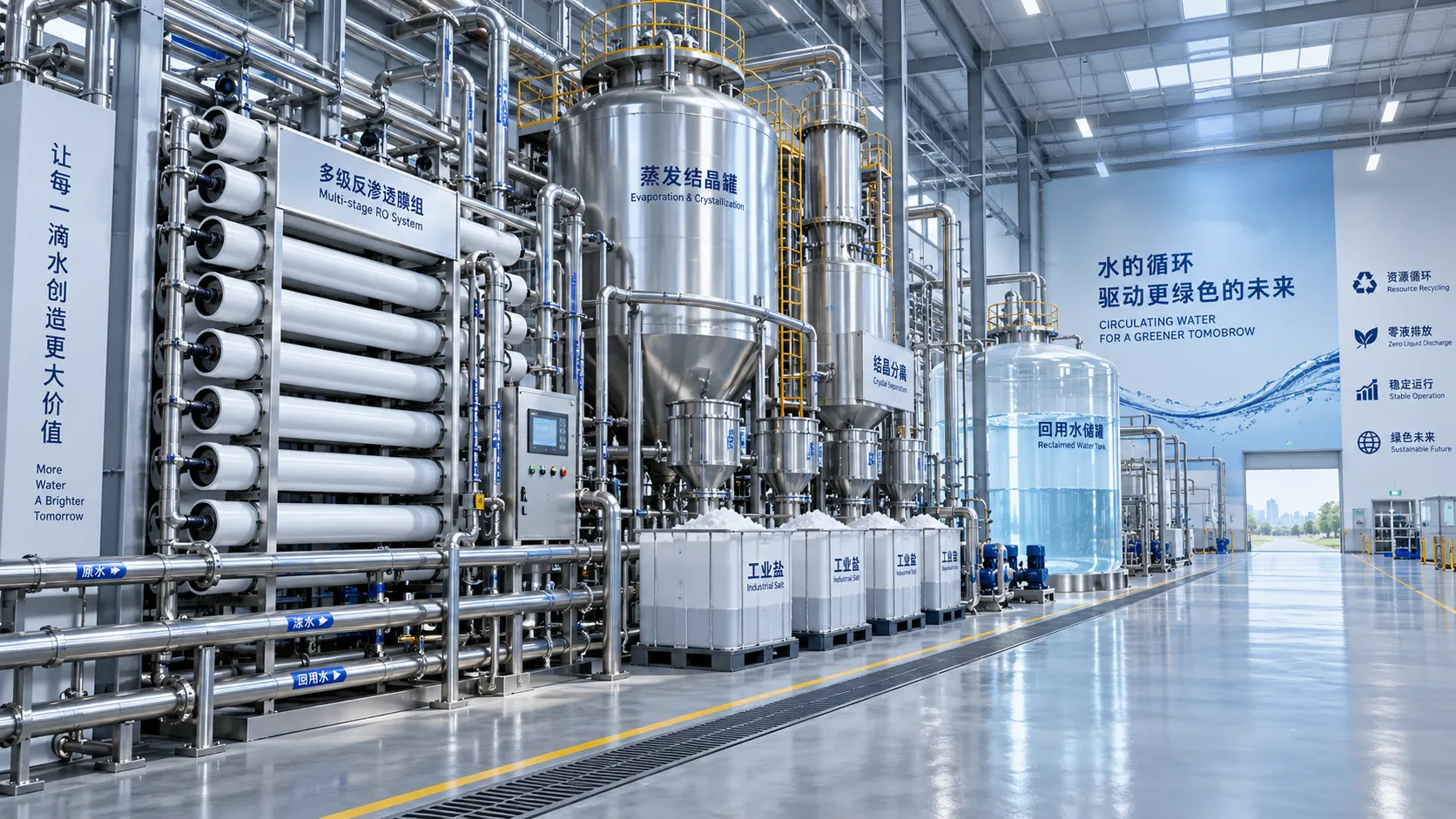
When does high recovery ZLD equipment justify its higher capital cost?
High recovery ZLD equipment can justify higher capital cost when water scarcity, discharge risks, brine disposal, and downtime threaten operations. Explore the decision factors.
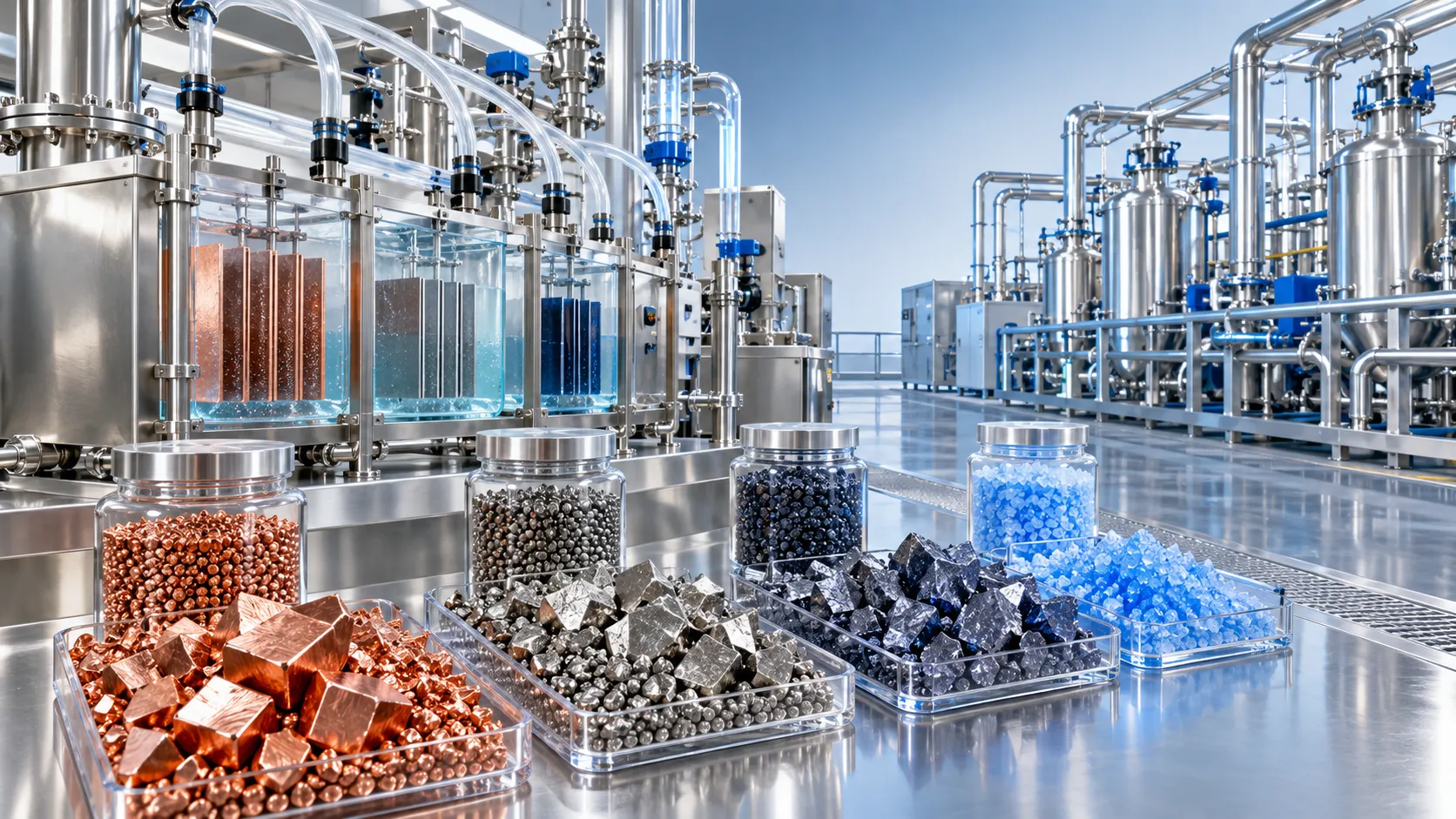
How high purity heavy metal recovery affects recovered metal value
High purity heavy metal recovery boosts recovered metal value by improving payability, reducing penalties, and unlocking stronger buyer opportunities. Explore smarter netback strategies.

When does environmental equipment intelligence reduce wastewater plant energy use?
Environmental equipment intelligence for wastewater plants cuts energy use through smarter aeration, pumping, and data-driven controls—without compromising compliance. Discover when it delivers measurable savings.