
Industry News
Curation by industry experts
Hot Articles
Popular Tags
Resource Recovery Systems Modular Design: What Impacts ROI First?
Resource Recovery Systems Modular Design: What Really Moves ROI First?
In large environmental projects, payback rarely depends on one spectacular innovation.
More often, it starts with practical design choices made before procurement closes.
That is why resource recovery systems modular planning deserves early attention.
When a system is modular in the right way, installation shortens, commissioning becomes more predictable, and future upgrades cost less.
When modularity is treated as a buzzword, the same project can suffer from hidden interfaces, spare parts complexity, and delayed compliance approval.
Across water treatment, solid waste recovery, desalination, and other heavy eco-infrastructure, early ROI usually appears through lower delivery friction.
That pattern is often highlighted in the market intelligence work associated with ESD, where performance, compliance, and long-cycle capital efficiency are examined together.
Is modular design just about containerized equipment, or something broader?
A common misunderstanding is to equate resource recovery systems modular design with skid mounting alone.
In practice, modularity can exist at several levels.
- Process modules, such as sorting, separation, concentration, pyrolysis, polishing, or residue stabilization.
- Mechanical modules, including pumps, conveyors, reactors, membrane racks, and dosing units.
- Control modules, where PLC logic, alarms, and data interfaces can be expanded without rebuilding the architecture.
- Compliance modules, such as emissions polishing, odor control, or hazardous byproduct containment.
The broader the definition, the more accurate the ROI picture becomes.
For example, a wastewater recovery line may look modular physically, yet remain rigid in controls or discharge compliance.
That means expansion later will still trigger redesign costs.
A better test is simple: can capacity, process quality, or regulatory protection be added in blocks without reengineering the whole plant?
If the answer is yes, the modular concept is commercially meaningful.
Which modular factors usually affect ROI before anything else?
The first ROI drivers are rarely the ones emphasized in glossy brochures.
What moves returns fastest is usually execution speed and risk reduction.
The table below helps separate early-impact factors from later-stage value.
If one factor deserves first priority, it is site time compression.
A system that starts revenue recovery or disposal savings three months earlier can outperform a more efficient design with a slower build.
That is especially true when permits, energy pricing, and landfill or discharge fees are tightening at the same time.
Where does resource recovery systems modular design make the biggest commercial difference?
The strongest advantage appears where feed conditions change, compliance pressure is rising, or expansion is likely.
Those conditions are common across ESD-tracked sectors.
High-strength industrial wastewater and ZLD pathways
Here, modular pretreatment and polishing reduce the cost of overbuilding the initial line.
Plants can add concentration, crystallization, or reuse blocks when contaminant profiles shift.
Solid waste recovery and urban mining
AI sorting, shredding, pyrolysis, and residue handling rarely mature at the same speed.
A modular layout lets operators upgrade the weakest value-creation stage without disturbing the whole line.
Desalination-linked brine and resource recovery
In seawater desalination, resource recovery systems modular logic supports phased treatment around brine concentration, minerals recovery, and discharge management.
That matters when energy economics or environmental constraints evolve faster than the original financial model.
Hazard-sensitive waste streams
Where risk tolerance is low, such as hazardous residues or nuclear-adjacent containment, modular isolation helps maintenance and inspection without broad system disruption.
In those environments, reliability and traceability are ROI variables too.
What gets overlooked when comparing modular and stick-built options?
The comparison often becomes too narrow.
Teams compare equipment price, then assume the lower number is the lower cost solution.
That misses several practical differences.
- Modular packages may cost more per ton of steel, yet less per month of delivered project value.
- Stick-built systems can fit unusual sites better, but they usually expose more labor and coordination risk.
- Modular systems simplify replication across multiple plants, which matters for regional rollout strategies.
- Non-modular layouts sometimes optimize one feedstock perfectly, then struggle when feed variability appears.
A more realistic comparison uses total installed cost, time to stable throughput, and cost of future adaptation.
This is where intelligence-led evaluation becomes useful.
ESD’s coverage of regulation shifts, CBAM effects, and process evolution points to a broader truth.
A design that survives policy and feedstock change often returns more than a design that looks cheaper only at award stage.
How can a buyer tell whether a modular proposal is genuinely flexible?
Ask what can be added, removed, or upgraded without touching the plant backbone.
Then ask for proof, not adjectives.
Useful questions include the following.
- Can throughput expand in steps, and what utility upgrades are triggered at each step?
- Can contaminant polishing be added later without retesting the full line?
- Which spare parts are shared across modules, and which are single-point dependencies?
- What portion is factory tested under realistic load or process simulation?
- What happens if local regulations tighten after commissioning?
Good suppliers answer with drawings, limits, and upgrade pathways.
Weak proposals answer with generic claims about scalability.
In real procurement cycles, that difference protects both budget and schedule.
What mistakes delay payback even when the system is modular?
Several recurring mistakes explain disappointing outcomes.
The pattern is clear.
Resource recovery systems modular design improves ROI when it reduces uncertainty, not when it simply adds more pieces.
So what should be reviewed before a final procurement decision?
Start with the first-year economics, not just lifetime theory.
The earliest gains usually come from faster commissioning, lower site disruption, and fewer compliance surprises.
After that, review how the modular architecture supports expansion, feed variability, and maintenance access.
That sequence is more useful than starting with nameplate capacity alone.
For complex environmental assets, the smartest next step is to build a comparison sheet around five headings: site time, interface standardization, compliance flexibility, maintenance logic, and expansion cost.
Then test each supplier response against real operating scenarios.
That is where resource recovery systems modular value becomes measurable rather than theoretical.
In a market shaped by stricter environmental limits and capital discipline, the best design is usually the one that pays back sooner because it adapts sooner.
Recommended News

How to size a desulfurization equipment scrubber for variable gas flow
Desulfurization equipment scrubber sizing for variable gas flow: optimize SO2 removal, pressure drop, liquid-to-gas control, and compliance across every load.
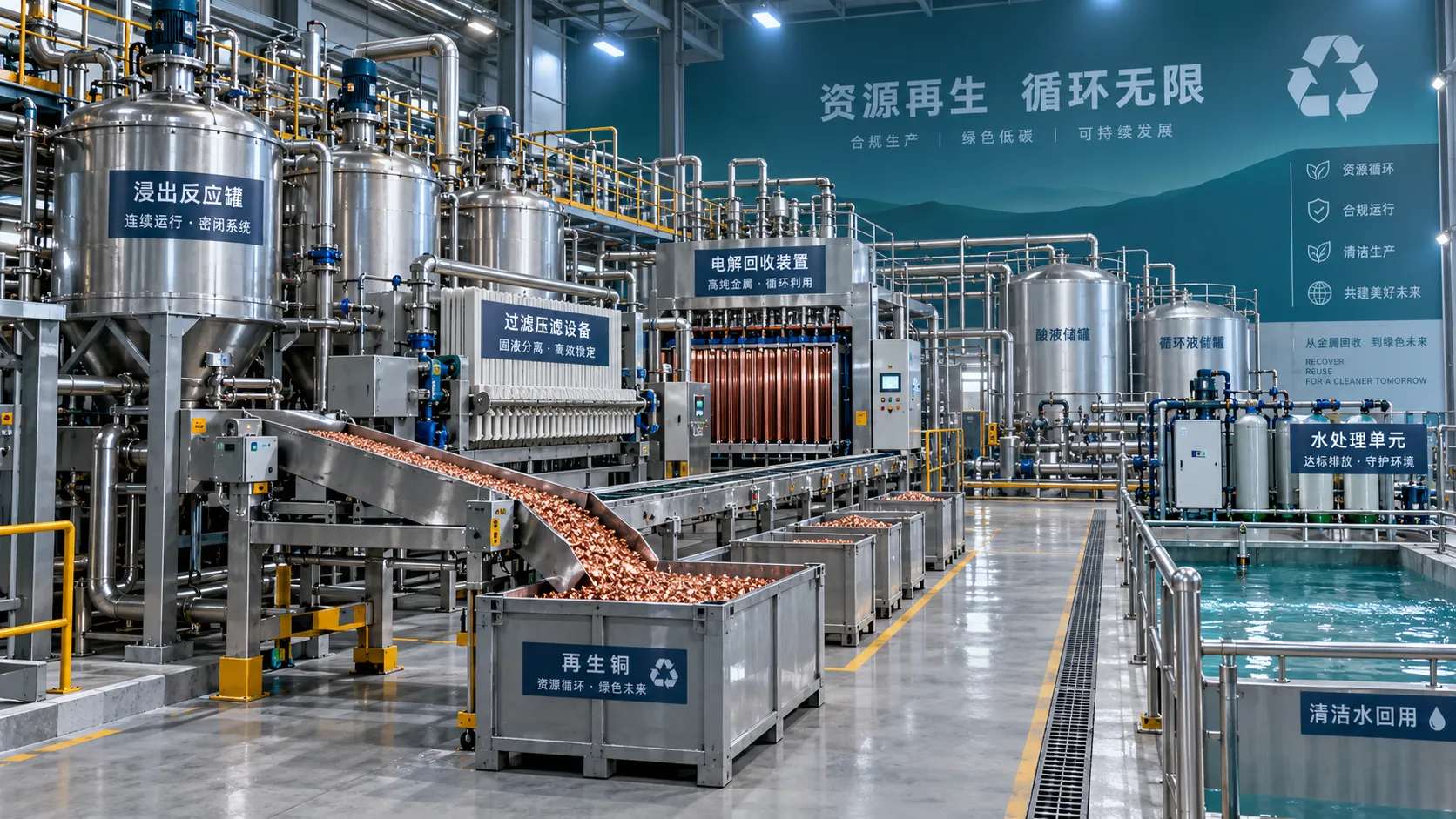
When does repeatable metals recovery infrastructure justify the investment?
Repeatable metals recovery infrastructure: discover when consistent feedstock, lower disposal costs, compliance control, and reliable offtake justify investment.
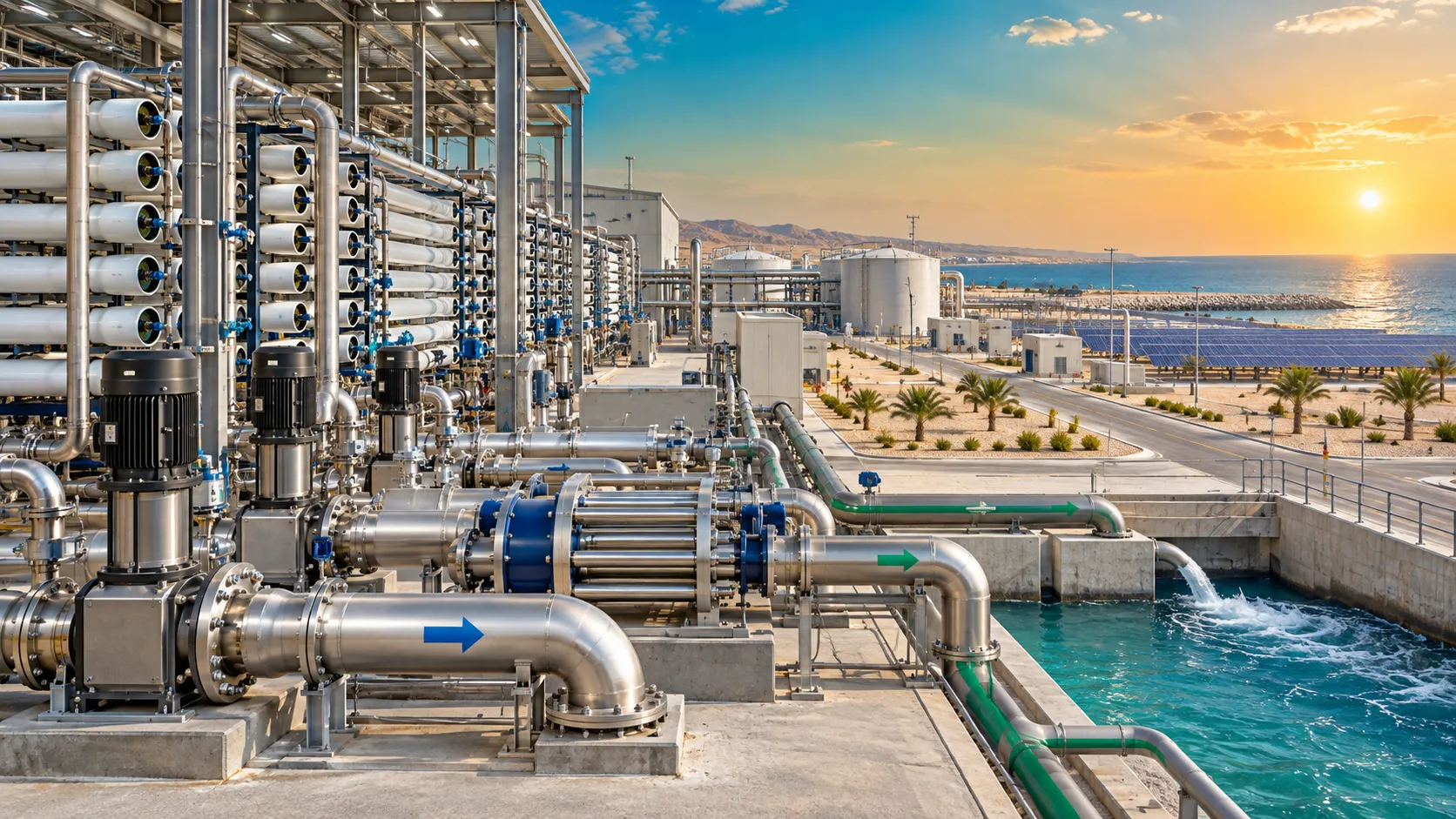
How energy recovery cuts the cost of seawater desalination in the Middle East
Seawater desalination Middle East projects can cut lifecycle costs with energy recovery. Explore savings, bankability, power-risk strategies, and smarter investment decisions.
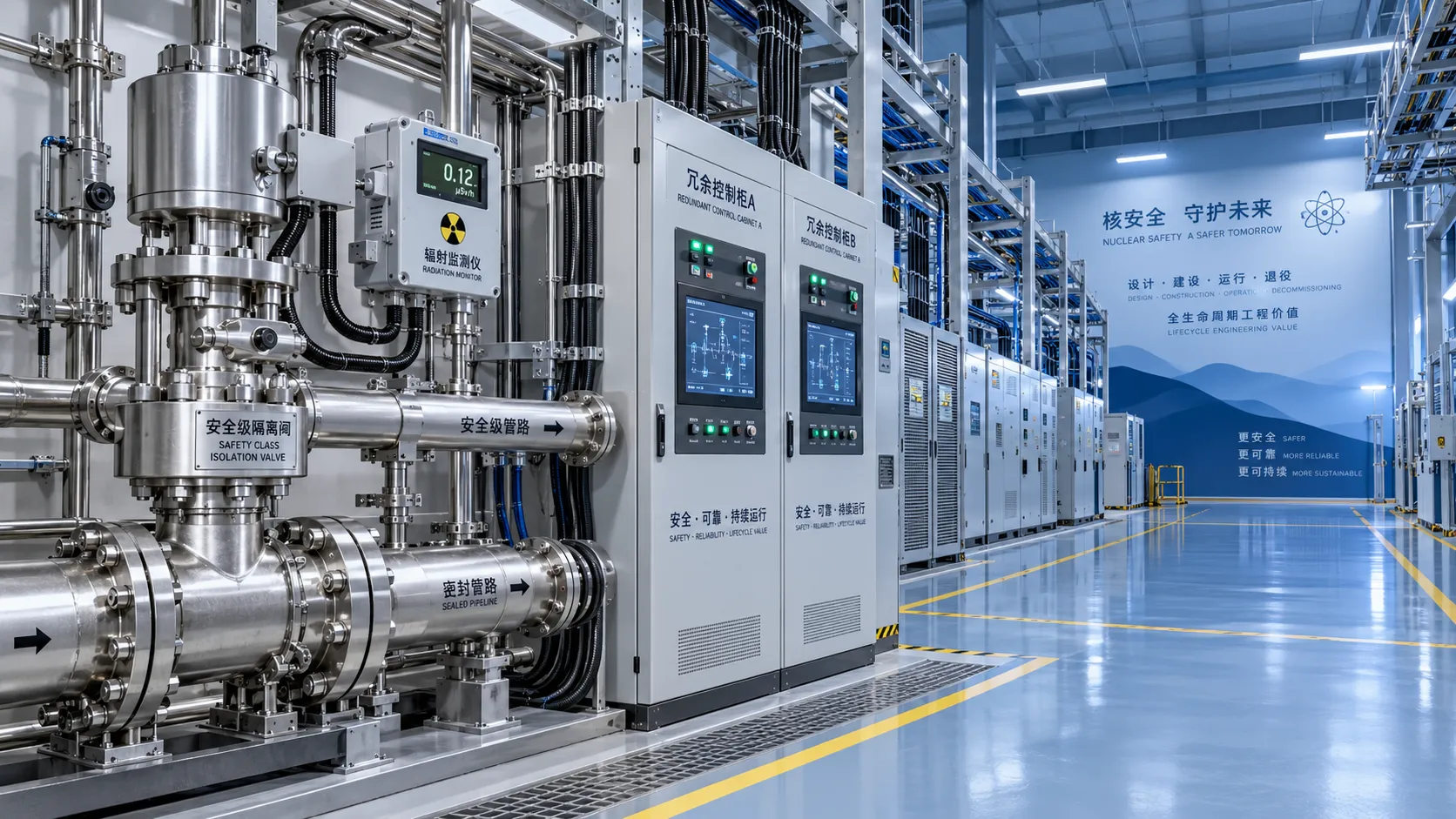
What drives nuclear safety solutions pricing for new facility projects?
Nuclear safety solutions pricing explained: uncover the key cost drivers for new facilities, from qualification and interfaces to lifecycle support.
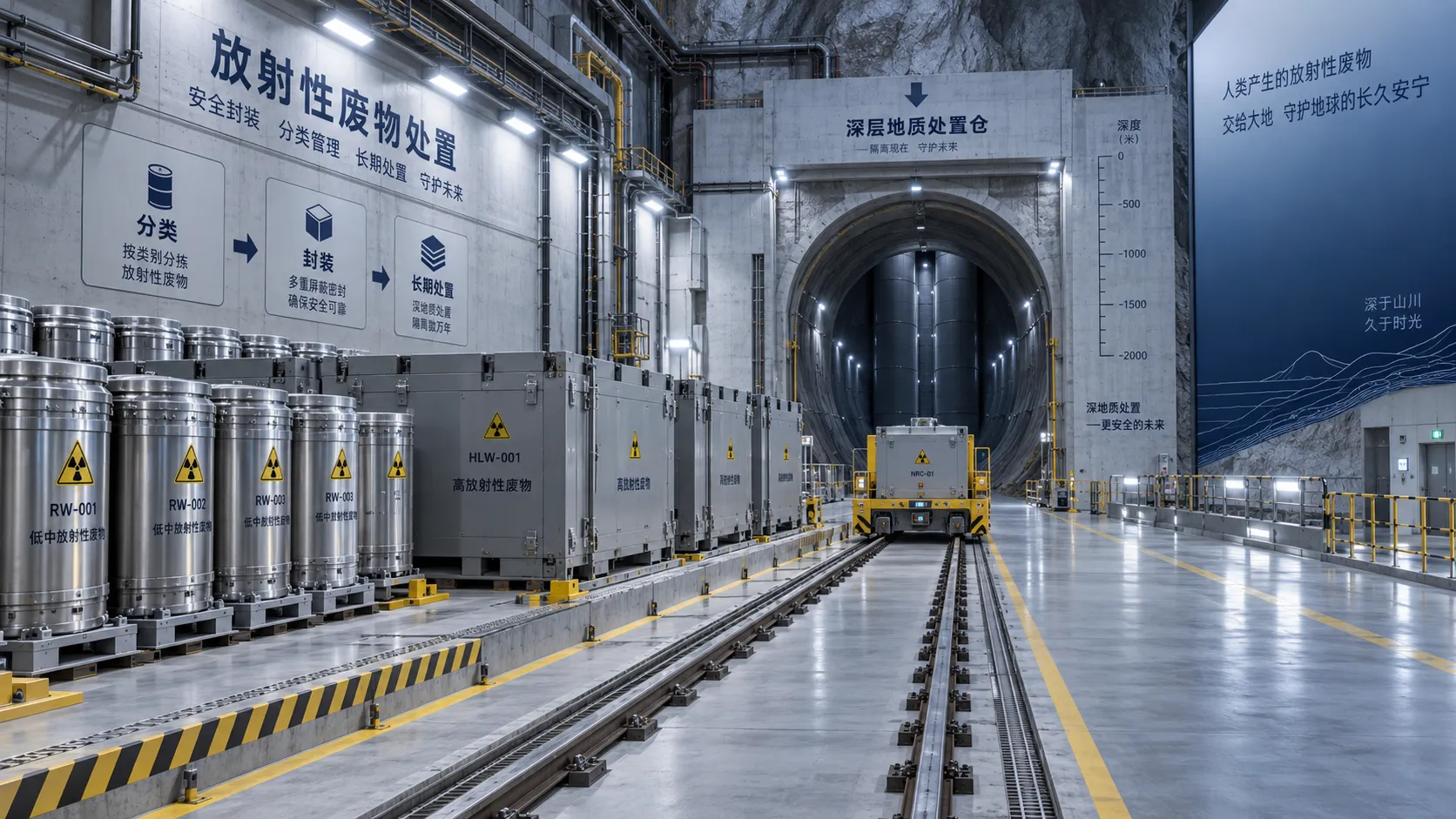
What drives radioactive waste cost over the life of a disposal project?
Radioactive waste cost depends on classification, treatment, transport, storage, disposal access, and long-term compliance. Explore the key lifecycle cost drivers.
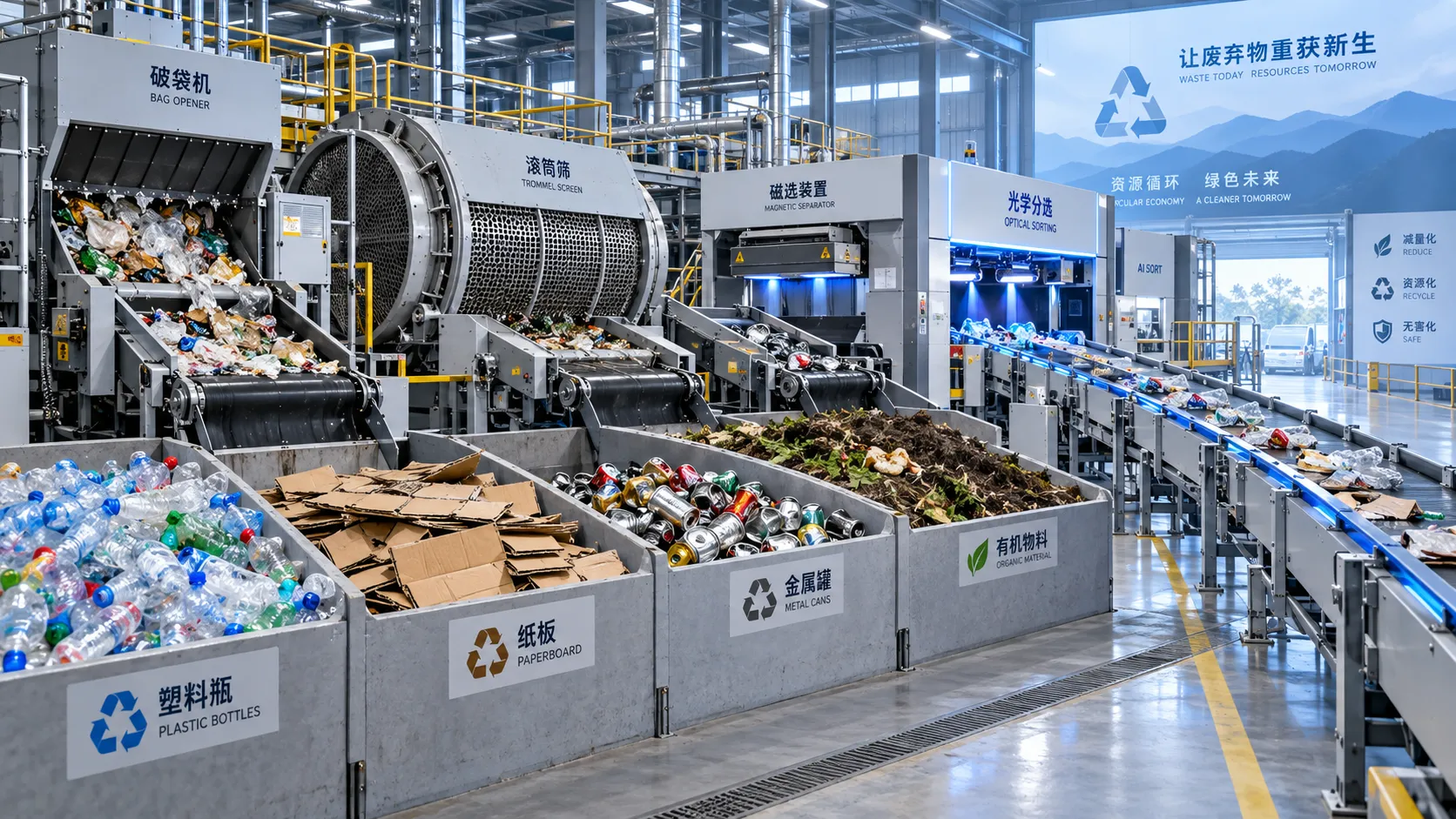
How to choose solid waste equipment based on waste stream characteristics
Environmental equipment guide for solid waste: discover how to match sorting, treatment, and recovery equipment to waste composition, moisture, contamination, and output goals.
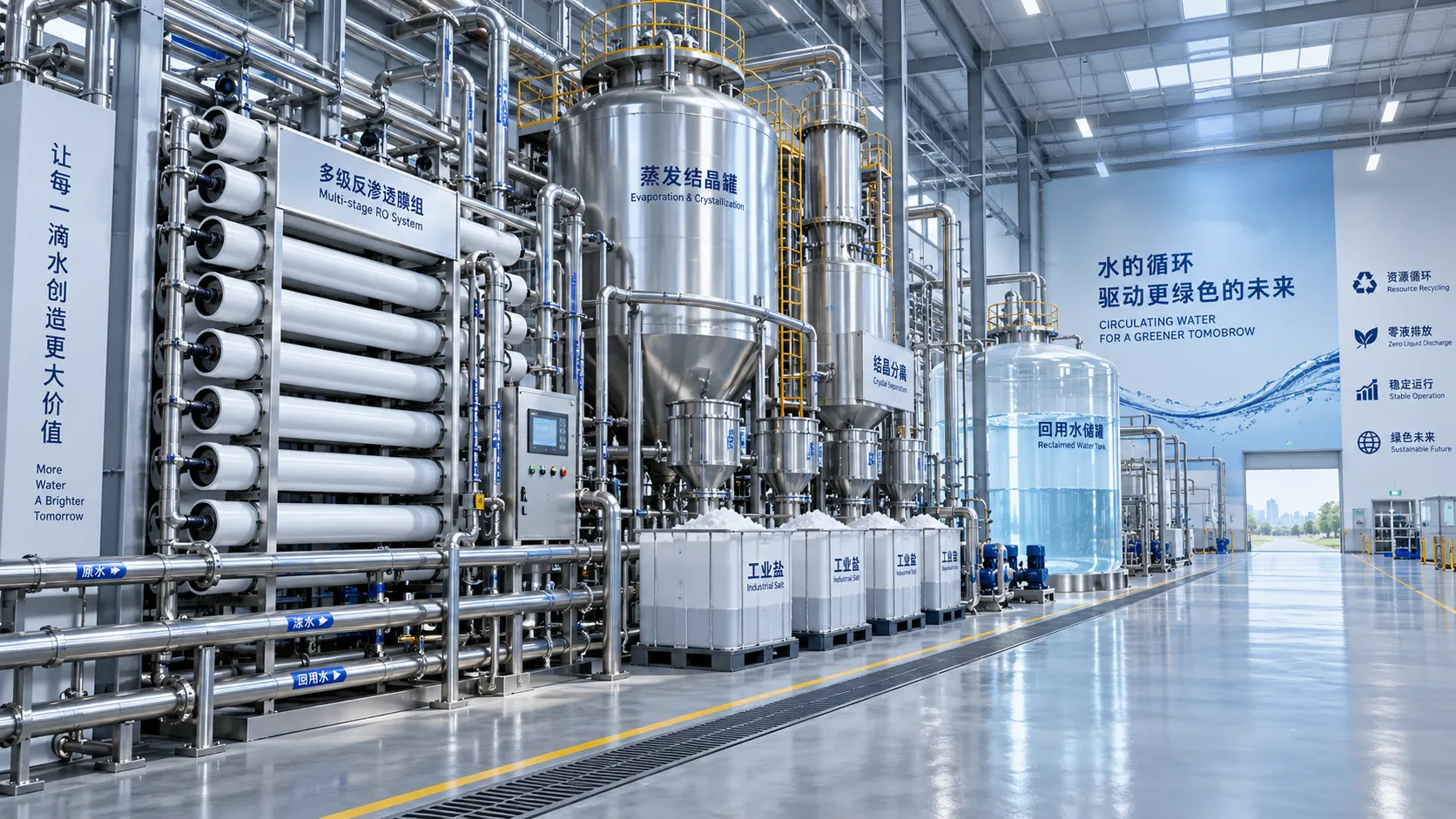
When does high recovery ZLD equipment justify its higher capital cost?
High recovery ZLD equipment can justify higher capital cost when water scarcity, discharge risks, brine disposal, and downtime threaten operations. Explore the decision factors.

How high purity heavy metal recovery affects recovered metal value
High purity heavy metal recovery boosts recovered metal value by improving payability, reducing penalties, and unlocking stronger buyer opportunities. Explore smarter netback strategies.

When does environmental equipment intelligence reduce wastewater plant energy use?
Environmental equipment intelligence for wastewater plants cuts energy use through smarter aeration, pumping, and data-driven controls—without compromising compliance. Discover when it delivers measurable savings.