
Industry News
Curation by industry experts
Hot Articles
Popular Tags
Carbon Neutrality for Manufacturing: Cost Levers That Matter in 2026
Carbon neutrality for manufacturing has moved into the finance model
In 2026, carbon neutrality for manufacturing is being judged less by corporate messaging and more by balance-sheet discipline.
The shift is visible across industrial projects, refinancing reviews, insurance terms, and export readiness.
What changed is not only regulation.
Energy volatility, carbon-linked trade friction, and tighter disclosure standards now affect asset value directly.
That makes carbon neutrality for manufacturing a practical cost question.
Which levers lower emissions fast enough, with credible payback, and without weakening operating resilience?
From the perspective of ESD’s ecological engineering coverage, this question reaches beyond factory electricity.
Water treatment loads, waste recovery yields, flue gas systems, desalination intensity, and hazardous residue management increasingly shape the carbon cost base.
The more advanced the site, the less useful generic decarbonization slogans become.
What matters now is where the next ton of abatement is cheapest, fastest, and most defensible under audit.
Why the pressure became more visible this year
Several signals are converging at the same time.
Carbon reporting is getting harder to separate from procurement, lending, and border compliance.
CBAM remains the most discussed example, but it is not the only one.
Large buyers increasingly ask for product-level emissions evidence, not annual averages.
Utilities are also reshaping the equation.
Peak demand charges, water scarcity pricing, and wastewater discharge tightening are turning environmental loads into recurring cost escalators.
This is why carbon neutrality for manufacturing now depends on operating systems that were once treated as side infrastructure.
At many sites, energy is only the first layer.
Pumping, thermal separation, sludge handling, solvent recovery, and air pollution control often contain the next meaningful savings.
- More carbon costs are becoming embedded in trade and customer qualification.
- Environmental compliance systems are consuming more energy per unit of output.
- Investors increasingly discount assets with weak transition pathways.
- Digital measurement is exposing process inefficiencies that were previously hidden.
That combination explains why carbon neutrality for manufacturing is no longer handled effectively by one annual sustainability budget.
The cost levers that matter are getting more specific
A clear pattern in 2026 is that broad targets are losing priority to ranked levers.
The best-performing programs focus on a short list of controllable cost drivers.
This is where carbon neutrality for manufacturing becomes operational rather than rhetorical.
The strongest cases often come from process redesign, utility optimization, and recovery improvements working together.
Water, waste, and emissions systems are no longer peripheral
ESD’s sector lens is useful here because environmental equipment is increasingly part of the core decarbonization stack.
In water-intensive industries, Zero Liquid Discharge is no longer judged only on compliance.
Its energy penalty, brine handling cost, and reuse economics now sit inside carbon neutrality for manufacturing decisions.
The same is true for solid waste systems.
AI sorting, pyrolysis, and secondary resource loops can reduce landfill exposure, lower purchased material intensity, and create measurable carbon advantages.
Flue gas treatment is another area where the old logic is fading.
Sites are now asking whether scrubbers, fans, reheating stages, and catalyst behavior can be optimized without shifting risk elsewhere.
More capital is therefore moving toward integrated upgrades.
These combine compliance performance with lower parasitic energy demand, higher recovery rates, and cleaner data.
That is a more durable route to carbon neutrality for manufacturing than isolated offsets or reporting-only tools.
Where financial discipline is separating strong projects from weak ones
The main divide in 2026 is not ambition.
It is the quality of capital screening.
Projects framed only around annual carbon reduction often struggle in approval cycles.
Projects linked to cost volatility, export resilience, and asset life usually move faster.
A stronger evaluation model typically includes five filters.
- How much of the savings comes from controllable operating expenditure rather than assumptions about future credits.
- Whether the measure improves compliance headroom in water, waste, or air emissions.
- How well the project supports product-level carbon traceability.
- Whether the asset remains useful under stricter standards or changing energy mixes.
- How exposed the site is to disruption if action is delayed for two more budget cycles.
Seen this way, carbon neutrality for manufacturing is less about one perfect roadmap and more about sequencing.
Low-regret measures come first, especially where energy, water, and compliance costs overlap.
The next wave of gains will come from linked systems, not isolated retrofits
A recurring mistake is treating each environmental subsystem as a separate expense center.
In practice, the largest gains often emerge when data and engineering decisions are connected.
For example, a wastewater upgrade can alter steam demand, chemical consumption, sludge volume, and power profile at once.
A resource recovery line can cut disposal fees while reducing virgin input intensity.
A better flue gas configuration can improve emissions compliance and lower auxiliary load together.
This linked-system view is becoming central to carbon neutrality for manufacturing because it changes project economics.
Single-point upgrades may look cheap, but they often miss second-order savings.
Integrated programs cost more upfront, yet they tend to produce cleaner payback logic and stronger audit evidence.
That is especially relevant in desalination-heavy, chemically intensive, or tightly regulated operations, where one utility decision affects multiple compliance endpoints.
What deserves attention over the next planning cycle
The immediate task is not to chase every decarbonization option at once.
It is to identify the levers that change both emissions and financial exposure.
A practical next step is to map carbon neutrality for manufacturing against four questions.
- Which environmental systems now represent the highest energy-adjusted cost burden per unit of output?
- Where are carbon, water, waste, and trade risks starting to reinforce each other?
- Which upgrades improve traceability enough to support customer and regulator scrutiny?
- What can be staged within existing shutdown windows and maintenance cycles?
The companies gaining ground in 2026 are not necessarily spending the most.
They are spending where environmental engineering and financial logic are finally being evaluated together.
Carbon neutrality for manufacturing will keep tightening around measurable performance.
That makes the next review cycle a good moment to re-rank projects, compare system-level tradeoffs, and build a staged response plan grounded in real operating data.
Recommended News
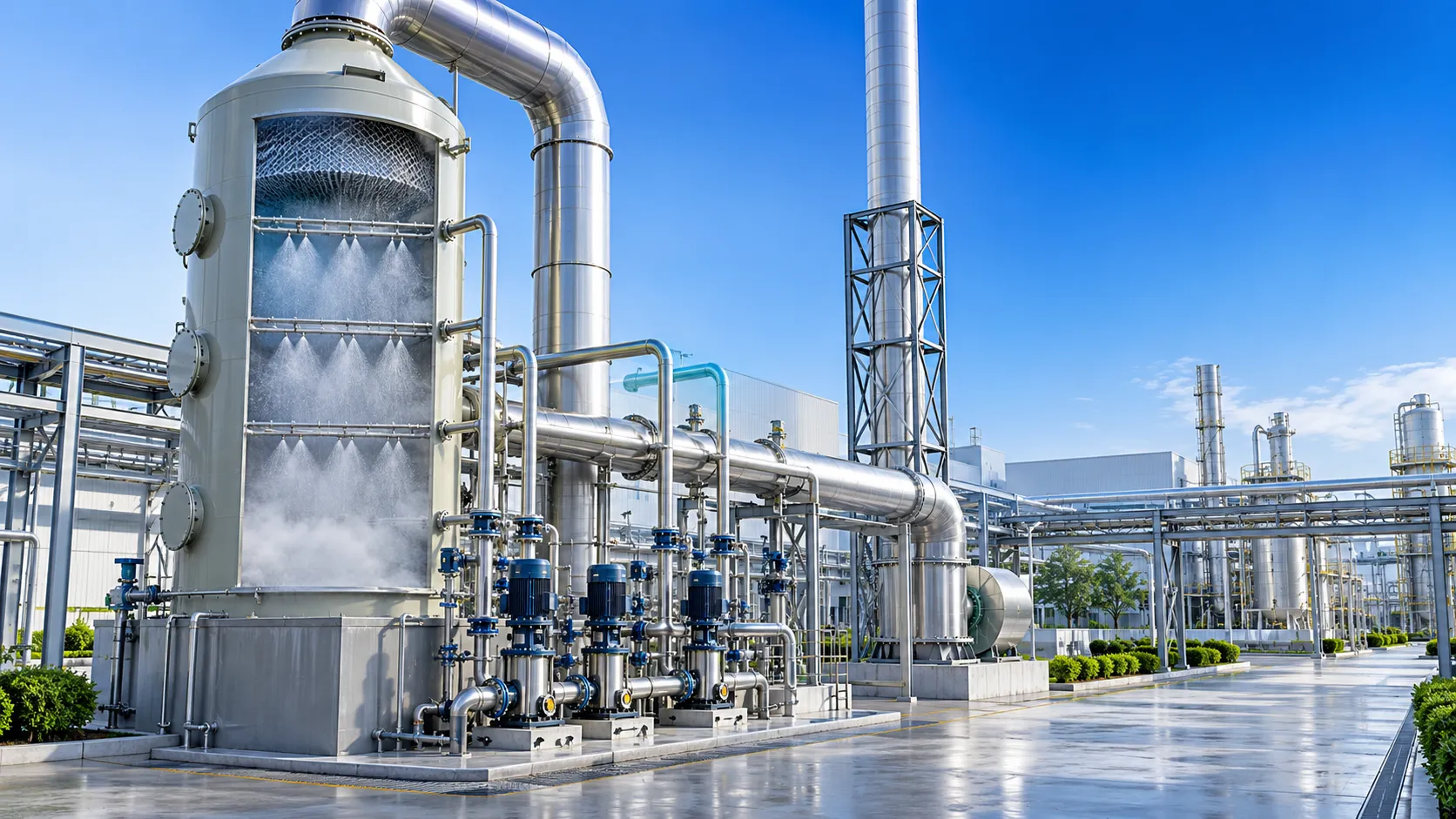
How to size a desulfurization equipment scrubber for variable gas flow
Desulfurization equipment scrubber sizing for variable gas flow: optimize SO2 removal, pressure drop, liquid-to-gas control, and compliance across every load.
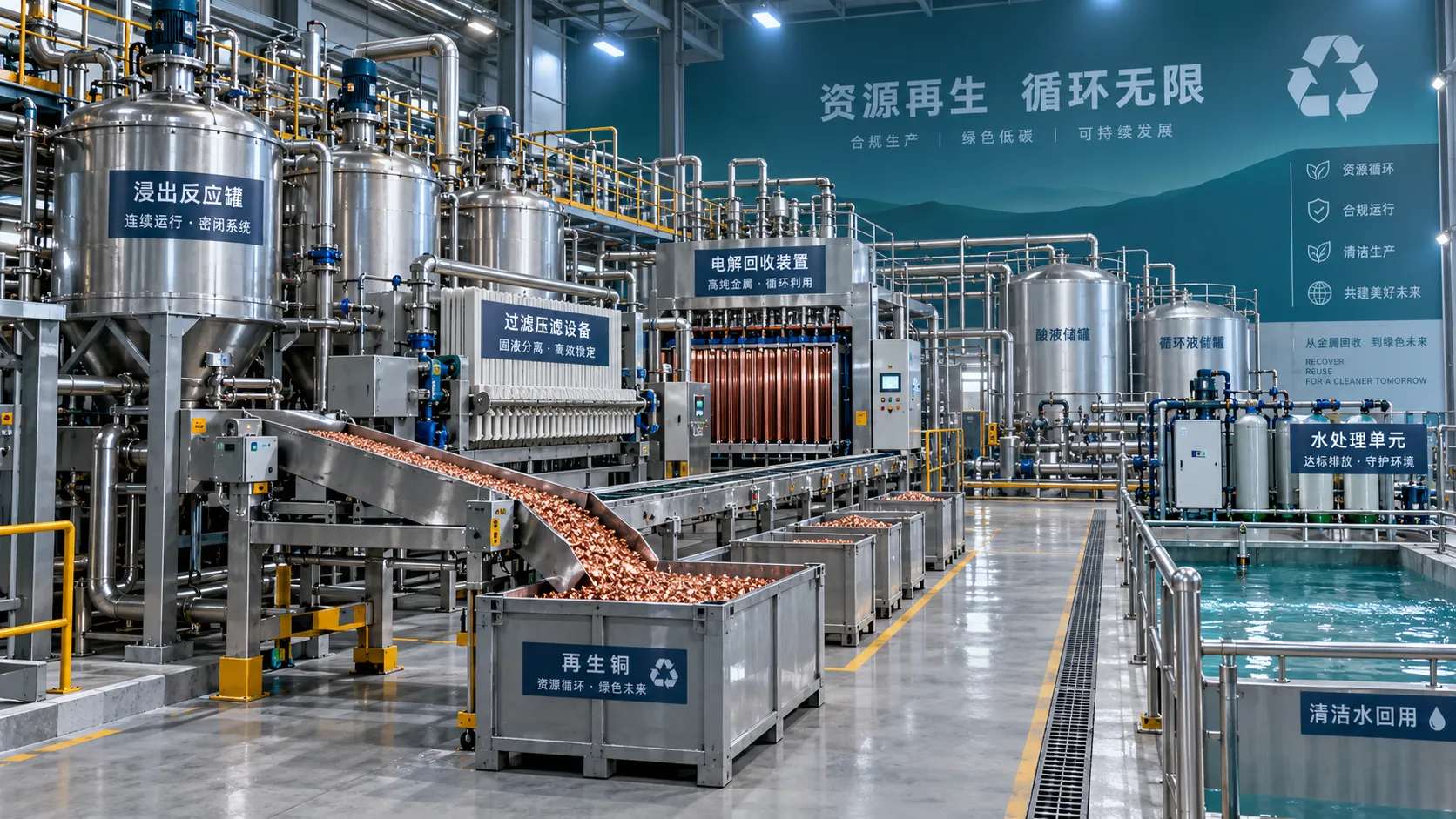
When does repeatable metals recovery infrastructure justify the investment?
Repeatable metals recovery infrastructure: discover when consistent feedstock, lower disposal costs, compliance control, and reliable offtake justify investment.
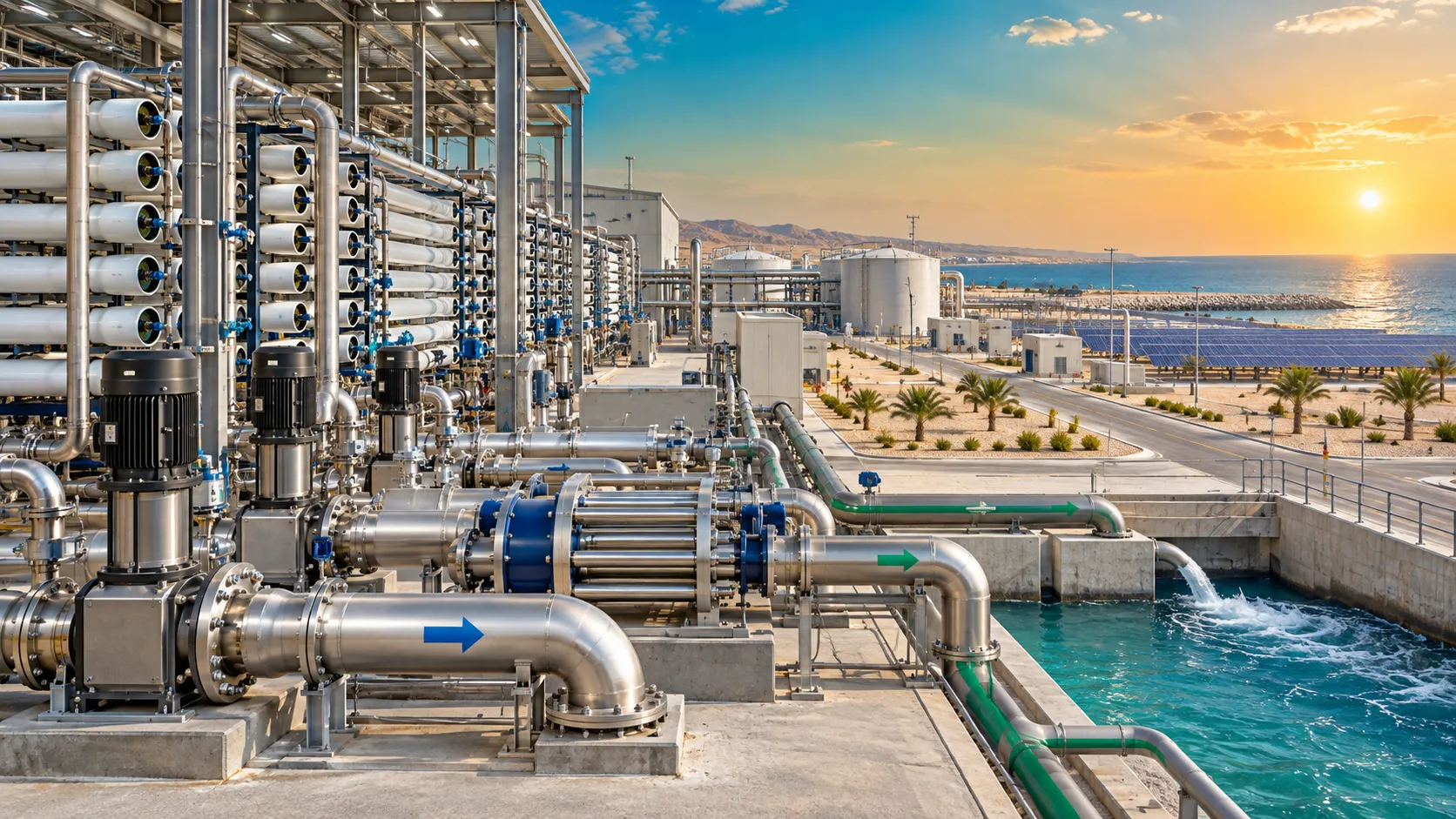
How energy recovery cuts the cost of seawater desalination in the Middle East
Seawater desalination Middle East projects can cut lifecycle costs with energy recovery. Explore savings, bankability, power-risk strategies, and smarter investment decisions.
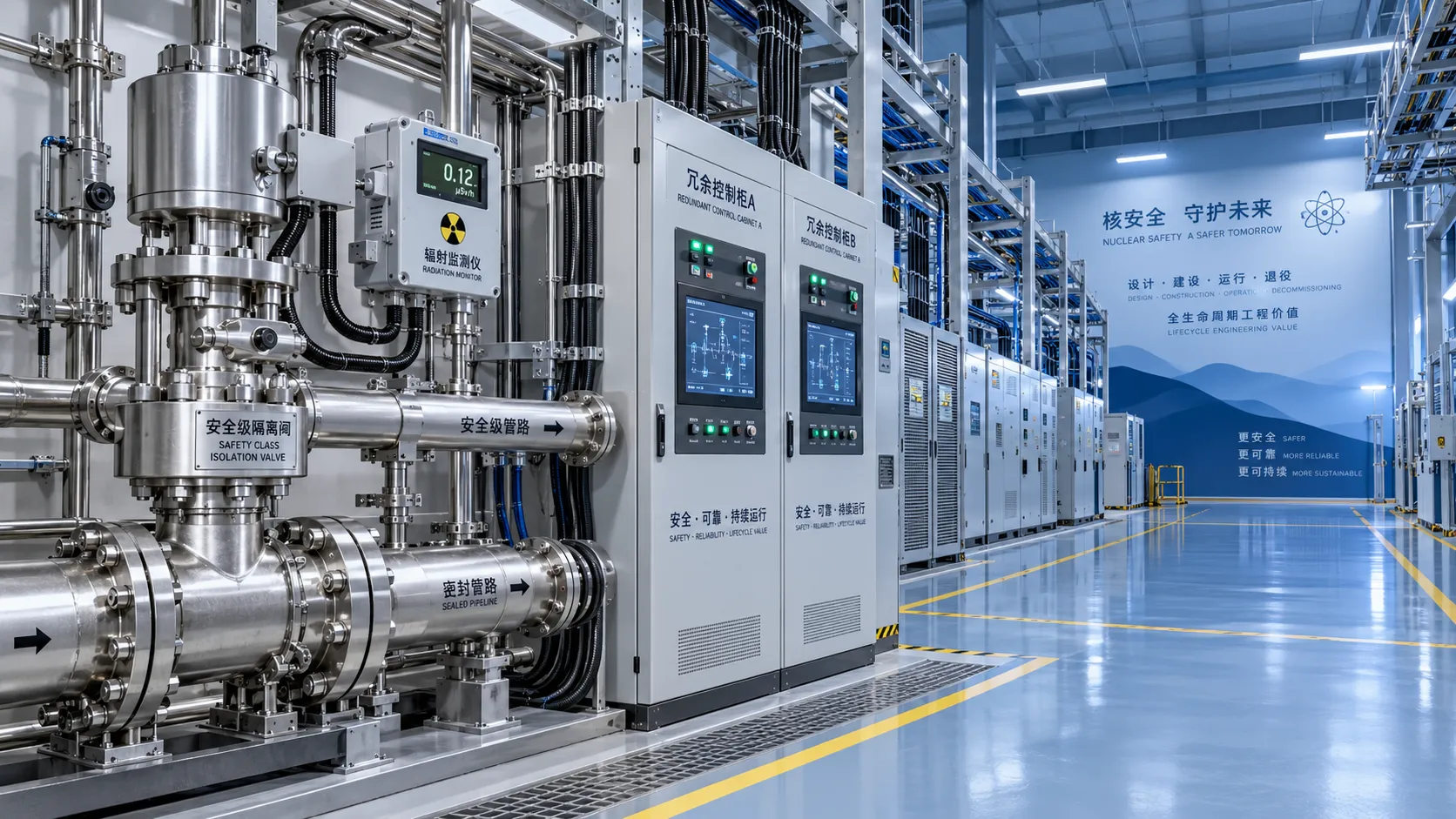
What drives nuclear safety solutions pricing for new facility projects?
Nuclear safety solutions pricing explained: uncover the key cost drivers for new facilities, from qualification and interfaces to lifecycle support.
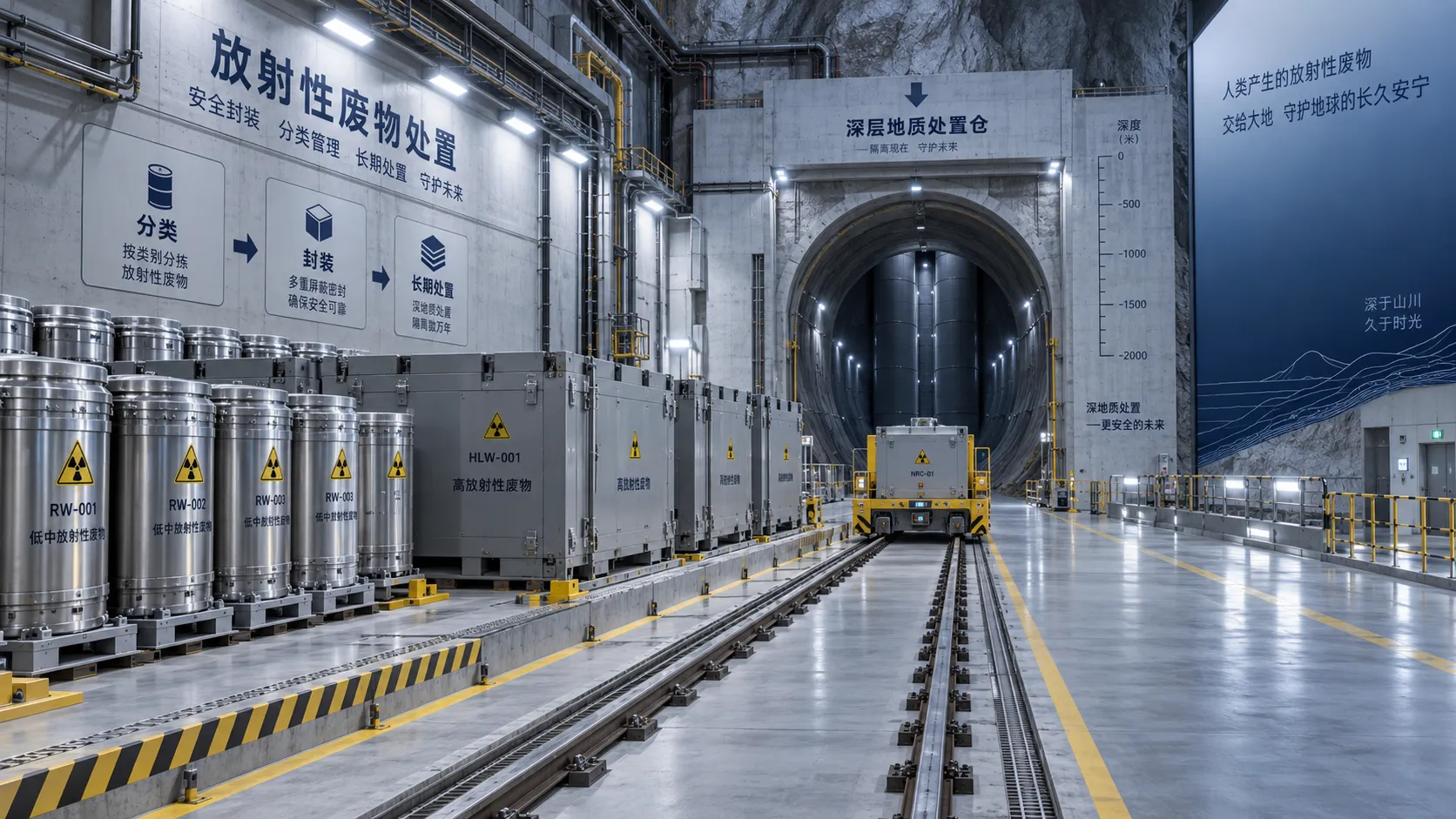
What drives radioactive waste cost over the life of a disposal project?
Radioactive waste cost depends on classification, treatment, transport, storage, disposal access, and long-term compliance. Explore the key lifecycle cost drivers.
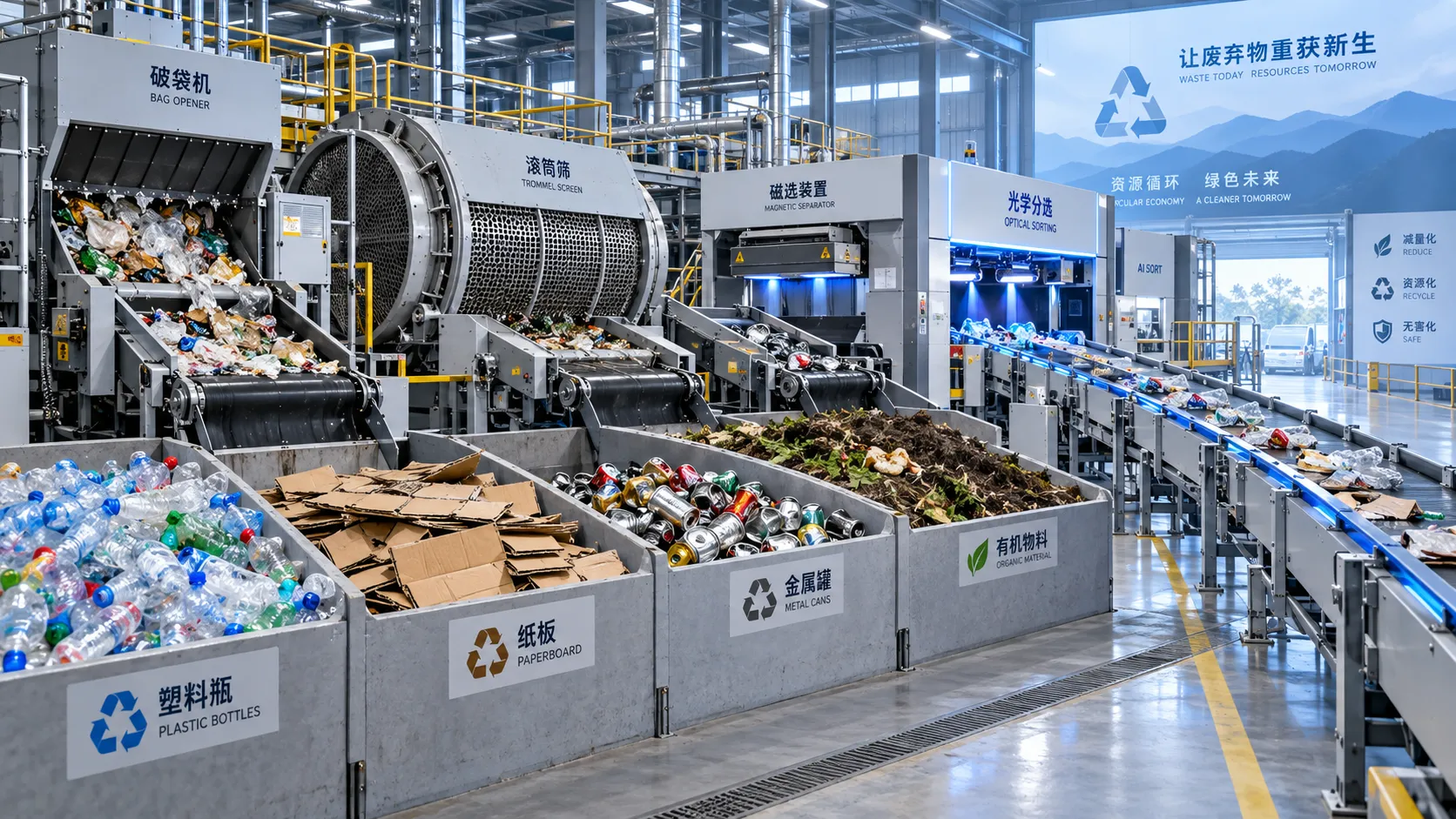
How to choose solid waste equipment based on waste stream characteristics
Environmental equipment guide for solid waste: discover how to match sorting, treatment, and recovery equipment to waste composition, moisture, contamination, and output goals.
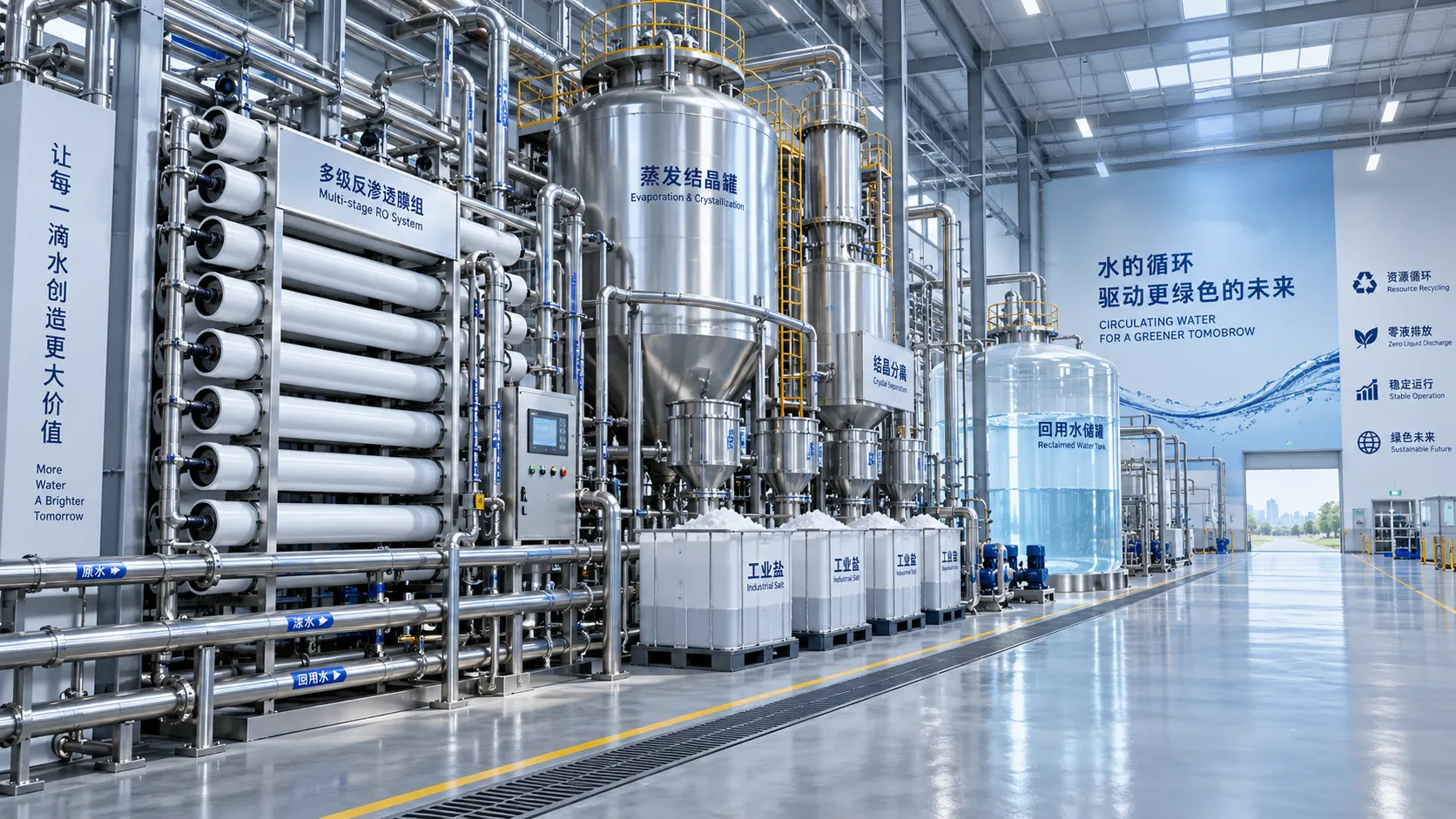
When does high recovery ZLD equipment justify its higher capital cost?
High recovery ZLD equipment can justify higher capital cost when water scarcity, discharge risks, brine disposal, and downtime threaten operations. Explore the decision factors.
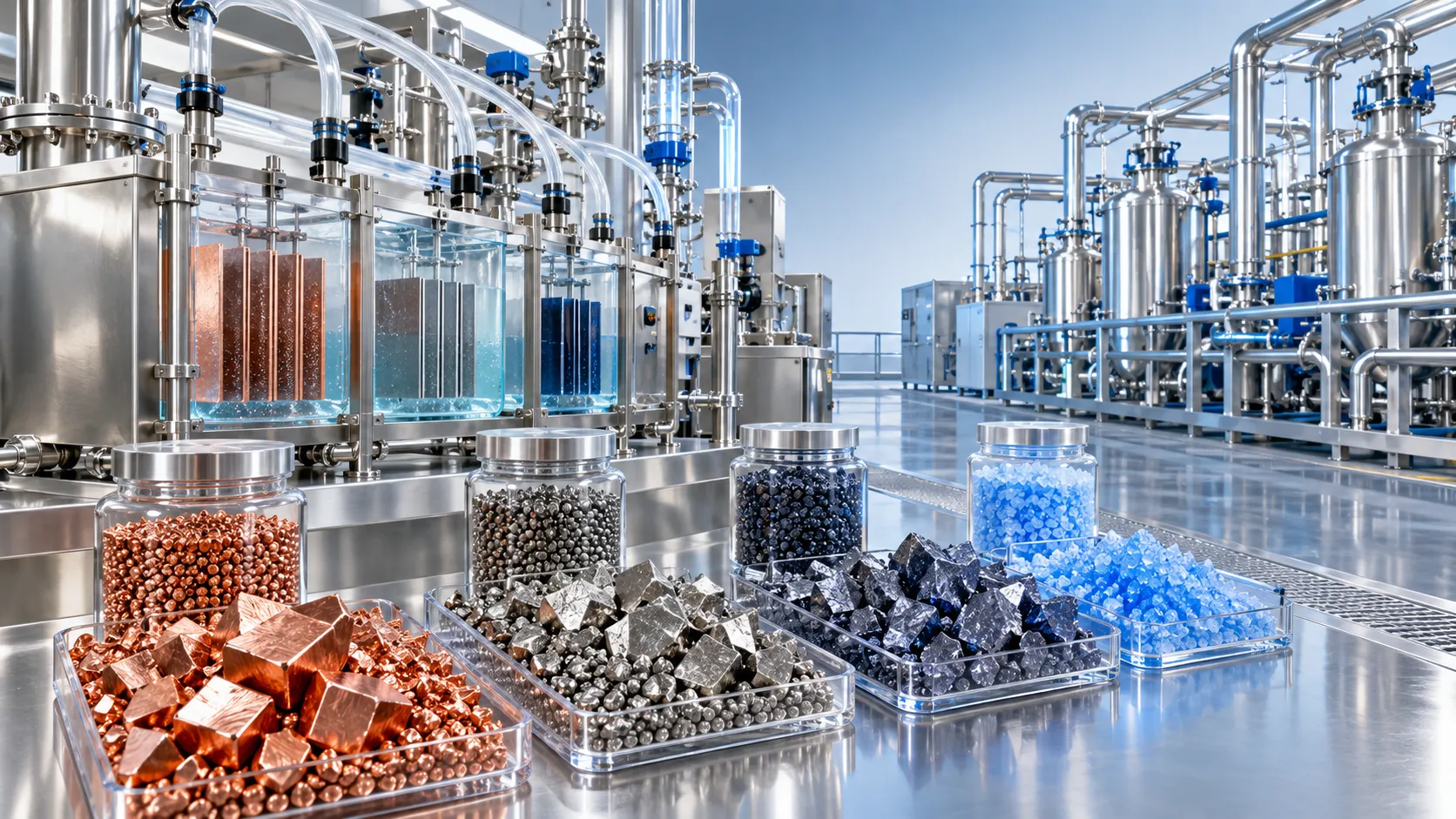
How high purity heavy metal recovery affects recovered metal value
High purity heavy metal recovery boosts recovered metal value by improving payability, reducing penalties, and unlocking stronger buyer opportunities. Explore smarter netback strategies.
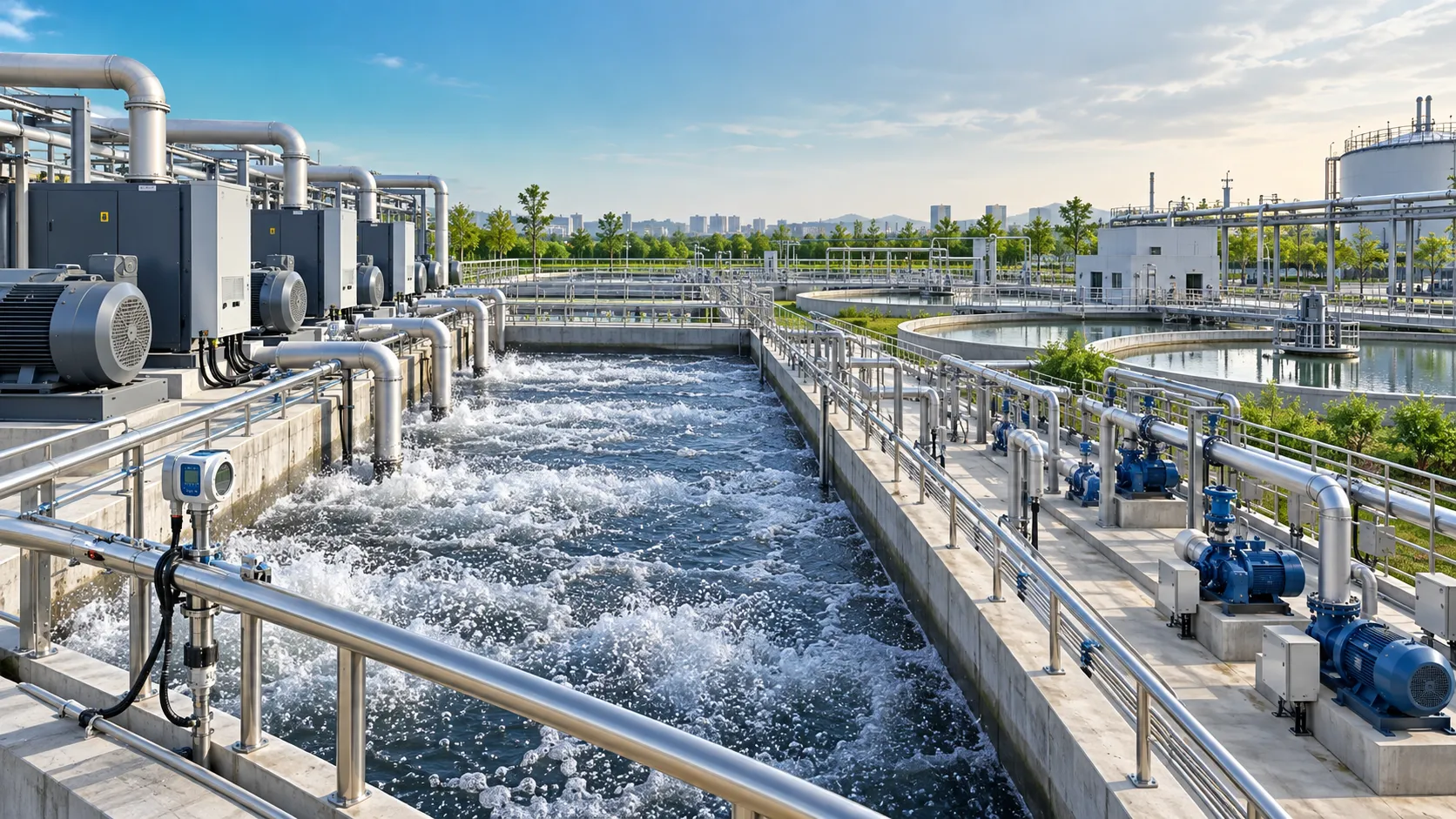
When does environmental equipment intelligence reduce wastewater plant energy use?
Environmental equipment intelligence for wastewater plants cuts energy use through smarter aeration, pumping, and data-driven controls—without compromising compliance. Discover when it delivers measurable savings.