
Industry News
Curation by industry experts
Hot Articles
Popular Tags
Ecological Engineering Design: Common Risks in Early Planning
Why does ecological engineering design fail so early?
Early ecological engineering design is where the project’s real trajectory is set. Many later overruns begin with assumptions made before any equipment is ordered.
That is especially true in water treatment, waste recovery, flue gas control, desalination, and nuclear waste management, where compliance and process reliability are tightly linked.
In practice, the common failure is not a single technical mistake. It is a planning gap between environmental targets, process conditions, regulatory exposure, and lifecycle economics.
A strong ecological engineering design review should ask one basic question early: can the chosen concept still perform under real variability, not just under ideal design points?
This matters more as standards tighten. Carbon reporting, discharge limits, resource recovery expectations, and cross-border compliance now influence engineering choices much earlier than before.
Seen through the lens of ESD’s intelligence model, planning should connect purification parameters, closed-loop resource logic, and future compliance pressure in one decision framework.
What is the most common planning risk in ecological engineering design?
The most common risk is designing around a nominal case instead of an operating envelope. That sounds minor, but it causes major downstream trouble.
For example, industrial wastewater rarely keeps stable salinity, temperature, organics load, or heavy metals concentration. A ZLD concept based on average values can collapse under peak conditions.
The same pattern appears in SWRO systems. Feedwater quality, seasonal fouling, intake conditions, and energy pricing can shift the economics and membrane strategy quickly.
In solid waste recovery, the hidden variable is feedstock inconsistency. A pyrolysis or AI sorting line may look efficient on paper but underperform with mixed urban waste streams.
A better ecological engineering design process defines minimum, typical, and extreme operating scenarios before locking process routes. That reduces redesign risk and improves vendor alignment.
Another frequent issue is treating permitting as a later stage task. In high-impact sectors, regulatory strategy should be part of concept selection, not a parallel paperwork exercise.
A quick risk screen helps before FEED begins
Before detailed engineering, it helps to map where assumptions are weakest. The table below works as a practical first-pass check.
How do teams misjudge technology selection in ecological engineering design?
A common mistake is choosing a technology because it is advanced, not because it is system-fit. Ecological engineering design is about integration, not isolated performance claims.
Take membrane systems as an example. Higher flux may look attractive, but fouling risk, pretreatment complexity, and cleaning chemistry can change total project value.
In flue gas treatment, catalyst behavior under low-temperature or variable sulfur conditions may matter more than nameplate removal efficiency.
For nuclear waste handling, the issue is even sharper. A technically elegant immobilization route still fails planning logic if long-term stability, handling complexity, and licensing pathways are unclear.
More reliable ecological engineering design compares technologies across six dimensions, not one:
- Feedstock or influent tolerance
- Energy intensity under real loads
- Byproduct control and secondary waste
- Maintenance burden and spare parts exposure
- Permitting and reporting complexity
- Expansion flexibility for future standards
This is where intelligence platforms add value. ESD’s sector focus is useful because it frames equipment choices within process science, compliance movement, and commercial demand signals together.
Which hidden cost drivers are usually missed at the planning stage?
The biggest hidden costs rarely sit in initial CAPEX alone. They usually emerge from disposal routes, pretreatment needs, downtime exposure, and utility dependence.
For high-concentration wastewater, concentrate management is often underestimated. The process may meet discharge goals, but brine handling can become the real commercial bottleneck.
In desalination, intake design, antiscalant strategy, energy recovery performance, and membrane replacement cycles can materially change payback assumptions.
Waste recovery systems face a different version of the same problem. Revenue models often assume stable recovered material quality, yet contamination can erode resale value fast.
A practical planning habit is to model lifecycle cost in operating modes, not one annual average. Base load, upset load, maintenance mode, and compliance escalation should all be priced.
That approach makes ecological engineering design more resilient because it exposes where a project remains profitable, compliant, or fragile under pressure.
Signs the cost model is too optimistic
- No sensitivity analysis for power, chemicals, or reject handling
- Maintenance labor is assumed but not scheduled operationally
- Recovered outputs are valued without quality assurance pathways
- Future tightening of discharge or carbon reporting is ignored
Why do compliance and permitting risks keep returning after concept approval?
Because many teams still separate engineering design from compliance intelligence. That division no longer works in complex ecological infrastructure.
Regulatory exposure now shapes material selection, monitoring architecture, waste classification, and even energy strategy. Those are concept issues, not just documentation issues.
For example, flue gas systems may satisfy current emission limits but fail future reporting expectations around trace pollutants or low-load performance.
Similarly, a resource recovery line may appear circular in theory while lacking traceability or product certification needed for market acceptance.
In ecological engineering design, compliance should be treated as a design variable. That includes local permits, export-related policy pressure, and future technology auditability.
ESD’s emphasis on tracking regulation shifts and technical evolution is relevant here. It supports earlier recognition of where a design may become noncompetitive before construction finishes.
How can early planning become more reliable without slowing the project?
The answer is not more paperwork. It is sharper front-end decision quality. Good ecological engineering design shortens late corrections because it resolves the right uncertainties early.
A useful method is to build planning around decision gates. Each gate should test whether the concept remains valid technically, commercially, and regulatorily.
The first gate checks input variability and treatment objectives. The second checks technology fit and operating resilience. The third checks compliance durability and lifecycle cost exposure.
Where uncertainty is high, request targeted pilot data or reference case evidence linked to similar feed conditions, not generic brochures.
It also helps to create one planning sheet that combines process assumptions, permit constraints, utility needs, reject streams, and expansion options in one view.
That simple habit keeps ecological engineering design grounded in operating reality. It also makes cross-functional reviews much faster and more defensible.
What should be reviewed before locking the concept?
- Boundary cases for influent, feedstock, or emissions variation
- Critical equipment sensitivity to fouling, corrosion, or off-spec loads
- Secondary waste pathways and disposal liabilities
- Energy and chemical consumption under non-ideal operation
- Monitoring, reporting, and traceability requirements over time
- Commercial logic for recovered water, materials, or byproducts
What is the practical takeaway for ecological engineering design decisions?
Most early planning risks are preventable when ecological engineering design is treated as a whole-system decision, not a narrow equipment selection exercise.
The consistent warning signs are clear: average-case assumptions, weak compliance mapping, unrealistic recovery value, and insufficient testing of operating resilience.
Across sectors like ZLD, SWRO, flue gas treatment, waste recovery, and nuclear waste management, the stronger approach is the same. Test the concept against variability, regulation, and lifecycle pressure together.
The next step is straightforward. Build a planning checklist, compare technologies under real operating ranges, and verify where future compliance or cost escalation could reshape the decision.
When that discipline is in place, ecological engineering design becomes more than early-stage layout work. It becomes the basis for durable performance, cleaner approvals, and fewer surprises after execution begins.
Recommended News
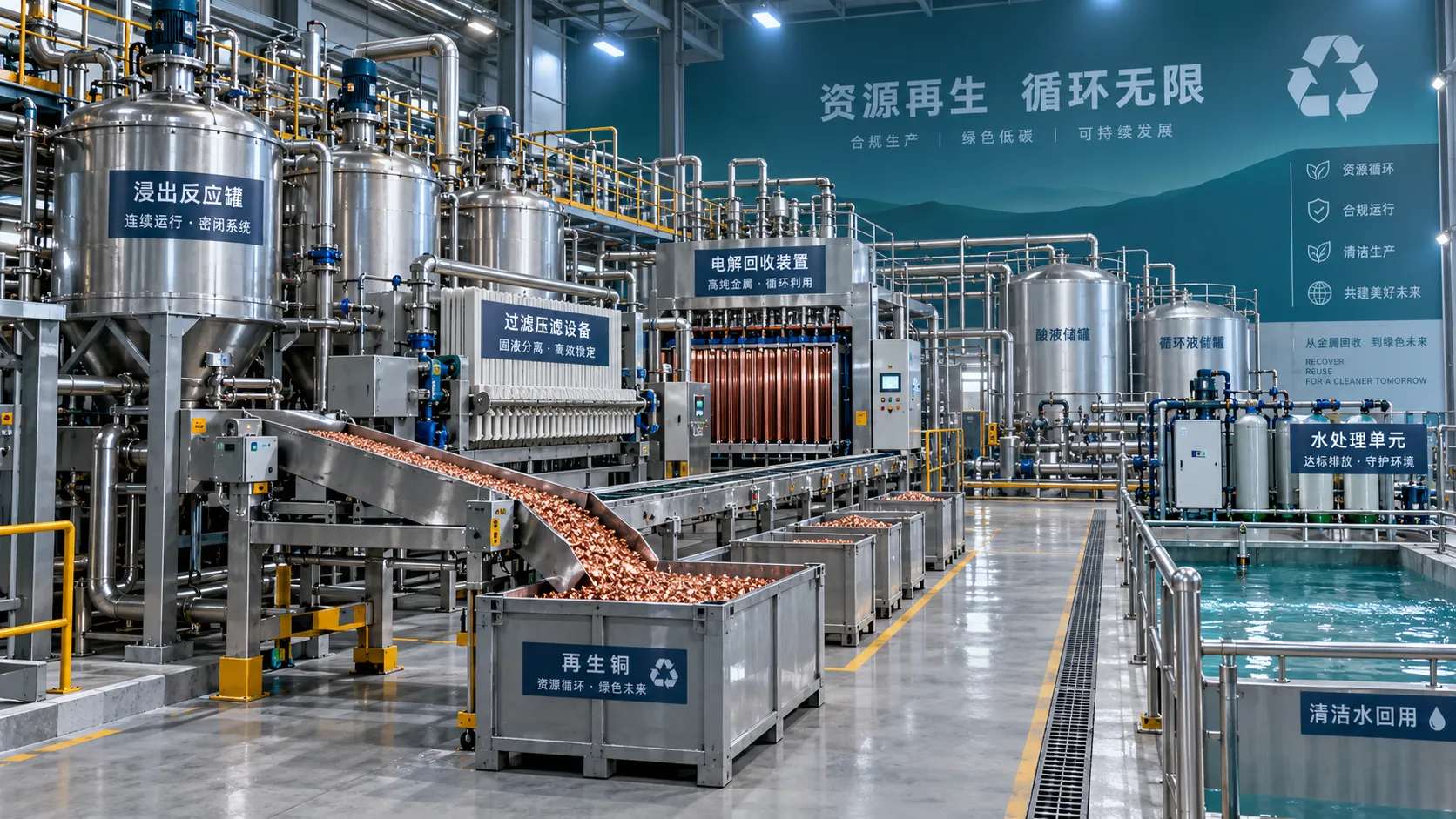
When does repeatable metals recovery infrastructure justify the investment?
Repeatable metals recovery infrastructure: discover when consistent feedstock, lower disposal costs, compliance control, and reliable offtake justify investment.
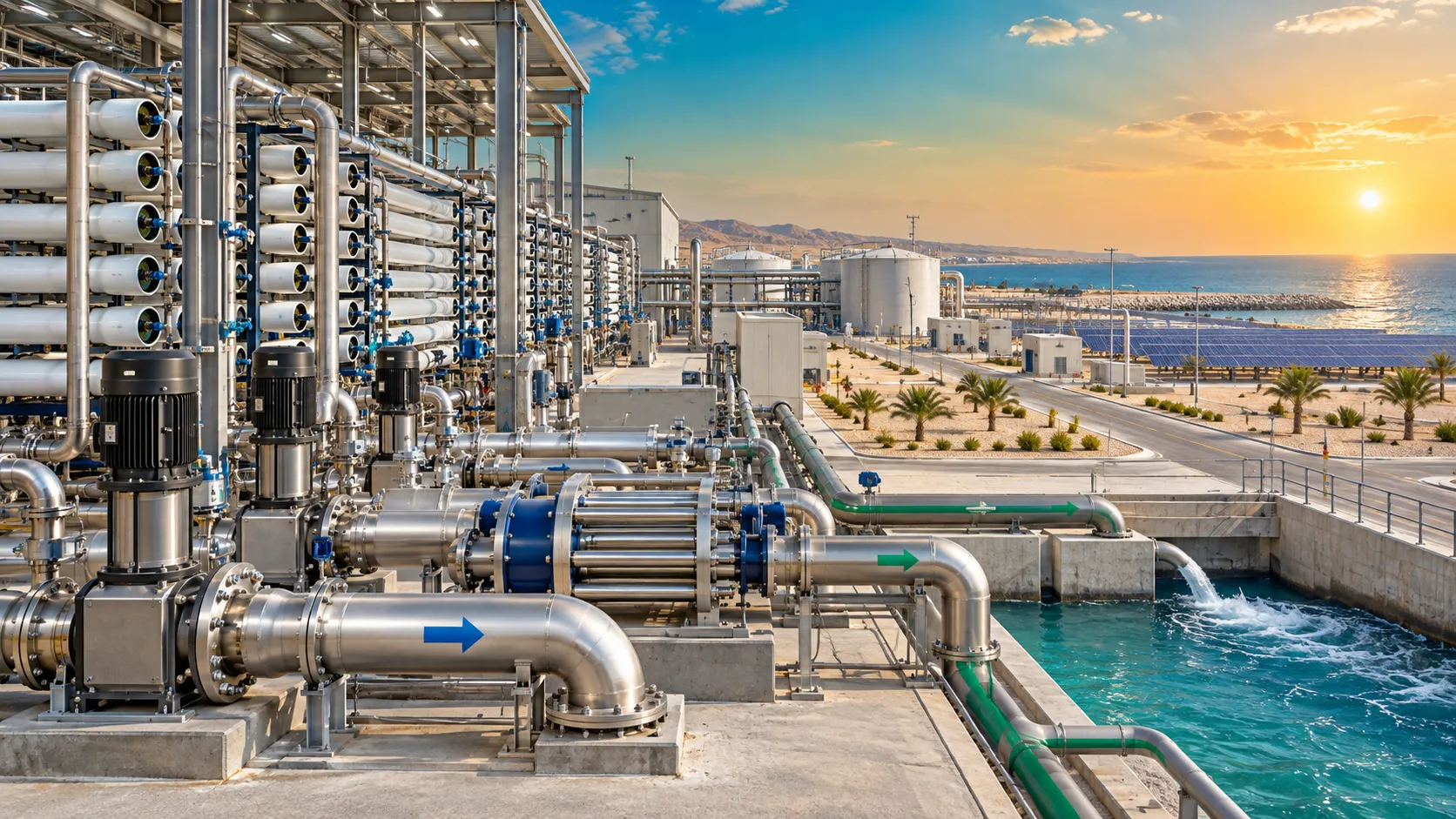
How energy recovery cuts the cost of seawater desalination in the Middle East
Seawater desalination Middle East projects can cut lifecycle costs with energy recovery. Explore savings, bankability, power-risk strategies, and smarter investment decisions.
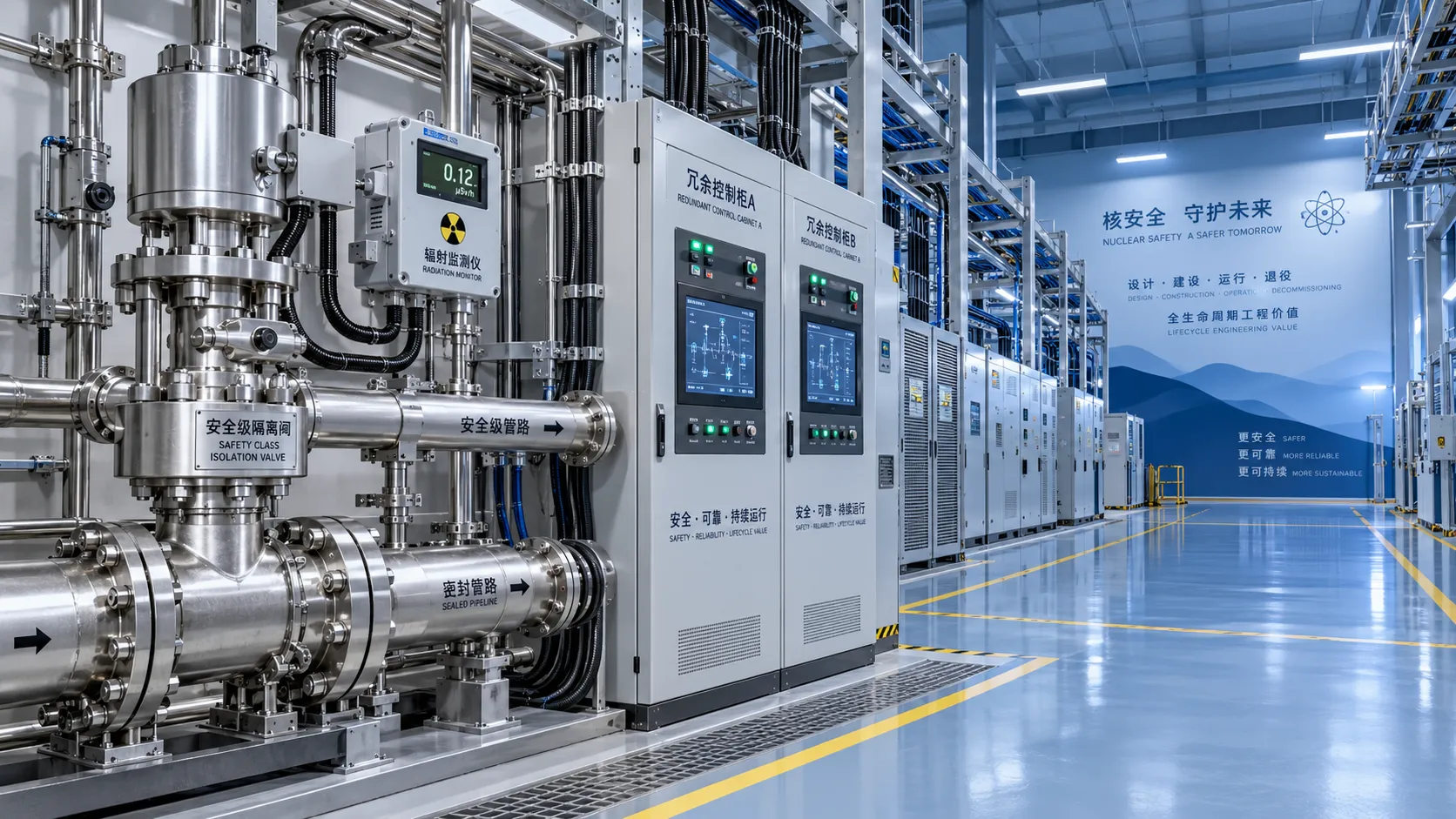
What drives nuclear safety solutions pricing for new facility projects?
Nuclear safety solutions pricing explained: uncover the key cost drivers for new facilities, from qualification and interfaces to lifecycle support.
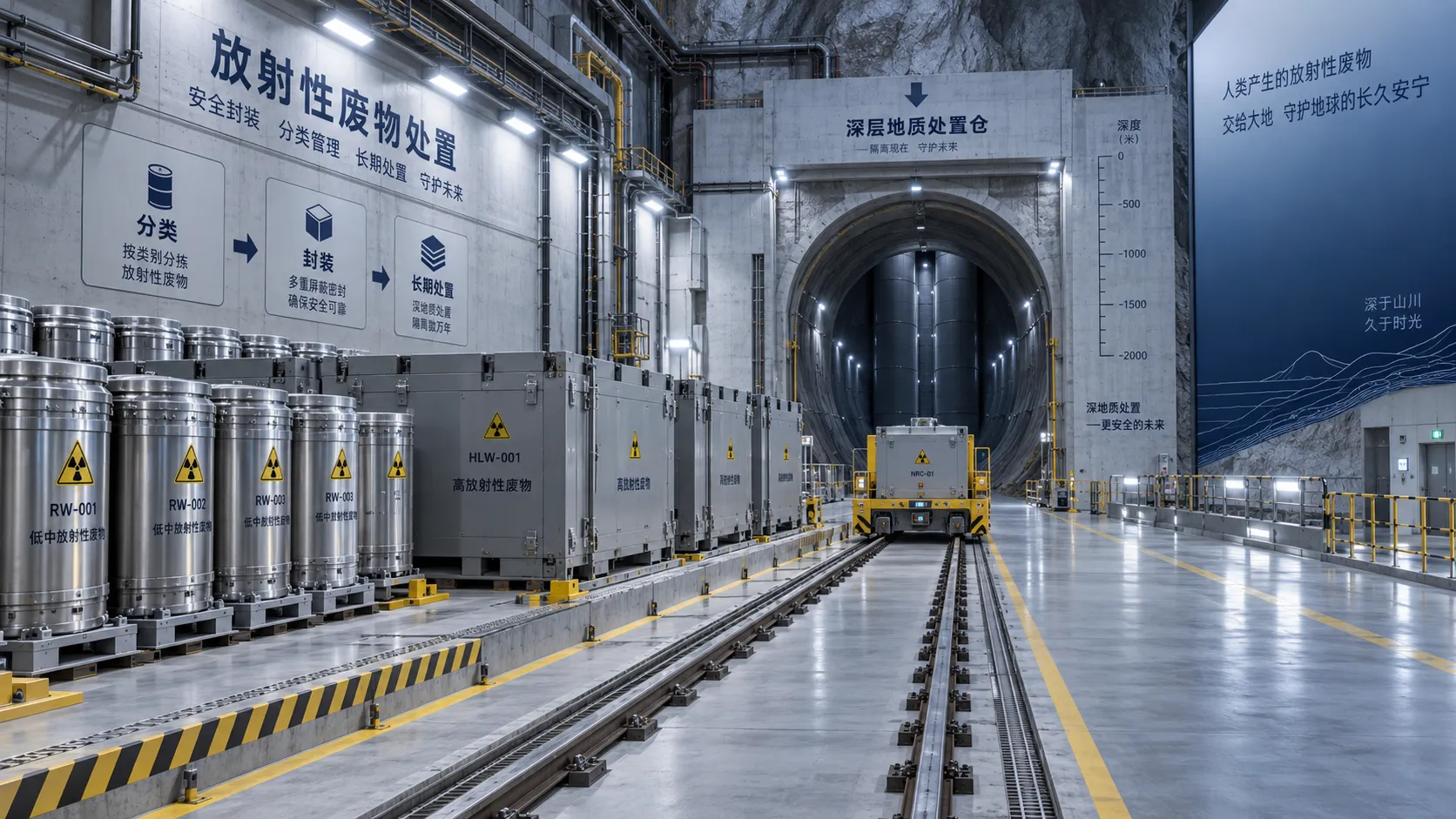
What drives radioactive waste cost over the life of a disposal project?
Radioactive waste cost depends on classification, treatment, transport, storage, disposal access, and long-term compliance. Explore the key lifecycle cost drivers.
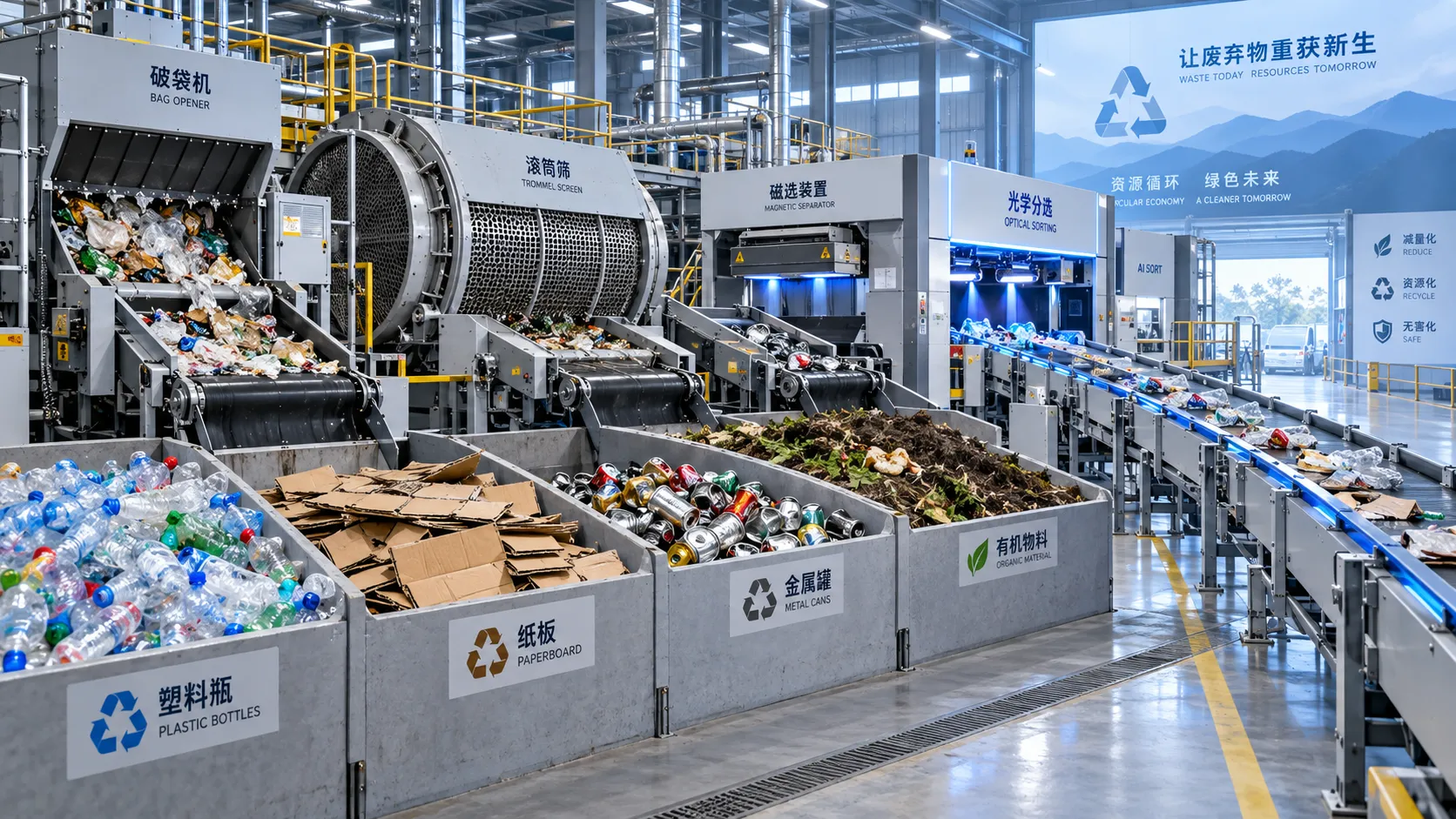
How to choose solid waste equipment based on waste stream characteristics
Environmental equipment guide for solid waste: discover how to match sorting, treatment, and recovery equipment to waste composition, moisture, contamination, and output goals.
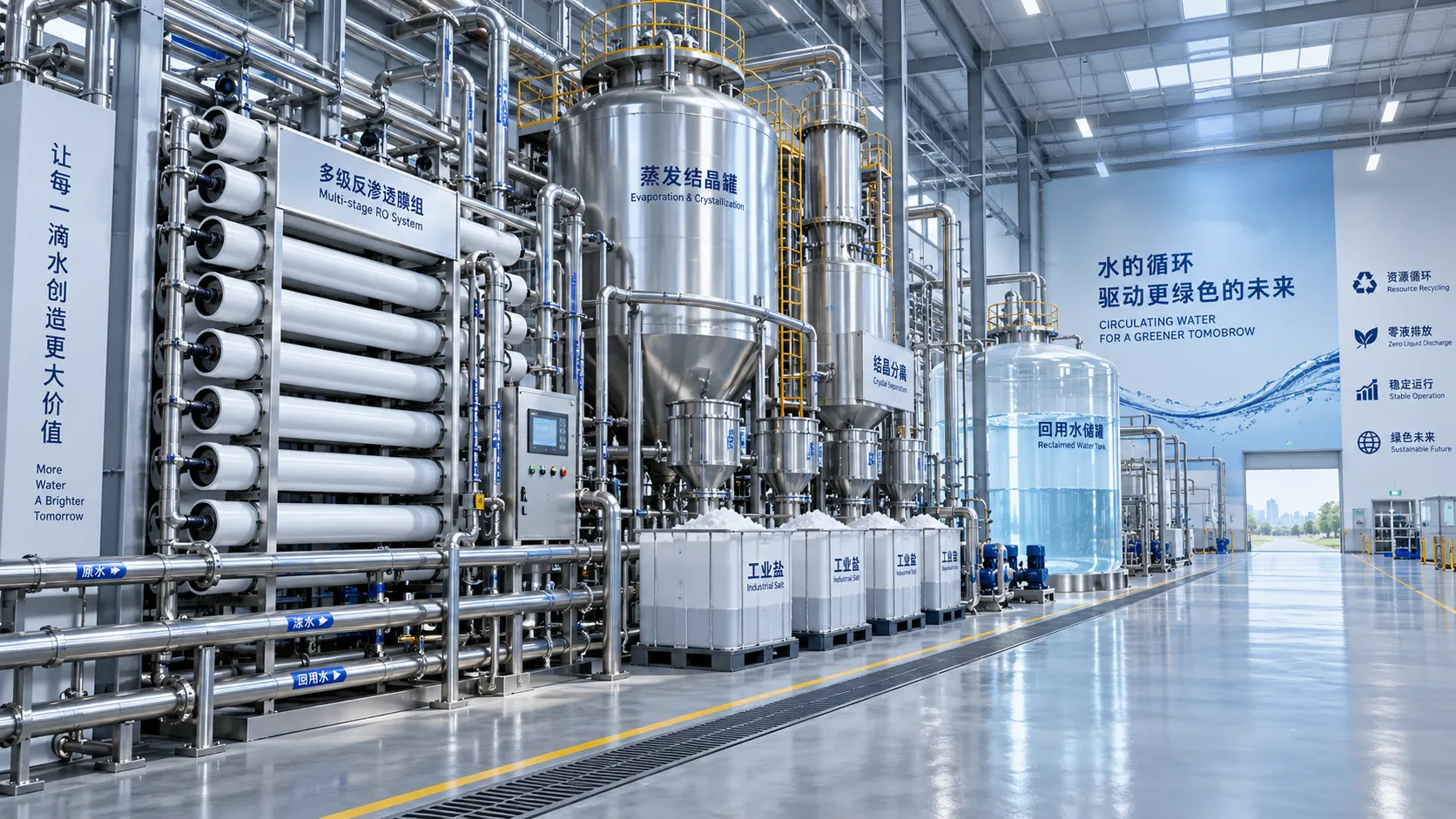
When does high recovery ZLD equipment justify its higher capital cost?
High recovery ZLD equipment can justify higher capital cost when water scarcity, discharge risks, brine disposal, and downtime threaten operations. Explore the decision factors.

How high purity heavy metal recovery affects recovered metal value
High purity heavy metal recovery boosts recovered metal value by improving payability, reducing penalties, and unlocking stronger buyer opportunities. Explore smarter netback strategies.
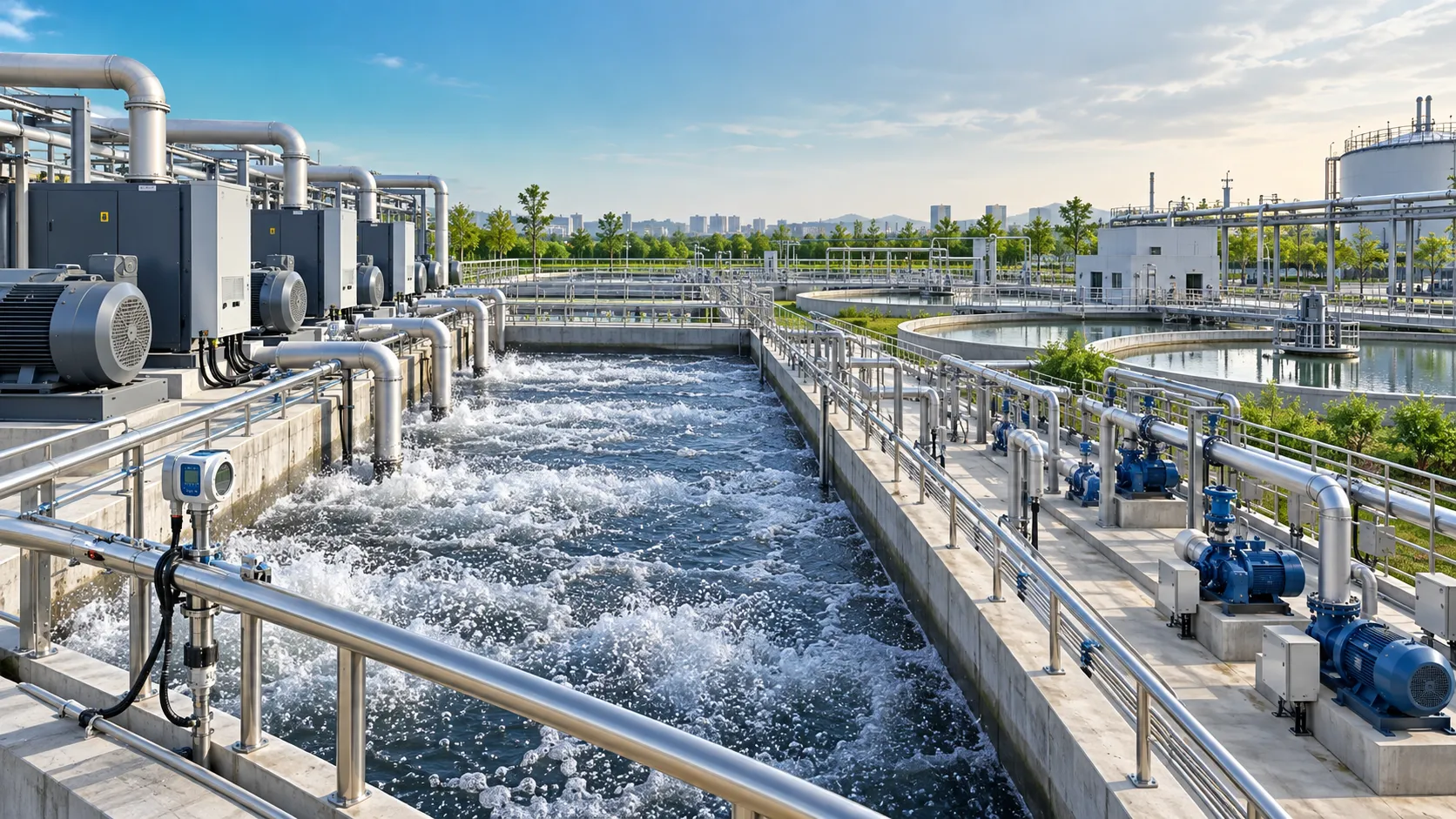
When does environmental equipment intelligence reduce wastewater plant energy use?
Environmental equipment intelligence for wastewater plants cuts energy use through smarter aeration, pumping, and data-driven controls—without compromising compliance. Discover when it delivers measurable savings.
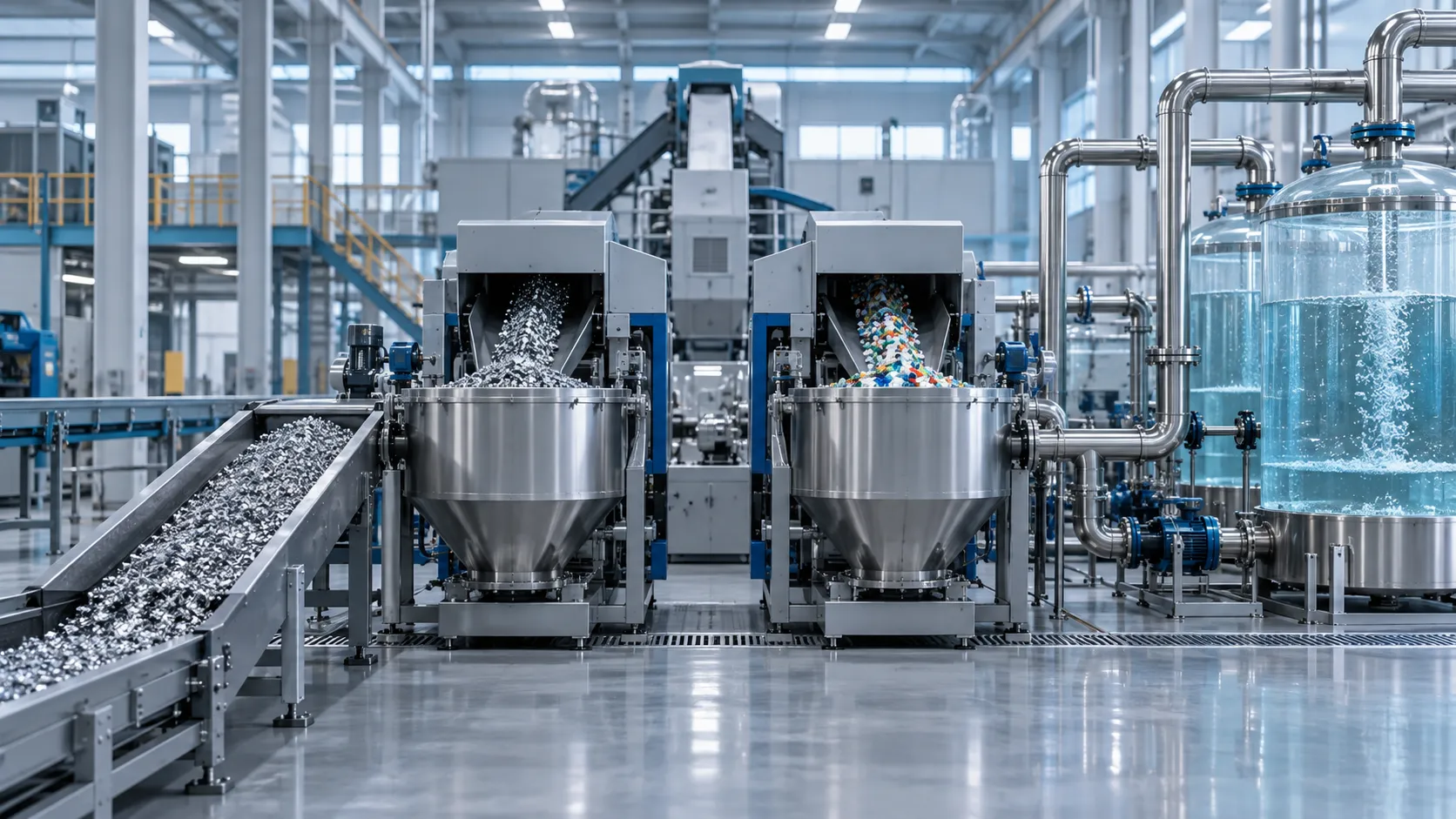
Which Circular Economy Model Is Best for Industrial Waste Recovery?
Which circular economy model works best for industrial waste recovery? Compare closed loops, industrial symbiosis, recycling, and energy recovery to choose the right strategy.