
Industry News
Curation by industry experts
Hot Articles
Popular Tags
How to Evaluate an Environmental Technology Platform Supplier
How to Evaluate an Environmental Technology Platform Supplier
Choosing the right partner in environmental infrastructure requires more than checking product catalogs or pricing sheets.
Strong environmental technology platform supplier insights reveal how a supplier thinks, adapts, and supports decisions over time.
That matters even more in water treatment, waste recovery, flue gas control, desalination, and nuclear waste management.
These sectors move under regulatory pressure, energy constraints, and rising expectations for operational reliability.
In practice, a supplier should offer more than hardware data.
It should help teams interpret compliance shifts, process risks, upgrade timing, and commercial impacts.
This guide explains how to compare suppliers using practical environmental technology platform supplier insights that support better selection decisions.
Start with Technical Depth, Not Surface Claims
The first filter is technical credibility.
Many platforms look polished, but their analysis stays shallow.
A reliable supplier explains why a membrane fouls, why a catalyst underperforms, or why ZLD economics suddenly shift.
That level of detail separates a media source from a decision platform.
When reviewing environmental technology platform supplier insights, ask whether the supplier can interpret process variables, not just report headlines.
- Can it explain treatment performance under changing feedwater conditions?
- Does it analyze equipment life cycle, not only acquisition cost?
- Can it connect chemistry, energy use, uptime, and maintenance burden?
- Does it identify where scaling, corrosion, or throughput loss becomes likely?
If the supplier cannot handle technical cause and effect, its recommendations will likely fail under real operating pressure.
Check Compliance Intelligence Across Markets
Environmental projects live or die by compliance timing.
A capable supplier should track regulations before they become urgent procurement problems.
This includes discharge limits, emissions thresholds, hazardous waste handling, and cross-border carbon rules such as CBAM.
Good environmental technology platform supplier insights do not stop at listing rules.
They show what those rules mean for plant design, retrofits, sourcing, and bid competitiveness.
Look for evidence in three areas:
- Early warning on upcoming policy changes.
- Sector-specific interpretation, not generic legal summaries.
- Clear links between compliance shifts and capital planning.
If a supplier only reacts after new rules take effect, it is already late for strategic evaluation.
Measure Sector Specialization Carefully
Not every platform understands every environmental segment equally well.
This is where sector specialization becomes one of the most useful environmental technology platform supplier insights.
A supplier may be strong in municipal wastewater yet weak in radioactive waste containment.
Another may understand pyrolysis economics but miss desalination pretreatment complexity.
Review the supplier against the exact process environments that matter to your business.
Key domains to verify
- Large water treatment plants and high-load industrial wastewater.
- Solid waste recovery, AI sorting, and secondary resource loops.
- Flue gas treatment under strict emissions conditions.
- SWRO and large-scale seawater desalination systems.
- Nuclear waste stabilization, storage, and safety governance.
The more specialized the project, the less useful generic supplier scoring becomes.
Selection quality improves when environmental technology platform supplier insights are tested against actual process scenarios.
Evaluate Data Quality and Decision Usefulness
Information volume is not the same as decision value.
A strong supplier organizes data so teams can compare technologies, risks, and timing without wasting review cycles.
Ask how the platform validates sources, updates assumptions, and handles conflicting market signals.
Useful environmental technology platform supplier insights should support supplier shortlisting, internal alignment, and investment review.
The right platform helps teams act faster because the information is already structured for evaluation.
Test Long-Term Strategic Fit
A supplier can look strong today and still be a weak long-term choice.
That is why environmental technology platform supplier insights should include future-readiness.
Check whether the supplier tracks decarbonization, electrification, automation, resilience, and resource circularity as linked forces.
In environmental infrastructure, technology choices increasingly affect financing access, permit speed, and public credibility.
This is especially clear in energy-intensive desalination and tightly regulated waste systems.
A strategically valuable supplier usually demonstrates five traits:
- It identifies technology inflection points early.
- It explains cost and compliance tradeoffs clearly.
- It follows regional investment shifts and policy momentum.
- It connects engineering detail with commercial outcomes.
- It supports repeatable evaluation, not one-time research.
That combination turns a supplier into a planning asset rather than a content vendor.
Use a Practical Supplier Assessment Framework
A structured scorecard makes supplier evaluation more consistent.
It also keeps discussions focused when technical, commercial, and compliance priorities compete.
Use environmental technology platform supplier insights across the following criteria.
- Technical depth: Can the supplier explain process behavior and equipment limits?
- Compliance intelligence: Does it anticipate regulatory changes across target markets?
- Sector specialization: Is it credible in your exact application environment?
- Data quality: Are sources current, comparable, and decision-oriented?
- Strategic value: Does it support future investment and positioning decisions?
- Usability: Can teams extract answers quickly without interpretation overload?
Weight each area based on project risk.
For nuclear waste management, safety and compliance may dominate.
For desalination, energy efficiency and pretreatment insight may carry more weight.
For waste recovery, market demand, feedstock variability, and output quality may define the decision.
Final Decision Signals to Watch
The best environmental technology platform supplier insights usually feel specific, current, and immediately usable.
They help teams answer hard questions before procurement pressure peaks.
More importantly, they reduce the risk of choosing equipment or partners based on incomplete context.
In today’s market, environmental infrastructure decisions need technical rigor, compliance foresight, and commercial timing in the same view.
That is exactly where disciplined supplier evaluation creates an advantage.
Before making a final choice, compare at least three suppliers against one project-specific framework.
Then test their environmental technology platform supplier insights against a live decision case.
If the platform improves clarity, speeds alignment, and exposes hidden risk, it is likely the right supplier to move forward with.
Recommended News
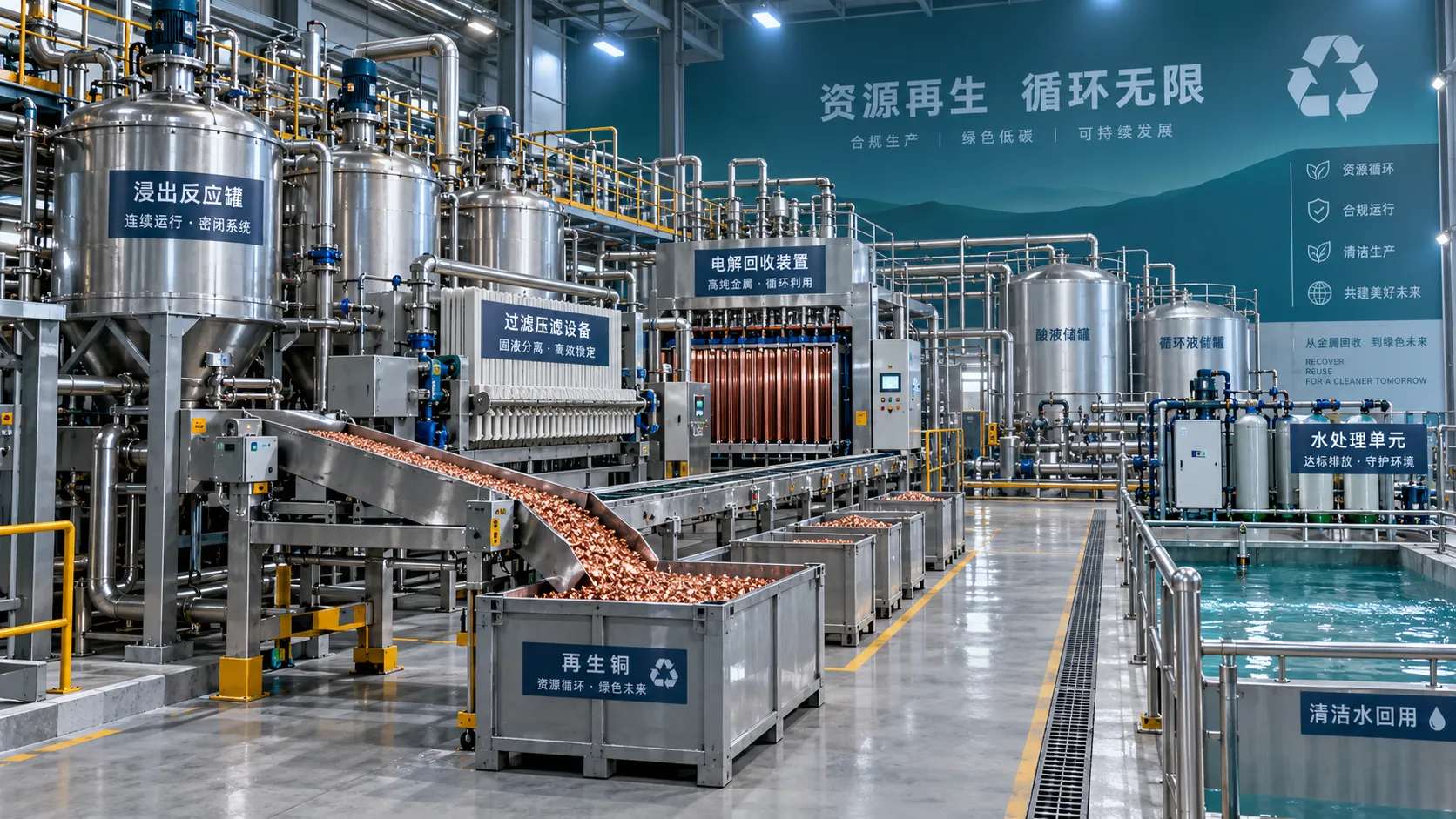
When does repeatable metals recovery infrastructure justify the investment?
Repeatable metals recovery infrastructure: discover when consistent feedstock, lower disposal costs, compliance control, and reliable offtake justify investment.
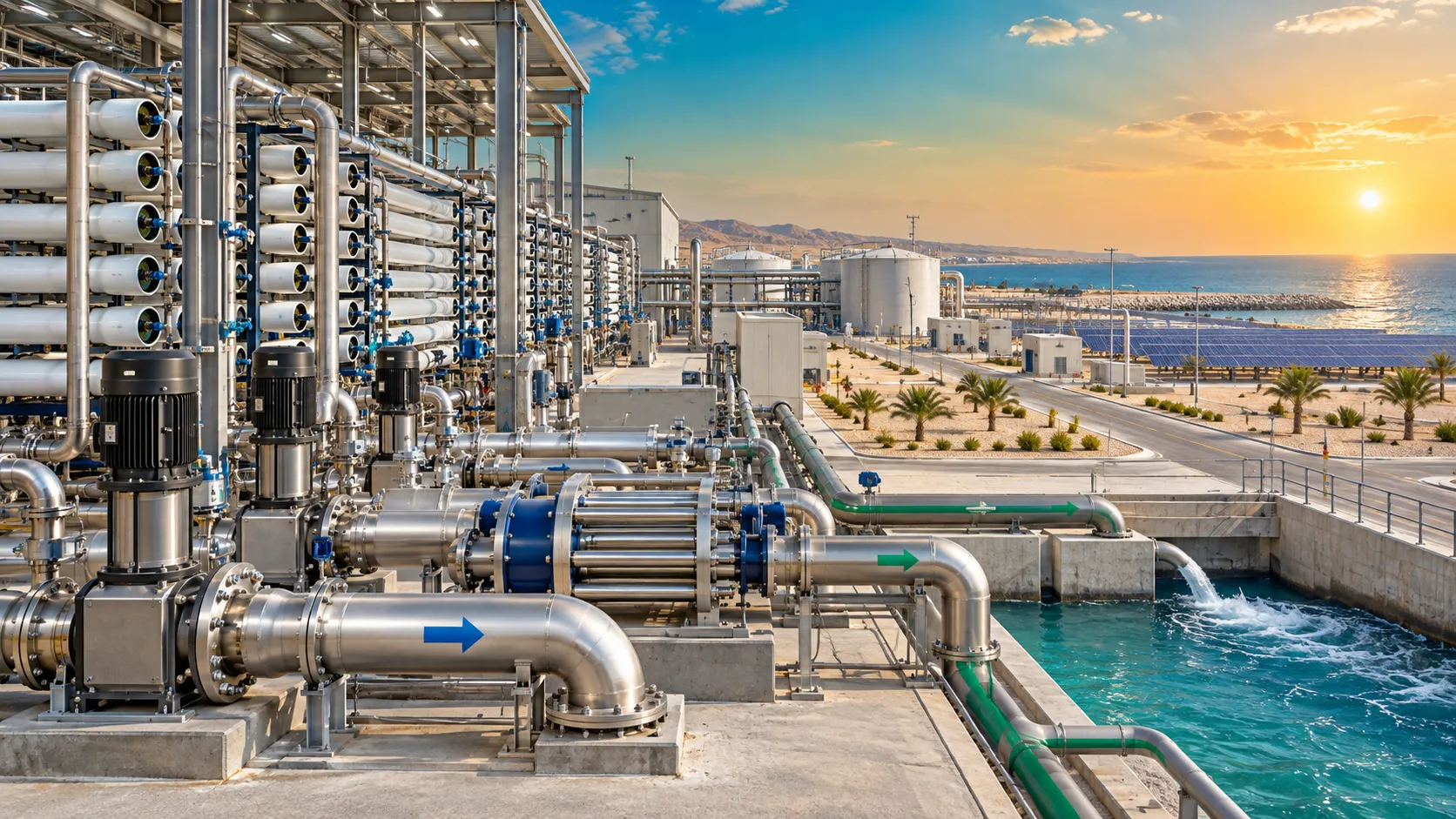
How energy recovery cuts the cost of seawater desalination in the Middle East
Seawater desalination Middle East projects can cut lifecycle costs with energy recovery. Explore savings, bankability, power-risk strategies, and smarter investment decisions.
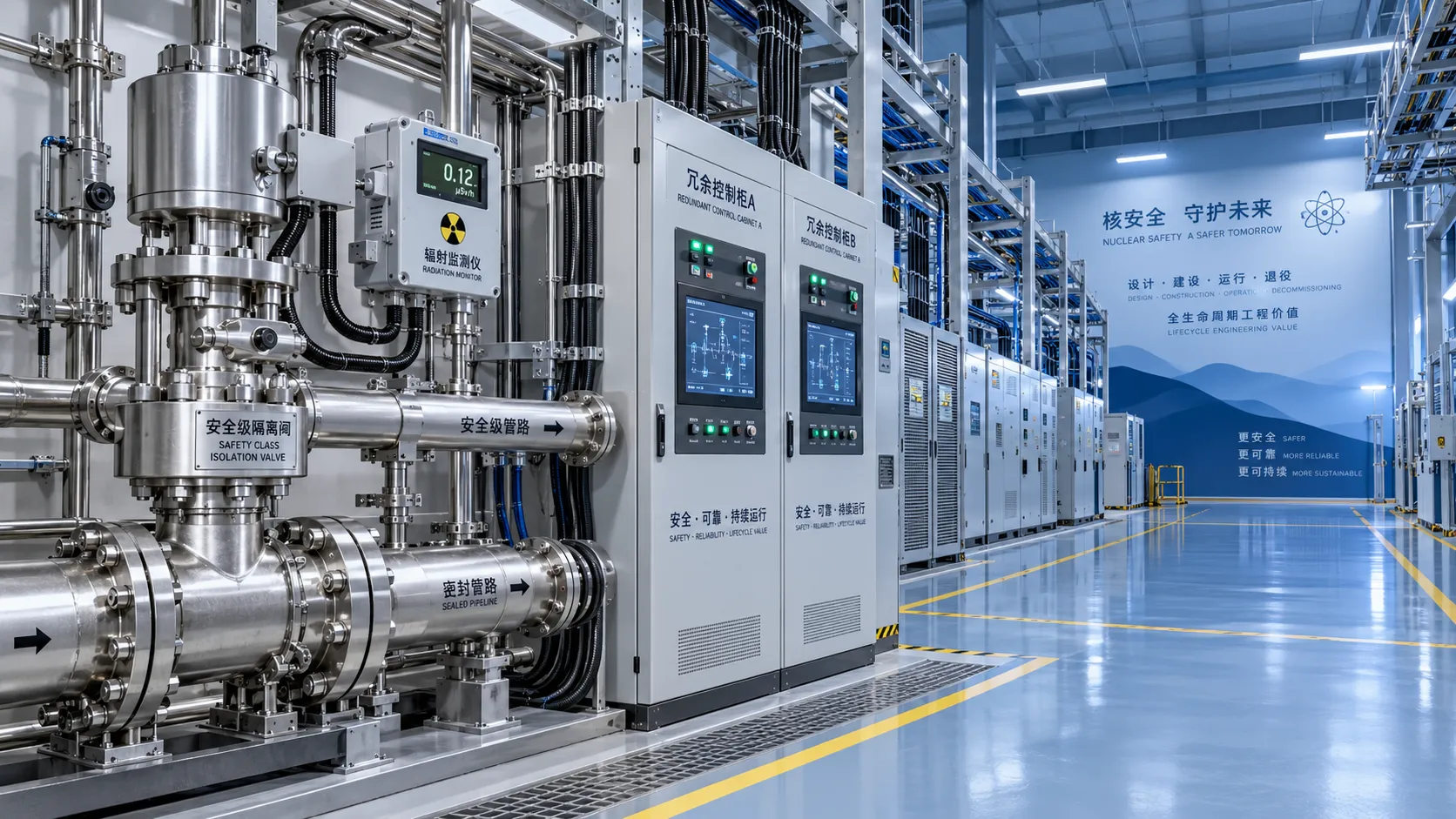
What drives nuclear safety solutions pricing for new facility projects?
Nuclear safety solutions pricing explained: uncover the key cost drivers for new facilities, from qualification and interfaces to lifecycle support.
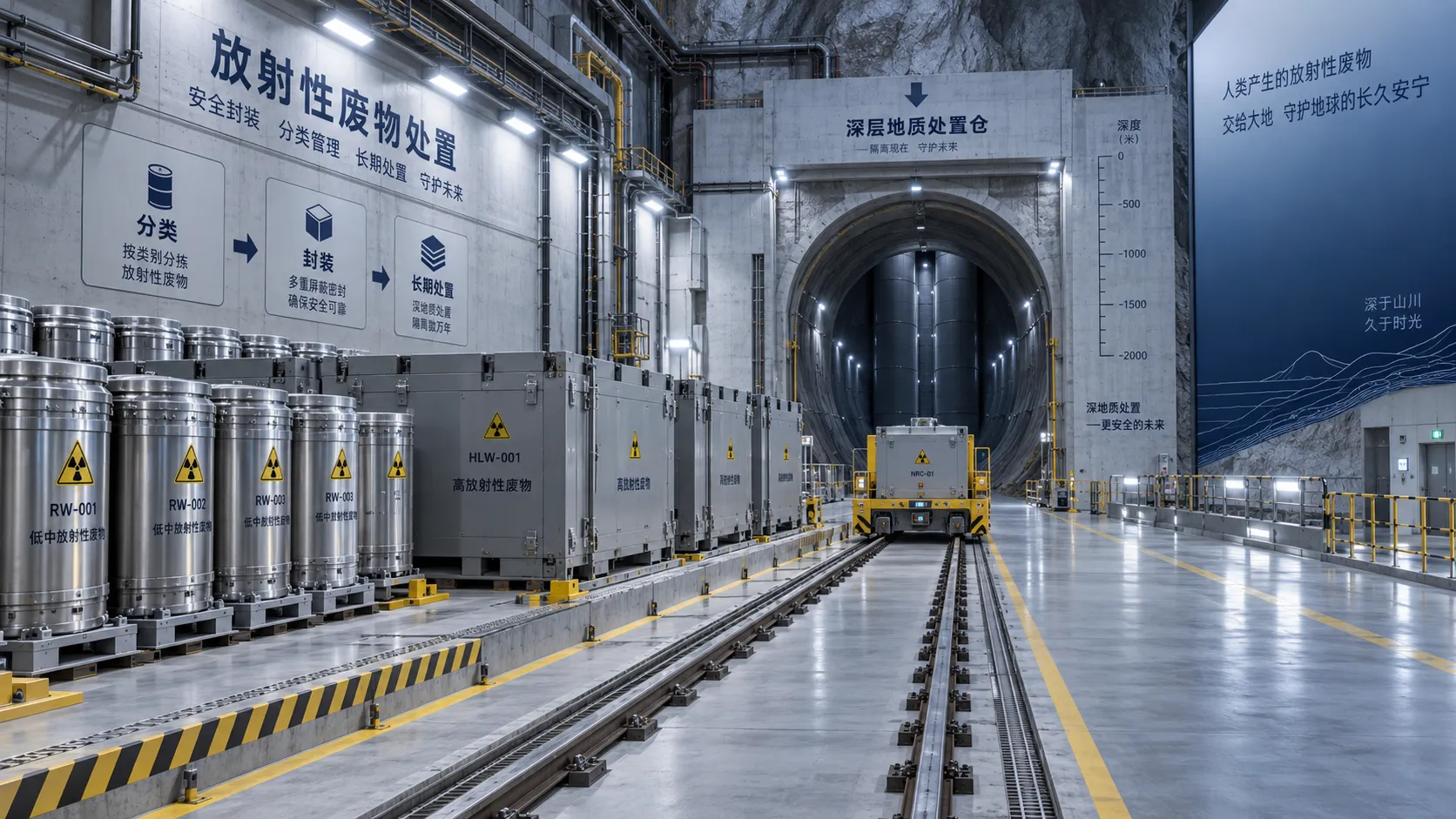
What drives radioactive waste cost over the life of a disposal project?
Radioactive waste cost depends on classification, treatment, transport, storage, disposal access, and long-term compliance. Explore the key lifecycle cost drivers.
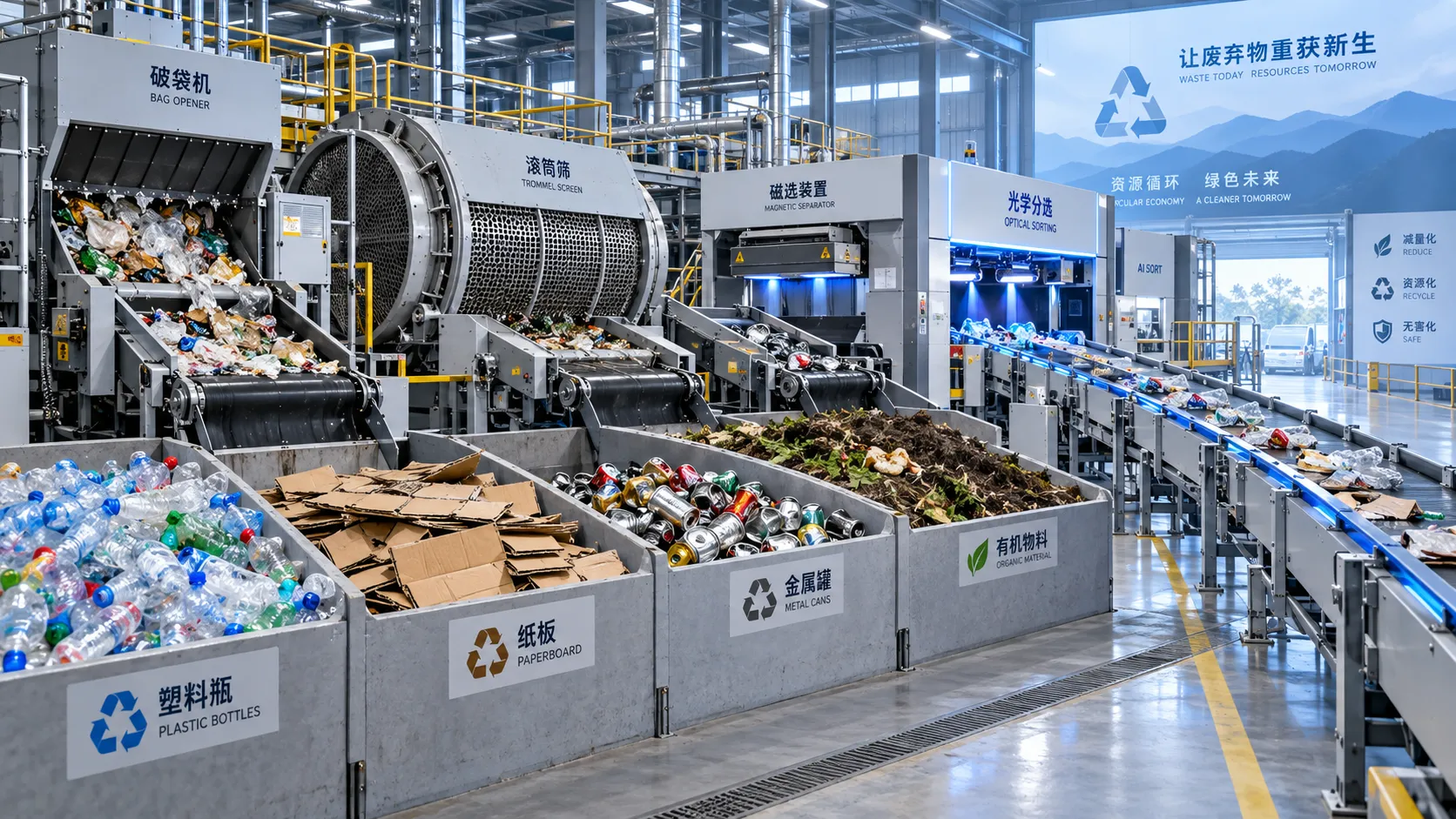
How to choose solid waste equipment based on waste stream characteristics
Environmental equipment guide for solid waste: discover how to match sorting, treatment, and recovery equipment to waste composition, moisture, contamination, and output goals.
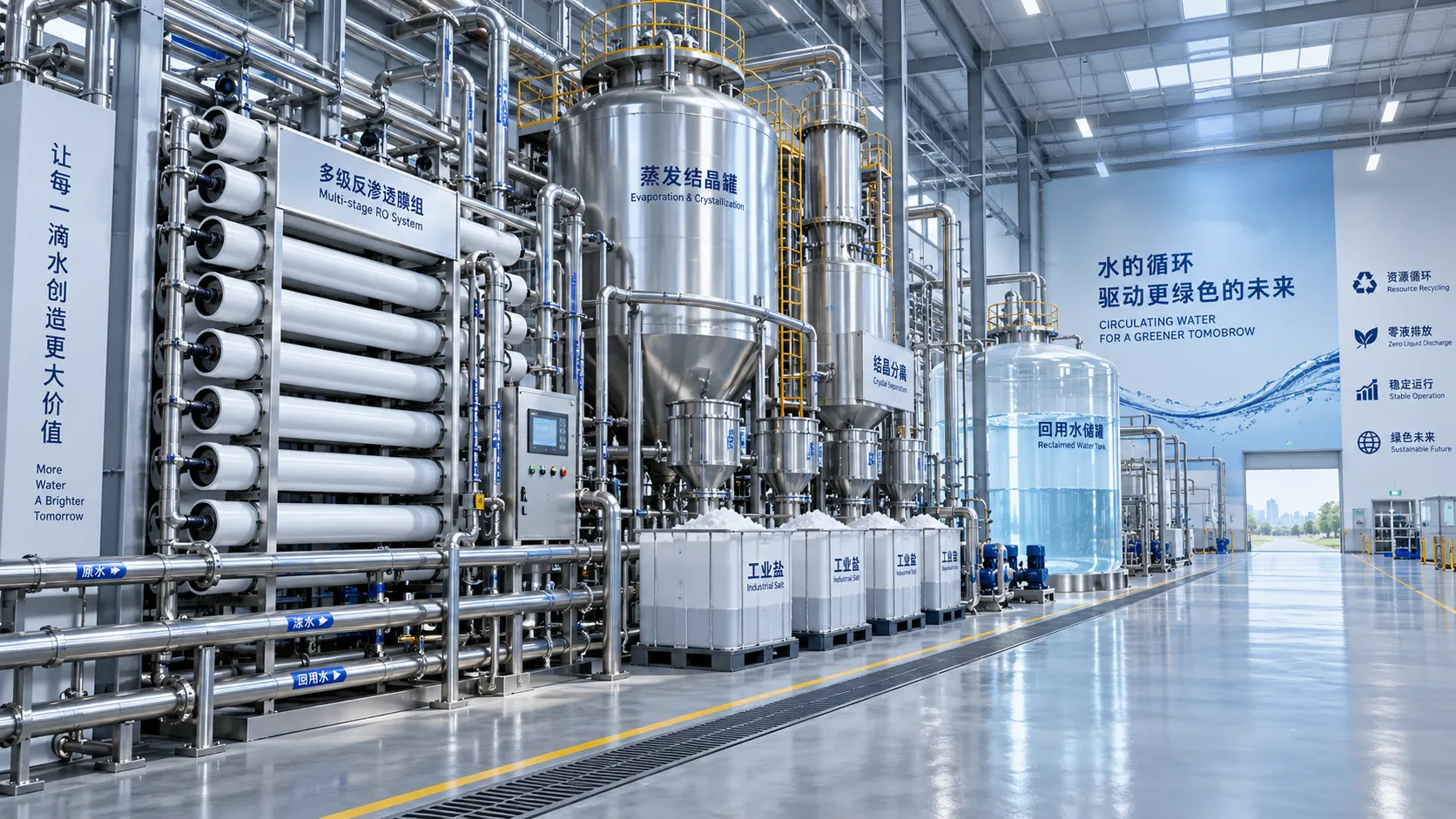
When does high recovery ZLD equipment justify its higher capital cost?
High recovery ZLD equipment can justify higher capital cost when water scarcity, discharge risks, brine disposal, and downtime threaten operations. Explore the decision factors.

How high purity heavy metal recovery affects recovered metal value
High purity heavy metal recovery boosts recovered metal value by improving payability, reducing penalties, and unlocking stronger buyer opportunities. Explore smarter netback strategies.
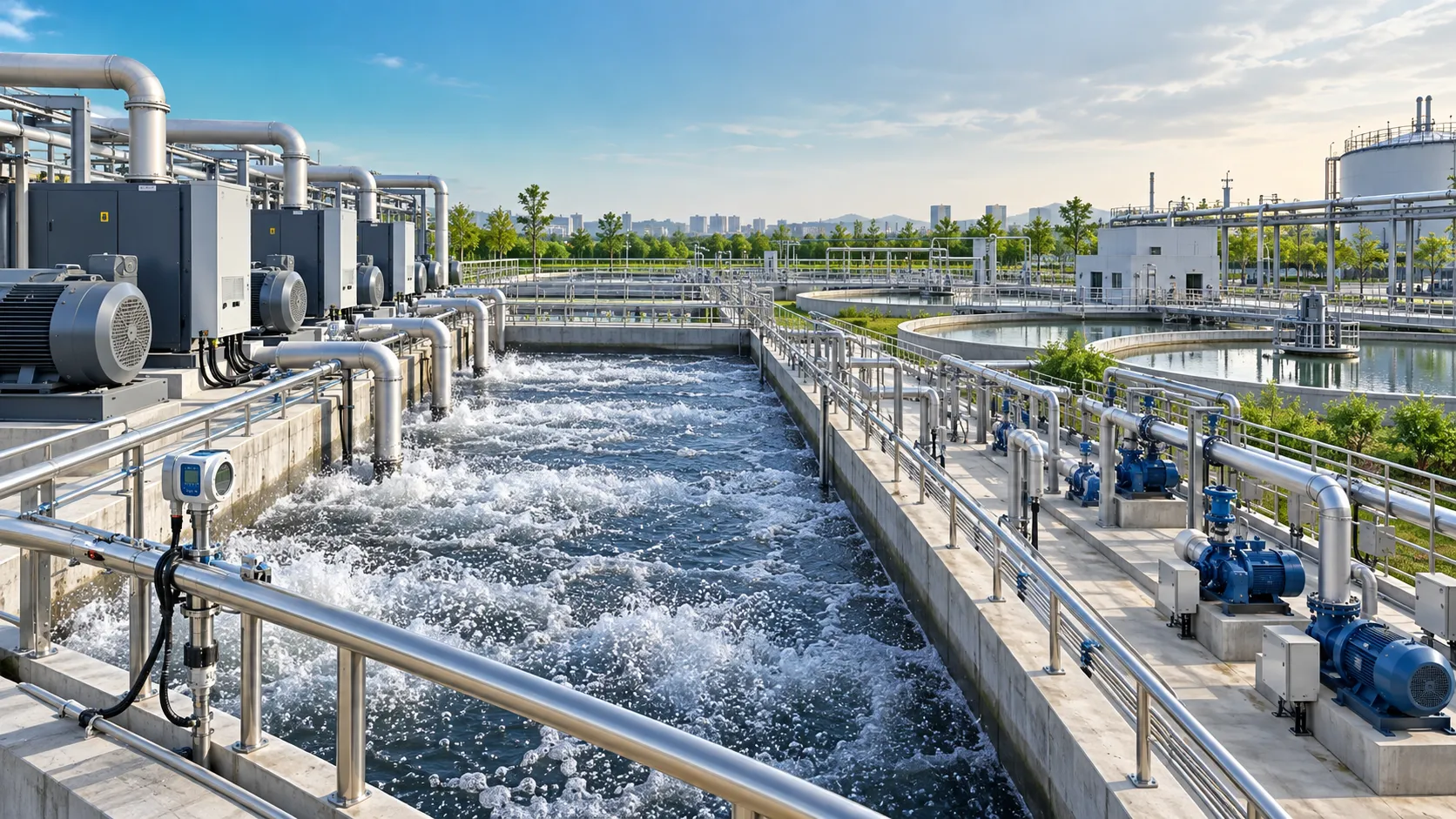
When does environmental equipment intelligence reduce wastewater plant energy use?
Environmental equipment intelligence for wastewater plants cuts energy use through smarter aeration, pumping, and data-driven controls—without compromising compliance. Discover when it delivers measurable savings.
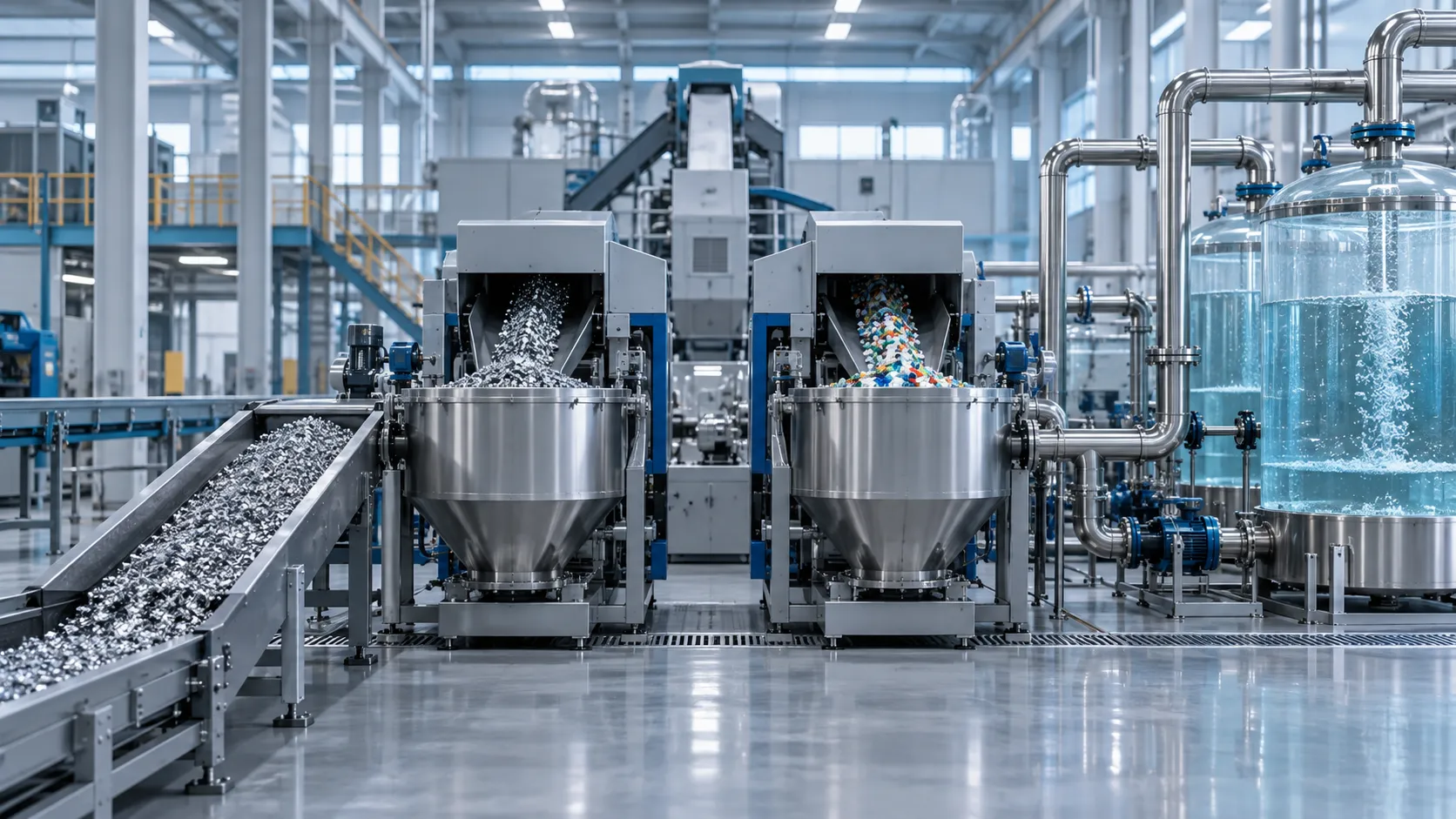
Which Circular Economy Model Is Best for Industrial Waste Recovery?
Which circular economy model works best for industrial waste recovery? Compare closed loops, industrial symbiosis, recycling, and energy recovery to choose the right strategy.