
Industry News
Curation by industry experts
Hot Articles
Popular Tags
Green Tech Platform Trends to Watch in 2026
A green tech platform is becoming industrial infrastructure, not just software
By 2026, the green tech platform will be judged less by dashboards and more by operational consequence.
That shift is visible across water treatment, waste recovery, desalination, flue gas control, and nuclear waste governance.
Environmental systems once sat at the edge of strategy.
Now they are moving into the center of capital planning, compliance management, and resilience design.
The reason is straightforward.
Global regulation is tightening, resource volatility is rising, and asset performance gaps are becoming financially visible.
In that environment, a green tech platform is no longer a reporting layer.
It is increasingly the decision engine linking process data, engineering limits, emissions exposure, and investment timing.
This matters especially in heavy ecological engineering, where a missed membrane trend or catalyst inefficiency can reshape project economics.
Platforms tracking the ecological immune system of industry are becoming more valuable because they connect technical detail with strategic judgment.
Why the 2026 signal is getting harder to ignore
Recent market movement shows a deeper change than simple digitization.
A green tech platform now has to interpret cross-border regulation, equipment reliability, material constraints, and decarbonization economics at the same time.
That is why platforms with narrow monitoring functions are starting to look incomplete.
More capable systems are being built around five converging pressures.
- Compliance pressure is becoming dynamic, especially with CBAM and stricter discharge, traceability, and emissions rules.
- Resource systems are becoming more interdependent, linking water reuse, waste recovery, and energy efficiency.
- Asset complexity is increasing, with membranes, catalysts, sensors, and treatment lines requiring tighter parameter control.
- Investors and public buyers want proof of long-term performance, not only design intent.
- Engineering cycles are shortening, so intelligence must arrive before bidding, retrofitting, or expansion decisions.
This is also why intelligence-led platforms are gaining attention.
In sectors such as SWRO, ZLD, AI sorting, FGD, and vitrification, useful insight sits far below headline level.
The market increasingly rewards platforms that can translate microscopic process signals into board-level implications.
The strongest changes are happening inside data interpretation
One clear trend is that raw environmental data is losing standalone value.
In 2026, the stronger green tech platform will be the one that explains what the data means operationally.
That includes predicting where compliance risk will emerge, where throughput will fall, and where recovery value will improve.
In water treatment, this means moving beyond reporting conductivity, fouling, or recovery rates.
The real value comes from correlating those readings with membrane aging, pretreatment quality, brine strategy, and permit exposure.
In waste recovery, the same logic applies.
A green tech platform must connect sorting accuracy, feedstock variability, pyrolysis output quality, and downstream resale conditions.
The more advanced platforms are beginning to resemble industrial reasoning systems.
They do not simply display operational history.
They build decision context around what should be adjusted, delayed, accelerated, or redesigned.
Where this interpretation layer is creating the most value
Compliance automation is moving from admin support to competitive leverage
Another shift is easy to underestimate.
Compliance is no longer only about avoiding penalties.
It is becoming a way to defend margin, accelerate approvals, and strengthen bid credibility.
That makes automation a central feature of the next green tech platform generation.
In practice, this means more than digital document storage.
It means live mapping between operating data, local standards, cross-border carbon rules, and asset-specific reporting obligations.
The advantage grows in sectors where technical parameters are dense and regulation evolves quickly.
A strategic intelligence model, like the one ESD represents, becomes relevant here because it joins scientific depth with market interpretation.
That combination helps organizations read regulation as an operational variable, not just as legal text.
The difference is significant.
When compliance logic is embedded into a green tech platform, decisions around retrofits, procurement timing, and project structuring become less reactive.
Resource efficiency is no longer a side benefit
A few years ago, many platforms framed efficiency as a sustainability add-on.
In 2026, that framing looks outdated.
Resource efficiency now affects financing assumptions, public contract scoring, and long-term asset viability.
This is particularly visible in water-stressed regions and energy-sensitive desalination markets.
Here, a green tech platform needs to reveal tradeoffs between water output, chemical use, membrane life, and energy demand.
The same pressure applies to recycling systems.
Recovery rates alone are not enough.
Decision quality improves when the platform shows contamination patterns, secondary material purity, thermal conversion yield, and downstream revenue reliability together.
This is where the market is maturing.
The stronger green tech platform is expected to balance environmental value with engineering realism.
That is far more useful than broad sustainability scoring detached from plant conditions.
The impact will not be limited to one business function
One reason this trend matters is its reach.
The green tech platform is influencing technical, financial, and strategic layers at once.
That creates wider consequences than many digital tools deliver.
- Project development becomes more selective because site conditions, permitting risk, and treatment intensity can be compared earlier.
- Capital planning improves when lifecycle reliability is modeled alongside compliance upgrades and replacement schedules.
- Operations teams gain earlier warning on fouling, catalyst decay, sorting drift, or containment deviation.
- Commercial positioning strengthens because evidence-backed performance claims travel better in public tenders and long-cycle negotiations.
This breadth explains why intelligence portals focused on ecological engineering are gaining relevance.
A specialized green tech platform can surface signals that generic industrial software often misses.
That includes membrane nanostructure changes, low-temperature SCR kinetics, or vitrification stability issues that later shape strategic risk.
What deserves close attention over the next planning cycle
The most useful response is not to chase every headline.
It is to focus on the signals that materially change environmental asset value.
Several areas stand out.
- Watch whether the green tech platform can convert plant data into action thresholds, not just historical summaries.
- Check how quickly regulation updates are integrated into operational models and reporting workflows.
- Assess whether water, waste, emissions, and safety data can be interpreted together rather than in isolated modules.
- Look for evidence that platform outputs improve bidding logic, retrofit timing, or contract defensibility.
- Compare how well the system reflects equipment physics, not only enterprise software conventions.
These points matter because the next wave of value will come from judgment quality.
A green tech platform that understands real process boundaries can support stronger decisions under tighter ecological constraints.
The next move is to build a sharper view of operational truth
The direction of travel is becoming clear.
By 2026, the green tech platform will matter most where environmental infrastructure is technically demanding and commercially exposed.
That includes the full eco-shield chain, from wastewater purification and resource recovery to desalination and nuclear waste safety.
The common thread is not software modernization alone.
It is the need to connect scientific detail, compliance change, and investment timing without losing operational realism.
The practical next step is to review where intelligence gaps still exist.
Map which assets are sensitive to regulation shifts, which parameters most affect performance, and where reporting still lacks predictive value.
Then compare whether the current green tech platform can support those decisions with enough depth.
In a market defined by ecological limits, the better question is no longer whether to digitize.
It is whether the intelligence layer is strong enough to shape the next round of environmental strategy.
Recommended News
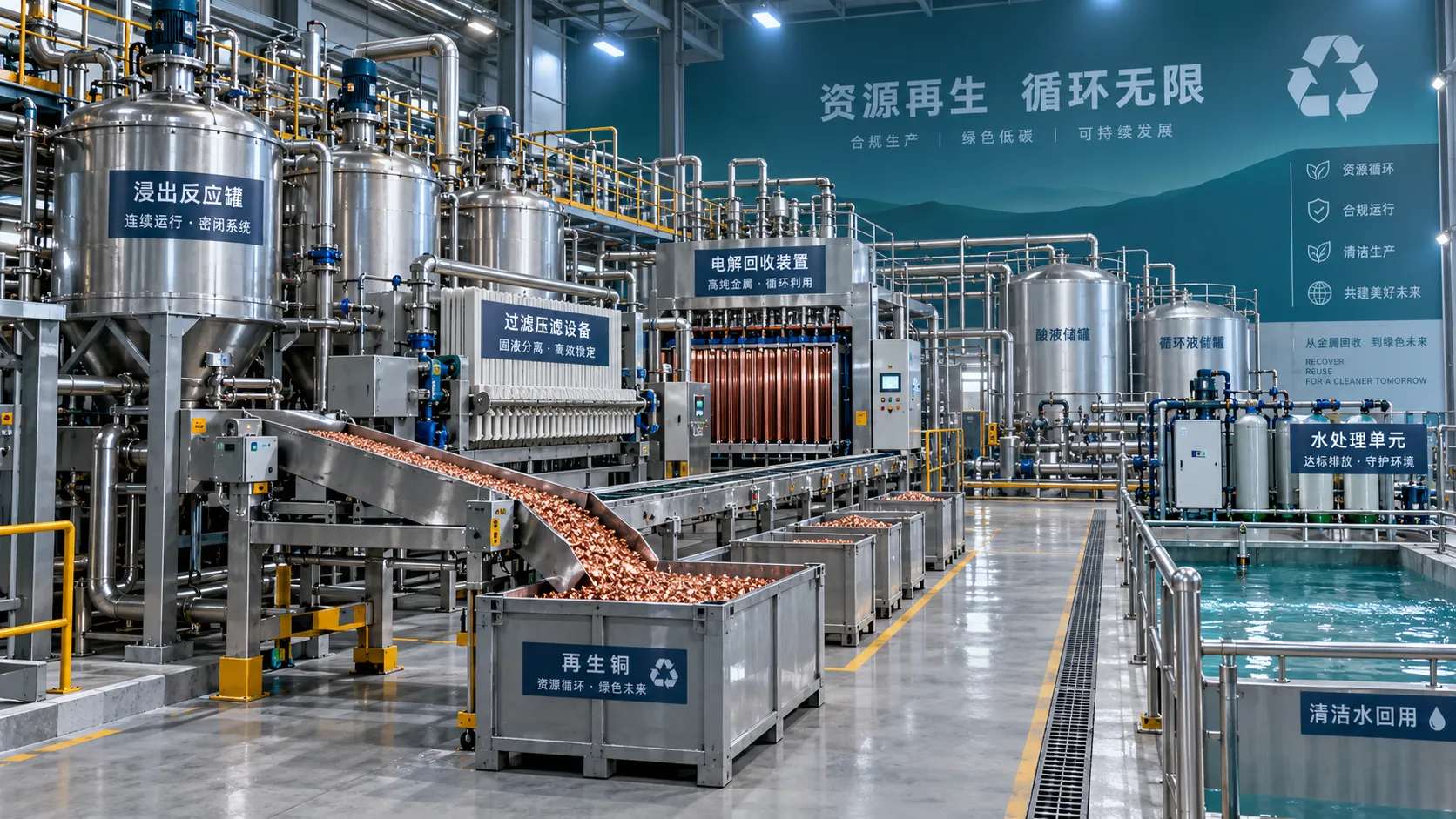
When does repeatable metals recovery infrastructure justify the investment?
Repeatable metals recovery infrastructure: discover when consistent feedstock, lower disposal costs, compliance control, and reliable offtake justify investment.
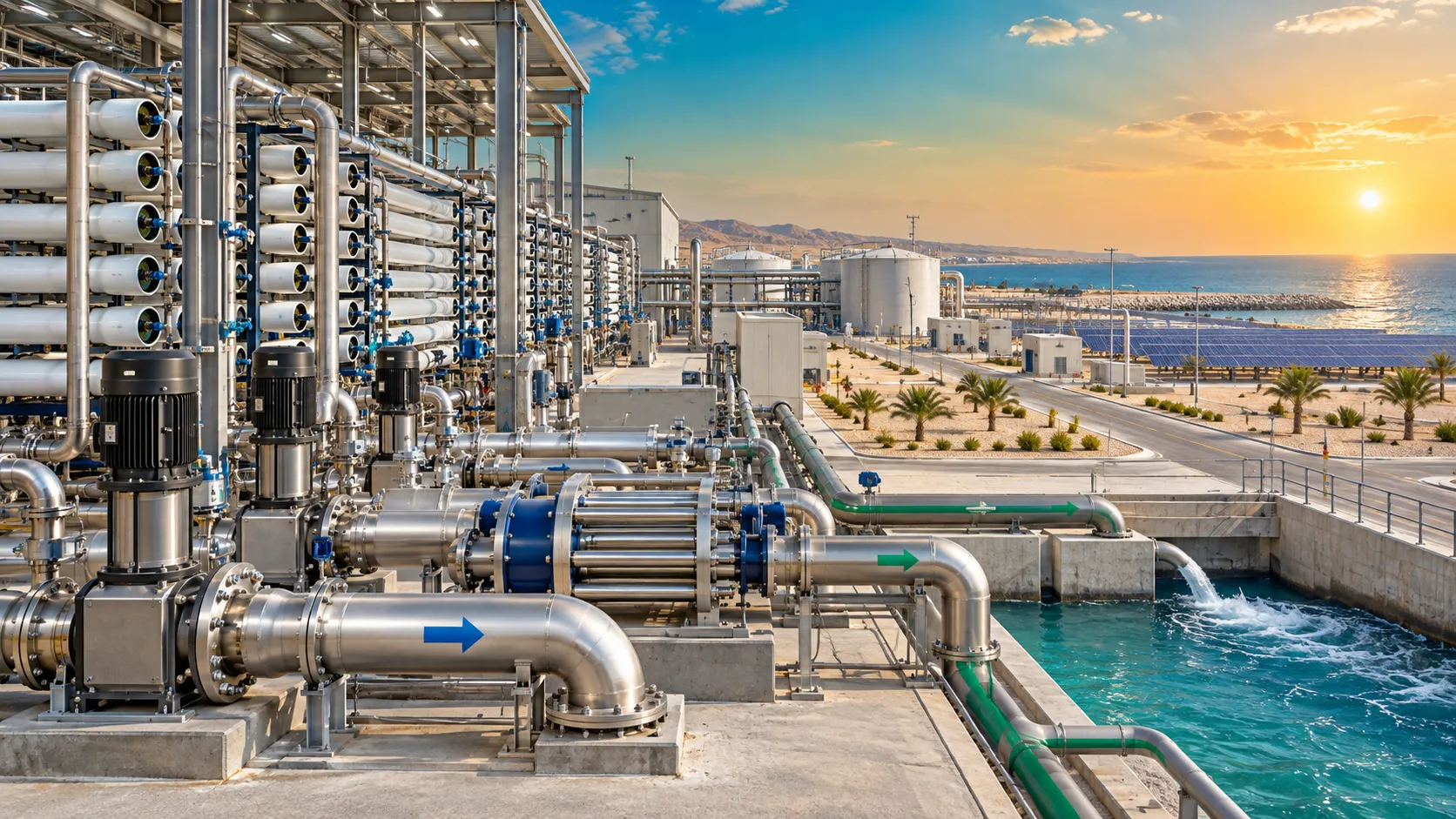
How energy recovery cuts the cost of seawater desalination in the Middle East
Seawater desalination Middle East projects can cut lifecycle costs with energy recovery. Explore savings, bankability, power-risk strategies, and smarter investment decisions.
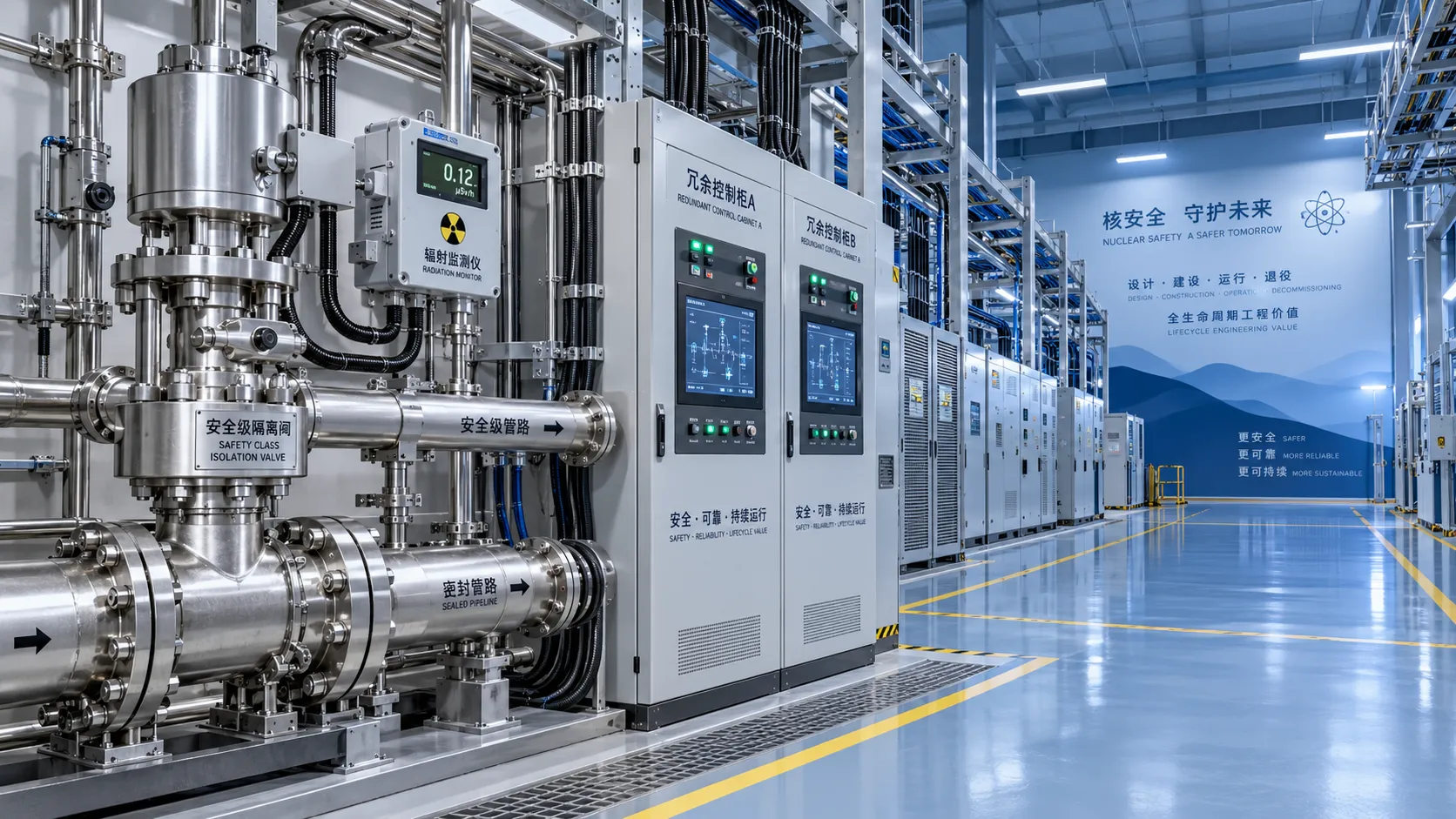
What drives nuclear safety solutions pricing for new facility projects?
Nuclear safety solutions pricing explained: uncover the key cost drivers for new facilities, from qualification and interfaces to lifecycle support.
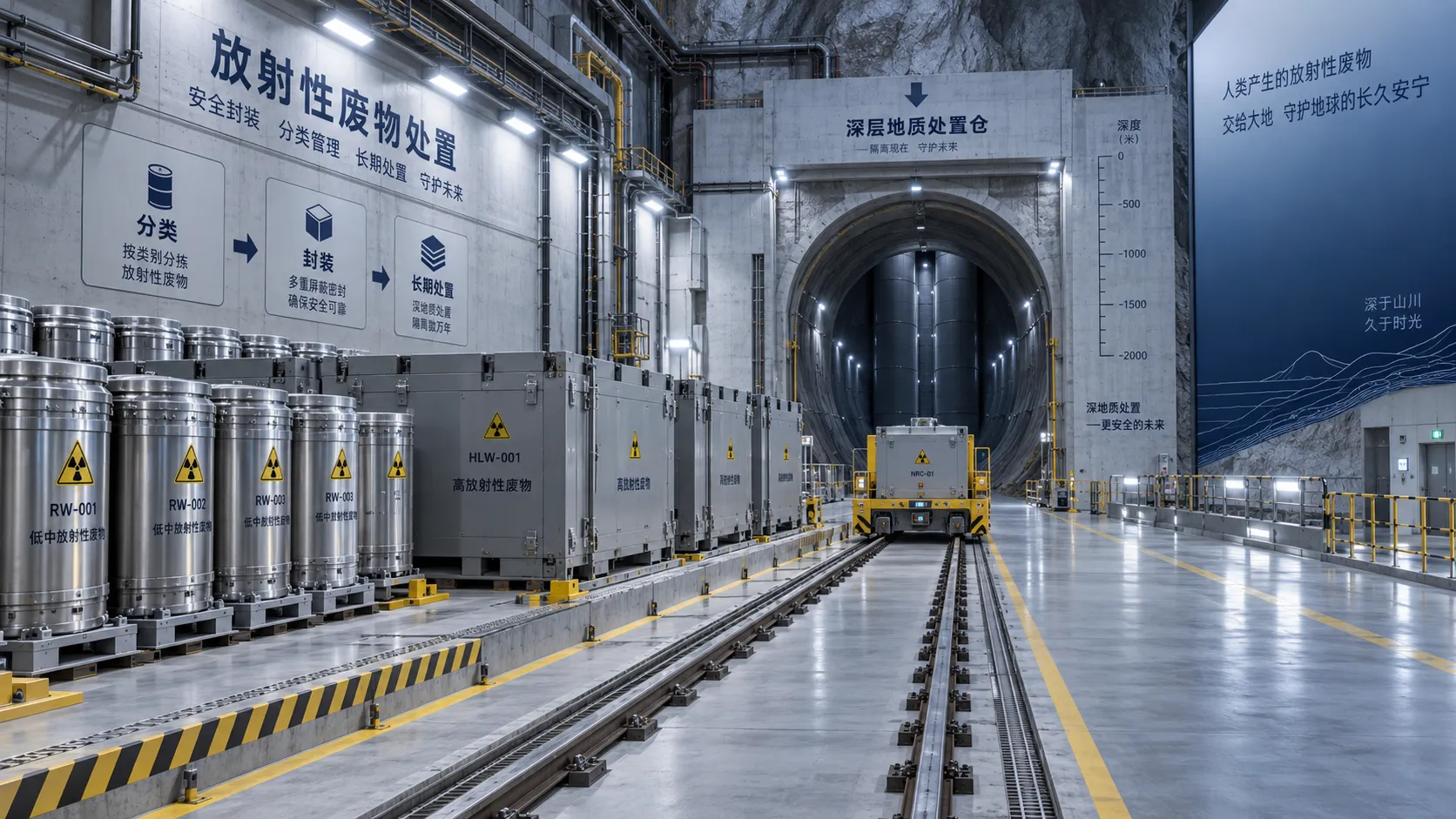
What drives radioactive waste cost over the life of a disposal project?
Radioactive waste cost depends on classification, treatment, transport, storage, disposal access, and long-term compliance. Explore the key lifecycle cost drivers.
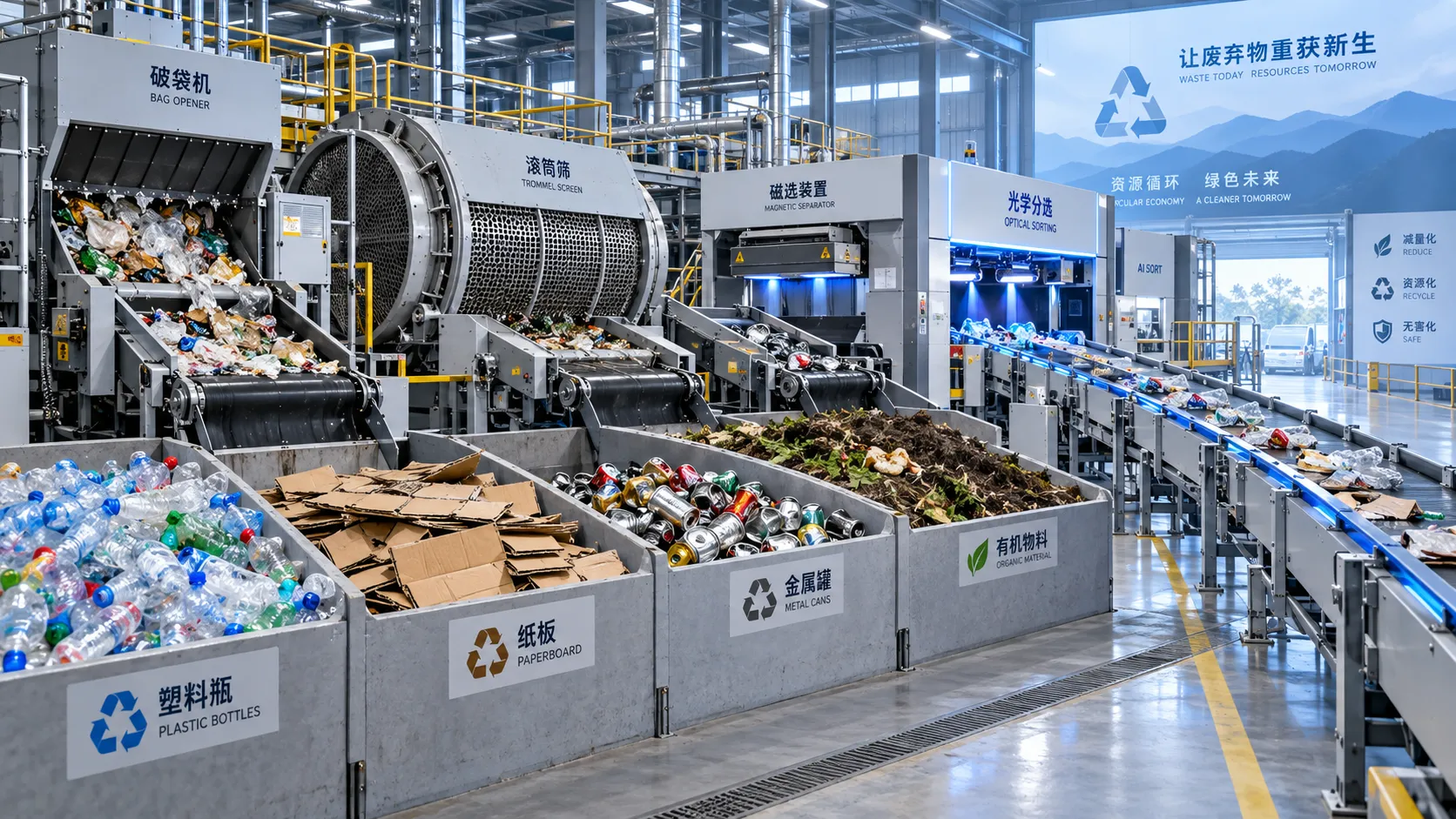
How to choose solid waste equipment based on waste stream characteristics
Environmental equipment guide for solid waste: discover how to match sorting, treatment, and recovery equipment to waste composition, moisture, contamination, and output goals.
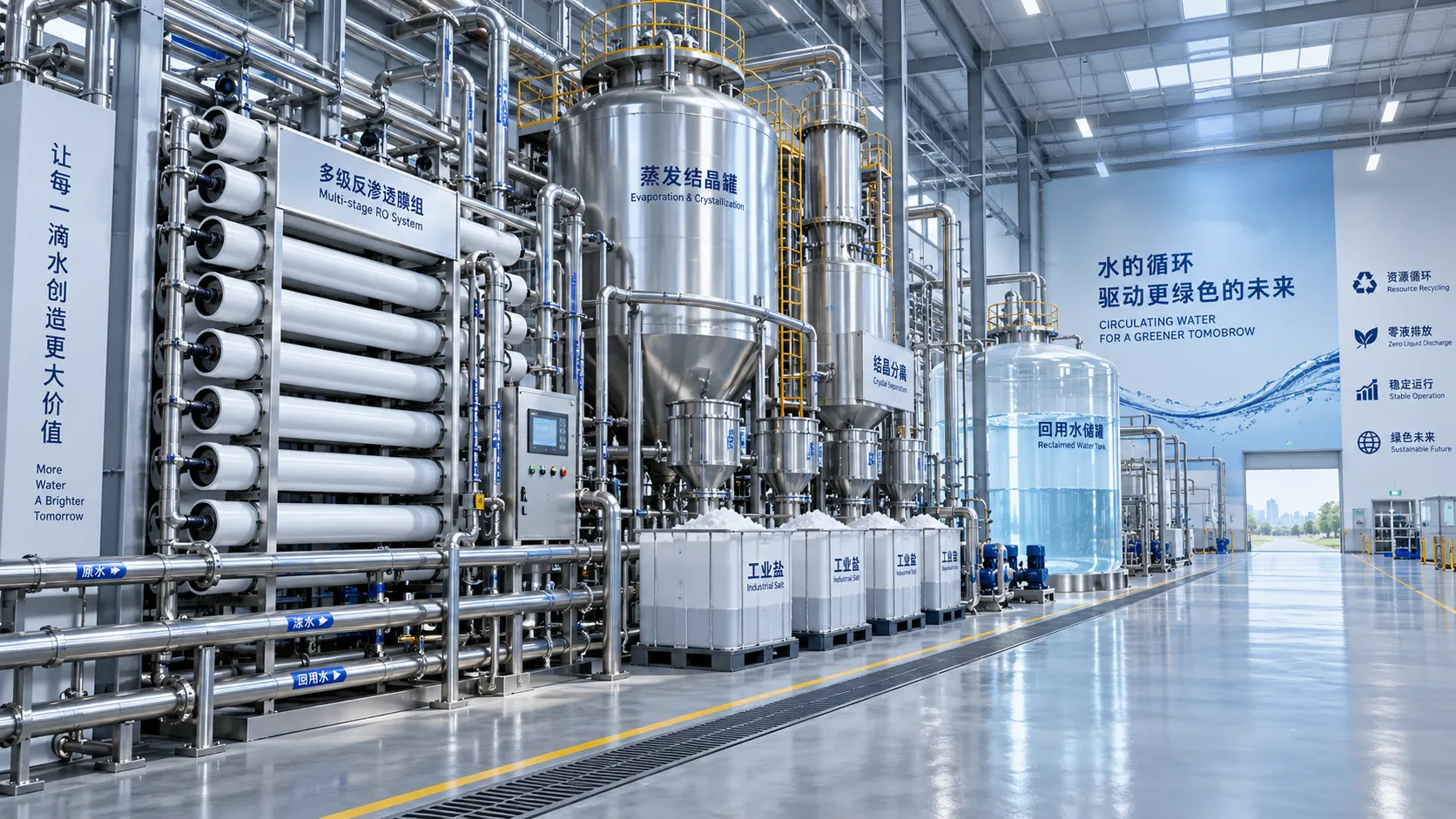
When does high recovery ZLD equipment justify its higher capital cost?
High recovery ZLD equipment can justify higher capital cost when water scarcity, discharge risks, brine disposal, and downtime threaten operations. Explore the decision factors.

How high purity heavy metal recovery affects recovered metal value
High purity heavy metal recovery boosts recovered metal value by improving payability, reducing penalties, and unlocking stronger buyer opportunities. Explore smarter netback strategies.
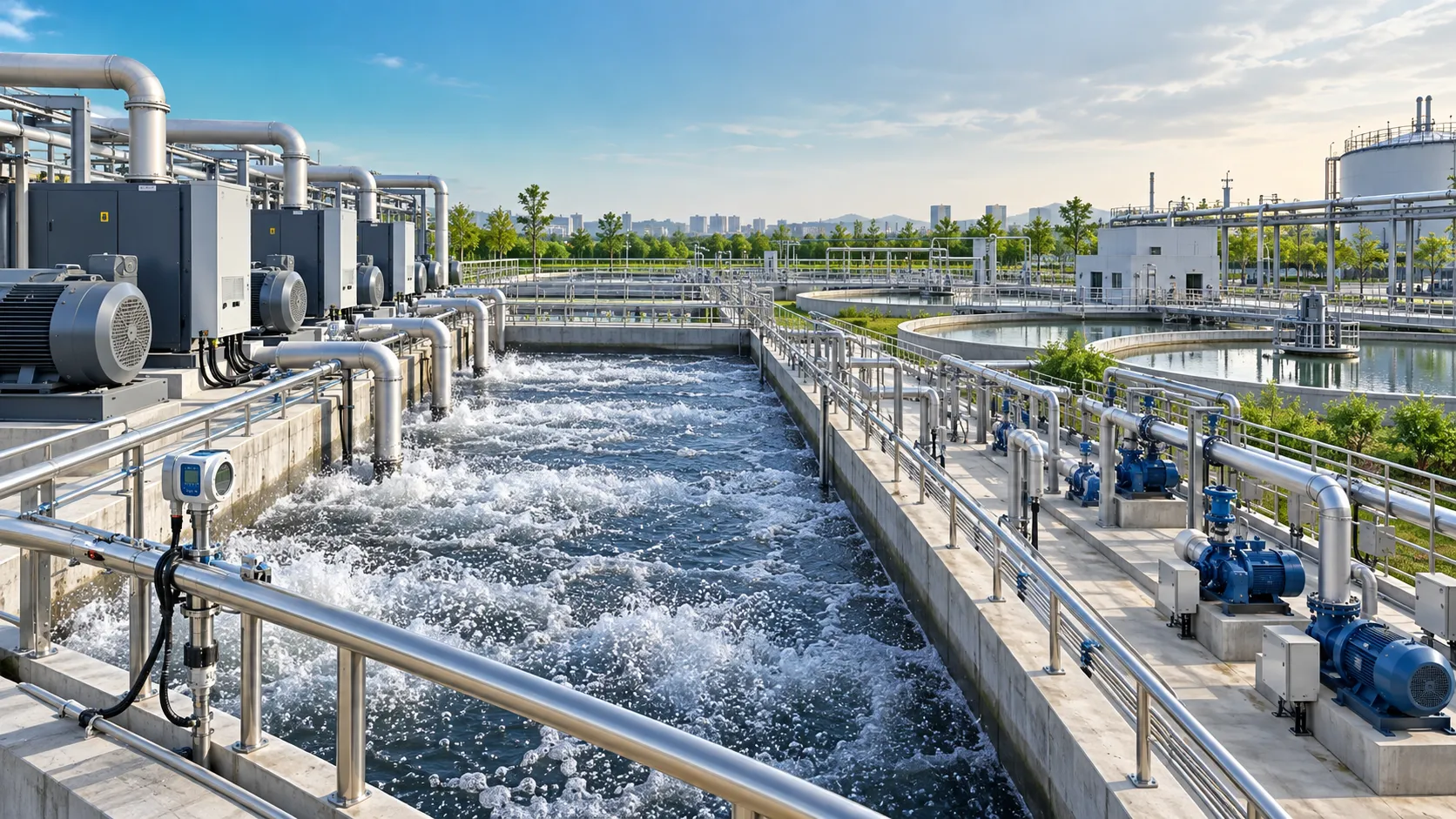
When does environmental equipment intelligence reduce wastewater plant energy use?
Environmental equipment intelligence for wastewater plants cuts energy use through smarter aeration, pumping, and data-driven controls—without compromising compliance. Discover when it delivers measurable savings.
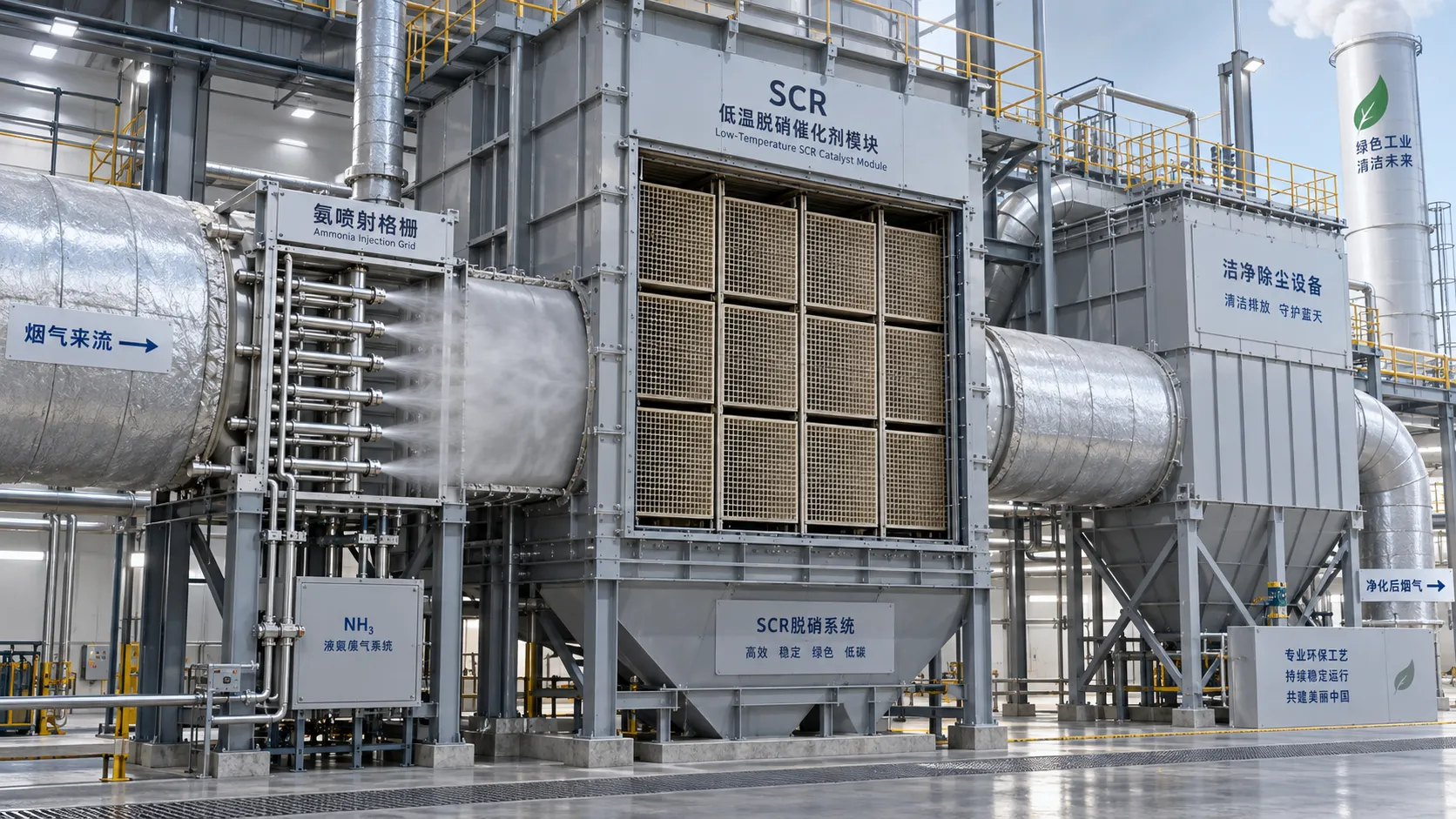
Is Low-Temperature SCR Catalyst Performance Stable Over Time?
Is low-temperature SCR catalyst performance stable over time? Discover how sulfur, temperature swings, fouling, and ammonia control determine durable NOx reduction.