
Industry News
Curation by industry experts
Hot Articles
Popular Tags
Municipal Wastewater Treatment Contractor Checklist Before Bid Award
Municipal Wastewater Treatment Contractor Checklist Before Bid Award
Before awarding a contract, procurement teams need more than low pricing.
They need confidence in technical capability, compliance, lifecycle value, and delivery reliability.
That is especially true in municipal projects, where failure becomes public, expensive, and difficult to correct.
A strong municipal wastewater treatment contractor should help reduce operating risk, not simply win on headline price.
This checklist shows what to verify before bid award, and why each point affects long-term project performance.
Why Bid Evaluation Needs a Broader View
Municipal treatment plants now face tighter discharge standards, rising energy costs, and more scrutiny on resilience.
That changes how a municipal wastewater treatment contractor should be evaluated.
In many tenders, low bids look attractive at first.
The real cost often appears later through change orders, weak commissioning, high chemical use, or unstable effluent quality.
A procurement decision should therefore test both bid competitiveness and execution depth.
From a cost-control perspective, the best bidder is often the one with the most predictable total ownership profile.
1. Confirm Relevant Project Experience
Start with evidence, not claims.
A municipal wastewater treatment contractor should show completed projects with comparable flow, influent quality, treatment train, and discharge targets.
Generic water-sector experience is not enough.
Look for references in activated sludge, MBR, MBBR, tertiary polishing, sludge dewatering, odor control, and nutrient removal where relevant.
- Request at least three recent municipal references.
- Check whether the plants achieved design capacity.
- Verify whether performance remained stable after handover.
- Ask if the contractor handled retrofits, not only greenfield builds.
This matters because retrofit conditions often reveal real engineering discipline.
2. Review Technical Fit, Not Just Compliance Language
Bid documents can look compliant while hiding technical mismatch.
A qualified municipal wastewater treatment contractor should explain process logic clearly and site-specifically.
The process design should respond to seasonal flow swings, shock loads, local energy pricing, operator skill level, and sludge disposal routes.
More advanced technology is not automatically better.
In actual operations, simplicity with stable results can outperform complex systems that demand constant intervention.
- Check hydraulic and biological design assumptions.
- Compare energy intensity per cubic meter treated.
- Review chemical consumption estimates.
- Test whether automation logic matches staffing reality.
A practical design memo often tells more than a polished sales presentation.
3. Verify Regulatory and Permit Readiness
Compliance risk should be screened before award, not after mobilization.
A reliable municipal wastewater treatment contractor should understand discharge permits, sludge handling obligations, odor rules, electrical codes, and local approval procedures.
This is where many low bidders become expensive.
Late design revisions and permit gaps can delay construction and push up contract variations.
- Confirm familiarity with local environmental standards.
- Review certifications, safety records, and QA procedures.
- Ask who owns permitting support during execution.
- Check whether compliance guarantees are contractual.
A bidder that treats compliance as a design input usually performs better under pressure.
4. Examine Equipment Quality and Supply Chain Strength
The municipal wastewater treatment contractor may not manufacture every major component.
That makes vendor control a core evaluation point.
Blowers, pumps, diffusers, membranes, screens, MCC panels, and instrumentation all affect lifecycle cost.
A weak supply chain can undermine even a sound process design.
Ask for approved brand lists, spare parts strategy, lead times, and source-country exposure.
Recent market shifts make this more important than before.
Long-lead imported items can disrupt schedules if procurement planning is thin.
Where possible, compare maintainability as closely as you compare purchase price.
5. Test Commercial Transparency
A bid is only useful when the scope is clear.
A trustworthy municipal wastewater treatment contractor should provide line-of-sight on inclusions, exclusions, assumptions, and provisional items.
Opaque pricing often signals future disputes.
Procurement decisions improve when bidders are easy to compare on the same cost basis.
6. Assess Delivery Team and Project Controls
The proposed team matters as much as the company profile.
A capable municipal wastewater treatment contractor should identify the project manager, lead process engineer, commissioning lead, and HSE responsibility chain.
Ask who will actually be on site after award.
This simple question often separates delivery-focused bidders from presentation-focused bidders.
- Review project scheduling tools and reporting format.
- Check subcontractor management procedures.
- Ask how delays are escalated and recovered.
- Evaluate site safety culture with recordable data.
In complex municipal work, project controls are often the difference between an acceptable bid and a dependable contract.
7. Look Beyond CAPEX to Lifecycle Cost
A municipal wastewater treatment contractor should be evaluated on total cost, not just capital cost.
That includes power demand, membrane replacement, sludge yield, chemical consumption, labor intensity, spare parts, and downtime risk.
This is where procurement strategy becomes more disciplined.
A slightly higher bid can produce better value over ten or fifteen years.
Ask bidders to submit a simple lifecycle model using the same operating assumptions.
That creates a more realistic comparison and reduces overreliance on nominal equipment pricing.
8. Check Commissioning, Training, and After-Sales Support
Many project problems appear after mechanical completion.
A dependable municipal wastewater treatment contractor should define startup support, operator training, troubleshooting response time, and warranty responsibilities.
That support should be written into the contract.
Verbal promises rarely help when effluent quality slips during early operation.
Pay close attention to acceptance testing procedures.
The clearer the test protocol, the lower the risk of dispute at handover.
A Practical Shortlist Before Award
Before final selection, narrow every municipal wastewater treatment contractor against the same final questions.
- Can this bidder prove performance on similar municipal wastewater treatment projects?
- Is the technical solution fit for local operating conditions?
- Are compliance responsibilities fully understood and contractually covered?
- Is the supply chain robust enough for schedule-critical equipment?
- Is pricing transparent enough to limit post-award surprises?
- Will the assigned team actually deliver what the bid promises?
- Does the long-term cost profile support the purchase decision?
A bid award should create operational confidence, not just contractual closure.
The right municipal wastewater treatment contractor brings proven execution, clear accountability, and stable plant performance over time.
When procurement reviews technical, commercial, and lifecycle factors together, the final decision becomes easier to defend and more likely to succeed.
Recommended News

How to size a desulfurization equipment scrubber for variable gas flow
Desulfurization equipment scrubber sizing for variable gas flow: optimize SO2 removal, pressure drop, liquid-to-gas control, and compliance across every load.
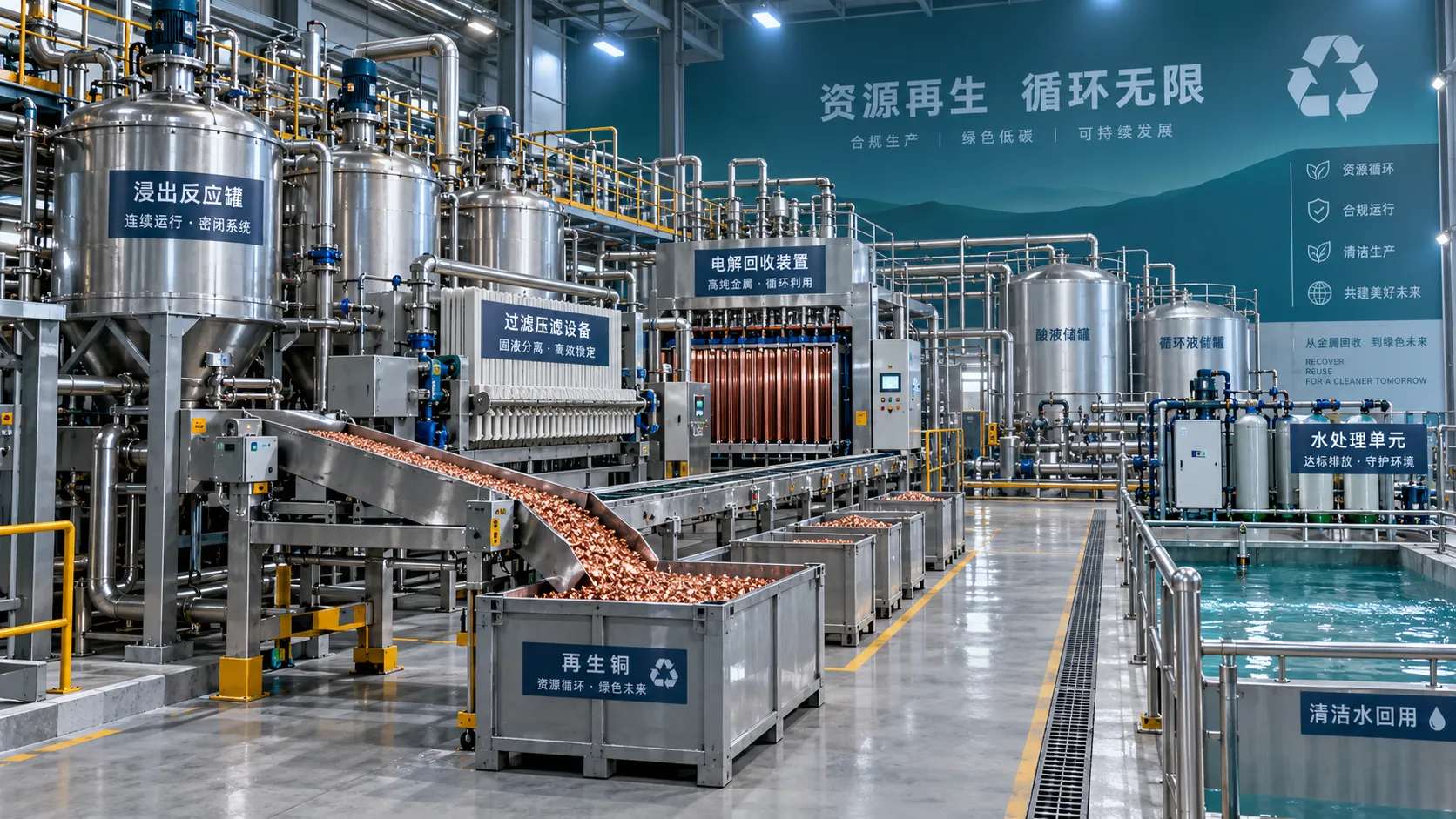
When does repeatable metals recovery infrastructure justify the investment?
Repeatable metals recovery infrastructure: discover when consistent feedstock, lower disposal costs, compliance control, and reliable offtake justify investment.

How energy recovery cuts the cost of seawater desalination in the Middle East
Seawater desalination Middle East projects can cut lifecycle costs with energy recovery. Explore savings, bankability, power-risk strategies, and smarter investment decisions.

What drives nuclear safety solutions pricing for new facility projects?
Nuclear safety solutions pricing explained: uncover the key cost drivers for new facilities, from qualification and interfaces to lifecycle support.
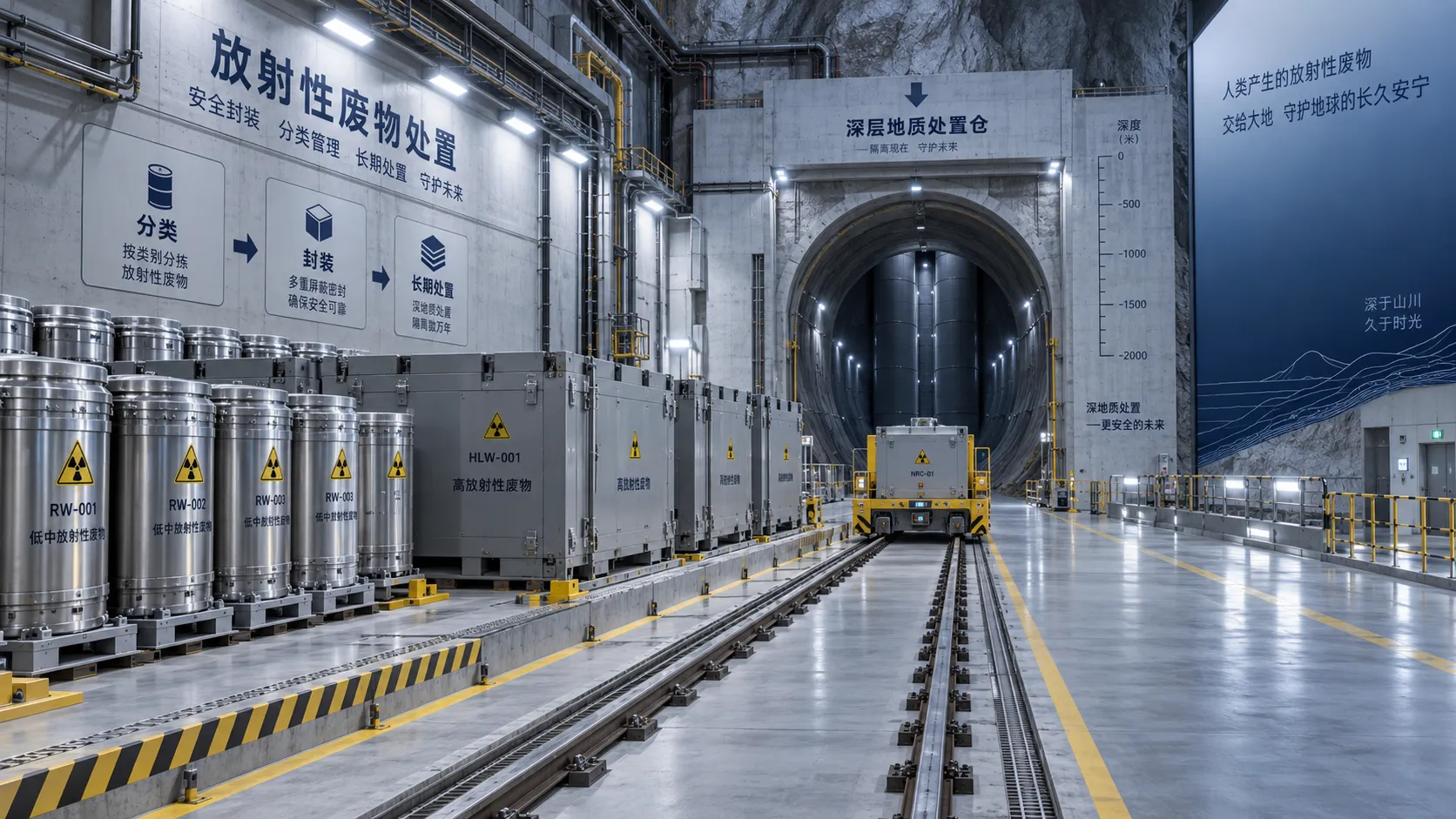
What drives radioactive waste cost over the life of a disposal project?
Radioactive waste cost depends on classification, treatment, transport, storage, disposal access, and long-term compliance. Explore the key lifecycle cost drivers.
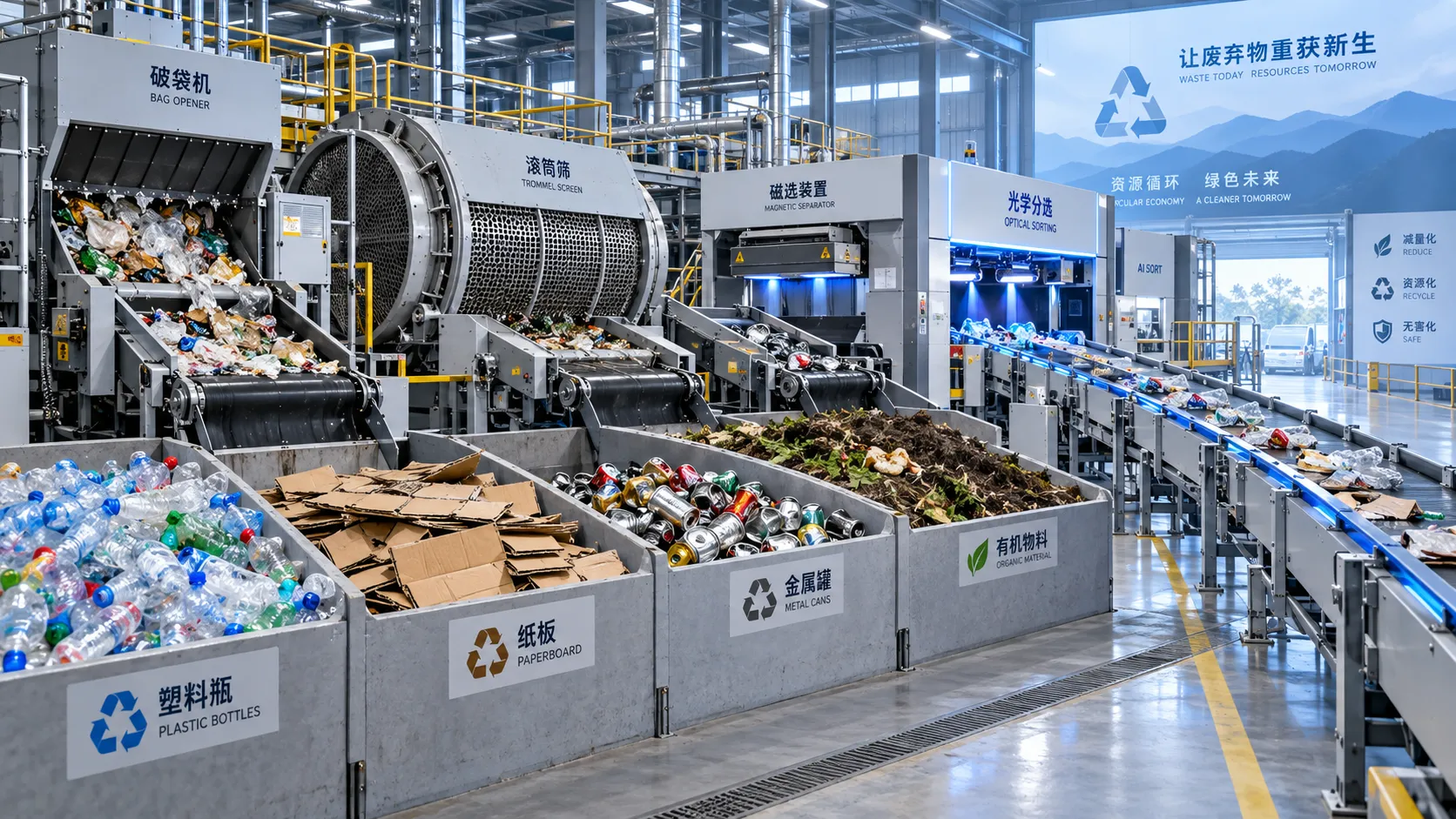
How to choose solid waste equipment based on waste stream characteristics
Environmental equipment guide for solid waste: discover how to match sorting, treatment, and recovery equipment to waste composition, moisture, contamination, and output goals.
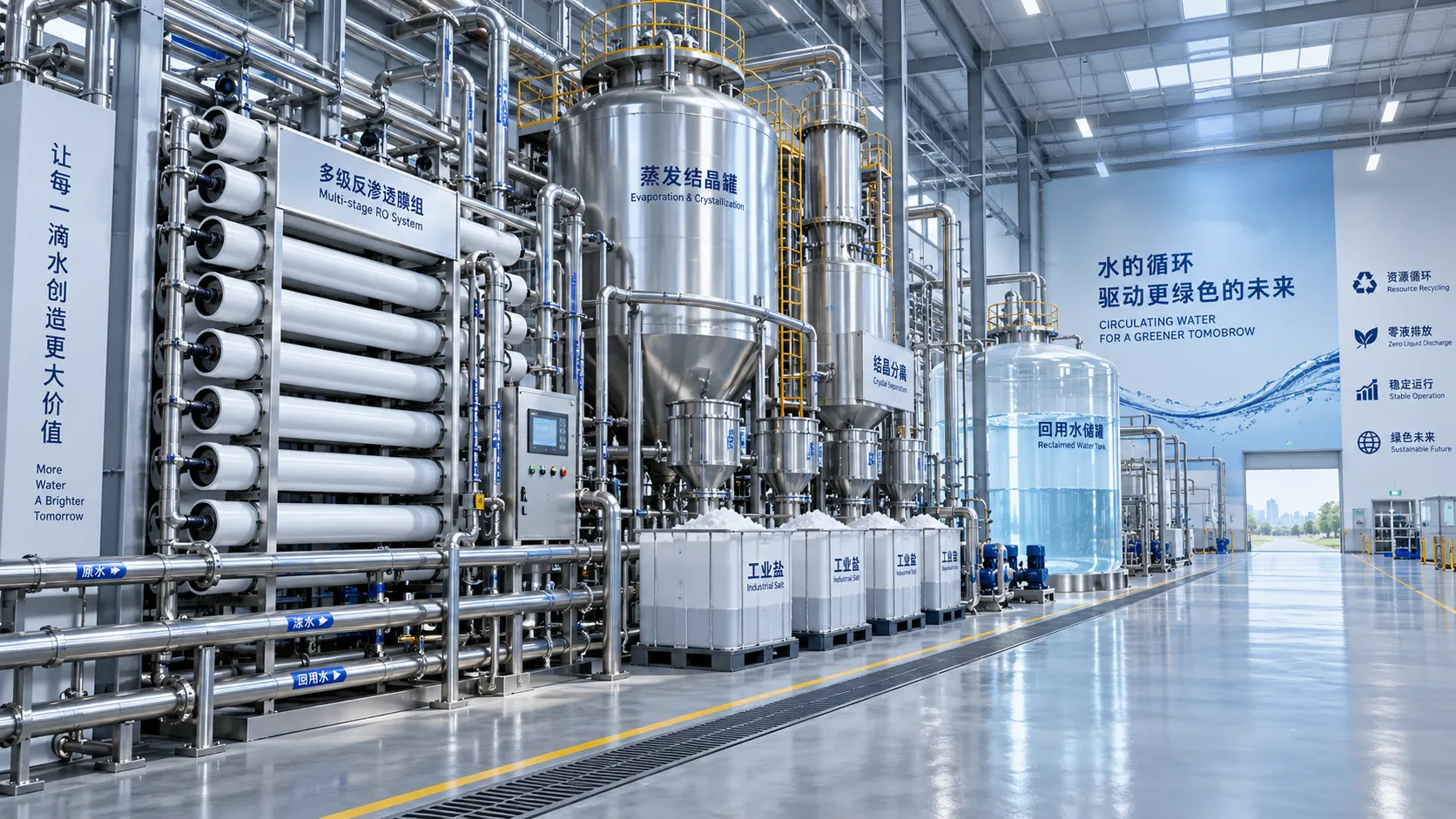
When does high recovery ZLD equipment justify its higher capital cost?
High recovery ZLD equipment can justify higher capital cost when water scarcity, discharge risks, brine disposal, and downtime threaten operations. Explore the decision factors.

How high purity heavy metal recovery affects recovered metal value
High purity heavy metal recovery boosts recovered metal value by improving payability, reducing penalties, and unlocking stronger buyer opportunities. Explore smarter netback strategies.

When does environmental equipment intelligence reduce wastewater plant energy use?
Environmental equipment intelligence for wastewater plants cuts energy use through smarter aeration, pumping, and data-driven controls—without compromising compliance. Discover when it delivers measurable savings.