
Industry News
Curation by industry experts
Hot Articles
Popular Tags
Resource Recovery Systems Manufacturers: Cost and Quality Checks
Why do resource recovery systems manufacturers need deeper cost and quality checks?
Choosing among resource recovery systems manufacturers is rarely a price-only exercise.
In real projects, the cheaper proposal can become the more expensive one after downtime, rework, and compliance upgrades.
That is especially true in recovery lines linked to water treatment, solid waste sorting, pyrolysis, and industrial residue reuse.
The practical question is not simply who offers the lowest equipment cost.
A better question is which supplier can keep throughput, purity, safety, and reporting performance stable over time.
This matters more as environmental rules tighten across export markets, carbon accounting frameworks, and waste traceability requirements.
Viewed through ESD’s intelligence lens, resource recovery sits inside a wider ecological engineering chain.
Sorting lines affect downstream emissions, recovered material value, water reuse load, and overall circular economy performance.
So the evaluation process should connect equipment details with lifecycle economics and regulatory resilience.
When comparing quotes, what costs are easy to miss?
The visible number on the quotation usually covers only the first layer.
More hidden cost often sits in utilities, wear parts, automation limits, civil changes, and startup instability.
For many resource recovery systems manufacturers, the strongest proposals explain total cost of ownership in operating terms.
That means energy draw per ton, reject rate, labor intensity, spare part turnover, and scheduled shutdown frequency.
It also means asking whether the system can hold performance under variable feedstock.
Mixed municipal waste, contaminated plastics, sludge-derived solids, and industrial scrap do not behave the same way.
A line that performs well only in ideal test material can destroy forecasted returns.
The table below helps separate headline cost from decision-grade cost.
More mature suppliers usually disclose these items early, not after contract negotiation begins.
How can quality be judged before the system is installed?
Quality checks should move beyond brochures and polished reference slides.
Start with design consistency.
Ask for process flow diagrams, instrument lists, balance assumptions, and performance boundaries.
If a supplier cannot explain what happens when feed moisture rises or contaminants spike, quality risk is already visible.
Then review build quality in practical terms.
Frame strength, corrosion protection, sealing design, cable routing, sensor shielding, and maintenance access all matter.
These details often decide whether equipment remains stable in dusty, wet, or chemically aggressive environments.
For resource recovery systems manufacturers serving broader environmental infrastructure, quality also includes data integrity.
Output reports should support traceability, compliance audits, and process optimization.
That is increasingly relevant where recovered streams interact with CBAM exposure, waste classification, or ESG reporting.
- Request factory acceptance test protocols tied to actual contract guarantees.
- Check whether critical components come from proven suppliers with documented service history.
- Review alarm logic, redundancy strategy, and fail-safe shutdown behavior.
- Confirm that maintenance points are accessible without major dismantling.
A capable line should be understandable under stress, not only impressive during presentation.
Are all resource recovery systems manufacturers equally suited to every application?
Not at all, and this is where many selection mistakes begin.
Some suppliers are strong in dry sorting for municipal solid waste.
Others are better in hazardous residue handling, sludge reduction, metals recovery, or integrated water and solids treatment.
In practice, the right match depends on feed variability, contamination profile, target product grade, site utilities, and environmental permits.
This is where ESD’s broader sector perspective becomes useful.
A recovery project can no longer be judged as an isolated machine purchase.
If the output goes into pyrolysis, desalination pretreatment, flue gas byproduct reuse, or controlled waste pathways, specifications shift.
The best resource recovery systems manufacturers usually show a clear understanding of these upstream and downstream links.
A useful comparison is to ask where each supplier has repeatable success.
One or two flagship installations are less persuasive than a stable pattern across similar material conditions.
What warning signs suggest a low bid could become a high-risk contract?
Several warning signs show up well before purchase order stage.
One common issue is vague guarantees.
If throughput is promised without defining feed composition, the guarantee may be too weak to protect the project.
Another signal is overreliance on subcontracted integration with no single technical owner.
That structure can work, but only when interfaces are tightly managed.
Watch for limited local support, unclear spare stock, and software access restrictions.
These become painful during commissioning or after the first control fault.
It is also wise to test whether the supplier can discuss emissions, wastewater, and residue implications.
A narrow equipment view may overlook permitting barriers that delay the entire project.
- Quoted performance without test methods or acceptance criteria.
- Reference projects that differ greatly in feedstock or capacity.
- Short warranty language that excludes most real operating conditions.
- No clear plan for operator training, remote support, or control updates.
When several of these appear together, a low bid deserves extra scrutiny.
Which comparison method leads to a more reliable supplier shortlist?
A weighted comparison model usually works better than unstructured discussions.
It keeps commercial pressure from crowding out technical facts.
More importantly, it forces all resource recovery systems manufacturers to answer the same operational questions.
The scoring framework should reflect project reality rather than generic vendor scorecards.
This kind of matrix is especially useful when bids come from different technical traditions.
It helps compare AI sorting specialists, heavy mechanical recyclers, and integrated environmental equipment providers on a common basis.
What should happen before moving from shortlist to final selection?
Before final selection, narrow the discussion to evidence that changes risk.
A site visit matters if it confirms stable operation under conditions close to your own.
A witness test matters if it verifies quality, yield, and operating logic using representative material.
Commercial negotiation should then follow technical clarification, not replace it.
At this stage, ask each of the remaining resource recovery systems manufacturers for a final risk register.
It should cover process assumptions, exclusions, spare strategy, utility boundaries, and performance test conditions.
That document often reveals who understands the project with discipline.
In sectors tracked by ESD, strong decisions usually come from linking equipment data with market and compliance intelligence.
The system that looks efficient today must still make sense under future reporting rules, feed changes, and decarbonization pressure.
A practical next step is to build a comparison sheet around feedstock, guarantees, lifecycle cost, compliance exposure, and service depth.
That turns supplier selection from a price discussion into a defensible project decision.
Recommended News
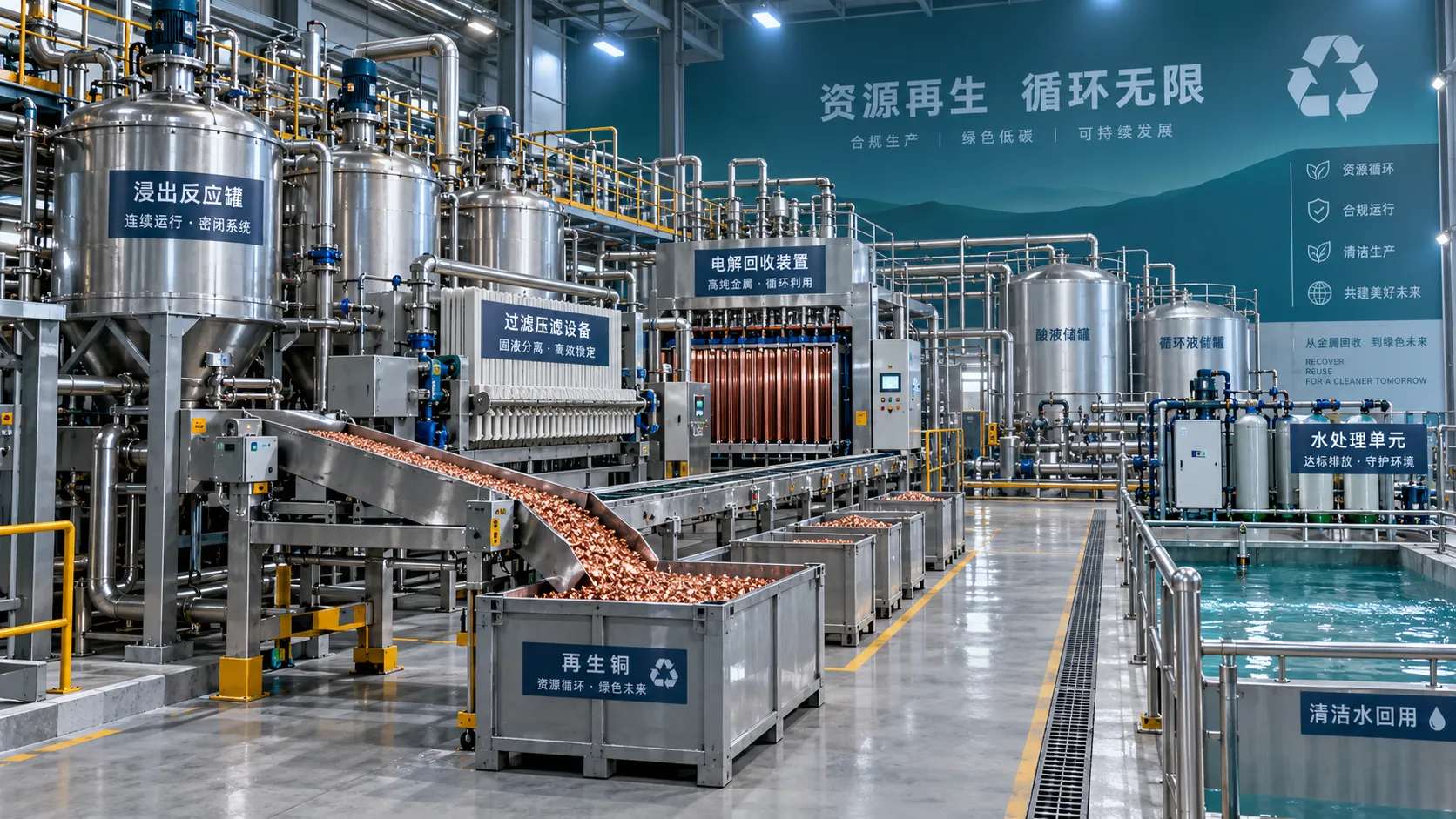
When does repeatable metals recovery infrastructure justify the investment?
Repeatable metals recovery infrastructure: discover when consistent feedstock, lower disposal costs, compliance control, and reliable offtake justify investment.
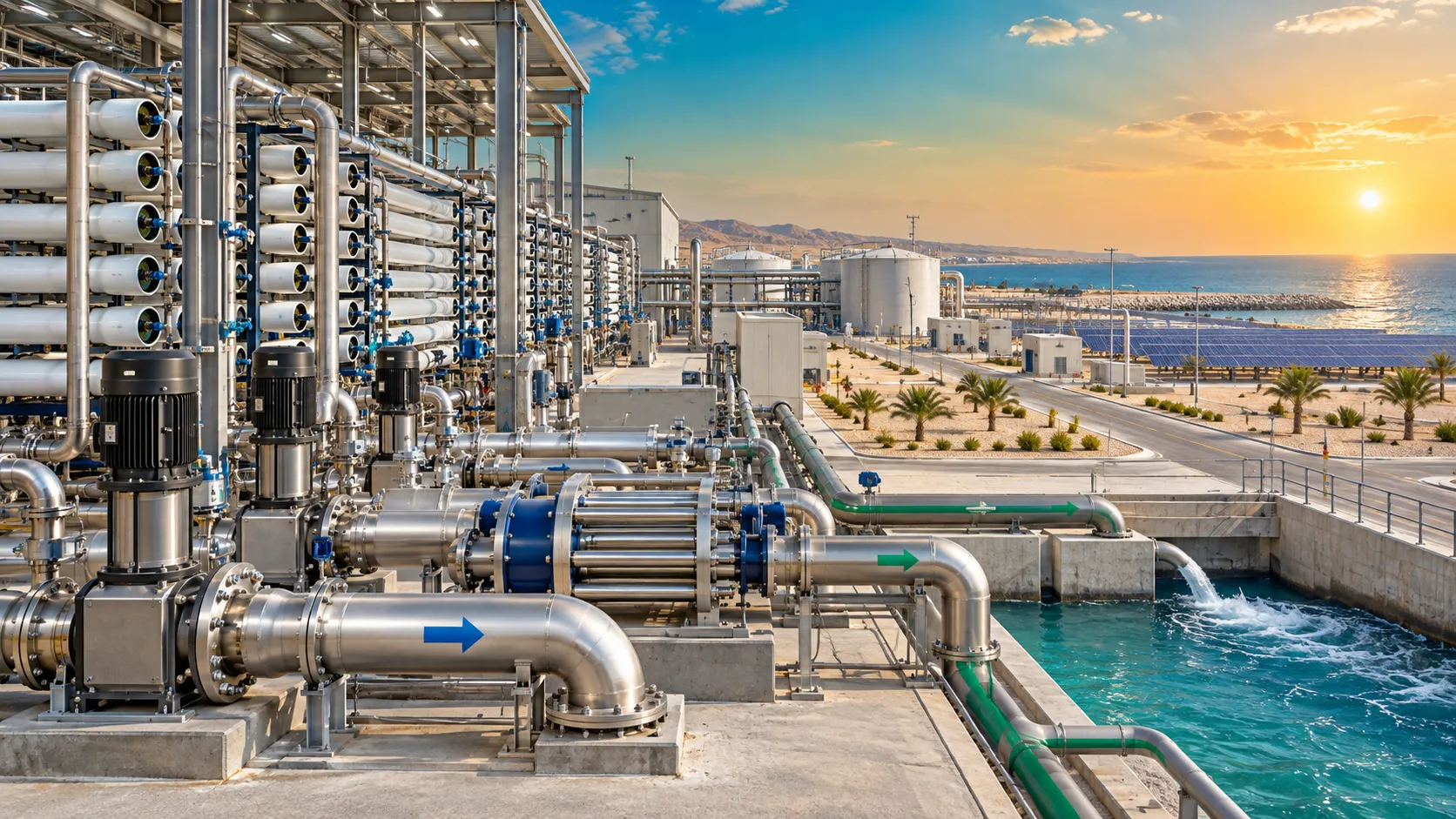
How energy recovery cuts the cost of seawater desalination in the Middle East
Seawater desalination Middle East projects can cut lifecycle costs with energy recovery. Explore savings, bankability, power-risk strategies, and smarter investment decisions.
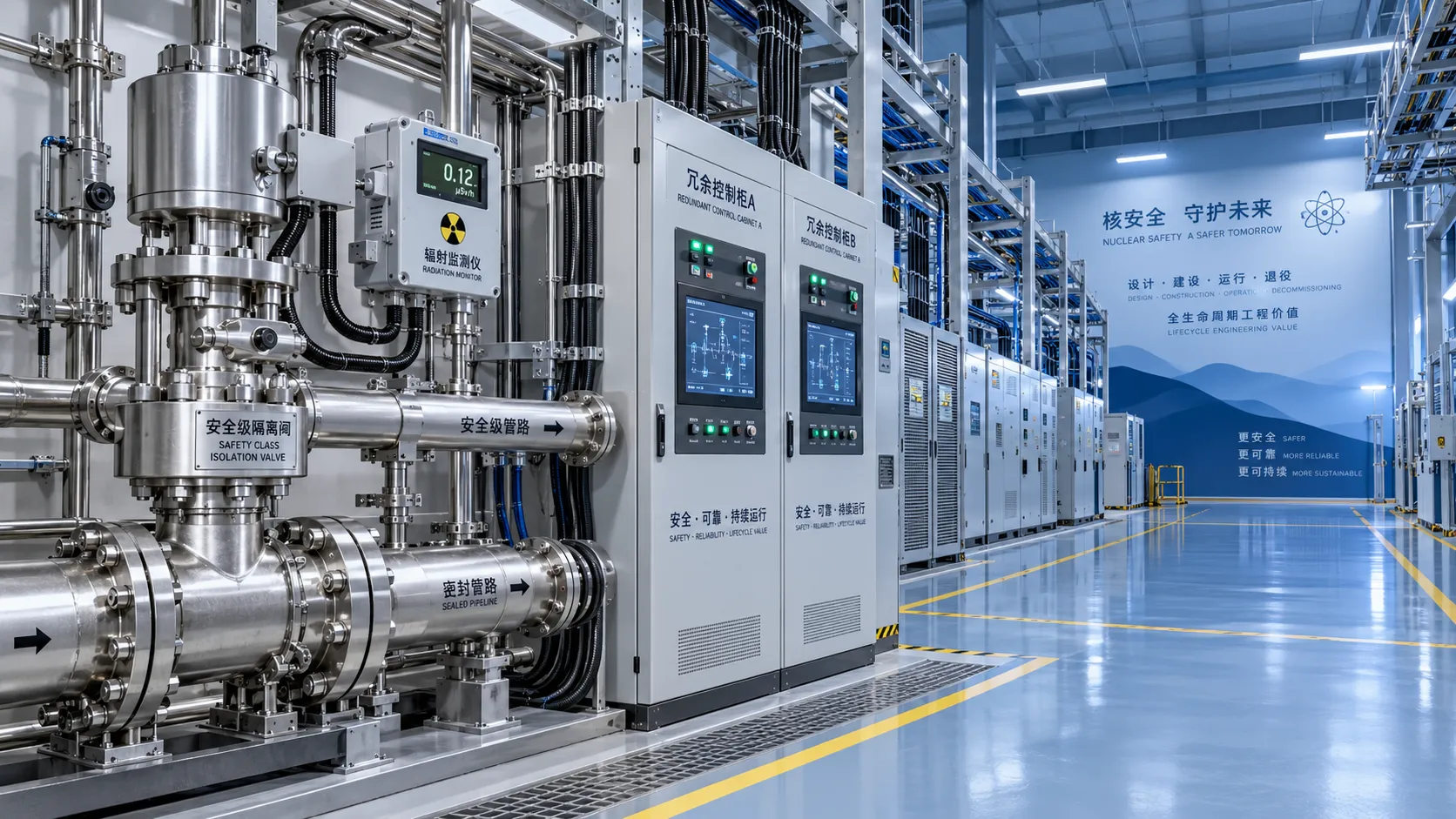
What drives nuclear safety solutions pricing for new facility projects?
Nuclear safety solutions pricing explained: uncover the key cost drivers for new facilities, from qualification and interfaces to lifecycle support.
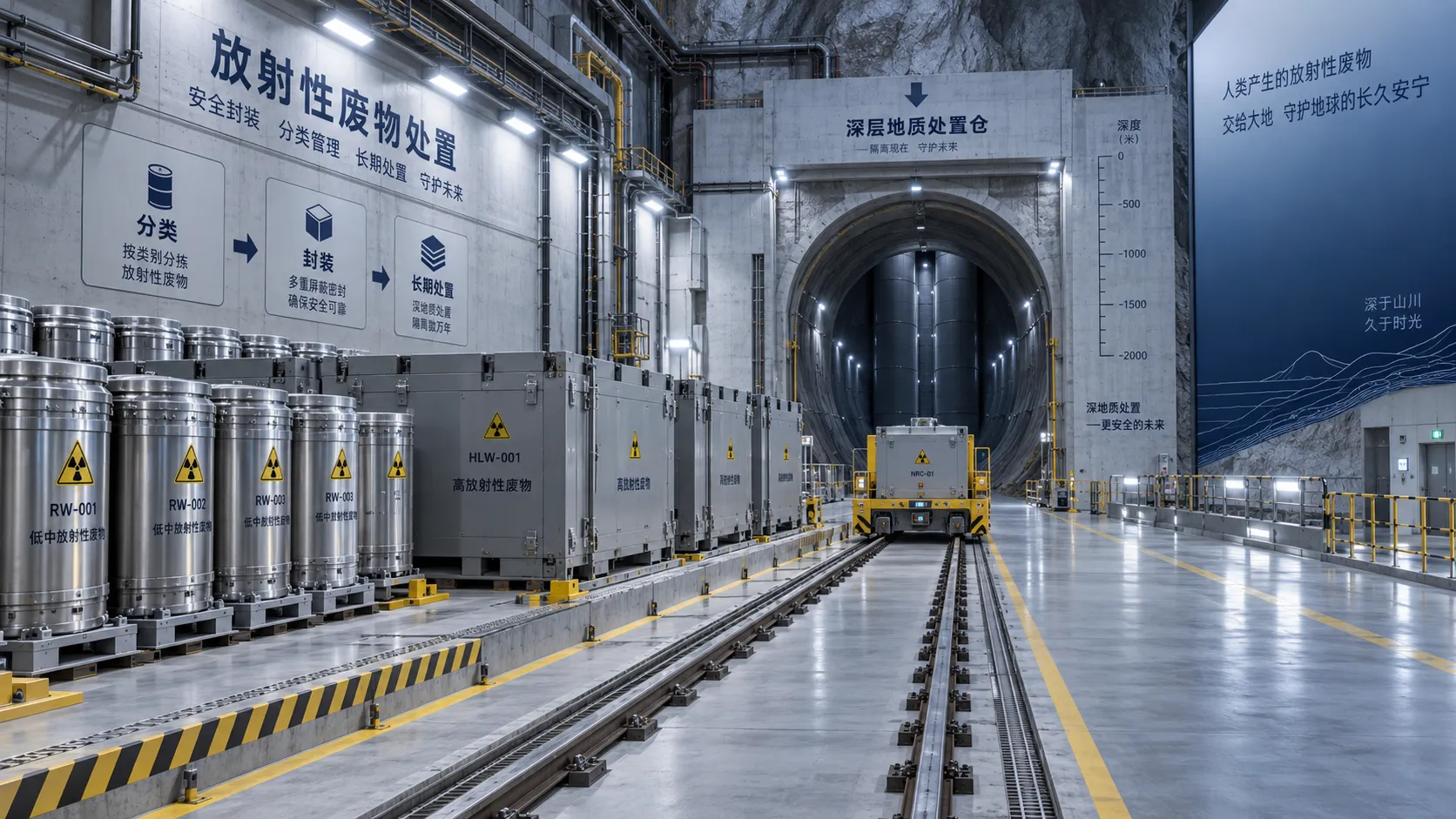
What drives radioactive waste cost over the life of a disposal project?
Radioactive waste cost depends on classification, treatment, transport, storage, disposal access, and long-term compliance. Explore the key lifecycle cost drivers.
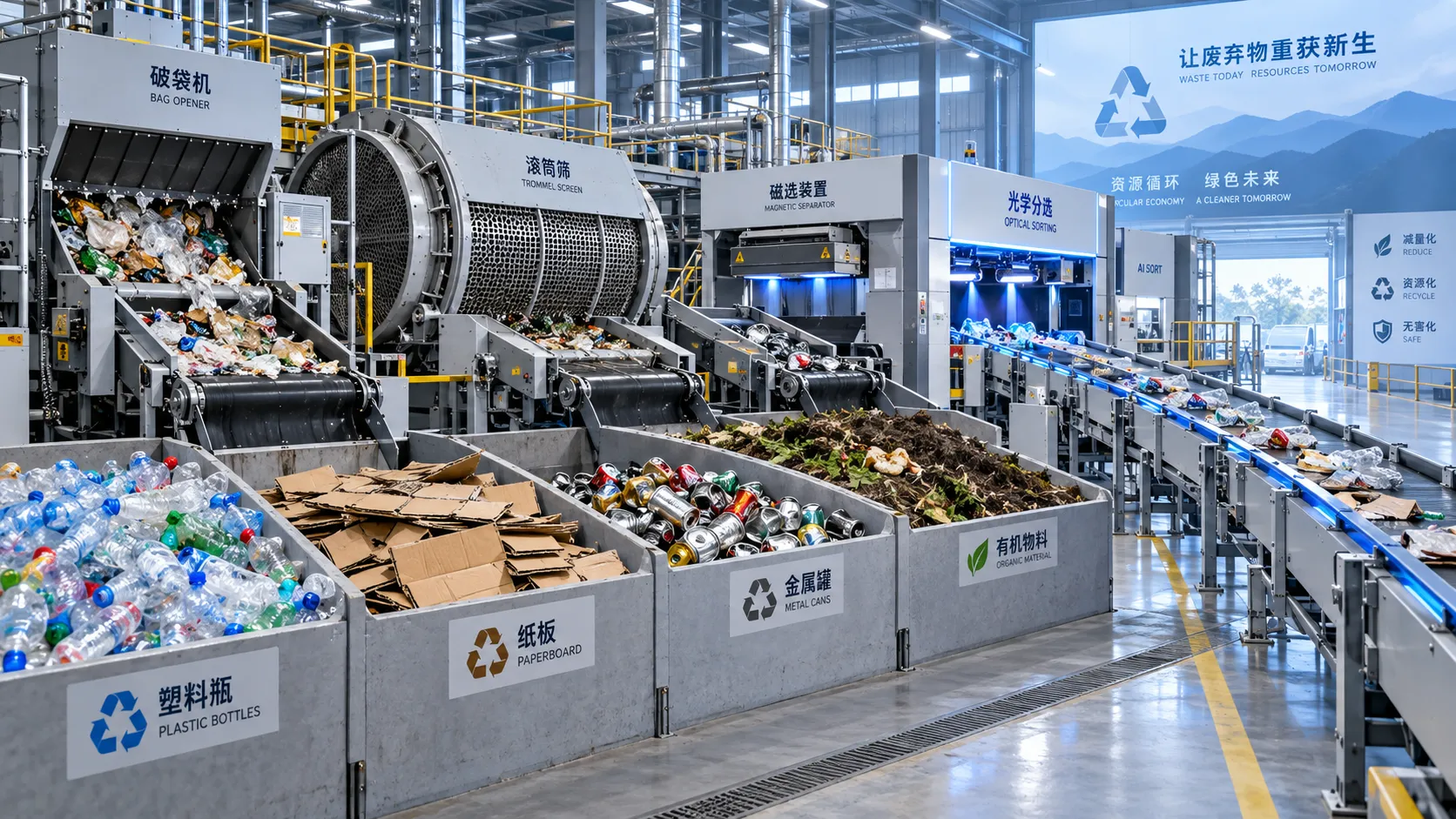
How to choose solid waste equipment based on waste stream characteristics
Environmental equipment guide for solid waste: discover how to match sorting, treatment, and recovery equipment to waste composition, moisture, contamination, and output goals.
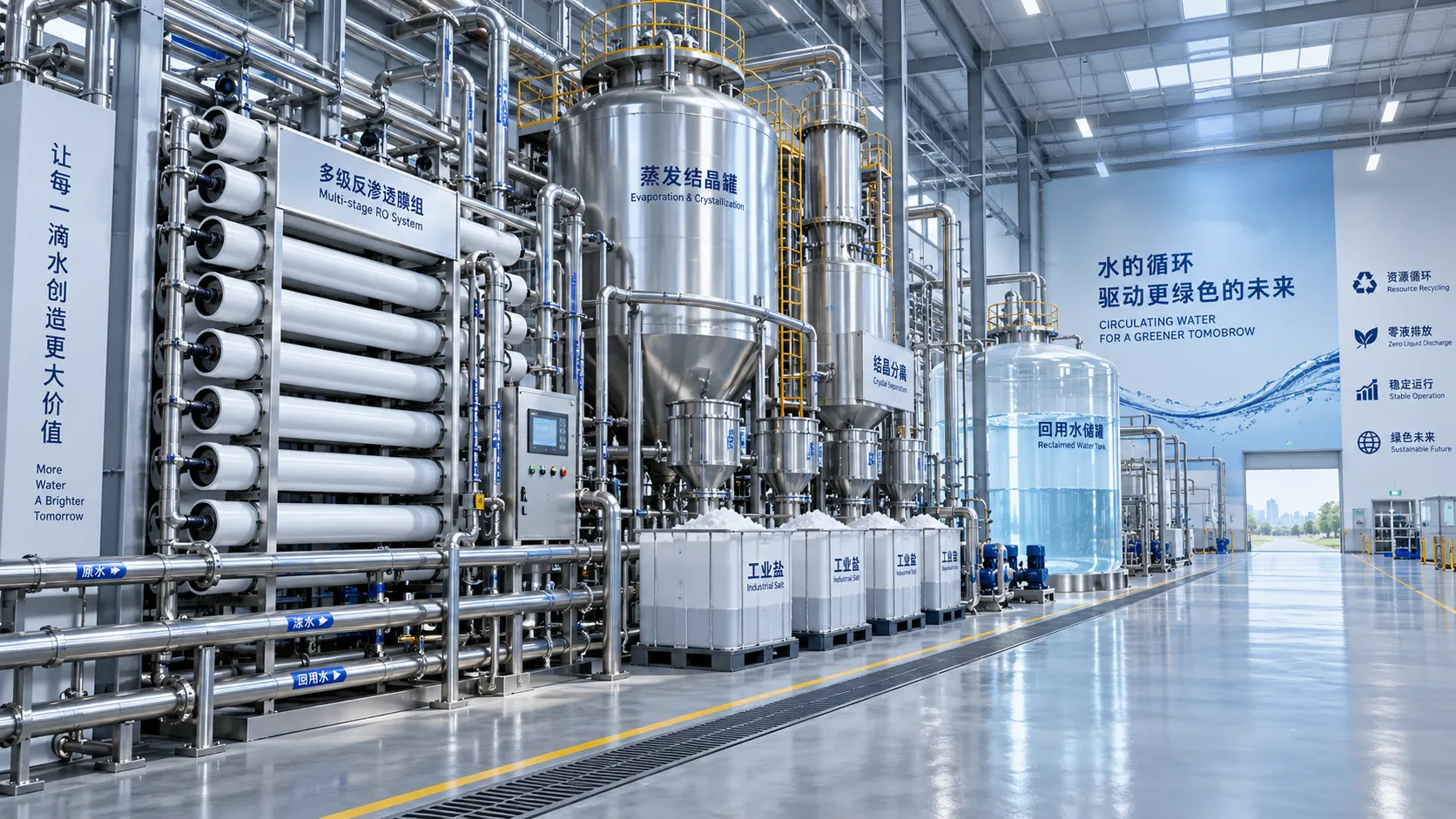
When does high recovery ZLD equipment justify its higher capital cost?
High recovery ZLD equipment can justify higher capital cost when water scarcity, discharge risks, brine disposal, and downtime threaten operations. Explore the decision factors.

How high purity heavy metal recovery affects recovered metal value
High purity heavy metal recovery boosts recovered metal value by improving payability, reducing penalties, and unlocking stronger buyer opportunities. Explore smarter netback strategies.
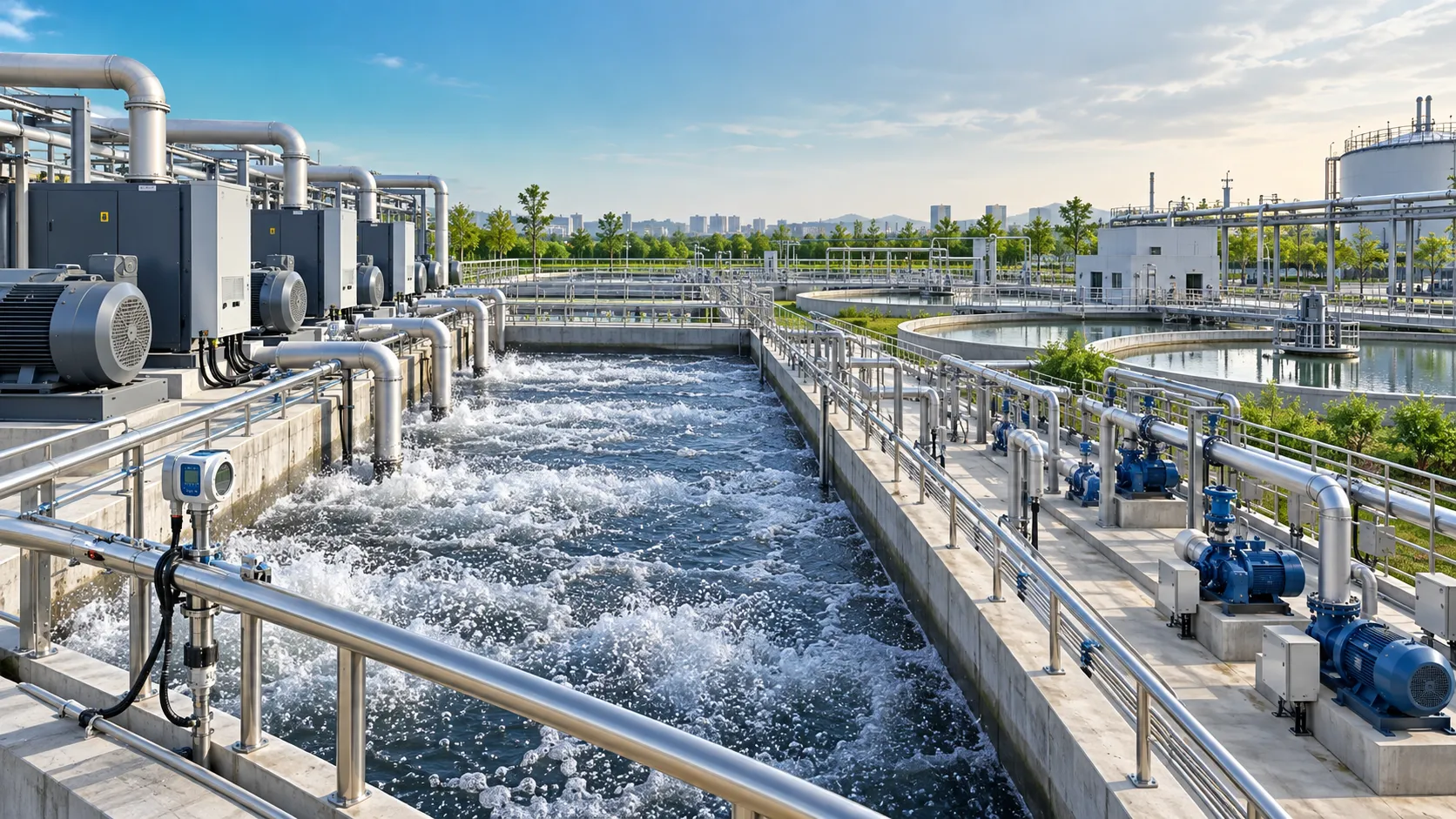
When does environmental equipment intelligence reduce wastewater plant energy use?
Environmental equipment intelligence for wastewater plants cuts energy use through smarter aeration, pumping, and data-driven controls—without compromising compliance. Discover when it delivers measurable savings.
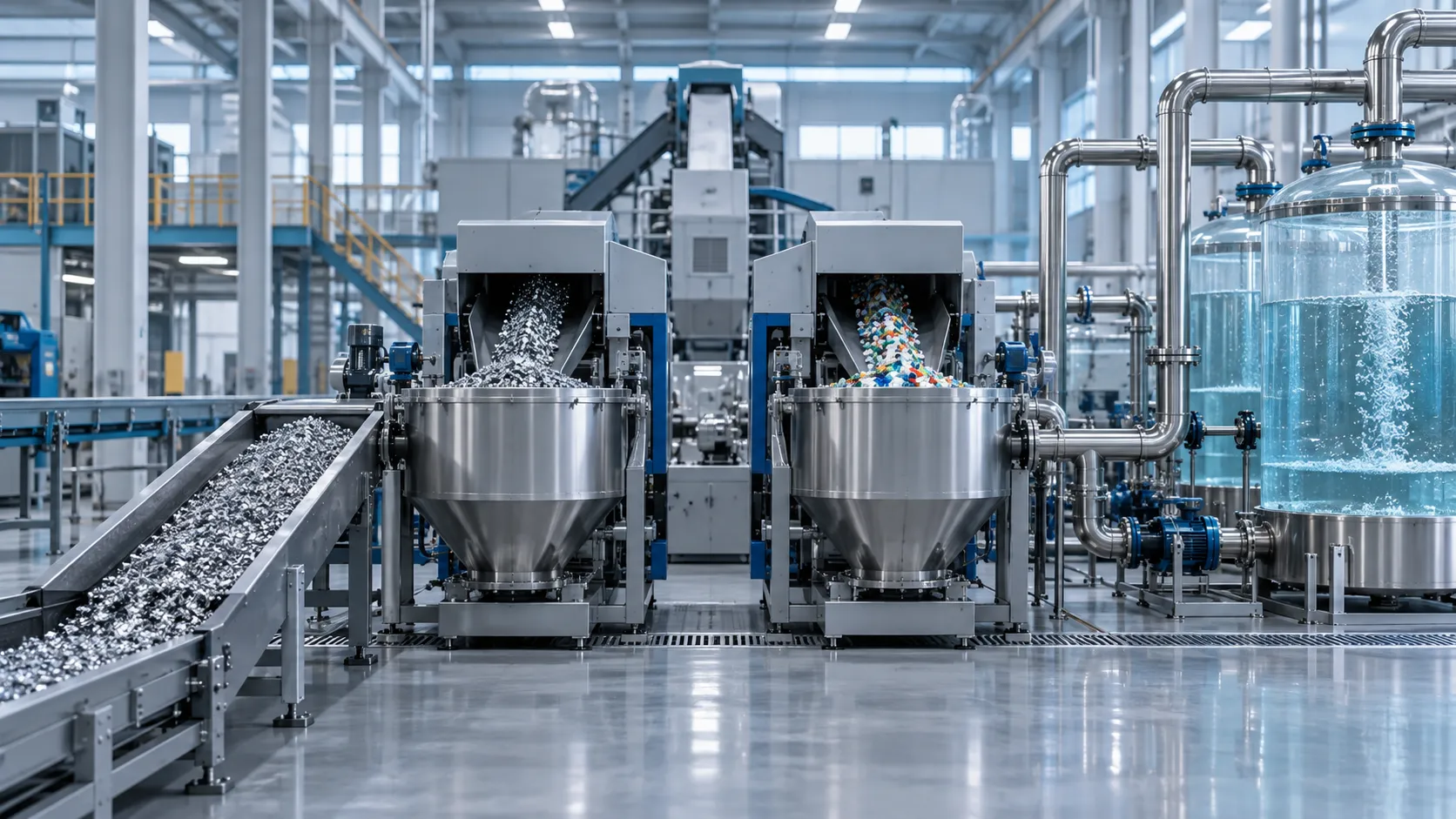
Which Circular Economy Model Is Best for Industrial Waste Recovery?
Which circular economy model works best for industrial waste recovery? Compare closed loops, industrial symbiosis, recycling, and energy recovery to choose the right strategy.