
Industry News
Curation by industry experts
Hot Articles
Popular Tags
What Affects SCR Denitrification Systems Efficiency Most?
SCR denitrification systems efficiency is rarely decided by a single specification line. It is the combined result of reaction chemistry, operating discipline, fuel quality, and upstream dust or sulfur control.
That is why this topic matters across power, waste-to-energy, cement, steel, refining, and other heavy industrial settings. A system can meet design targets on paper and still underperform in daily operation.
For evaluation work, the real question is not only how much NOx an SCR unit removes. The more useful question is which variables most strongly shape removal stability, catalyst life, ammonia slip, and total compliance cost.
Within ESD's broader view of ecological infrastructure, flue gas treatment sits alongside water treatment, resource recovery, desalination, and nuclear waste management as a boundary-control technology. In each field, efficiency depends on controlling harsh process conditions rather than selecting equipment in isolation.
Why SCR efficiency deserves closer attention
Selective catalytic reduction converts nitrogen oxides into nitrogen and water by reacting NOx with ammonia over a catalyst. The concept is straightforward, but the operating window is narrow.
When SCR denitrification systems efficiency falls, the effects spread quickly. Emissions margins shrink, catalyst replacement accelerates, reagent use rises, and downstream equipment may face fouling from ammonia slip or salt formation.
This is also becoming a strategic issue. Tighter environmental rules, carbon-related trade mechanisms, and stricter EPC performance guarantees all push operators toward more defensible technical evaluations.
In practice, the strongest assessments link process data, catalyst behavior, and regulatory risk. Looking at only guaranteed removal efficiency misses the way real plants drift over time.
The variables that influence performance most
Flue gas temperature
Temperature is often the first factor to check. Every catalyst has an effective reaction window, and SCR denitrification systems efficiency drops sharply when gas temperature moves below or above that range.
Low temperatures slow reaction kinetics and can increase ammonium bisulfate formation. Excessively high temperatures can shorten catalyst life, damage active sites, or shift the reaction balance unfavorably.
Ammonia injection quality
Even a high-grade catalyst cannot compensate for poor reagent distribution. Ammonia must be mixed uniformly before the gas reaches the catalyst face.
Maldistribution creates local zones with too little reagent and others with too much. The result is uneven NOx conversion, higher slip, and misleading average measurements.
Catalyst activity and volume
Catalyst selection remains central to SCR denitrification systems efficiency. Activity level, geometric design, pitch, surface area, and catalyst volume all determine how much reaction capacity is available.
A design with insufficient catalyst volume may still pass initial performance tests under favorable loads. It usually loses margin first when fuel quality changes, temperature declines, or dust burden rises.
Flow distribution and residence time
Gas flow must reach the catalyst evenly. Poor duct design, weak turning vanes, or inadequate flow straightening can produce channeling, dead zones, and localized erosion.
Residence time matters just as much. High superficial velocity reduces contact time, while uneven velocity skews reaction performance across catalyst layers.
The contaminants that quietly erode efficiency
Some losses in SCR denitrification systems efficiency are obvious during commissioning. Others build slowly and appear first as higher differential pressure, declining activity, or a growing ammonia demand.
Dust and ash loading
Particulate matter can block catalyst channels, mask active surfaces, and increase pressure drop. High-dust layouts require stronger attention to ash chemistry, soot blowing, and catalyst geometry.
In coal-fired, biomass, and waste-incineration applications, ash is not just a mechanical issue. Its composition can also promote fouling or interact with sulfur species.
Sulfur compounds and sulfur poisoning
SO2 and SO3 affect SCR denitrification systems efficiency in several ways. They can contribute to catalyst deactivation, acid aerosol concerns, and sticky deposits when ammonia is present.
Low-temperature operation makes this more difficult. Ammonium bisulfate can foul air preheaters and narrow the comfortable operating margin of the full flue gas train.
Alkali metals, heavy metals, and poisons
Sodium, potassium, arsenic, phosphorus, zinc, and some other trace species can deactivate catalyst active sites. Waste-to-energy and some process industries face this risk more often than conventional natural gas service.
This is one reason generic catalyst assumptions are unreliable. The same reactor layout behaves differently under different feedstocks and fuel blending strategies.
How operating conditions change the picture
SCR denitrification systems efficiency should be judged over the full operating envelope, not only at rated load. Start-stop cycling, low-load operation, and rapid load swings often expose weak designs.
This matters in grids with more renewable penetration. Thermal units now spend more time ramping and less time sitting at stable baseload conditions.
In municipal waste and process industries, feed variability creates a similar challenge. A system tuned for one flue gas profile may not hold the same efficiency under changing calorific value, moisture, chlorine, or sulfur content.
Where the biggest evaluation mistakes happen
One common mistake is treating guaranteed NOx removal as a complete measure of SCR denitrification systems efficiency. That number is useful, but it says little about durability under unstable process conditions.
Another mistake is separating the SCR unit from the upstream and downstream system. Boiler operation, burner tuning, FGD performance, dust collection, and air preheater fouling all influence the denitrification result.
A third mistake is underestimating maintenance data. Soot blowing frequency, catalyst cleaning history, differential pressure trends, and outlet sampling quality often reveal more than a single acceptance test.
- Check performance across minimum, normal, and peak load bands.
- Compare design flue gas composition with actual fuel and waste variability.
- Review catalyst test data, not only supplier naming or grade labels.
- Look for ammonia slip limits tied to downstream equipment constraints.
- Confirm whether low-temperature duty has been validated in similar service.
Reading SCR efficiency in a broader environmental context
The reason ESD tracks topics like low-temperature catalyst kinetics is that denitrification no longer stands alone. Environmental systems are increasingly judged as linked compliance chains.
A plant pursuing tighter carbon and pollution performance cannot ignore cross-effects between combustion, SCR, FGD, particulate control, water handling, and by-product management. Efficiency at one node can create cost or risk at another.
That systems view is especially relevant for integrated industrial bases. Cement kilns, steel mills, refining complexes, and waste-to-energy facilities all operate with interacting flows rather than isolated equipment packages.
What to review before making a technical judgment
A sound review starts with the process envelope. Map inlet NOx, oxygen, temperature, sulfur species, dust concentration, and flow variation over time instead of relying on nominal design points.
Then test whether the catalyst and reactor design match that envelope. The strongest indicator of SCR denitrification systems efficiency is compatibility between actual gas conditions and available catalytic margin.
It also helps to compare similar references carefully. What matters is not only industry type, but ash chemistry, sulfur burden, operating profile, and maintenance practice.
The next step is practical: build a review sheet around temperature control, ammonia distribution, catalyst activity, contamination risks, and dynamic operating range. That framework usually gives a clearer answer than headline efficiency claims alone.
Recommended News
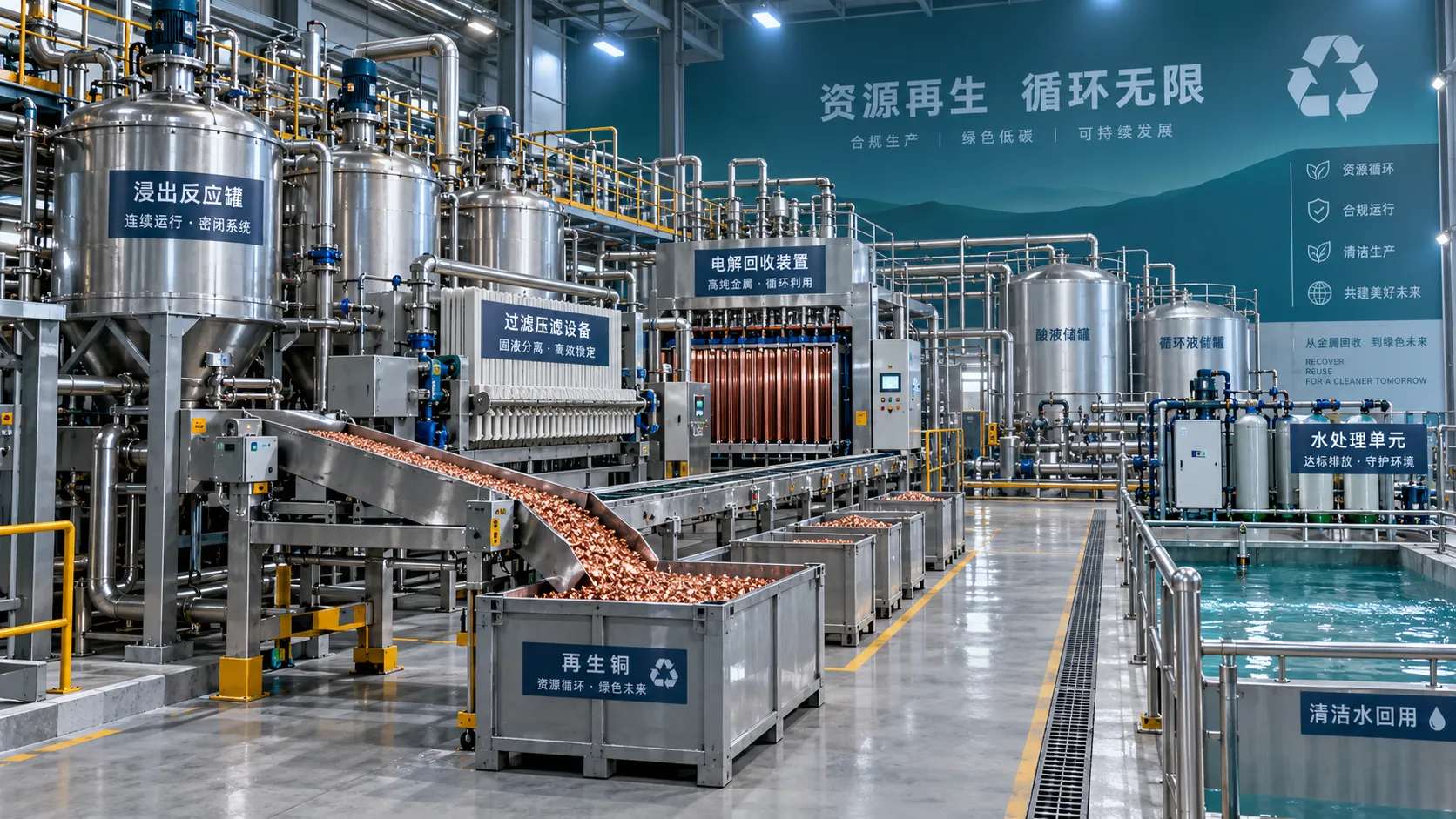
When does repeatable metals recovery infrastructure justify the investment?
Repeatable metals recovery infrastructure: discover when consistent feedstock, lower disposal costs, compliance control, and reliable offtake justify investment.
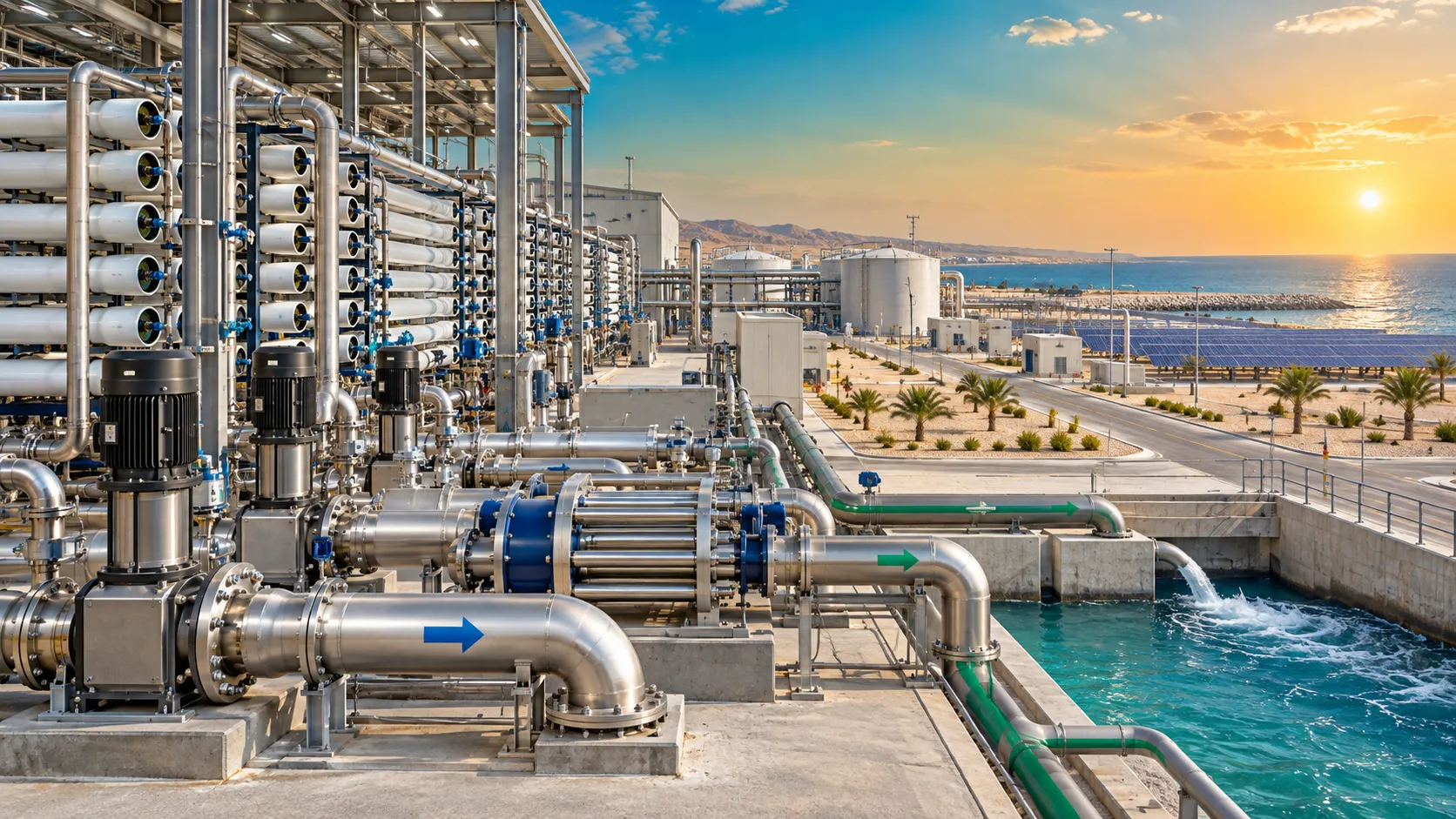
How energy recovery cuts the cost of seawater desalination in the Middle East
Seawater desalination Middle East projects can cut lifecycle costs with energy recovery. Explore savings, bankability, power-risk strategies, and smarter investment decisions.
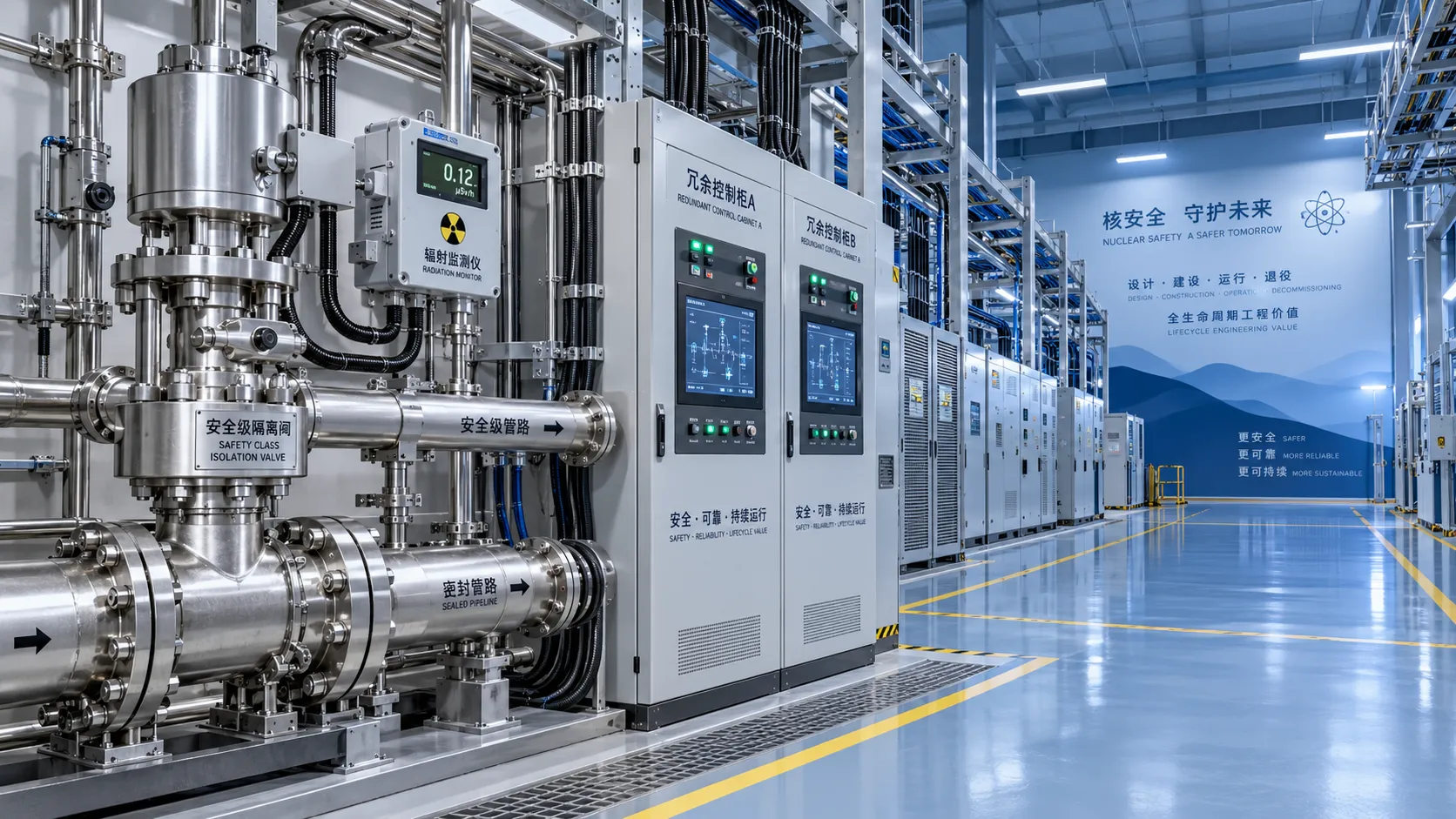
What drives nuclear safety solutions pricing for new facility projects?
Nuclear safety solutions pricing explained: uncover the key cost drivers for new facilities, from qualification and interfaces to lifecycle support.
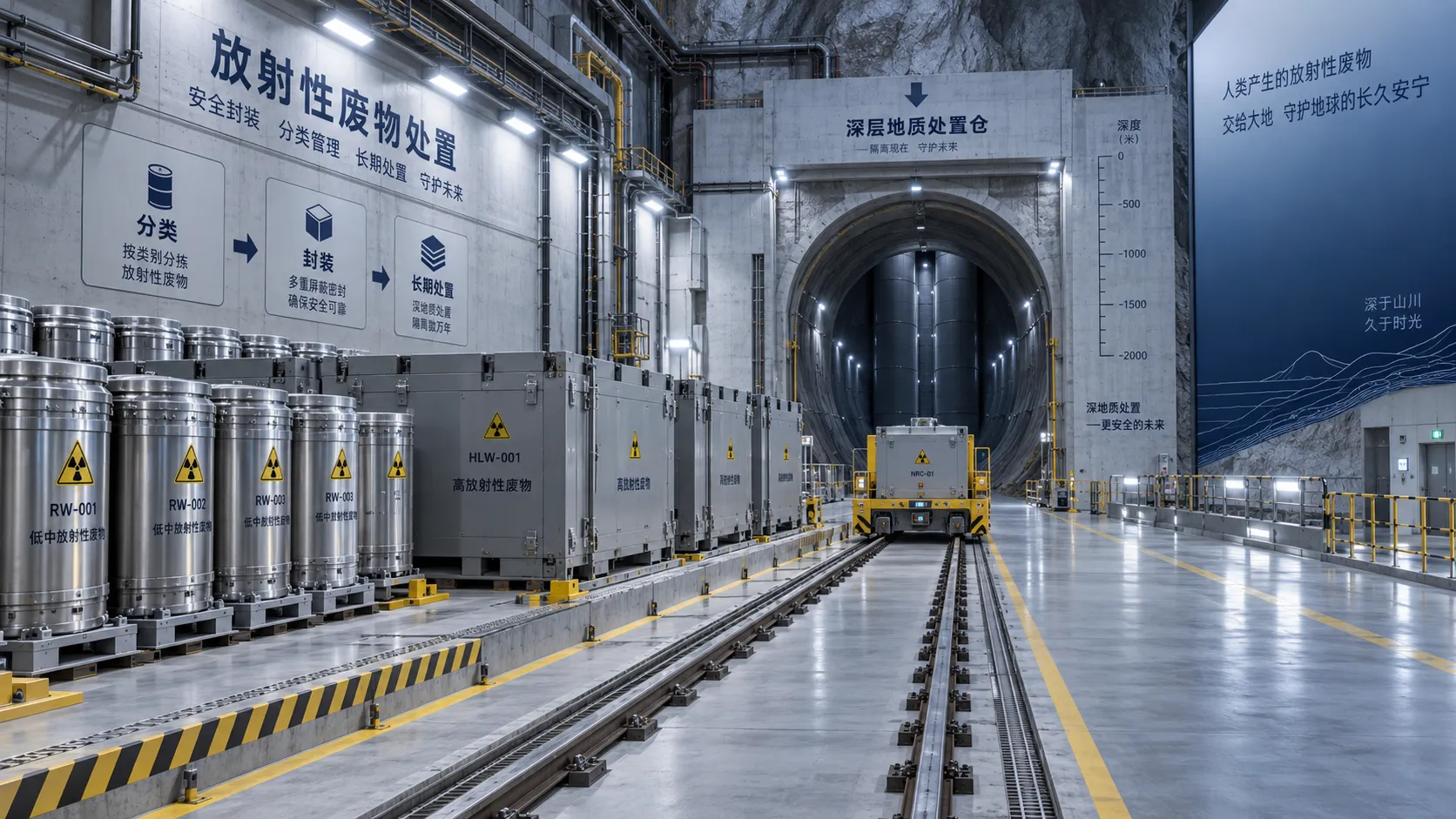
What drives radioactive waste cost over the life of a disposal project?
Radioactive waste cost depends on classification, treatment, transport, storage, disposal access, and long-term compliance. Explore the key lifecycle cost drivers.
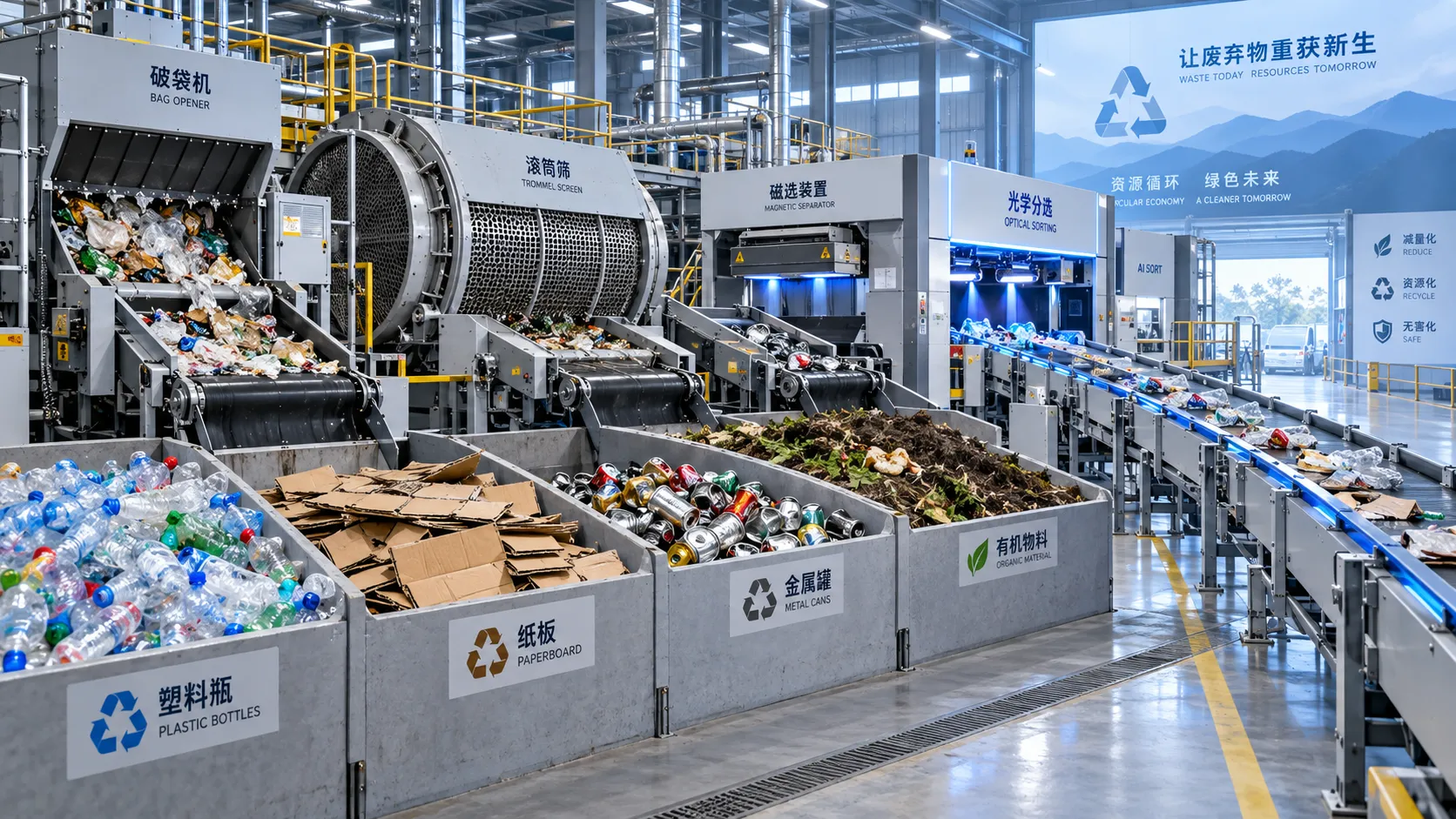
How to choose solid waste equipment based on waste stream characteristics
Environmental equipment guide for solid waste: discover how to match sorting, treatment, and recovery equipment to waste composition, moisture, contamination, and output goals.
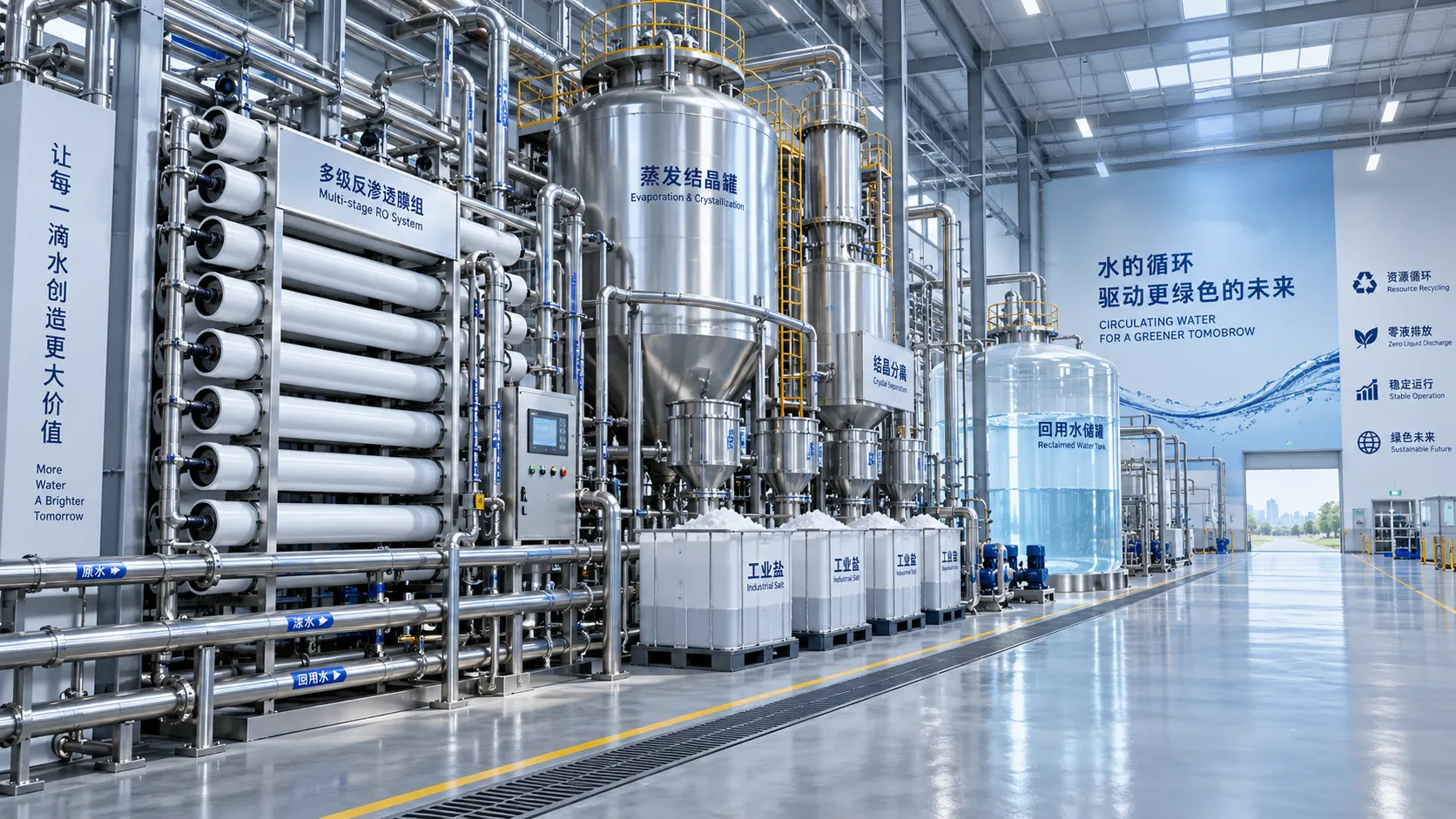
When does high recovery ZLD equipment justify its higher capital cost?
High recovery ZLD equipment can justify higher capital cost when water scarcity, discharge risks, brine disposal, and downtime threaten operations. Explore the decision factors.
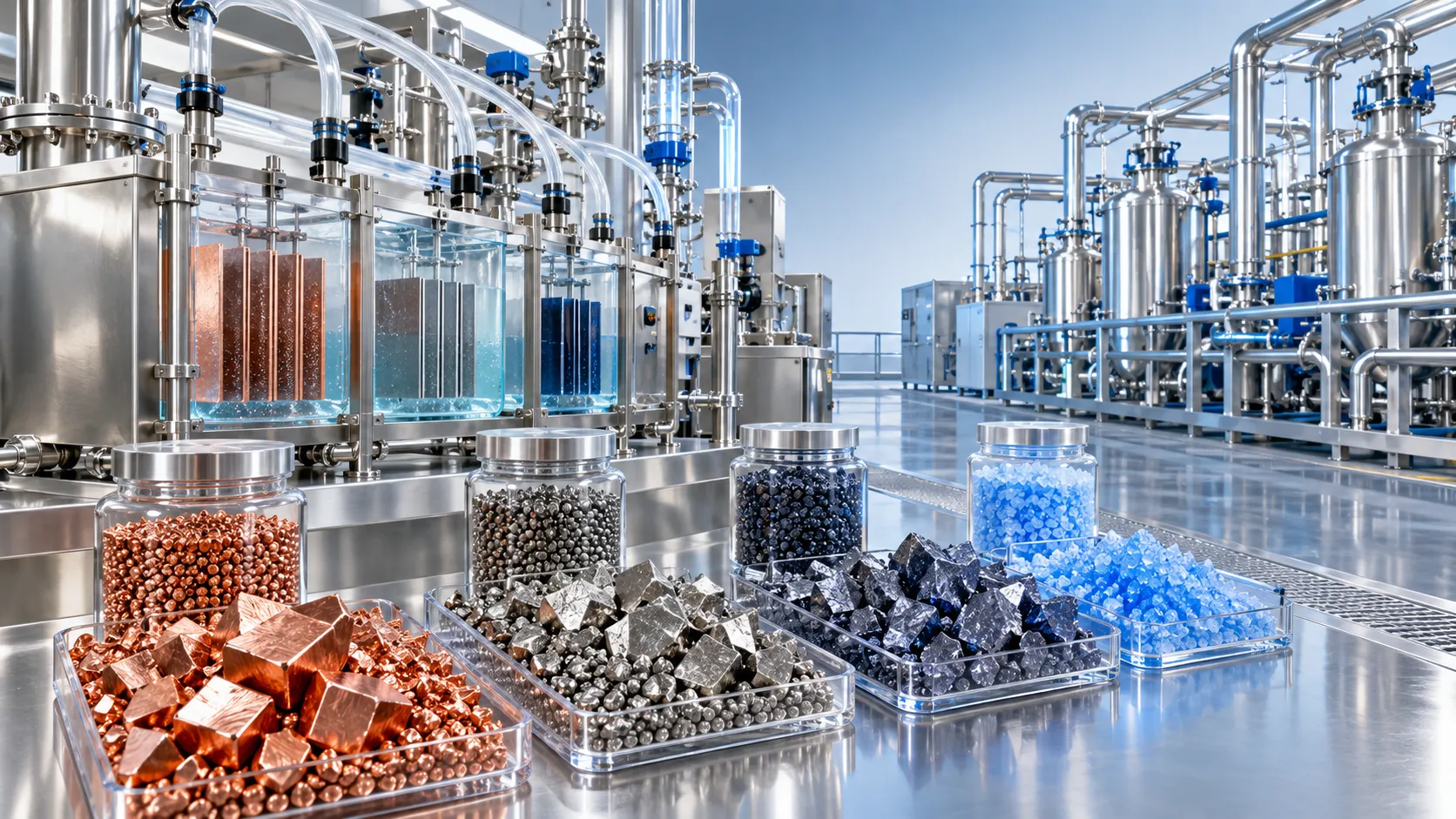
How high purity heavy metal recovery affects recovered metal value
High purity heavy metal recovery boosts recovered metal value by improving payability, reducing penalties, and unlocking stronger buyer opportunities. Explore smarter netback strategies.
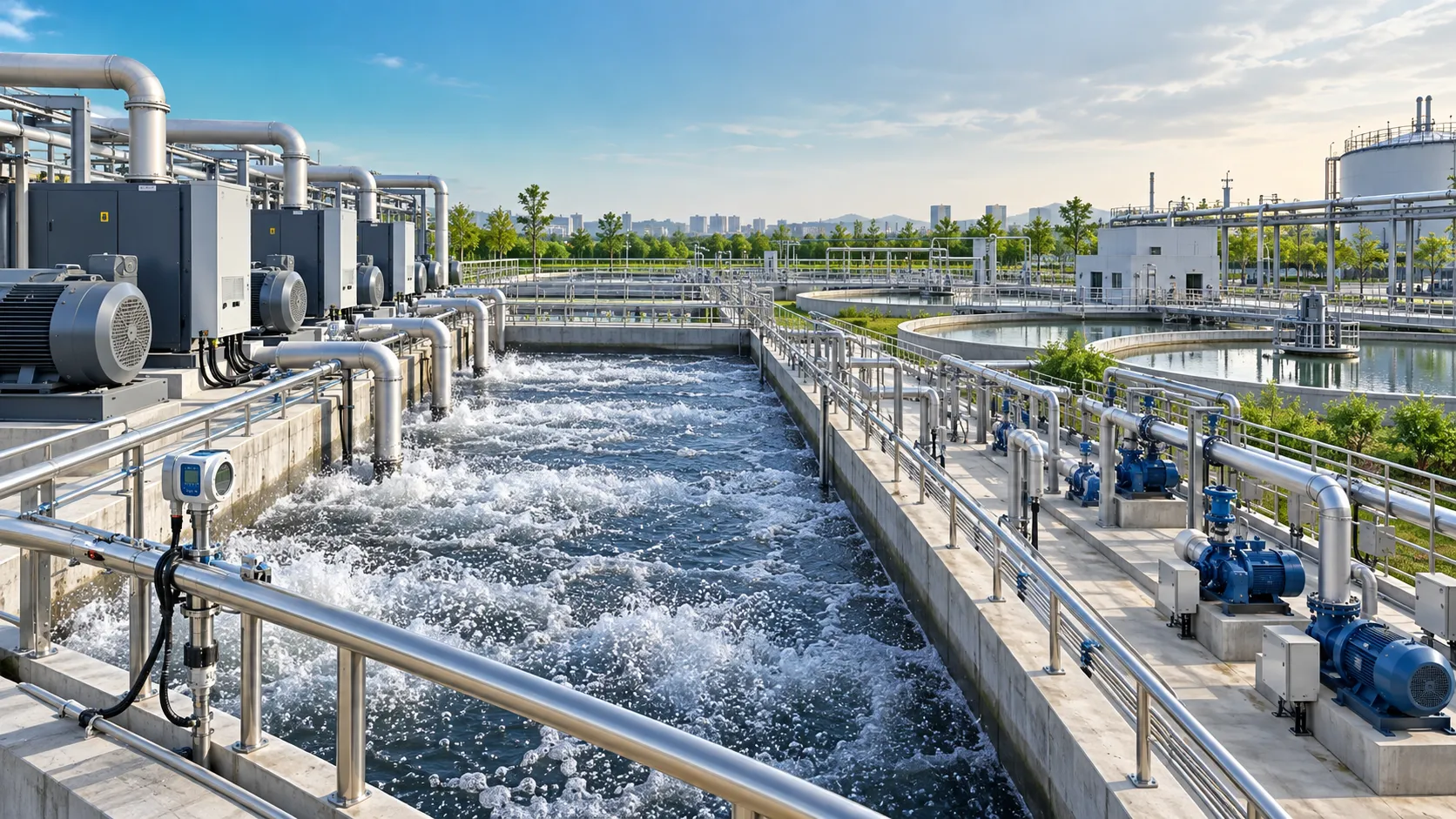
When does environmental equipment intelligence reduce wastewater plant energy use?
Environmental equipment intelligence for wastewater plants cuts energy use through smarter aeration, pumping, and data-driven controls—without compromising compliance. Discover when it delivers measurable savings.
Which Circular Economy Model Is Best for Industrial Waste Recovery?
Which circular economy model works best for industrial waste recovery? Compare closed loops, industrial symbiosis, recycling, and energy recovery to choose the right strategy.