
Industry News
Curation by industry experts
Hot Articles
Popular Tags
Application-Based Solution Selection Guide for Complex Industrial Upgrades
Application-Based Solution Selection Guide for Complex Industrial Upgrades
For complex industrial upgrades, technology selection often fails before procurement begins.
The issue is rarely a lack of options.
It is usually a mismatch between application conditions and solution logic.
That is why an application-based solution selection guide matters.
Instead of comparing equipment in isolation, it starts with operating reality.
Feed composition, load fluctuation, discharge limits, site conditions, and compliance exposure all shape the right answer.
For ESD, this approach fits the sectors defining ecological infrastructure.
These include water treatment, solid waste recovery, flue gas control, seawater desalination, and nuclear waste management.
Across all five, selection quality determines project resilience, financing confidence, and long-term compliance.
Why Application Fit Matters More Than Brand Comparison
Many evaluations still begin with vendor reputation, catalog capacity, or headline efficiency.
Those inputs matter, but they are not enough.
A strong application-based solution selection guide tests whether a technology performs under actual plant stress.
In practical terms, that means asking better questions early.
- What is the real contaminant profile, not the design brochure profile?
- How often does the process run outside nominal load?
- Which regulation creates the highest downside risk?
- What failure mode is most expensive for the site?
- Can operators maintain the system without specialist dependency?
This is where ESD’s intelligence model becomes useful.
Its value is not only in tracking technologies.
It connects process parameters, regulatory movement, and commercial timing.
That combination improves decision quality when projects carry billion-dollar implications.
A Practical Framework for This Application-Based Solution Selection Guide
A useful evaluation framework needs to be simple enough to use, but deep enough to avoid false confidence.
The following sequence works well across complex industrial upgrades.
- Define the application boundary.
- Set non-negotiable performance thresholds.
- Map compliance risks by region and sector.
- Estimate lifecycle cost, not just CAPEX.
- Stress-test operability and maintenance.
- Score adaptability for future tightening.
This application-based solution selection guide becomes more reliable when every option is reviewed against the same matrix.
How to Compare Solutions Across High-Stakes Applications
Large Water Treatment and ZLD
In water treatment, the wrong solution often looks efficient in pilot conditions and expensive in full-scale reality.
This application-based solution selection guide should compare pretreatment quality, membrane fouling risk, concentrate handling, and energy intensity together.
For ZLD, crystallization stability and brine chemistry can decide the project outcome.
A low-cost line item can trigger a high-cost bottleneck later.
Solid Waste Recovery Systems
In recovery projects, feed inconsistency is the rule, not the exception.
Selection should examine sorting accuracy, contamination tolerance, thermal stability, residue value, and offtake certainty.
That is especially true for pyrolysis and AI-enabled sorting lines.
Revenue assumptions must be tied to marketable output quality, not optimistic recovery rates.
Flue Gas Treatment
For flue gas control, chemistry and regulation move together.
A strong application-based solution selection guide should compare sulfur, nitrogen oxides, particulates, temperature windows, and reagent logistics.
Low-temperature SCR performance, catalyst life, and pressure drop deserve special attention.
Small efficiency differences can become major operating cost gaps over time.
Heavy Seawater Desalination
Desalination choices must balance water security with energy discipline.
Here, the application-based solution selection guide should weigh intake quality, membrane durability, pretreatment robustness, recovery rate, and energy recovery design.
SWRO membrane evolution matters, but so do cleaning cycles and brine discharge limits.
In many regions, environmental permitting now shapes technology preference as much as water demand.
Nuclear Waste Management
In nuclear applications, the tolerance for selection error is effectively zero.
Evaluation should cover containment integrity, vitrification stability, remote handling complexity, long-term storage compatibility, and licensing pathway risk.
This is where detailed materials behavior matters more than headline throughput.
The right answer must remain defensible for decades, not just through commissioning.
Key Decision Filters That Prevent Costly Misalignment
Across sectors, several filters consistently improve selection outcomes.
- Use worst-case operating data, not average-only data.
- Separate guaranteed performance from modeled performance.
- Price consumables under realistic supply volatility.
- Check operator burden as a hidden lifecycle cost.
- Review retrofit paths before regulation forces them.
- Treat downtime exposure as a core financial metric.
More clearly now, compliance strategy is no longer a separate workstream.
It is part of the application-based solution selection guide itself.
CBAM pressure, local discharge rules, landfill restrictions, and emission tightening all affect solution value.
A cheaper option can quickly become the more expensive one when compliance windows narrow.
How ESD Supports Smarter Industrial Upgrade Decisions
ESD operates as a strategic intelligence center for equipment-heavy environmental decisions.
Its perspective is valuable because industrial upgrades now require more than technical comparison sheets.
Decision quality improves when solution selection reflects regulatory evolution, material science, operating constraints, and commercial timing together.
That is the practical role of this application-based solution selection guide.
It helps narrow choices by application logic first, then by supplier fit.
For projects in water treatment, resource recovery, flue gas control, desalination, and nuclear waste management, that order matters.
It reduces rework, strengthens bid strategy, and improves confidence in long-horizon investment decisions.
Final Selection Actions
Before final approval, keep the process disciplined.
- Rank options by application fit before price comparison.
- Test each option against realistic upset conditions.
- Model ten-year compliance and operating exposure.
- Confirm maintenance capability at site level.
- Document why the selected solution remains viable under tighter future rules.
A good application-based solution selection guide does not promise a universal answer.
It gives a repeatable method for choosing the right answer for the specific upgrade.
In complex industrial environments, that is what turns technical complexity into a decision you can defend.
Recommended News

How to size a desulfurization equipment scrubber for variable gas flow
Desulfurization equipment scrubber sizing for variable gas flow: optimize SO2 removal, pressure drop, liquid-to-gas control, and compliance across every load.
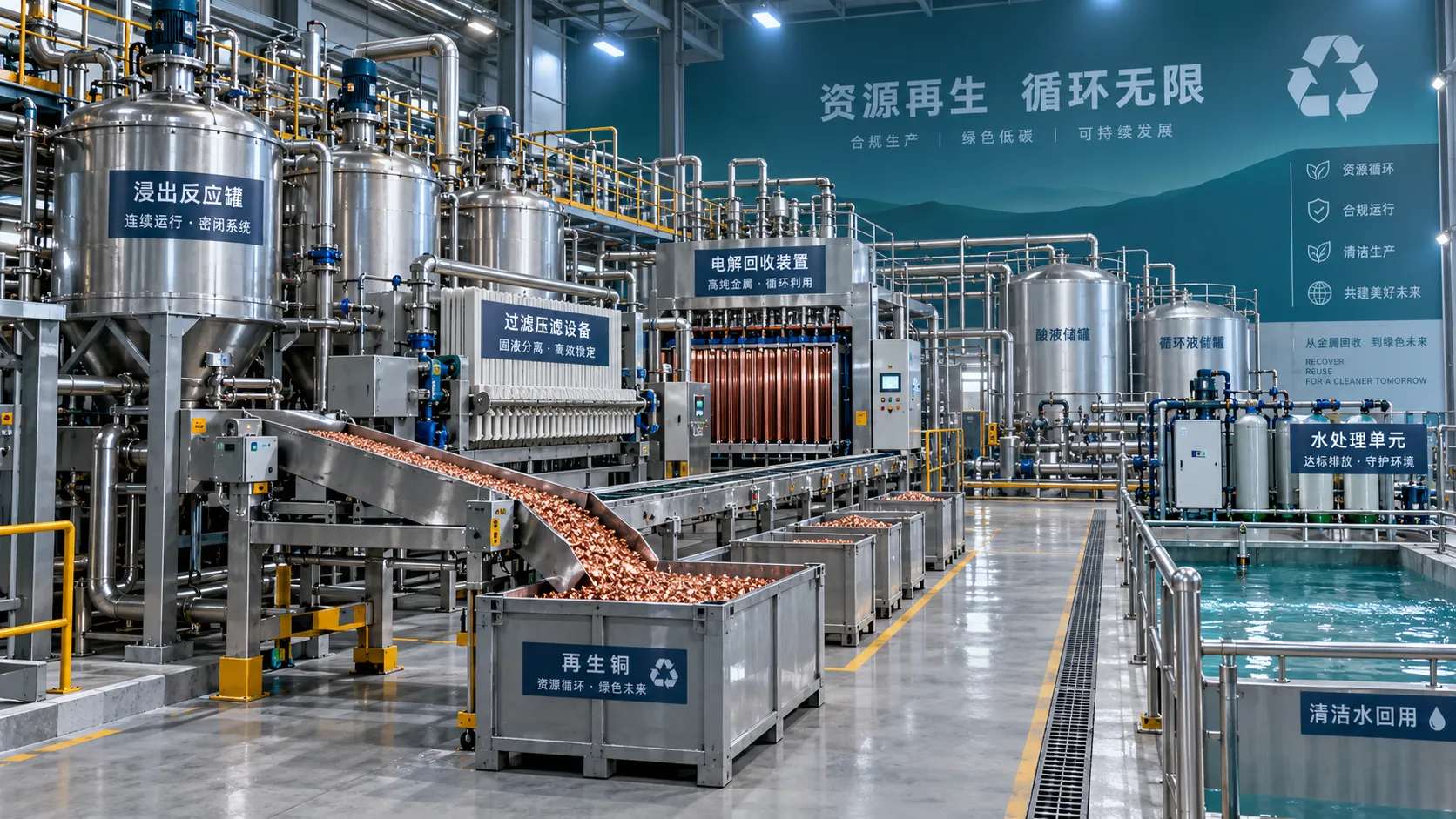
When does repeatable metals recovery infrastructure justify the investment?
Repeatable metals recovery infrastructure: discover when consistent feedstock, lower disposal costs, compliance control, and reliable offtake justify investment.
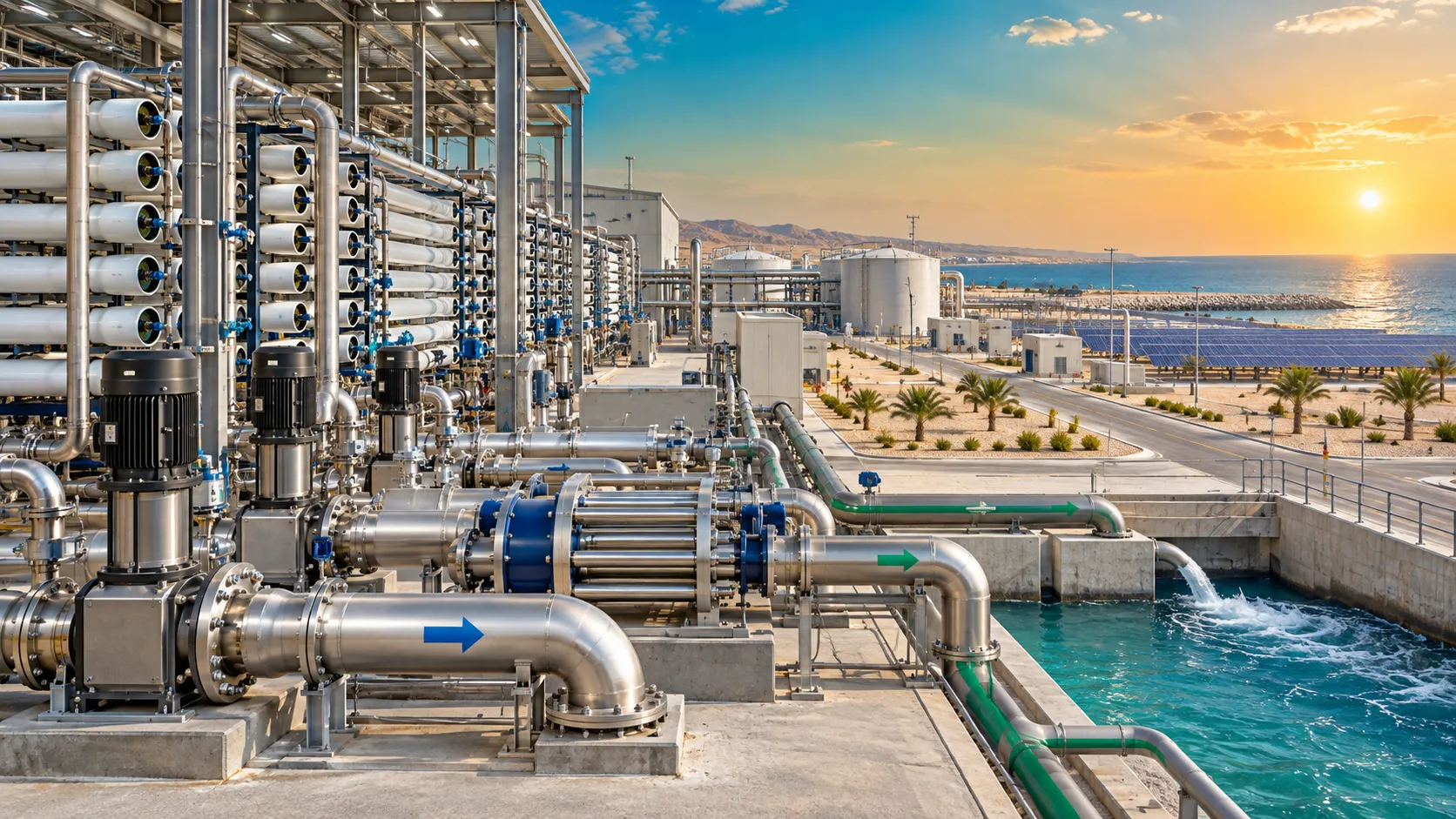
How energy recovery cuts the cost of seawater desalination in the Middle East
Seawater desalination Middle East projects can cut lifecycle costs with energy recovery. Explore savings, bankability, power-risk strategies, and smarter investment decisions.
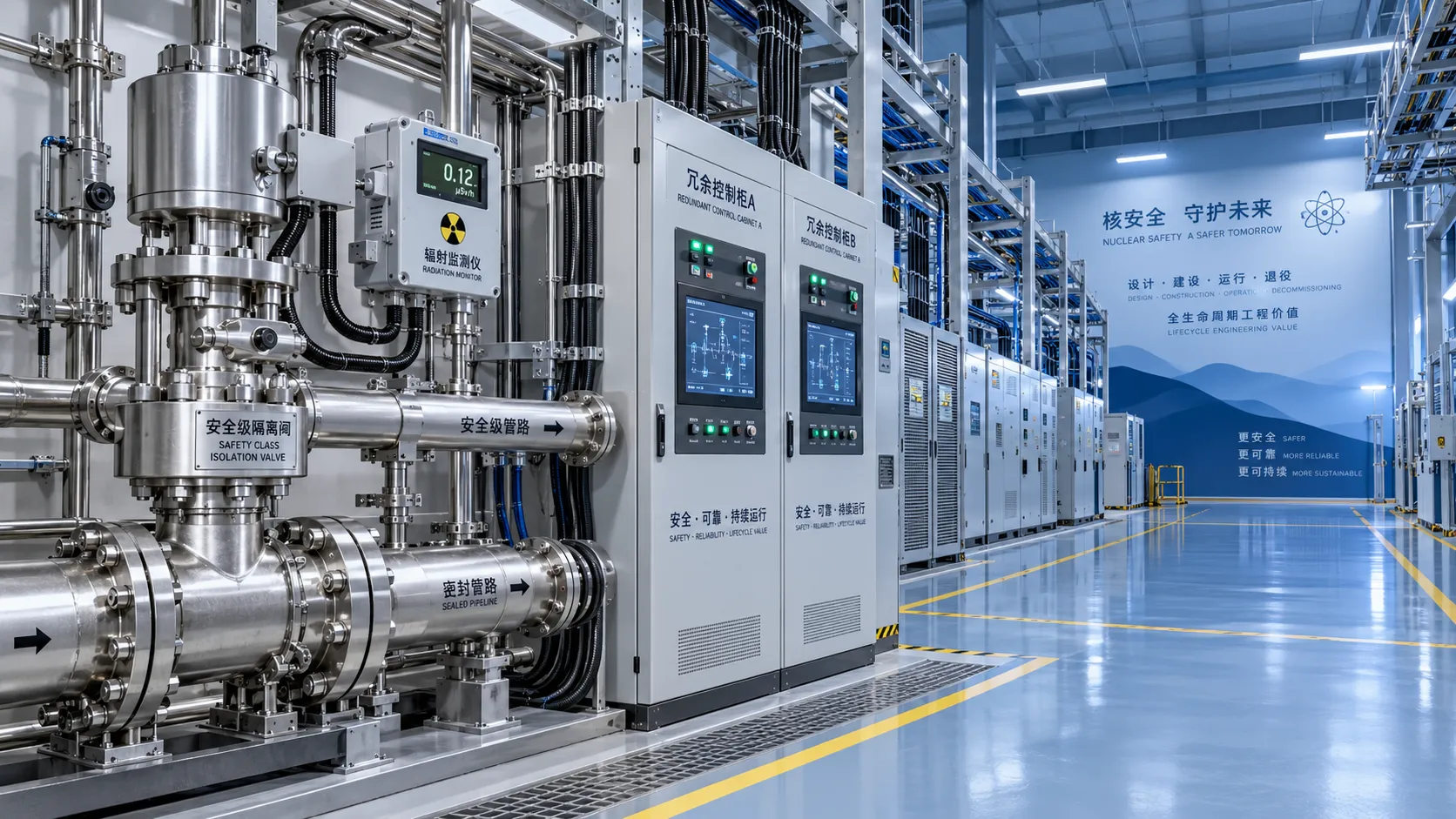
What drives nuclear safety solutions pricing for new facility projects?
Nuclear safety solutions pricing explained: uncover the key cost drivers for new facilities, from qualification and interfaces to lifecycle support.
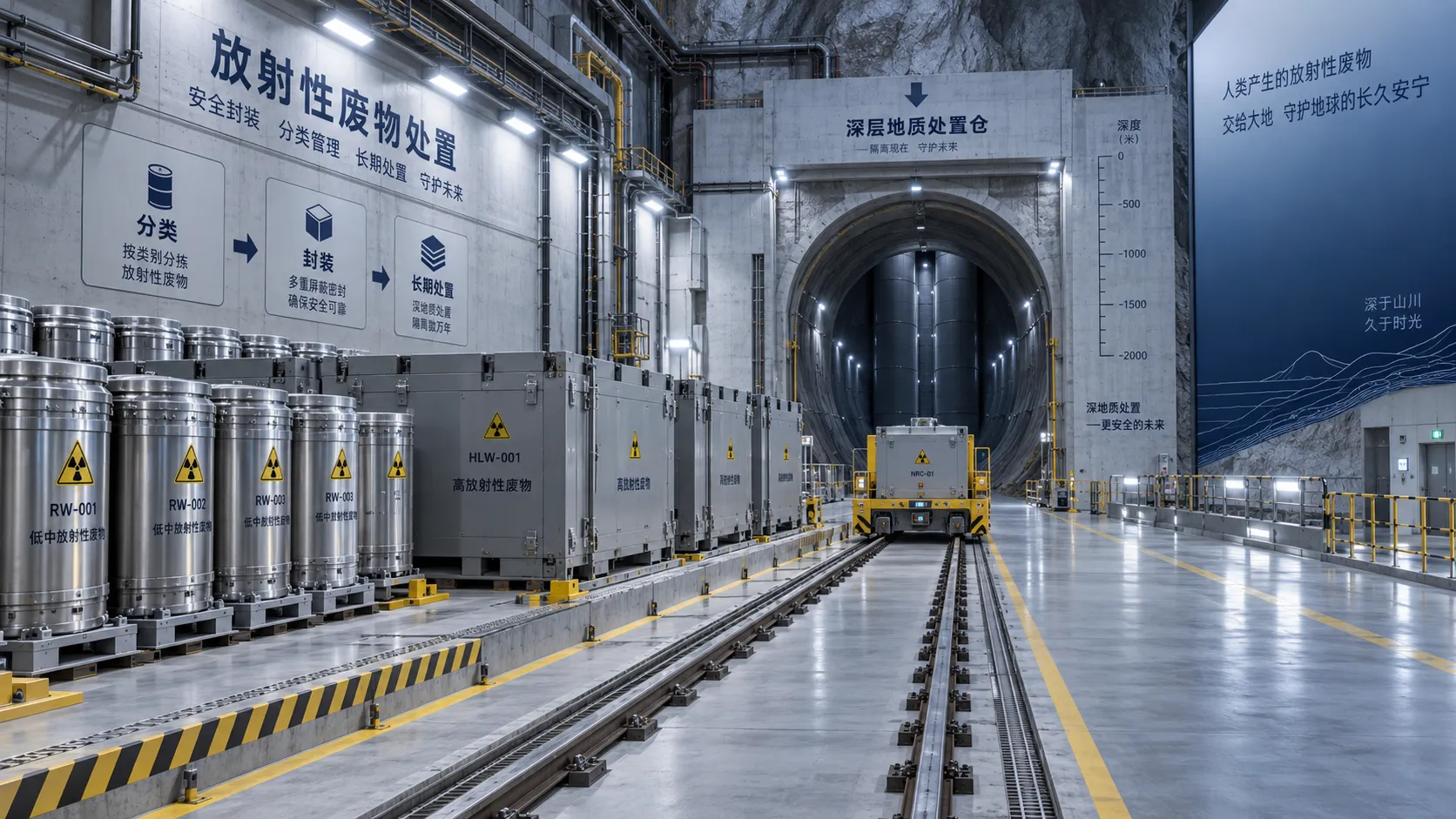
What drives radioactive waste cost over the life of a disposal project?
Radioactive waste cost depends on classification, treatment, transport, storage, disposal access, and long-term compliance. Explore the key lifecycle cost drivers.
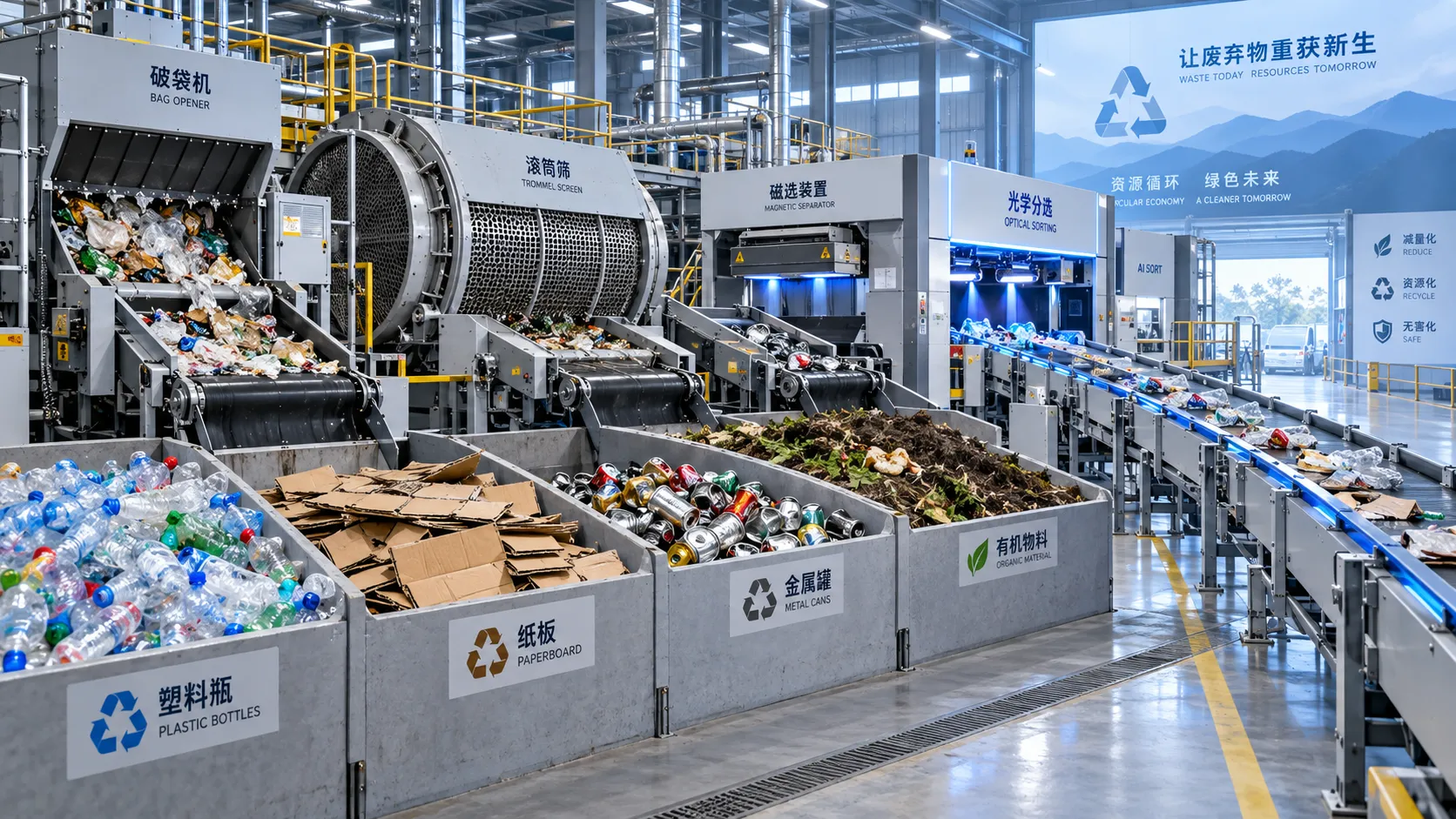
How to choose solid waste equipment based on waste stream characteristics
Environmental equipment guide for solid waste: discover how to match sorting, treatment, and recovery equipment to waste composition, moisture, contamination, and output goals.
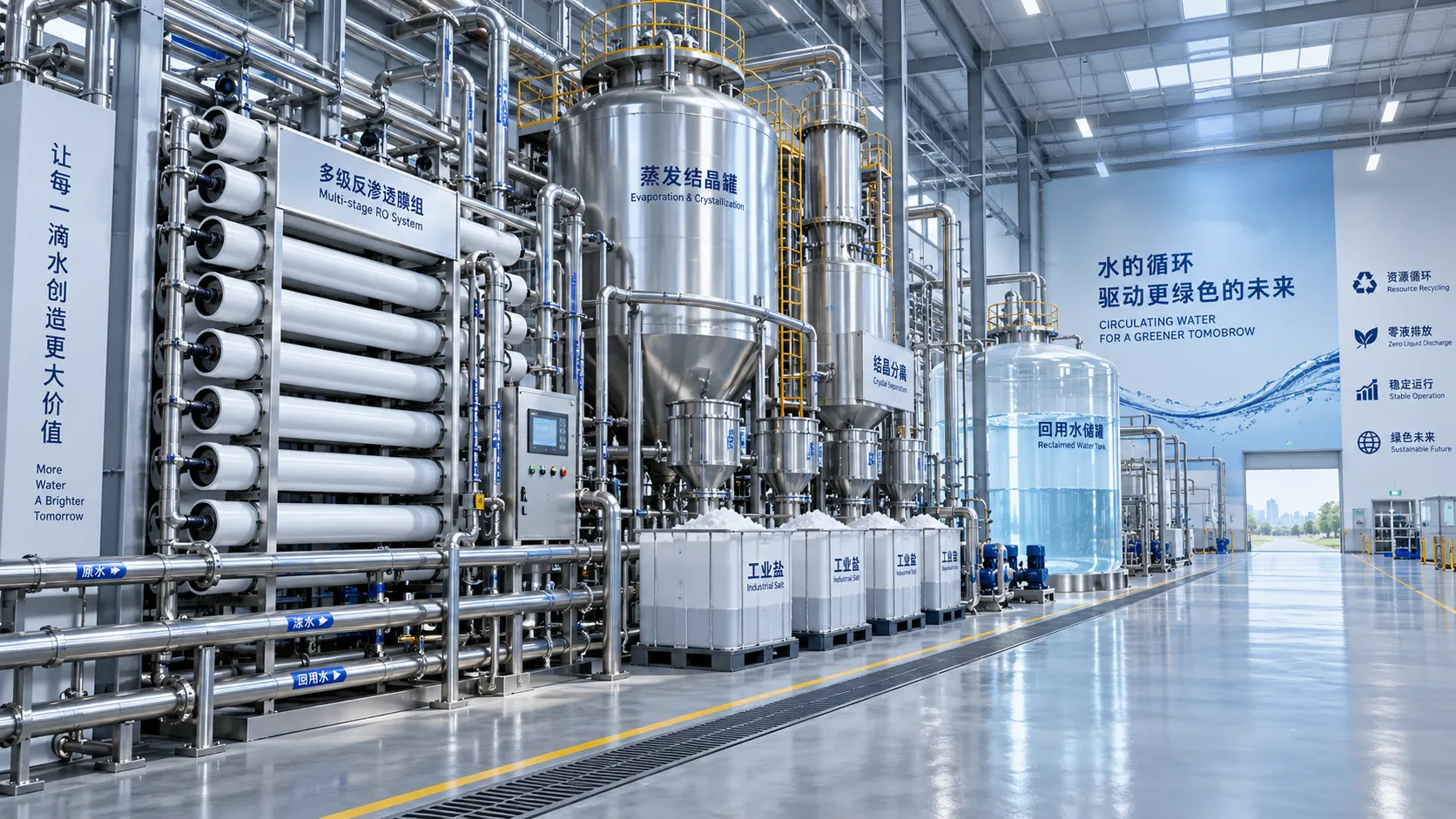
When does high recovery ZLD equipment justify its higher capital cost?
High recovery ZLD equipment can justify higher capital cost when water scarcity, discharge risks, brine disposal, and downtime threaten operations. Explore the decision factors.

How high purity heavy metal recovery affects recovered metal value
High purity heavy metal recovery boosts recovered metal value by improving payability, reducing penalties, and unlocking stronger buyer opportunities. Explore smarter netback strategies.

When does environmental equipment intelligence reduce wastewater plant energy use?
Environmental equipment intelligence for wastewater plants cuts energy use through smarter aeration, pumping, and data-driven controls—without compromising compliance. Discover when it delivers measurable savings.