
Industry News
Curation by industry experts
Hot Articles
Popular Tags
Is Low-Temperature SCR Catalyst Performance Stable Over Time?
Low-temperature SCR catalyst performance can remain stable over time, but only when the catalyst is matched to the flue-gas chemistry and protected from conditions that cause rapid deactivation. A catalyst that performs well during commissioning may lose NOx conversion within months if sulfur species, alkali metals, fly ash, ammonium salts, or repeated temperature excursions are not controlled.
For operators of waste-to-energy plants, biomass boilers, industrial furnaces, cement lines, and units with deep heat recovery, the practical question is less about whether low-temperature SCR works and more about whether the expected activity can be maintained through changing fuel quality, load cycles, shutdowns, and emission-control requirements. The answer depends on the whole gas-treatment train, not on catalyst formulation alone.
Stable performance is possible, but it is conditional
Low-temperature SCR systems are designed to reduce NOx where flue-gas temperatures are below the preferred operating window of conventional SCR catalysts. They are often considered when reheating the gas would impose a high energy penalty, when space limits make a high-dust SCR arrangement impractical, or when the plant must meet a tighter NOx limit after the original boiler or furnace was built.
At lower temperatures, however, the catalyst operates with less chemical margin. The NOx reduction reaction can still be effective, but competing reactions become more influential. Sulfur dioxide can be converted into sulfur trioxide; ammonia can react with sulfur-containing species to form ammonium bisulfate or ammonium sulfate; water vapor can affect adsorption behavior; and deposited dust can block catalyst pores and gas channels. These effects do not always appear immediately in a standard activity test, which is why early results can be misleading.
A low-temperature catalyst should therefore be judged as a system component with a defined operating envelope. Stable operation is realistic when temperature, ammonia distribution, particulate loading, sulfur exposure, and cleaning practices stay within that envelope. It becomes unreliable when the catalyst is expected to compensate for unstable upstream combustion or inadequate particulate and sulfur control.
Temperature stability matters more than the nominal operating temperature
It is common to focus on the minimum temperature stated for a low-temperature SCR catalyst. That figure is useful, but it does not describe long-term durability. The more important operating question is how often the reactor sees temperatures below the intended range, how quickly temperature changes occur, and whether the catalyst is exposed to sulfur and ammonia during those periods.
When gas temperature falls, the rate of NOx reduction declines. Operators may respond by increasing ammonia injection to preserve stack performance. This can create a second problem: ammonia slip rises, and unreacted ammonia may combine with sulfur compounds in the gas stream. The resulting salts can deposit on catalyst surfaces, increase pressure drop, obstruct active sites, and create a condition in which activity falls even after temperature returns to normal.
Frequent load following is especially important. A unit that operates steadily at one low temperature can be easier to manage than a unit that repeatedly moves through a wide temperature range during start-ups, shutdowns, fuel changes, or intermittent production. Each excursion may be manageable in isolation. Over time, the accumulation of deposits and thermal stress can materially shorten the useful campaign life.
Operating teams should track temperature distribution across the catalyst layers, not only the average reactor inlet temperature. A favorable average can conceal cold zones caused by uneven gas flow, air leakage, poor insulation, fouling, or an upstream duct arrangement. Those cold zones are often where deposition begins.
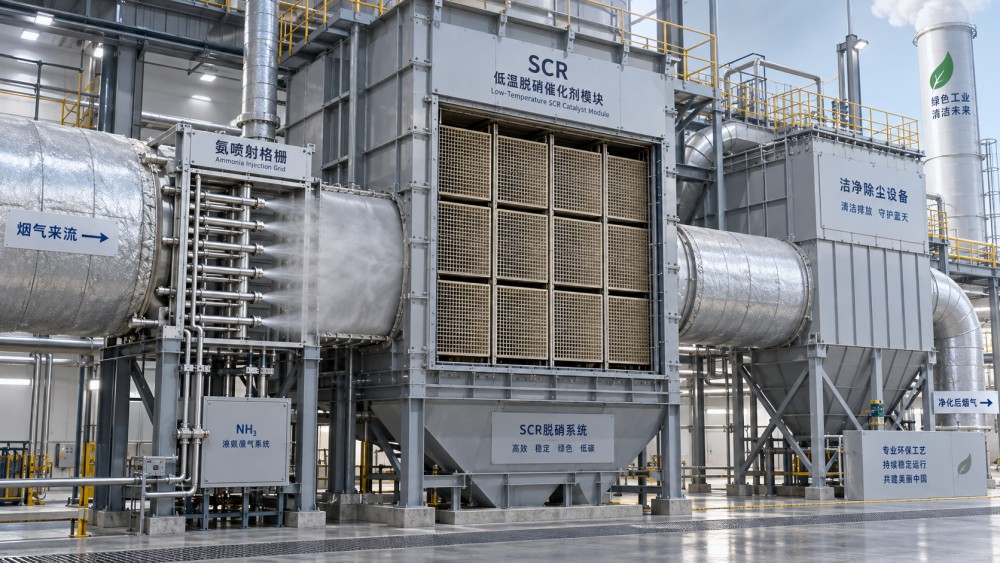
Sulfur poisoning is often the deciding durability issue
Sulfur is one of the largest risks to low-temperature SCR stability. Its impact varies with fuel composition, upstream desulfurization performance, catalyst chemistry, temperature, oxygen concentration, and ammonia injection strategy. A catalyst may tolerate a certain sulfur level under stable conditions but deteriorate rapidly when sulfur exposure is combined with low temperature and excess ammonia.
There are two broad mechanisms to distinguish. One is reversible or partly reversible surface coverage, where sulfur-containing compounds occupy sites needed for the SCR reaction. The other is more persistent chemical poisoning or pore blockage, which may require regeneration and can eventually lead to irreversible loss of activity. The practical difference is substantial: a temporary performance decline can sometimes be addressed through cleaning and operating adjustments, while permanent deactivation changes the replacement schedule and lifecycle cost.
Plants handling coal-derived gas, heavy fuel oils, waste-derived fuels, sulfur-bearing industrial off-gases, or variable mixed feedstocks should treat sulfur control as a catalyst-management issue, not solely as an emissions issue. Upstream removal equipment may meet its own outlet target while still leaving a sulfur profile that is unfavorable for low-temperature catalyst service.
It is also important to examine sulfur variability rather than relying only on an annual average. Short periods of high sulfur input can have outsized consequences if they occur during low-load operation or while the SCR system is receiving elevated ammonia flow. For waste-to-energy and industrial thermal processes, fuel acceptance rules and blending practices may affect catalyst life as much as the nameplate design of the reactor.
Fly ash and trace contaminants can quietly reduce activity
Low-temperature SCR reactors are often installed after particulate-control or desulfurization equipment to reduce dust exposure. That arrangement can protect the catalyst, but “low dust” does not mean “clean gas.” Fine particulate, residual aerosol, acid mist, and sticky condensable compounds can still reach the catalyst. Where the gas stream contains metals, alkalis, chlorides, phosphorus, arsenic, or other catalyst poisons, the risk assessment must go beyond total dust concentration.
Alkali and alkaline-earth compounds can neutralize acidic active sites on some catalyst formulations. Arsenic and phosphorus can cause severe chemical deactivation in certain applications. Chlorides and heavy metals may contribute to surface changes or deposit formation, depending on gas composition and operating temperature. The exact response depends on the catalyst material, so a generic claim of “poison resistance” is not enough for selection.
Dust loading also affects pressure drop and gas distribution. As channels foul, gas may bypass active areas or flow unevenly through the catalyst block. The plant can then observe falling NOx conversion even when laboratory analysis of an extracted catalyst sample suggests that its intrinsic activity remains acceptable. In that situation, the core problem is reactor hydraulics and deposit management rather than catalyst chemistry alone.
A sound evaluation should separate these failure modes:
- Intrinsic deactivation: loss of active sites through chemical poisoning, sintering, or structural change.
- Surface fouling: deposits covering pores or channel walls, sometimes removable through cleaning or regeneration.
- Flow maldistribution: uneven velocity, temperature, or ammonia concentration across the catalyst face.
- Ammonia-control imbalance: excessive injection used to offset lower activity, creating slip and salt deposition.
Without that distinction, a plant can replace catalyst that could have been restored, or repeatedly clean a catalyst that has already suffered permanent poisoning.
Moisture and ammonia distribution affect long-term behavior
Water vapor is inherent to most combustion flue gas and is not automatically a problem. Its influence becomes more significant when moisture interacts with sulfur compounds, low surface temperature, and ammonia slip. Condensation or near-condensation conditions should be avoided unless the selected catalyst and reactor design are explicitly suited to them. Local cold spots around duct walls, support structures, or poorly insulated sections can be more damaging than the bulk gas condition suggests.
Ammonia distribution deserves equal attention. Even a durable catalyst will not deliver stable NOx conversion if one section of the reactor receives too little reagent and another receives too much. Under-injected zones create local NOx breakthrough. Over-injected zones encourage ammonia slip and deposit formation. Both outcomes can lead operators to conclude that the catalyst is aging faster than it really is.
Grid design, mixer performance, flow straightening, and periodic verification of ammonia-to-NOx distribution are therefore part of catalyst life management. This is particularly relevant after boiler modifications, duct repairs, changes in fan operation, replacement of upstream equipment, or a shift in fuel mix. Gas-flow conditions that were acceptable at commissioning may no longer be representative years later.
Regeneration can extend service life, but it is not a universal reset
Regeneration is often discussed as a way to improve the economics of SCR catalyst ownership. It can be valuable, particularly when activity loss is caused by removable deposits, surface contamination, or accumulated ammonium salts. Yet regeneration should not be treated as a guaranteed return to original performance.
The result depends on the mechanism of deactivation. A catalyst with blocked pores may recover substantially after suitable cleaning and treatment. A catalyst whose active structure has been chemically altered may recover only partly, if at all. Mechanical damage, channel plugging, erosion, and loss of catalyst coating cannot always be corrected through regeneration.
Before sending catalyst for regeneration, the operator should have a clear diagnostic basis: operating history, inlet and outlet NOx trends, ammonia-slip data, pressure-drop history, temperature maps, visual inspection, and representative sample analysis. Sending material for treatment without identifying the likely failure mode can produce an optimistic but incomplete assessment of remaining service value.
Regeneration also needs to fit the plant’s outage strategy. A facility with no spare catalyst volume may be forced into a long outage or accept reduced compliance margin during replacement. Designing the reactor with accessible layers, practical lifting arrangements, and a defined spare-catalyst plan can be more valuable than achieving the lowest initial catalyst price.
How to evaluate durability before selecting a catalyst
For a new project or retrofit, the most useful procurement question is not simply “What is the catalyst life?” A supplier cannot give a meaningful answer without a realistic flue-gas envelope. Lifetime claims should be tied to documented assumptions about temperature, sulfur species, dust, trace contaminants, moisture, oxygen, NOx concentration, ammonia reagent quality, and expected operating hours.
A disciplined technical review should request the following:
- Expected minimum, normal, and maximum reactor inlet temperatures, including start-up and low-load periods.
- Ranges for SO2, SO3, particulate matter, acid mist, moisture, and relevant trace contaminants.
- Fuel or feedstock variability that could change sulfur, alkali, chlorine, or metal loading.
- Target NOx outlet concentration and allowable ammonia-slip limit under normal and upset conditions.
- Evidence of performance under comparable gas chemistry, rather than only under clean synthetic test gas.
- Pressure-drop limits, cleaning access, catalyst layer arrangement, and replacement logistics.
- A monitoring and sampling plan for detecting deactivation before compliance margin is exhausted.
Comparing catalyst offerings only by low-temperature activity can lead to an expensive mismatch. A formulation with very high initial conversion may not be the best commercial choice if it is sensitive to the contaminants present in the actual gas stream. Conversely, a catalyst with a slightly narrower activity advantage may deliver better annual performance if it preserves structure and resists fouling for longer.
Performance should be managed as a trend, not a pass-fail event
Low-temperature SCR catalyst aging is usually gradual, although a fuel-quality upset or major deposition event can accelerate it abruptly. The most useful operational indicators are linked trends: NOx reduction efficiency, ammonia-slip behavior, catalyst-layer pressure drop, reactor inlet temperature, and reagent demand at comparable load conditions.
If more ammonia is required to achieve the same outlet NOx level, the plant should investigate before simply increasing injection further. The cause may be catalyst aging, but it may also be poor distribution, changed inlet NOx, colder gas, fouling, air leakage, or a shift in sulfur exposure. Early diagnosis preserves more options. Once ammonia salts and deposits have become extensive, the response may require cleaning, regeneration, or catalyst replacement under time pressure.
Low-temperature SCR technology can provide durable NOx control, particularly where energy recovery or process constraints make higher-temperature operation unattractive. Its stability over time is earned through realistic gas characterization, disciplined temperature control, careful ammonia management, and a planned response to sulfur and deposit risks. A catalyst should be selected for the gas stream the plant will actually operate, including its difficult days, rather than the ideal condition used to demonstrate initial conversion.
Recommended News
When does repeatable metals recovery infrastructure justify the investment?
Repeatable metals recovery infrastructure: discover when consistent feedstock, lower disposal costs, compliance control, and reliable offtake justify investment.
How energy recovery cuts the cost of seawater desalination in the Middle East
Seawater desalination Middle East projects can cut lifecycle costs with energy recovery. Explore savings, bankability, power-risk strategies, and smarter investment decisions.
What drives nuclear safety solutions pricing for new facility projects?
Nuclear safety solutions pricing explained: uncover the key cost drivers for new facilities, from qualification and interfaces to lifecycle support.
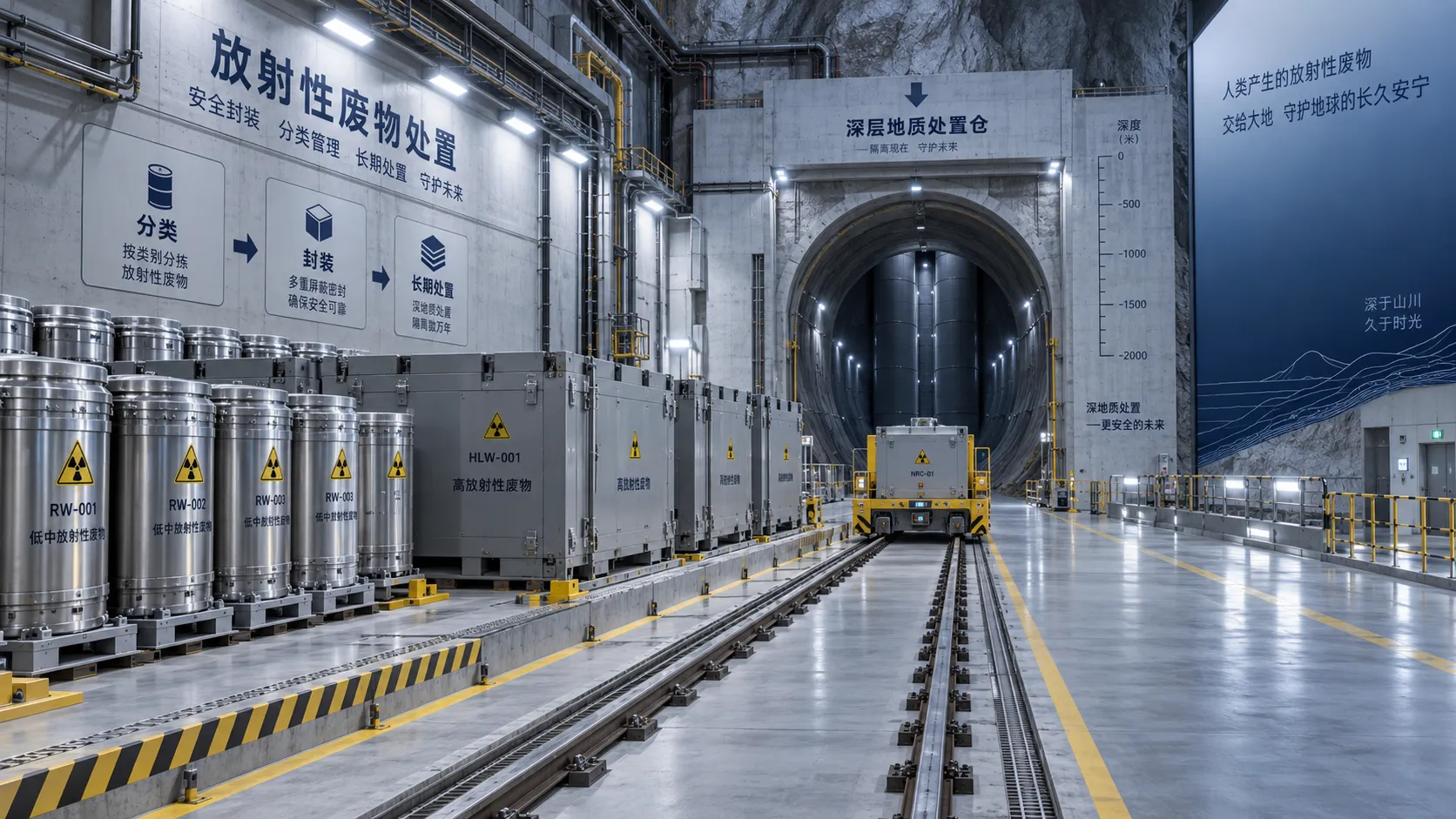
What drives radioactive waste cost over the life of a disposal project?
Radioactive waste cost depends on classification, treatment, transport, storage, disposal access, and long-term compliance. Explore the key lifecycle cost drivers.
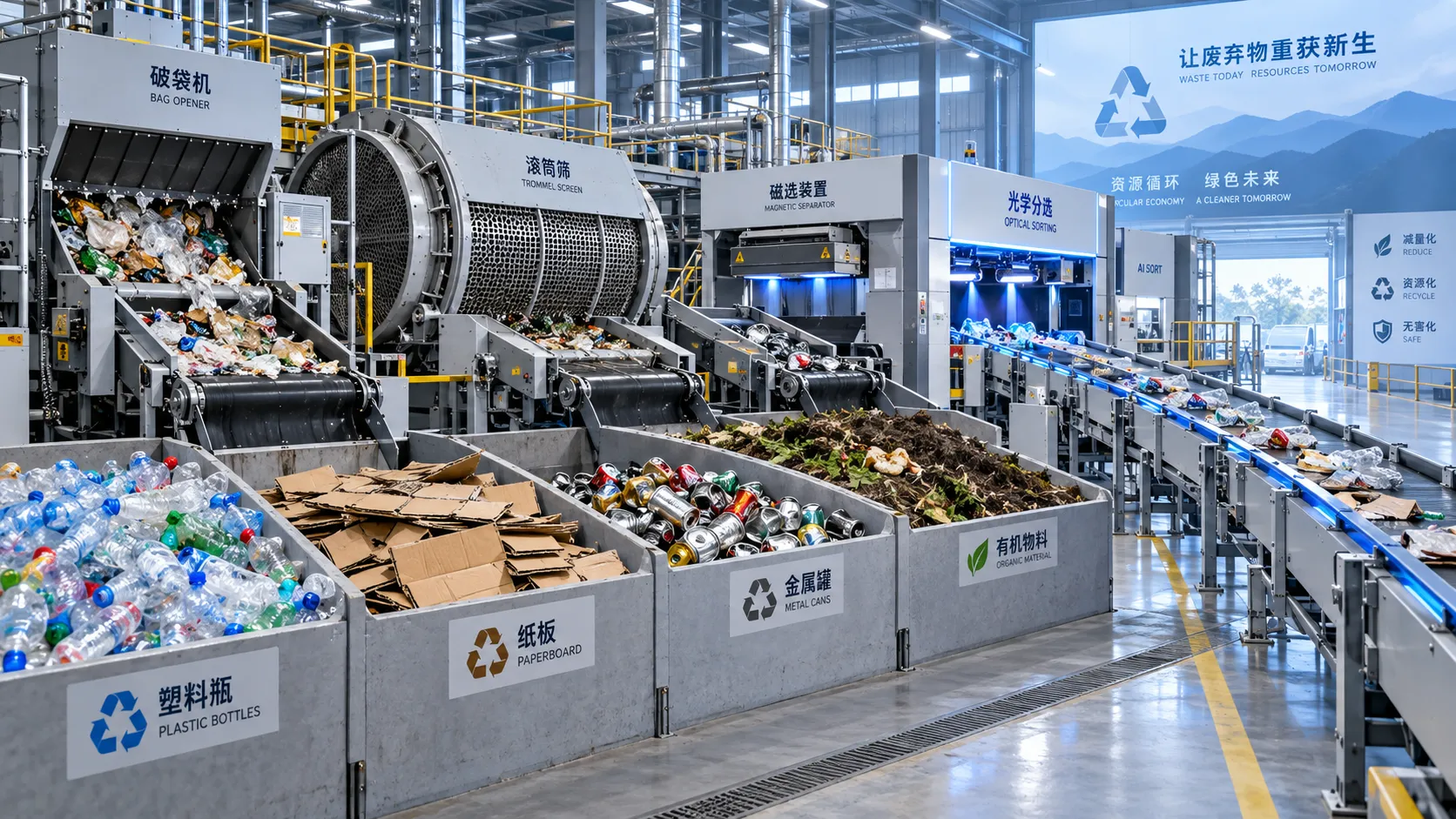
How to choose solid waste equipment based on waste stream characteristics
Environmental equipment guide for solid waste: discover how to match sorting, treatment, and recovery equipment to waste composition, moisture, contamination, and output goals.
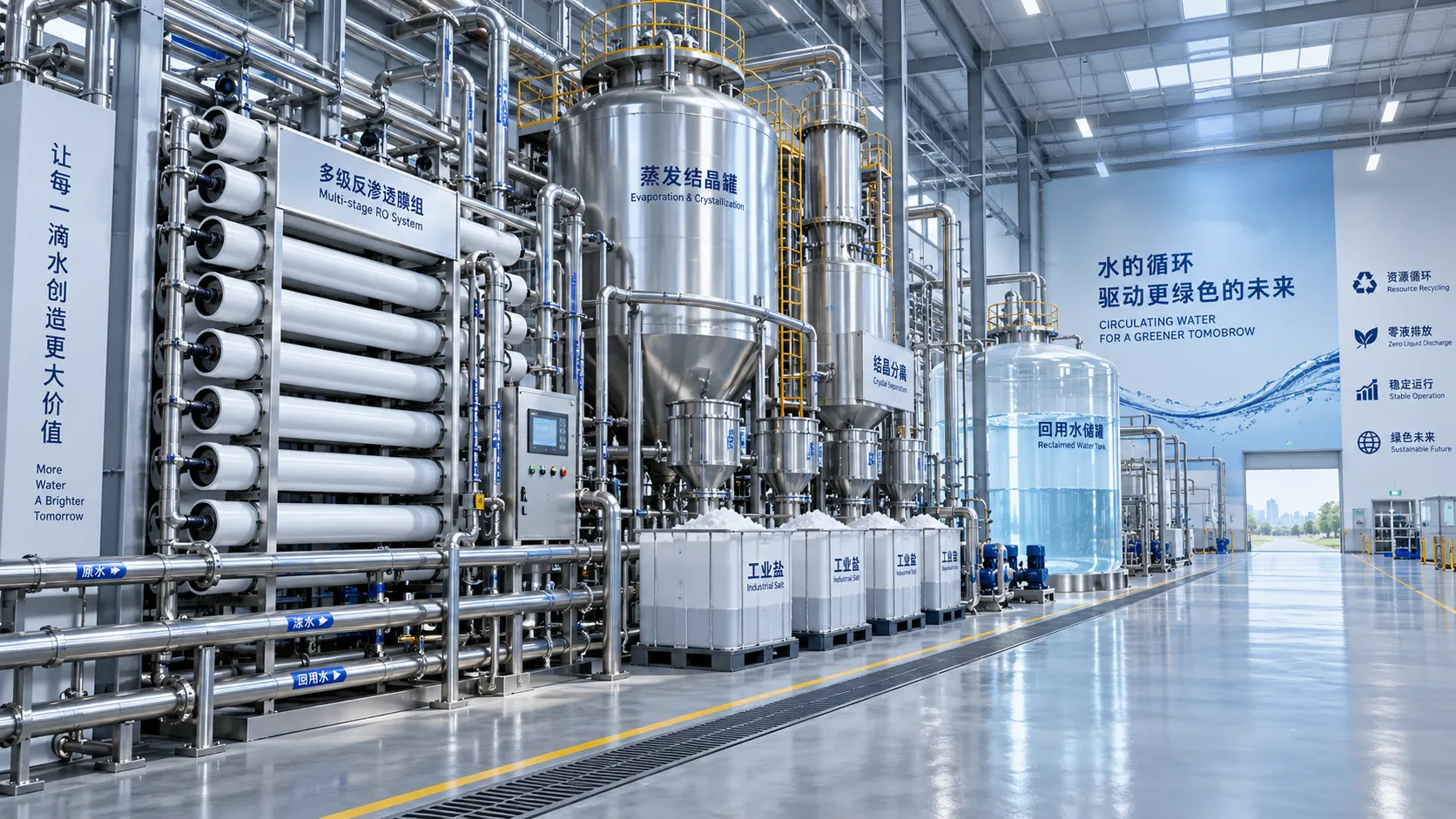
When does high recovery ZLD equipment justify its higher capital cost?
High recovery ZLD equipment can justify higher capital cost when water scarcity, discharge risks, brine disposal, and downtime threaten operations. Explore the decision factors.
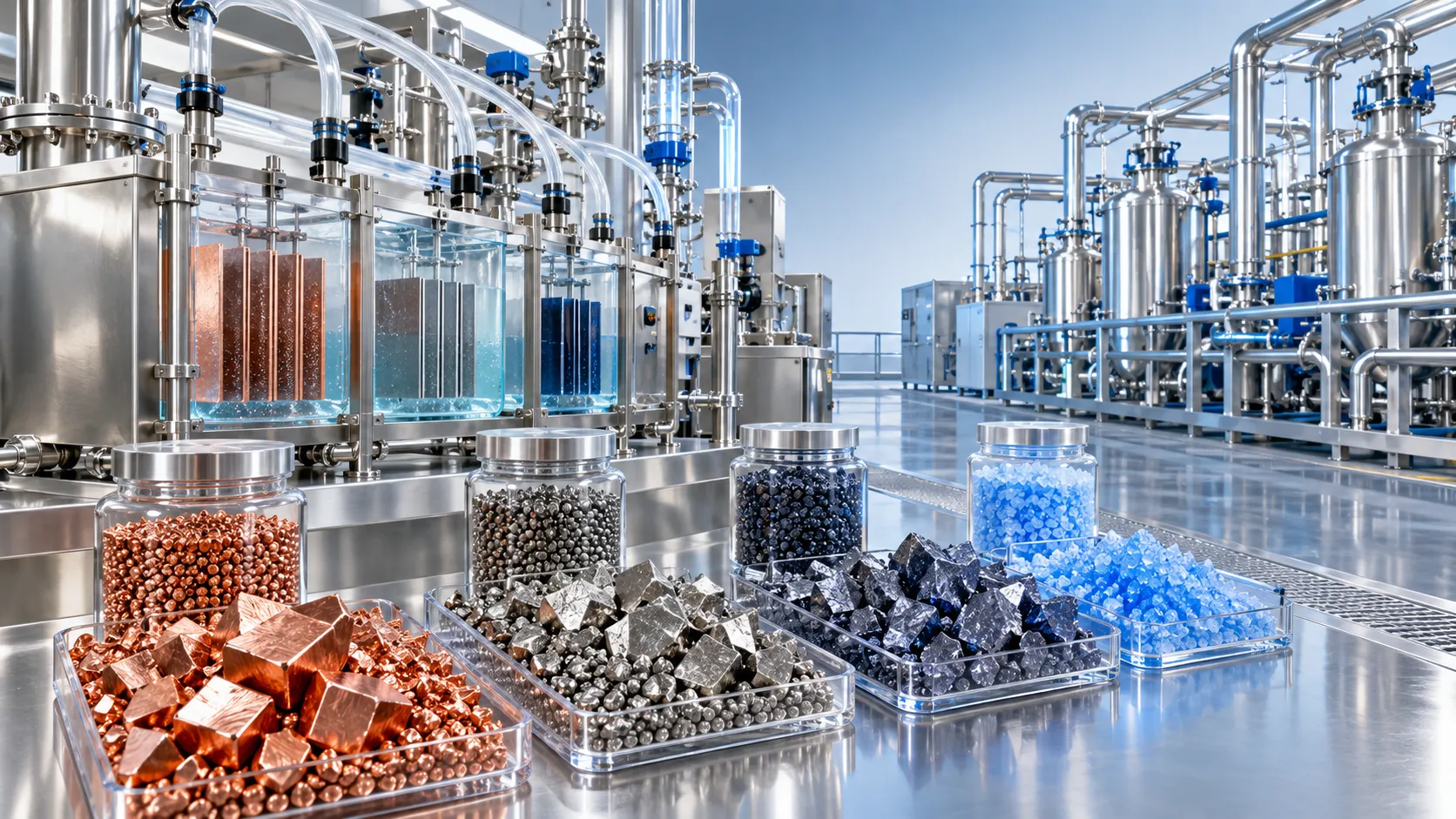
How high purity heavy metal recovery affects recovered metal value
High purity heavy metal recovery boosts recovered metal value by improving payability, reducing penalties, and unlocking stronger buyer opportunities. Explore smarter netback strategies.
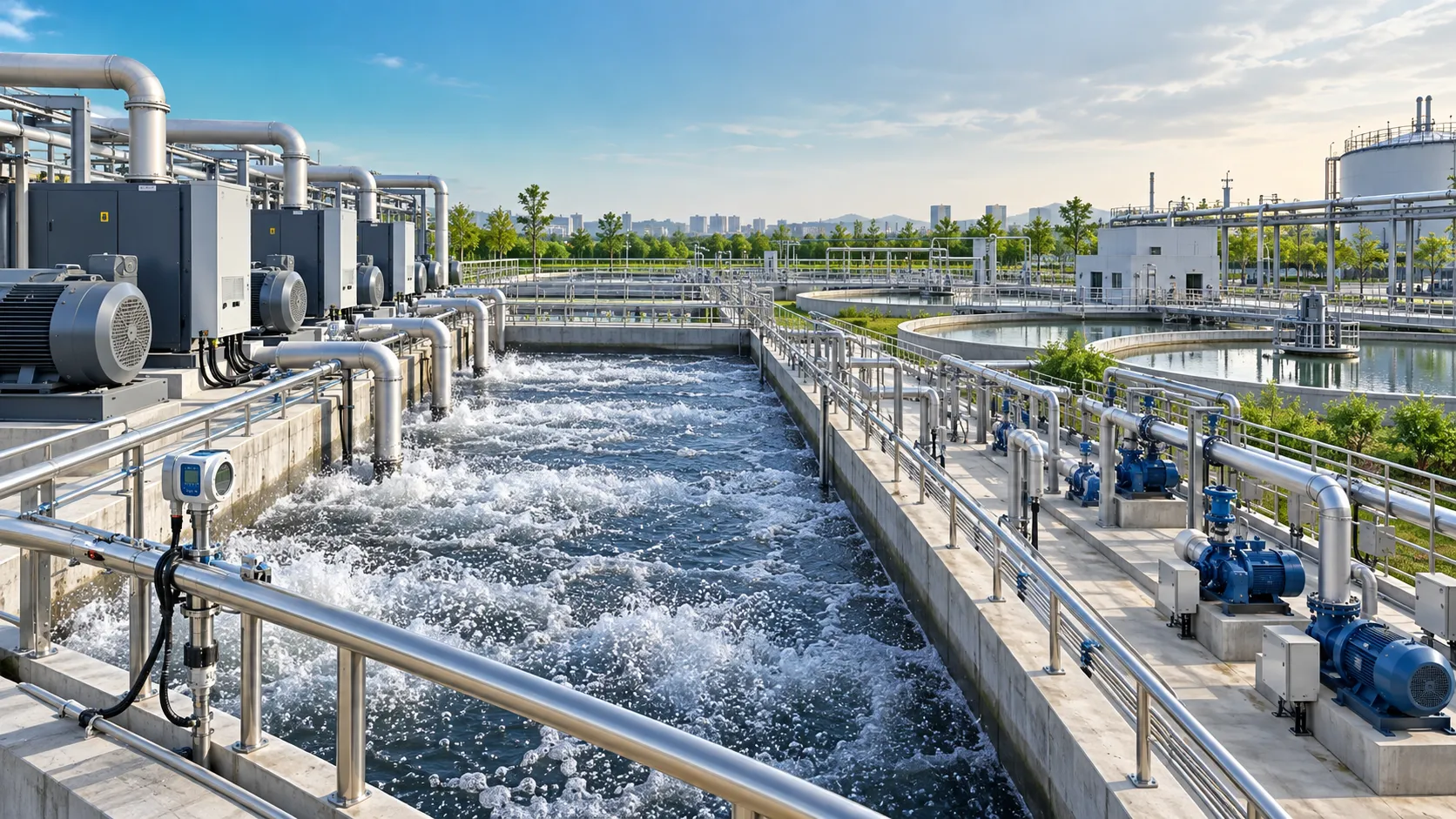
When does environmental equipment intelligence reduce wastewater plant energy use?
Environmental equipment intelligence for wastewater plants cuts energy use through smarter aeration, pumping, and data-driven controls—without compromising compliance. Discover when it delivers measurable savings.
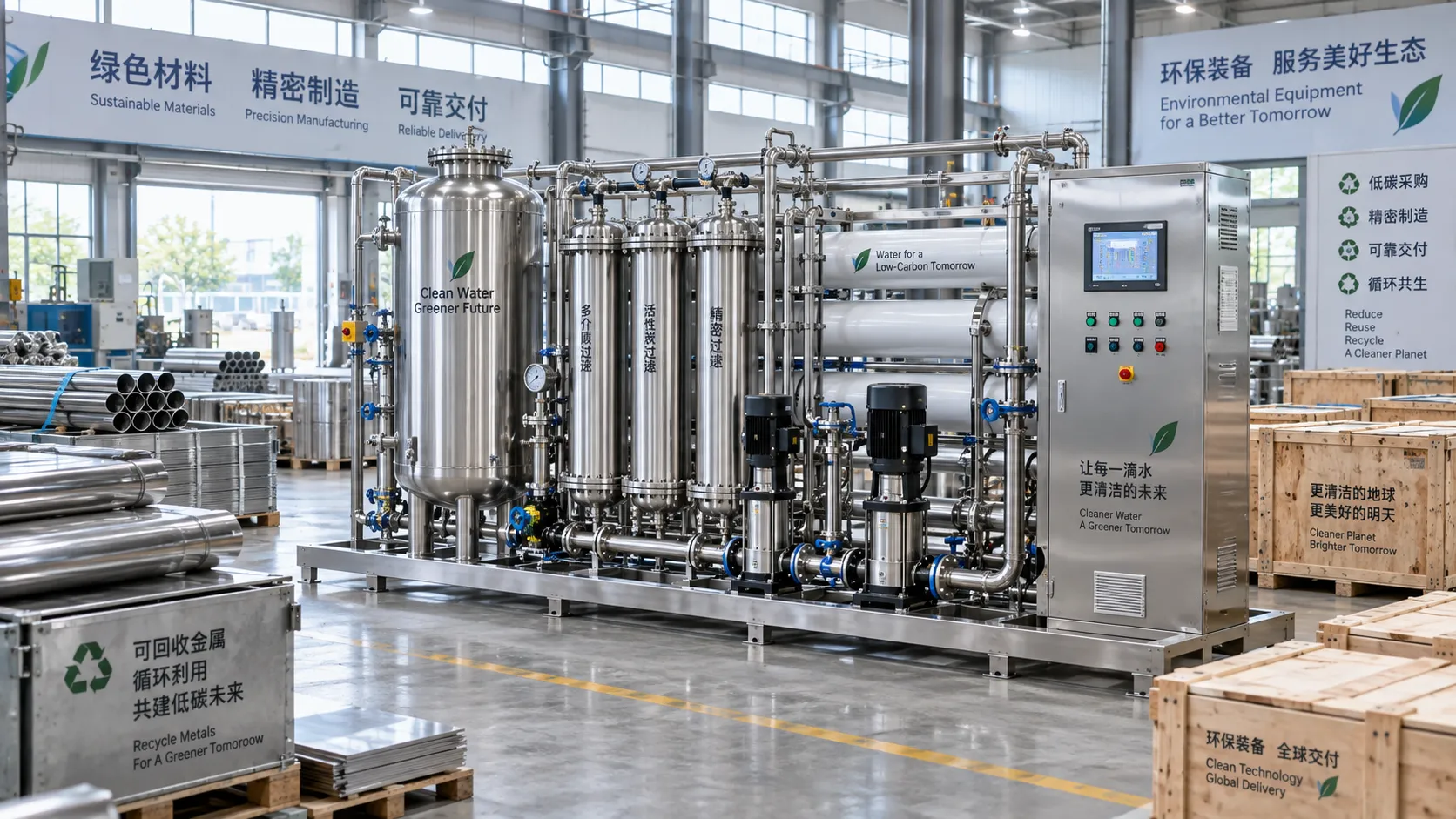
How Can EPC Projects Reduce Embodied Carbon in Equipment Procurement?
How can an EPC project reduce embodied carbon in equipment procurement? Discover practical specification, supplier-data, and bid-evaluation strategies for lower-carbon delivery.