
Industry News
Curation by industry experts
Hot Articles
Popular Tags
How to choose solid waste equipment based on waste stream characteristics
Start with a waste stream profile, not an equipment list
Solid waste equipment should be selected from the physical and chemical behavior of the incoming material, not from a preferred technology or a supplier's process diagram. A line that performs well on source-separated dry recyclables can fail quickly on mixed municipal waste. A digester designed around consistent food waste may become unstable when packaging, grit, and cleaning chemicals enter the feed. A shredder sized only by nominal tonnes per hour may deliver poor availability when long films, wire, textiles, or abrasive fines dominate the stream.
For technical evaluators, the first question is therefore not, “Which equipment is best?” It is, “What does this waste stream do to equipment, recovery quality, emissions control, and downstream processing?” A useful environmental equipment guide for solid waste begins by translating that answer into process requirements.
The highest-value decisions usually rest on four linked factors: composition and contamination, moisture and organics, size and shape distribution, and the required output. Throughput still matters, but it should be assessed after these factors are understood. Capacity without feedstock definition is often an optimistic nameplate figure rather than a reliable operating basis.
Composition determines the process family
Waste streams are often described with broad labels such as municipal solid waste, commercial waste, construction waste, or industrial waste. Those labels are useful for logistics, but they are too coarse for equipment selection. Two facilities receiving the same waste category may require very different process trains because the material mix is different.
A practical characterization program should identify the proportion and variability of organics, paper and fibre, rigid plastics, flexible films, ferrous metals, non-ferrous metals, glass, inert material, textiles, wood, fines, and problem items such as batteries, pressurized containers, e-waste, or hazardous residues. It should also distinguish between material that is physically present and material that can realistically be recovered at an acceptable quality.
For a stream dominated by dry packaging, fibre, and containers, the central task is usually separation. Equipment may include bag openers, screens, ballistic separators, air separation, magnetic and eddy-current separation, optical sorting, and quality-control stations. The best arrangement depends on which fractions carry value and which contaminants are most damaging to those fractions. An AI-enabled optical sorter may improve recognition of difficult objects, but it cannot compensate for a poorly prepared feed, excessive overlapping material, or an upstream screen cut that sends the wrong particle sizes to the sorter.
For material with a high organic fraction, the decision shifts toward biological treatment, fuel preparation, or both. Food waste, green waste, and other biodegradable fractions can support composting or anaerobic digestion when contamination is controlled. Mixed waste containing substantial organics may instead require mechanical separation before any biological route is considered. In many cases, the ability to remove plastics, glass, grit, and packaging fragments determines whether digestate or compost can be managed responsibly after treatment.
High-plastic, high-calorific residual waste may be evaluated for refuse-derived fuel preparation, gasification, or pyrolysis. These routes are not interchangeable. Pyrolysis generally demands a more consistent feedstock than mixed waste systems can provide without meaningful preprocessing. Chlorinated plastics, moisture, inert contaminants, and inconsistent particle size affect product quality, corrosion exposure, gas cleaning requirements, and process stability. A thermal technology should be evaluated as part of a full feed preparation and emissions-control system, rather than as a stand-alone conversion unit.
Construction and demolition waste presents another pattern. Concrete, brick, soil, gypsum, timber, metals, insulation, and plastics call for robust reduction and screening rather than fine optical sorting as the first priority. The process may begin with manual removal of oversized or hazardous items, followed by crushing, screening, magnetic separation, and density-based separation where needed. Here, wear resistance, dust control, and the fate of fine fractions can be more consequential than maximum sorting sophistication.
Moisture, particle size, and shape affect reliability more than brochures suggest
Moisture is one of the most underestimated selection variables. Wet waste gains weight without increasing recoverable material. It can blind screens, reduce air-separation performance, increase transport and disposal costs, and lower the useful heating value of fuel fractions. In biological systems, moisture may be necessary, but excess liquid can increase the burden on dewatering, leachate management, and odour control.
When moisture varies materially by season, collection practice, or waste source, equipment should be assessed against the wettest credible feed condition, not only against average sampling results. This does not mean every machine must be oversized. It means the plant needs a defined response when wet material arrives: bypass handling, storage time limits, drainage, blending, feed-rate reduction, or a change in operating mode.
Particle size distribution is equally important. Screens are selected by opening size and separation principle, yet their real performance depends on the material presented to them. A trommel can be robust for certain mixed streams but may wrap or clog with films and textiles. A disc screen can efficiently separate flat and rolling materials in the right application, but its settings must match the intended fraction. Ballistic separators can divide materials by shape and behavior, but their output quality changes when the stream contains excessive moisture, fines, or tangled items.
Shape can be as disruptive as size. Long plastic films, cable, rope, textiles, and flexible packaging can wrap shafts and star screens. Dense, abrasive fines accelerate wear in shredders, conveyors, and pumps. Glass and grit can contaminate organic fractions and reduce the quality of recovered fibre. These conditions should lead to concrete design questions:
- Which items are likely to wrap, bridge, or jam feeding equipment?
- Where will abrasive material contact high-wear surfaces?
- Does the process need bag opening rather than aggressive size reduction?
- Can oversized objects, batteries, and bulky contaminants be removed before critical equipment?
- What material is expected in the fines fraction, and is there a viable outlet for it?
These questions are often more useful than comparing a single performance figure across vendors. A machine can meet a throughput target during a controlled demonstration and still create a maintenance bottleneck under everyday feed variability.
Match separation quality to the end use of each fraction
Equipment should be selected backward from the required output specification. Technical teams sometimes focus heavily on inbound waste composition while leaving the downstream buyer, treatment route, or disposal requirement undefined. That creates a process that produces fractions without a stable destination.
For recyclable commodities, assess purity, yield, bale density, moisture, residual contamination, and consistency across operating shifts. A recovered polyethylene terephthalate or paper fraction may have a nominal composition that looks acceptable, yet still be rejected or discounted because of food residues, labels, glass, mixed polymers, or excessive moisture. The appropriate recovery target depends on the receiving market and the downstream recycler's process tolerance.
For organic output, contamination is usually the governing issue. Removing visible packaging is not enough when small plastic fragments and inerts remain in the fraction. Selection of depackaging, pulping, screening, grit removal, and dewatering equipment should reflect whether the output will enter digestion, composting, land application, or another managed route. The equipment choice also affects how much organic material is lost with rejects, which can materially change project economics.
For fuel preparation, the specification should cover particle size, moisture, heating value, chlorine-related risk, metal removal, and the consistency required by the receiving combustion or conversion facility. A coarse shredder may be adequate for transport or preliminary conditioning, while a downstream user may require tighter sizing and more complete removal of metals and inerts. Selecting the final shredder before defining the fuel specification can create a costly mismatch.
Design for variability, access, and controlled failure
Averaged waste characterization data are necessary, but they do not represent the moments that cause unplanned downtime. Loads can contain unusually wet material, bulky items, tightly bagged waste, high film content, or unexpected hazardous articles. Technical evaluation should therefore include a variability envelope: normal feed, expected difficult feed, and unacceptable feed that must be intercepted or diverted.
This approach changes how equipment is specified. Feed hoppers may need anti-bridging features. Conveyors may require access for removal of wrapped material. Shredders need a defined strategy for unshreddables and overload events. Sorting lines need bypass paths and isolation points so a single device does not stop all processing. Storage design must account for fire risk, odour, leachate, and the deterioration of material quality over time.
Maintenance access should be treated as a process requirement, not a civil-layout detail to resolve later. Ask how screens are cleaned, how optical sorter components are reached, how blades are changed, where rejected material accumulates, and whether the plant can continue operating during routine servicing. The answers affect building dimensions, crane coverage, spare-parts strategy, staffing, and practical availability.
Fire and battery risk also deserve explicit treatment when mixed waste or dry recyclables are processed. Detection, segregation, suppression, access routes, and emergency shutdown logic should be integrated with the material-handling design. A sorting system that increases the concentration of combustible materials may change the risk profile of downstream storage. Equipment selection cannot be separated from the operating controls around it.
Evaluate lifecycle performance, not just installed capacity
Capital cost is visible at procurement stage; operating losses often emerge later through wear, energy use, reject disposal, labour intensity, downtime, and weak product quality. A lower-cost system may be appropriate for a stable, low-complexity stream. It can become expensive when it must repeatedly handle material outside its intended range.
A useful comparison should test each proposed line against the same waste assumptions and ask for transparent boundaries around performance claims. Technical evaluators should distinguish between design capacity, instantaneous peak capacity, sustained operating capacity, and annual throughput after planned and unplanned downtime. They should also separate gross incoming tonnes from net recovered tonnes. High recovery claims can be misleading if contamination leaves the facility in a later reject stream.
Supplier submissions are stronger when they state feed assumptions, excluded materials, expected maintenance intervals, wear components, utility requirements, reject pathways, and the measurement method for purity and recovery. A proposal that avoids these details may still be technically sound, but it leaves too much risk in the interface between waste supply and plant operation.
Compliance requirements should be converted into equipment functions early in the process. Dust, odour, noise, leachate, wastewater, air emissions, residue management, worker protection, and traceability can all influence the selected configuration. For thermal treatment and advanced recovery systems, the boundary should include gas cleaning, residue handling, monitoring, and the quality controls needed for the intended output. Compliance cannot be assumed from the presence of a conversion reactor or sorting unit alone.
Use a staged selection process
The most defensible equipment choice is usually made in stages. First, characterize the stream across enough collection areas, seasons, and operating conditions to expose variability. Then define the required outlets for each major fraction, including acceptable contamination and material form. Only after those two steps should the process train and individual equipment be compared.
During technical evaluation, build a mass balance that follows material from receipt through each separation, treatment, and reject point. Test the balance against difficult feed conditions, not only ideal composition. Identify the equipment items whose failure would halt the line, and decide where redundancy, bypass capacity, or manual intervention is justified.
The final selection should leave the operator with a plant that can recognize the waste it receives, protect its critical equipment, and produce outputs with a defined destination. That is a more reliable basis for investment than choosing the most advanced machine in isolation.
Recommended News
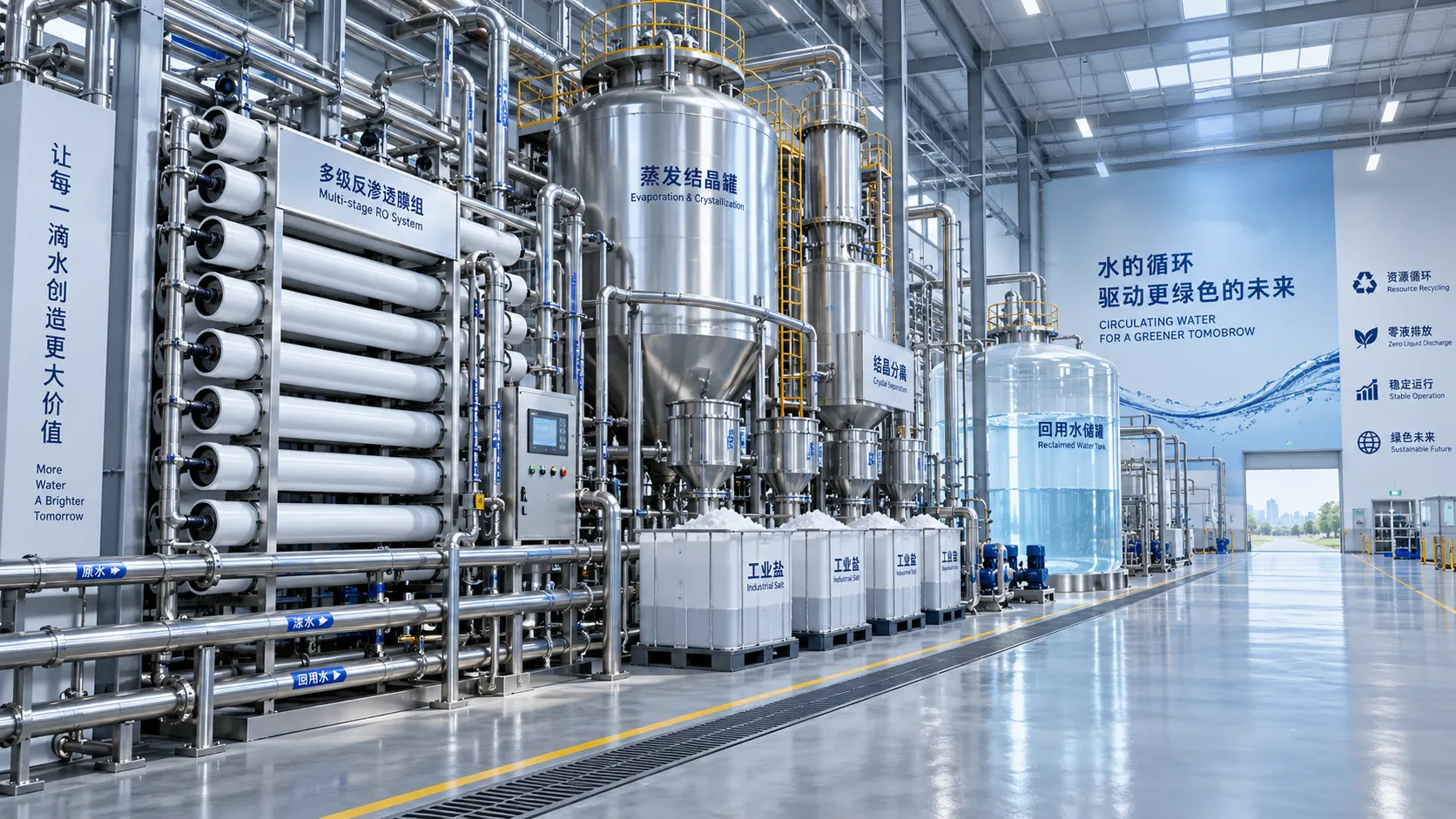
When does high recovery ZLD equipment justify its higher capital cost?
High recovery ZLD equipment can justify higher capital cost when water scarcity, discharge risks, brine disposal, and downtime threaten operations. Explore the decision factors.
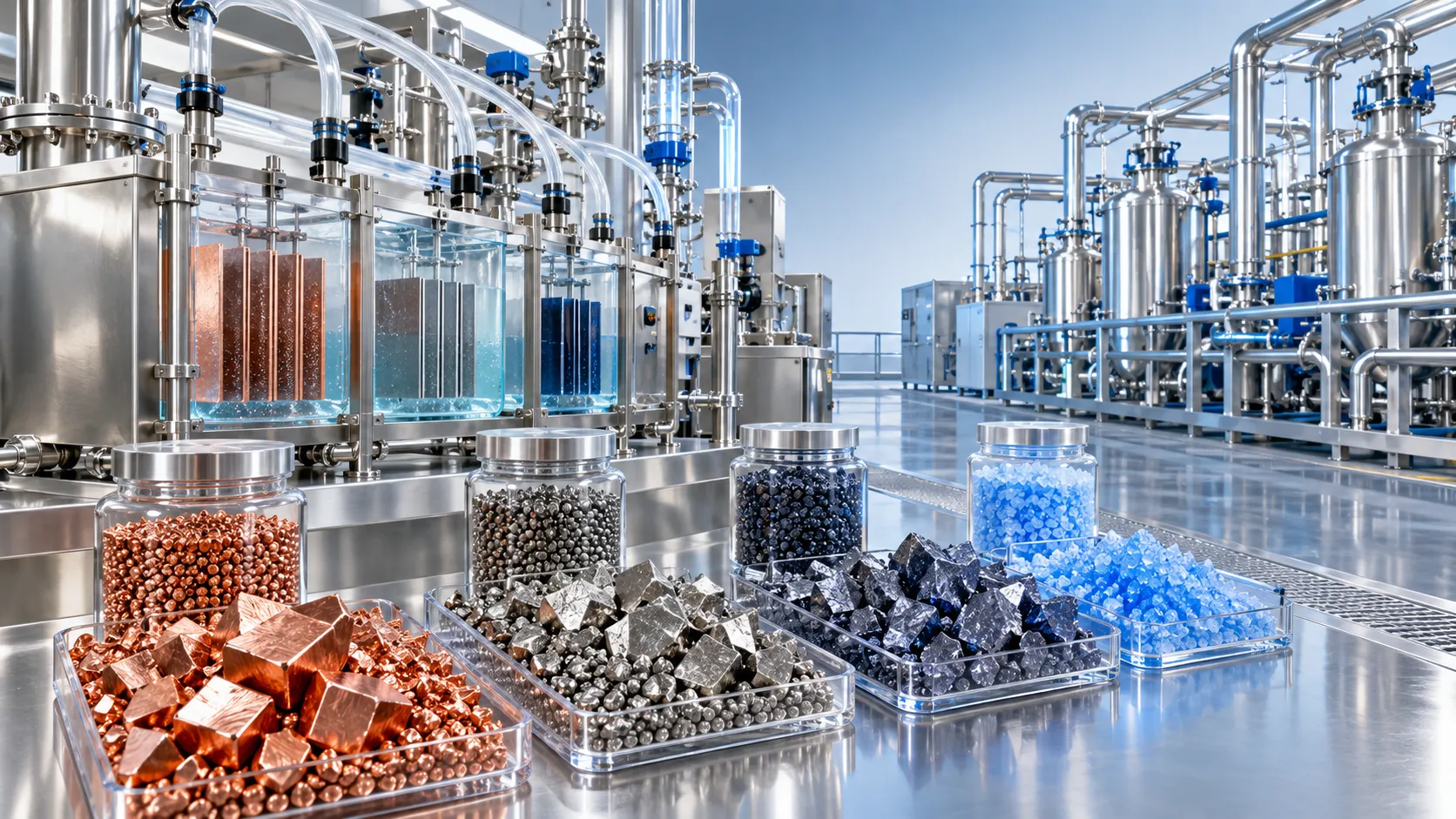
How high purity heavy metal recovery affects recovered metal value
High purity heavy metal recovery boosts recovered metal value by improving payability, reducing penalties, and unlocking stronger buyer opportunities. Explore smarter netback strategies.
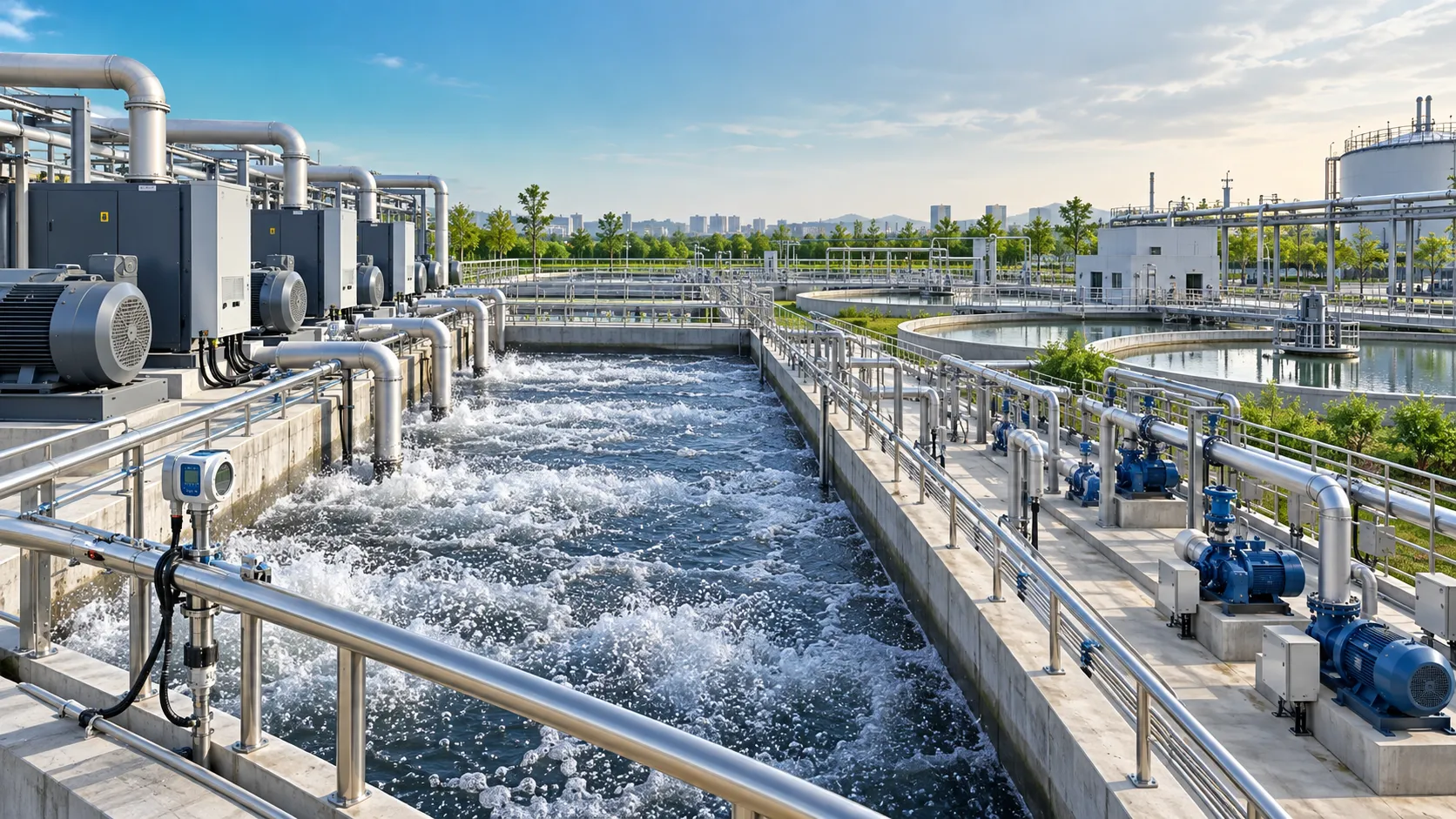
When does environmental equipment intelligence reduce wastewater plant energy use?
Environmental equipment intelligence for wastewater plants cuts energy use through smarter aeration, pumping, and data-driven controls—without compromising compliance. Discover when it delivers measurable savings.
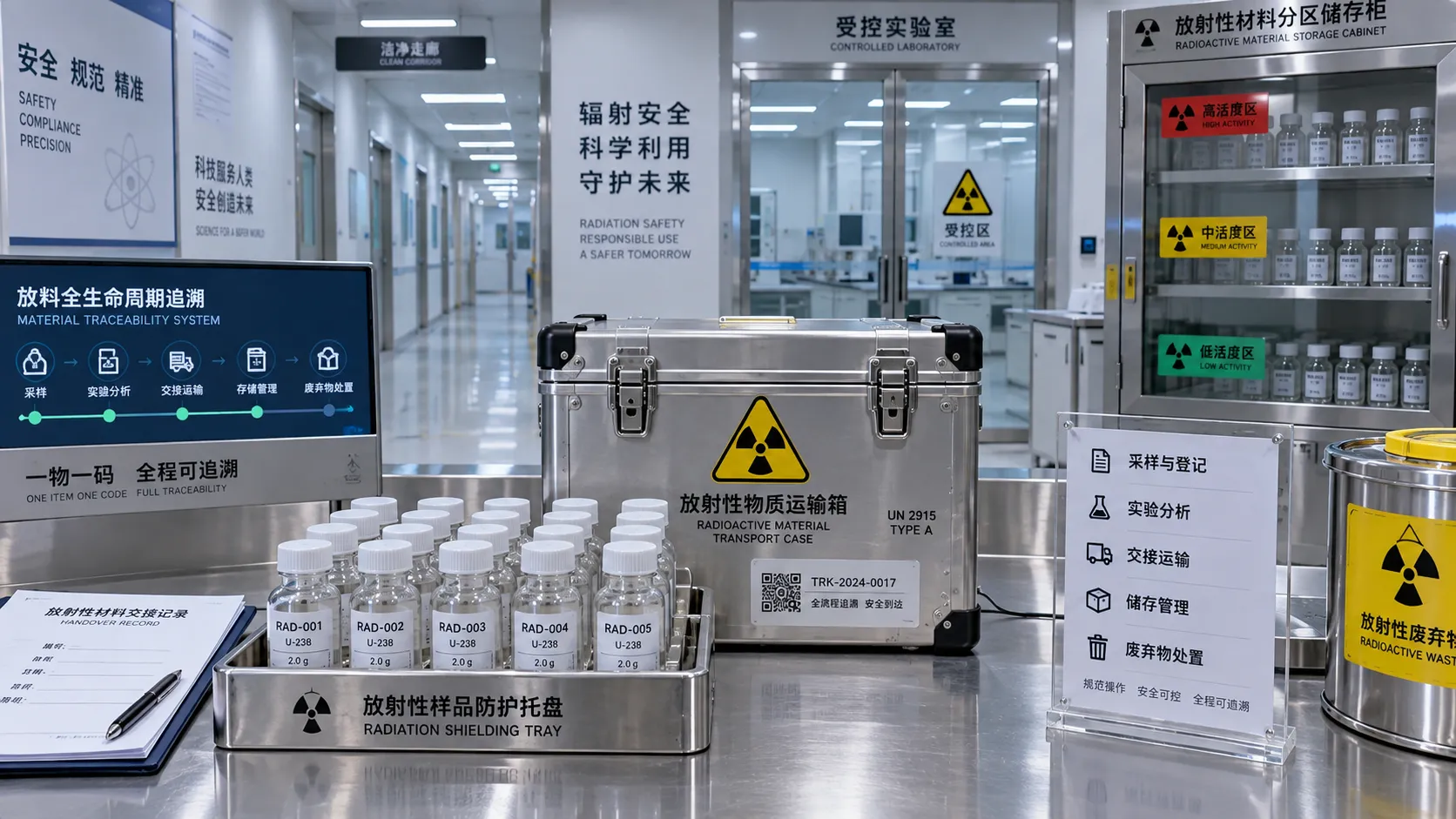
Choosing a Radioisotope Management System for Multi-Site Research Facilities
Radioisotope management system guide for multi-site research facilities: compare traceability, chain of custody, waste controls, roles, and integrations.
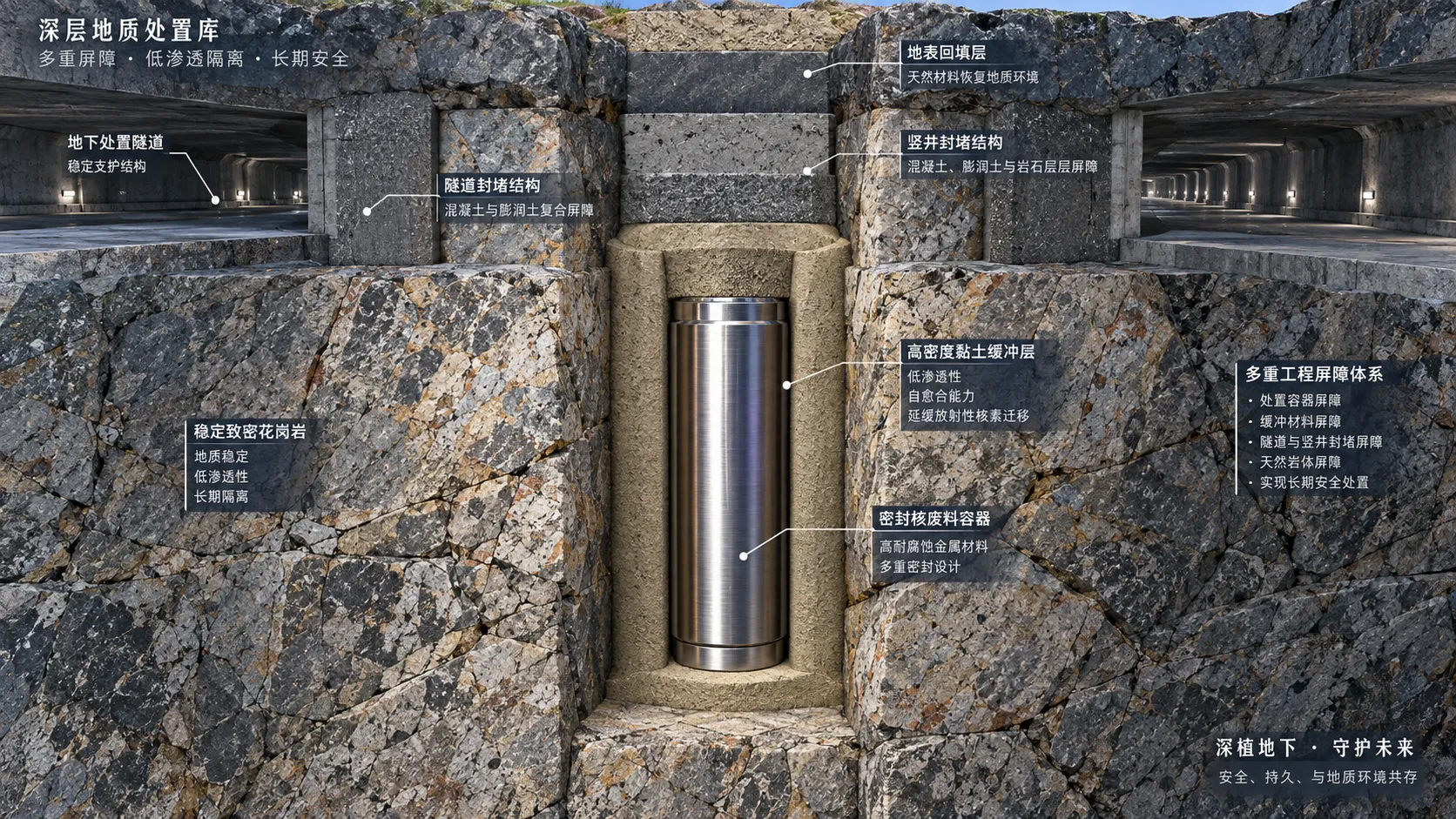
Applying C. McCombie’s Disposal Principles to Long-Lived Radioactive Waste
Explore principles and standards for the disposal of long-lived radioactive wastes C. McCombie, covering geological isolation, engineered barriers, safety cases, and intergenerational protection.
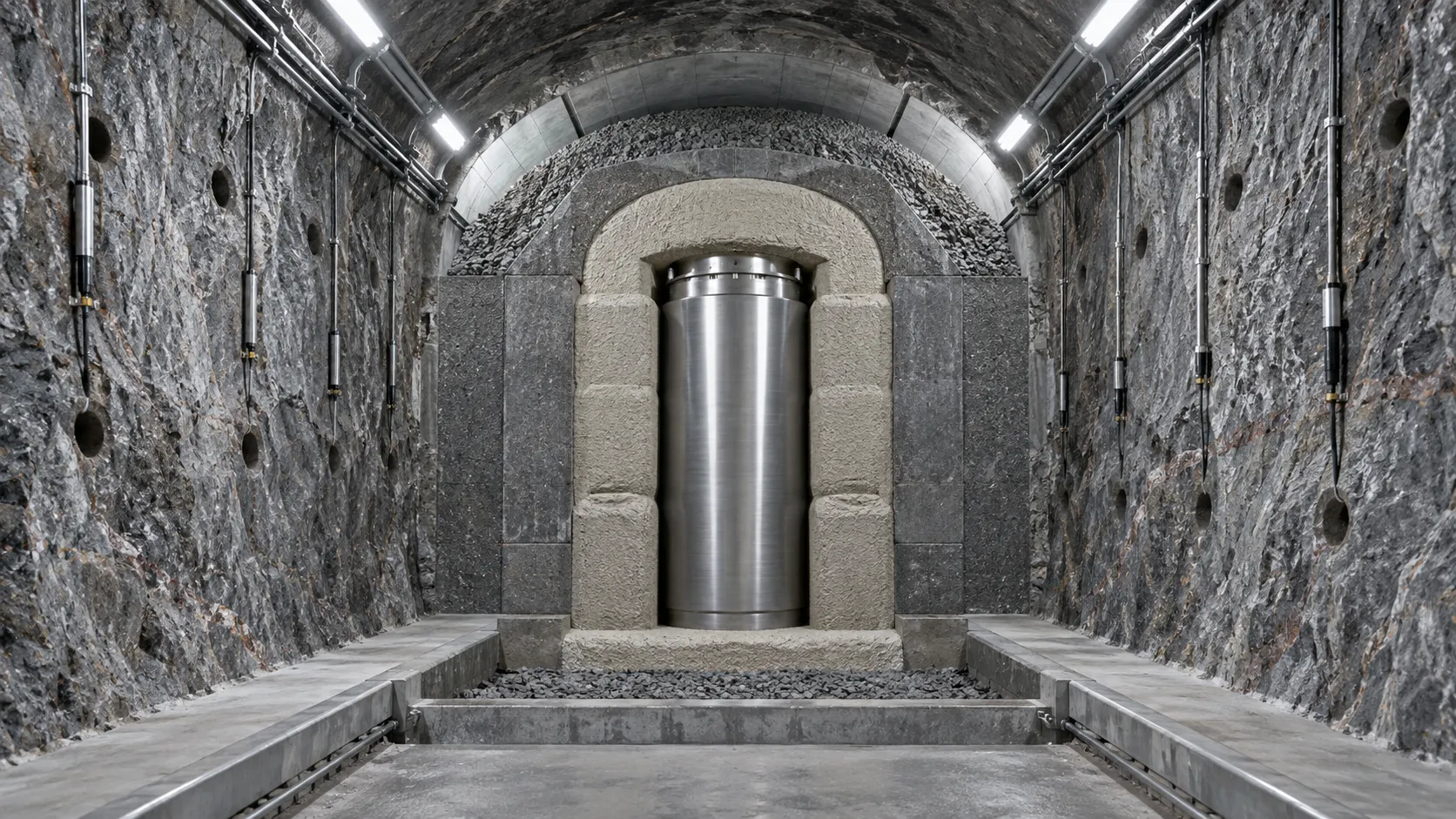
What Evidence Supports the Long-Term Safety Case for Geological Disposal?
Long-term safety of geological disposal: explore the evidence behind multi-barrier systems, site science, uncertainty testing, and auditable safety cases.
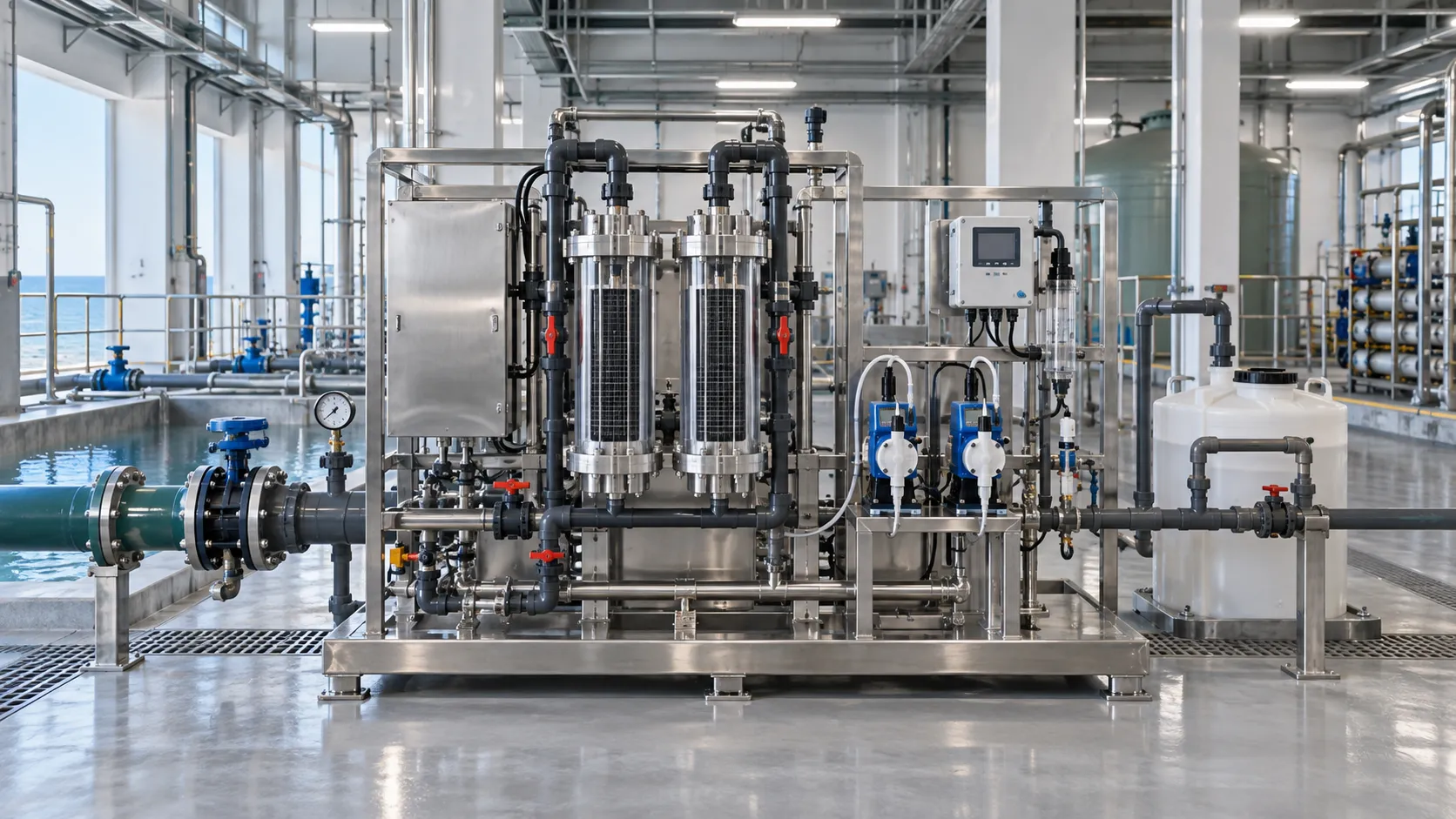
What Do Seawater Disinfection Systems Cost Over Their Full Operating Life?
What are the costs associated with seawater disinfection systems? Explore lifecycle expenses for equipment, energy, chemicals, maintenance, compliance, and risk.
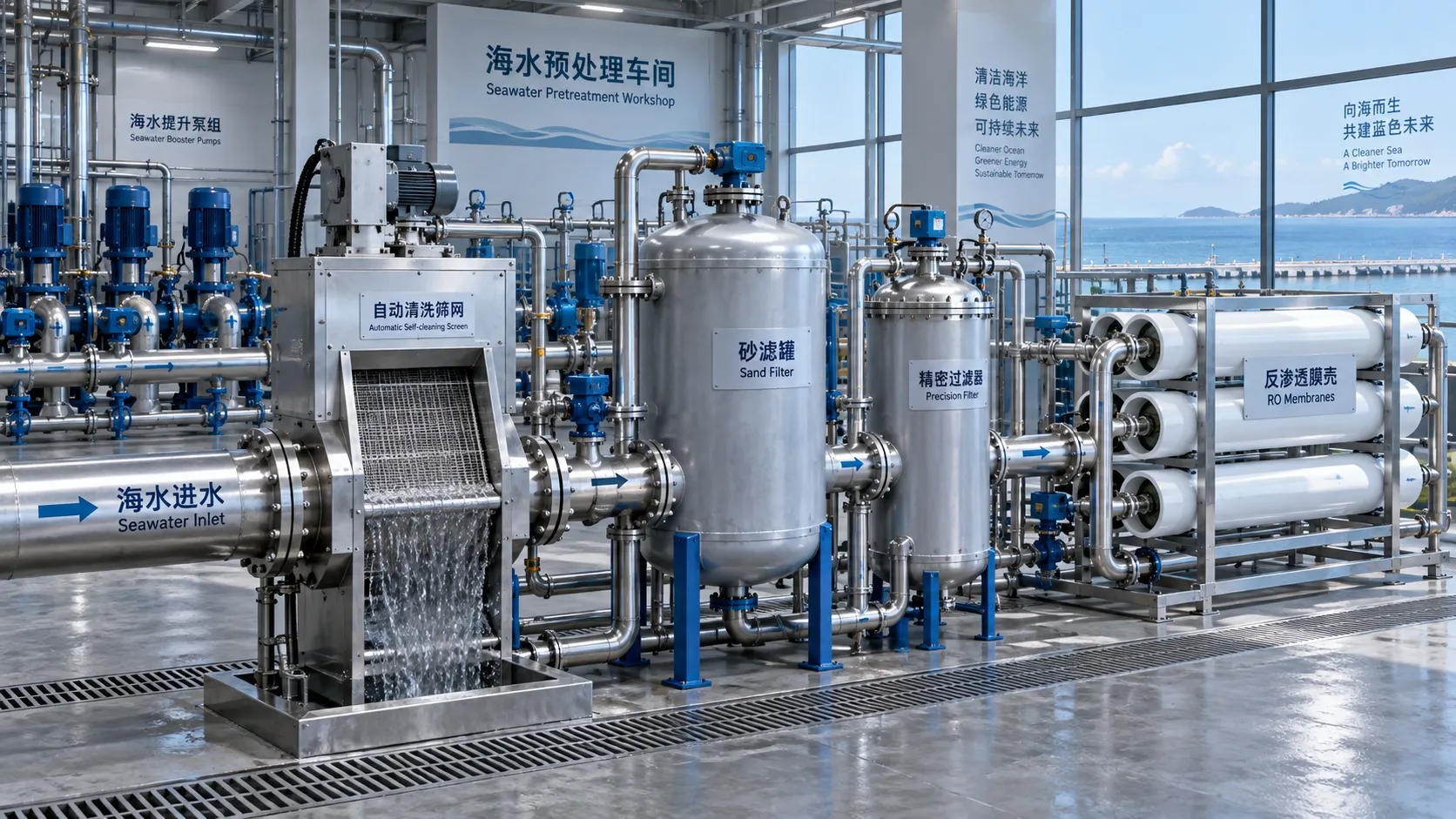
How to Improve Industrial Seawater Quality Before Cooling or Membrane Treatment
How can I improve the quality of seawater used for industrial processes? Explore proven pretreatment strategies for cooling systems and RO membranes.
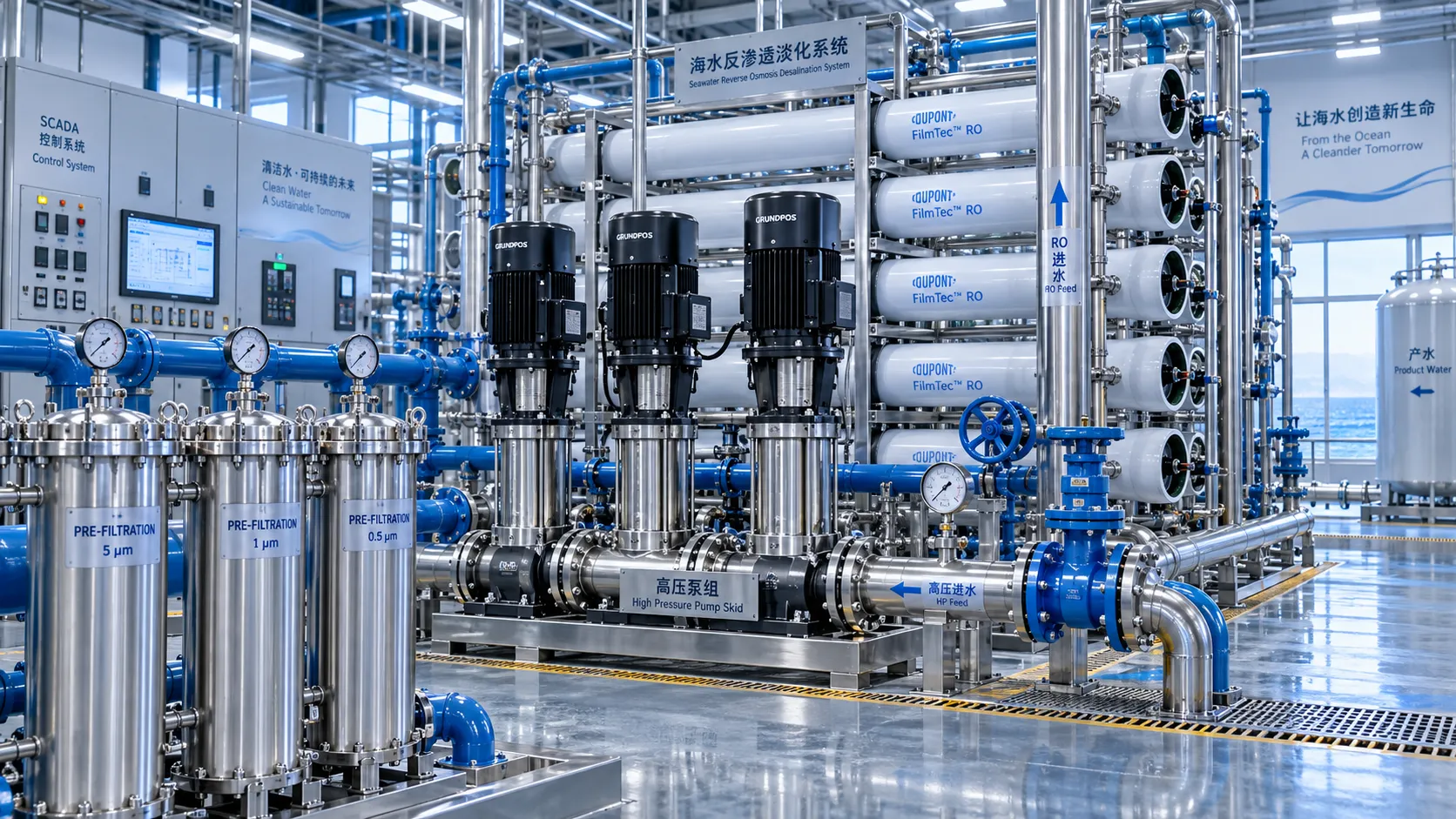
Desalination Plant Maintenance Priorities That Prevent Unplanned Downtime
Desalination plant maintenance priorities that reduce unplanned downtime: protect pretreatment, RO membranes, pumps, chemical dosing, and critical controls.