
Industry News
Curation by industry experts
Hot Articles
Popular Tags
What drives nuclear safety solutions pricing for new facility projects?
What Drives Nuclear Safety Solutions Pricing for New Facility Projects?
For a new nuclear facility, the price attached to a safety solution is rarely the price of a piece of equipment. A supplier may quote a containment isolation package, radiation monitoring system, waste-conditioning line, emergency ventilation train, or digital protection platform as a defined scope. Yet the final cost is usually determined by everything required to make that scope licensable, installable, testable, maintainable, and defensible over decades of operation.
That is why nuclear safety solutions pricing can look inconsistent when project teams compare proposals line by line. Two packages with similar functional descriptions may carry very different totals because one includes seismic qualification, traceable materials, factory acceptance testing, cyber hardening, documentation support, commissioning personnel, and long-term spares, while the other treats several of those items as exclusions or future change orders.
For project managers, the practical question is not simply, “Which bid is cheaper?” It is, “Which assumptions are embedded in this bid, and which unresolved assumptions could later become schedule, compliance, or construction risk?” In nuclear work, an apparently low purchase price can be expensive if it shifts qualification work or interface responsibility into the project execution phase.
The baseline design drives the budget before procurement begins
The largest pricing driver is the facility’s safety case and the maturity of the reference design. Nuclear safety systems are not bought in isolation. Their configuration depends on the reactor technology, hazard analysis, site conditions, operating concept, regulatory pathway, and the relationship between safety-classified and non-safety systems.
A radiation monitoring package, for example, may need to cover routine operational releases, maintenance activities, accident conditions, waste-transfer areas, and environmental interfaces. The number of measurement points is only part of the cost. Detector placement, shielding requirements, sample-line routing, calibration access, control-room integration, redundant power supplies, and alarm logic can substantially expand the installed scope.
The same pattern applies to nuclear waste management. A facility that expects only limited interim handling will not require the same level of segregation, shielding, packaging, decontamination, liquid treatment, or monitoring as a project designed around a more complex waste stream. Where treatment systems must deal with radioactive liquids, concentrates, resins, sludges, or solid secondary waste, pricing is closely tied to the chemistry and variability of the feed—not merely to nominal throughput.
This is a familiar issue across environmental infrastructure. In large water treatment, ZLD, flue-gas treatment, and seawater desalination projects, the equipment cost becomes clearer only when influent quality, discharge limits, recovery targets, and operating contingencies are defined. Nuclear projects carry the same engineering reality, with the added burden of safety classification and a far less forgiving approval environment.
Safety classification changes far more than component selection
One of the most material distinctions in nuclear safety solutions pricing is whether equipment, software, structures, and supporting services fall within a safety-classified scope. Classification can affect design controls, procurement routes, supplier qualification, inspection intensity, material traceability, record retention, verification methods, and the credentials required of personnel performing the work.
A standard industrial valve and a valve intended for a nuclear safety function may look superficially similar in a procurement schedule. Their commercial basis may be entirely different. The latter can require a documented manufacturing history, defined quality controls, specified testing, controlled changes, and evidence that its performance remains acceptable under the applicable conditions. The added cost is not decorative compliance paperwork; it reflects the effort needed to establish confidence in the delivered item.
Project teams should be particularly careful where a package combines classified and non-classified equipment. Suppliers may price the main safety-related components correctly but leave boundaries ambiguous: cable supports, penetrations, software interfaces, local panels, mounting hardware, sample tubing, HVAC interfaces, or auxiliary power arrangements can become disputed scope later. The closer the bid is to a clearly defined battery limit, the easier it is to compare.
Qualification requirements are often the hidden cost center
Qualification is where early budget estimates commonly become fragile. A solution may need to demonstrate performance under environmental, seismic, electromagnetic, fire, radiation, pressure, temperature, or aging conditions relevant to its intended duty. Whether evidence already exists, can be extended from an existing product family, or must be generated specifically for the project has a direct impact on price and delivery time.
There is an important procurement distinction here. A vendor stating that equipment is “designed for nuclear applications” is not the same as providing a qualification package that matches the project’s required conditions and licensing basis. The first statement may describe market experience. The second must be evaluated against the actual project requirement, including the governing jurisdiction and acceptance process.
Custom qualification work can be reasonable when a facility has genuinely unusual conditions or when a novel design offers a clear operational advantage. It becomes problematic when customization is introduced simply because the design team has not settled interfaces or performance criteria. Late changes to mounting arrangements, enclosure ratings, cable routes, duty cycles, or control logic can invalidate earlier assumptions and force retesting or re-documentation.
A useful bid-review question is: which qualifications are included, which are assumed to be accepted by reference, and which remain subject to approval? That question often reveals more than a comparison of equipment unit rates.
Civil, mechanical, and digital interfaces can outweigh the skid price
New-facility safety packages are increasingly interface-heavy. A filtration or treatment skid may require shielded room access, drainage, ventilation, lifting provisions, maintenance clearance, remote handling features, containment penetrations, process sampling, electrical distribution, control-system signals, and integration with site emergency arrangements. If these interfaces are not frozen early, the supplier’s price is only a provisional starting point.
Containment and confinement systems deserve special scrutiny. The cost of fans, dampers, filters, ducts, and instruments is only part of the picture. Pressure boundaries, leak-tightness expectations, redundancy philosophy, fire compartmentation, monitoring points, decontamination access, filter change-out arrangements, and structural support can all alter the installed value. Space constraints are especially costly when they are discovered after building layouts are advanced.
Digital systems create another layer. Safety-related instrumentation and control may require segregation from conventional networks, controlled software development, documented configuration management, secure maintenance access, and carefully managed interfaces with plant data platforms. Cybersecurity is not a generic add-on that can be priced as a single line item. Its cost depends on architecture: data flows, remote-access policy, patching responsibility, logging, asset visibility, and the boundary between operational technology and enterprise systems.
When comparing proposals, managers should identify whether suppliers have priced physical integration, functional integration, or both. A package can be mechanically complete but still require substantial engineering before it operates as part of the safety system.
Documentation is a deliverable, not an administrative extra
In conventional industrial procurement, incomplete manuals can be annoying. In nuclear procurement, incomplete documentation can delay acceptance, construction release, commissioning, or future maintenance. This is why document requirements affect price so strongly.
The document burden may include design descriptions, quality plans, inspection and test plans, material certificates, weld records where applicable, calibration records, software documents, non-conformance records, manufacturing data books, operating procedures, maintenance instructions, spare-parts lists, and as-built information. The exact package depends on the scope, but the commercial point remains the same: each document must be prepared, reviewed, revised, approved, controlled, and retained.
A low bid can therefore be misleading if it includes only generic product documentation while the owner expects project-specific, review-ready records. It is worth defining document language, format, transmittal stages, review cycles, ownership of native engineering files, and final handover requirements before award. Repeated review loops are not unusual, but they should not be invisible in the commercial model.
Manufacturing capacity and supply-chain assurance affect both cost and confidence
Nuclear-grade supply chains are narrower than ordinary industrial supply chains. Qualified materials, specialized fabrication, certified test facilities, clean manufacturing controls, and personnel with relevant experience may not be available on the same timeline as standard equipment. The result is that lead time and price are closely connected.
Project teams should avoid treating delivery dates as a simple commercial promise. Ask what the date depends on: approved drawings, receipt of owner-furnished information, access to test facilities, availability of long-lead components, regulator or third-party hold points, and shipping conditions for oversized or sensitive equipment. A supplier that prices a realistic, controlled production path may appear more expensive than one relying on optimistic assumptions.
Localization can also change the equation. Local fabrication may reduce transport complexity and facilitate site support, but it does not automatically reduce cost if nuclear quality controls, specialist materials, or proven manufacturing procedures must still be established. Conversely, importing a proven package can reduce technical uncertainty while increasing logistics, customs, preservation, and local service requirements. The right decision depends on the risk profile, not on a blanket preference for local or overseas supply.
Lifecycle support belongs in the original cost comparison
The purchase order value is only one part of the lifecycle commitment. Safety systems may remain in service for long periods, and their reliability depends on calibration, inspections, preventive maintenance, replacement parts, periodic testing, training, and configuration discipline. For waste-handling and treatment systems, consumables, reagent handling, filter media, secondary waste generation, and decommissioning implications may also deserve early attention.
A technically capable system can become difficult to operate if it relies on proprietary components with uncertain future availability or demands specialist intervention for routine troubleshooting. This does not mean proprietary technology should be rejected. It means the buyer should understand the support model: minimum spare recommendations, obsolescence management, software support period, training scope, response expectations, and access to critical technical records.
For projects with complex radioactive waste responsibilities, this lifecycle view is particularly important. Decisions made during design—such as access for maintenance, modular replacement, sampling reliability, or the ability to isolate and flush process sections—can influence occupational exposure, outage duration, and waste volumes later. These are not easy factors to reduce to a single number, but excluding them from procurement evaluation is a false economy.
How to make supplier pricing genuinely comparable
The strongest procurement process does not demand that every supplier provide the same generic price. It gives suppliers the same technical basis, asks them to state deviations clearly, and separates base scope from options and exclusions. In practice, a bid tabulation should distinguish equipment supply, engineering, qualification, inspections and testing, documentation, site services, commissioning support, spares, training, warranties, and lifecycle support.
It is also sensible to price uncertainty openly. If a requirement is not mature, request an allowance, an option, or a priced change mechanism rather than encouraging vendors to bury assumptions. This gives the project team a visible contingency basis and reduces the temptation to select an artificially lean bid.
A better way to read nuclear safety solutions pricing
The best proposal is not always the one with the highest technical specification, either. Over-specification can consume capital, add maintenance burden, complicate interfaces, and extend approval work without improving the actual safety case. The objective is a solution that meets the defined function with credible evidence, clear interfaces, and a support model suited to the facility’s operating life.
For teams evaluating nuclear waste systems alongside broader environmental infrastructure, the comparison should extend beyond equipment categories. Treatment performance, secondary-waste consequences, containment, maintainability, and compliance evidence must be considered as one operating chain. This systems view is central to the intelligence work followed by Global Eco-Shield Dynamics: connecting demanding purification conditions, closed-loop resource logic, and environmental compliance instead of treating them as separate procurement topics.
In the end, nuclear safety solutions pricing is a measure of technical scope plus evidence plus execution responsibility. Before approving a budget, make sure the team can explain what is included, what has not yet been proven, who owns each interface, and what it will take to support the system after handover. If those answers are clear, the price is far more likely to remain a budget—not become the first entry in a long change-order register.
Recommended News
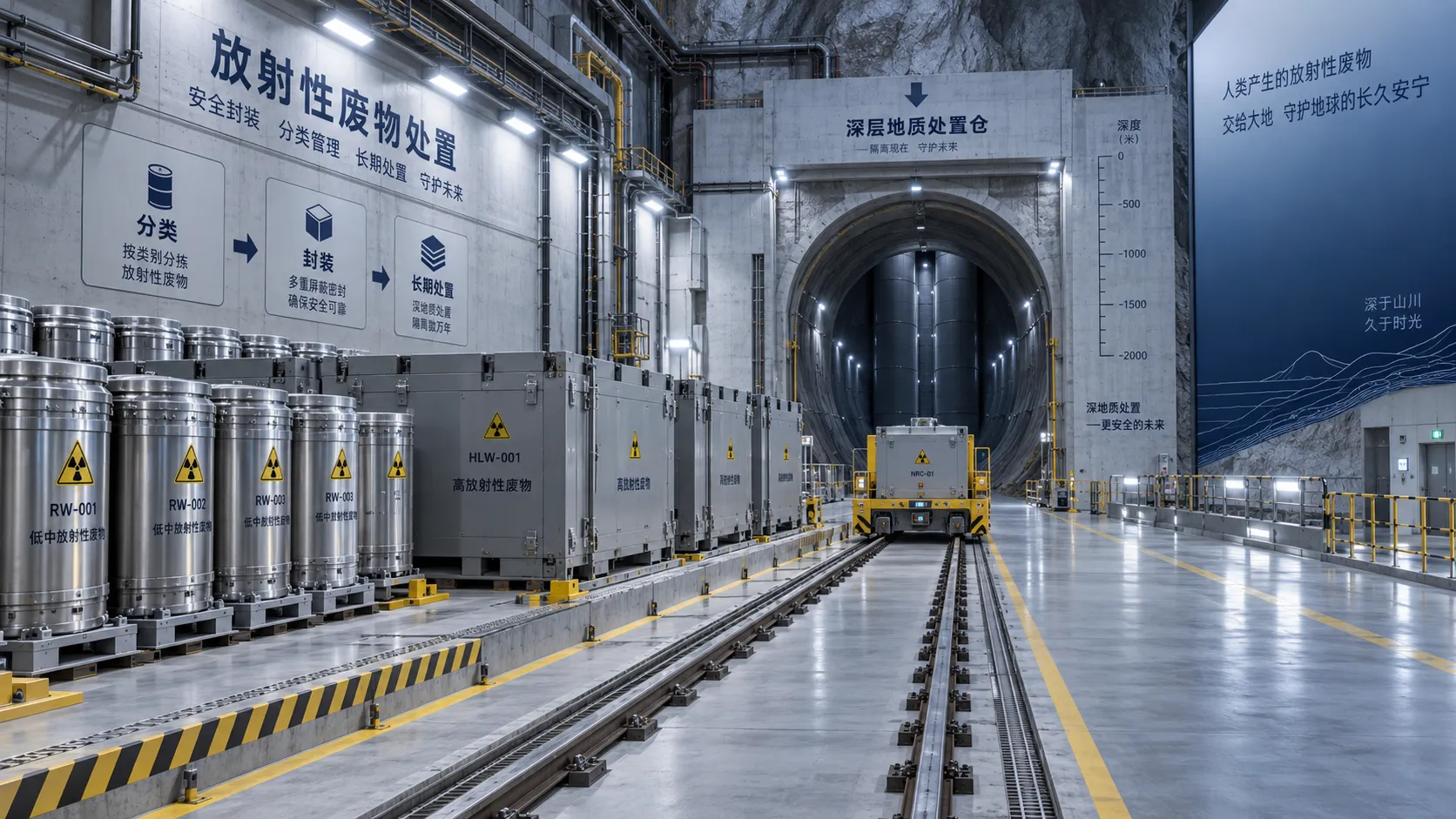
What drives radioactive waste cost over the life of a disposal project?
Radioactive waste cost depends on classification, treatment, transport, storage, disposal access, and long-term compliance. Explore the key lifecycle cost drivers.
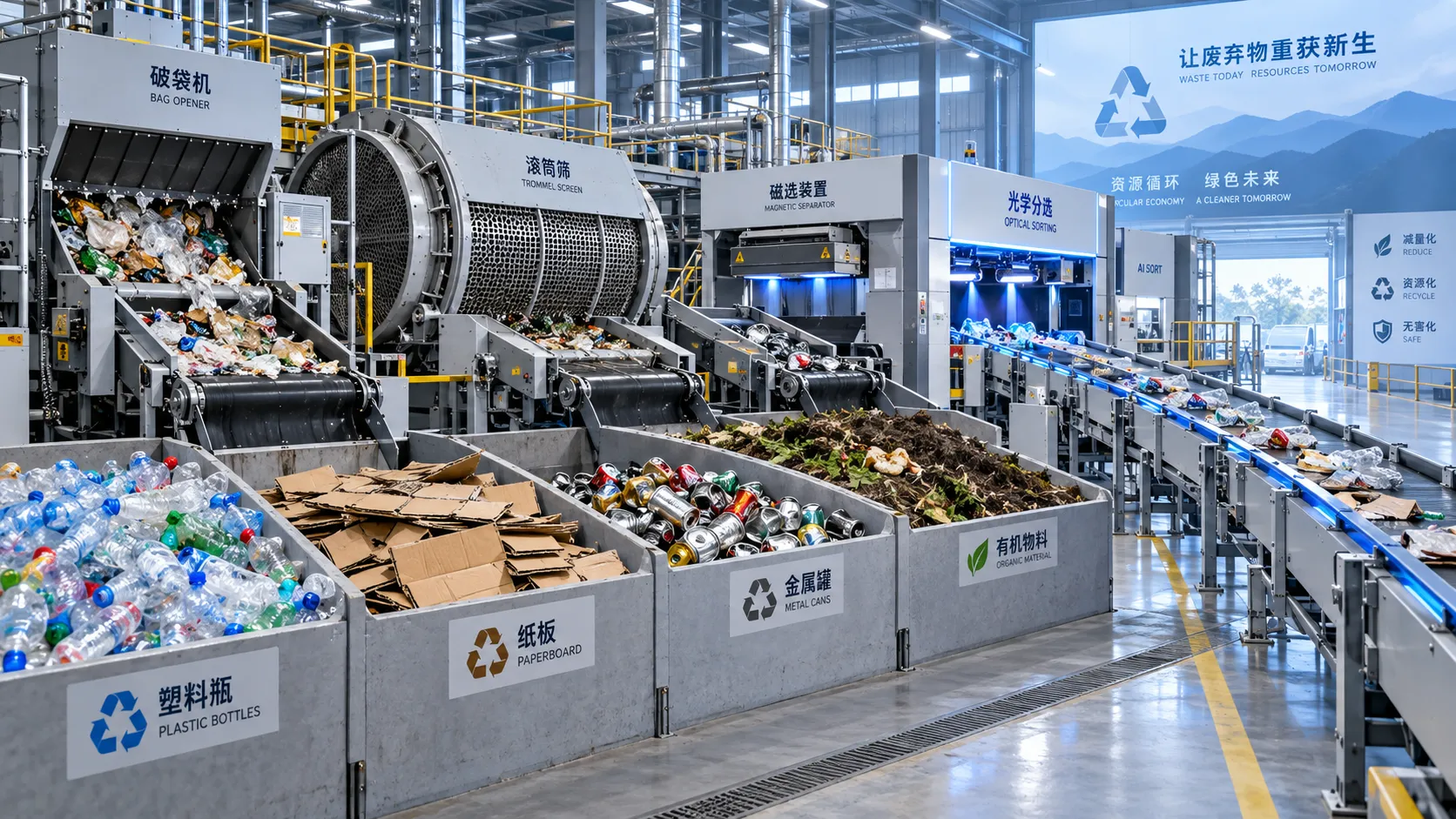
How to choose solid waste equipment based on waste stream characteristics
Environmental equipment guide for solid waste: discover how to match sorting, treatment, and recovery equipment to waste composition, moisture, contamination, and output goals.
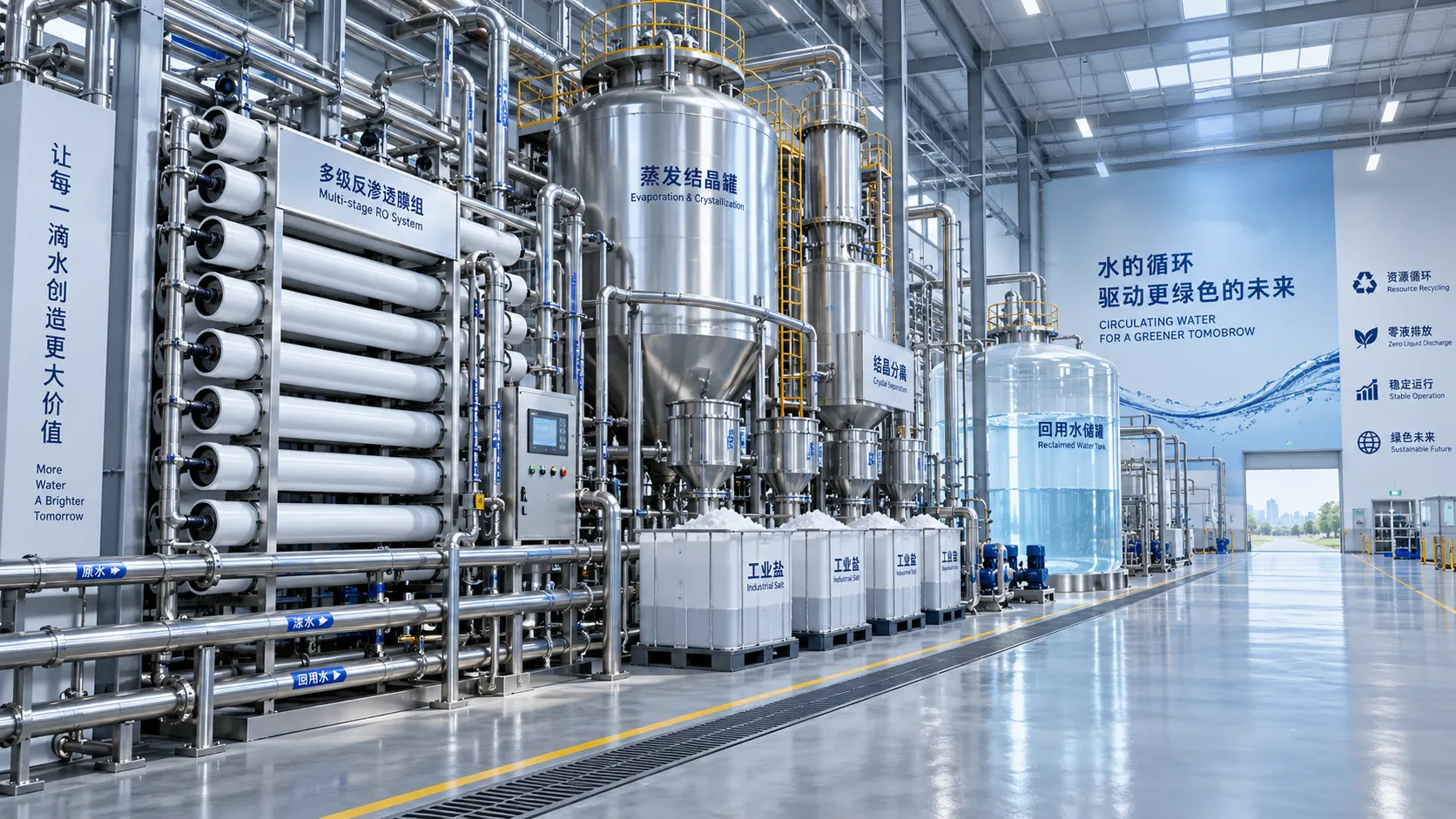
When does high recovery ZLD equipment justify its higher capital cost?
High recovery ZLD equipment can justify higher capital cost when water scarcity, discharge risks, brine disposal, and downtime threaten operations. Explore the decision factors.

How high purity heavy metal recovery affects recovered metal value
High purity heavy metal recovery boosts recovered metal value by improving payability, reducing penalties, and unlocking stronger buyer opportunities. Explore smarter netback strategies.
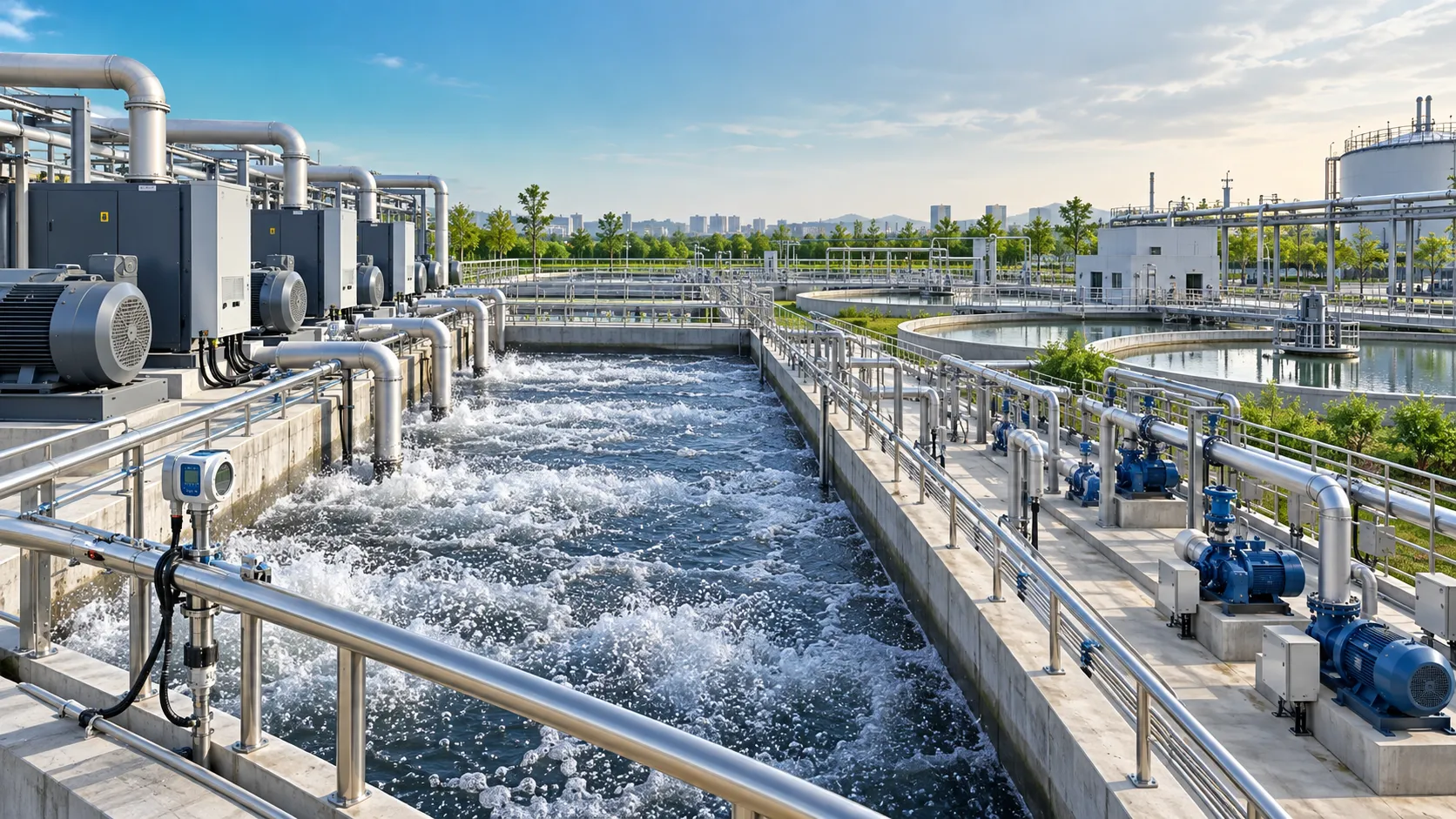
When does environmental equipment intelligence reduce wastewater plant energy use?
Environmental equipment intelligence for wastewater plants cuts energy use through smarter aeration, pumping, and data-driven controls—without compromising compliance. Discover when it delivers measurable savings.
How to Calculate Product Recovery System Payback from Yield, Energy, and Labor Savings
Product recovery system payback: learn to model yield value, energy and labor savings, operating costs, and scenarios for a defensible capital approval case.

What Makes Metals Recovery Infrastructure Repeatable Across Multiple Plant Sites?
Repeatable metals recovery infrastructure: learn how standardized processes, modular design, data control, and compliance-ready systems enable scalable multi-site recovery plants.
Waste Management and Circular Economy Regulations to Watch in 2025–2026
Recent regulatory updates in waste management and circular economy 2025-2026: explore PPWR, EPR, waste shipments, PFAS controls, and practical compliance steps.
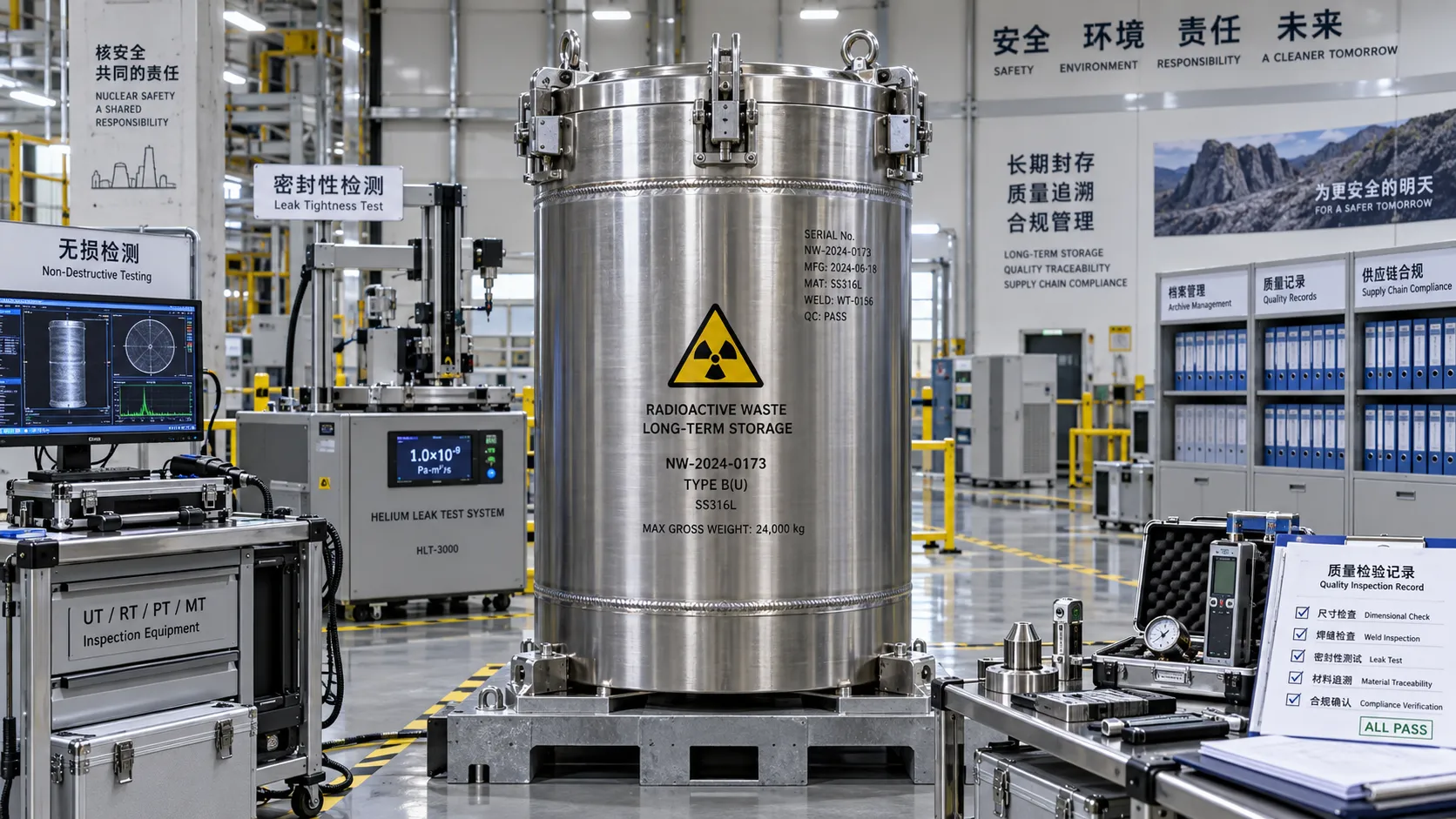
How to Qualify Nuclear Waste Supply Chain Partners for Long-Term Projects
Nuclear waste supply chain partner qualification: learn how to verify technical capability, compliance, traceability, resilience, and lifecycle support for long-term projects.