
Industry News
Curation by industry experts
Hot Articles
Popular Tags
How energy recovery cuts the cost of seawater desalination in the Middle East
For financial decision-makers, seawater desalination Middle East projects are increasingly judged on one question: can they secure long-term water supply without exposing investors to uncontrolled energy costs?
Energy recovery devices provide one of the clearest answers. In modern seawater reverse osmosis plants, they reduce the electrical work required by high-pressure pumping systems.
That reduction matters because electricity is commonly among the largest recurring operating expenses in a large-scale seawater desalination facility, particularly over a twenty-five-year concession period.
For lenders, sponsors, utilities, and public procurement authorities, energy recovery is therefore not simply an engineering feature. It is a bankability lever with measurable commercial consequences.
The strongest business case emerges where high salinity, large plant capacity, power-price uncertainty, and demanding water-purchase agreements combine to make every kilowatt-hour financially material.
This article explains how energy recovery improves project economics, what financial teams should test during due diligence, and where promised savings can be overstated.
Why Energy Use Determines Desalination Project Economics
Seawater reverse osmosis, or SWRO, separates freshwater from saline feedwater by forcing seawater through semi-permeable membranes at very high pressure.
That pressure is necessary because seawater naturally resists desalination through osmotic pressure, which rises further as water passes through the membrane and brine becomes concentrated.
In Gulf conditions, feedwater salinity and temperature can create particularly demanding operating environments, increasing the importance of efficient pressure management across the entire treatment train.
Without effective energy recovery, substantial hydraulic energy leaves the process with the high-pressure concentrate stream and is effectively wasted after membrane separation.
Older desalination configurations often relied more heavily on throttling valves or turbine systems, which recovered less usable energy and introduced additional operating complexity.
Modern pressure-exchanger systems transfer pressure directly from outgoing brine to incoming seawater, substantially reducing the duty required from high-pressure pumps.
For a financial approval committee, the relevant outcome is lower specific energy consumption, usually measured in kilowatt-hours per cubic meter of produced water.
A lower specific energy figure does not automatically guarantee the best investment. However, it directly improves operating-cost forecasts, tariff competitiveness, and resilience against electricity-price escalation.
How Energy Recovery Devices Create Savings
Energy recovery devices work by capturing hydraulic pressure from the brine stream after it has passed through the membranes but before that pressure is dissipated.
In an isobaric pressure exchanger, high-pressure brine pushes against low-pressure feedwater within rotating chambers, transferring pressure with limited energy loss.
The pressurized feedwater then enters the membrane train with much less additional pumping required, while the depressurized brine is discharged for downstream handling.
This direct transfer is more efficient than converting hydraulic energy into mechanical rotation and then using that rotation to assist another pumping system.
Actual performance depends on device efficiency, membrane recovery ratio, salinity, feedwater temperature, pipeline losses, plant loading, and the condition of associated pumps and controls.
Nevertheless, energy recovery systems can materially reduce the high-pressure pumping component that would otherwise dominate the electrical demand of a seawater desalination Middle East plant.
At utility scale, even a modest reduction in energy use per cubic meter compounds into significant annual savings because daily production volumes are often measured in hundreds of thousands.
The savings also recur throughout the operating term, making lifecycle value more important than a narrow comparison of initial equipment purchase prices.
Translate Engineering Claims Into a Financial Model
Financial teams should begin with a baseline model that separates total plant electricity demand from the specific portion influenced by energy recovery equipment.
This distinction prevents a common error: attributing every improvement in plant energy consumption to the recovery device when pretreatment, membranes, pumps, and intake conditions also contribute.
The model should compare expected net specific energy consumption under representative annual operating conditions, rather than relying only on a favorable design-point performance figure.
For example, a project may operate at different throughput levels during seasonal demand changes, maintenance periods, feedwater-temperature shifts, or off-taker dispatch instructions.
Each operating scenario should include expected electricity consumption, delivered-water volume, chemical consumption, maintenance demand, and contractual availability assumptions.
Annual energy savings equal the reduction in kilowatt-hours per cubic meter multiplied by annual production and the applicable electricity cost, including demand charges where relevant.
Financial analysts should then escalate power costs according to the project’s actual exposure, whether through regulated tariffs, fuel-linked pricing, merchant power, or a captive generation arrangement.
The resulting cash-flow benefit should be tested against the incremental capital expenditure, spare-parts requirements, insurance provisions, commissioning risk, and any efficiency guarantees offered by suppliers.
A credible investment case presents savings in several forms: annual operating expenditure reduction, lifecycle net present value, impact on water tariff, and debt-service coverage sensitivity.
For projects with fixed water-purchase tariffs, lower energy consumption can protect equity returns. For indexed tariffs, it can strengthen bid competitiveness and improve public-sector affordability.
Why Scale Changes the Investment Decision
Energy recovery is most compelling in large SWRO facilities because the equipment cost does not rise proportionally with the cumulative value of electricity savings.
A small plant may still benefit technically, but its investment case can be weakened by lower utilization, simpler plant architecture, and a smaller absolute energy bill.
Conversely, a major municipal or industrial desalination project can convert a fraction of a kilowatt-hour saved per cubic meter into millions of dollars over its lifecycle.
Large Middle East projects also tend to operate continuously, which increases annualized equipment utilization and allows high-efficiency systems to generate value more consistently.
That operating profile supports stronger payback calculations, provided availability is maintained and the device performs reliably under local feedwater conditions.
Scale also improves the commercial importance of redundancy. Losing one train may have limited production impact in a multi-train facility but can still affect contractual performance metrics.
Financial approvals should therefore evaluate energy recovery design alongside the overall train configuration, standby philosophy, hydraulic layout, and outage management plan.
The lowest-cost device is rarely the best economic choice if it creates a single-point failure, weakens plant availability, or requires difficult specialist intervention during an outage.
Evaluate the Full Cost of Ownership, Not Only CAPEX
Procurement teams often receive quotations that emphasize capital cost, nominal efficiency, and compact footprint. These are relevant, but they are insufficient for investment approval.
The better comparison considers the delivered lifecycle cost of each option under the project’s expected water-production profile and contractual risk allocation.
Capital expenditure should include equipment, piping integration, controls, civil modifications, electrical works, commissioning support, training, and any required factory or site acceptance testing.
Operating expenditure should include electricity, preventive maintenance, seal or cartridge replacement, unplanned repair exposure, labor requirements, and logistical lead times for critical spares.
Availability deserves equal attention because a highly efficient device has limited financial value if recurring stoppages force the plant into lower-output or higher-energy operating modes.
Suppliers should provide documented maintenance intervals, service histories from comparable seawater installations, recommended spare-parts inventories, and response commitments for critical failures.
Decision-makers should request clarity on performance degradation. An efficiency figure at commissioning should not be assumed to remain constant through the entire contract period.
Where feasible, contracts should define testing protocols, correction factors, and remedies for material underperformance, especially where energy guarantees influence the project’s financial model.
Power Pricing Makes the Middle East Case More Nuanced
The Middle East contains some of the world’s largest desalination markets, but the financial case for energy recovery differs across countries, utilities, and industrial users.
In markets with subsidized electricity, project sponsors may initially see a smaller operating-cost incentive. Yet subsidy reform can quickly change the economics over a long concession.
In markets using private power and water projects, electricity costs are often embedded in complex contractual structures that require careful allocation of fuel and dispatch risks.
Plants paired with renewable electricity may achieve lower carbon intensity, but variable generation can introduce operational considerations that affect loading patterns and equipment control strategies.
Energy recovery remains valuable under renewable supply because it reduces the total power capacity needed to produce each cubic meter of potable water.
This can lower the size of solar, wind, storage, transmission, or backup-generation infrastructure required to support a desalination asset reliably.
For public buyers, reduced energy demand can also limit exposure to future fiscal pressure, particularly where desalinated water forms a growing share of municipal supply.
Financial models should therefore run sensitivities for power-price escalation, carbon costs, renewable integration, curtailment, and minimum production obligations rather than assuming static electricity economics.
Manage Performance, Reliability, and Water-Quality Risks
Energy recovery does not eliminate the need for disciplined plant design. Its value depends on well-managed intake, pretreatment, membrane operation, and concentrate-disposal systems.
Feedwater fouling, biofouling, suspended solids, oil contamination, and harmful algal events can affect upstream process performance and alter overall energy consumption.
Financial teams should not treat the energy recovery device as an isolated asset. It operates within a system whose hydraulic stability and water quality determine realized savings.
Due diligence should review seasonal seawater data, intake location, pretreatment selection, historical upset events, membrane-cleaning assumptions, and the operator’s response procedures.
It is also important to confirm whether quoted energy figures include intake pumping, pretreatment, interstage boosting, post-treatment, product-water transfer, and brine-disposal pumping.
Some supplier comparisons use a narrow battery limit around the reverse-osmosis rack, which can make an option appear more efficient than its true whole-plant performance.
The investment committee should require consistent measurement boundaries before comparing vendors, calculating tariffs, or assigning operational savings to a specific technology decision.
Environmental compliance adds another consideration. Lower energy consumption reduces indirect emissions, but brine discharge permits, marine monitoring, and chemical management remain separate risks.
Build Energy Recovery Into Procurement and Contracting
Strong procurement begins with a performance specification that describes actual site conditions, required throughput, water quality, availability targets, and applicable operating ranges.
Bid documents should request guaranteed net specific energy consumption at defined conditions, together with transparent correction methods for salinity, temperature, recovery ratio, and production rate.
They should also distinguish between guaranteed device efficiency and guaranteed plant-level energy performance, since each places responsibility on different parties within the delivery structure.
EPC contractors, membrane suppliers, pump manufacturers, and energy recovery vendors must have aligned interfaces. Otherwise, expected savings can disappear through mismatched hydraulic assumptions.
Contract terms should define who bears the cost of failure to meet energy targets, how tests are witnessed, and whether liquidated damages apply after commissioning.
Long-term service agreements may be justified for strategically important plants, particularly where local maintenance capability, spare-parts lead time, or technology familiarity remains limited.
However, service agreements should be priced against a realistic internal maintenance plan. Excessively restrictive arrangements can erode savings and create avoidable vendor dependence.
A robust commercial strategy combines performance accountability with practical access to training, diagnostics, critical spares, and documented maintenance procedures.
A Decision Framework for Financial Approvers
Before approving a seawater desalination Middle East investment, financial leaders should ask whether energy recovery savings are supported by site-specific data rather than generic vendor benchmarks.
They should verify that expected annual water production reflects offtake requirements, planned maintenance, commissioning ramp-up, and realistic plant availability rather than nameplate capacity alone.
The model should show downside cases for higher salinity, power-price increases, lower membrane performance, unplanned outages, and delayed availability of critical components.
It should also identify the break-even point at which incremental energy recovery capital cost is repaid through reduced electricity consumption and lower supporting power infrastructure requirements.
For competitively tendered projects, decision-makers should assess whether efficiency improvements strengthen the bid enough to offset any added technology or integration complexity.
For existing plants, retrofit analysis should include installation downtime, hydraulic modifications, residual asset life, lost production, and whether power savings justify disruption.
The final approval should be based on risk-adjusted lifecycle economics, not on a headline efficiency percentage or an isolated comparison of supplier purchase prices.
Conclusion: Energy Recovery Is a Core Bankability Variable
Energy recovery devices have become central to the economics of modern reverse-osmosis desalination because they reduce one of the industry’s most persistent operating burdens: high-pressure energy demand.
For Middle East projects, their value is amplified by large plant scale, demanding seawater conditions, expanding water needs, and uncertainty around future power and carbon costs.
The strongest projects treat energy recovery as part of an integrated commercial and technical strategy, connecting hydraulic design, equipment reliability, contract guarantees, and electricity-risk management.
Financial decision-makers should require whole-plant energy evidence, conservative operating assumptions, and enforceable performance commitments before capitalizing projected savings into investment returns.
When evaluated through that discipline, energy recovery can lower water costs, improve tariff competitiveness, protect lifecycle cash flows, and support more resilient desalination infrastructure across the region.
Recommended News
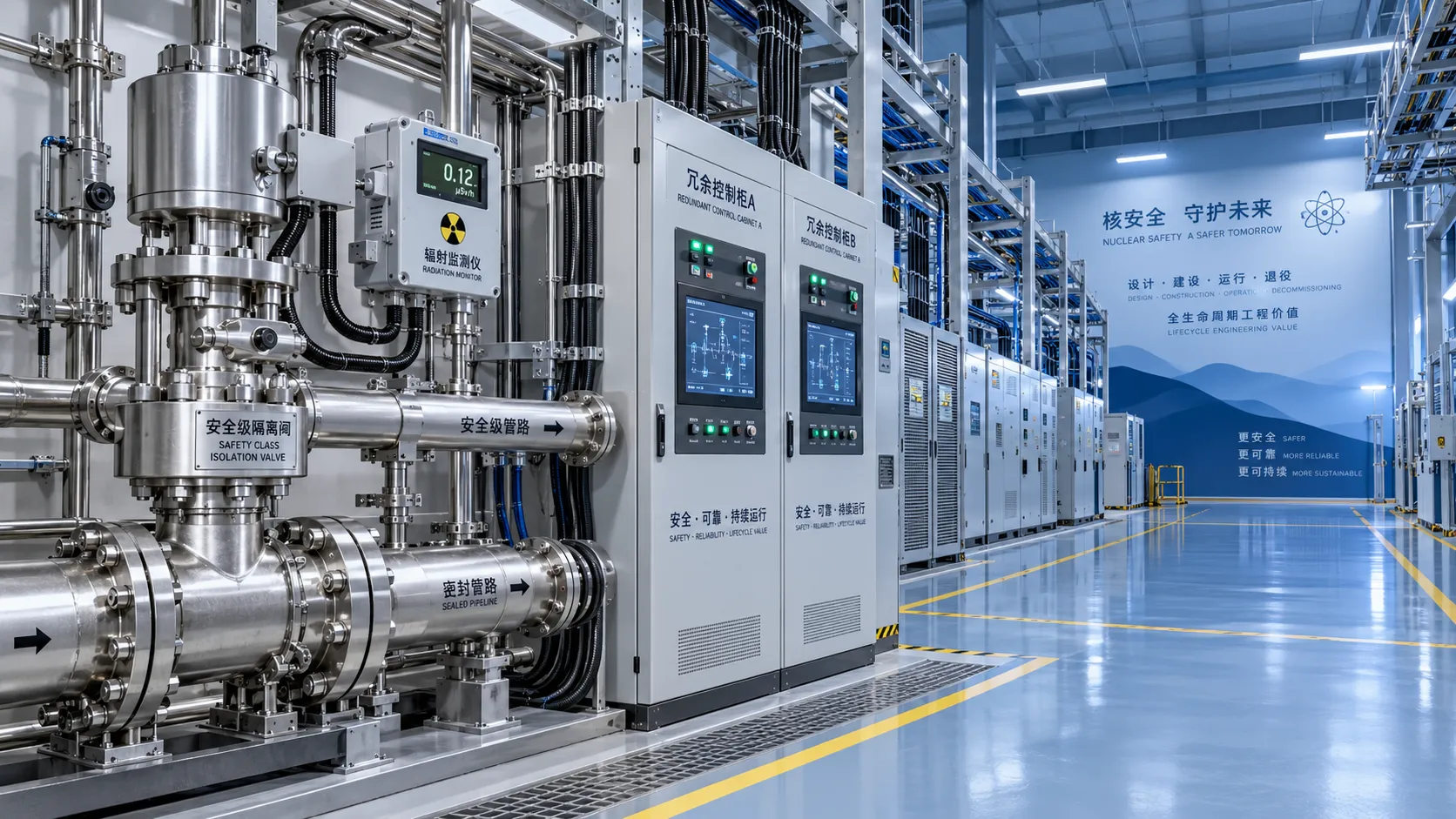
What drives nuclear safety solutions pricing for new facility projects?
Nuclear safety solutions pricing explained: uncover the key cost drivers for new facilities, from qualification and interfaces to lifecycle support.
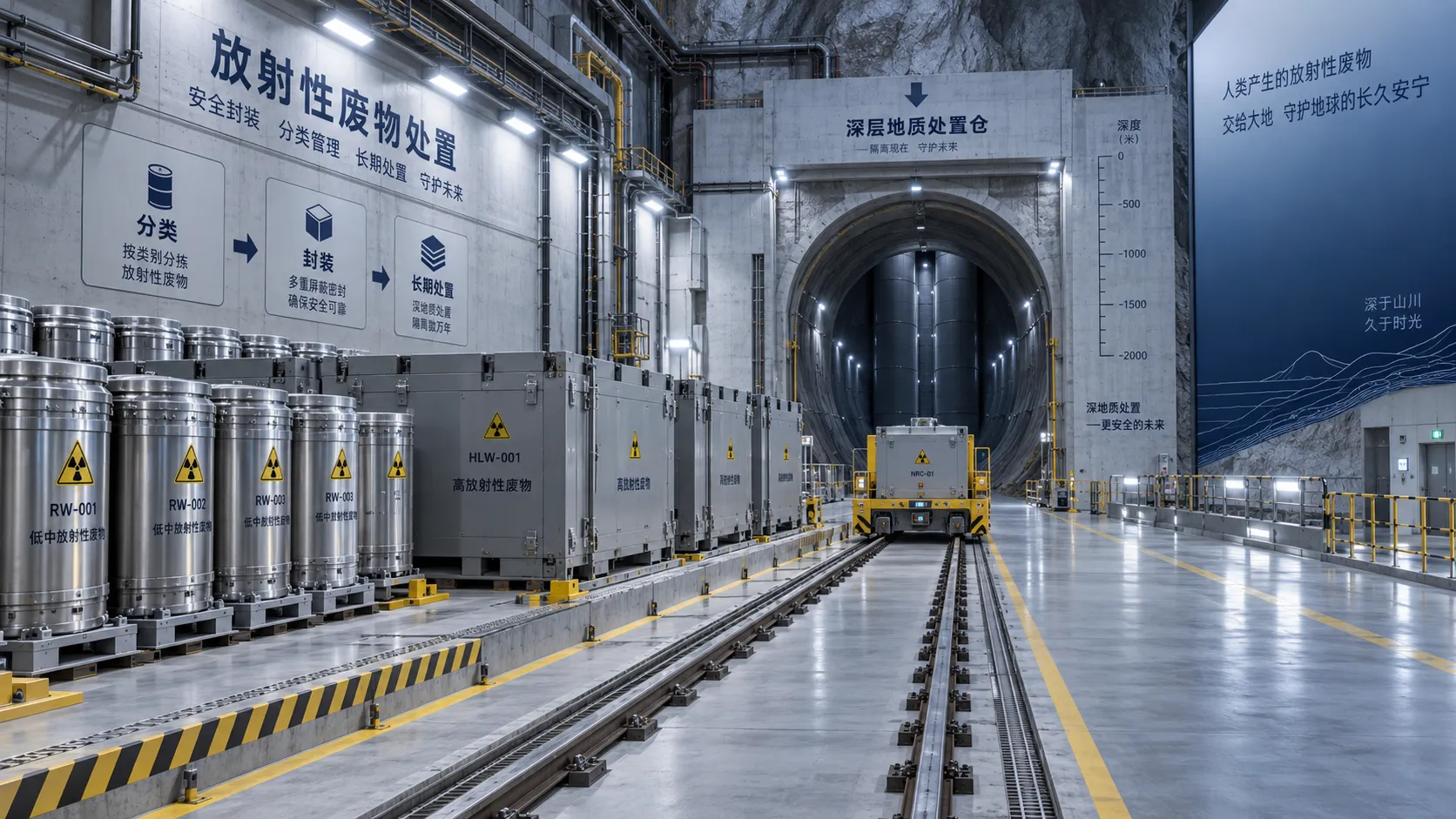
What drives radioactive waste cost over the life of a disposal project?
Radioactive waste cost depends on classification, treatment, transport, storage, disposal access, and long-term compliance. Explore the key lifecycle cost drivers.
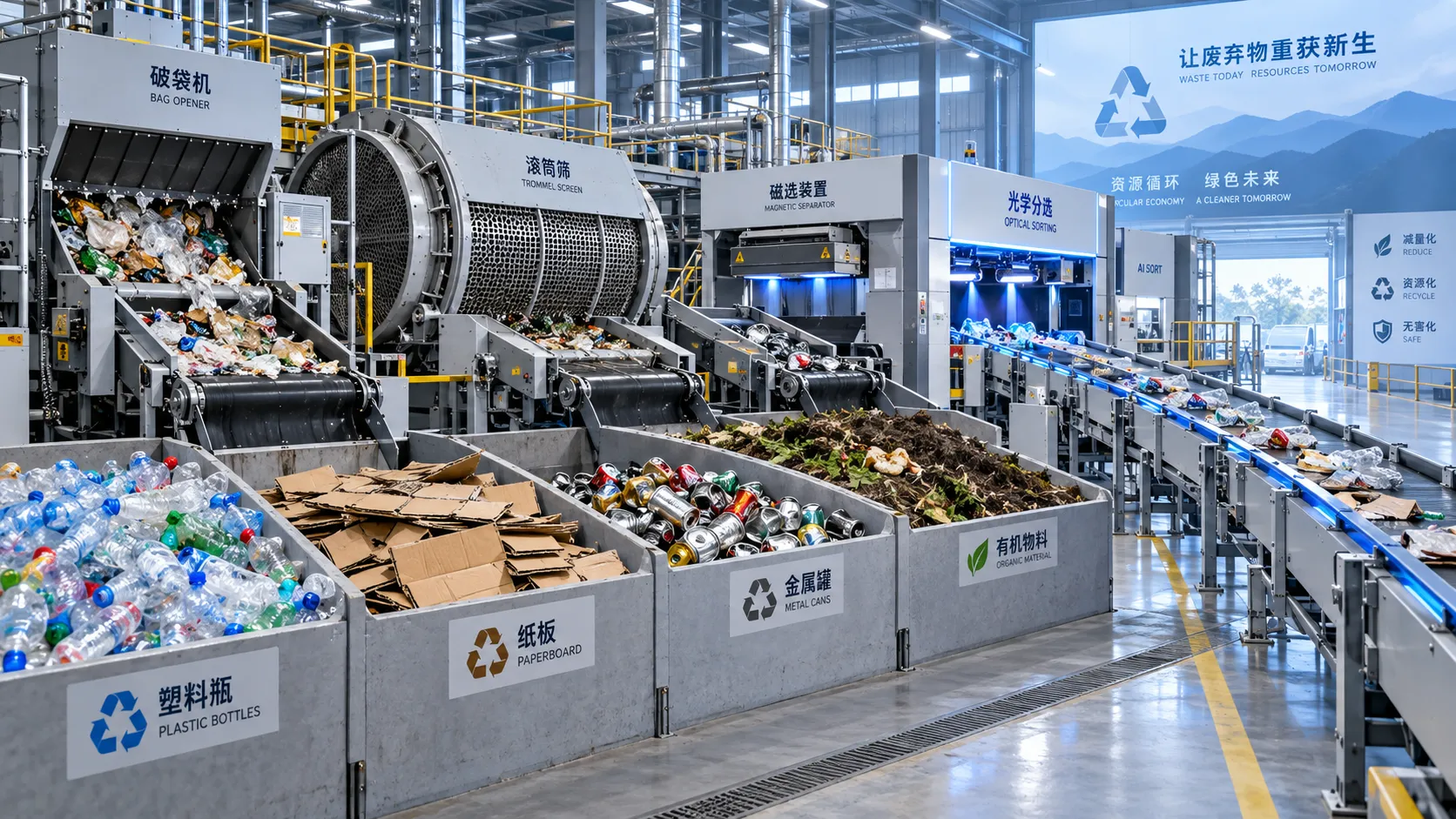
How to choose solid waste equipment based on waste stream characteristics
Environmental equipment guide for solid waste: discover how to match sorting, treatment, and recovery equipment to waste composition, moisture, contamination, and output goals.
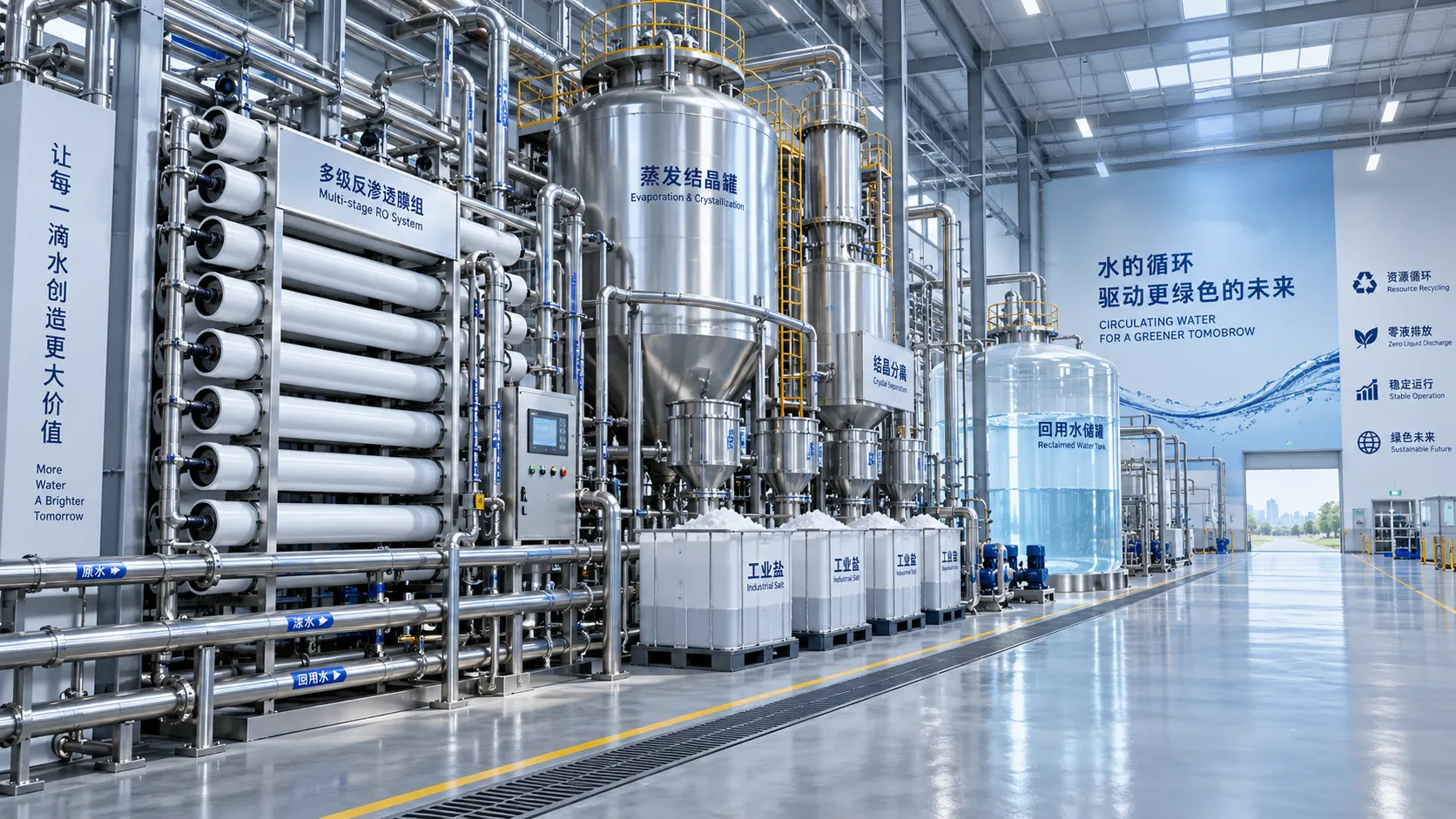
When does high recovery ZLD equipment justify its higher capital cost?
High recovery ZLD equipment can justify higher capital cost when water scarcity, discharge risks, brine disposal, and downtime threaten operations. Explore the decision factors.

How high purity heavy metal recovery affects recovered metal value
High purity heavy metal recovery boosts recovered metal value by improving payability, reducing penalties, and unlocking stronger buyer opportunities. Explore smarter netback strategies.
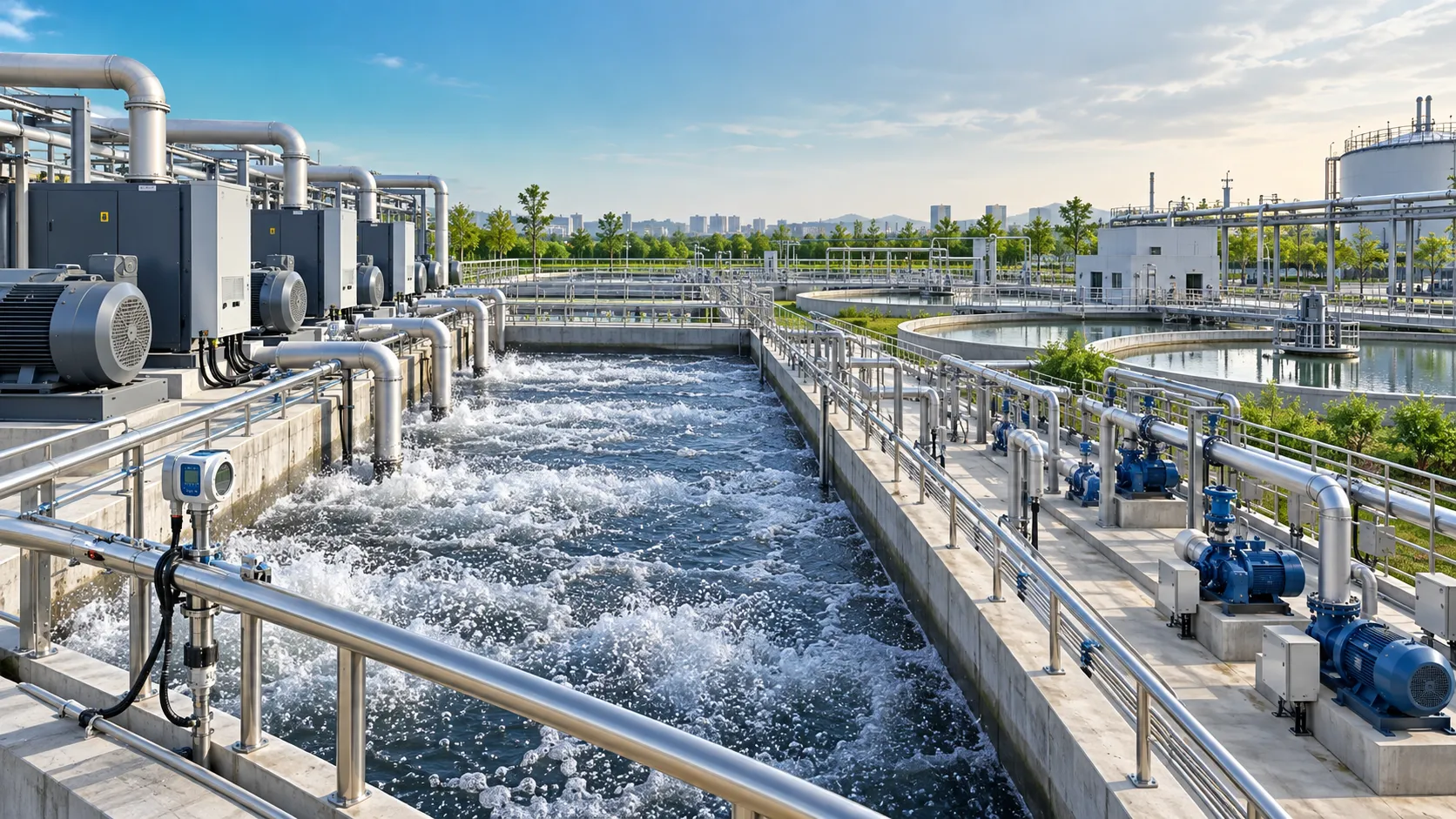
When does environmental equipment intelligence reduce wastewater plant energy use?
Environmental equipment intelligence for wastewater plants cuts energy use through smarter aeration, pumping, and data-driven controls—without compromising compliance. Discover when it delivers measurable savings.
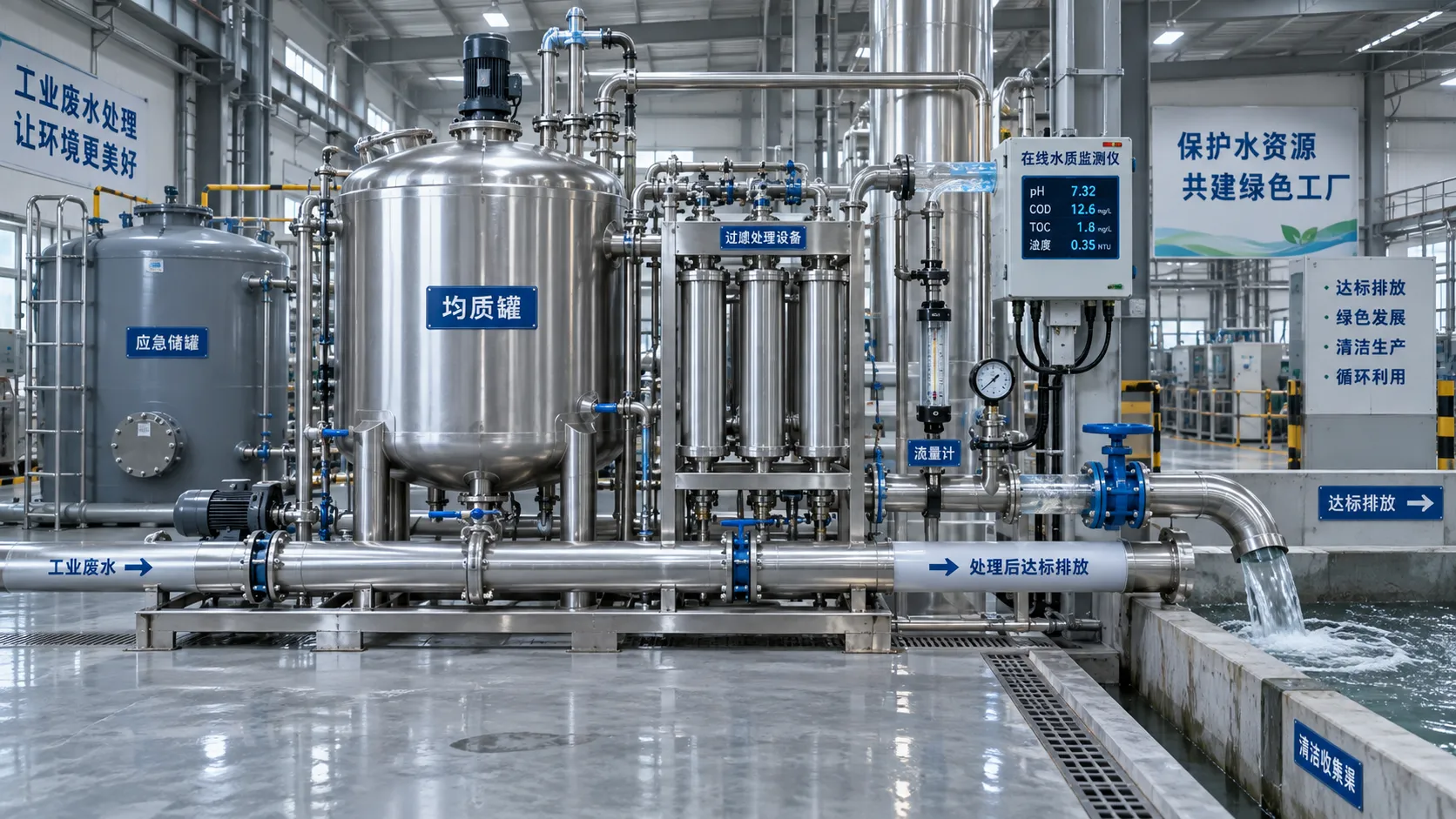
What Are the Main Compliance Risks in Industrial Wastewater Discharge?
What are the main compliance risks in industrial wastewater discharge? Explore permit exceedances, monitoring failures, hazardous contaminants, and practical controls to reduce liability.

When Should Ecological Engineering Be Used Instead of Conventional Treatment?
When should ecological engineering be used instead of conventional treatment? Explore practical criteria, hybrid solutions, lifecycle value, and compliance-ready water strategies.
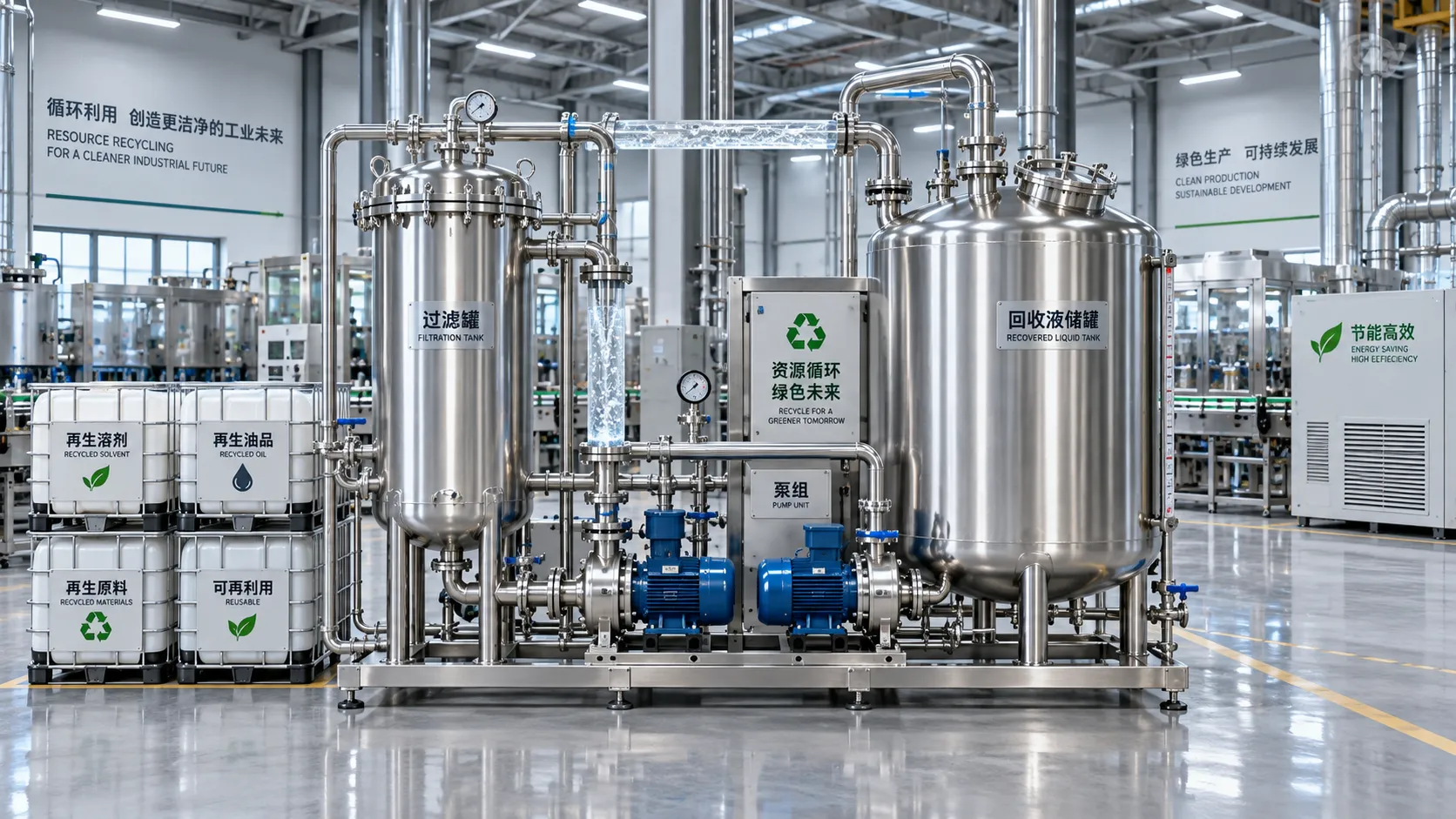
How to Calculate Product Recovery System Payback from Yield, Energy, and Labor Savings
Product recovery system payback: learn to model yield value, energy and labor savings, operating costs, and scenarios for a defensible capital approval case.