
Industry News
Curation by industry experts
Hot Articles
Popular Tags
What drives radioactive waste cost over the life of a disposal project?
The cost of radioactive waste disposal is not a single fee paid when material enters a repository. It is the accumulated cost of proving what the waste is, converting it into an acceptable form, moving it through regulated transport systems, operating a disposal facility, and preserving safety and institutional control for as long as the applicable regime requires. A low gate fee can therefore coexist with a high lifecycle liability if characterization, conditioning, transport, repository acceptance, or post-closure obligations have been underestimated.
For capital approval, the central question is not “What is the disposal price per container or per cubic metre?” It is “What financial exposure remains from waste generation until the liability is transferred, accepted, and funded under the governing disposal arrangement?” That distinction determines whether a project budget is robust or merely incomplete.
Waste classification sets the cost pathway
Waste classification is the first major driver because it determines nearly every downstream requirement: treatment route, package design, transport controls, disposal facility eligibility, monitoring burden, and the duration of institutional oversight. Two waste streams with similar physical volume can have radically different cost profiles when their radionuclide inventories, chemical forms, dose rates, heat generation, or long-lived constituents differ.
Financial models should avoid treating “radioactive waste” as one homogeneous cost category. The relevant distinctions commonly include:
- very low-level material suitable for simplified engineered disposal arrangements;
- low-level waste requiring controlled packaging and disposal but generally limited long-term heat management;
- intermediate-level waste that may require shielding, more robust conditioning, and deeper isolation;
- high-level waste or spent fuel, where decay heat, long-lived radionuclides, criticality control, and geological disposal requirements dominate the cost structure.
The classification assigned at the point of disposal may differ from the project team’s early operational description. A mixed stream, a poorly documented legacy item, or material with uncertain contamination history can be routed into a more restrictive category. This is why characterization uncertainty should be treated as a budget risk rather than a technical inconvenience.
Classification can also change after treatment. Volume reduction may lower disposal volume but concentrate radionuclides into residues that require a higher-cost pathway. Incineration, compaction, evaporation, ion exchange, filtration, and chemical treatment all create secondary waste. The economically relevant measure is not only the reduction in original waste volume; it is the total cost of managing every resulting stream through final acceptance.
Characterization is often the most underestimated early cost
Before a disposal facility accepts a waste package, the generator must normally demonstrate compliance with waste acceptance criteria. That evidence may require radiological assay, nuclide-vector calculations, sampling, destructive analysis, non-destructive examination, chemical testing, records review, and quality assurance documentation.
Routine, well-characterized streams can be planned with standardized sampling frequencies and established scaling factors. Non-routine streams cannot. Legacy materials, mixed wastes, activated components, contaminated equipment, sludges, resins, and materials with incomplete process histories can require extended investigation before a disposal route can even be confirmed.
This creates a timing issue as well as a cost issue. If characterization is deferred until late in a decommissioning or disposal programme, the project may discover that containers, treatment equipment, transport licenses, or repository slots need to be changed. The direct analytical cost may be modest relative to the resulting schedule disruption.
A credible radioactive waste cost estimate should identify which assumptions are supported by defensible data and which depend on provisional waste records. It should also distinguish between the cost of confirming a known waste stream and the contingency associated with discovering an unknown one. Combining those items into a single allowance hides the source of exposure and makes later variance analysis difficult.
Conditioning and packaging determine more than container prices
Packaging is frequently misread as a procurement line item: select a drum, box, overpack, or shielded container, obtain quotations, and multiply by expected volume. In reality, the package is part of a safety case. Its material, dimensions, closure method, shielding performance, lifting features, internal void management, corrosion resistance, fire behavior, and compatibility with the waste form can affect both operating cost and final disposal acceptance.
Conditioning costs become significant when waste must be immobilized, stabilized, encapsulated, grouted, dried, dewatered, or otherwise converted into a compliant form. The selected process may require consumables, engineered additives, remote handling equipment, ventilation systems, sampling, secondary containment, and specialist labor. It can also constrain throughput. A process that produces a technically excellent package but processes material slowly may create storage costs and schedule pressure that outweigh its unit treatment advantage.
Volume-efficient treatment is not automatically least cost. Higher compaction ratios or thermal treatment can reduce the number of packages and transport movements, but treatment residues may be more active, chemically challenging, or difficult to qualify. Conversely, direct packaging may appear expensive in container count but avoid a complex treatment campaign and associated secondary waste.
The practical comparison is therefore between complete qualified routes, not individual equipment prices. Each route should include feed preparation, treatment, consumables, quality checks, rejected-package handling, storage before shipment, transport, and final disposal charges.
Transport cost is driven by constraints, not distance alone
Transport expenditure is shaped by package classification, radiation level, physical dimensions, route approvals, carrier capability, security arrangements where applicable, loading infrastructure, emergency planning, and receiving-facility schedules. Distance matters, but it is rarely the only material variable.
A disposal site may be geographically close but commercially inaccessible to a particular waste form, forcing treatment or rerouting. A package optimized for storage may not meet transport requirements. A project can also incur avoidable cost when loading equipment, temporary shielding, staging areas, or radiological release surveys are not incorporated into the original logistics plan.
Transport should be modeled as a campaign rather than a simple freight rate. Fixed mobilization costs can make small or irregular shipments disproportionately expensive. Shipment frequency may be constrained by storage capacity, package availability, repository receiving windows, and regulatory approvals. A lower-cost carrier quotation is not a meaningful saving if the provider cannot support the required package type, documentation standard, or delivery schedule.
Repository design and capacity allocation shape the long tail of cost
Disposal facilities are engineered around the hazard profile of their intended inventory. Costs may include site characterization, excavation or vault construction, engineered barriers, waste emplacement systems, ventilation, water management, radiation protection, security, environmental monitoring, closure works, and record preservation. The required level of isolation and duration of performance assessment rise with the nature of the waste.
For a waste generator, these infrastructure costs may appear through several commercial mechanisms: direct disposal tariffs, national levies, prepaid funds, contractual commitments, or cost-sharing arrangements. The accounting treatment varies, but the economic issue remains the same: the project’s waste burden is linked to the availability and design basis of a disposal route.
Capacity assumptions need particular scrutiny. A repository may have nominal physical capacity but limited acceptance capacity for certain package dimensions, radionuclides, chemical constituents, or heat loads. If a project assumes unrestricted access and the receiving route later imposes limits, the result may be repackaging, interim storage, treatment redesign, or prolonged holding costs.
For long-lived or heat-generating waste, the largest cost exposure may sit in future disposal infrastructure rather than near-term handling. A financial estimate should show whether the assumed disposal obligation is based on an established funding arrangement, a defined tariff, an internal provision, or a conceptual future facility. These are not equivalent levels of certainty.
Interim storage is not a neutral delay
When final disposal is unavailable, deferred, or commercially impractical, waste enters interim storage. This can be necessary and safe when properly designed, but it introduces recurring costs: facility operation, inspection, surveillance, security, environmental controls, container maintenance, inventory management, records retention, and periodic safety review.
Storage also creates condition-management risk. Packages can require re-inspection, requalification, overpacking, or retrieval if aging, corrosion, gas generation, settlement, or waste-form changes affect their compliance basis. The financial impact is not confined to maintenance. A package designed for a limited storage period may become costly to retrieve and rework if disposal is delayed beyond the original planning horizon.
There is a legitimate economic case for storage where radioactive decay materially reduces handling or disposal requirements. That case should be quantified for the specific radionuclides and waste form involved, not assumed from the general fact that radioactivity decreases over time. Storage may reduce one future cost while adding years of operating, maintenance, and financing expense.
Compliance costs include evidence, governance, and change control
Radiological safety rules are only one part of the cost base. Disposal projects also require quality systems, traceability, configuration control, procurement qualification, environmental permitting, worker protection, training, audits, emergency arrangements, and document retention. These costs can be substantial because they support the evidence that allows a package and facility to remain acceptable throughout their operating life.
Regulatory changes or revised interpretations are difficult to predict precisely, but they should not be excluded from financial planning. The most material exposure often comes from a change in acceptance criteria, documentation expectations, monitoring requirements, package specifications, or the approved endpoint for a waste stream. A project with weak baseline records is more vulnerable because it has less ability to demonstrate continued compliance without rework.
Approval documentation should separate unavoidable compliance expenditure from change-driven contingency. This avoids the common error of labeling foreseeable quality and licensing work as “contingency,” then treating it as a potential saving during budget review.
Time, inflation, and discounting can distort apparent affordability
Radioactive waste liabilities extend across periods far longer than normal equipment procurement cycles. This makes nominal-price estimates particularly misleading. Labor, specialist services, energy, construction, transport, security, analytical capacity, and repository operations may not inflate at the same rate. A general inflation assumption can therefore understate the escalation of the cost categories most exposed to scarce technical capability or regulated infrastructure.
Discounting is necessary for comparing long-dated cash flows, but it should not be used to make physical obligations appear immaterial. A low present value for a cost decades away does not remove the requirement to fund it when due. The financial model should show both undiscounted future obligations and present-value calculations, with assumptions stated clearly.
Escalation and discount rates should be stress-tested separately. Applying one net rate to every element conceals whether a result depends on optimistic price escalation, a high discount rate, or both. This matters especially where future funds must be segregated, protected, or regularly reassessed against an evolving liability.
Contingency should be linked to identifiable uncertainty
A single percentage contingency applied to total radioactive waste cost is convenient but weak. The uncertainty attached to a mature, repetitive operational waste stream is not comparable to that of uncharacterized legacy waste, a first-of-a-kind treatment process, or a disposal route dependent on future infrastructure.
A stronger estimate separates the cost base into components with different uncertainty drivers:
This approach makes contingency defendable. It also reveals where additional engineering, sampling, supplier qualification, or contractual clarification can reduce uncertainty before a capital decision is locked in.
The most useful approval model is scenario-based
A base-case estimate should not be the only number presented for approval. It should be accompanied by scenarios that reflect plausible changes in the drivers that matter most: a higher waste classification, lower treatment yield, delayed repository acceptance, longer interim storage, revised package requirements, or stronger-than-general escalation in specialist services.
These scenarios should not be confused with arbitrary pessimism. Their purpose is to establish the cost of specific adverse conditions and to show whether the project retains financial resilience. A disposal route that is inexpensive only when every technical and scheduling assumption holds is not necessarily the lowest-risk route.
Decision quality improves when each major cost is assigned to a clear obligation, owner, timing assumption, and evidence source. Costs that depend on future third-party acceptance should be distinguished from costs already under contract. Costs that can be reduced through better waste segregation should be separated from costs that are fixed by the selected disposal pathway. This turns radioactive waste cost from a broad provision into a manageable set of technical and commercial exposures.
The durable financial conclusion is simple: disposal fees are only the visible endpoint of a much larger lifecycle commitment. The strongest projects control cost not by choosing the cheapest nominal disposal option, but by reducing classification uncertainty, protecting acceptance eligibility, accounting for storage and time, and reserving funds against the conditions that can realistically alter the route to disposal.
Recommended News
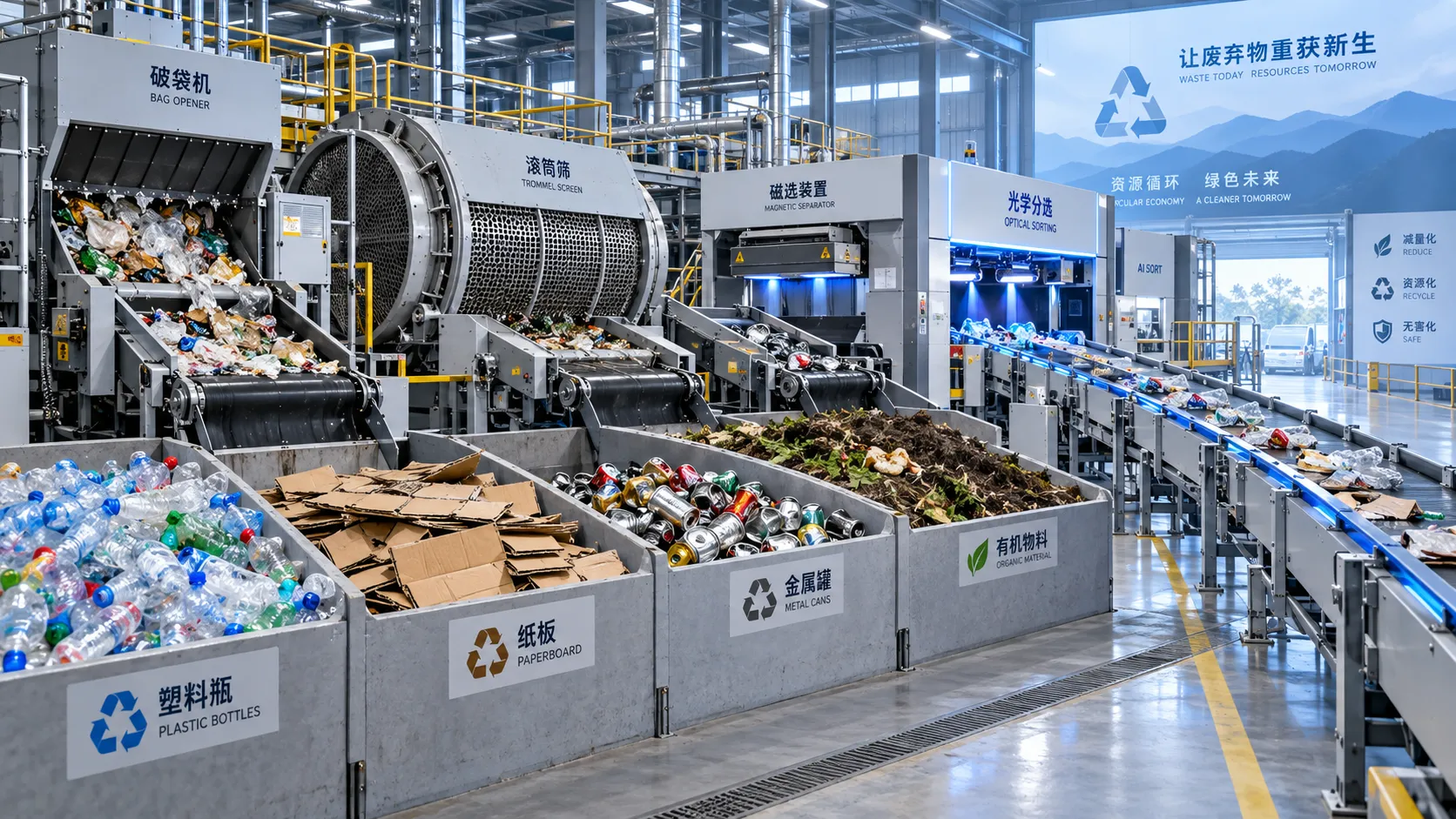
How to choose solid waste equipment based on waste stream characteristics
Environmental equipment guide for solid waste: discover how to match sorting, treatment, and recovery equipment to waste composition, moisture, contamination, and output goals.

When does high recovery ZLD equipment justify its higher capital cost?
High recovery ZLD equipment can justify higher capital cost when water scarcity, discharge risks, brine disposal, and downtime threaten operations. Explore the decision factors.

How high purity heavy metal recovery affects recovered metal value
High purity heavy metal recovery boosts recovered metal value by improving payability, reducing penalties, and unlocking stronger buyer opportunities. Explore smarter netback strategies.

When does environmental equipment intelligence reduce wastewater plant energy use?
Environmental equipment intelligence for wastewater plants cuts energy use through smarter aeration, pumping, and data-driven controls—without compromising compliance. Discover when it delivers measurable savings.
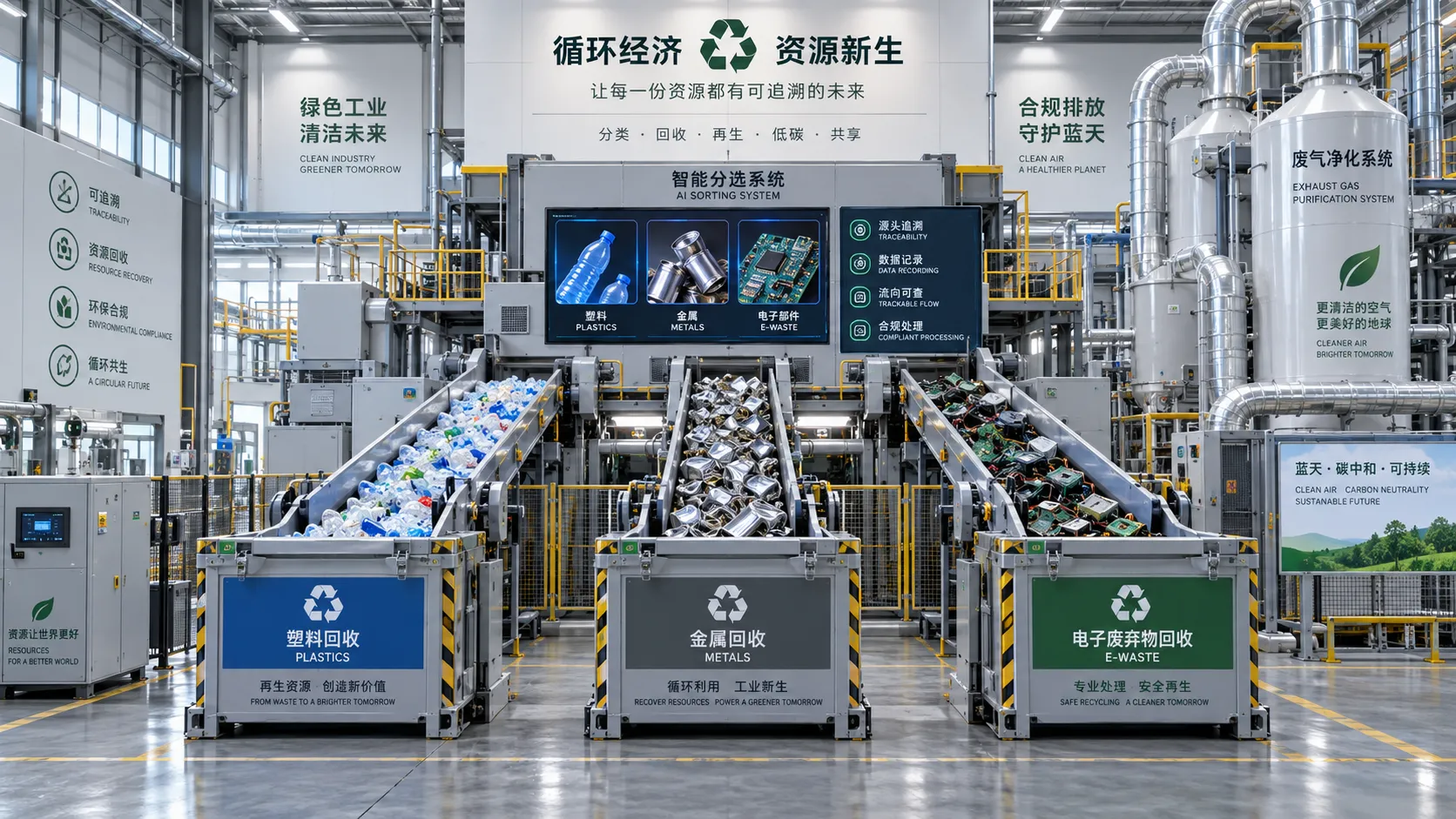
Waste Management and Circular Economy Regulations to Watch in 2025–2026
Recent regulatory updates in waste management and circular economy 2025-2026: explore PPWR, EPR, waste shipments, PFAS controls, and practical compliance steps.
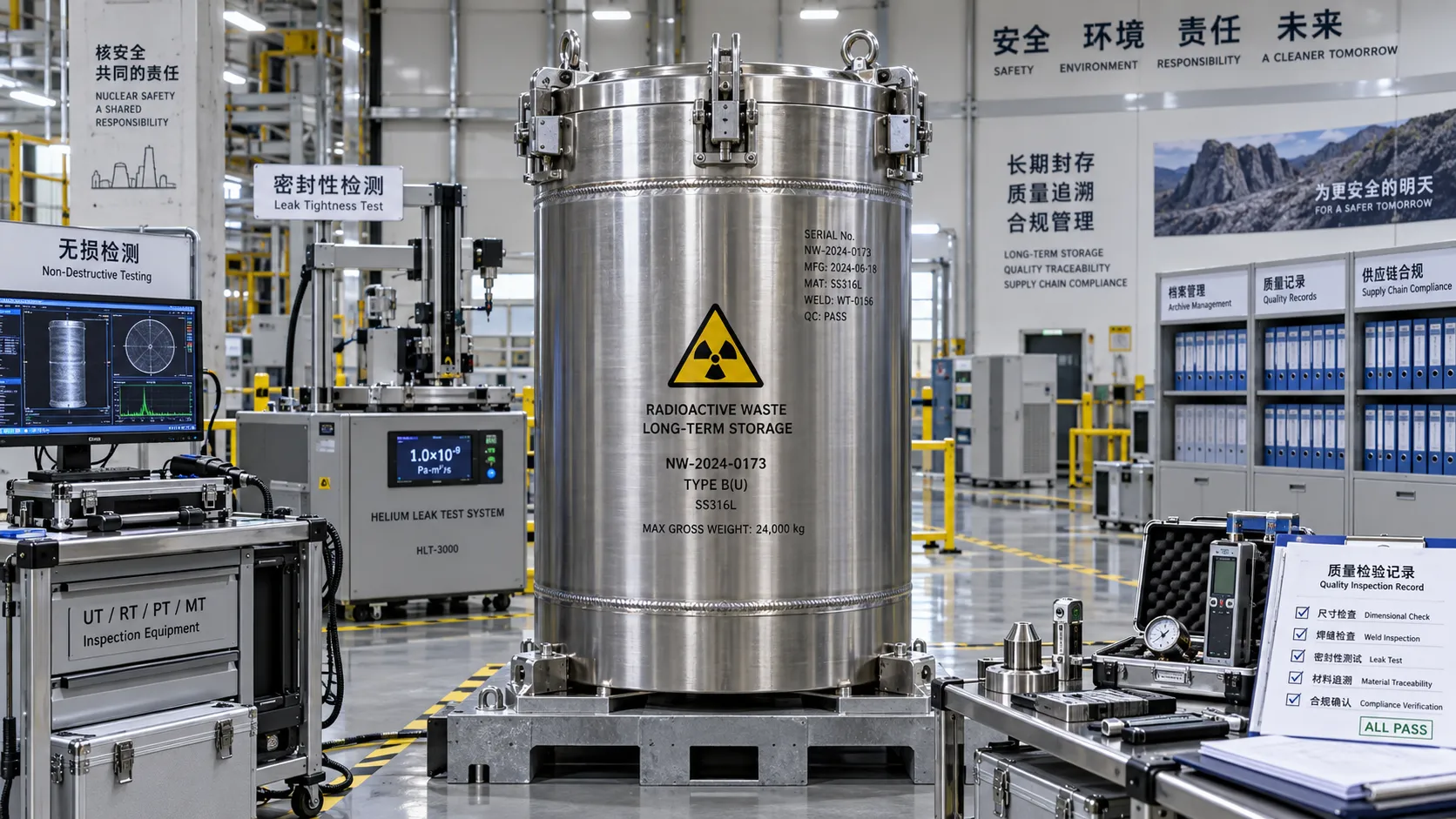
How to Qualify Nuclear Waste Supply Chain Partners for Long-Term Projects
Nuclear waste supply chain partner qualification: learn how to verify technical capability, compliance, traceability, resilience, and lifecycle support for long-term projects.
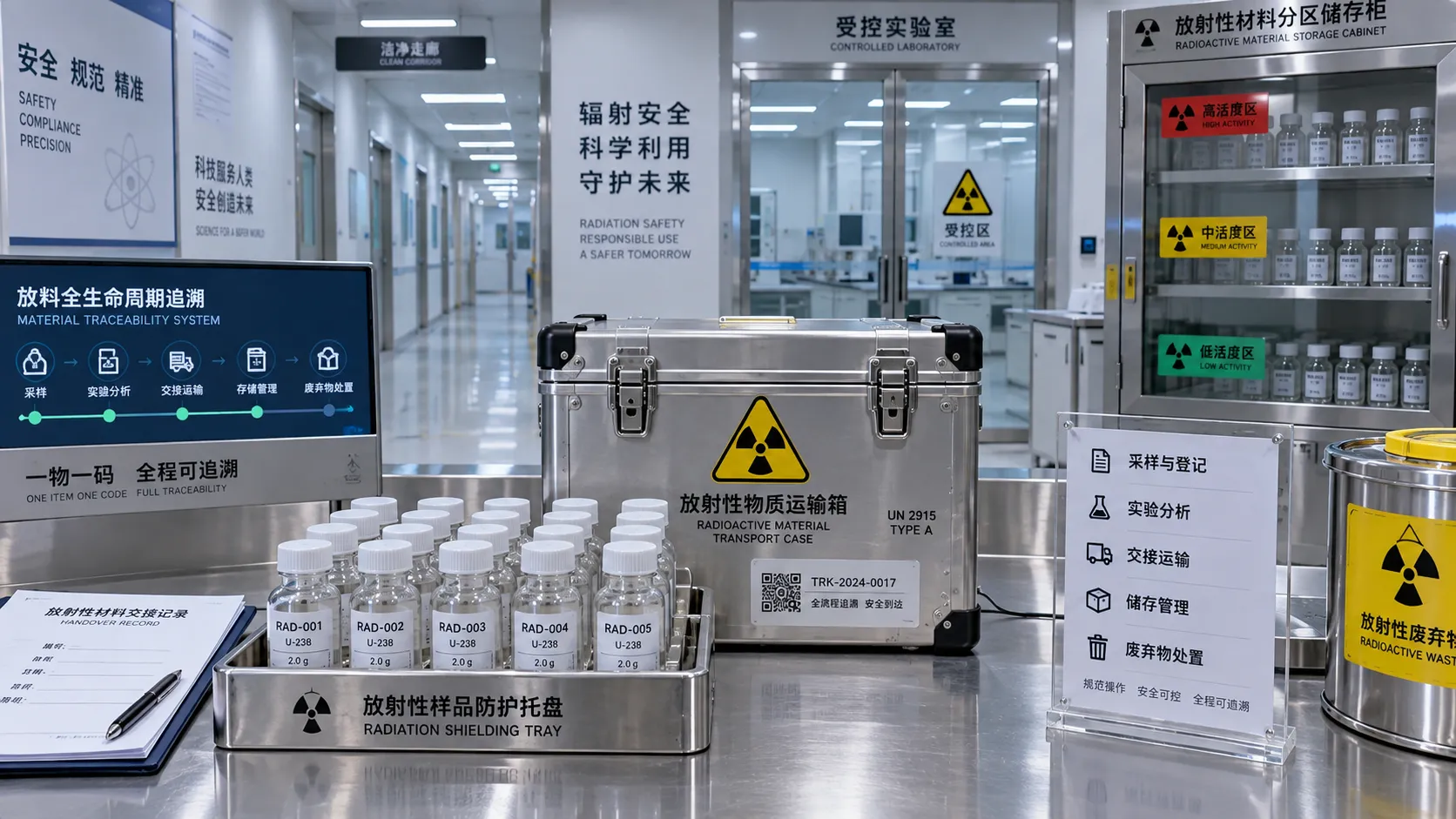
Choosing a Radioisotope Management System for Multi-Site Research Facilities
Radioisotope management system guide for multi-site research facilities: compare traceability, chain of custody, waste controls, roles, and integrations.
Applying C. McCombie’s Disposal Principles to Long-Lived Radioactive Waste
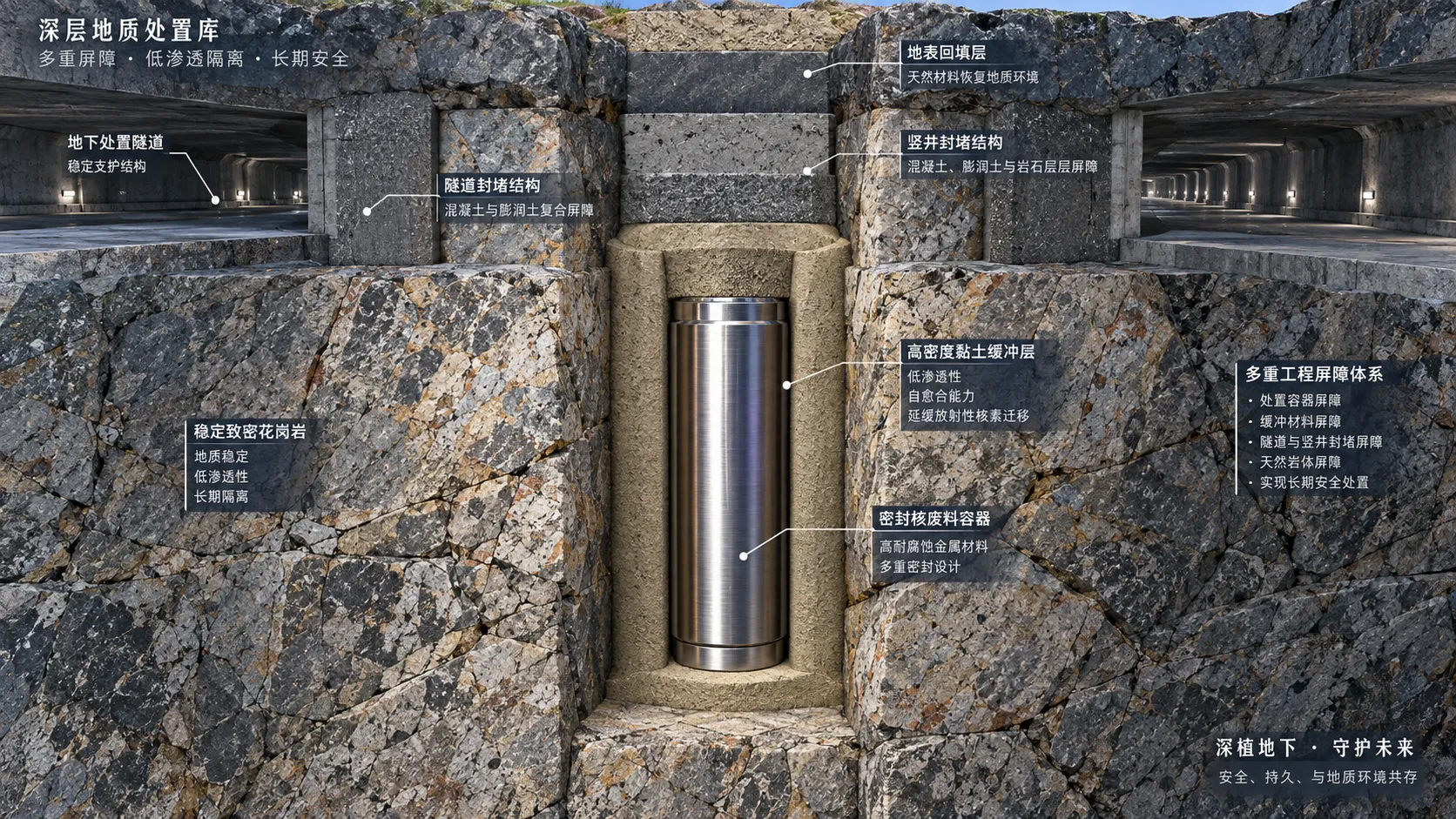
Explore principles and standards for the disposal of long-lived radioactive wastes C. McCombie, covering geological isolation, engineered barriers, safety cases, and intergenerational protection.
What Evidence Supports the Long-Term Safety Case for Geological Disposal?
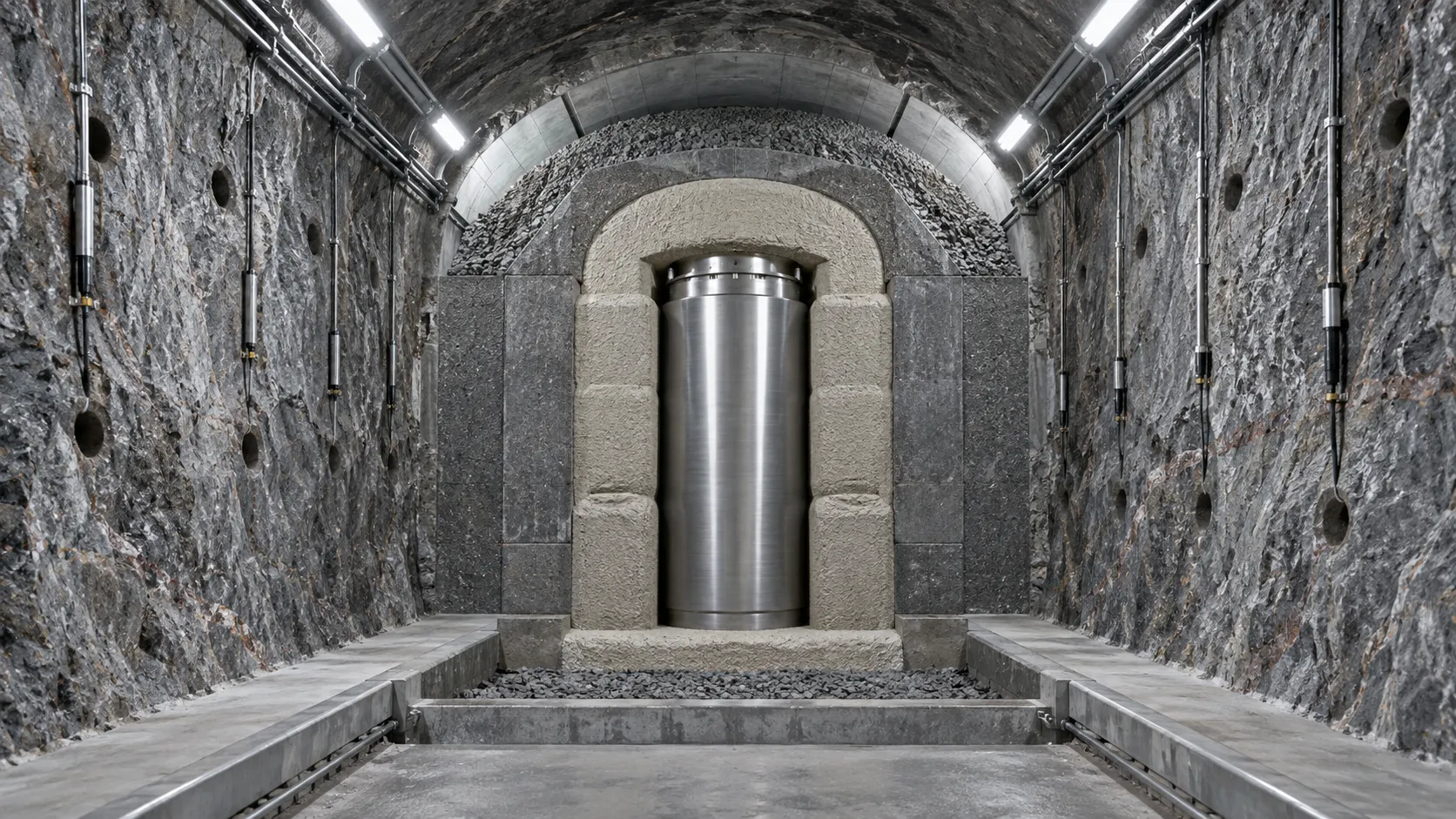
Long-term safety of geological disposal: explore the evidence behind multi-barrier systems, site science, uncertainty testing, and auditable safety cases.