
Industry News
Curation by industry experts
Hot Articles
Popular Tags
When does repeatable metals recovery infrastructure justify the investment?
A metals recovery project is easy to support in principle. The harder question is whether it can run predictably enough, for long enough, to deserve permanent infrastructure rather than periodic outsourcing, toll treatment, or a simpler waste-management contract.
Repeatable metals recovery infrastructure becomes commercially defensible when the operation is no longer reacting to occasional high-value waste loads. It is handling a recurring stream with sufficiently understood chemistry, workable logistics, a credible outlet for recovered material, and a compliance burden that will not disappear if the plant chooses to do nothing. In that situation, recovery equipment is not merely an environmental add-on. It becomes part of the site’s production and risk-control system.
For business evaluators, the central mistake is to ask only whether recovered metal revenue can pay for the equipment. It rarely tells the full story. The investment case sits at the intersection of avoided disposal cost, reduced liability, water and reagent use, process uptime, residue handling, permitting exposure, and the commercial value of a more secure secondary-material supply.
The investment threshold is consistency, not simply metal content
High metal concentration can make a waste stream attractive, but concentration alone does not make it suitable for an in-house recovery plant. A one-off campaign of spent catalyst, plating sludge, battery-processing residue, or metallurgical dust may contain recoverable value while still being a poor fit for fixed infrastructure. If the volume arrives irregularly, the chemistry changes from shipment to shipment, or the material is tied up in difficult compounds, a plant can spend too much time in adjustment mode.
The better trigger is repeatability. Procurement teams should look for a sustained pattern in feed volume, metal composition, contaminant profile, moisture, particle size, and delivery timing. The goal is not absolute uniformity; very few real industrial streams offer that. The question is whether expected variation remains inside the operating envelope of the proposed process without causing frequent shutdowns, off-spec product, excessive reagent consumption, or an unstable residue.
This distinction is particularly important in mixed industrial waste. A recovery line designed around copper-bearing sludge can behave very differently if chlorides, oils, chelating agents, chromium compounds, or fine organics fluctuate. In electronic scrap and urban-mining applications, feedstock sorting discipline often determines plant economics before the first hydrometallurgical reactor or furnace is selected. A sophisticated downstream process cannot fully compensate for poor feed preparation.
A practical internal test is simple: can the site describe its incoming material using recent sampling records rather than broad assumptions? If the answer is no, the next expenditure should often be characterization, sampling design, and pilot work—not a full-scale equipment order.
Where the economic case actually comes from
Recovered metal sales are visible, so they dominate early business cases. Yet the more durable projects usually rest on several value streams. Disposal and transport avoidance can be substantial where hazardous or metal-bearing residues require controlled handling. Internal recovery may also reduce purchases of certain raw materials, reduce wastewater treatment loading, or lower the amount of sludge requiring final disposal. In some operations, the ability to continue production without being constrained by a waste-storage limit is commercially more valuable than the recovered metal itself.
That does not mean every benefit should be counted at face value. Avoided disposal costs are only bankable if the current route, classification, transport distance, and treatment charges are documented. Internal reuse is only valuable if the recovered product meets the receiving process’s specification. A precipitated metal hydroxide, for example, may have recovery value but may not be interchangeable with a purchased metal salt. The upgrade step, quality assurance requirement, and transfer logistics belong in the model.
Commercial evaluation should also distinguish gross metal value from realizable value. The latter accounts for assay, moisture, impurities, refining deductions, packaging, freight, working-capital timing, and the buyer’s acceptance terms. A recovered concentrate with uncertain composition can have a very different value from a standardized secondary raw material, even when both contain similar quantities of metal.
Choose the process around the residue, not around a fashionable technology
Equipment selection is often framed as a choice between pyrometallurgy, hydrometallurgy, physical separation, bio-based approaches, or hybrid systems. That framing is useful, but it comes too early. The first decision is whether the feedstock can be segregated and prepared well enough for any of those routes to operate steadily.
For relatively clean and size-controlled solids, mechanical concentration, sorting, shredding, screening, magnetic separation, eddy-current separation, or sensor-based sorting may create a saleable fraction with less chemical complexity. In more chemically complex streams, leaching, precipitation, solvent extraction, ion exchange, electrowinning, or crystallization may be appropriate, but each introduces different demands for reagent management, effluent treatment, corrosion control, and operator competence.
Thermal treatment can be compelling for certain residues, especially where organics must be removed or metals are embedded in difficult matrices. It should not, however, be evaluated in isolation from flue-gas treatment and energy requirements. A furnace that produces a valuable metal-bearing fraction but creates a demanding off-gas and residue-management problem has simply moved part of the recovery cost downstream.
This is where cross-discipline engineering matters. Metals recovery is closely linked to industrial water treatment, zero liquid discharge design, solid-residue stabilization, air-pollution control, and, in high-consequence sectors, traceability and containment requirements. The same project team must understand how a recovery circuit changes the load on scrubbers, wastewater systems, filter presses, membrane units, and final disposal routes. Treating those systems as separate packages is a familiar route to under-budgeting.
A pilot is not a formality; it is where hidden costs surface
For a new or variable feed stream, bench-scale testing and pilot campaigns are usually the most valuable stages of the purchasing process. They should do more than demonstrate metal extraction. A commercially useful test program examines recovery across realistic feed variation, impurity behavior, reagent demand, filtration performance, water balance, residue characteristics, emissions-control needs, product quality, and the consequences of planned downtime.
A vendor demonstration using a carefully prepared sample may establish technical possibility. It does not necessarily establish repeatable operating economics. Evaluators should ask what materials were tested, whether the samples represent normal and adverse conditions, what assumptions were made about preprocessing, and what happened to every output stream. If a process claims high recovery but creates a difficult secondary liquor or contaminated filter cake, that issue must be priced before approval.
The right pilot also helps define contractual guarantees. Recovery rate is only one measure. Depending on the project, guarantees may need to address throughput, product specification, reagent consumption under stated feed conditions, availability, water quality, emissions performance, and maximum impurity carryover. Any guarantee is only as useful as the feed specification attached to it. Vague feed language gives both sides room to disagree after commissioning.
When outsourcing remains the better answer
Not every metal-bearing stream should be processed on site. Outsourcing remains sensible when volumes are too small or intermittent to support dedicated staffing, when metal-bearing material is exceptionally complex, when the plant lacks utilities or permitted space, or when specialized refiners can obtain materially better returns through scale and established offtake channels.
A tolling arrangement can also be a useful intermediate step. It allows an organization to collect real information on feed quality, treatment deductions, residue behavior, and metal settlement before committing capital. In some cases, toll treatment becomes the long-term optimum. In others, it provides the baseline against which an internal plant can be judged honestly.
The wrong reason to build is a desire to “own the loop” without owning the operating capability. Metals recovery facilities need process control, maintenance discipline, laboratory support, safety procedures, and an outlet strategy for both recovered material and unavoidable residuals. A lightly staffed system with no route for off-spec product may create more risk than the third-party solution it replaces.
Regulation changes the decision, but it should not be treated as a slogan
Environmental regulation can materially strengthen the case for recovery where it increases the cost or restricts the acceptability of disposal, discharge, transport, or unmanaged storage. Carbon-related trade mechanisms and circular-economy procurement expectations may also influence the attractiveness of lower-impact material routes. Yet these factors vary by jurisdiction, product category, and project boundary. They should be verified against local permits, waste classifications, reporting duties, and customer requirements rather than inserted as generic benefits.
There is also a practical compliance point: recovery does not eliminate waste by definition. It may transform one residue into several streams, each with its own handling requirement. Acidic liquors, salts, spent media, dust, wastewater sludge, and contaminated packaging are not side issues. They are part of the process design and should be mapped from day one.
A procurement decision should be built around scenarios, not a single payback figure
A credible approval model uses more than one feed, price, and operating assumption. At minimum, assess a base case, a lower-volume or lower-grade case, and a disrupted-operating case that includes maintenance or an off-spec batch. Test the implications of reagent and energy exposure, residue-disposal cost, delayed metal settlement, and the need to send material externally during outages.
It is equally useful to separate irreversible expenditure from staged expenditure. Sampling, laboratory characterization, process simulation, pilot trials, permitting studies, and preliminary engineering can reduce uncertainty before a site commits to civil works and major equipment. Modular or expandable design may be appropriate where feedstock supply is expected to grow, but only if the first phase can operate economically on its own.
For organizations assessing large environmental assets, the useful perspective is broader than a recycling line. The project may interact with water purification, solids handling, flue-gas control, and resource-security planning. This systems view is central to the intelligence work followed by Global Eco-Shield Dynamics: environmental equipment performs best when its physicochemical limits, compliance obligations, and commercial flows are evaluated together rather than in separate procurement silos.
Repeatable metals recovery infrastructure justifies investment when it can convert a known, recurring liability into a controlled operating stream under realistic conditions—not merely under a favorable commodity-price assumption. If feedstock is characterized, process variation is manageable, residuals have a lawful route, and offtake or internal use is credible, the project deserves detailed engineering. If any of those foundations remain uncertain, spending first on evidence is usually cheaper than discovering the gap after commissioning.
Recommended News
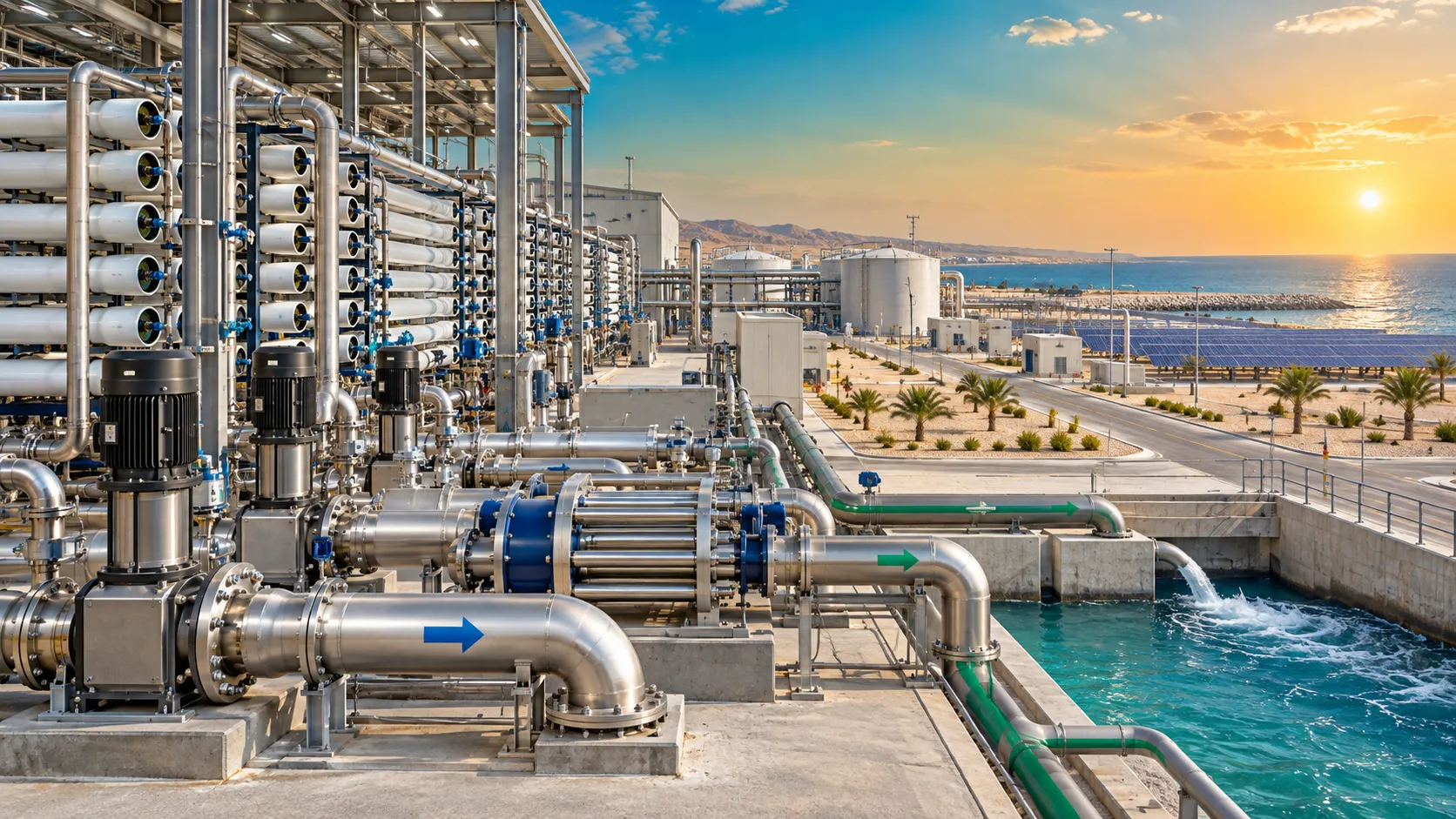
How energy recovery cuts the cost of seawater desalination in the Middle East
Seawater desalination Middle East projects can cut lifecycle costs with energy recovery. Explore savings, bankability, power-risk strategies, and smarter investment decisions.
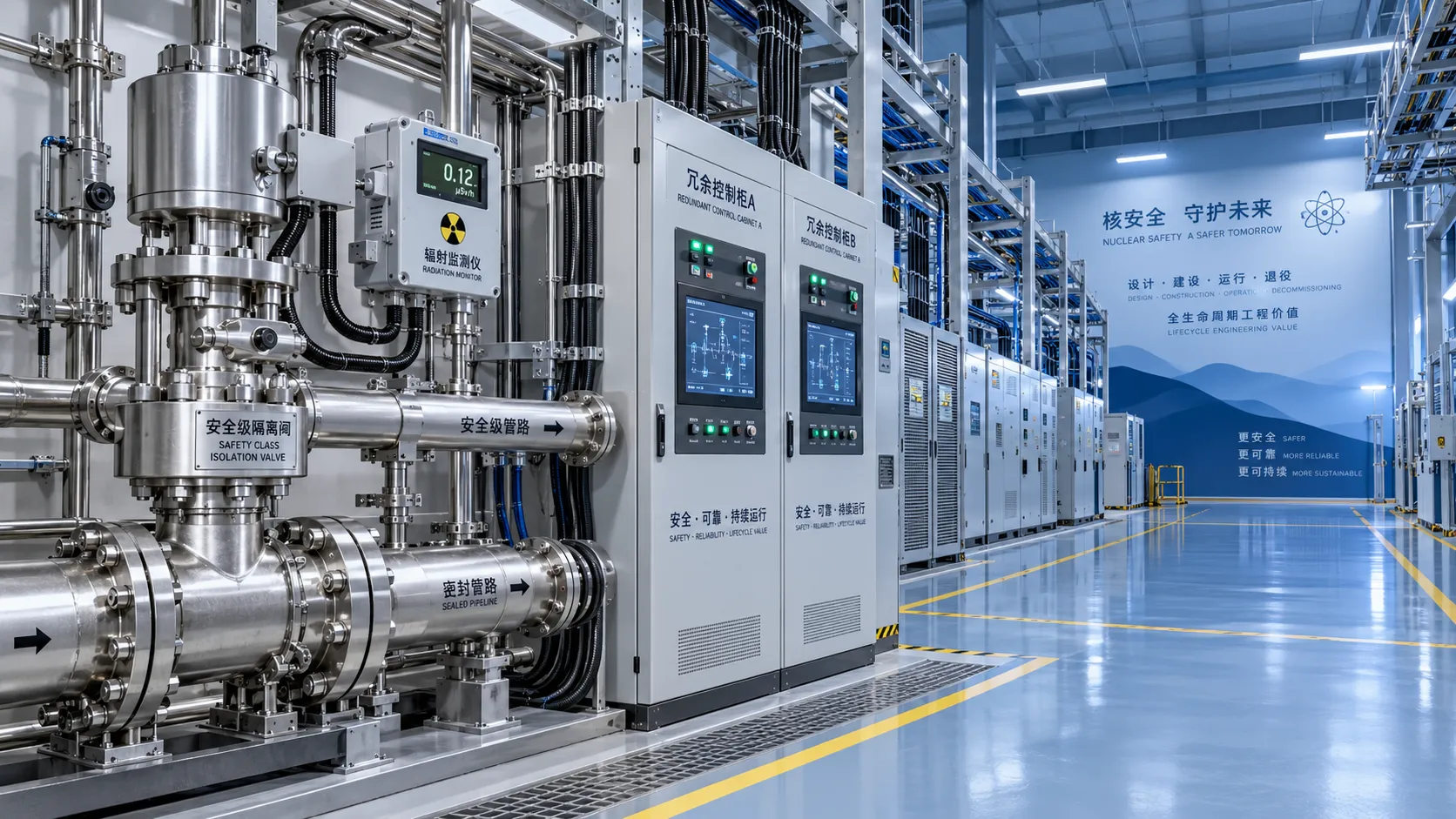
What drives nuclear safety solutions pricing for new facility projects?
Nuclear safety solutions pricing explained: uncover the key cost drivers for new facilities, from qualification and interfaces to lifecycle support.
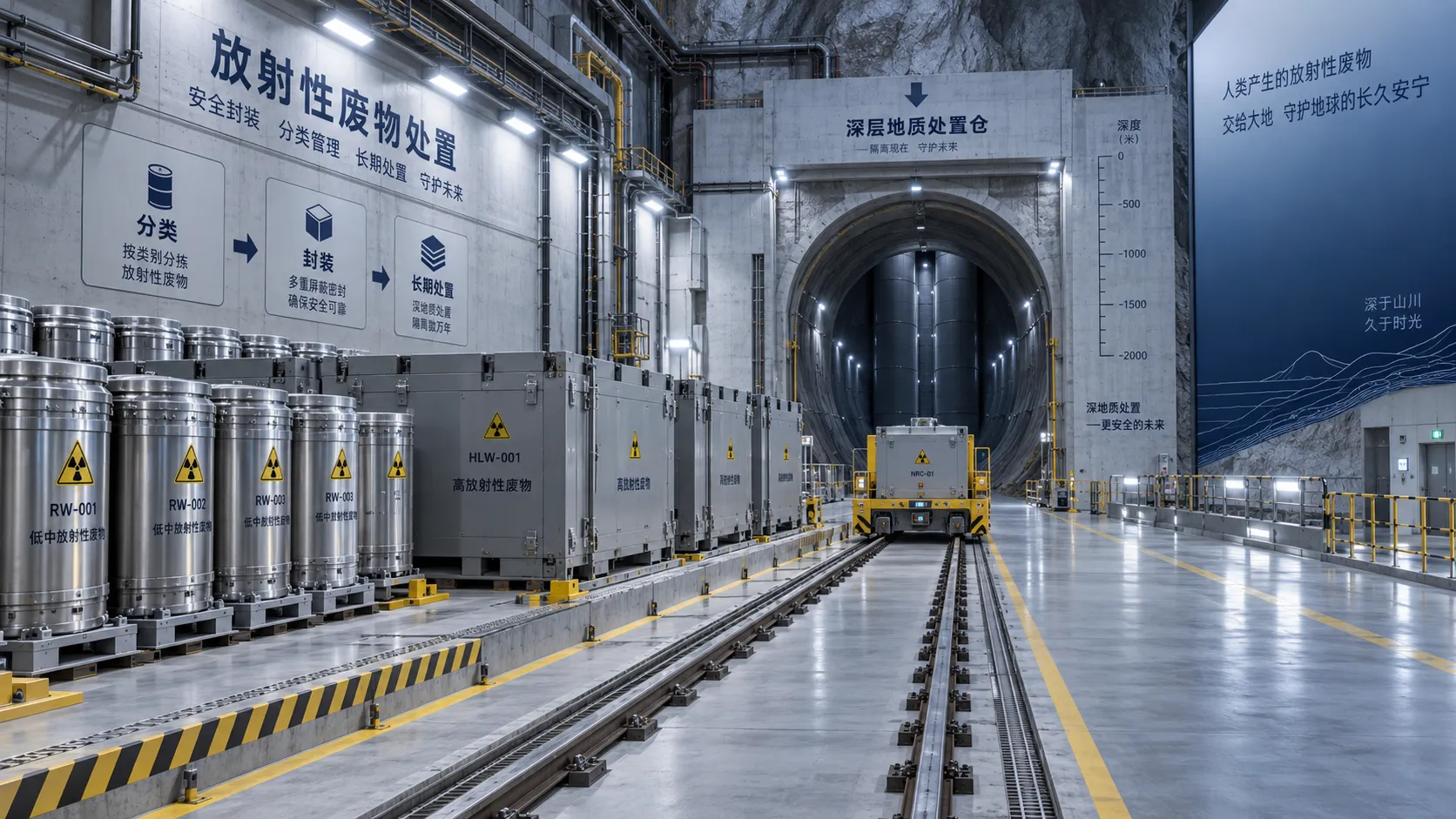
What drives radioactive waste cost over the life of a disposal project?
Radioactive waste cost depends on classification, treatment, transport, storage, disposal access, and long-term compliance. Explore the key lifecycle cost drivers.
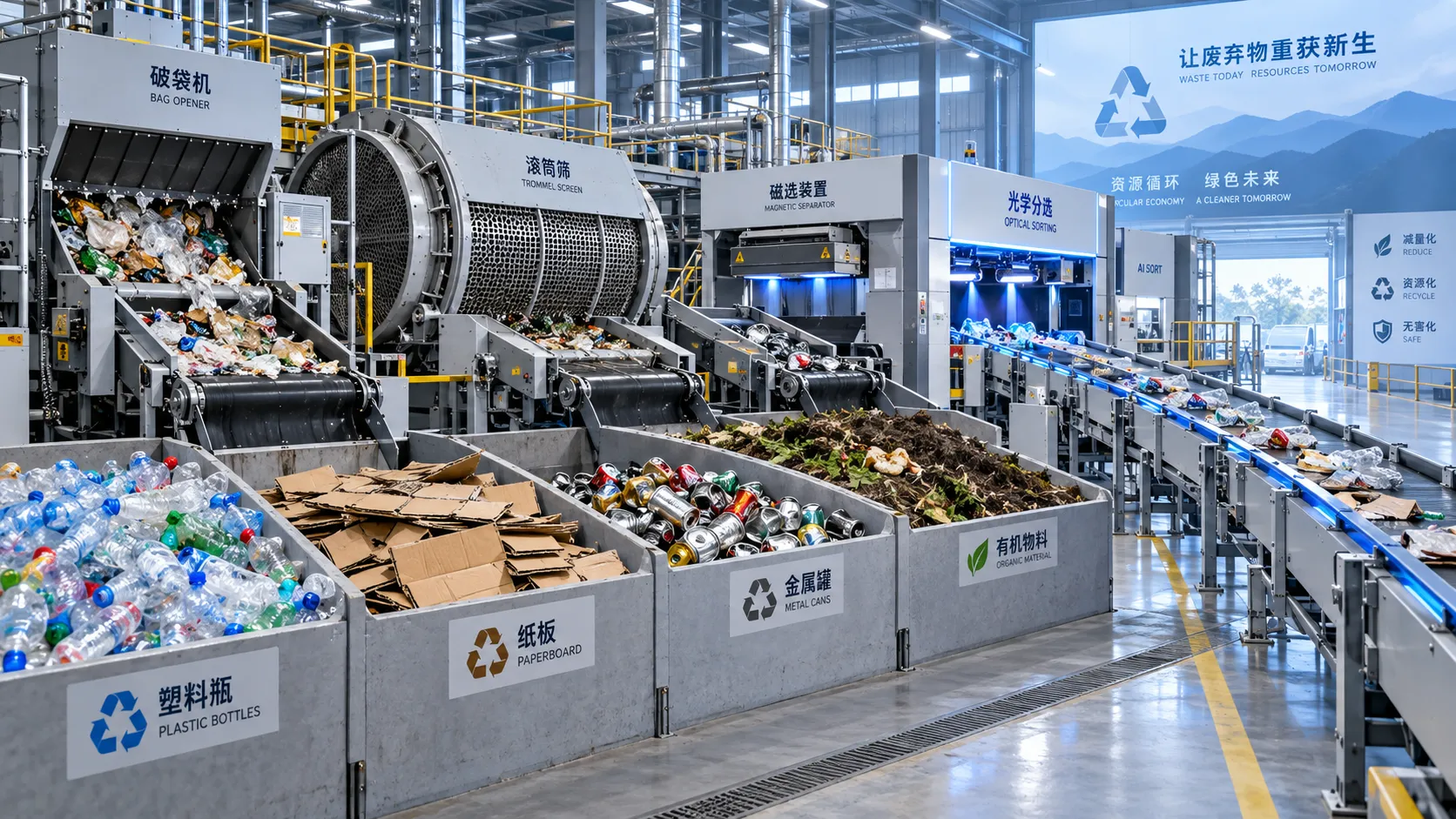
How to choose solid waste equipment based on waste stream characteristics
Environmental equipment guide for solid waste: discover how to match sorting, treatment, and recovery equipment to waste composition, moisture, contamination, and output goals.
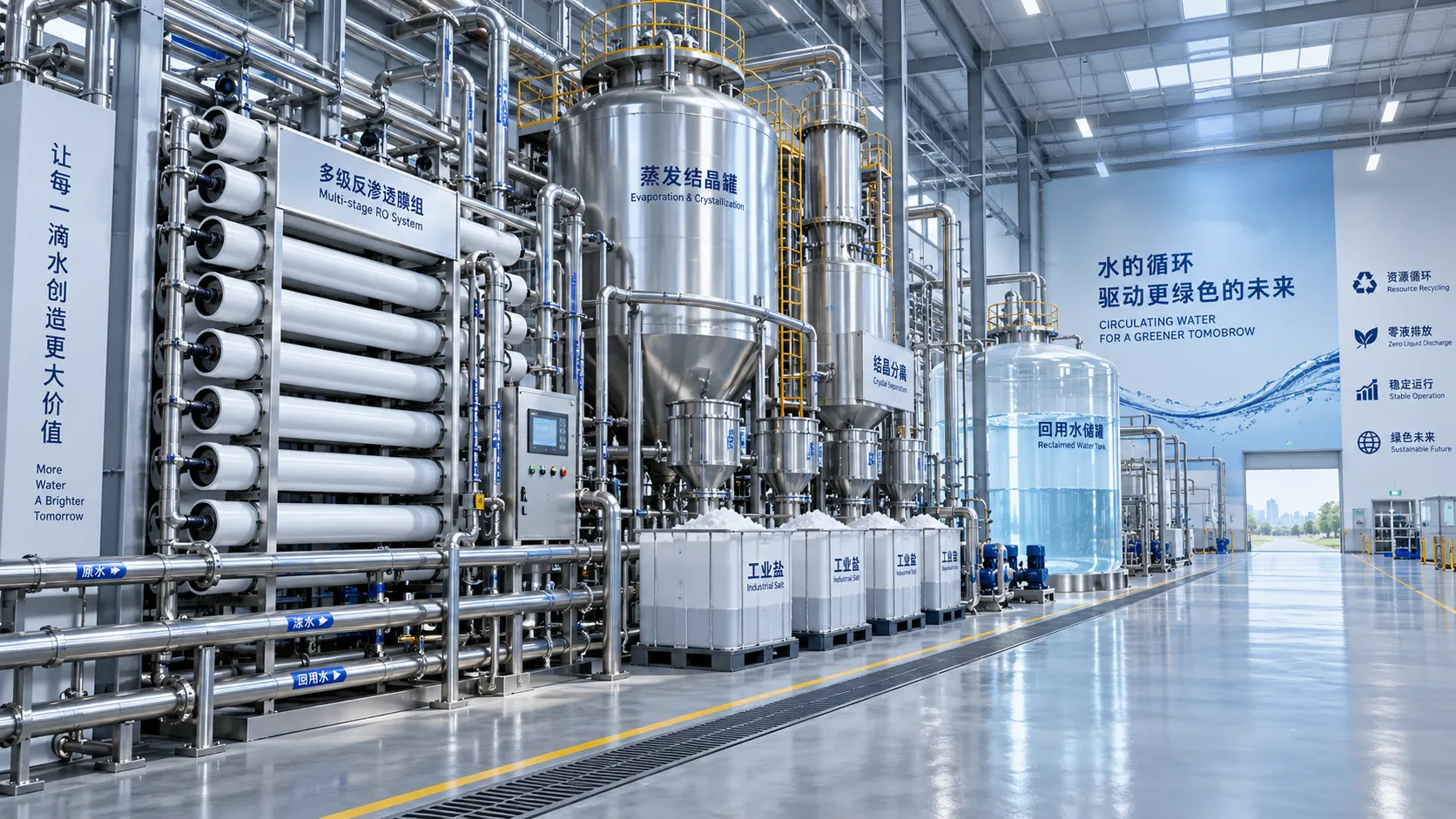
When does high recovery ZLD equipment justify its higher capital cost?
High recovery ZLD equipment can justify higher capital cost when water scarcity, discharge risks, brine disposal, and downtime threaten operations. Explore the decision factors.

How high purity heavy metal recovery affects recovered metal value
High purity heavy metal recovery boosts recovered metal value by improving payability, reducing penalties, and unlocking stronger buyer opportunities. Explore smarter netback strategies.
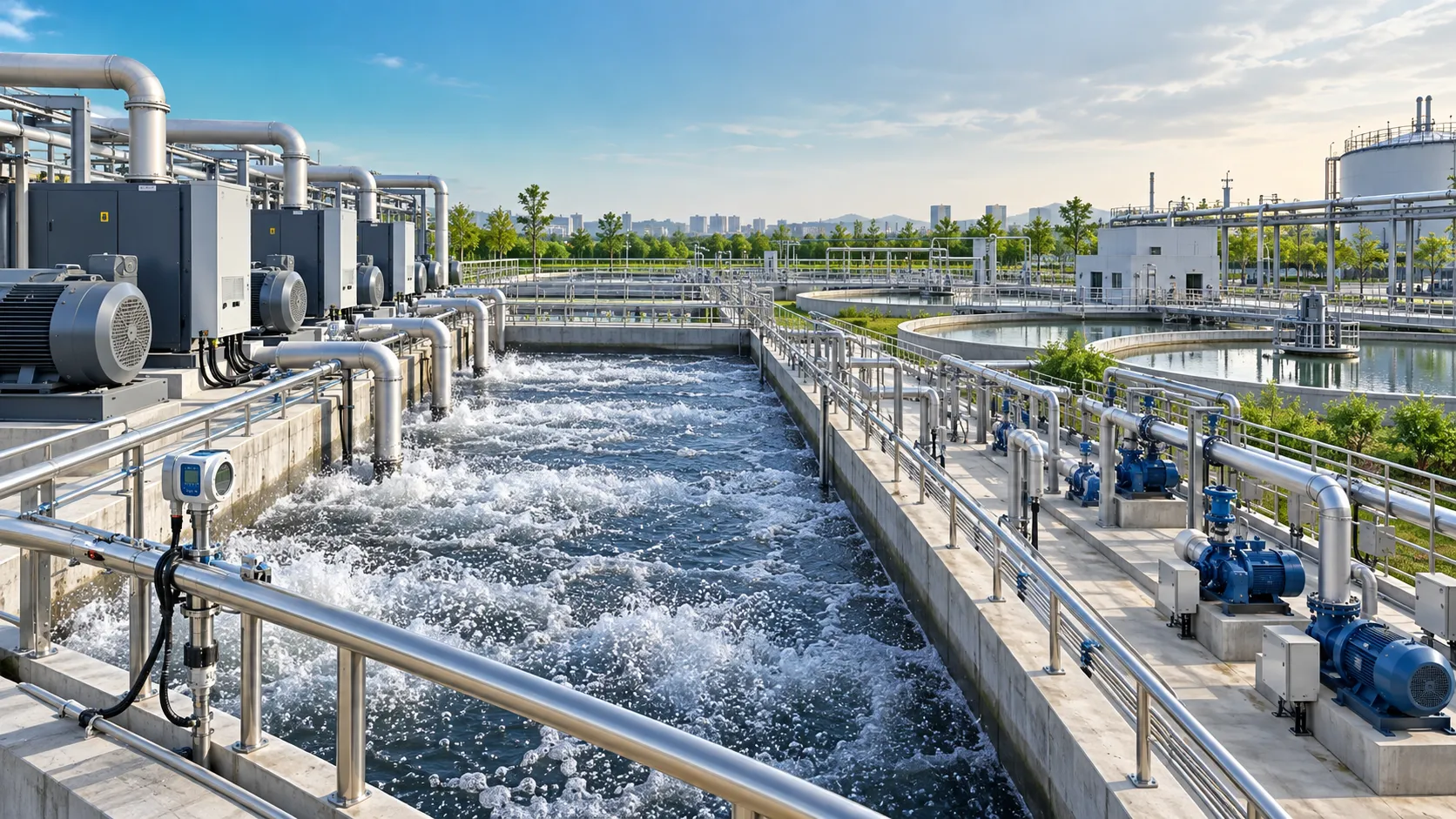
When does environmental equipment intelligence reduce wastewater plant energy use?
Environmental equipment intelligence for wastewater plants cuts energy use through smarter aeration, pumping, and data-driven controls—without compromising compliance. Discover when it delivers measurable savings.
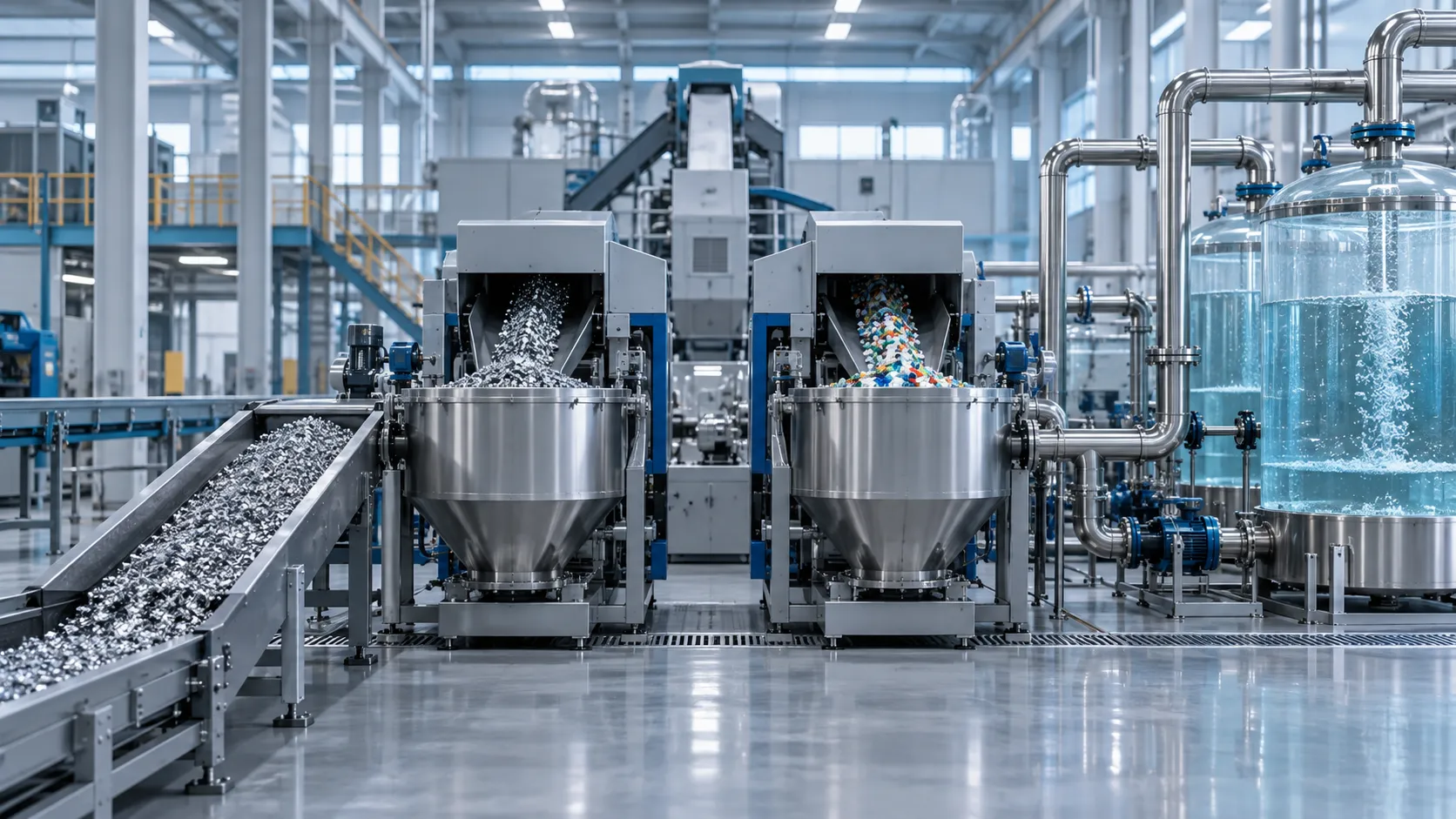
Which Circular Economy Model Is Best for Industrial Waste Recovery?
Which circular economy model works best for industrial waste recovery? Compare closed loops, industrial symbiosis, recycling, and energy recovery to choose the right strategy.
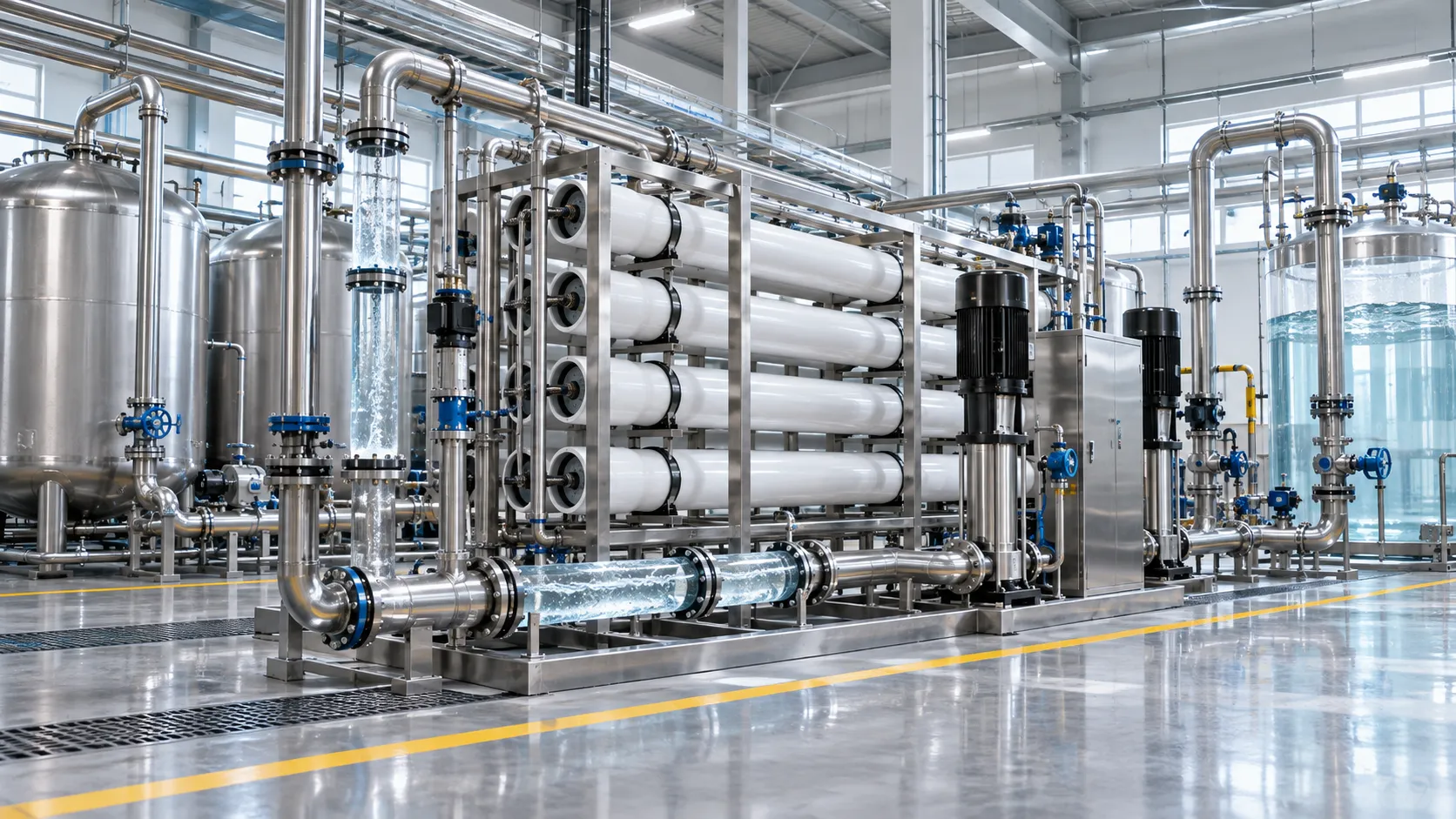
How Is the Payback Period for Resource Recovery Equipment Calculated?
How do you calculate the payback period for resource recovery equipment? Learn to model installed costs, savings, revenue, operating expenses, and realistic cash flows.