
Industry News
Curation by industry experts
Hot Articles
Popular Tags
How Can EPC Projects Reduce Embodied Carbon in Equipment Procurement?
Embodied carbon in EPC equipment procurement is largely determined before a purchase order is issued. The most effective reductions come from changing what is specified, how alternatives are evaluated, and what environmental evidence suppliers must provide—not from adding a carbon clause after technical selection is complete.
For water treatment, desalination, waste recovery, flue-gas cleaning, and nuclear waste systems, equipment can embody substantial emissions through metals, cementitious structures, polymers, electronics, pressure-rated fabrication, factory testing, transport, replacement parts, and site rework. The lowest-carbon procurement decision is not necessarily the lightest or nearest item. It is the option that meets the required duty, reliability, safety, and regulatory obligations with the lowest credible whole-life carbon burden.
What does embodied carbon include in procured equipment?
Embodied carbon refers to greenhouse-gas emissions associated with making and delivering an asset before, and sometimes through, its installation. In equipment procurement, the boundary should be defined explicitly. A practical minimum usually covers raw-material extraction, material processing, component manufacture, fabrication, assembly, factory acceptance testing, packaging, and transport to the project location. Depending on the contract and carbon-reporting objective, it may also include installation materials, construction activities, commissioning consumables, and end-of-life treatment.
This is often described through life-cycle assessment terminology. “Cradle-to-gate” generally covers production up to the factory gate; “cradle-to-site” adds delivery to the project; “cradle-to-grave” also includes use, maintenance, replacement, and disposal. An EPC project should avoid comparing supplier figures that use different boundaries. A pump with a cradle-to-gate declaration cannot be fairly compared with another supplier’s cradle-to-site figure unless transport and other excluded elements are normalized.
For complex environmental equipment, the carbon hotspots are rarely uniform. Stainless steel and duplex stainless steel can dominate desalination skids and high-chloride piping. Carbon steel, alloy steel, refractory materials, and large motors can dominate flue-gas treatment packages. Reinforced concrete, structural steel, membranes, resin systems, pressure vessels, and control hardware may each be material contributors in water and waste-treatment installations. In nuclear-related applications, qualification, traceability, and safety margins may constrain material substitution, so carbon reduction must be pursued without weakening the approved safety basis.
Can EPC teams reduce carbon by writing better specifications?
Yes. Specifications are often the strongest procurement lever because they determine material quantities, manufacturing routes, design margins, and the range of suppliers able to bid. A specification that simply reproduces legacy requirements can lock in unnecessary mass, excessive corrosion allowance, avoidable standby equipment, or a high-carbon material grade where a functionally suitable alternative exists.
The objective is not to relax performance requirements. It is to distinguish between requirements that protect process performance and asset integrity, and requirements that persist only because they were used on a prior project.
Examples include reviewing:
- corrosion allowance against verified water chemistry, temperature, pressure, chloride exposure, and inspection strategy;
- material grades for pipes, tanks, vessels, structural frames, and skid components, including the feasibility of high-recycled-content metals or alternative linings;
- pressure ratings and design margins that exceed the actual operating envelope without a process or safety justification;
- modularization strategy, since a highly modular package may reduce site work but increase steel framing, packaging, and transport volume;
- redundancy philosophy, ensuring spare capacity is based on availability analysis rather than an inherited “N+1 everywhere” convention;
- interface requirements that create duplicate supports, duplicate controls, or repeated auxiliary systems across packages.
Functional specifications are generally more compatible with carbon reduction than prescriptive specifications. A functional requirement states the duty: flow, contaminant removal, pressure, availability, emissions limit, safety integrity, and operating conditions. A prescriptive requirement dictates a particular construction or component arrangement. Prescriptive requirements remain necessary where safety, regulatory acceptance, maintainability, or interoperability demands them, but they should not be used by default where equivalent solutions can be objectively demonstrated.
Material reduction should also be checked against operational consequences. A thinner wall, lighter support structure, or less robust coating can lower upfront emissions yet raise leakage, corrosion, vibration, maintenance, or replacement risk. The relevant question is not “Can less material be used?” but “Can the same required service life and inspection interval be achieved with less carbon-intensive material and fabrication?”
What supplier environmental evidence is credible enough for evaluation?
A supplier’s broad sustainability statement is not a substitute for product-level carbon evidence. Procurement decisions need data tied to the offered equipment, defined system boundaries, declared units, and stated assumptions. The most useful documents are product carbon footprints or Environmental Product Declarations (EPDs) prepared using recognized life-cycle assessment methods and, where applicable, independently verified.
ISO 14040 and ISO 14044 provide the general principles and framework for life-cycle assessment. ISO 14067 addresses carbon footprints of products. For construction-related products, EPD practices frequently draw on ISO 14025 and EN 15804, although applicability depends on the product category and regional reporting framework. These standards do not automatically make data comparable; comparability still depends on matching product function, reference service life, allocation choices, electricity assumptions, recycled-content treatment, and reporting boundary.
Where a complete EPD is unavailable, suppliers can still provide a usable carbon schedule if the EPC contractor defines the required fields. This should include equipment mass by material category; country or region of final manufacture; recycled content where relevant; primary energy source for energy-intensive production; factory electricity data where available; packaging mass; transport mode and distance assumptions; and estimated emissions by life-cycle stage. The supplier should identify whether values are calculated for the specific offer, based on a representative product family, or derived from generic databases.
Data quality needs a scoring method. A project can assign higher confidence to independently reviewed, product-specific information and lower confidence to estimates without transparent methodology. Carbon values should not be converted into a false precision contest. If one bid reports emissions to several decimal places but cannot state its boundary or material basis, its apparent precision has little decision value.
How should carbon be included in bid evaluation without distorting procurement?
Carbon should be a defined decision criterion, not an informal preference applied after commercial selection. The bid invitation needs to state the carbon boundary, requested evidence, calculation rules, and the consequence of missing information. Otherwise, suppliers may report incomparable values, exclude inconvenient activities, or assume very different transport and electricity factors.
A practical evaluation framework separates four questions:
For equipment with a clear output, carbon intensity can be expressed per unit of function: for example, per cubic metre per day of treated-water capacity, per tonne per day of waste throughput, or per unit of flue-gas flow under defined conditions. For bespoke packages, total package emissions may be more practical, but the technical basis must be identical. Comparing a two-train design against a single-train design only by total manufacturing emissions is misleading if availability, capacity, or maintenance philosophy differs.
Carbon weighting should reflect project objectives rather than be set arbitrarily. It may be a pass/fail reporting obligation, a scored criterion, or a threshold for preferred alternatives. In regulated or safety-critical packages, the weight assigned to carbon should never erode code compliance, qualified manufacturing controls, or assurance requirements. A transparent rule is more defensible than asking buyers to make an undocumented judgment between a lower price and a lower footprint.
Does local sourcing always lower embodied carbon?
No. Transport can matter, especially for oversized equipment, but it is often smaller than the emissions embedded in energy-intensive metals, cement, polymers, and fabrication. A locally assembled package made from carbon-intensive inputs may have a higher footprint than an imported alternative produced with lower-carbon electricity, higher recycled-metal content, or less material.
Local or regional sourcing still deserves attention because it can reduce freight emissions, simplify inspections, lower damage risk, improve access to spare parts, and reduce schedule exposure. The correct approach is to calculate rather than assume. Transport comparisons should consider shipment mass, dimensions, mode, route, packaging, and whether special lifting or escort requirements are needed. Air freight used to recover a delayed schedule can erase the benefit of many upstream carbon improvements.
Procurement also needs to recognize that “country of supplier” is not necessarily “country of manufacture.” The location of final assembly may differ from the origin of castings, steel plate, membrane elements, drives, instrumentation, and electrical cabinets. Supply-chain mapping does not need to become exhaustive on every item, but high-mass and high-emission components justify closer examination.
Which equipment choices tend to create avoidable carbon?
Overspecification is a recurring source. It can appear as unnecessarily high metallurgy, oversized pumps and blowers, conservative structural framing, duplicate auxiliary systems, or excessive factory-installed accessories. In reverse-osmosis systems, for example, pressure-vessel selection, piping metallurgy, rack structure, energy-recovery configuration, and pretreatment arrangement all affect both embodied and operating carbon. A design change that reduces steel but increases pumping energy may be counterproductive over the asset life.
Replacement frequency deserves equal attention. Membranes, filter media, activated carbon, ion-exchange resins, catalyst elements, refractory components, sensors, and wear parts may represent a modest initial footprint but a meaningful recurring carbon demand. A procurement decision should therefore ask for expected replacement intervals under the stated feed conditions and operating profile, not merely the initial equipment footprint.
Repairability is similarly important. Welded, proprietary, or sealed assemblies may be compact and efficient to manufacture, but they can force complete replacement after a limited component fails. Accessible wear parts, standardized fasteners, replaceable drives, documented repair procedures, and available spare-part support can reduce lifecycle material consumption when they do not compromise containment, hygiene, pressure integrity, or nuclear qualification.
How can contracts prevent carbon commitments from disappearing after award?
Carbon requirements need to appear in the procurement documents, technical bid evaluation, purchase order, vendor document requirements, and change-control process. A pre-award carbon declaration has limited value if the vendor can later substitute materials, manufacturing locations, or transport modes without disclosure.
Useful contractual mechanisms include a baseline carbon schedule attached to the purchase order; notification requirements for changes that materially affect declared carbon results; rights to request supporting bills of materials or production records for critical items; and a final delivered-carbon statement reflecting actual manufacturing and logistics information. These provisions should be proportionate. Demanding full traceability for every washer and cable tie can consume effort without improving decisions. Focus should remain on major material and emission drivers.
Change control is particularly important in EPC execution. Late substitutions are often driven by lead-time pressure, supplier capacity, or a technical nonconformance. Their carbon effect may be overlooked because schedule and cost dominate the immediate decision. A simple change form that records mass, material, origin, transport, and carbon-data impact can make the trade-off visible before approval.
What is the most common mistake in low-carbon equipment procurement?
The common mistake is treating embodied carbon as a single supplier attribute rather than a project-specific engineering variable. A supplier can have strong corporate emissions targets and still offer a high-carbon package if the design is overbuilt, the selected metallurgy is excessive, the factory route is energy-intensive, or emergency logistics are required. Conversely, a supplier without polished sustainability communications may provide a lower-carbon technical solution supported by transparent material and manufacturing data.
The procurement question is therefore not simply which vendor appears greener. It is whether the selected equipment delivers the required function with a credible, comparable, and controllable carbon profile across manufacture, delivery, installation, maintenance, and replacement. When carbon is embedded in specifications, evidence requirements, bid normalization, and change control, it becomes an engineering and commercial discipline rather than a late-stage reporting exercise.
Recommended News
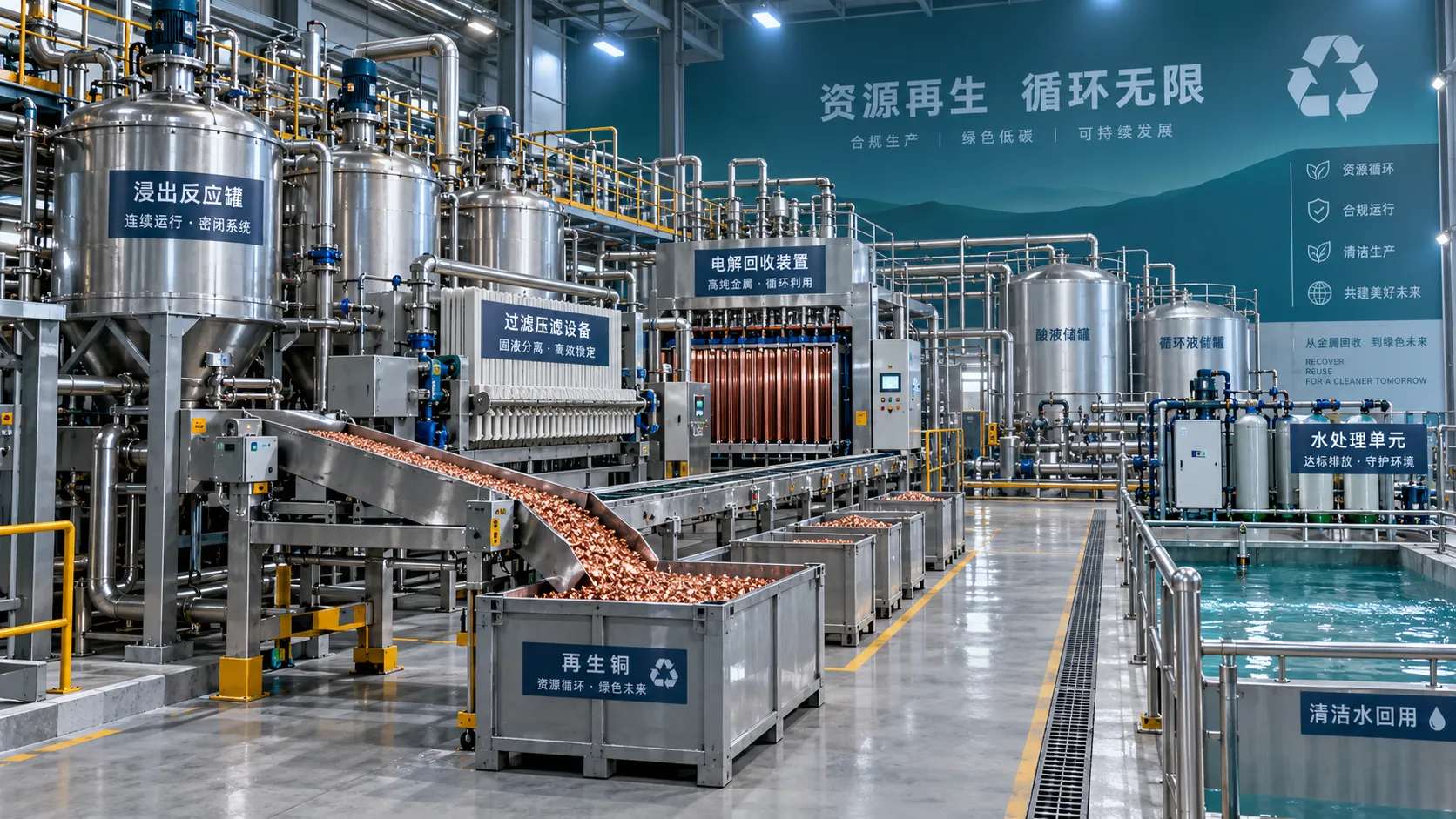
When does repeatable metals recovery infrastructure justify the investment?
Repeatable metals recovery infrastructure: discover when consistent feedstock, lower disposal costs, compliance control, and reliable offtake justify investment.
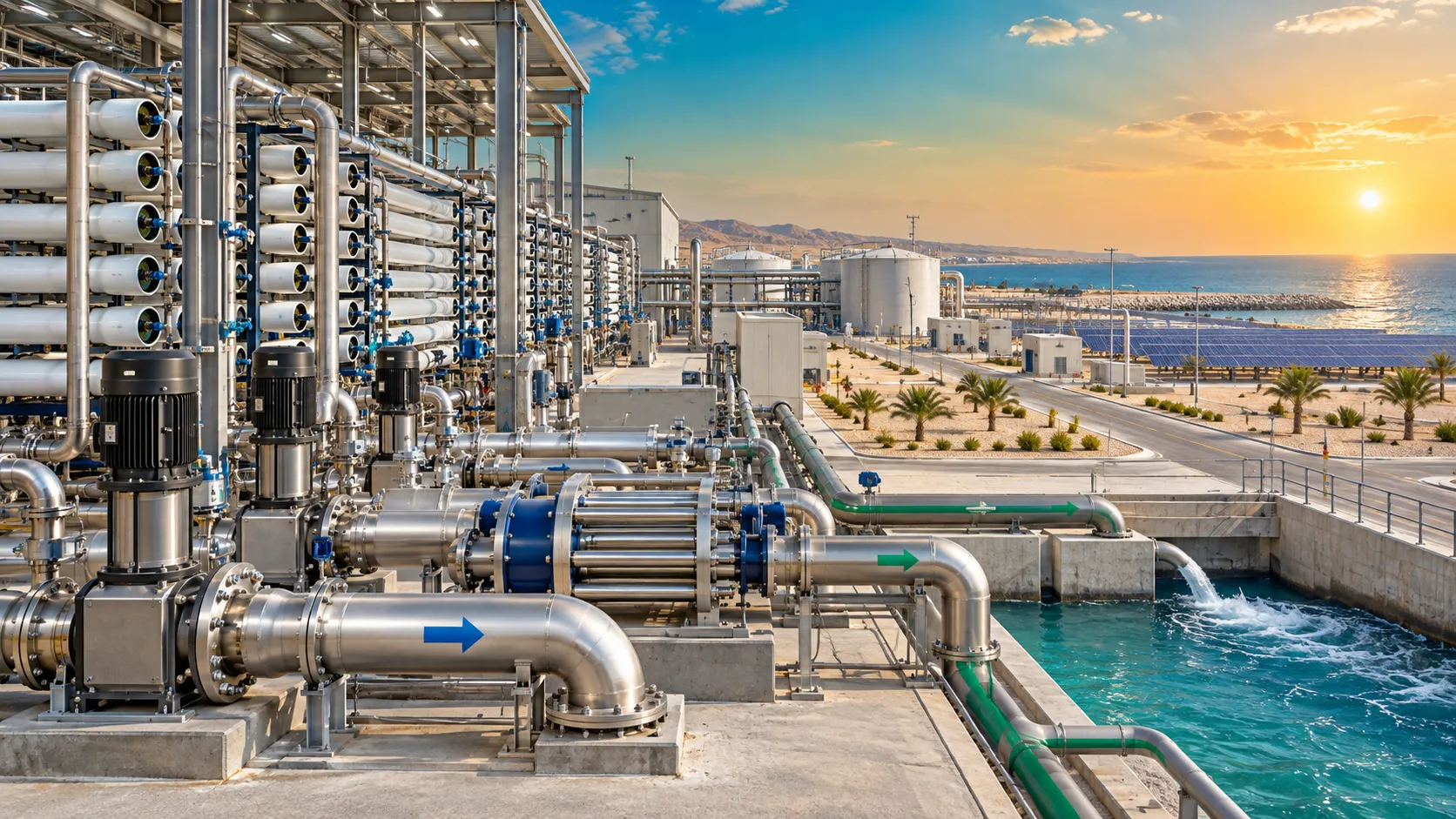
How energy recovery cuts the cost of seawater desalination in the Middle East
Seawater desalination Middle East projects can cut lifecycle costs with energy recovery. Explore savings, bankability, power-risk strategies, and smarter investment decisions.

What drives nuclear safety solutions pricing for new facility projects?
Nuclear safety solutions pricing explained: uncover the key cost drivers for new facilities, from qualification and interfaces to lifecycle support.
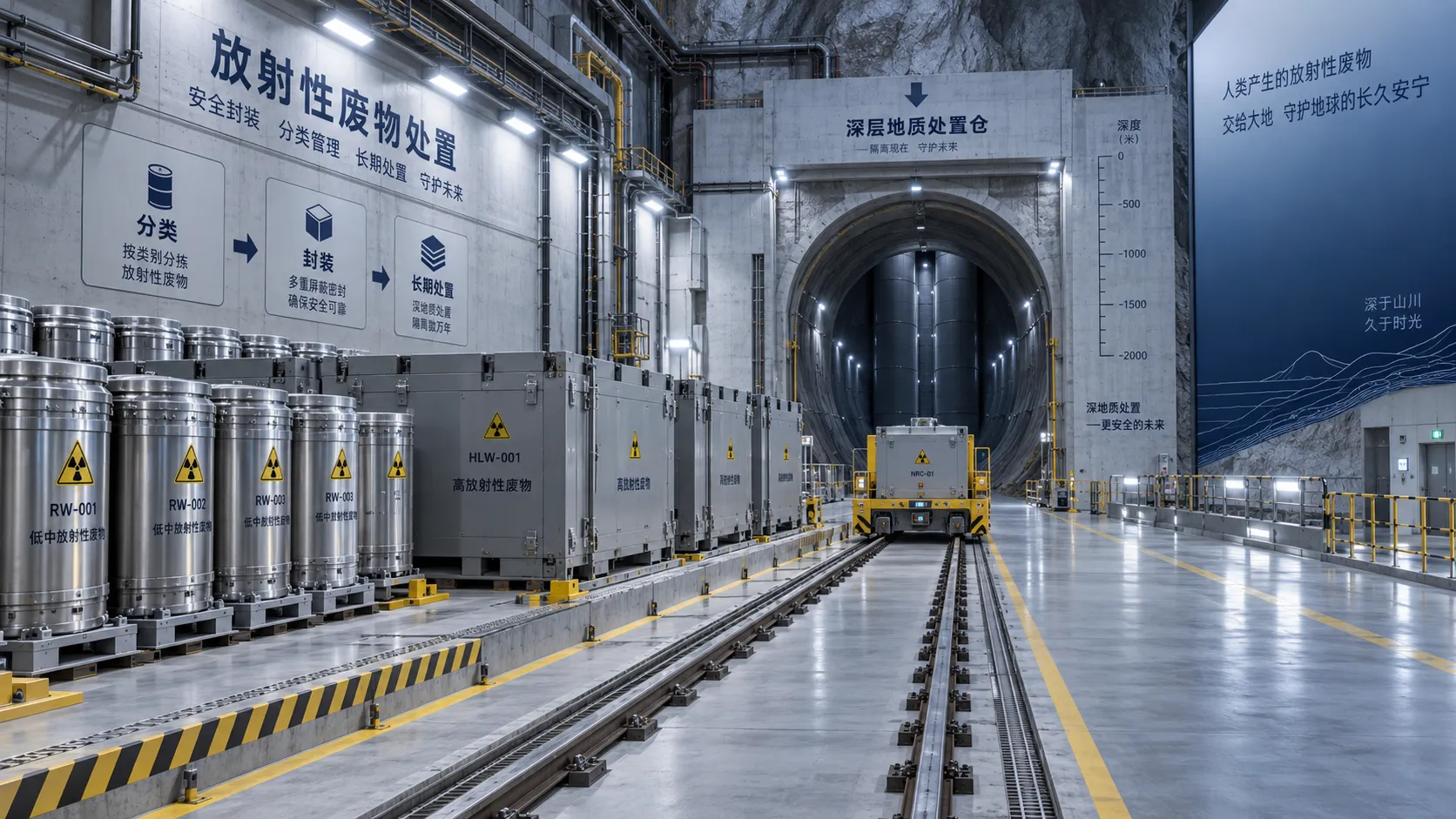
What drives radioactive waste cost over the life of a disposal project?
Radioactive waste cost depends on classification, treatment, transport, storage, disposal access, and long-term compliance. Explore the key lifecycle cost drivers.
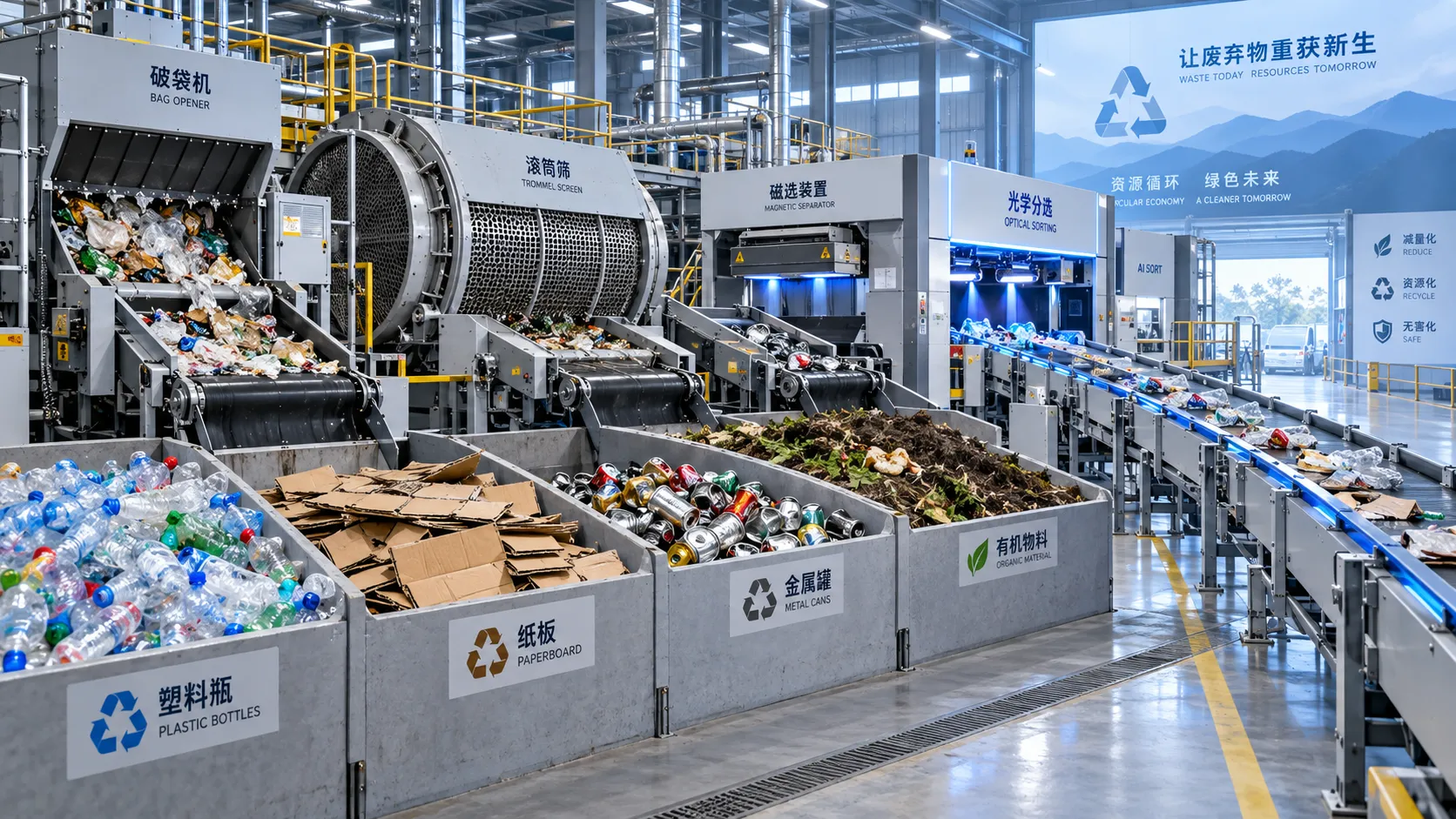
How to choose solid waste equipment based on waste stream characteristics
Environmental equipment guide for solid waste: discover how to match sorting, treatment, and recovery equipment to waste composition, moisture, contamination, and output goals.
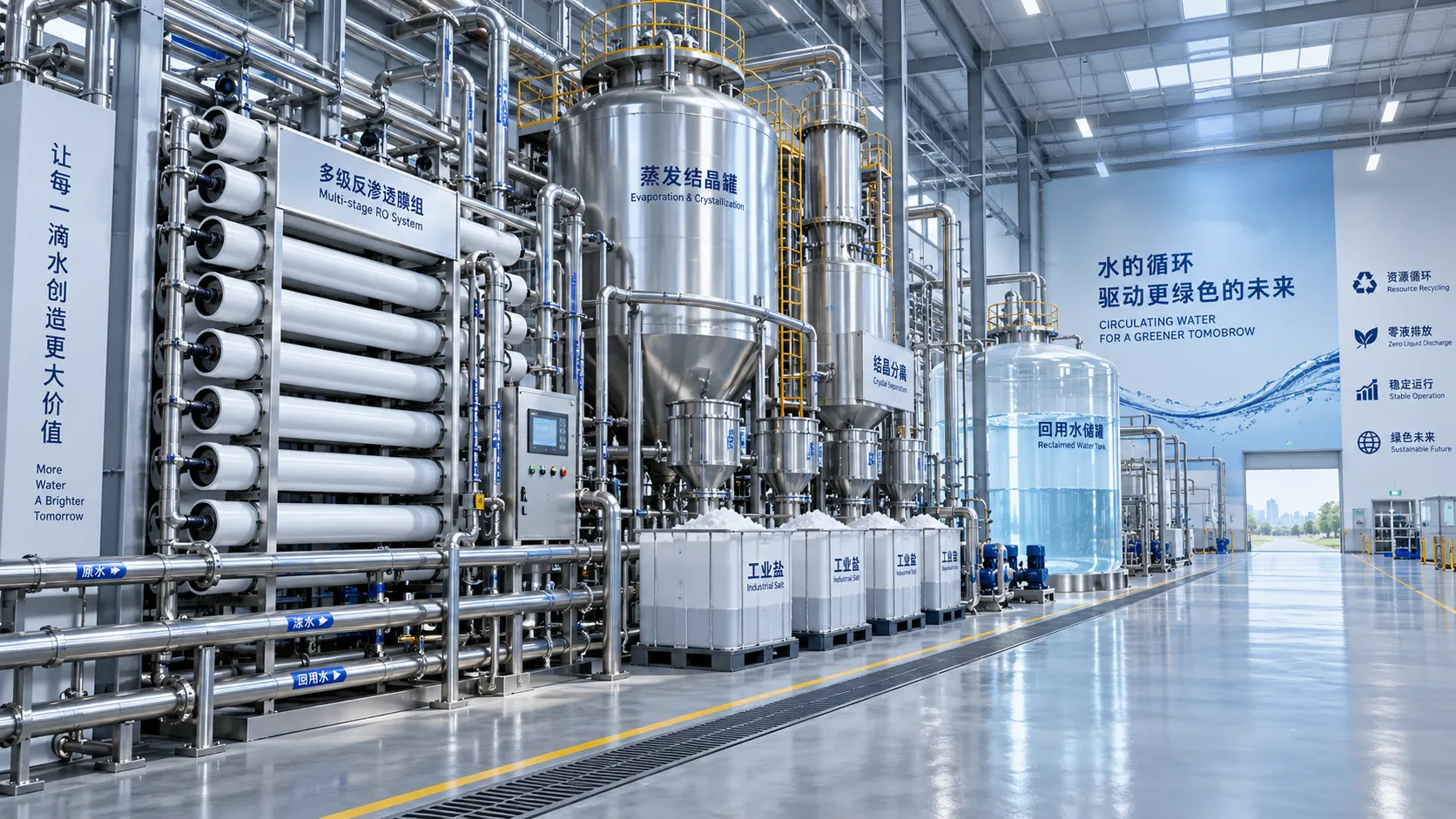
When does high recovery ZLD equipment justify its higher capital cost?
High recovery ZLD equipment can justify higher capital cost when water scarcity, discharge risks, brine disposal, and downtime threaten operations. Explore the decision factors.

How high purity heavy metal recovery affects recovered metal value
High purity heavy metal recovery boosts recovered metal value by improving payability, reducing penalties, and unlocking stronger buyer opportunities. Explore smarter netback strategies.
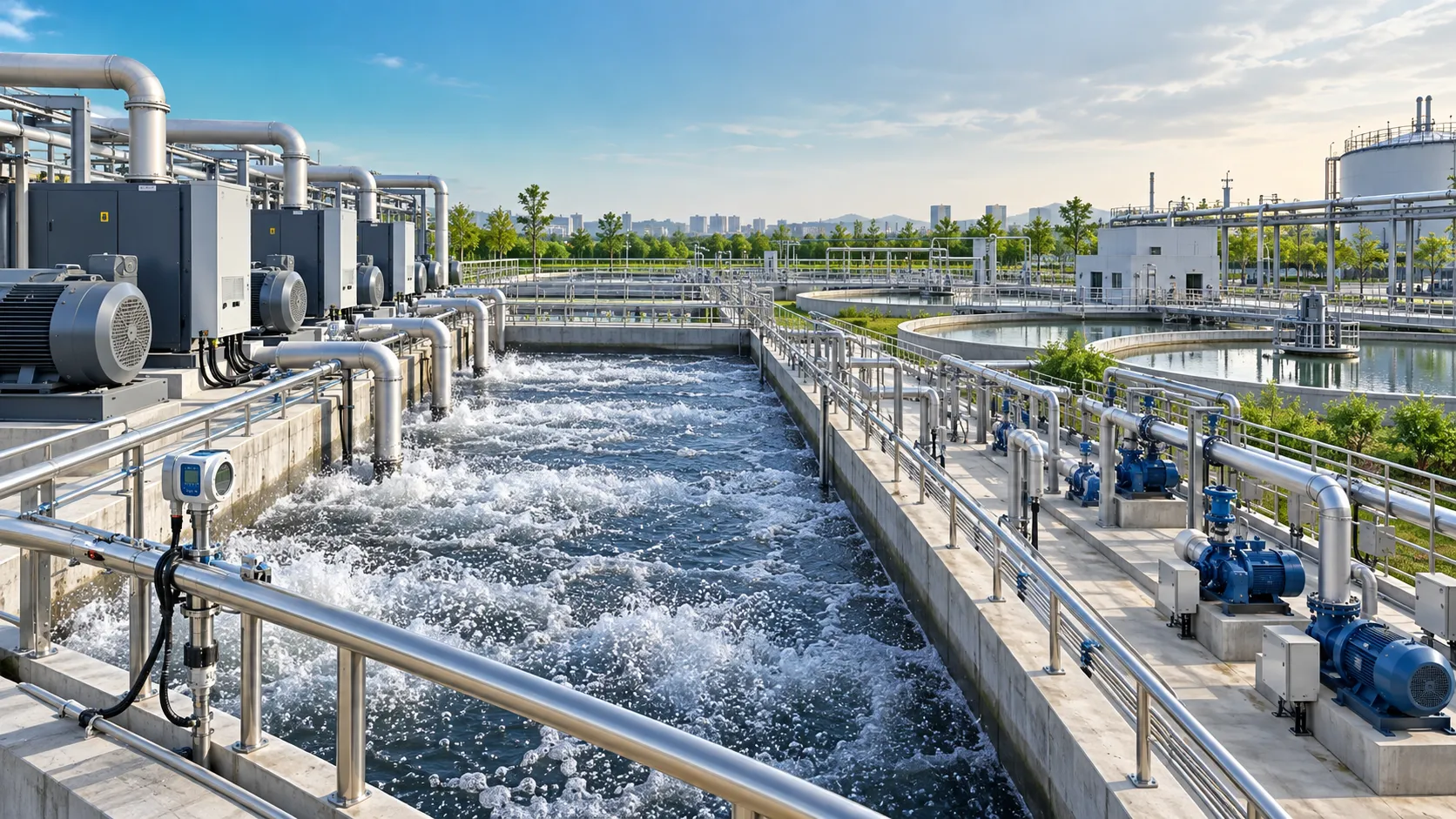
When does environmental equipment intelligence reduce wastewater plant energy use?
Environmental equipment intelligence for wastewater plants cuts energy use through smarter aeration, pumping, and data-driven controls—without compromising compliance. Discover when it delivers measurable savings.
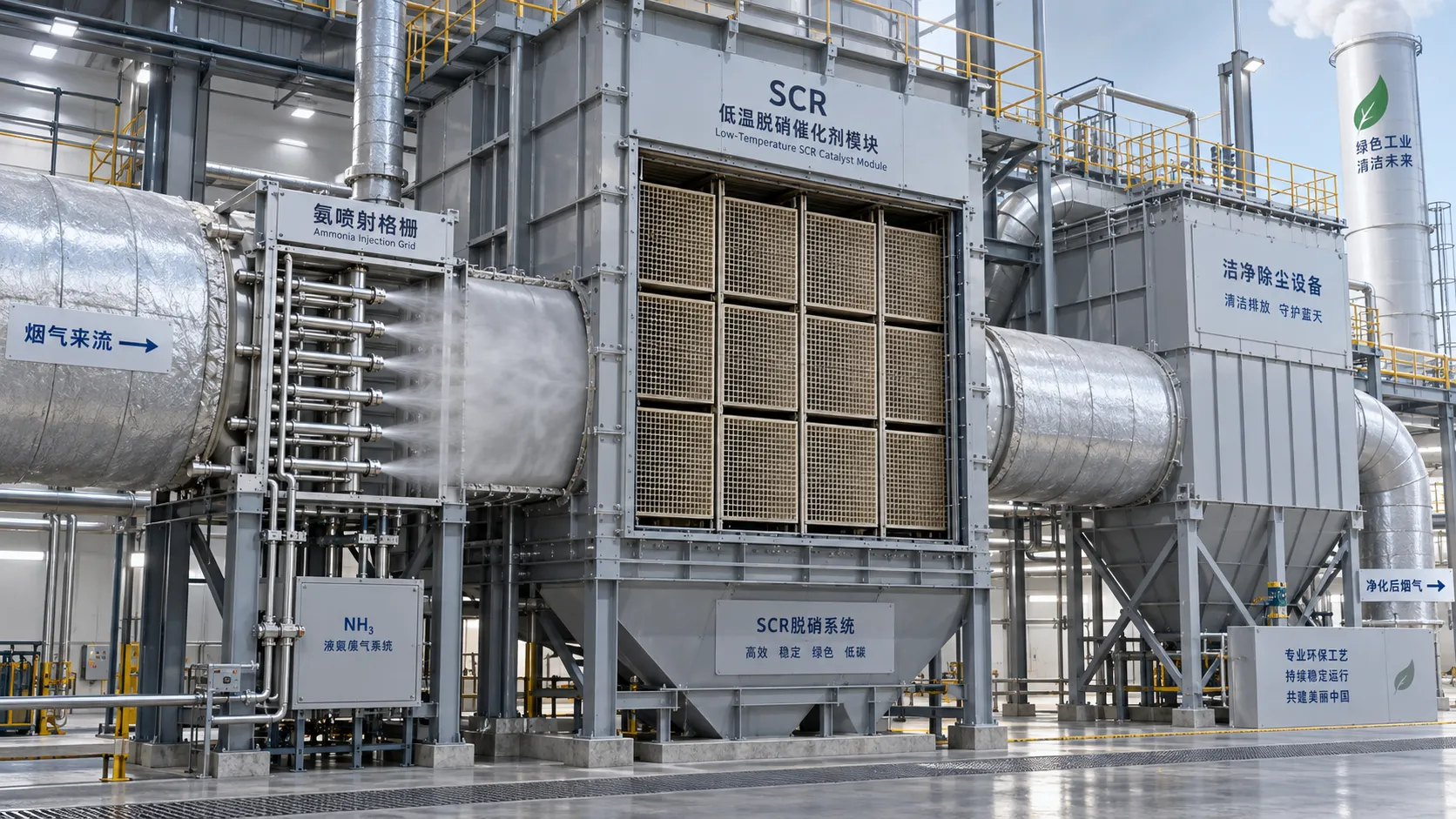
Is Low-Temperature SCR Catalyst Performance Stable Over Time?
Is low-temperature SCR catalyst performance stable over time? Discover how sulfur, temperature swings, fouling, and ammonia control determine durable NOx reduction.