
Industry News
Curation by industry experts
Hot Articles
Popular Tags
Desulfurization Scrubbers Slurry: Key Operating Issues Behind Scaling and Pump Wear
Desulfurization Scrubbers Slurry: Key Operating Issues Behind Scaling and Pump Wear
In wet FGD systems, desulfurization scrubbers slurry is the working medium that removes SO2 and carries solids through the absorber loop.
It also creates the toughest operating headaches.
When chemistry drifts or solids control weakens, desulfurization scrubbers slurry can shift from stable to destructive very quickly.
The first signs are usually familiar: scaling on nozzles, rising pump vibration, blocked recycle lines, and unstable absorber pressure drop.
In practice, those symptoms rarely come from one cause alone.
They come from the interaction of pH, oxidation, chloride buildup, slurry density, gypsum crystal quality, and mechanical handling.
That is why daily control of desulfurization scrubbers slurry matters more than occasional troubleshooting.
Why desulfurization scrubbers slurry becomes unstable
Wet scrubber slurry operates in a narrow window.
It must absorb sulfur dioxide, neutralize acidity, suspend solids, and release product gypsum that can still be handled downstream.
If one balance point moves, several problems can appear together.
For example, low oxidation can increase sulfite content.
That changes crystal behavior and makes desulfurization scrubbers slurry thicker, less predictable, and harder on pumps.
At the same time, poor dewatering or high fines can keep particles circulating longer than they should.
Those particles then increase abrasion across elbows, impellers, liners, and spray headers.
From recent operating trends, plants are also seeing tighter compliance limits and more variable coal or fuel quality.
That means desulfurization scrubbers slurry now faces more load swings than many systems were originally designed for.
Scaling: where it starts and why it spreads fast
Scaling usually begins at surfaces with lower velocity or uneven wetting.
Typical locations include spray nozzles, mist eliminators, oxidation air pipes, recycle piping, and absorber internals.
Once deposits form, flow patterns change.
That creates more dead zones, more local supersaturation, and faster deposit growth.
Desulfurization scrubbers slurry becomes especially vulnerable when gypsum crystals are too fine or poorly formed.
Instead of remaining as manageable solids, they attach to surfaces and pack into hard layers.
Several operating conditions usually drive this:
- pH running too high in local zones near reagent addition points
- Insufficient oxidation air, leaving excess calcium sulfite
- High solids residence time caused by weak bleed or dewatering upset
- Chloride concentration increasing ionic strength and crystal irregularity
- Temperature shifts that change solubility and crystal growth rate
A common mistake is to treat scaling only as a cleaning issue.
In most cases, scaling in desulfurization scrubbers slurry is a process control issue first, then a maintenance issue.
Pump wear: why abrasive damage accelerates
Pump wear is not only about high solids.
It is about the shape, hardness, velocity, and circulation pattern of those solids inside desulfurization scrubbers slurry.
When gypsum crystals are coarse but controlled, wear may stay manageable.
When the slurry carries sharp fines, partially oxidized solids, or unexpected debris, wear rates rise fast.
The most exposed parts are usually the impeller eye, volute tongue, casing liner, seal area, and discharge bends.
More importantly, hydraulic instability often amplifies the damage.
If desulfurization scrubbers slurry density rises beyond the normal band, pump efficiency drops and recirculation becomes uneven.
That can trigger cavitation, vibration, and localized high-velocity impact.
Once that starts, wear is no longer linear.
It accelerates because clearances open up, flow loses symmetry, and solids hit metal or rubber surfaces more aggressively.
The control points that matter most every shift
Operators do not need hundreds of indicators.
They need a short list that reveals whether desulfurization scrubbers slurry is still inside a stable operating window.
- Absorber pH trend. Watch the trend, not only the spot value. Sudden correction usually means mixing or reagent distribution is uneven.
- Slurry density and solids content. Rising density often signals poor bleed, weak dewatering, or crystal accumulation.
- Oxidation air performance. Check blower stability, sparger condition, and oxidation efficiency before blaming scaling alone.
- Chloride concentration. High chlorides can worsen corrosion, change crystal behavior, and destabilize desulfurization scrubbers slurry handling.
- Pump vibration and power draw. These often show slurry trouble earlier than a visible line blockage.
- Gypsum quality and dewatering performance. Poor cake quality often reflects upstream slurry imbalance.
This also means laboratory data should not sit apart from operations.
Desulfurization scrubbers slurry control improves when shift teams connect field symptoms with chemistry results on the same day.
Common warning patterns before failure
Most severe events give warnings first.
The problem is that each signal looks small when viewed alone.
A more useful approach is to read them as a pattern.
When two or three of these signals move together, desulfurization scrubbers slurry is usually already outside normal control.
Practical actions to reduce scaling and pump wear
The most effective response is usually operational discipline, not emergency cleaning alone.
- Keep reagent feed well distributed to avoid local high-pH zones.
- Verify oxidation air delivery and sparger condition on a routine schedule.
- Control desulfurization scrubbers slurry density within the plant’s proven operating band.
- Use chloride management and bleed control before corrosion and crystal issues compound.
- Track pump vibration with trend logic, not only alarm limits.
- Inspect wear parts by interval and by condition, especially after fuel or load changes.
- Connect dewatering performance back to absorber chemistry every shift.
In real plant operation, small corrections made early are far cheaper than a forced outage.
That is especially true when desulfurization scrubbers slurry problems begin to affect both gas removal efficiency and equipment life at once.
A better daily mindset for slurry control
Desulfurization scrubbers slurry should be treated as a living process condition, not just a circulating mixture.
Its chemistry, solids profile, and hydraulic behavior are linked every hour.
When scaling appears, ask what changed in crystal growth, oxidation, or local mixing.
When pump wear rises, ask what changed in solids character, density, or flow stability.
This way, desulfurization scrubbers slurry becomes easier to control before visible damage spreads.
The best daily action is simple: trend the key variables together, respond early, and treat every small shift as a process signal, not a minor nuisance.
Recommended News
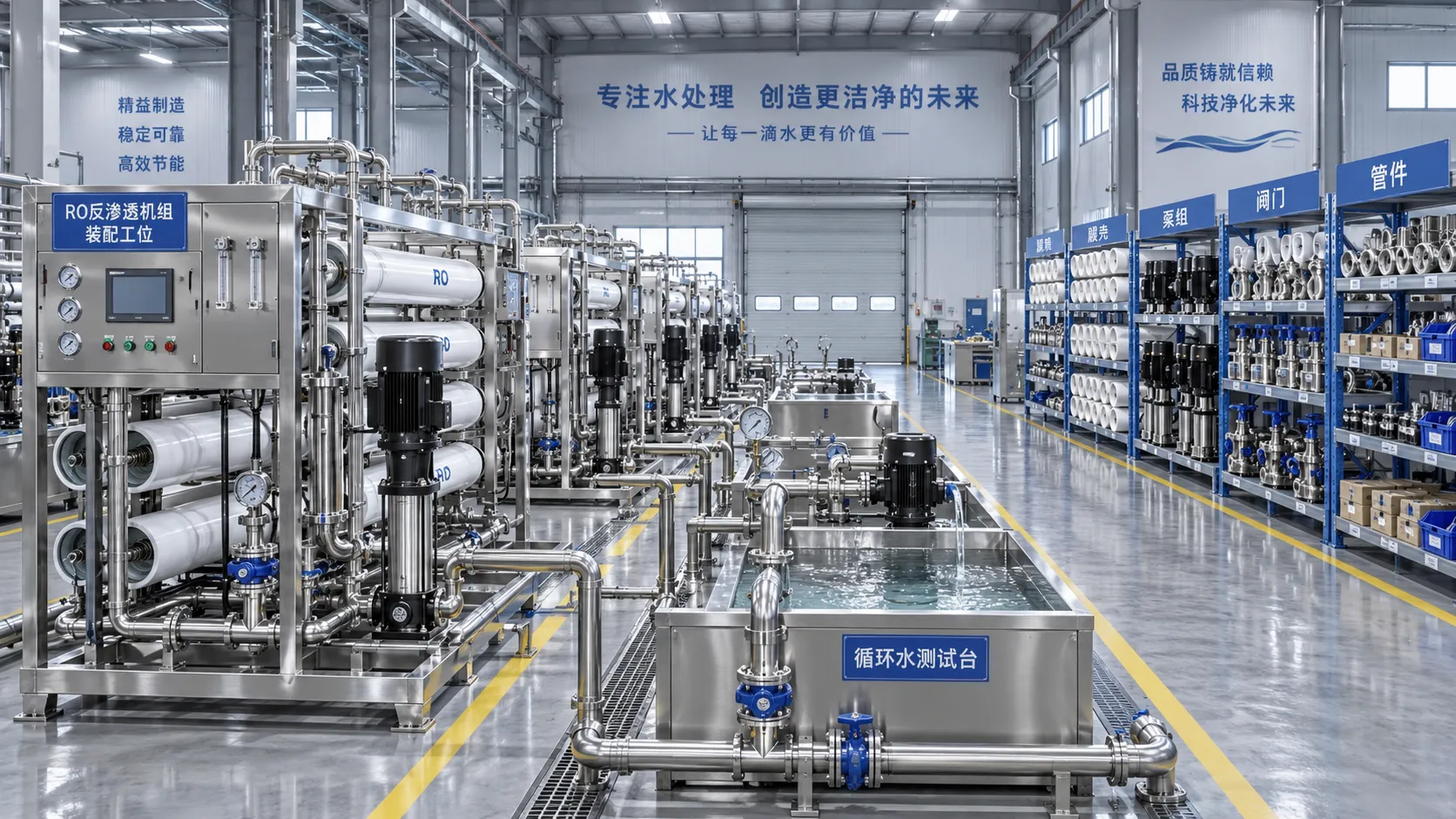
How to verify a water treatment system factory’s production capacity
Verify a water treatment systems factory’s production capacity through records, bottlenecks, component availability, and testing. Learn what to check before accepting a delivery promise.
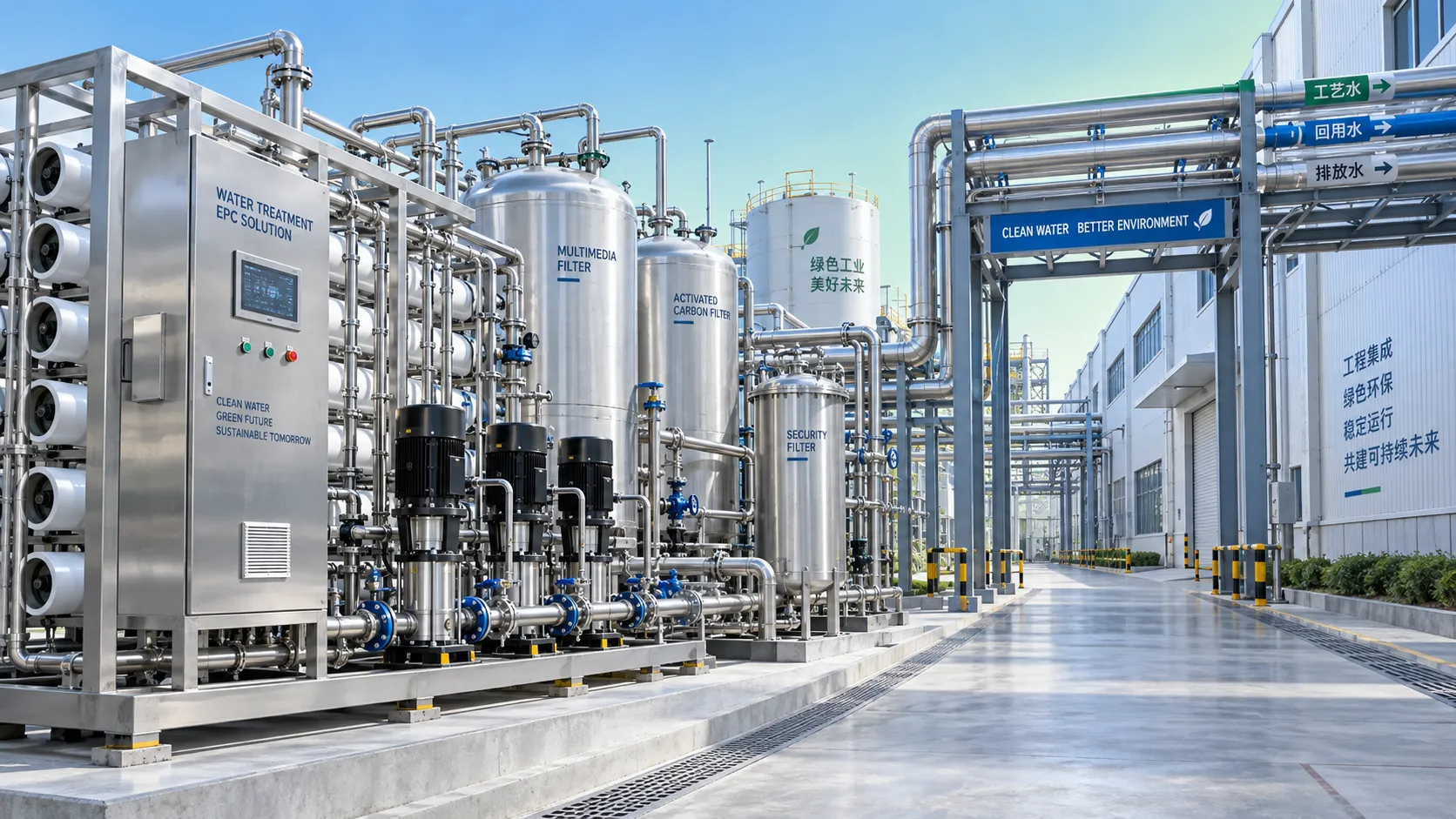
When does EPC environmental project support reduce delivery risk?
EPC environmental project support engineering reduces delivery risk by aligning design, procurement, compliance, construction, and commissioning decisions.
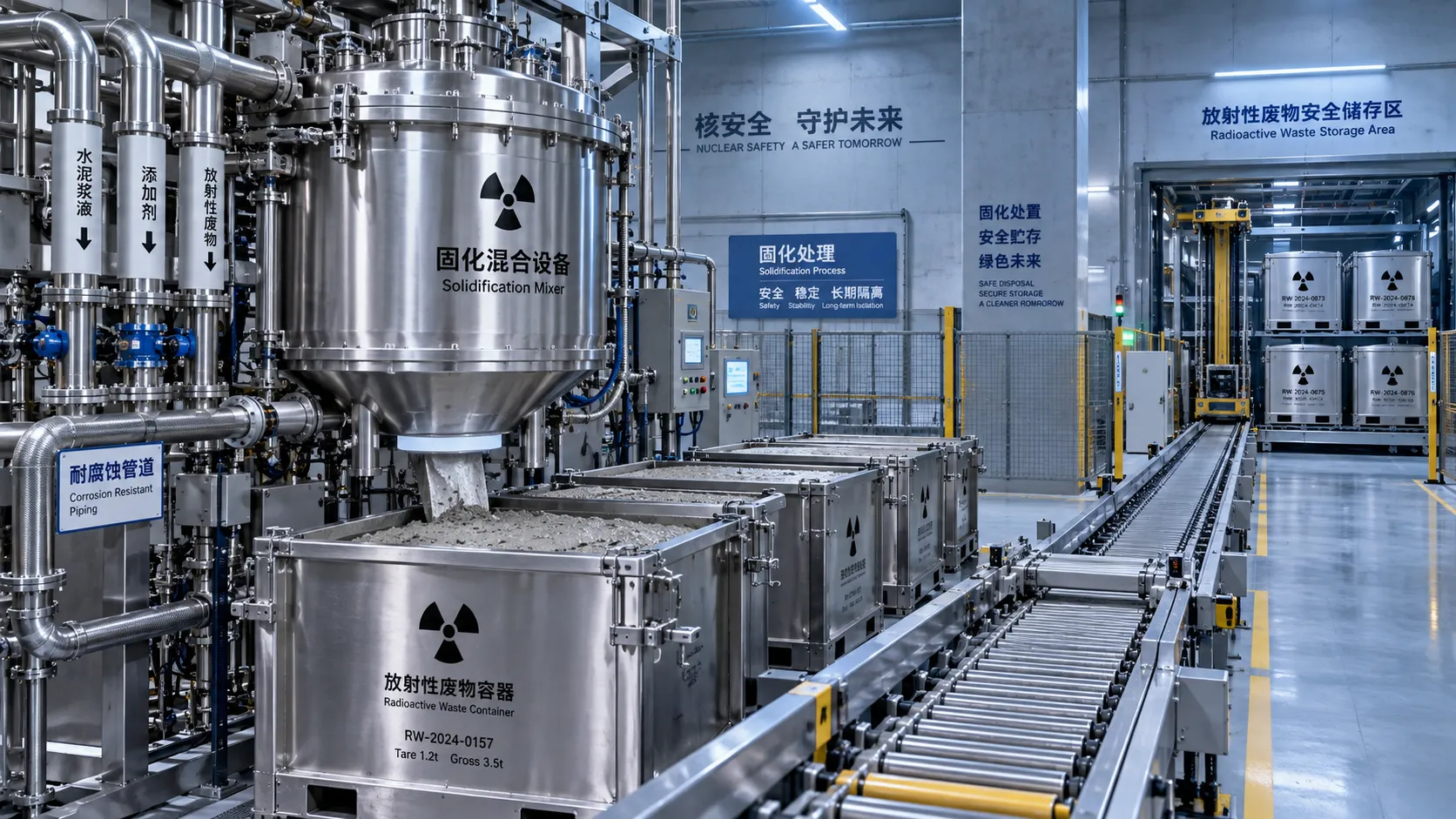
How nuclear plants select a radioactive waste solidification method
Radioactive waste management for nuclear plants: compare vitrification, cementation, polymers, and ceramics to select a compliant, durable solidification solution.
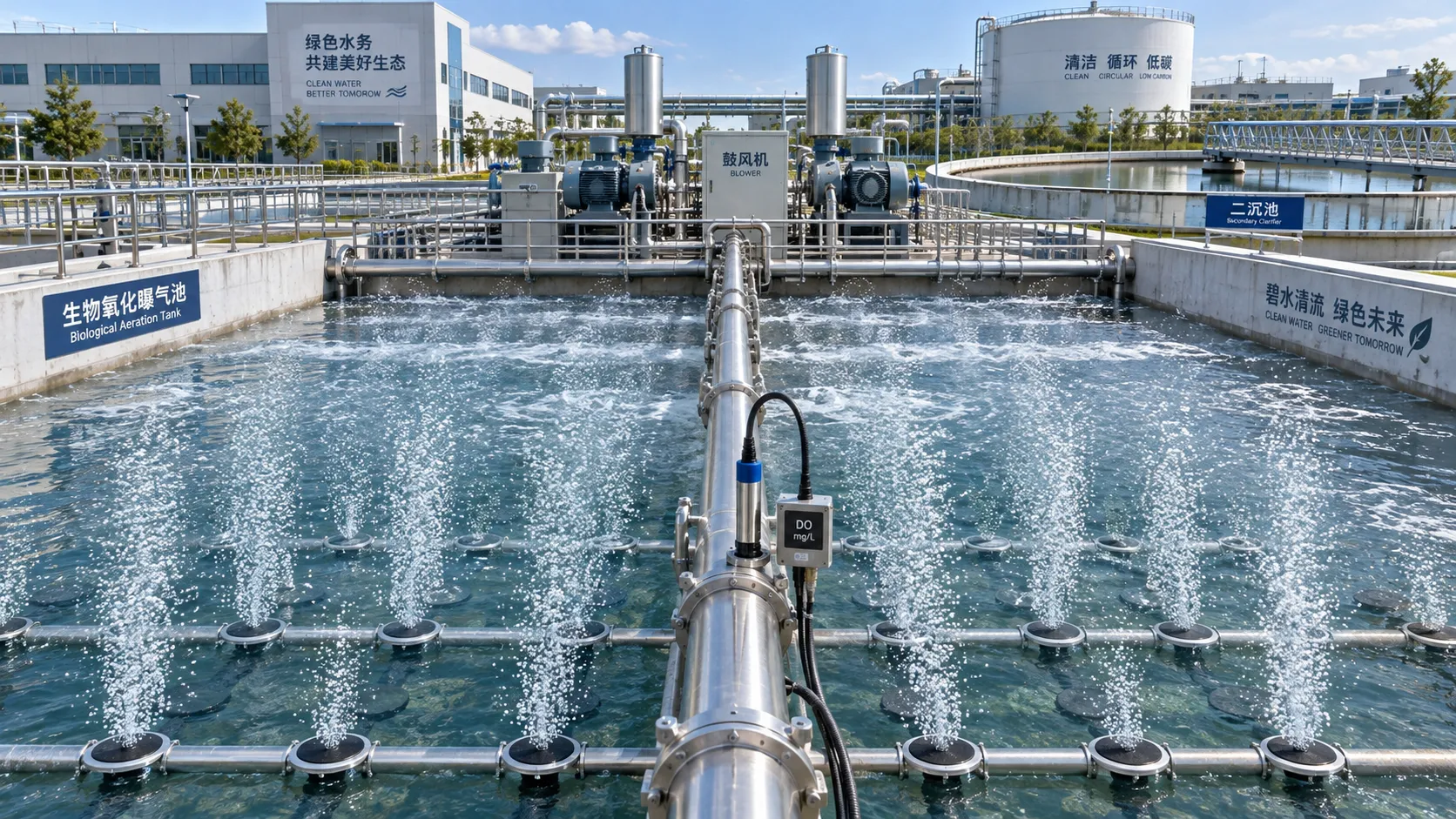
Biological Wastewater Oxidation Explained: Aeration Demand and Process Control
Biological wastewater oxidation explained: optimize aeration demand, DO control, nitrification, and sludge age for stable effluent quality and lower energy costs.
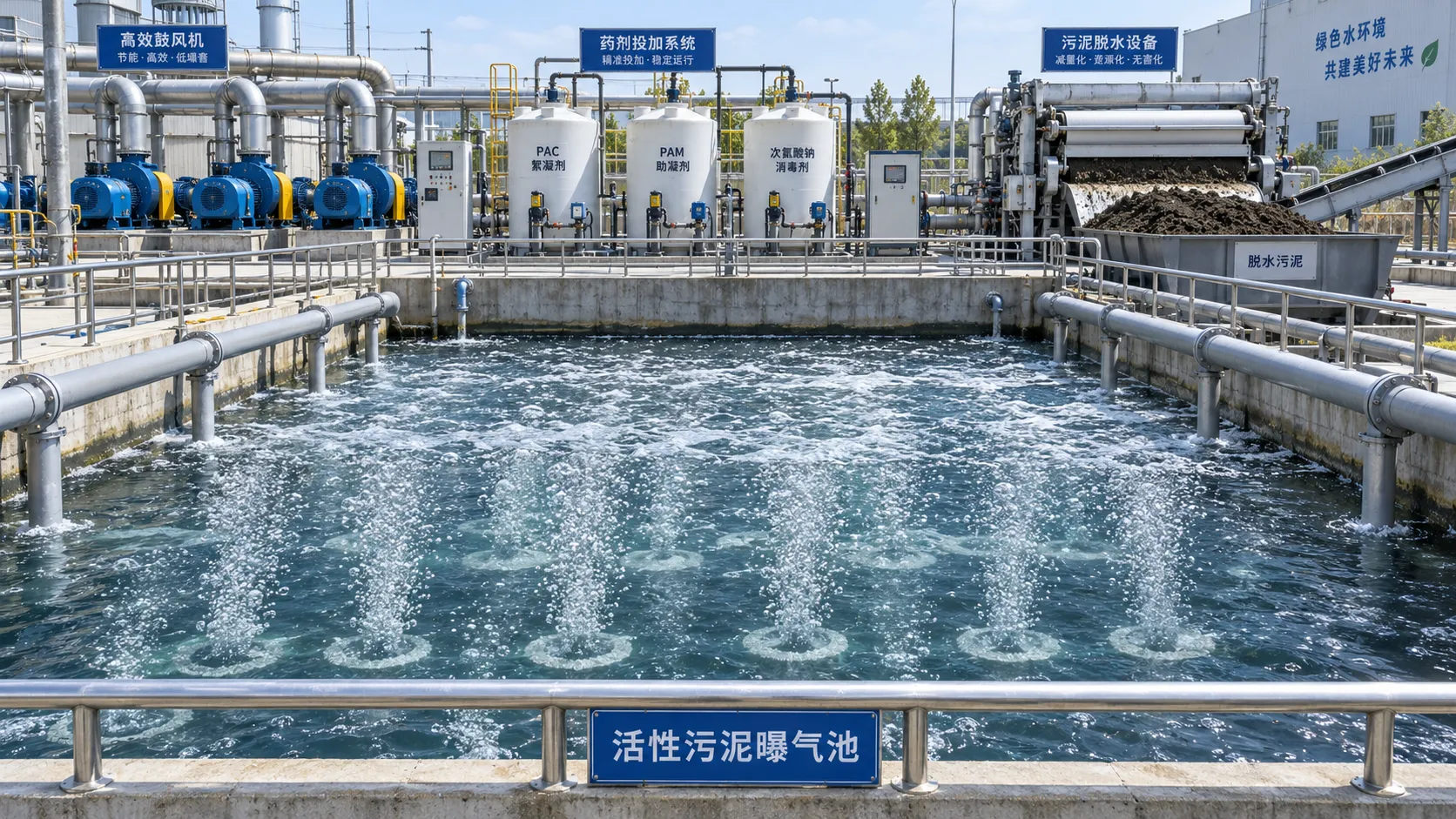
Activated Sludge Cost: Budgeting Energy, Chemicals, Sludge, and Labor
Activated sludge cost explained: compare energy, chemicals, sludge disposal, labor, and compliance risks to build a reliable lifecycle budget.
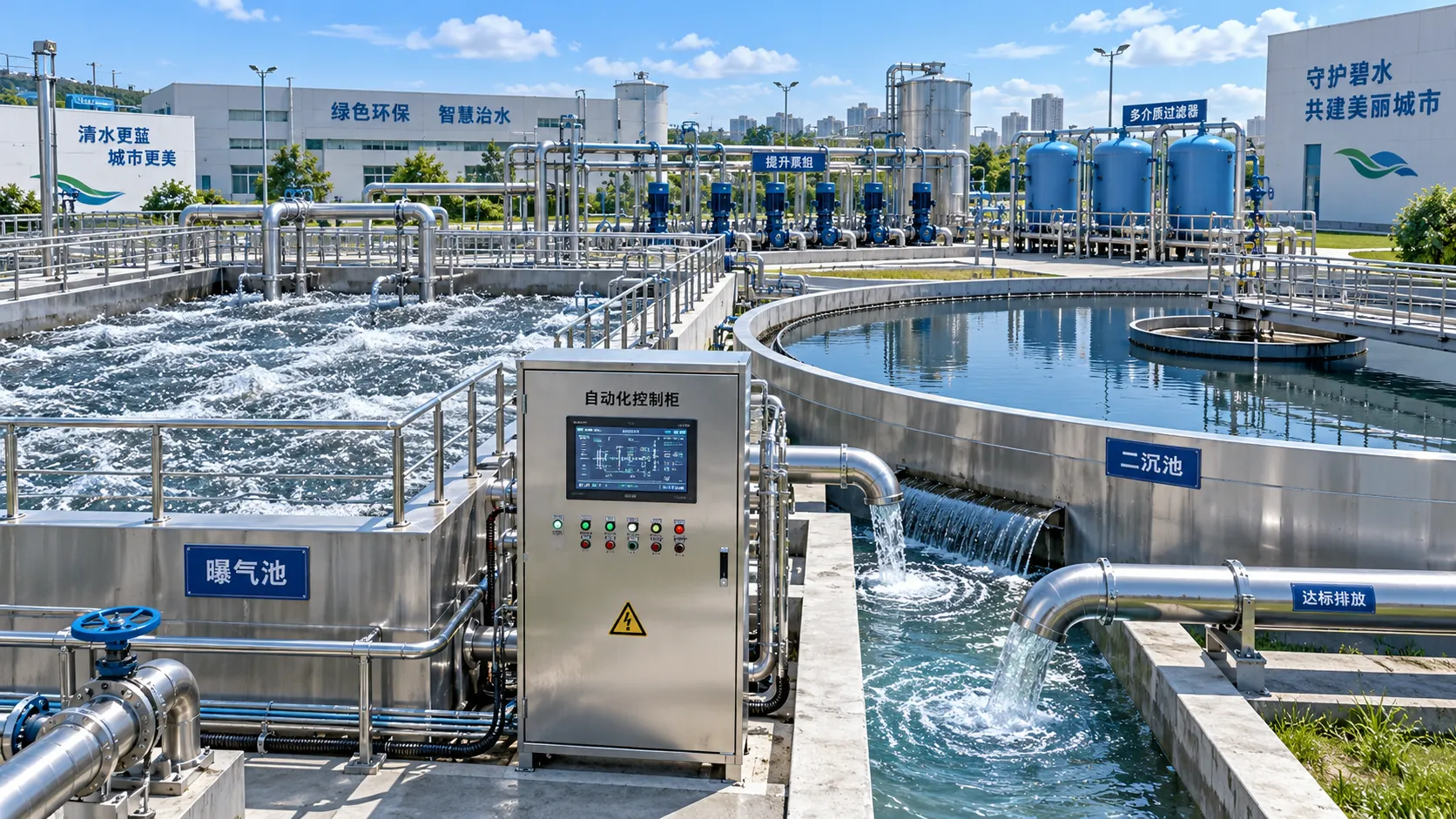
When Should Municipal Wastewater Plants Upgrade Treatment Capacity and Controls?
Municipal wastewater treatment upgrades: learn when capacity, controls, and resilient planning are needed to protect compliance and optimize plant performance.
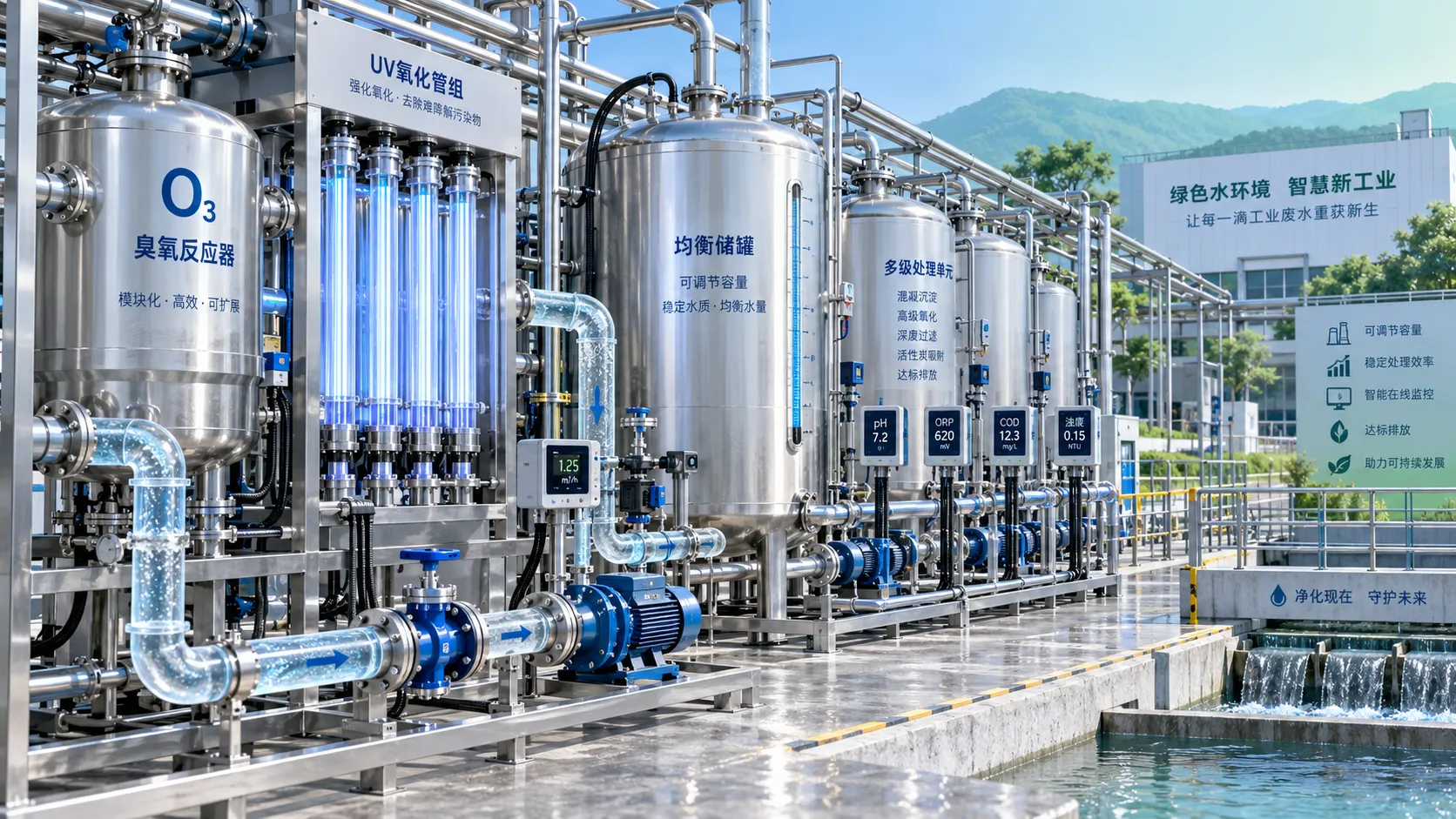
How to size advanced oxidation equipment for variable wastewater loads
Advanced oxidation equipment guide for sizing AOP systems under variable wastewater loads, improving compliance, efficiency, and lifecycle cost control.

How to select FGD systems for coal boilers based on sulfur content
FGD systems for coal boilers: learn how sulfur content, fuel variability, emissions limits, water, waste, and retrofit constraints guide a compliant, cost-effective scrubber choice.

How to size a desulfurization equipment scrubber for variable gas flow
Desulfurization equipment scrubber sizing for variable gas flow: optimize SO2 removal, pressure drop, liquid-to-gas control, and compliance across every load.