
Industry News
Curation by industry experts
Hot Articles
Popular Tags
Environmental Compliance for Manufacturing: Common Gaps That Lead to Costly Delays
Environmental Compliance for Manufacturing Starts Long Before Inspection Day
Environmental compliance for manufacturing rarely fails at the final signature. It usually slips much earlier, when process assumptions, discharge routes, emission controls, and documentation paths are treated as separate tasks.
That pattern appears across industrial sectors, from water treatment lines to solid waste recovery systems, desalination projects, flue gas units, and nuclear waste support infrastructure.
In practice, the costliest delays come from mismatched timing. Engineering progresses faster than permitting, suppliers deliver equipment faster than validation files, and commissioning teams arrive before compliance conditions are actually closed.
This is why environmental compliance for manufacturing has become a strategic planning issue, not only a legal one. The decision points sit inside design, procurement, utility integration, and operational readiness.
For complex environmental infrastructure, the gap is even sharper. A ZLD system, an SCR train, an AI sorting line, or a vitrification support unit may all meet technical specifications, yet still trigger delay if compliance logic was not built into the project sequence.
Why Similar Facilities Face Different Compliance Pressure
Two plants can produce similar outputs and still face very different compliance burdens. The difference often comes from feed variability, local permit thresholds, water stress, waste classification, or cross-border reporting obligations.
A coastal desalination facility, for example, is judged not only by water quality. Intake ecology, brine discharge, energy intensity, and emergency shutdown procedures also shape environmental compliance for manufacturing.
A waste recovery site has another profile. Here, regulators usually look harder at residue streams, fire load, odor control, storage time, and whether secondary materials are truly products or still legally waste.
This is where intelligence-led review matters. ESD’s coverage of water treatment, flue gas treatment, resource recovery, desalination, and nuclear waste management reflects a practical reality: compliance gaps are shaped by process context, not by labels alone.
When Water Systems Look Ready but Permits Are Not
Water-intensive manufacturing projects often assume that treatment design equals compliance readiness. That is a common mistake, especially where reuse targets, brine concentration, or seasonal discharge limits are involved.
In high-strength industrial wastewater, a design may perform under average loads yet fail under upset chemistry. If permit conditions were modeled on stable influent, environmental compliance for manufacturing becomes fragile during real operations.
ZLD projects carry another risk. Teams often focus on evaporation capacity and salt handling, while underestimating utility demand, sludge classification, and startup bypass conditions. Those details frequently determine whether approvals stay intact.
A better review path is to test compliance against worst-case influent, cleaning cycles, maintenance downtime, and actual operator response windows. That produces a more realistic permit and a more bankable schedule.
What usually deserves early verification
- Whether discharge assumptions match peak contaminant loads, not only normal production days.
- Whether concentrate, sludge, and cleaning waste have confirmed disposal or recovery routes.
- Whether online monitoring points align with permit language and reporting frequency.
- Whether supplier guarantees match local water reuse or zero discharge conditions.
In Waste Recovery, Classification Errors Can Stop a Project Late
Solid waste recovery projects often look commercially attractive before they look regulator-ready. That imbalance creates delay when residue streams, ash fractions, or recovered materials fall into disputed legal categories.
Pyrolysis, mechanical sorting, and AI-assisted recovery lines face this problem often. A recovered output may have market value, but that does not automatically remove waste handling obligations.
Environmental compliance for manufacturing in this setting depends on chain-of-custody evidence, emissions control stability, and mass-balance credibility. If those records are weak, project acceptance can stall even after installation is complete.
More cautious teams review storage time, fire suppression, fugitive dust, and rejection rates before final equipment lock-in. Those are not peripheral details. They are often the difference between pilot success and delayed commercialization.
Air Compliance Gaps Often Hide Inside Operating Windows
Flue gas treatment projects usually receive attention for stack limits, yet many schedule problems begin with operating range assumptions. Low-load operation, fuel switching, or variable sulfur content can change the whole compliance picture.
SCR systems illustrate this clearly. Catalyst performance may look acceptable in design simulations, but low-temperature behavior, ammonia slip, and transient startups can push actual emissions outside expectations.
The same applies to FGD scrubbers. Water chemistry, scaling tendency, reagent quality, and by-product handling all affect environmental compliance for manufacturing, especially where reporting requirements are continuous.
A useful rule is to verify compliance at the edges of operation, not only at nameplate conditions. Regulators and financiers both care about upset resilience more than presentation-grade averages.
High-Sensitivity Projects Need a Different Standard of Proof
Some manufacturing-adjacent projects carry a far narrower tolerance for uncertainty. Nuclear waste handling, radiological support systems, and critical containment infrastructure fall into this category.
Here, environmental compliance for manufacturing is inseparable from traceability. Material compatibility, micro-structural stability, long-duration storage assumptions, and emergency response interfaces must all remain consistent across documents.
The common mistake is treating paperwork as a later validation layer. In high-consequence environments, document control is part of the engineered system itself. A missing qualification record can delay progress as surely as a failed component.
That is why specialist intelligence matters. Fields such as vitrification stability or closed-loop contamination control require deeper interpretation than generic compliance checklists can provide.
Different Scenarios Change What Should Be Checked First
The first compliance question should change with the operating setting. That sounds obvious, yet many delays begin when all facilities are reviewed through the same approval lens.
This kind of comparison helps frame environmental compliance for manufacturing as a scenario-based discipline. It also explains why generic checklists often miss the issue that actually delays handover.
Where Misjudgment Happens Most Often
The repeated error is not ignorance of regulation. It is false equivalence. Similar facilities are treated as if they share identical waste profiles, emission behavior, or monitoring obligations.
Another frequent problem is focusing on purchase specifications while ignoring implementation conditions. A compliant component can still create noncompliance when tied to the wrong control logic, sampling point, or maintenance interval.
Cross-border projects add another layer. CBAM-related reporting, local environmental permits, and customer sustainability audits do not always ask for the same data structure. Missing that mismatch can slow approvals and contracts together.
In real projects, environmental compliance for manufacturing improves when data architecture, process engineering, and legal interpretation are aligned from the beginning, not reconciled after construction.
A Practical Next Step Before Delays Become Expensive
A useful next move is to map the project around failure points rather than around departments. Start with discharge, emission, residue, and reporting obligations, then trace each one back to design assumptions and supplier evidence.
After that, compare normal operation with startup, shutdown, upset load, cleaning cycles, and maintenance bypass. Those edge conditions usually reveal the most serious gaps in environmental compliance for manufacturing.
It also helps to build a scenario-specific review standard for each project type. Water treatment, waste recovery, flue gas control, desalination, and nuclear waste systems should not share the same first-pass checklist.
Where technical and regulatory conditions evolve quickly, a structured intelligence source such as ESD becomes valuable not as promotion, but as operating context. That context helps separate what is technically possible from what is approvable on schedule.
The projects that move fastest are usually not the simplest. They are the ones that define environmental compliance for manufacturing early, test it against real operating scenarios, and close evidence gaps before commissioning turns them into delays.
Recommended News
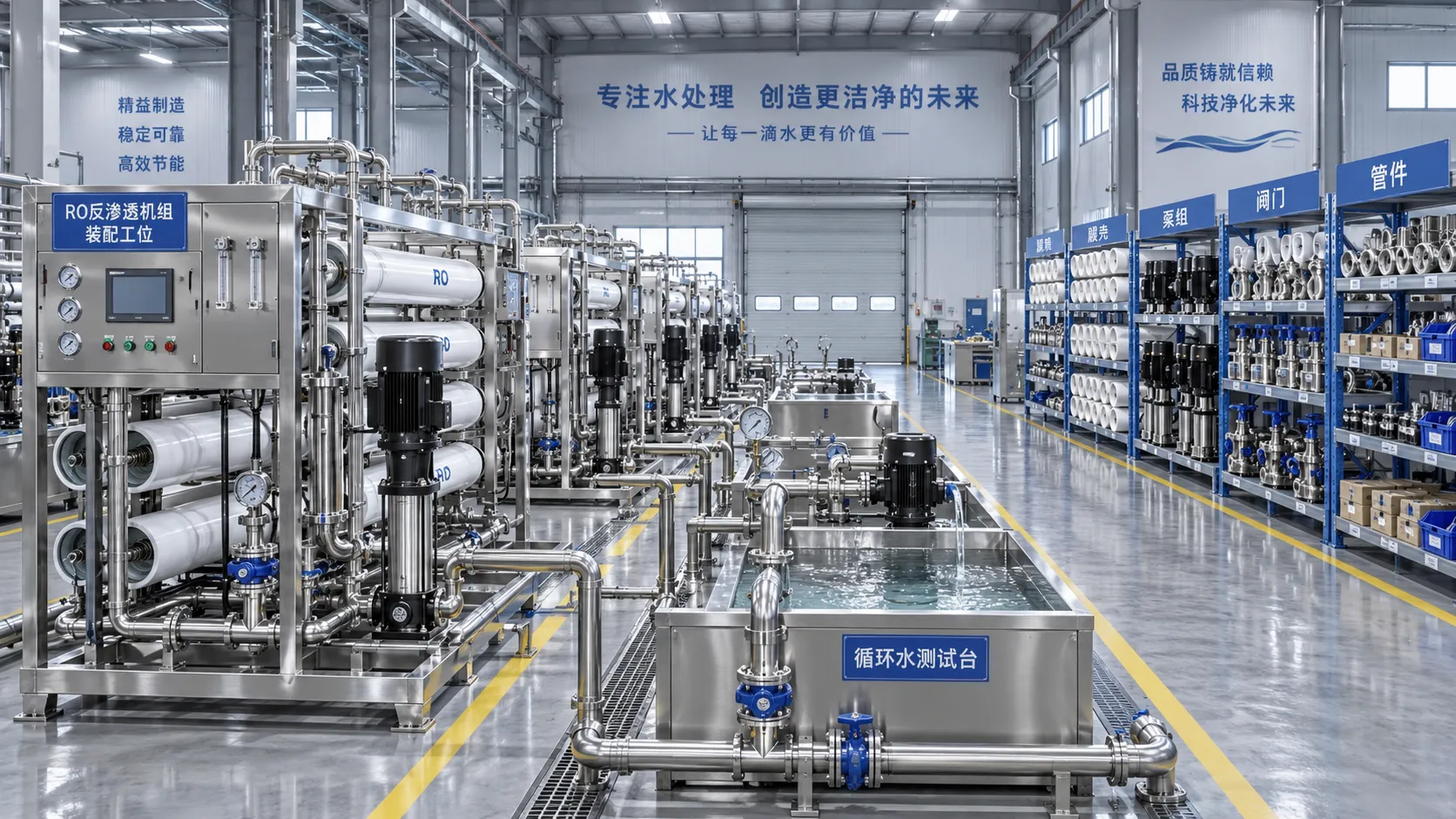
How to verify a water treatment system factory’s production capacity
Verify a water treatment systems factory’s production capacity through records, bottlenecks, component availability, and testing. Learn what to check before accepting a delivery promise.
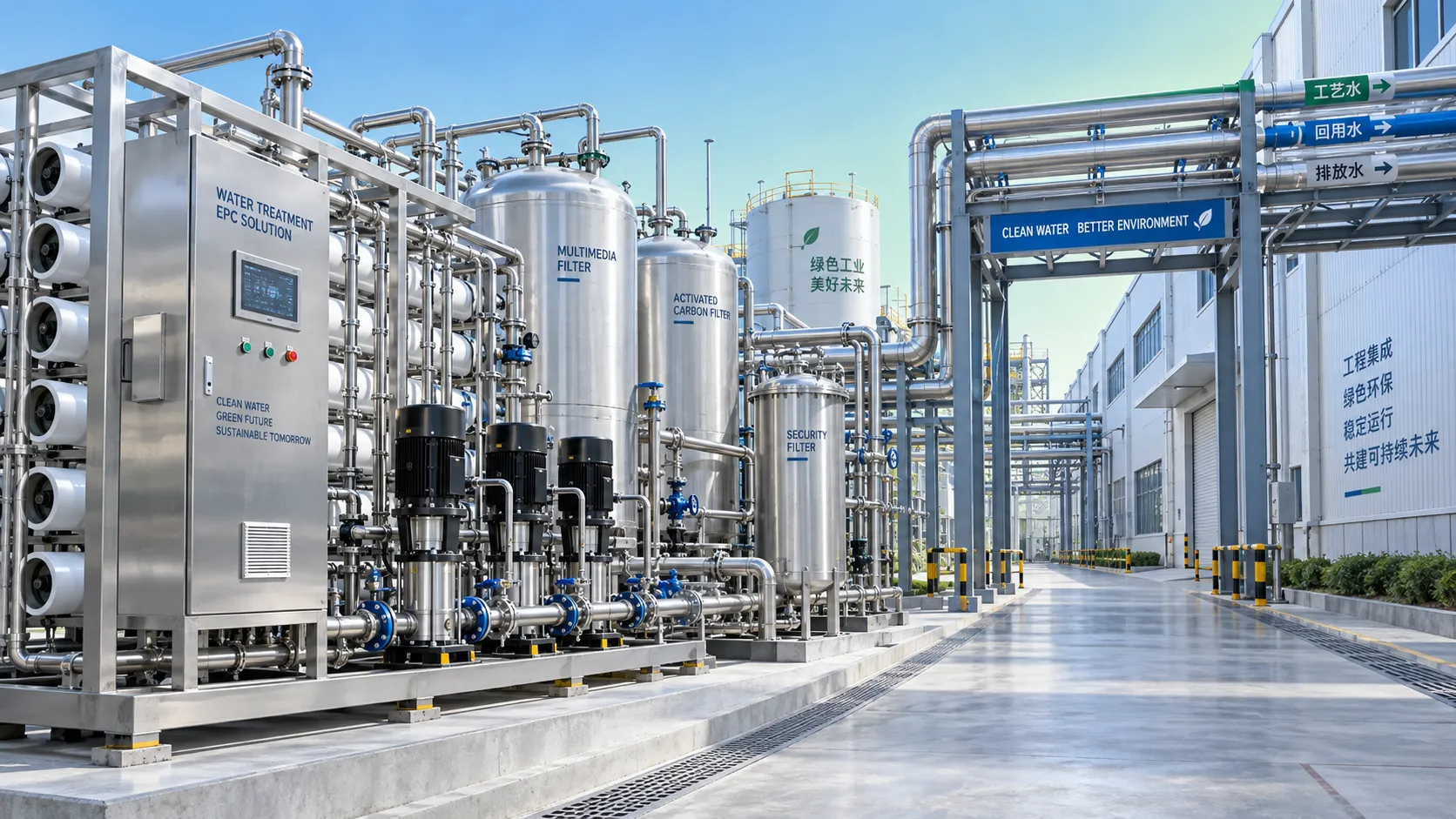
When does EPC environmental project support reduce delivery risk?
EPC environmental project support engineering reduces delivery risk by aligning design, procurement, compliance, construction, and commissioning decisions.
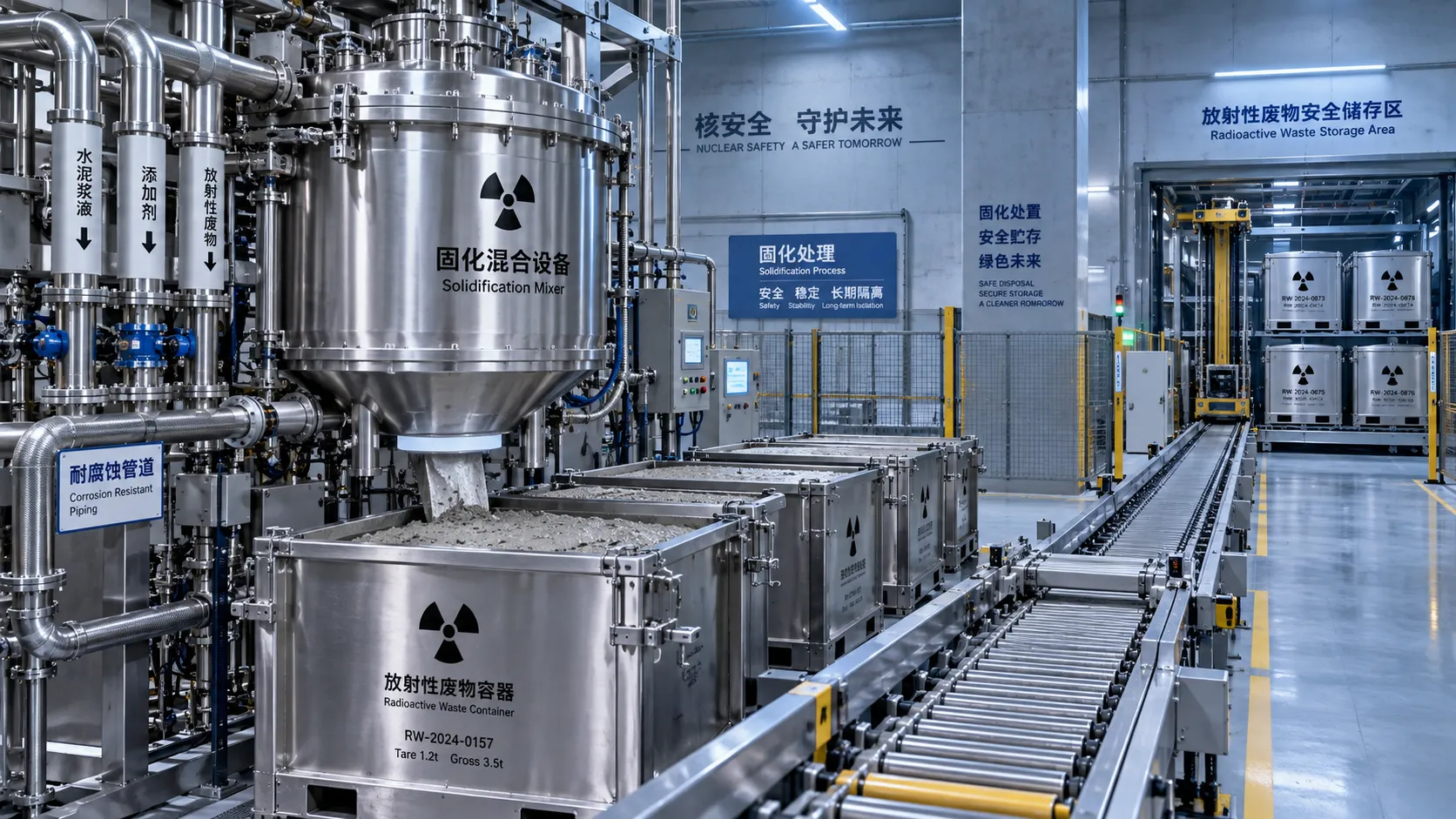
How nuclear plants select a radioactive waste solidification method
Radioactive waste management for nuclear plants: compare vitrification, cementation, polymers, and ceramics to select a compliant, durable solidification solution.
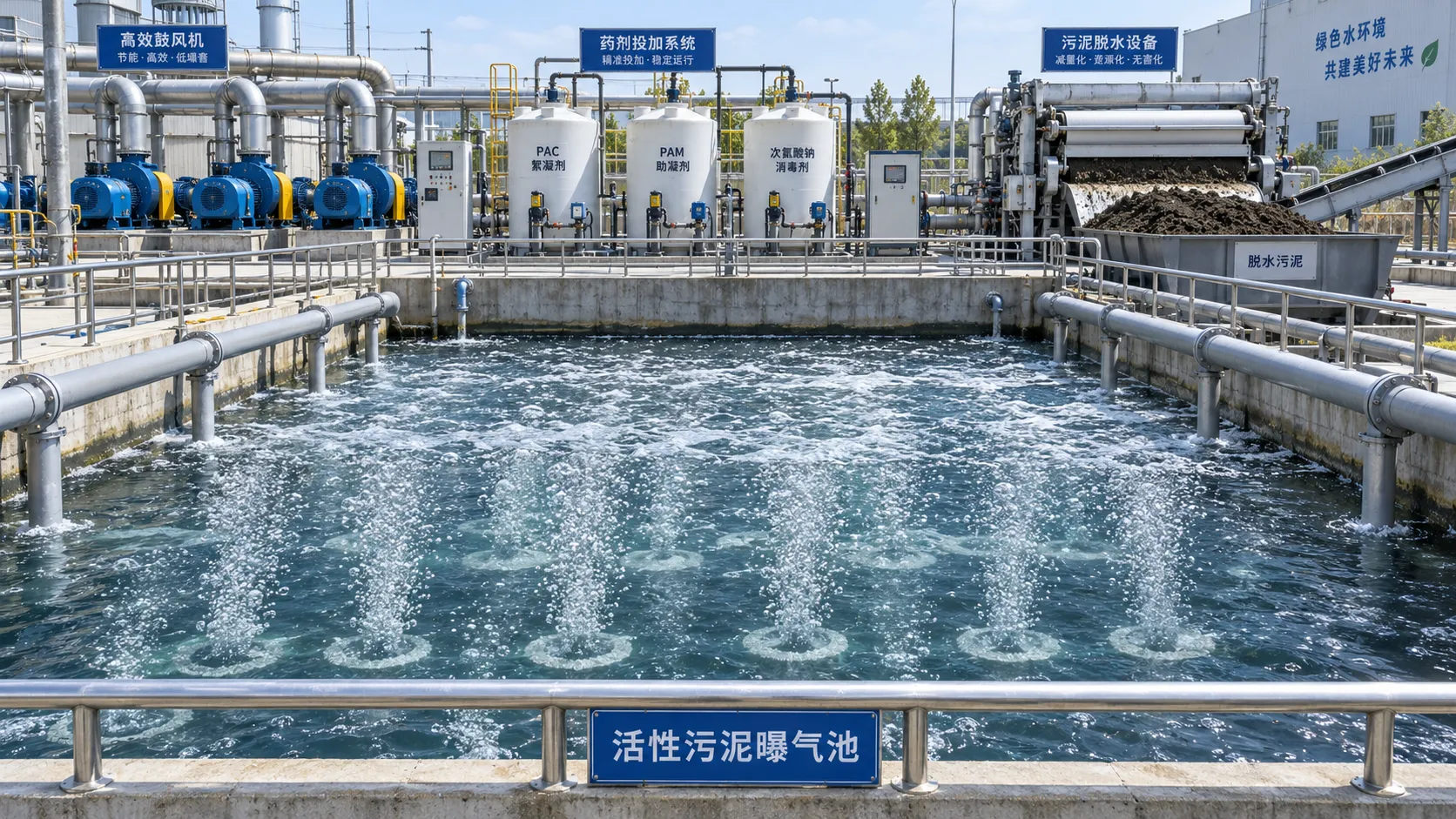
Activated Sludge Cost: Budgeting Energy, Chemicals, Sludge, and Labor
Activated sludge cost explained: compare energy, chemicals, sludge disposal, labor, and compliance risks to build a reliable lifecycle budget.
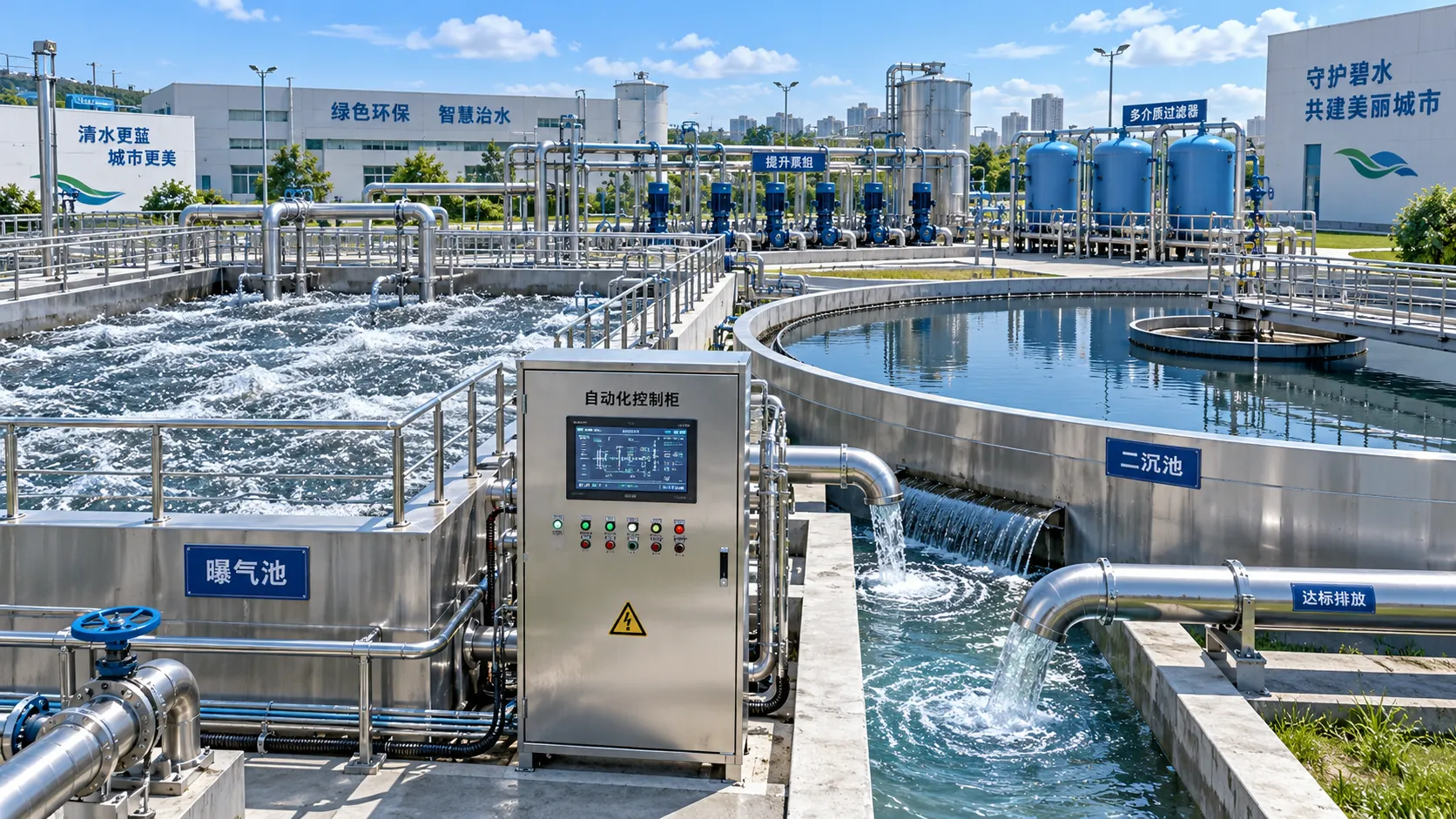
When Should Municipal Wastewater Plants Upgrade Treatment Capacity and Controls?
Municipal wastewater treatment upgrades: learn when capacity, controls, and resilient planning are needed to protect compliance and optimize plant performance.
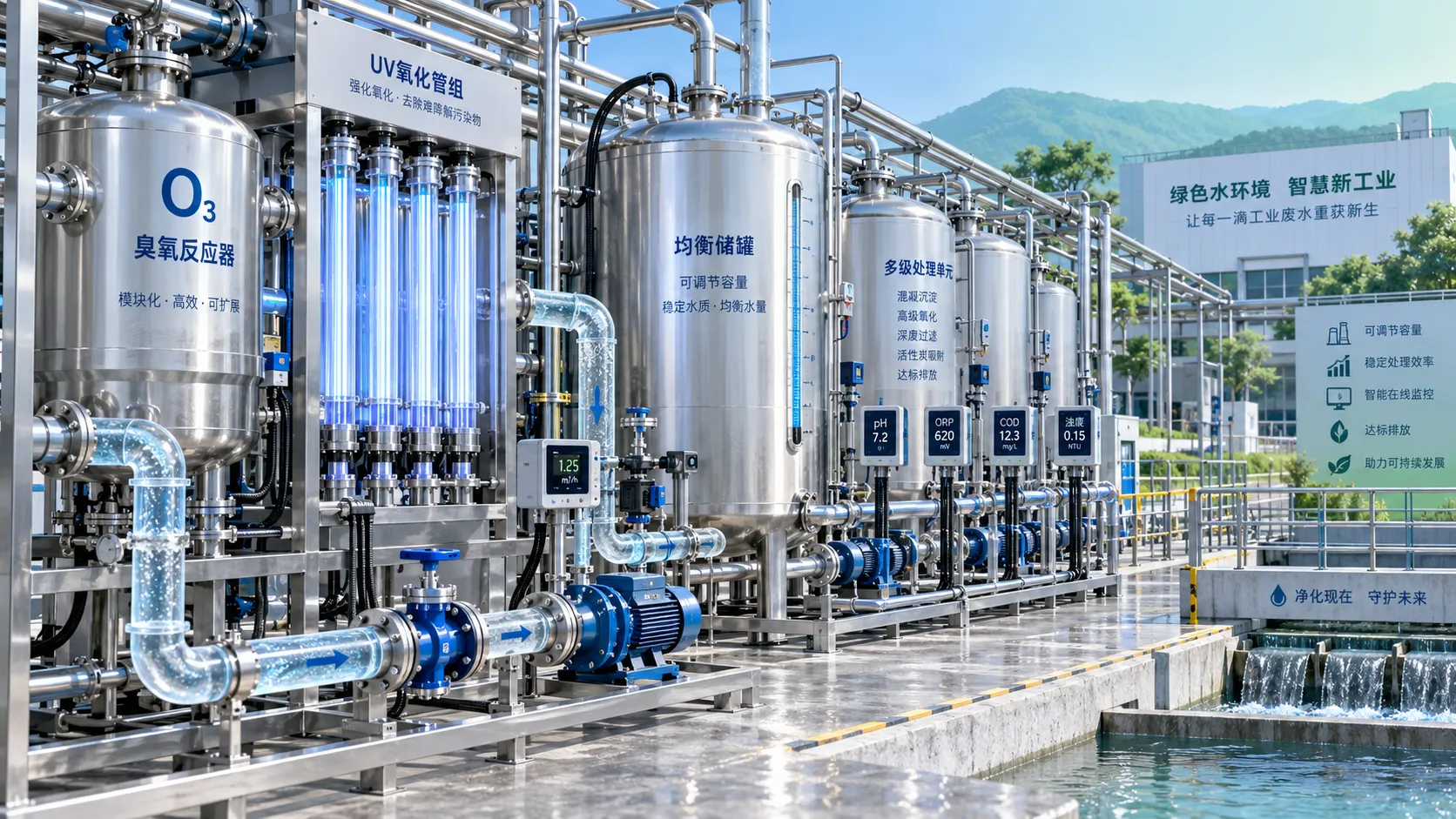
How to size advanced oxidation equipment for variable wastewater loads
Advanced oxidation equipment guide for sizing AOP systems under variable wastewater loads, improving compliance, efficiency, and lifecycle cost control.
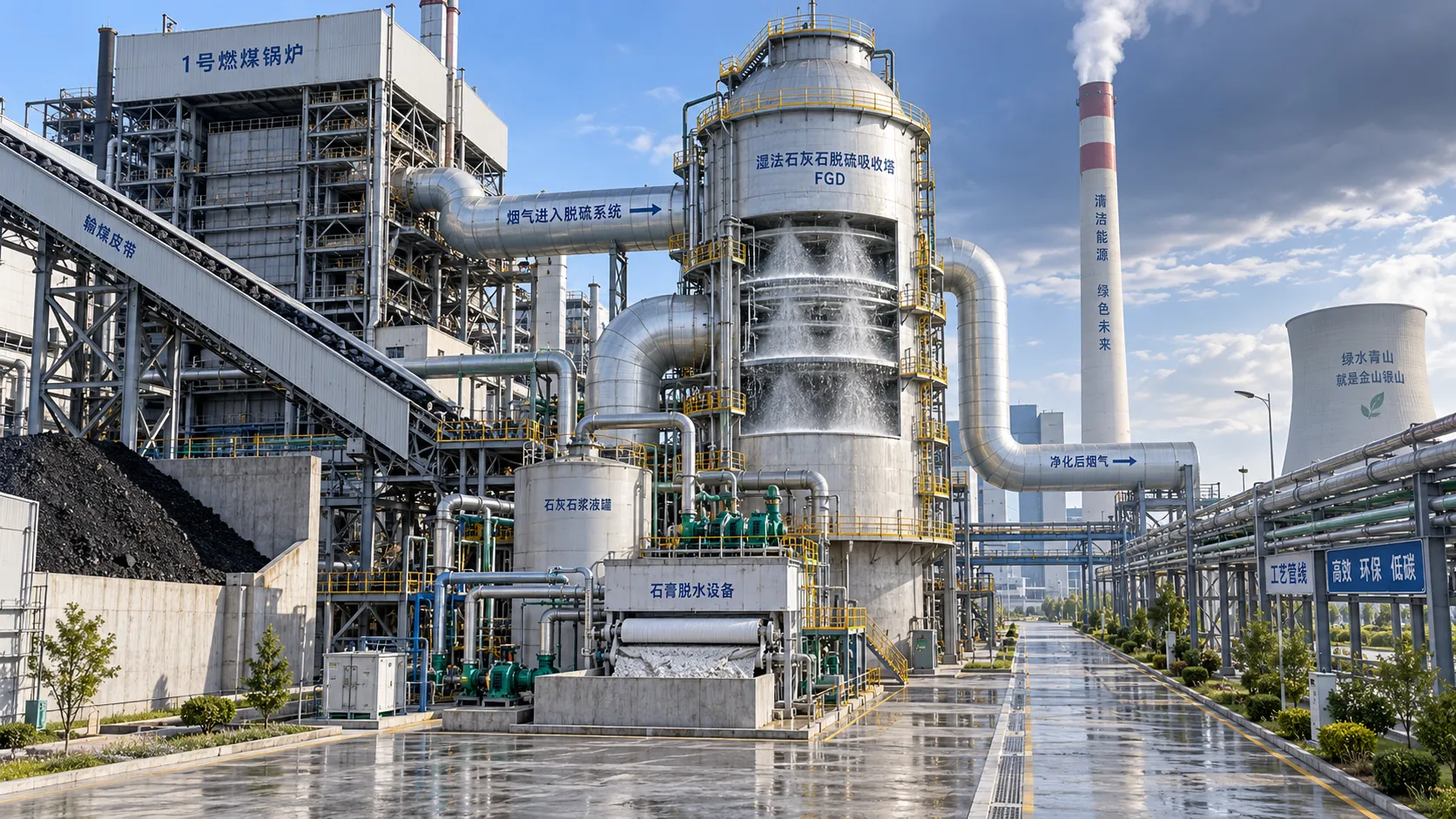
How to select FGD systems for coal boilers based on sulfur content
FGD systems for coal boilers: learn how sulfur content, fuel variability, emissions limits, water, waste, and retrofit constraints guide a compliant, cost-effective scrubber choice.
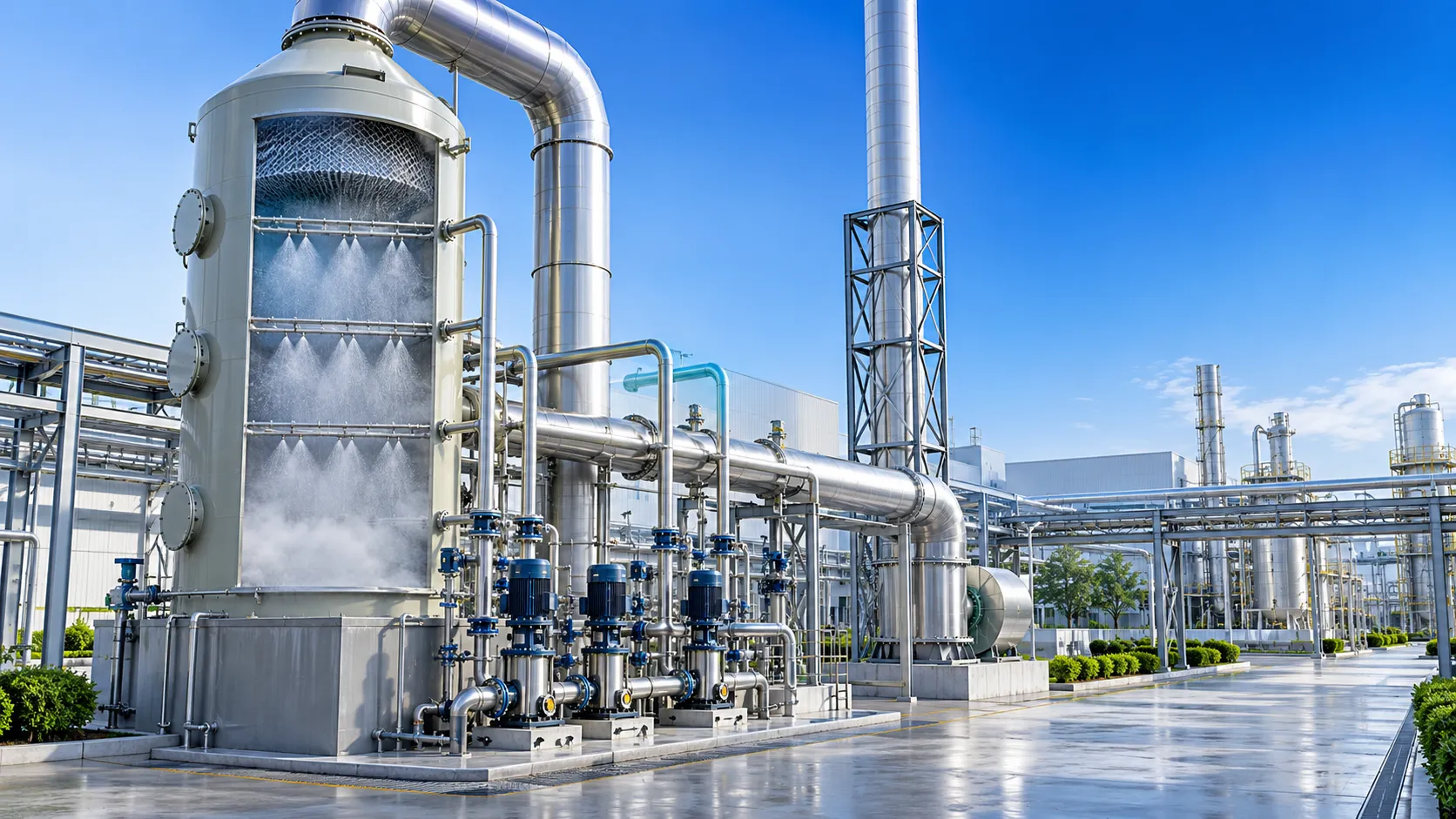
How to size a desulfurization equipment scrubber for variable gas flow
Desulfurization equipment scrubber sizing for variable gas flow: optimize SO2 removal, pressure drop, liquid-to-gas control, and compliance across every load.
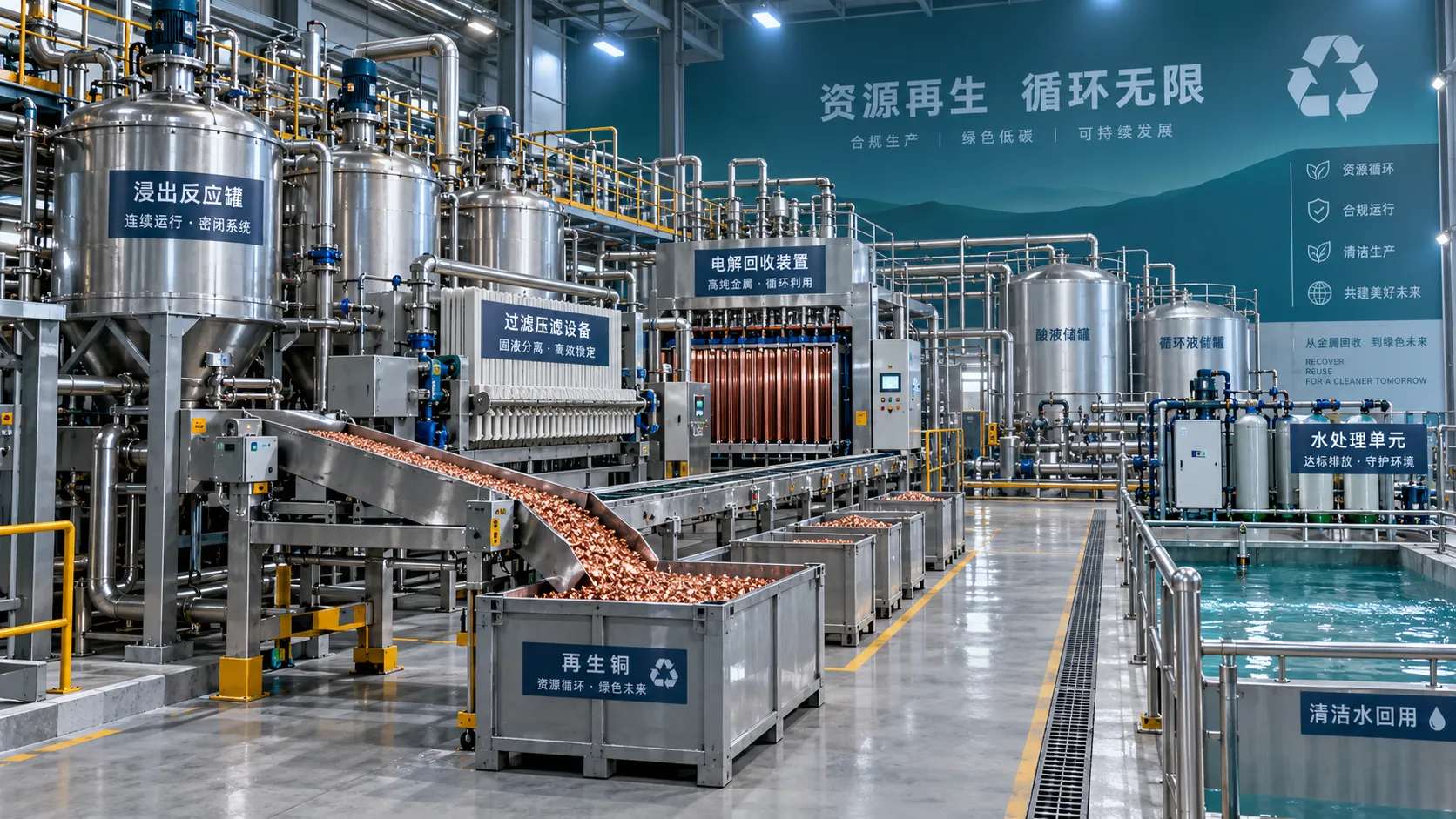
When does repeatable metals recovery infrastructure justify the investment?
Repeatable metals recovery infrastructure: discover when consistent feedstock, lower disposal costs, compliance control, and reliable offtake justify investment.