
Industry News
Curation by industry experts
Hot Articles
Popular Tags
How to Use Supplier Evaluation Support to Reduce Project Risk
Why does supplier evaluation support matter so much in risk-heavy projects?
In complex industrial programs, supplier choice is rarely a routine purchasing step. It shapes schedule reliability, technical fit, compliance exposure, and long-term operating stability.
That is especially true in water treatment, waste recovery, flue gas control, desalination, and nuclear waste systems, where one weak component can disrupt an entire process chain.
Supplier evaluation support for project teams helps reduce that uncertainty before contracts lock in major commitments. It gives structure to decisions that are often made under time pressure.
The practical value is simple. Teams can compare technical claims, test delivery credibility, verify compliance readiness, and identify hidden lifecycle costs earlier.
For projects covered by strict discharge rules, emissions targets, or cross-border equipment standards, early evaluation is not a luxury. It is part of risk control.
This is where intelligence-led review becomes useful. ESD’s industry perspective shows that supplier risk often begins where technical data, commercial terms, and regulation stop being looked at together.
What does supplier evaluation support for project teams actually include?
Many teams assume supplier evaluation means checking price, lead time, and references. In lower-risk work, that may be enough. In critical infrastructure, it usually is not.
Effective supplier evaluation support for project teams usually combines technical review, manufacturing due diligence, compliance screening, and commercial stress testing.
A membrane skid, pyrolysis unit, scrubber package, or vitrification subsystem may all look acceptable on paper. The risk appears when operating conditions become more severe.
In real projects, the support process often checks:
- Design compatibility with process parameters and upstream interfaces.
- Evidence behind performance claims under comparable duty conditions.
- Material durability, maintenance burden, and spare parts accessibility.
- Certification status, export restrictions, and environmental compliance exposure.
- Manufacturing capacity and record of delivering custom configurations.
- Financial resilience across long fabrication and commissioning cycles.
The best support does not produce a generic scorecard only. It explains where a supplier is strong, where assumptions are weak, and what should be contractually protected.
When is formal supplier evaluation support most useful, and when is it often skipped too early?
It becomes most valuable when projects involve new process conditions, strict guarantees, public funding scrutiny, or international compliance obligations.
That includes EPC bids for desalination plants, ZLD upgrades, waste-to-resource systems, flue gas retrofits, and highly regulated containment or treatment packages.
More often, teams skip deep evaluation when the supplier is familiar, the delivery window is tight, or one package seems too small to threaten the overall project.
That assumption creates avoidable risk. Small packages often become major integration blockers because they sit at critical control points.
The pattern is common in environmental engineering. A single underqualified filtration train, catalyst system, or sorting module can trigger retesting, redesign, and permit delays.
A useful way to judge urgency is to ask whether supplier failure would affect guarantees, permits, startup sequencing, or health and safety controls. If the answer is yes, formal evaluation should begin early.
A practical screening table for early decision-making
Before moving into full review, many teams need a quick way to decide where to spend attention. The table below helps frame that discussion.
How can you tell whether a supplier is truly low-risk, not just low-price?
A low quote can hide design exclusions, optimistic assumptions, or weak service support. That is why price alone is a poor proxy for supplier reliability.
A stronger judgment looks at whether the supplier understands the process context. In high-end environmental equipment, that matters as much as fabrication quality.
For example, SWRO membrane systems, SCR catalyst packages, AI sorting lines, and waste vitrification equipment all depend on application-specific operating logic.
Supplier evaluation support for project teams should test more than brochure claims. It should ask how the supplier handles off-design conditions, maintenance intervals, and compliance updates.
More reliable suppliers usually show several signs:
- They provide traceable operating references with comparable duty profiles.
- They explain limitations clearly instead of hiding them in exclusions.
- They can discuss failure modes and not only best-case performance.
- They align documentation, quality plans, and commissioning support from the start.
A useful comparison point is total risk-adjusted value. That includes rework probability, startup reliability, energy efficiency, spare strategy, and the cost of missing guarantees.
Which mistakes make supplier evaluation support less effective than it should be?
One common mistake is waiting until the preferred supplier is already informally chosen. At that stage, evaluation becomes a justification exercise instead of a risk filter.
Another is separating technical review from market intelligence. In sectors tracked by ESD, regulation, demand shifts, and technology maturity often move together.
For instance, a supplier may be technically strong yet vulnerable to sudden compliance pressure, raw material exposure, or surging global order books.
A third mistake is relying on generic vendor questionnaires. These often miss the parameters that truly matter in desalination, emissions control, or hazardous waste systems.
Need-to-know issues are usually specific:
- Can the system maintain performance under variable contaminant loads?
- What happens during low-temperature operation or feed instability?
- Which subcomponents are sole-source, and how long is replacement lead time?
- How much site rework is typically required after delivery?
The strongest supplier evaluation support for project teams converts these questions into evidence, not assumptions. That is what reduces surprises during installation and handover.
What should the evaluation process look like before award and after award?
A practical process has two stages. The first decides whether the supplier deserves selection. The second protects the project after selection.
Before award, supplier evaluation support for project teams should narrow uncertainty. After award, it should control execution risk and preserve accountability.
Before award
- Map critical packages by technical, regulatory, and schedule impact.
- Define non-negotiable parameters and evidence requirements.
- Compare suppliers on fit, not only on price ranking.
- Document residual risks and assign contract protections.
After award
- Track document submission quality and response speed.
- Review manufacturing milestones against actual capacity.
- Monitor deviations, substitutions, and sub-supplier changes.
- Link FAT, SAT, and guarantee tests to earlier evaluation assumptions.
This is also where intelligence sources help. ESD-style monitoring of regulation, technology shifts, and commercial demand can reveal supplier stress signals before they become project delays.
What is the smartest next step if you want supplier evaluation support to reduce project risk now?
Start by identifying the packages that could damage guarantees, permits, safety performance, or commissioning dates. Not every supplier needs the same level of scrutiny.
Then build a short evaluation framework around real project exposure. Include technical proof, compliance fit, delivery realism, and lifecycle support requirements.
If the project operates in environmental sectors with fast-changing regulation or specialist equipment demand, add market and policy intelligence to the review.
That combination is often what turns supplier evaluation support for project teams from a procurement checklist into a genuine risk-reduction tool.
The most effective decisions usually come from asking better questions early, comparing evidence carefully, and revisiting risk after award rather than assuming selection solved it.
Where high-performance water, waste, desalination, flue gas, or nuclear-related systems are involved, this discipline can protect schedule certainty and technical credibility at the same time.
Recommended News
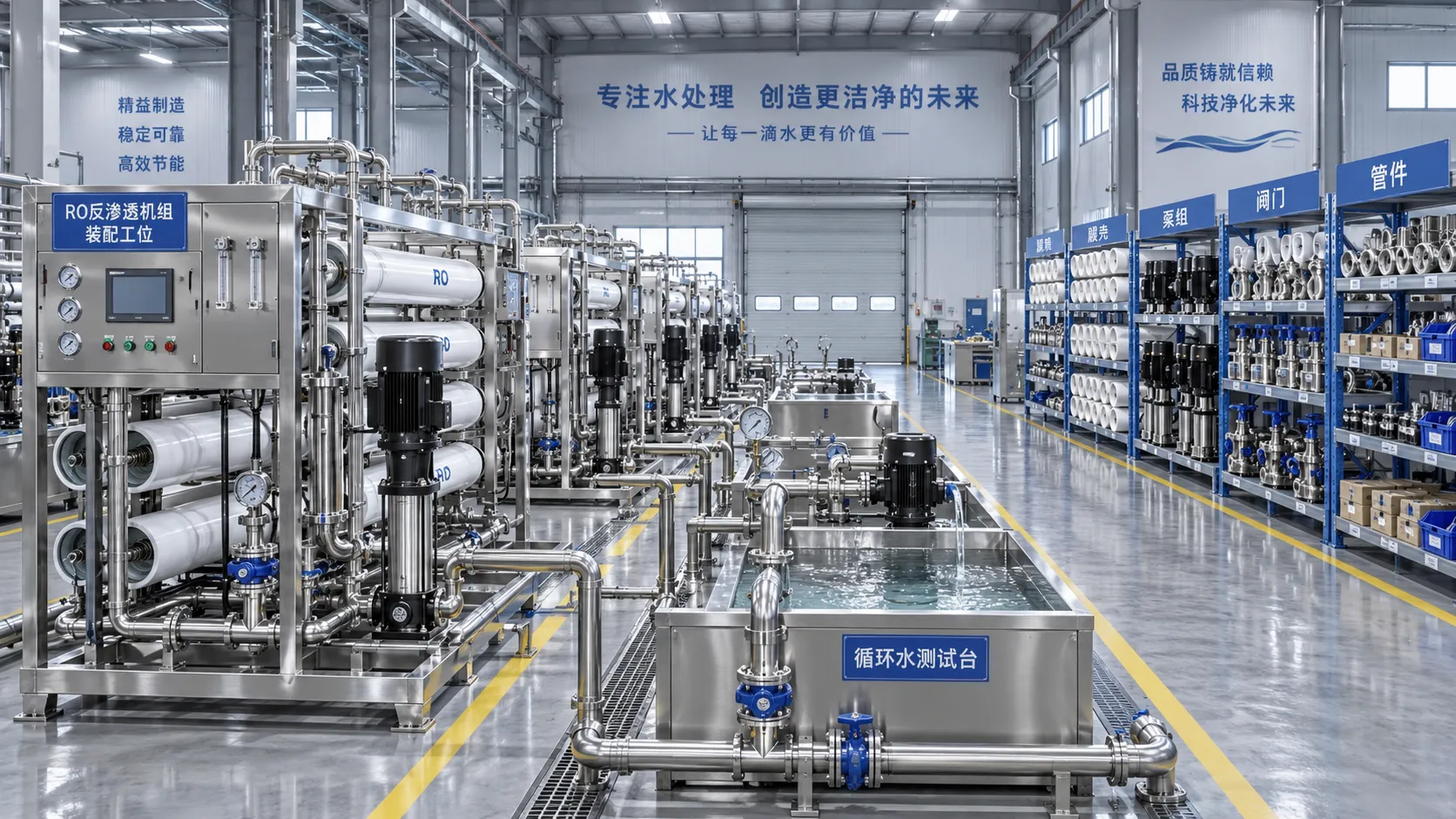
How to verify a water treatment system factory’s production capacity
Verify a water treatment systems factory’s production capacity through records, bottlenecks, component availability, and testing. Learn what to check before accepting a delivery promise.
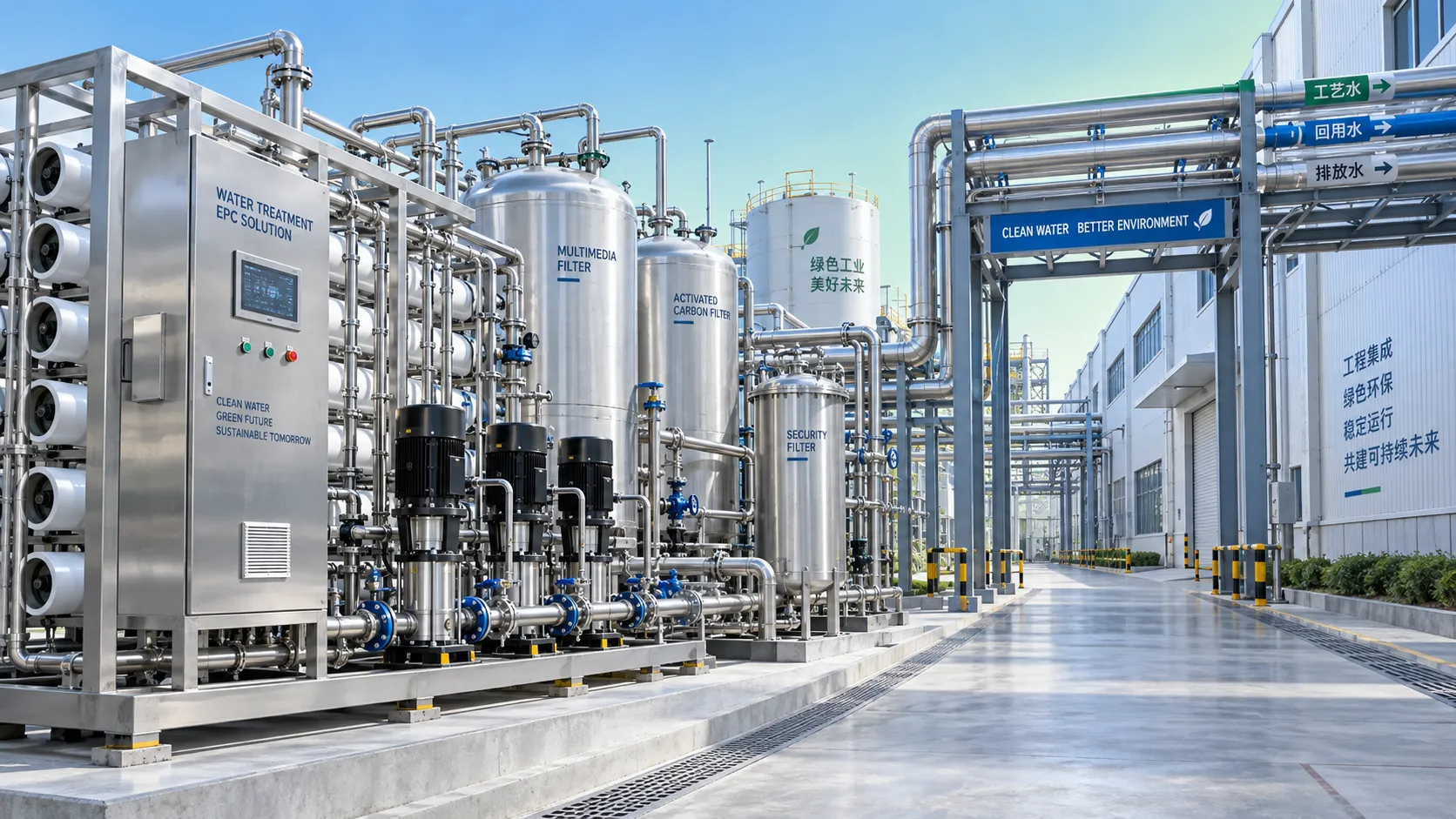
When does EPC environmental project support reduce delivery risk?
EPC environmental project support engineering reduces delivery risk by aligning design, procurement, compliance, construction, and commissioning decisions.
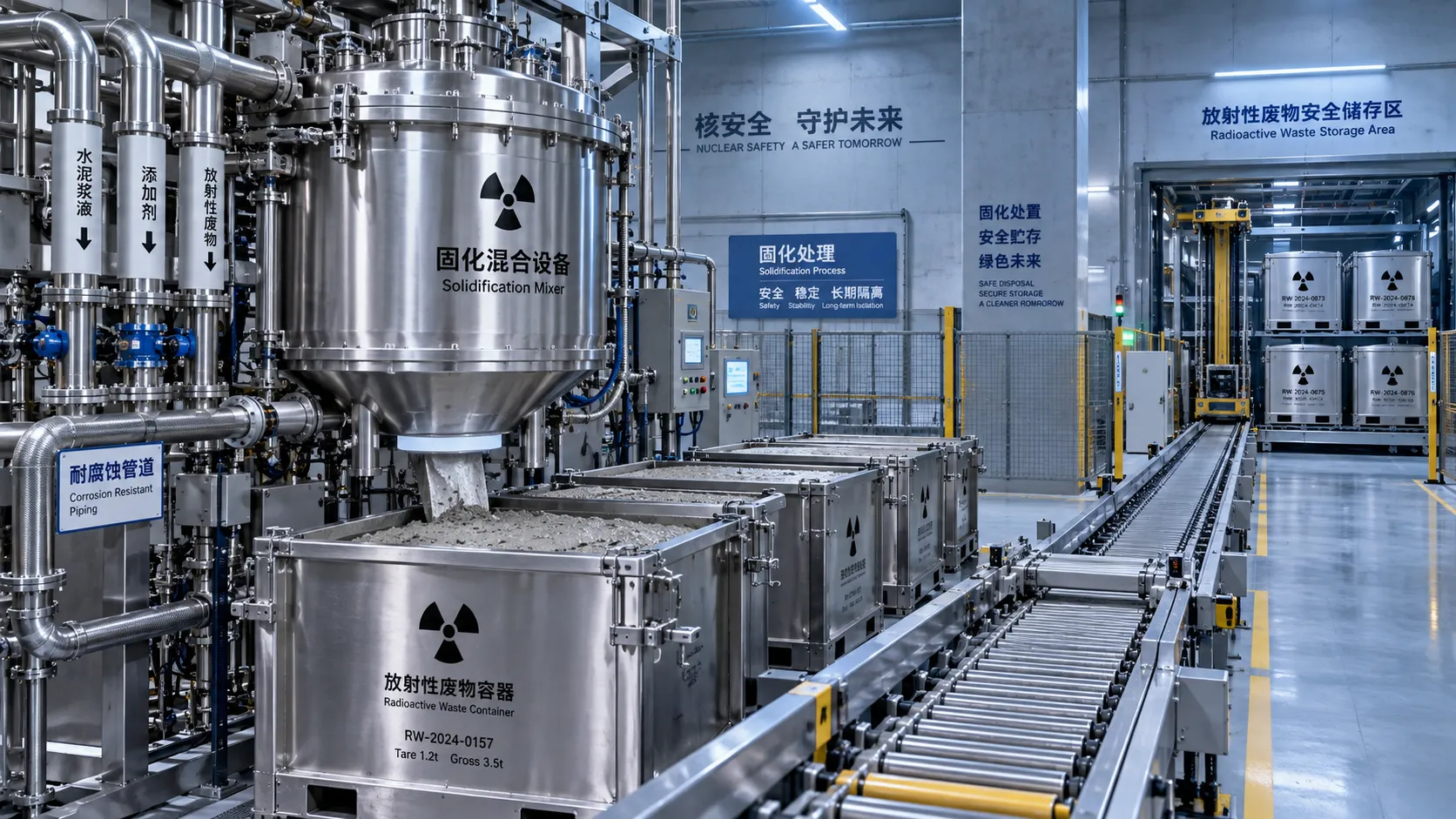
How nuclear plants select a radioactive waste solidification method
Radioactive waste management for nuclear plants: compare vitrification, cementation, polymers, and ceramics to select a compliant, durable solidification solution.
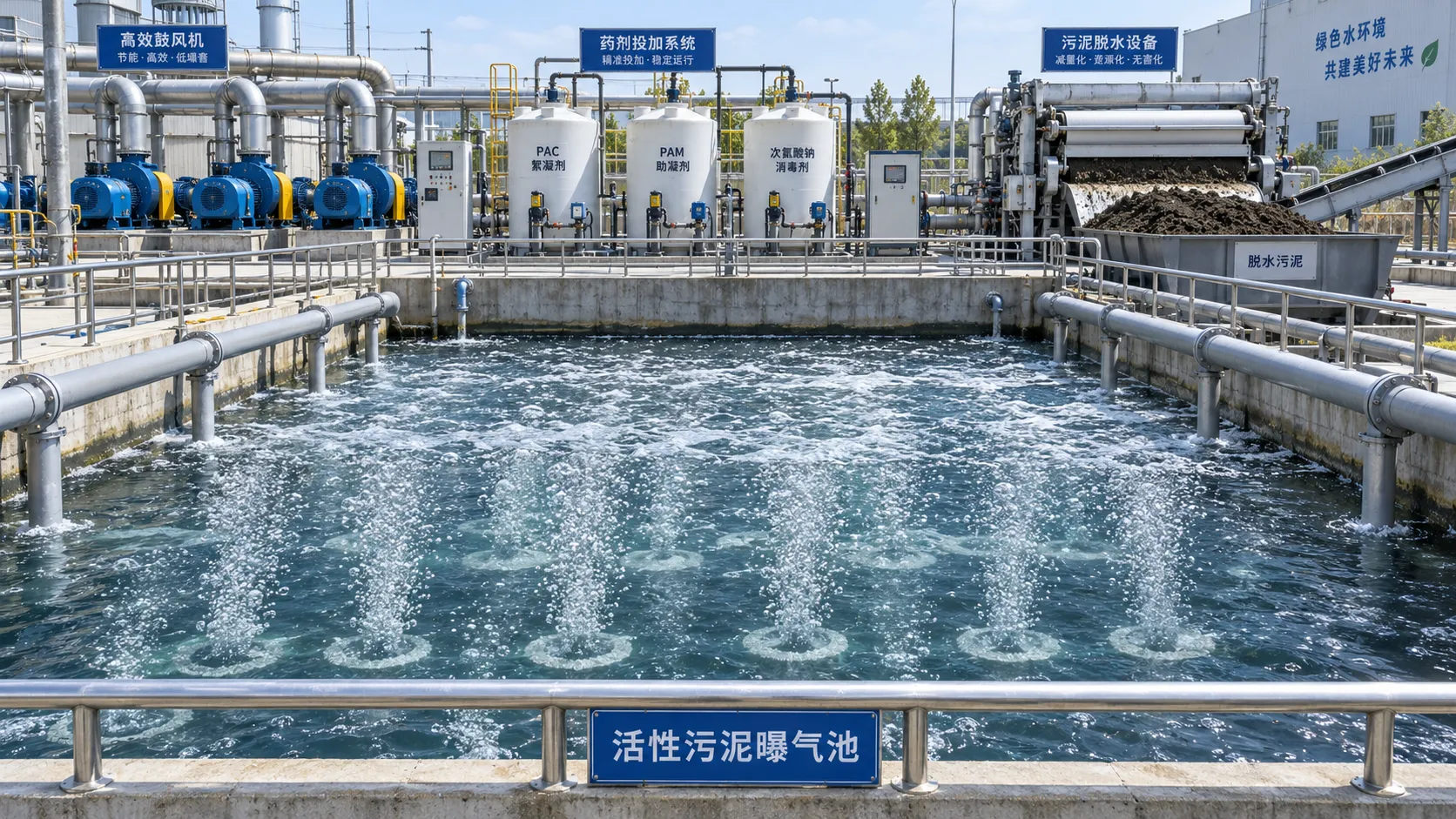
Activated Sludge Cost: Budgeting Energy, Chemicals, Sludge, and Labor
Activated sludge cost explained: compare energy, chemicals, sludge disposal, labor, and compliance risks to build a reliable lifecycle budget.
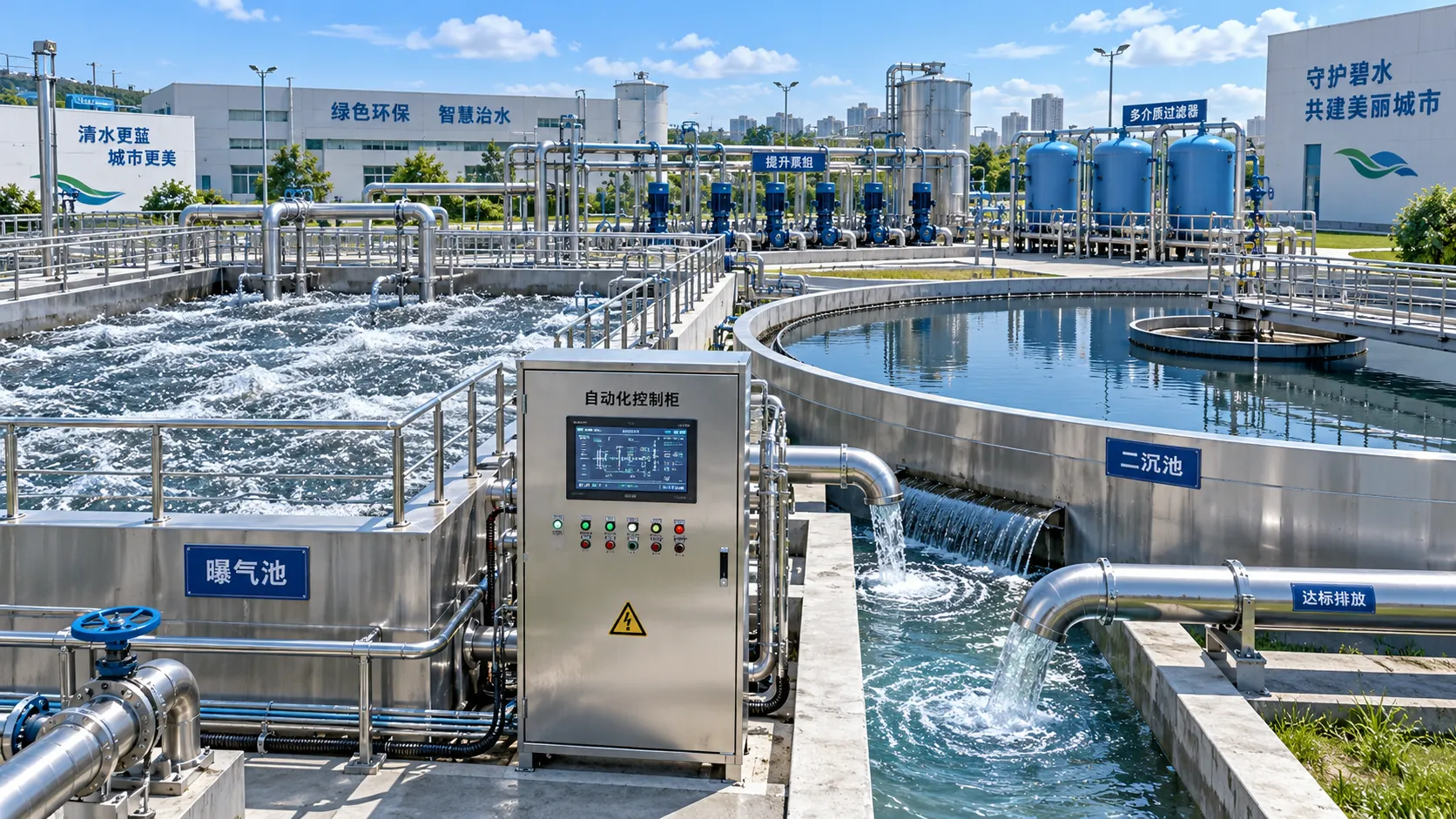
When Should Municipal Wastewater Plants Upgrade Treatment Capacity and Controls?
Municipal wastewater treatment upgrades: learn when capacity, controls, and resilient planning are needed to protect compliance and optimize plant performance.
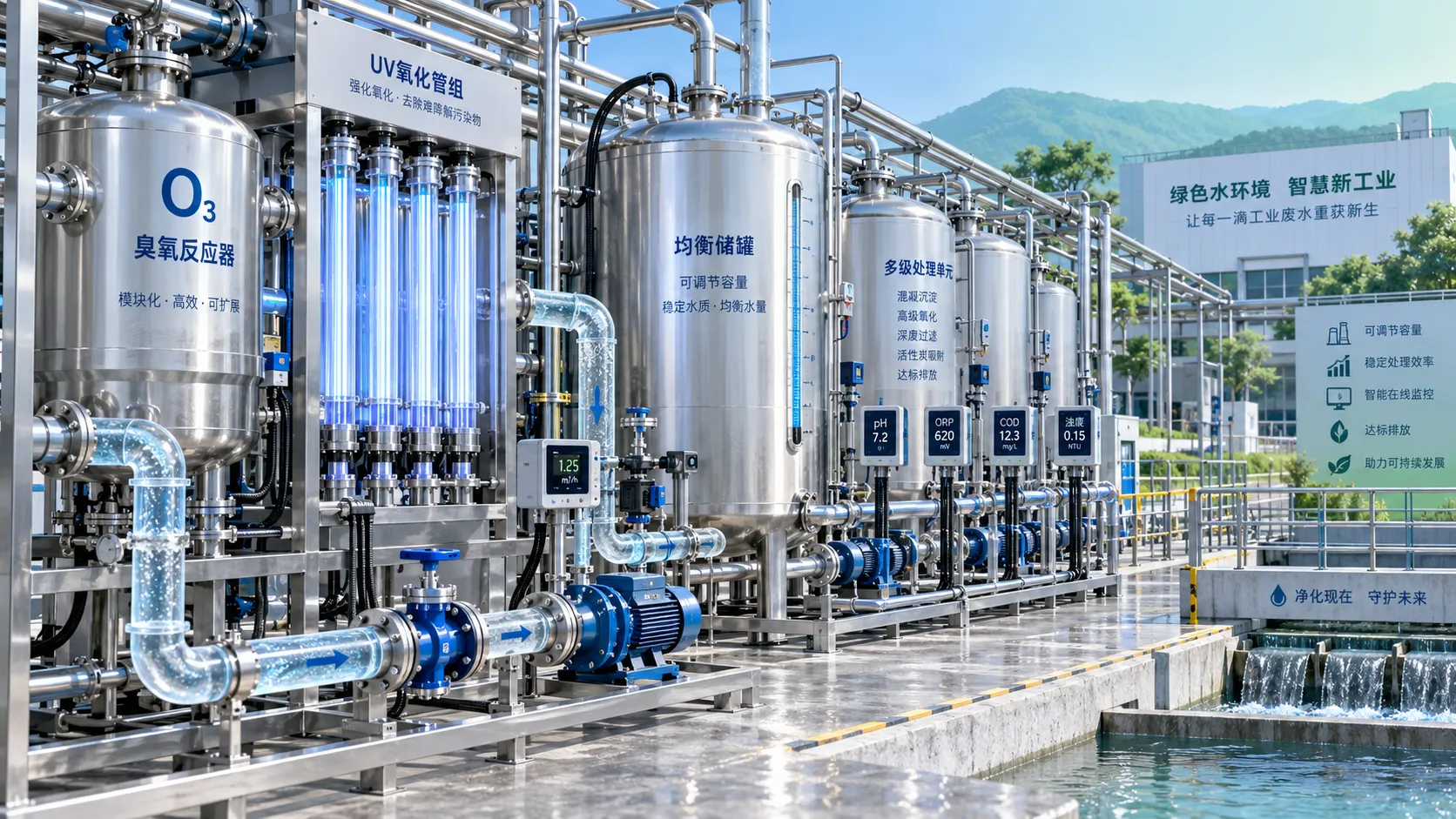
How to size advanced oxidation equipment for variable wastewater loads
Advanced oxidation equipment guide for sizing AOP systems under variable wastewater loads, improving compliance, efficiency, and lifecycle cost control.
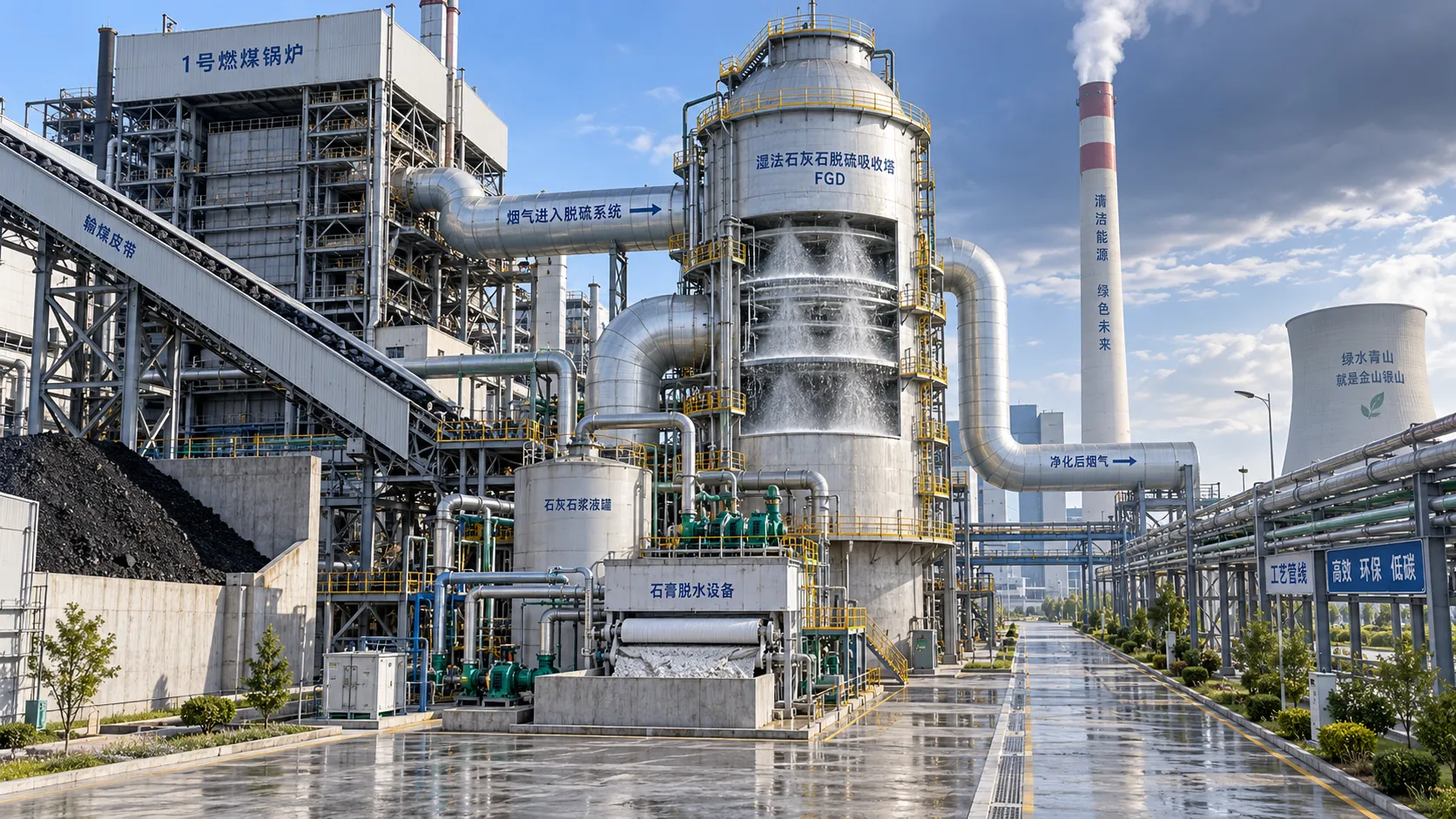
How to select FGD systems for coal boilers based on sulfur content
FGD systems for coal boilers: learn how sulfur content, fuel variability, emissions limits, water, waste, and retrofit constraints guide a compliant, cost-effective scrubber choice.
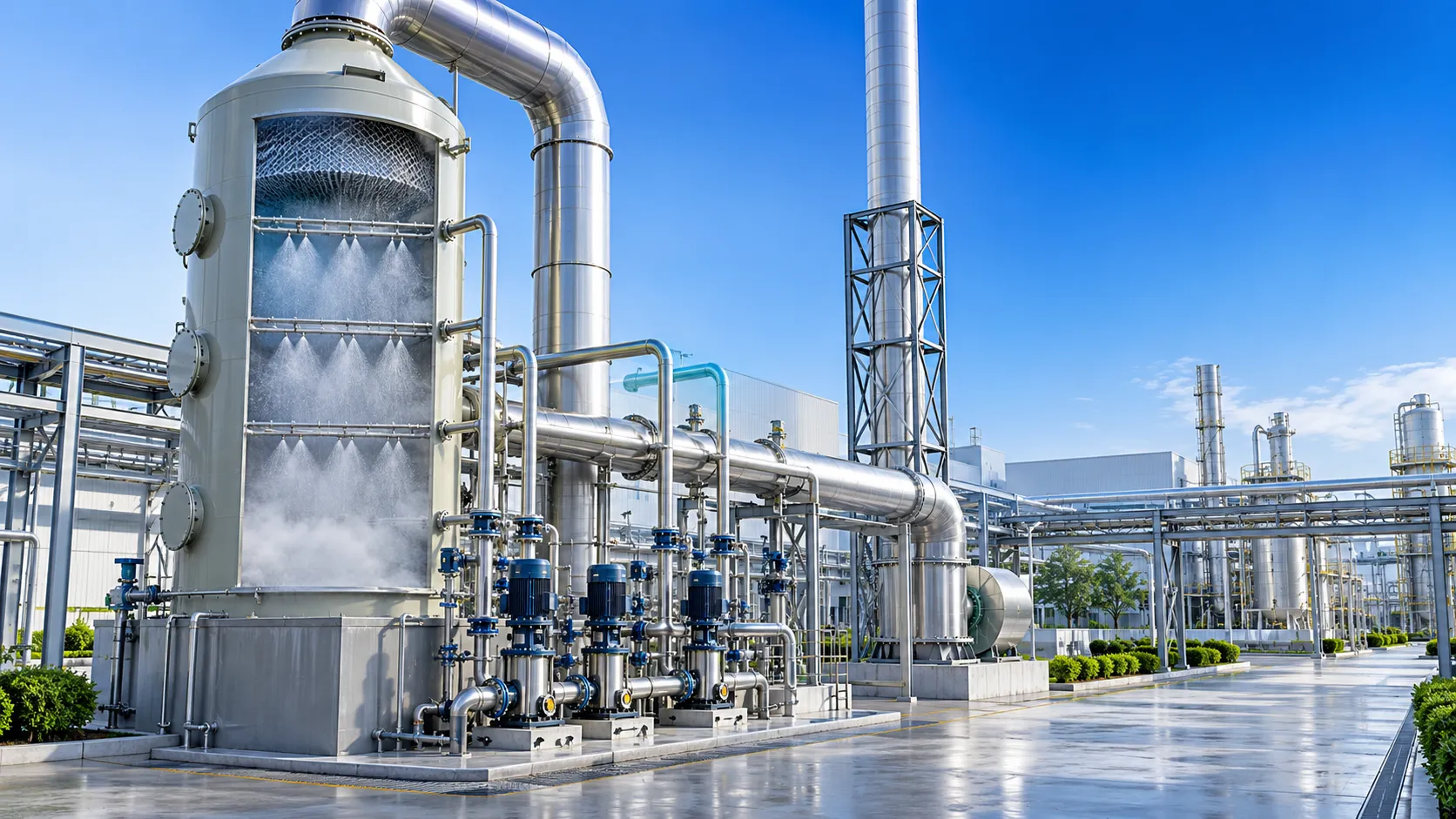
How to size a desulfurization equipment scrubber for variable gas flow
Desulfurization equipment scrubber sizing for variable gas flow: optimize SO2 removal, pressure drop, liquid-to-gas control, and compliance across every load.
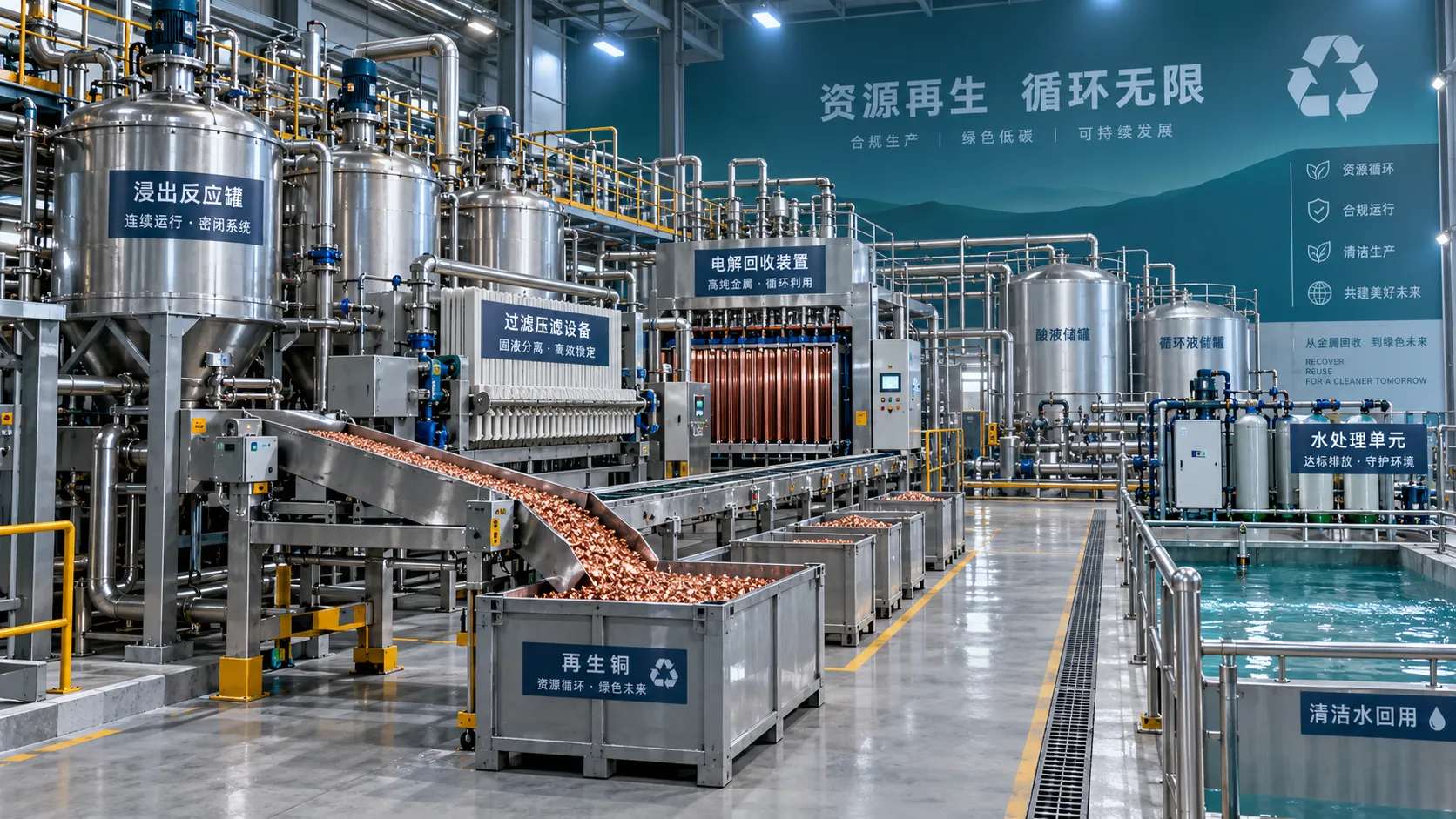
When does repeatable metals recovery infrastructure justify the investment?
Repeatable metals recovery infrastructure: discover when consistent feedstock, lower disposal costs, compliance control, and reliable offtake justify investment.