
Industry News
Curation by industry experts
Hot Articles
Popular Tags
Pyrolysis Equipment Supplier List: 7 Checks Before You Shortlist
Pyrolysis Equipment Supplier List: 7 Checks Before You Shortlist
A reliable pyrolysis equipment supplier list can save procurement teams from costly delays, compliance risks, and underperforming systems.
Before any vendor reaches the shortlist, basic comparisons are not enough.
The stronger approach is to test each supplier against operational reality, regulatory pressure, and long-term ownership cost.
That is especially true in waste recovery markets, where feedstock quality, emissions limits, and uptime expectations keep changing.
This guide lays out seven practical checks to refine a pyrolysis equipment supplier list and support a lower-risk sourcing decision.
1. Confirm Feedstock Fit Before Comparing Price
Many supplier comparisons fail at the first step.
A pyrolysis system that performs well with tires may struggle with mixed plastics, oil sludge, RDF, or biomass blends.
So the first filter in any pyrolysis equipment supplier list should be feedstock compatibility.
Ask each supplier for proven operating ranges on moisture, ash, chlorine, particle size, and contamination tolerance.
Suppliers that answer in general terms usually create problems later.
In practical procurement work, the right question is not whether the reactor can run.
It is whether it can run your material, at your target throughput, within your emissions permit.
- Request recent case data using similar feedstock.
- Check pre-treatment needs, including drying and sorting.
- Confirm whether feedstock variability changes oil, gas, or char yield.
2. Review Process Stability, Not Just Nameplate Capacity
Nameplate figures look good in brochures, but stable output is what matters.
A serious pyrolysis equipment supplier list should rank vendors by process consistency under real operating conditions.
That means looking at startup time, temperature control, heat balance, planned shutdown frequency, and residue removal design.
More obvious signals appear in questions around automation.
Can the plant maintain performance when feedstock quality shifts within an expected range?
Can operators adjust key parameters without long trial-and-error cycles?
These factors shape OPEX more than quoted capacity does.
- Ask for average continuous runtime between shutdowns.
- Request alarm logs or stability reports, where available.
- Verify whether utility consumption rises sharply at partial load.
3. Check Emissions Control as a Core Selection Factor
A pyrolysis line is not only a reactor.
It is a full environmental control system.
That is why a reliable pyrolysis equipment supplier list must include detailed review of flue gas treatment, condensate handling, odor control, and solid residue management.
This point is getting more important as local permits tighten and investor scrutiny grows.
Ask suppliers which standards they design around and where those standards were actually met in operation.
Look for specifics on VOCs, particulates, acid gases, dioxin risk, wastewater generation, and secondary containment.
If a vendor treats emissions as an add-on, move cautiously.
In real projects, that usually leads to redesign costs, permit delays, or community complaints.
Key compliance questions
- What emission guarantees are contractually defined?
- Which downstream treatment units are included in scope?
- Who carries responsibility if local approval requires redesign?
4. Validate Reference Projects With the Same Decision Context
A long reference list is not always a useful one.
When reviewing a pyrolysis equipment supplier list, focus on references that match the same business model and risk profile.
For example, a demonstration unit is not equal to a commercial plant.
A tire pyrolysis project is not proof for hazardous sludge treatment.
Useful references should match at least four things: feedstock, capacity band, regulatory environment, and product outlet strategy.
It also helps to ask whether the plant still operates after the first year.
That single detail often says more than polished case studies.
From a procurement standpoint, site visits remain one of the best filters.
If travel is difficult, ask for a live remote walkthrough with operating data visible.
5. Compare Lifecycle Support, Spare Parts, and Service Depth
Equipment supply is only the start of the relationship.
A strong pyrolysis equipment supplier list should clearly separate fabricators from full lifecycle partners.
This matters because reactors, burners, seals, condensers, control systems, and emissions units need coordinated support.
If spare parts lead times are unclear, downtime risk grows quickly.
The same applies when commissioning depends on a small team with limited regional presence.
In actual operations, the best suppliers usually provide documented maintenance schedules, critical spares lists, and troubleshooting response targets.
That gives buyers a much clearer picture of true ownership cost.
- Check local or regional service coverage.
- Review spare parts pricing for two to three years.
- Confirm training scope for operators and maintenance teams.
6. Review Commercial Scope and Hidden Interface Risk
This is where many shortlists become misleading.
Two vendors may both appear on a pyrolysis equipment supplier list, yet their quoted scope can be completely different.
One may include feed handling, emissions treatment, utilities integration, and automation.
Another may only supply the core reactor train.
That difference affects CAPEX, schedule, guarantees, and claim exposure.
More importantly, interface gaps often become the owner’s problem.
Ask for a clean battery-limit definition and a detailed exclusion list.
Review performance guarantees together with utility assumptions, ambient conditions, and feedstock basis.
Commercial review points
- List every owner-supplied item.
- Check liquidated damages structure and warranty terms.
- Compare installation supervision and commissioning scope.
7. Score Suppliers With a Weighted Decision Matrix
A pyrolysis equipment supplier list becomes more useful when selection criteria are weighted before final negotiation.
This reduces the chance that one attractive price reshapes the entire decision.
The weighting should reflect project reality.
For a compliance-sensitive project, emissions performance may deserve more weight than initial CAPEX.
For a remote site, service response and spare parts access may matter more.
A simple matrix often works best because it keeps internal alignment clear.
Final Takeaway for a Smarter Shortlist
A useful pyrolysis equipment supplier list is not a directory.
It is a decision tool built around technical fit, compliance readiness, delivery risk, and lifecycle value.
The seven checks above help narrow the field with fewer assumptions and better evidence.
In a market shaped by circular economy targets, carbon pressure, and stricter environmental enforcement, that discipline matters more than ever.
Start by scoring suppliers against feedstock fit, process stability, emissions control, reference quality, and support depth.
That will turn a broad pyrolysis equipment supplier list into a shortlist that stands up to both technical review and commercial scrutiny.
Recommended News
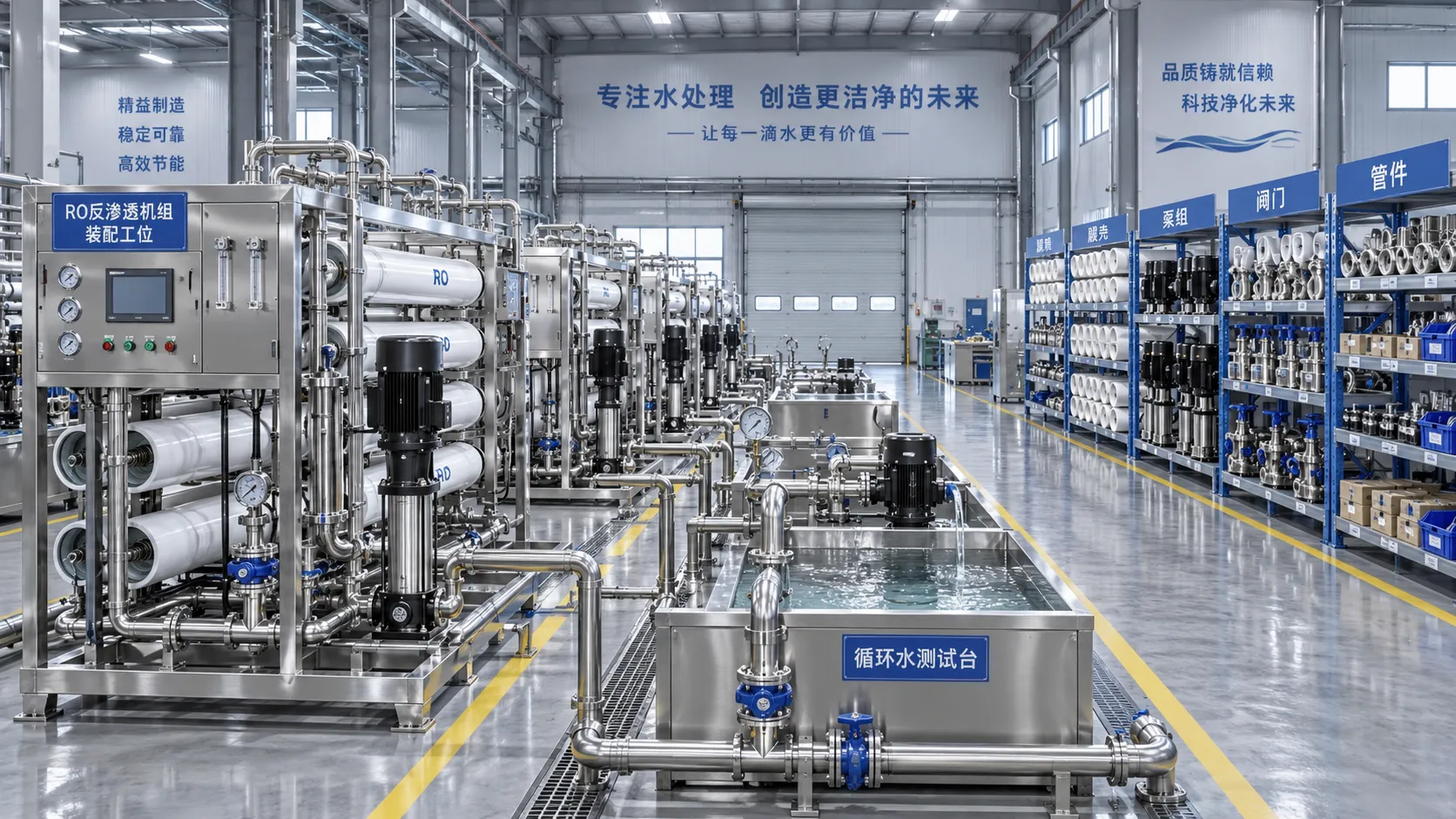
How to verify a water treatment system factory’s production capacity
Verify a water treatment systems factory’s production capacity through records, bottlenecks, component availability, and testing. Learn what to check before accepting a delivery promise.
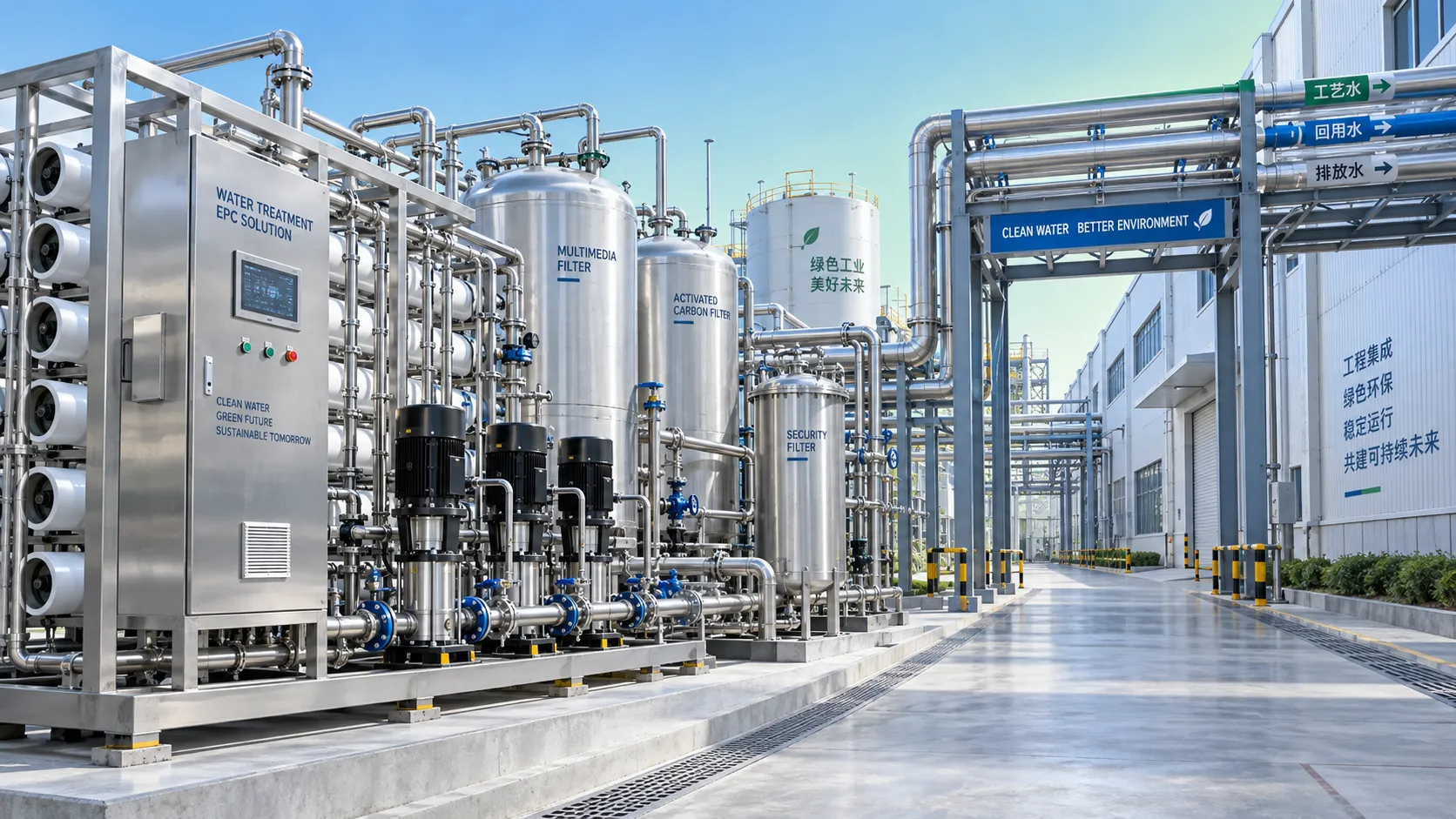
When does EPC environmental project support reduce delivery risk?
EPC environmental project support engineering reduces delivery risk by aligning design, procurement, compliance, construction, and commissioning decisions.
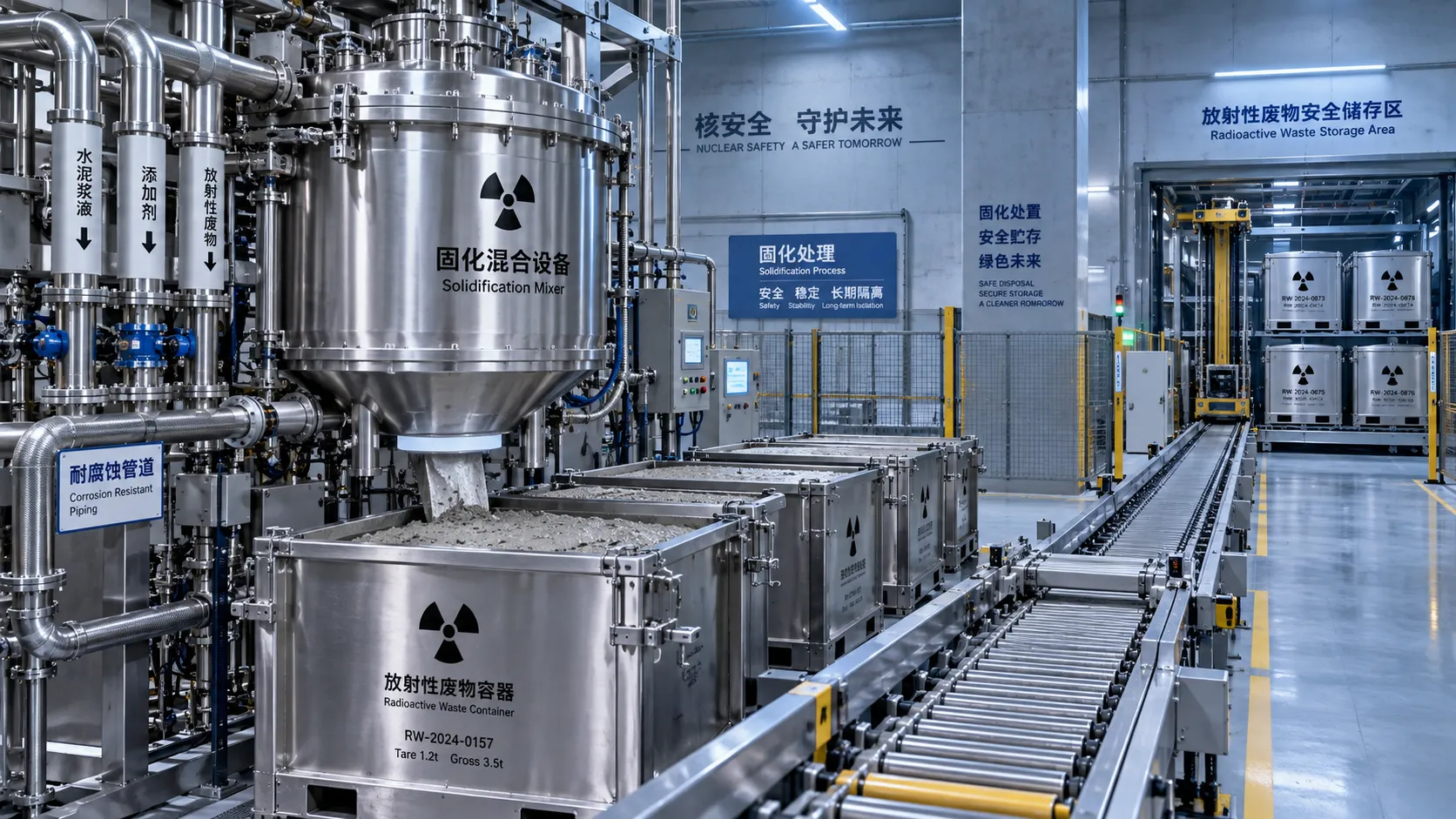
How nuclear plants select a radioactive waste solidification method
Radioactive waste management for nuclear plants: compare vitrification, cementation, polymers, and ceramics to select a compliant, durable solidification solution.
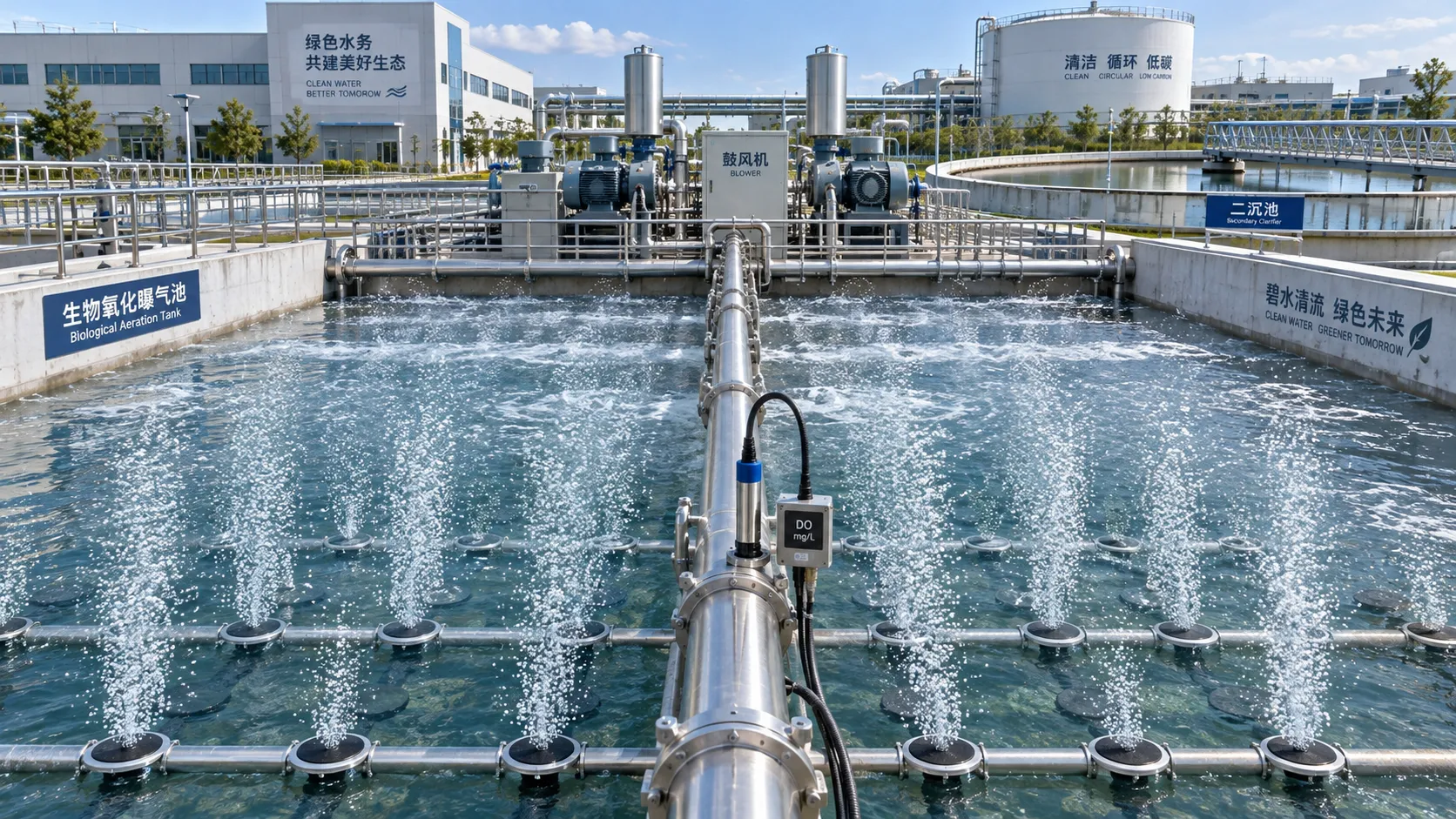
Biological Wastewater Oxidation Explained: Aeration Demand and Process Control
Biological wastewater oxidation explained: optimize aeration demand, DO control, nitrification, and sludge age for stable effluent quality and lower energy costs.
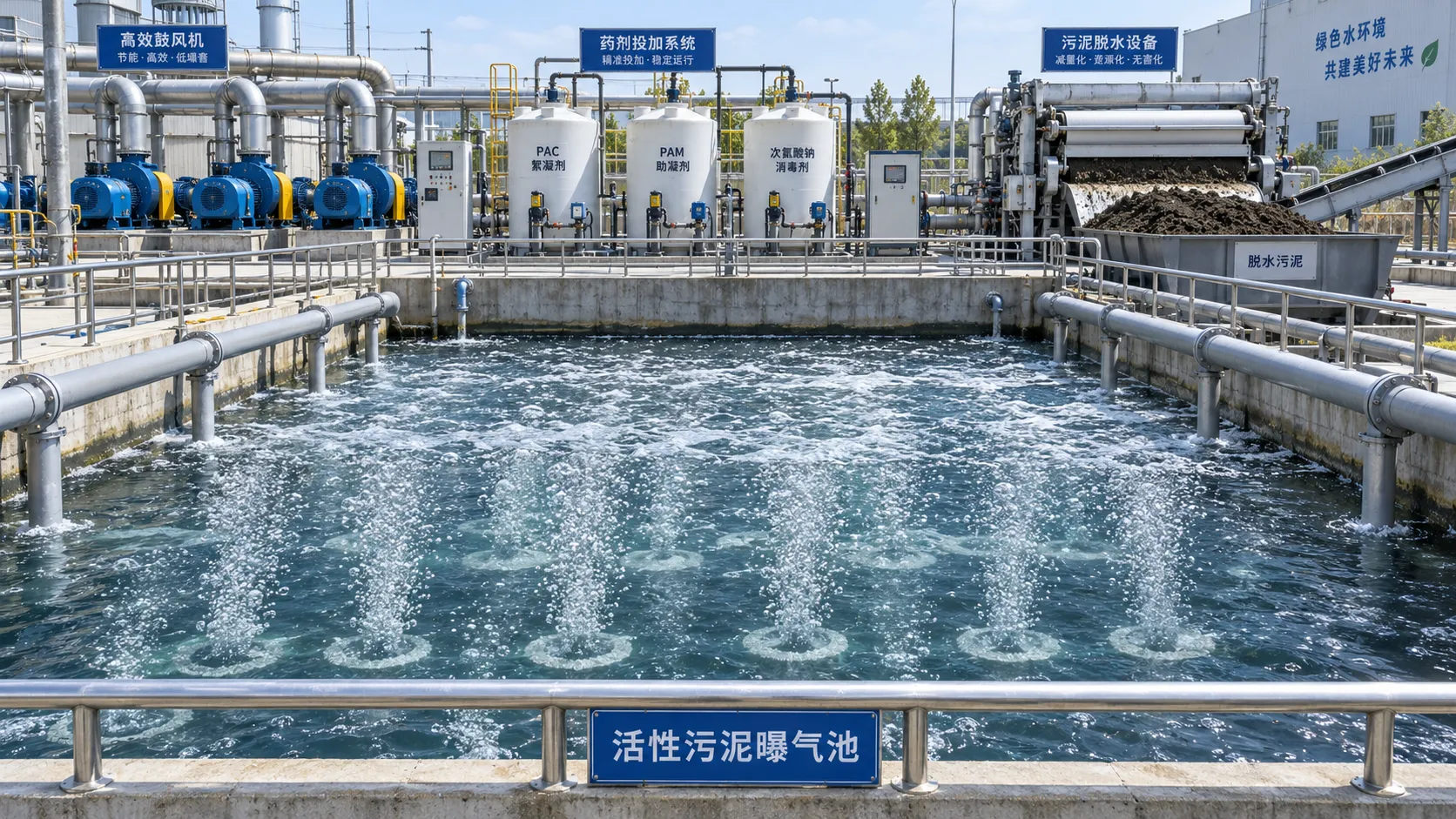
Activated Sludge Cost: Budgeting Energy, Chemicals, Sludge, and Labor
Activated sludge cost explained: compare energy, chemicals, sludge disposal, labor, and compliance risks to build a reliable lifecycle budget.
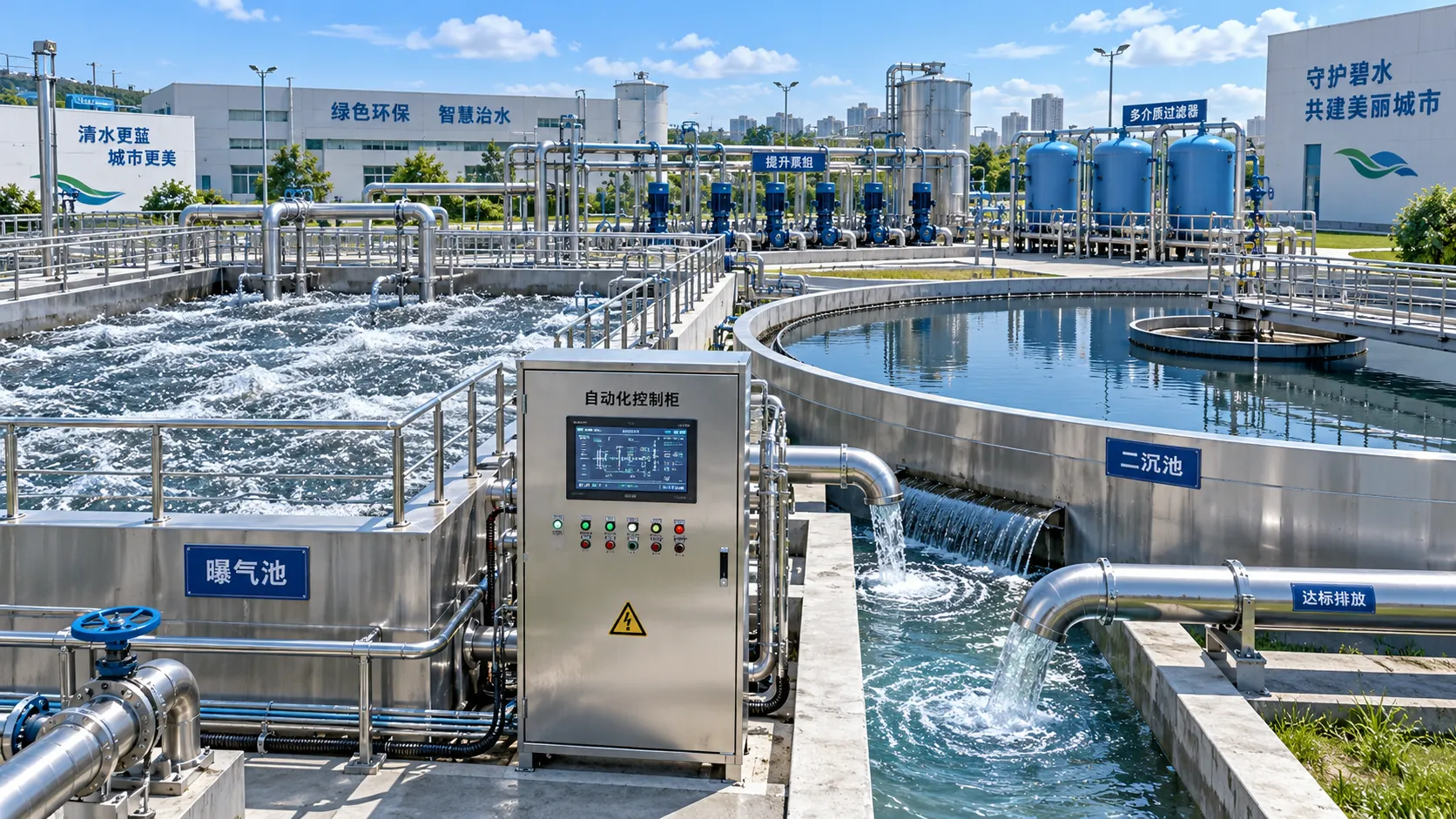
When Should Municipal Wastewater Plants Upgrade Treatment Capacity and Controls?
Municipal wastewater treatment upgrades: learn when capacity, controls, and resilient planning are needed to protect compliance and optimize plant performance.
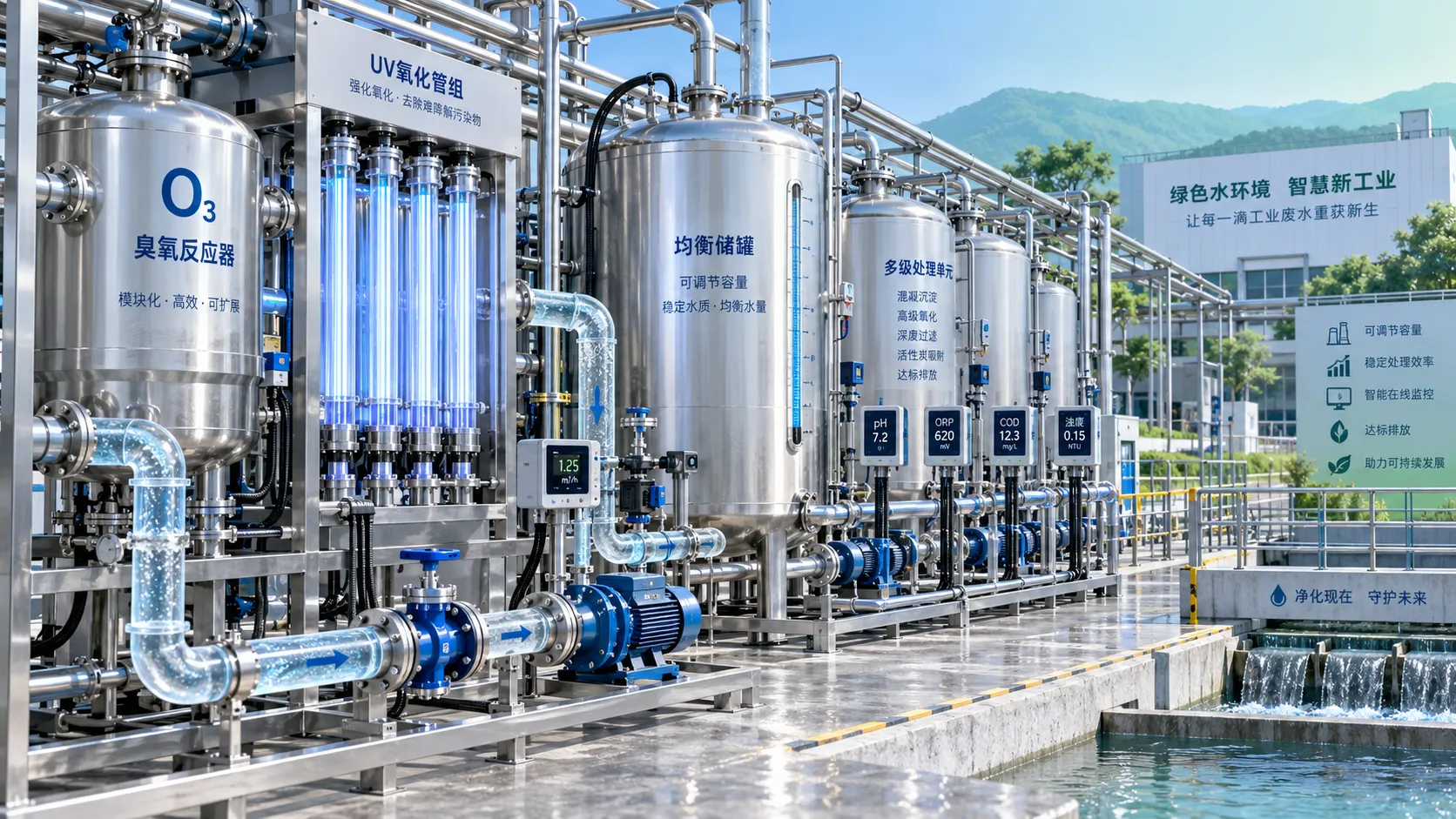
How to size advanced oxidation equipment for variable wastewater loads
Advanced oxidation equipment guide for sizing AOP systems under variable wastewater loads, improving compliance, efficiency, and lifecycle cost control.
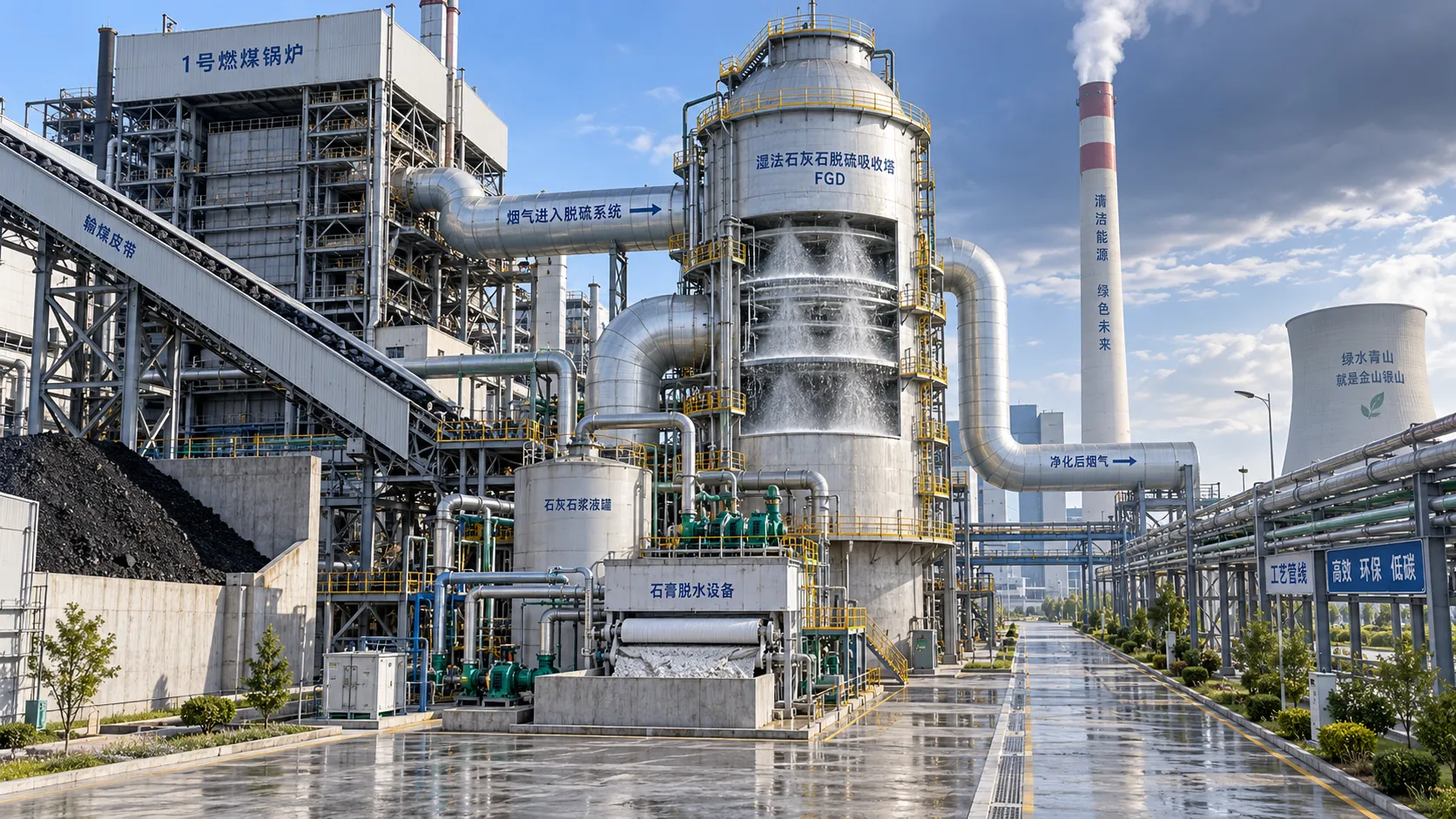
How to select FGD systems for coal boilers based on sulfur content
FGD systems for coal boilers: learn how sulfur content, fuel variability, emissions limits, water, waste, and retrofit constraints guide a compliant, cost-effective scrubber choice.
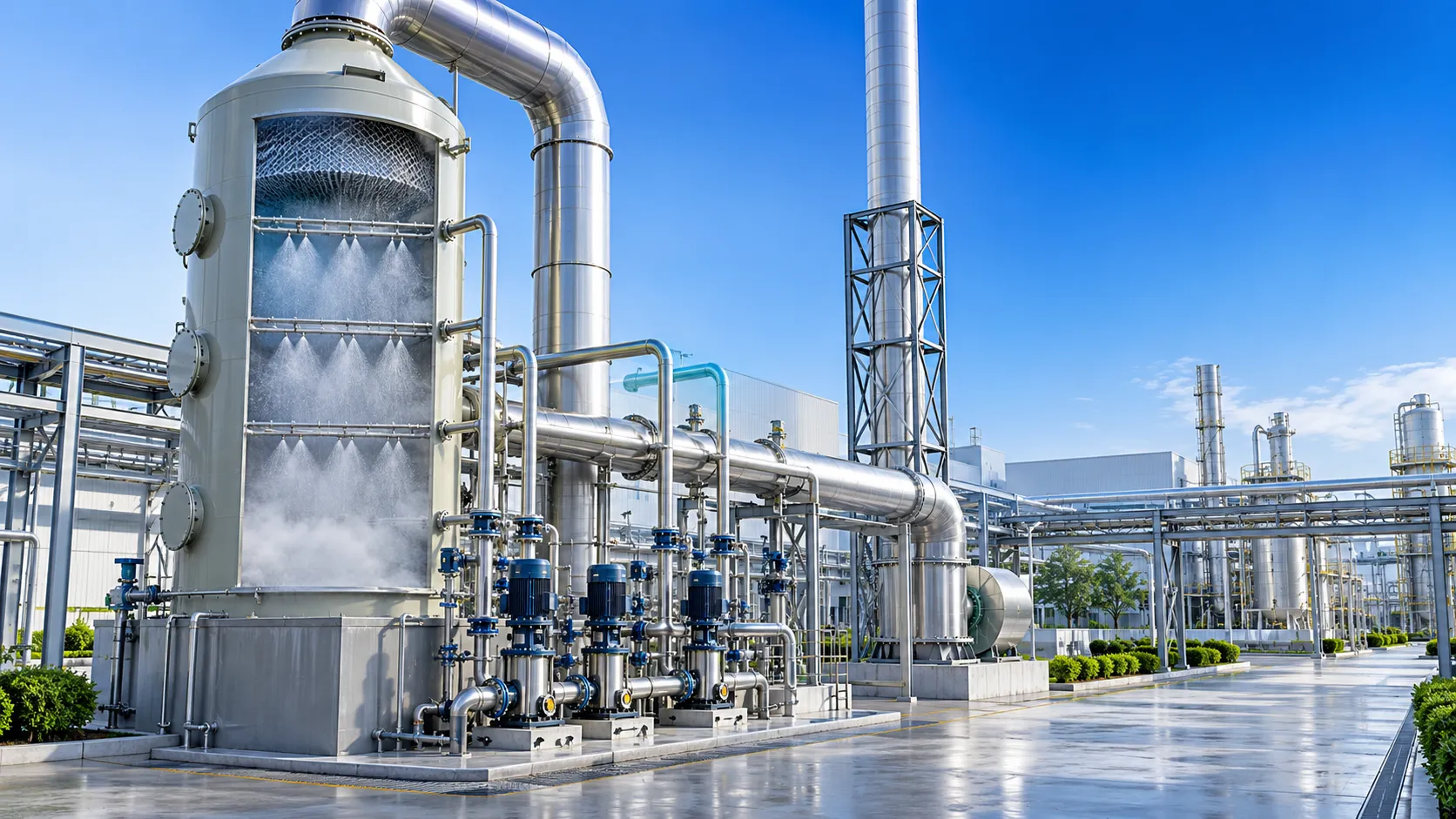
How to size a desulfurization equipment scrubber for variable gas flow
Desulfurization equipment scrubber sizing for variable gas flow: optimize SO2 removal, pressure drop, liquid-to-gas control, and compliance across every load.