
Industry News
Curation by industry experts
Hot Articles
Popular Tags
Desalination Environmental Equipment Guide: What Matters Most
In large-scale water infrastructure, desalination is no longer judged only by output capacity or headline recovery rate. A useful environmental equipment guide for desalination has to look deeper, into energy intensity, materials durability, discharge handling, compliance exposure, and long-term operating stability. Those factors now shape project value more than nameplate performance alone.
That shift matters because seawater desalination sits at the intersection of climate pressure, industrial expansion, municipal resilience, and regulatory scrutiny. For platforms such as ESD, which track the broader ecological engineering chain, desalination is not an isolated process. It connects with intake protection, chemical management, brine strategy, power integration, and increasingly strict environmental governance.
What desalination equipment really includes
An environmental equipment guide for desalination should begin with scope. In practice, the system extends well beyond reverse osmosis skids or thermal evaporators. It includes pretreatment units, high-pressure pumps, energy recovery devices, membranes, corrosion-resistant piping, monitoring instruments, post-treatment modules, and concentrate management equipment.
Each section affects the next. Weak pretreatment shortens membrane life. Poor metallurgy increases maintenance risk. Limited automation reduces response speed during feedwater swings. In other words, equipment selection is a system decision, not a component decision.
This is why the best environmental equipment guide for desalination treats process integrity as the core lens. Equipment should be evaluated by how reliably it protects water quality, operating continuity, and downstream environmental performance under real site conditions.
Why the sector is under sharper attention
The global market is expanding, but so is technical pressure. Coastal cities need drought resilience. Industrial parks need secure process water. Islands and arid regions need supply independence. At the same time, energy prices remain volatile, and discharge permits are becoming harder to secure.
That combination changes how desalination projects are judged. A plant may meet production targets and still underperform commercially if energy costs stay high, membrane replacement cycles are short, or brine disposal becomes politically difficult.
ESD’s broader industry view is useful here. Desalination now belongs to the same strategic conversation as ZLD, flue gas treatment, circular resource recovery, and cross-border compliance. Capital decisions increasingly depend on whether a system fits future carbon, water, and environmental reporting requirements.
The parameters that matter most
A practical environmental equipment guide for desalination should focus on a limited number of critical variables. These variables tend to predict lifecycle performance better than broad vendor claims.
Membrane performance under actual feed conditions
Nominal salt rejection and flux figures are not enough. Feedwater temperature, seasonal turbidity, organics loading, biofouling tendency, and pretreatment consistency often determine real production stability. Membrane selection should be tied to fouling behavior, cleaning tolerance, and recovery targets.
Corrosion resistance and materials selection
Seawater is unforgiving. Duplex stainless steel, super duplex alloys, titanium, fiberglass-reinforced plastic, and lined materials each have different strengths and cost implications. The right choice depends on chloride exposure, pressure zones, chemical dosing, and maintenance accessibility.
Specific energy consumption
Energy remains the defining economics issue in desalination. High-pressure pump efficiency, energy recovery device performance, process control quality, and intake design all influence specific energy consumption. Small design improvements can alter lifetime operating cost far more than modest equipment price differences.
Instrumentation and control depth
Reliable sensors, trend visibility, and fast control logic reduce upset risk. A modern environmental equipment guide for desalination should always assess monitoring architecture, not just hardware. Predictive alarms, membrane performance analytics, and chemical dosing feedback loops often separate stable plants from reactive plants.
Brine and residuals management
Concentrate discharge is no longer a secondary issue. Diffuser design, salinity plume control, sludge handling, antiscalant residues, and pathways toward brine minimization or resource recovery increasingly affect approval timelines and social acceptance.
How application context changes the right answer
No single equipment configuration is optimal across all desalination projects. The environmental equipment guide for desalination changes with water demand profile, land availability, power structure, and discharge constraints.
From an industry application view, this is where generic benchmarking becomes misleading. Equipment that performs well in one setting may become cost-heavy or environmentally weak in another. Context should always outrank brochure averages.
Where evaluation often goes wrong
Many reviews still overweight capital expenditure and underweight operational fragility. That creates avoidable failures later, especially in large plants expected to run under harsh marine conditions for decades.
- Pretreatment is treated as a cost center rather than membrane insurance.
- Energy recovery assumptions are accepted without enough part-load analysis.
- Materials are chosen for initial budget fit instead of corrosion life.
- Cleaning frequency and chemical consumption are underestimated.
- Concentrate disposal is left to a late project stage.
- Digital monitoring is specified too narrowly to support predictive maintenance.
A disciplined environmental equipment guide for desalination helps avoid those shortcuts by keeping attention on operational evidence. Pilot data, water characterization, maintenance history, and sensitivity modeling usually tell more than polished performance guarantees.
The growing role of compliance and carbon logic
Environmental review is widening. It now covers marine ecology, chemical storage, waste streams, noise, power sourcing, and increasingly carbon intensity. For export-driven industrial projects, CBAM and related reporting pressures can influence water infrastructure choices indirectly but materially.
That means an environmental equipment guide for desalination should include questions such as these: How visible is energy consumption by unit process? Can the plant integrate renewable or off-peak power? Is concentrate handling aligned with future tightening? Are instrumentation records auditable?
This broader view matches the ESD perspective. Desalination equipment is part of an ecological defense architecture, where reliability, decarbonization, and compliance readiness reinforce one another rather than compete.
A workable decision framework
In practical use, the most effective environmental equipment guide for desalination is one that converts technical complexity into comparable decision criteria. A shortlist becomes more useful when it is judged against a clear framework.
- Match feedwater variability with pretreatment robustness.
- Compare specific energy consumption across realistic load bands.
- Review metallurgy by corrosion zone, not by generic specification.
- Stress-test membrane cleaning and replacement assumptions.
- Assess controls, analytics, and alarm logic as core equipment.
- Model brine management under current and tighter permit conditions.
- Calculate lifecycle cost with downtime and spares exposure included.
Usually, the strongest option is not the one with the highest recovery figure or the lowest procurement line item. It is the one that remains stable when salinity shifts, energy prices move, and compliance expectations become more demanding.
What to examine next
A good next step is to build a project-specific checklist from this environmental equipment guide for desalination. Separate must-have requirements from adjustable preferences. Then test every candidate system against site water data, operating philosophy, discharge path, and expected regulatory horizon.
For organizations following the wider environmental technology landscape, that review should not stop at desalination alone. It should connect with reuse, ZLD potential, carbon strategy, and digital reliability. That is where equipment intelligence becomes commercially useful, not just technically interesting.
When the evaluation framework is precise, desalination decisions become clearer. The result is a plant that produces water, withstands scrutiny, and holds its value under the harsher operating realities now defining environmental infrastructure.
Recommended News
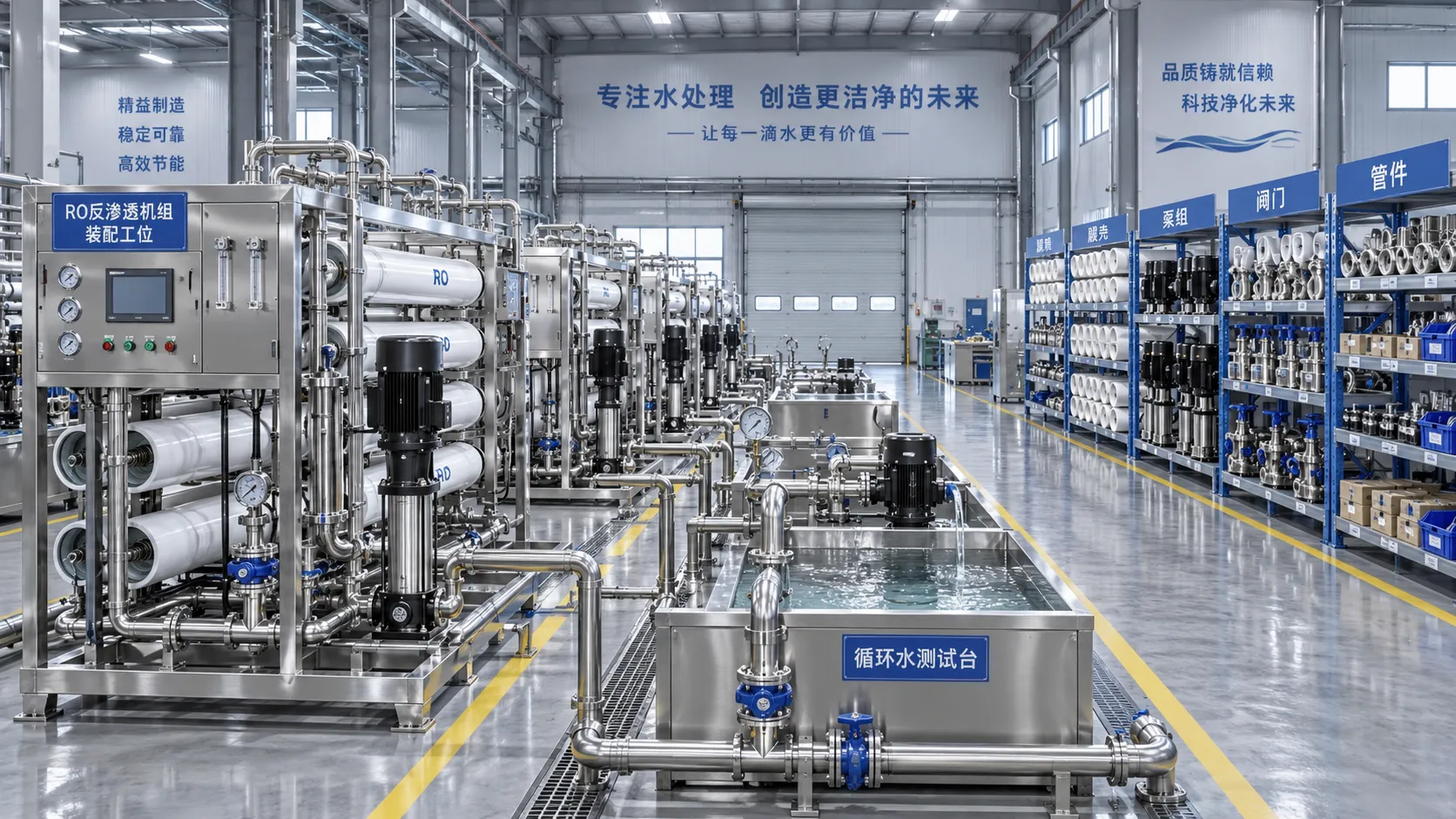
How to verify a water treatment system factory’s production capacity
Verify a water treatment systems factory’s production capacity through records, bottlenecks, component availability, and testing. Learn what to check before accepting a delivery promise.
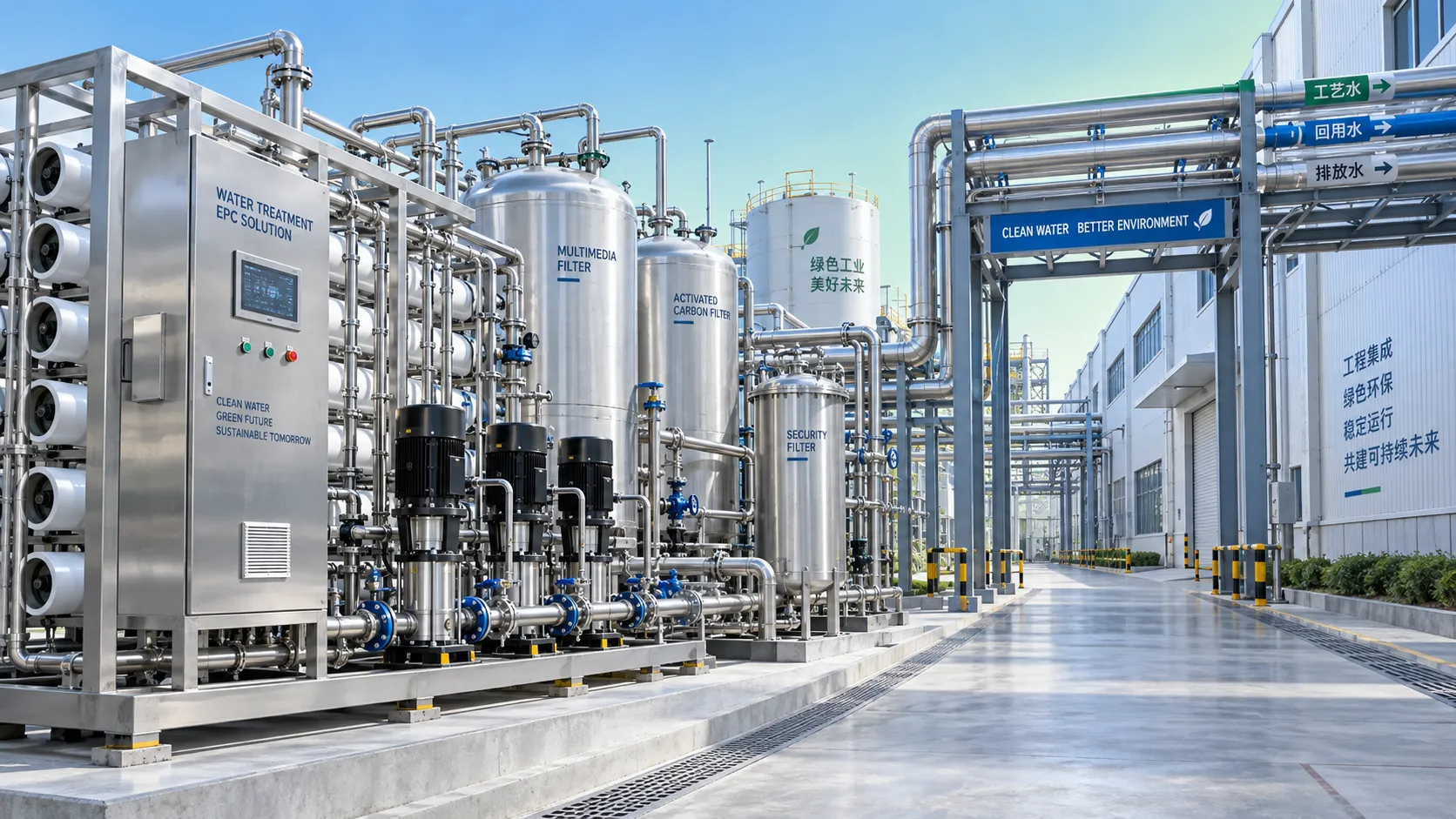
When does EPC environmental project support reduce delivery risk?
EPC environmental project support engineering reduces delivery risk by aligning design, procurement, compliance, construction, and commissioning decisions.
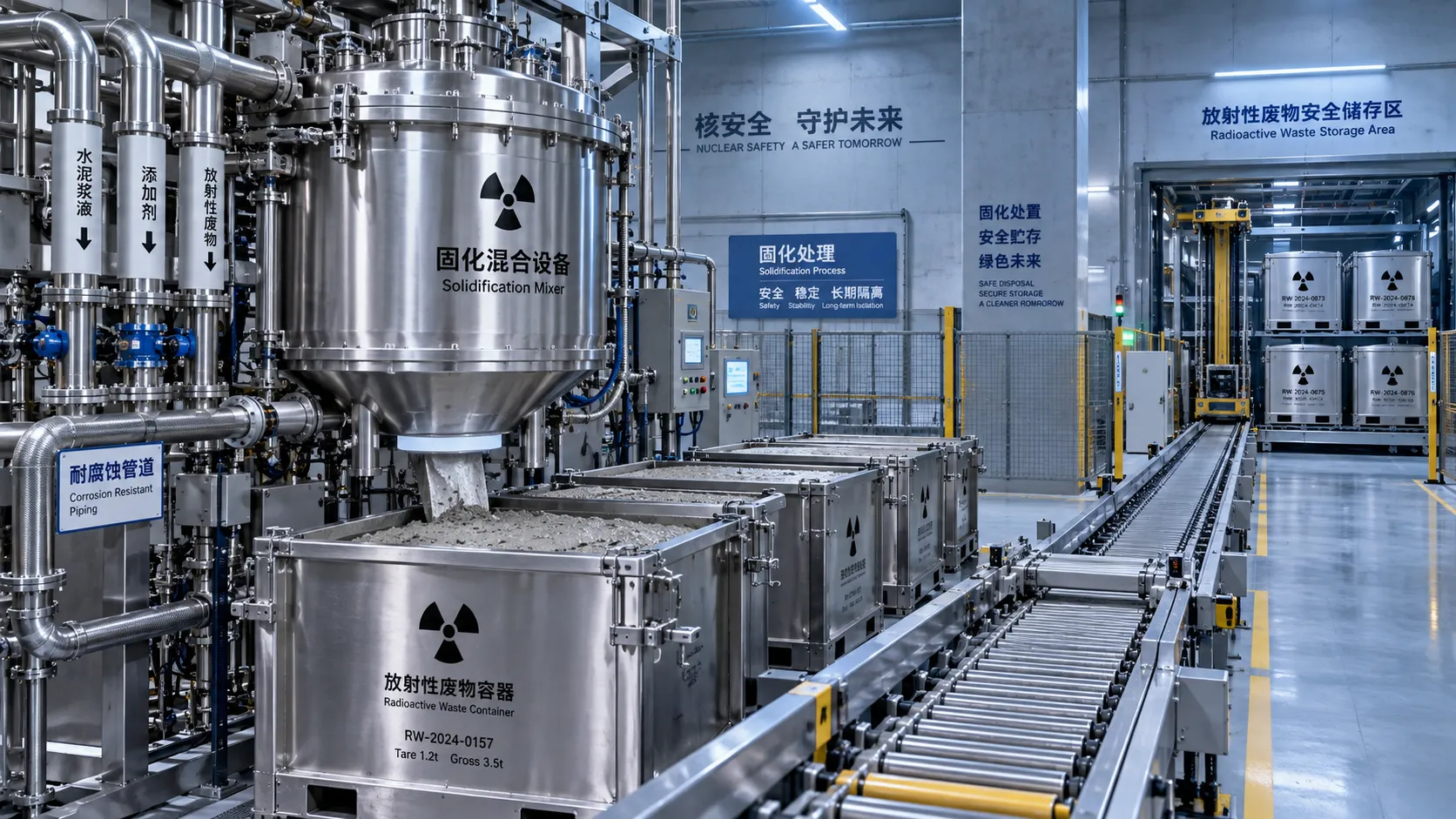
How nuclear plants select a radioactive waste solidification method
Radioactive waste management for nuclear plants: compare vitrification, cementation, polymers, and ceramics to select a compliant, durable solidification solution.
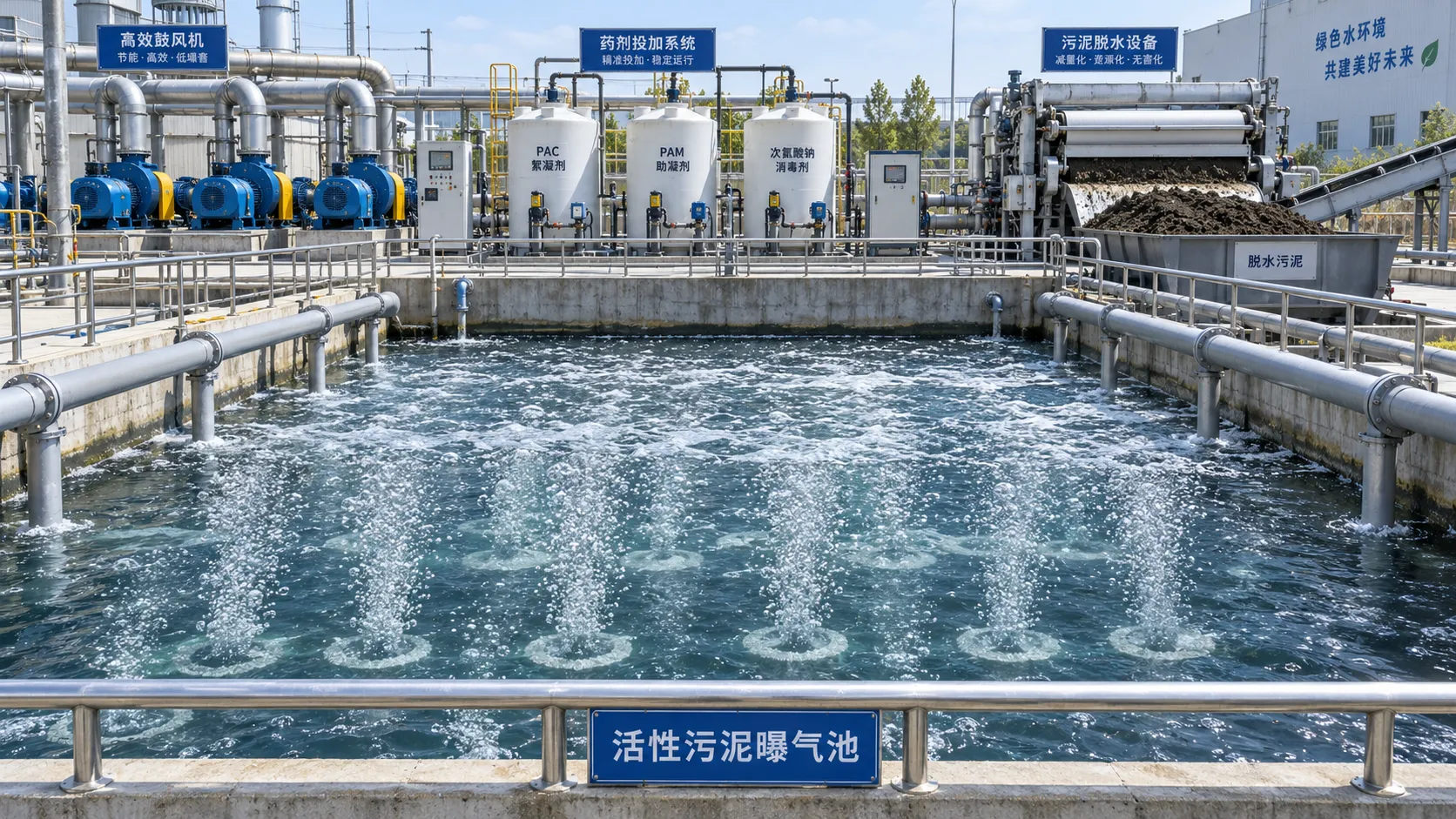
Activated Sludge Cost: Budgeting Energy, Chemicals, Sludge, and Labor
Activated sludge cost explained: compare energy, chemicals, sludge disposal, labor, and compliance risks to build a reliable lifecycle budget.
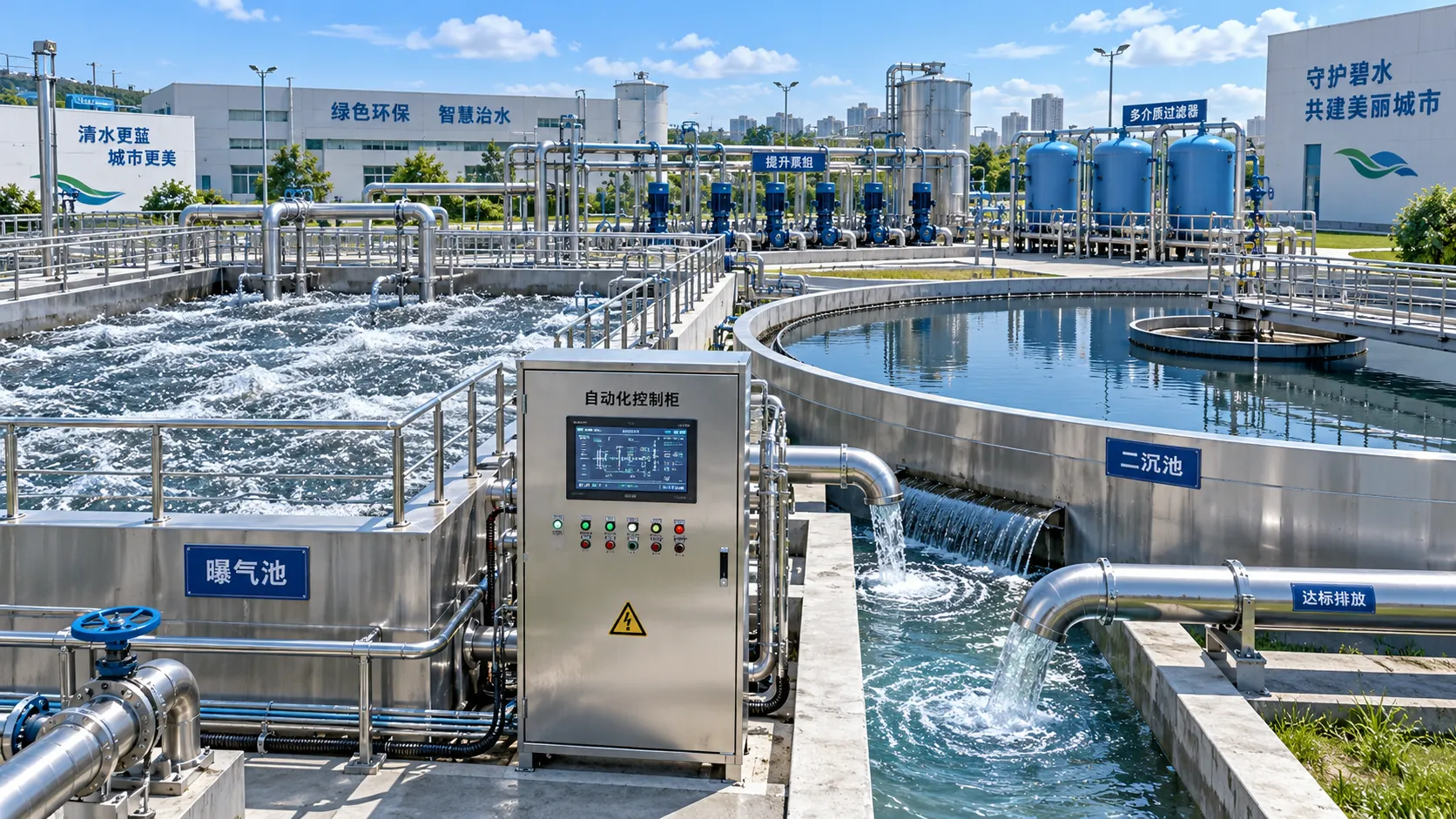
When Should Municipal Wastewater Plants Upgrade Treatment Capacity and Controls?
Municipal wastewater treatment upgrades: learn when capacity, controls, and resilient planning are needed to protect compliance and optimize plant performance.
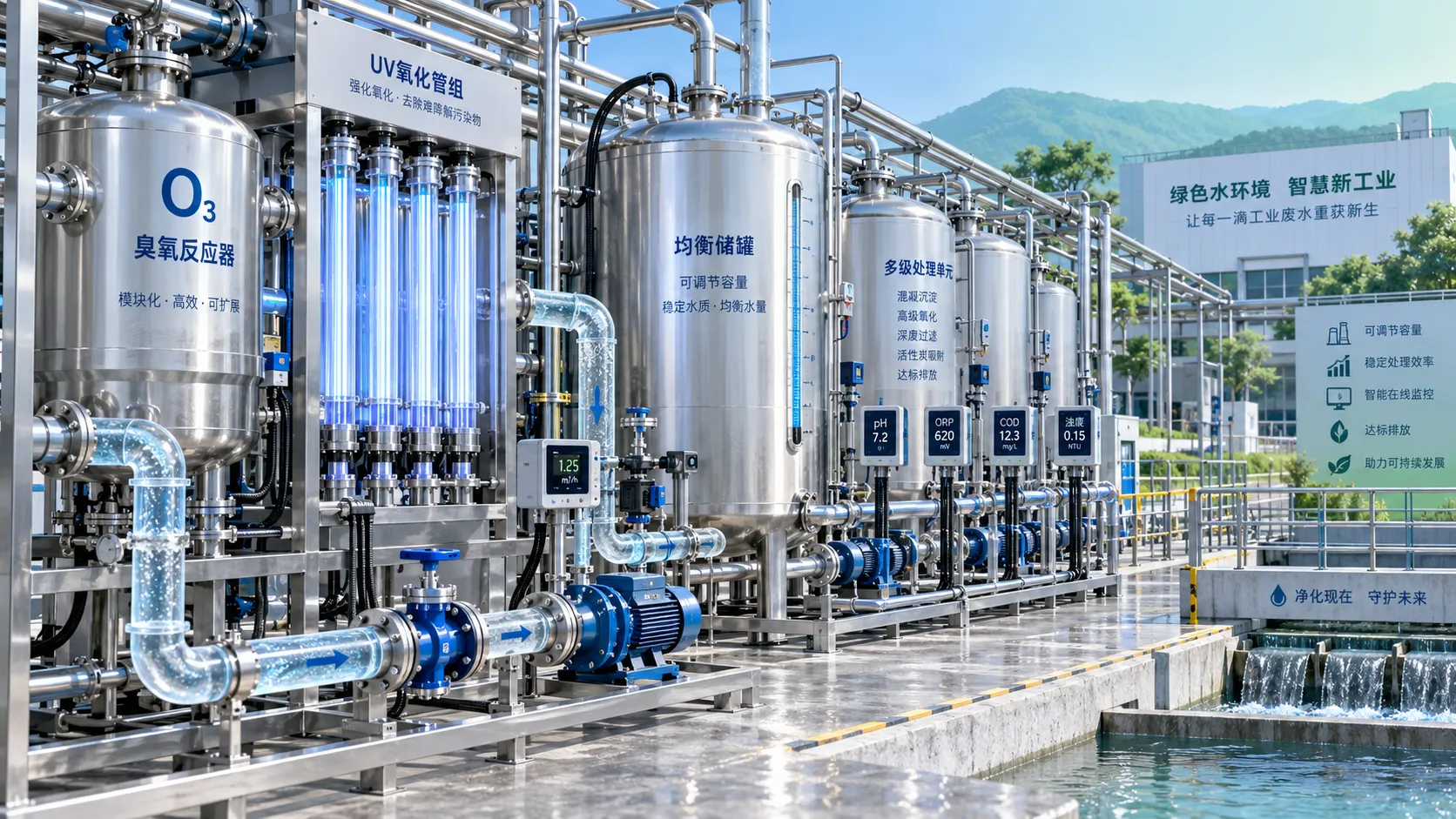
How to size advanced oxidation equipment for variable wastewater loads
Advanced oxidation equipment guide for sizing AOP systems under variable wastewater loads, improving compliance, efficiency, and lifecycle cost control.
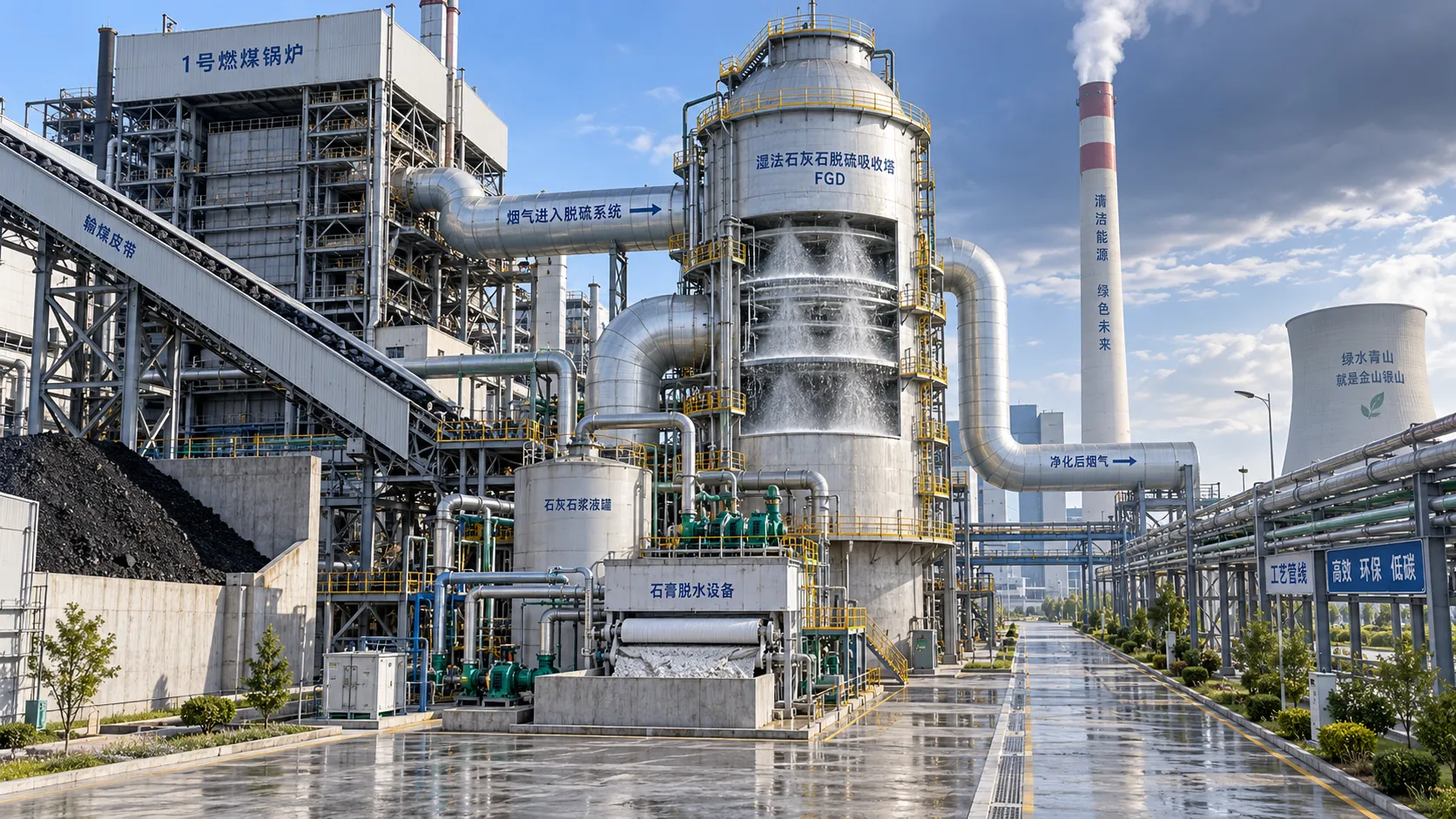
How to select FGD systems for coal boilers based on sulfur content
FGD systems for coal boilers: learn how sulfur content, fuel variability, emissions limits, water, waste, and retrofit constraints guide a compliant, cost-effective scrubber choice.
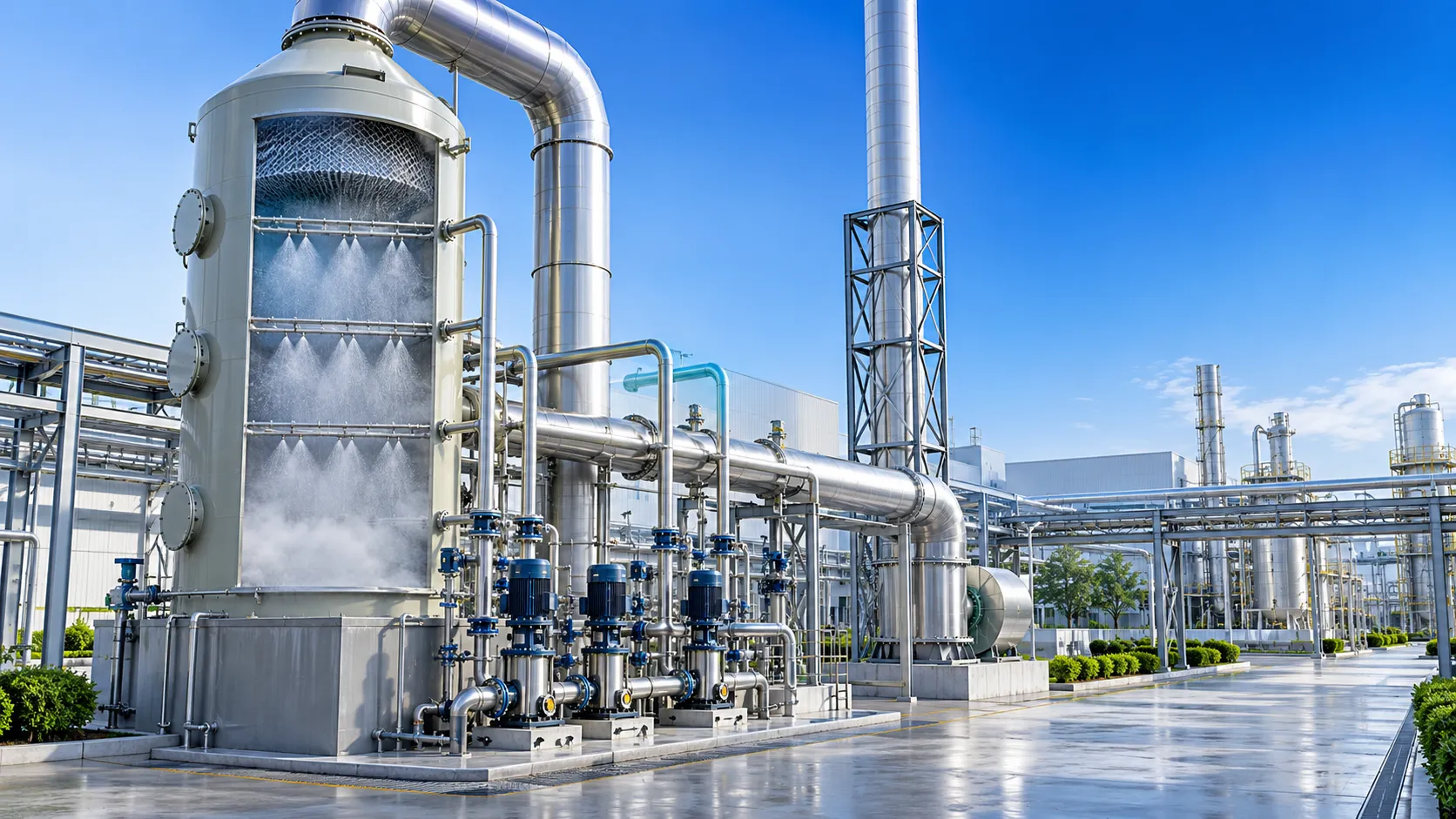
How to size a desulfurization equipment scrubber for variable gas flow
Desulfurization equipment scrubber sizing for variable gas flow: optimize SO2 removal, pressure drop, liquid-to-gas control, and compliance across every load.
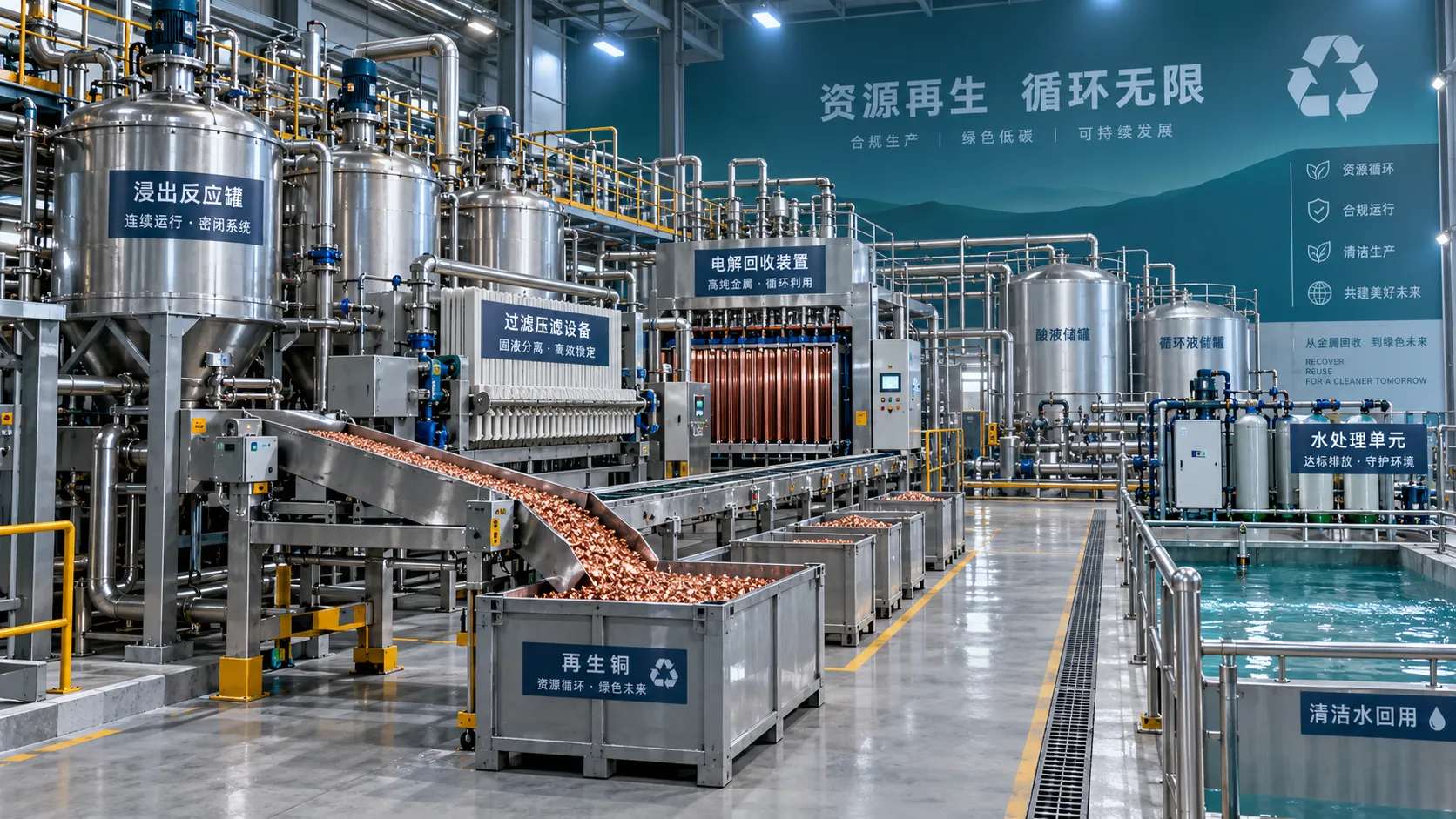
When does repeatable metals recovery infrastructure justify the investment?
Repeatable metals recovery infrastructure: discover when consistent feedstock, lower disposal costs, compliance control, and reliable offtake justify investment.