
Industry News
Curation by industry experts
Hot Articles
Popular Tags
Turnkey Solid Waste Management Systems: Cost, Scope, and Risks
Turnkey Solid Waste Management Systems: Cost, Scope, and Risks
For business evaluators, solid waste management systems turnkey options often appear straightforward at first glance.
One contract, one delivery schedule, one performance promise.
But the real economics are rarely that simple.
A turnkey package can reduce coordination burden, yet it can also hide scope gaps, technology mismatch, and expensive compliance surprises.
That is especially true when feedstock quality changes, local permitting becomes slower, or downstream offtake assumptions fail.
In practical procurement work, the right question is not only price.
The better question is what the supplier truly includes, what they exclude, and which risks remain with the buyer.
This is where a disciplined review of solid waste management systems turnkey proposals becomes essential.
What a Turnkey Scope Actually Covers
In the market, solid waste management systems turnkey can mean very different things.
Some suppliers cover design, procurement, installation, commissioning, and performance testing only.
Others also include civil works, utilities integration, operator training, digital monitoring, and early-stage operations support.
That difference has a direct impact on cost comparisons.
A lower bid may simply push key items outside the contract boundary.
Typical turnkey scope areas include:
- Waste reception, storage, and pretreatment
- Mechanical sorting, shredding, screening, or AI-assisted separation
- Thermal conversion, RDF production, composting, anaerobic digestion, or pyrolysis modules
- Air pollution control and odor treatment
- Leachate handling and water treatment interfaces
- Power distribution, control systems, and automation
- Performance tests, spare parts, and training
The issue is not whether these items exist.
The issue is whether they are fully priced, technically aligned, and contractually guaranteed.
The Main Cost Drivers Behind Solid Waste Management Systems Turnkey
When comparing solid waste management systems turnkey proposals, capital expenditure is only the visible layer.
Recent projects show that cost outcomes are shaped by five recurring drivers.
1. Feedstock variability
Waste composition is rarely stable.
Moisture, calorific value, contamination, and seasonal swings all affect equipment sizing and process reliability.
If the supplier assumes ideal waste, the system may underperform from day one.
2. Technology pathway
A sorting line, RDF facility, digestion plant, or pyrolysis unit each has a different cost curve.
The cheapest process on paper may create higher residue disposal, emissions control, or maintenance burden later.
3. Environmental compliance depth
More stringent emissions standards increase cost quickly.
So do odor control, wastewater polishing, ash handling, and continuous emissions monitoring.
This also means local rules matter more than generic vendor brochures.
4. Civil and utility interfaces
Grid connection, water supply, roads, foundations, and drainage are frequent budget inflators.
In many solid waste management systems turnkey deals, these items are partly excluded.
5. Performance guarantees
A proposal with strong guarantees usually costs more upfront.
Still, guaranteed throughput, recovery rate, energy use, and emissions can reduce total project risk substantially.
Hidden Costs That Distort Procurement Decisions
The most expensive mistakes in solid waste management systems turnkey procurement are often not in the headline price.
They appear later, during permitting, startup, or unstable commercial operation.
Watch these hidden cost zones closely:
- Residue disposal costs for rejects, ash, char, or contaminated recyclables
- Consumables such as filters, reagents, catalysts, and wear parts
- Extra labor needed when automation assumptions do not match site reality
- Extended commissioning due to unstable waste input or weak operator readiness
- Retrofits required to satisfy fire safety, odor, or emissions conditions
- Revenue shortfalls when recovered material quality misses buyer requirements
A useful way to compare bids is to build a ten-year ownership model.
Include capex, opex, downtime, residue treatment, and compliance contingency.
That approach usually reveals which solid waste management systems turnkey offer is actually economical.
Key Risks in Delivery and Execution
Execution risk deserves as much attention as process design.
Even a technically credible solution can become a poor investment if delivery control is weak.
Permitting risk
Environmental approval timelines can shift for reasons outside the EPC schedule.
Air permits, community review, and hazardous residue classification are common causes.
Supply chain risk
Imported shredders, optical sorters, burners, and control components can face long lead times.
That matters more when the contract includes liquidated damages for delay.
Integration risk
Many solid waste management systems turnkey projects combine multiple specialist vendors.
Sorting, thermal treatment, odor control, and digital control platforms do not always integrate smoothly.
Performance risk
Guaranteed output may depend on narrow operating assumptions.
If waste quality falls outside those assumptions, disputes can appear quickly.
Counterparty risk
Some suppliers are strong integrators but weak long-term service partners.
That becomes critical when specialized maintenance and spare parts are needed after handover.
How to Evaluate Proposals More Rigorously
A strong review process makes solid waste management systems turnkey proposals far easier to compare.
It also reduces the chance of buying a system that looks complete but performs below business expectations.
- Define the waste envelope clearly, including moisture, contaminants, and seasonal variation.
- Issue a detailed battery limits document for utilities, civil works, and external interfaces.
- Request guaranteed values for throughput, recovery, emissions, availability, and residue quantity.
- Ask for a complete consumables and maintenance schedule for at least five years.
- Stress-test the business case using lower product prices and higher disposal costs.
- Verify reference plants that process similar waste under similar regulations.
- Review the supplier’s service footprint, spare strategy, and commissioning team depth.
From a governance perspective, these steps improve technical clarity and procurement discipline at the same time.
More importantly, they turn a general equipment purchase into a structured risk decision.
A Practical Comparison Framework
This framework helps separate attractive presentations from robust project value.
It is especially useful when several solid waste management systems turnkey suppliers appear technically similar on the surface.
Final Takeaway
The best solid waste management systems turnkey solution is not always the lowest-priced one.
It is the one with clear scope, realistic feedstock assumptions, credible guarantees, and manageable compliance exposure.
In current environmental infrastructure markets, uncertainty is part of the investment case.
That makes disciplined evaluation more valuable than quick price comparison.
Before selecting a supplier, confirm where technical responsibility starts, where it ends, and how failure is measured.
That level of scrutiny is usually what turns solid waste management systems turnkey procurement into a sound capital decision.
Recommended News
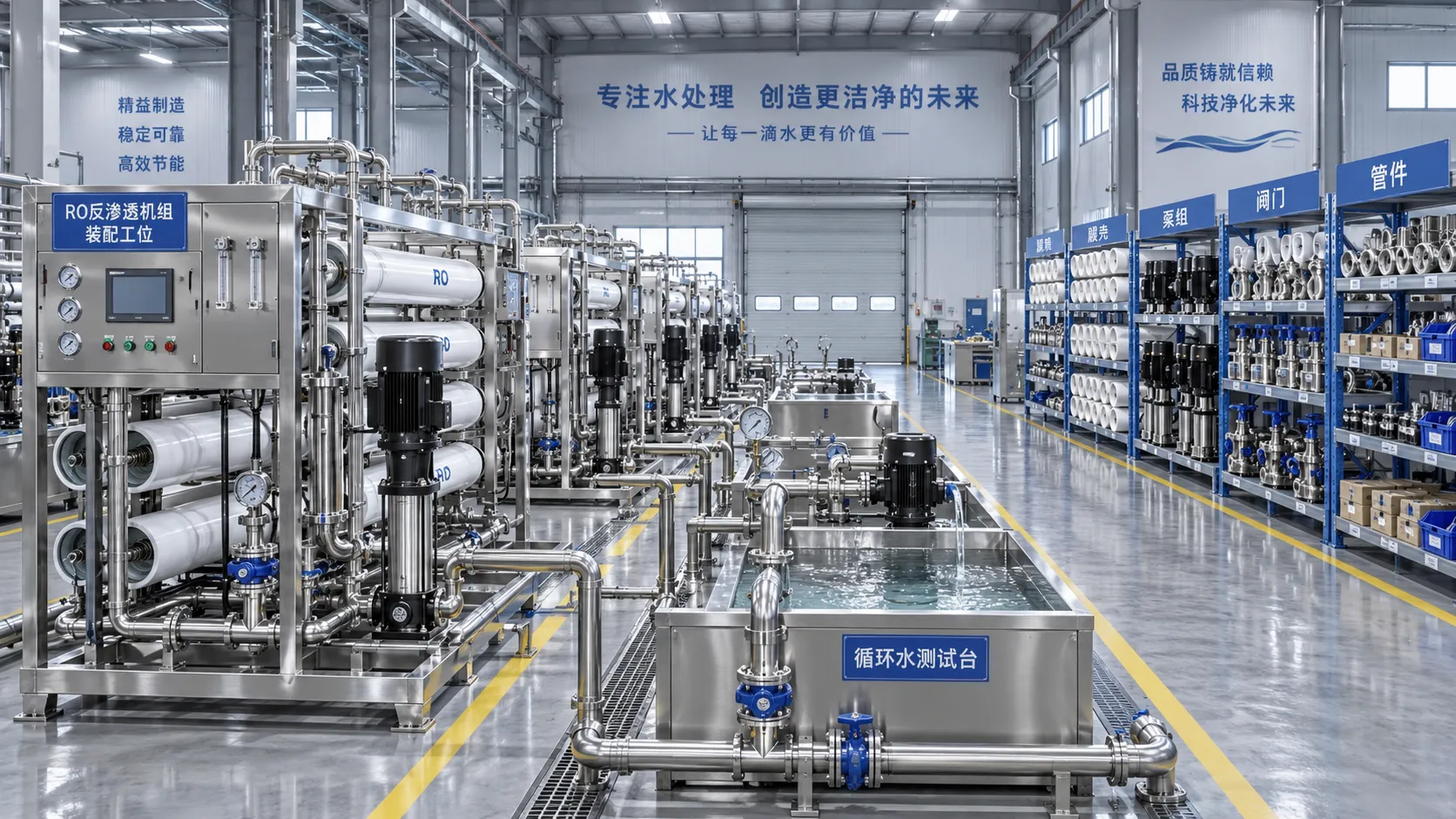
How to verify a water treatment system factory’s production capacity
Verify a water treatment systems factory’s production capacity through records, bottlenecks, component availability, and testing. Learn what to check before accepting a delivery promise.
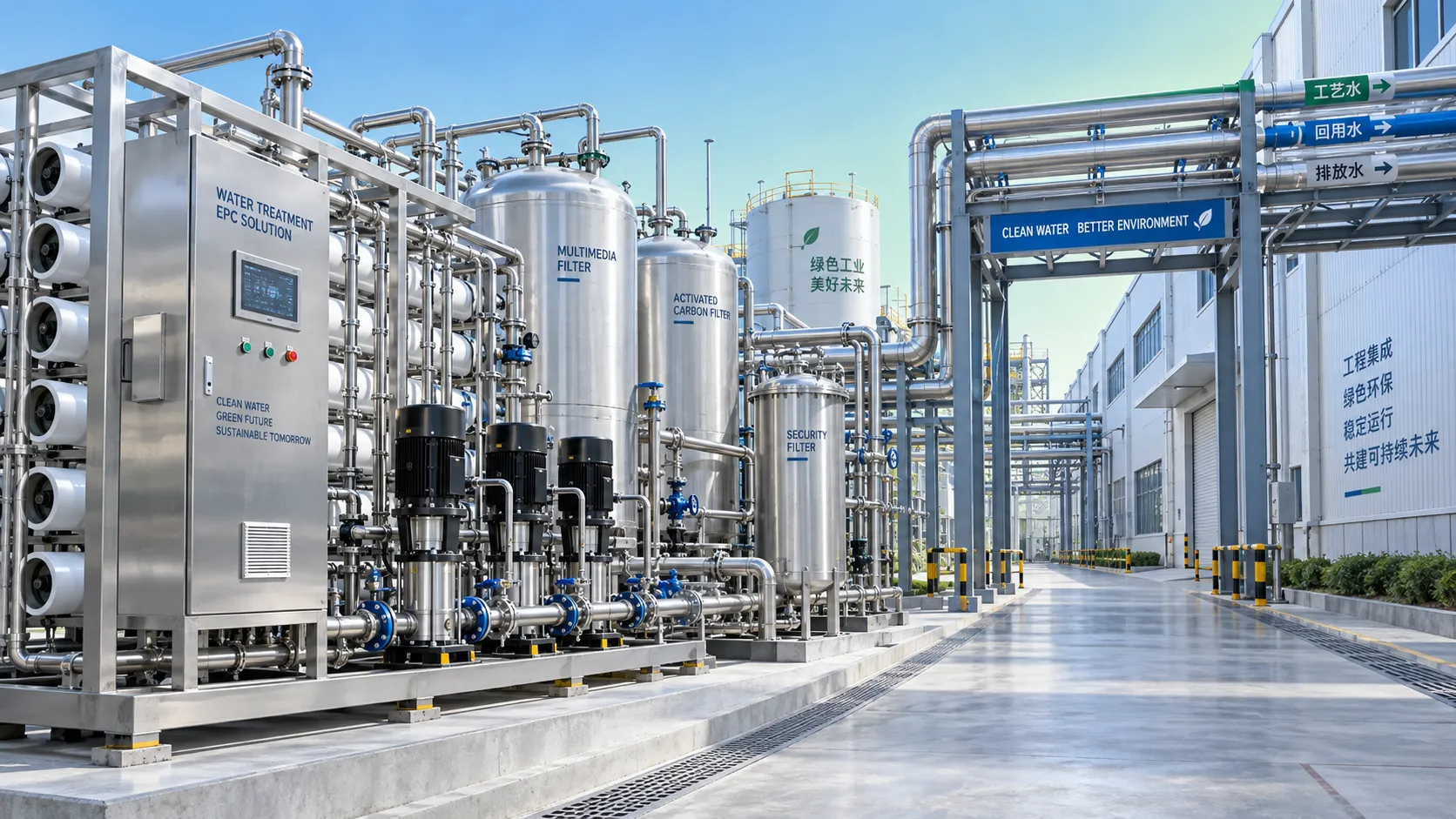
When does EPC environmental project support reduce delivery risk?
EPC environmental project support engineering reduces delivery risk by aligning design, procurement, compliance, construction, and commissioning decisions.
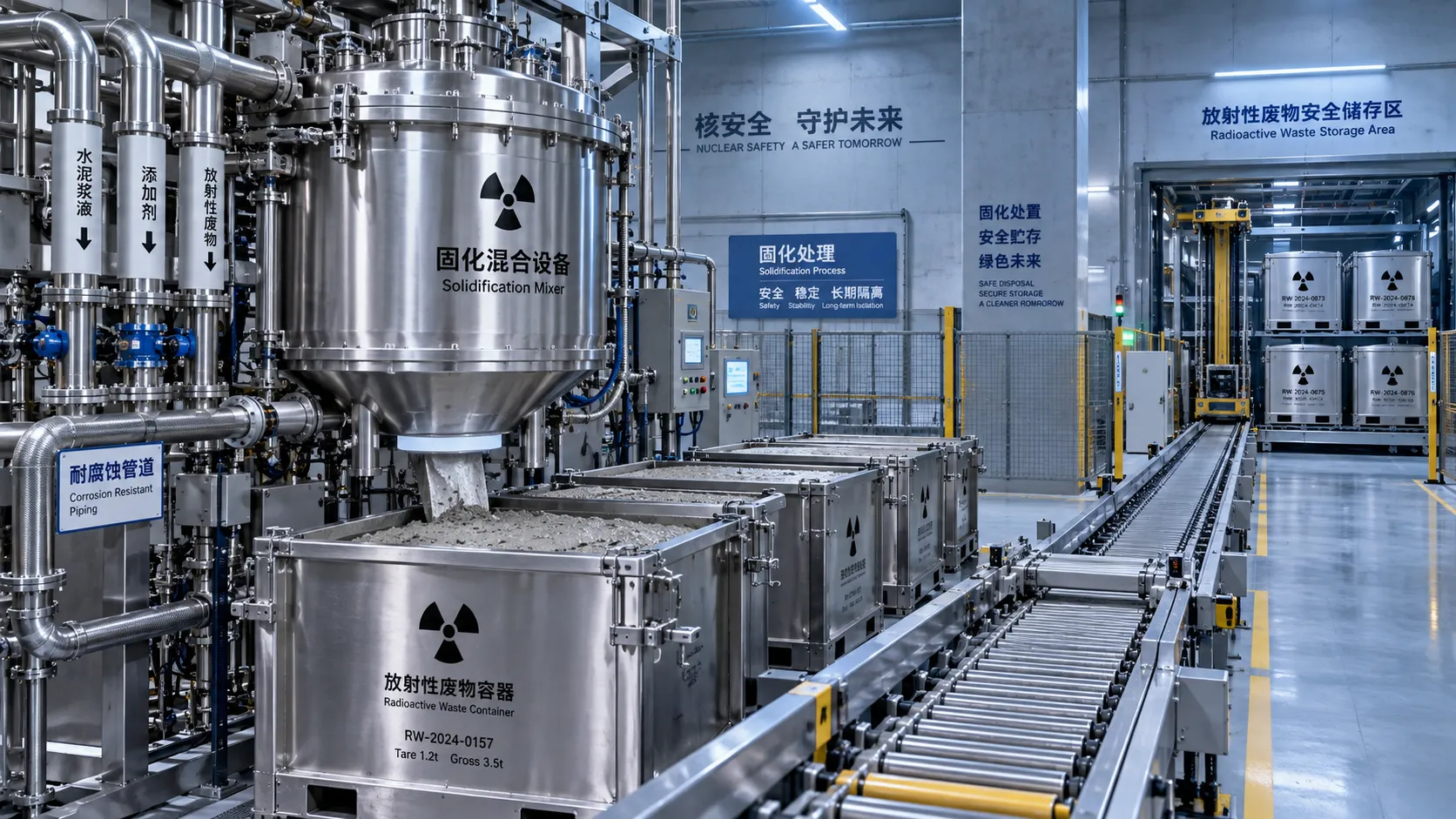
How nuclear plants select a radioactive waste solidification method
Radioactive waste management for nuclear plants: compare vitrification, cementation, polymers, and ceramics to select a compliant, durable solidification solution.
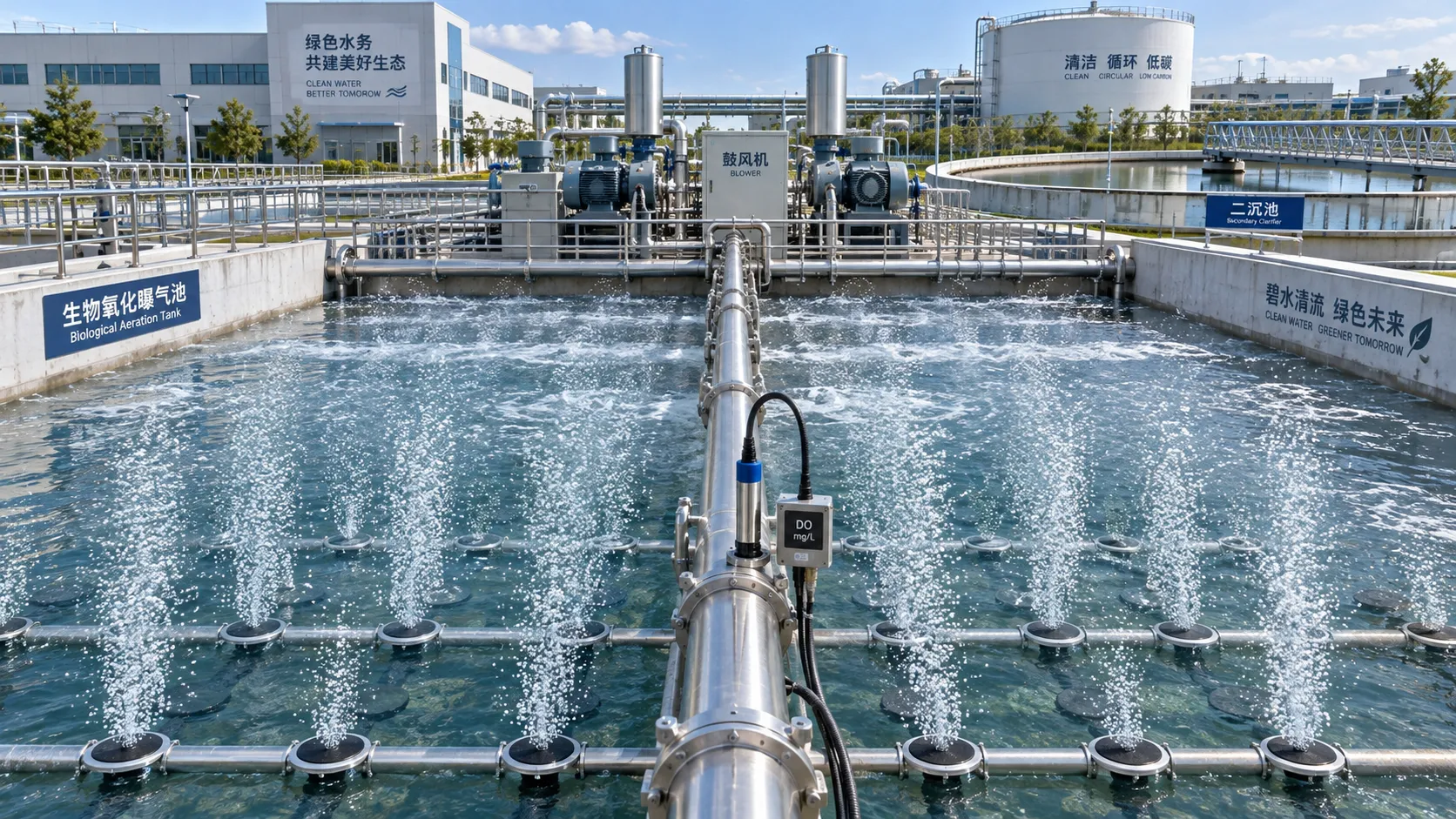
Biological Wastewater Oxidation Explained: Aeration Demand and Process Control
Biological wastewater oxidation explained: optimize aeration demand, DO control, nitrification, and sludge age for stable effluent quality and lower energy costs.
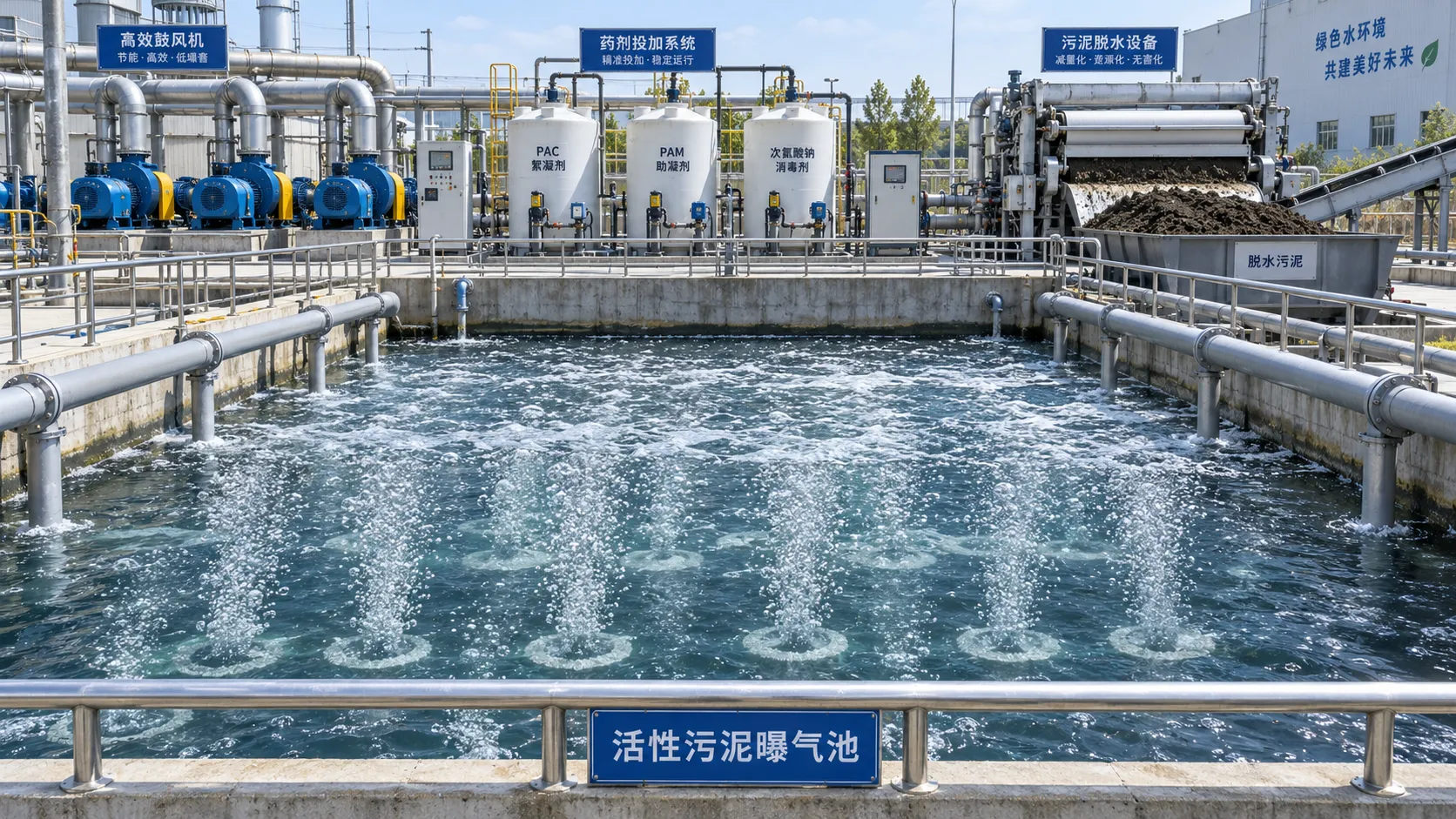
Activated Sludge Cost: Budgeting Energy, Chemicals, Sludge, and Labor
Activated sludge cost explained: compare energy, chemicals, sludge disposal, labor, and compliance risks to build a reliable lifecycle budget.
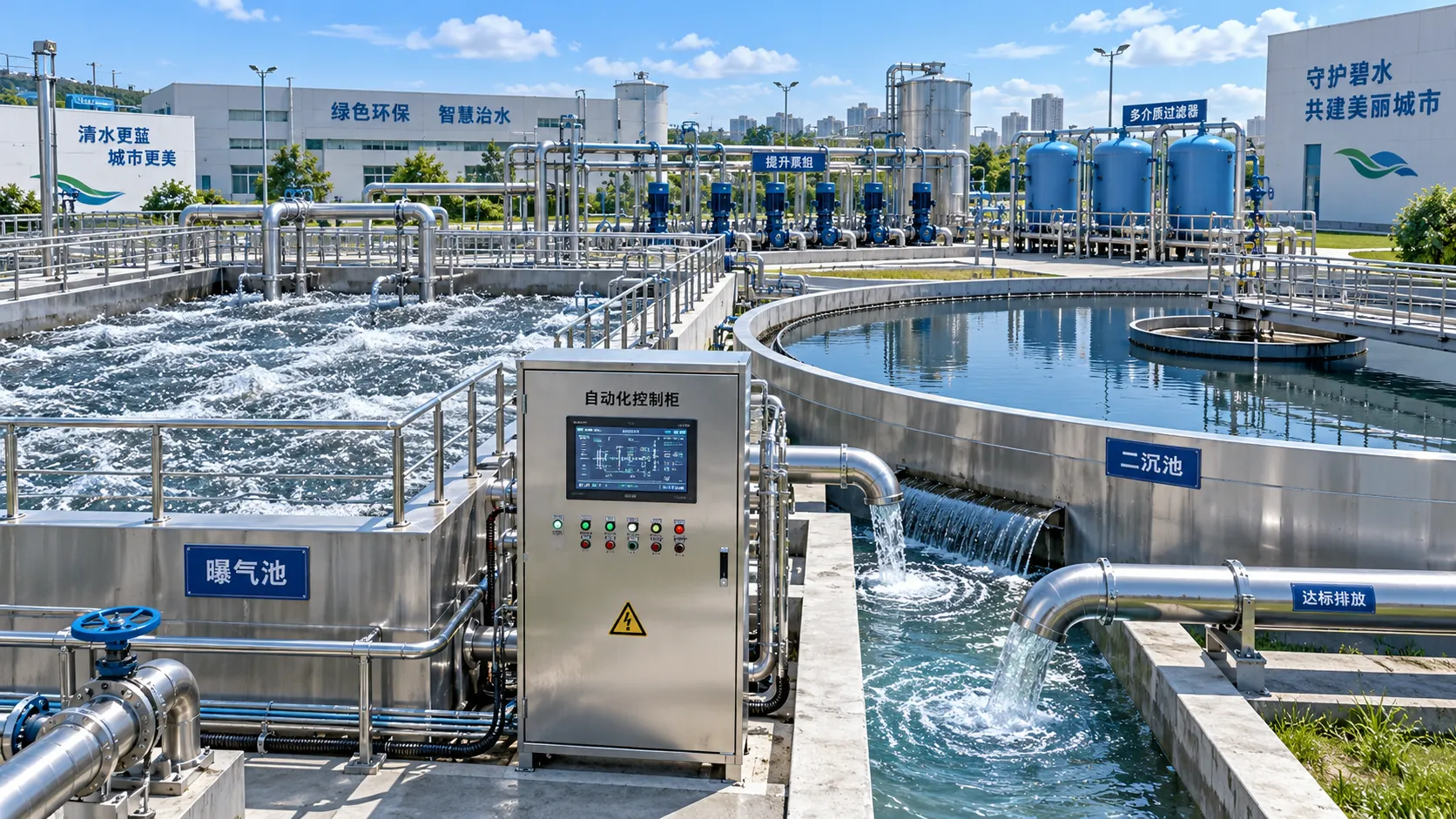
When Should Municipal Wastewater Plants Upgrade Treatment Capacity and Controls?
Municipal wastewater treatment upgrades: learn when capacity, controls, and resilient planning are needed to protect compliance and optimize plant performance.
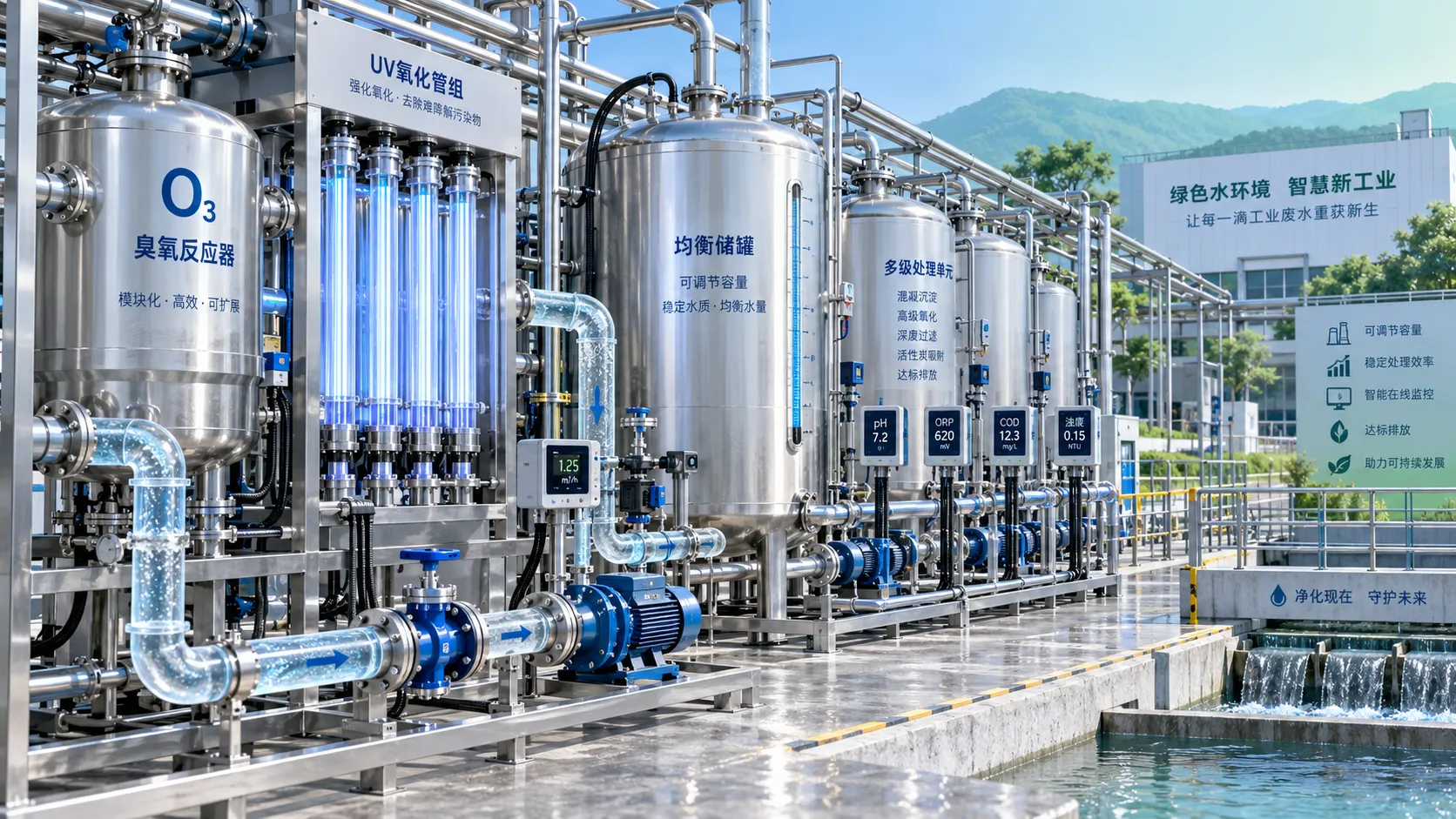
How to size advanced oxidation equipment for variable wastewater loads
Advanced oxidation equipment guide for sizing AOP systems under variable wastewater loads, improving compliance, efficiency, and lifecycle cost control.
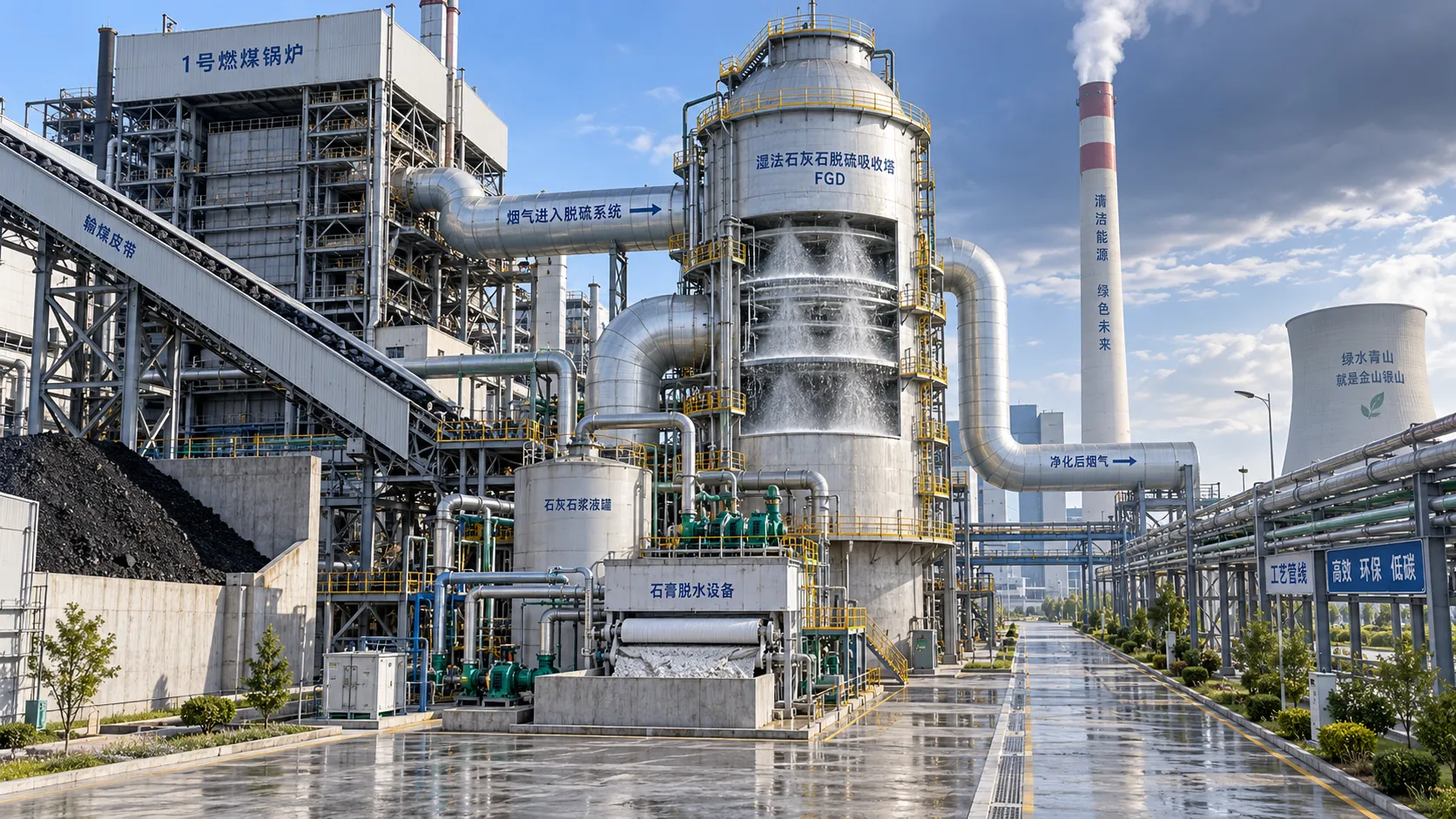
How to select FGD systems for coal boilers based on sulfur content
FGD systems for coal boilers: learn how sulfur content, fuel variability, emissions limits, water, waste, and retrofit constraints guide a compliant, cost-effective scrubber choice.
How to size a desulfurization equipment scrubber for variable gas flow
Desulfurization equipment scrubber sizing for variable gas flow: optimize SO2 removal, pressure drop, liquid-to-gas control, and compliance across every load.