
Industry News
Curation by industry experts
Hot Articles
Popular Tags
Environmental Compliance in North America: Key 2026 Changes
Environmental compliance North America is moving from routine obligation to strategic pressure
In 2026, environmental compliance North America will feel less like a reporting exercise and more like an operating condition.
The shift is visible across industrial water, solid waste recovery, air emissions, desalination-linked infrastructure, and nuclear waste controls.
What matters is not one headline rule.
It is the growing connection between federal oversight, state enforcement, supply-chain disclosure, and cross-border accountability.
That combination is changing capital timing, project design, and risk pricing.
For groups tracking environmental compliance North America, the critical question is no longer whether standards are tightening.
The real question is where the tightening will hit first, and which assets become exposed fastest.
This is why intelligence platforms such as ESD are becoming more relevant.
The value now lies in reading regulations together with equipment performance, closed-loop resource logic, and project bankability.
The clearest signal is convergence, not isolated regulation
A few years ago, companies could treat emissions, water discharge, and waste manifests as separate compliance tracks.
That separation is weakening.
Environmental compliance North America is increasingly shaped by linked expectations around traceability, lifecycle impact, and public-health resilience.
Water permits now intersect with PFAS scrutiny, sludge disposal questions, and energy intensity debates.
Waste recovery projects are being judged not only on diversion rates, but on residue quality, thermal emissions, and downstream material legitimacy.
Heavy industry faces a similar pattern.
Flue gas treatment performance is being reviewed alongside decarbonization claims and export exposure tied to carbon-adjustment frameworks.
In practical terms, environmental compliance North America is becoming more systems-based.
That raises the cost of fragmented decision-making.
Why this convergence is accelerating
- Regulators are under pressure to show measurable environmental outcomes, not just permit issuance.
- Communities expect faster response on water toxicity, landfill leakage, and industrial air exposure.
- Capital providers are demanding auditable environmental data before approving large infrastructure spending.
- Cross-border trade is pulling environmental metrics into procurement and market access decisions.
Water governance is becoming a harder test of operational credibility
Among all sectors touched by environmental compliance North America, water is where technical limits and regulatory pressure meet most directly.
Industrial operators are facing tighter expectations around contaminant removal, brine handling, and reuse quality.
This matters far beyond utilities.
Data centers, mining sites, chemical facilities, food processing plants, and semiconductor projects all depend on water certainty.
The tougher reality is that treatment performance alone may not satisfy 2026 scrutiny.
Authorities and investors increasingly want proof of resilience under variable feedwater, tighter discharge thresholds, and emergency scenarios.
That explains the renewed interest in ZLD, advanced membrane monitoring, and process intelligence.
ESD’s focus on extreme physicochemical purification parameters fits this shift well.
The market is rewarding projects that can link technical certainty with regulatory defensibility.
Where water-related pressure is likely to intensify
Waste accountability is shifting from disposal records to material truth
Another visible change in environmental compliance North America is the rising standard for waste classification and recovery claims.
The old model relied heavily on documentation.
The emerging model asks whether recovered outputs are truly reusable, traceable, and consistent under inspection.
This is especially important for pyrolysis, battery recycling, e-scrap recovery, and AI-enabled sorting lines.
Markets once rewarded ambitious circularity claims.
Now they increasingly reward evidence.
That has consequences for project economics.
If recovered fractions fail quality thresholds, disposal liability returns quickly, and the business case weakens.
Environmental compliance North America therefore becomes a design issue, not just a legal one.
Separation accuracy, residue handling, emissions capture, and chain-of-custody data all matter at once.
Air emissions and carbon exposure are now part of the same conversation
For heavy industry, the compliance discussion is widening beyond stack permits.
Environmental compliance North America increasingly overlaps with trade exposure, carbon disclosure, and operating efficiency.
This is where flue gas treatment regains strategic weight.
FGD scrubbers, SCR systems, and low-temperature catalyst performance are not peripheral engineering topics anymore.
They influence whether industrial sites can sustain output while meeting tightening emission expectations.
More importantly, poor control performance now creates layered risk.
It can trigger enforcement costs, cap expansion plans, and weaken competitiveness in export-linked sectors.
This is one reason ESD’s intelligence model matters.
Regulatory change makes more sense when paired with reaction kinetics, equipment reliability, and capital timing.
The highest-risk assets are those with long lives and weak data visibility
Not every facility will feel the same pressure at the same speed.
The most exposed assets usually share three traits.
- They were designed for older permit assumptions.
- They depend on narrow operating margins.
- They lack integrated monitoring across water, waste, and emissions flows.
That description covers many legacy treatment plants, recovery systems, and industrial utility blocks.
It also includes specialized infrastructure such as desalination hubs and nuclear waste handling chains.
In those areas, the tolerance for uncertainty is especially low.
A small data gap can become a licensing delay, cost overrun, or reputational issue.
Environmental compliance North America is therefore pushing operators toward stronger instrumentation, scenario modeling, and evidence-ready reporting.
What deserves attention before 2026 rules fully bite
The next useful step is not broad alarm.
It is selective preparation.
Environmental compliance North America can still be managed well when attention is focused on the right friction points.
- Review permits against likely tighter thresholds, not only current limits.
- Map where compliance depends on vendor claims that have not been independently validated.
- Check whether monitoring architecture can support audit-quality traceability across sites.
- Stress-test projects exposed to PFAS, brine disposal, thermal conversion emissions, or radioactive material controls.
- Reassess capital plans where compliance upgrades may change energy use, residue generation, or maintenance cycles.
From a market perspective, the stronger players will be the ones that connect regulation with engineering detail early.
That is particularly true in billion-dollar EPC environments, where compliance assumptions shape bid strength and financing confidence.
A sensible 2026 posture starts with better judgment, not bigger noise
The deeper meaning of environmental compliance North America in 2026 is straightforward.
Environmental governance is becoming more technical, more connected, and less forgiving of weak assumptions.
That does not mean every project becomes harder to justify.
It means justification must be more precise.
The most durable response is to track regulatory signals together with equipment behavior, resource-loop economics, and infrastructure resilience.
For organizations navigating water treatment, waste recovery, desalination, flue gas control, or nuclear waste management, that integrated view is becoming essential.
A practical next move is to build a staged review of standards, site data quality, technology fit, and exposure by asset class.
That approach creates room to act before compliance pressure turns into forced spending.
Recommended News
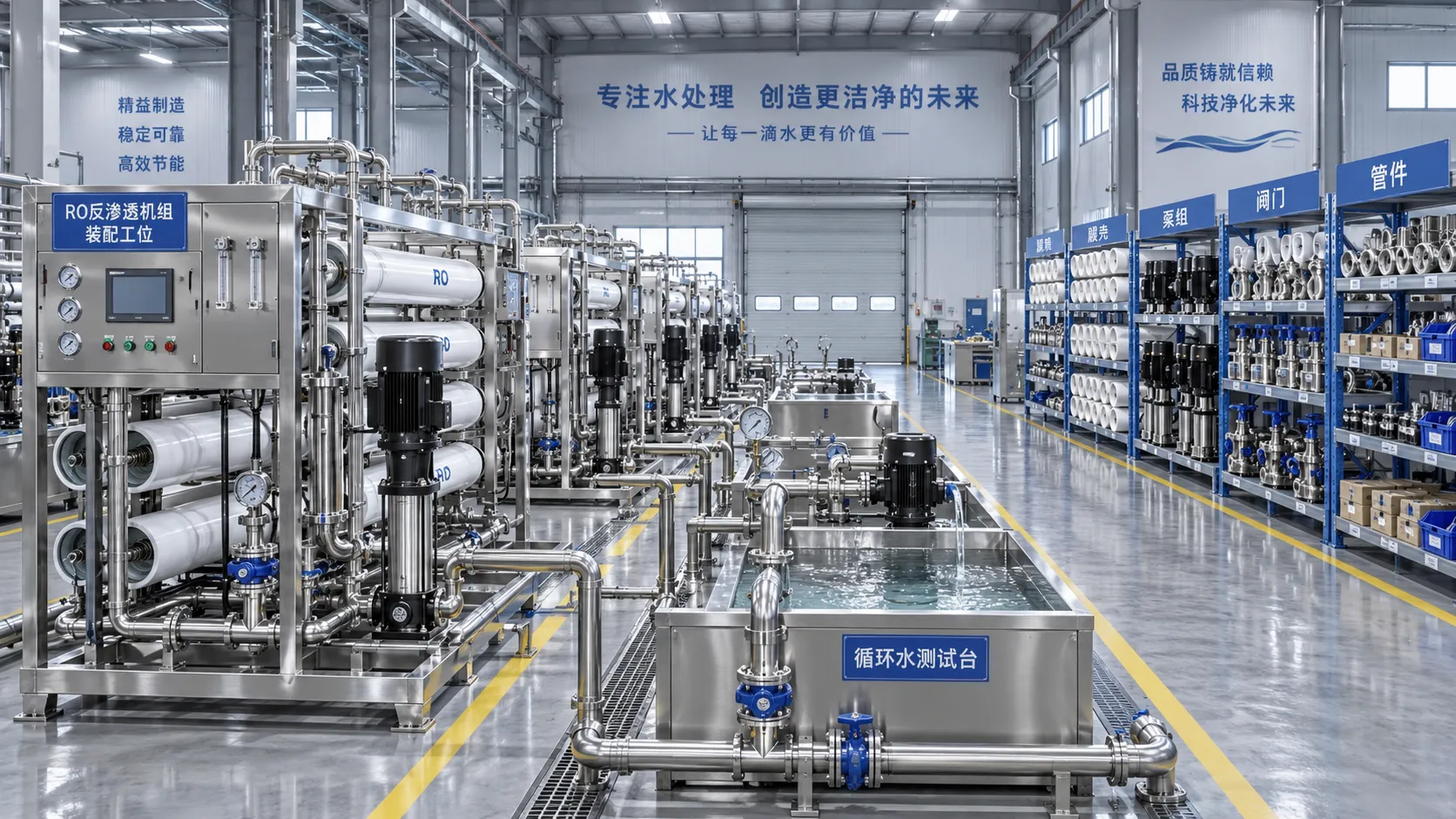
How to verify a water treatment system factory’s production capacity
Verify a water treatment systems factory’s production capacity through records, bottlenecks, component availability, and testing. Learn what to check before accepting a delivery promise.
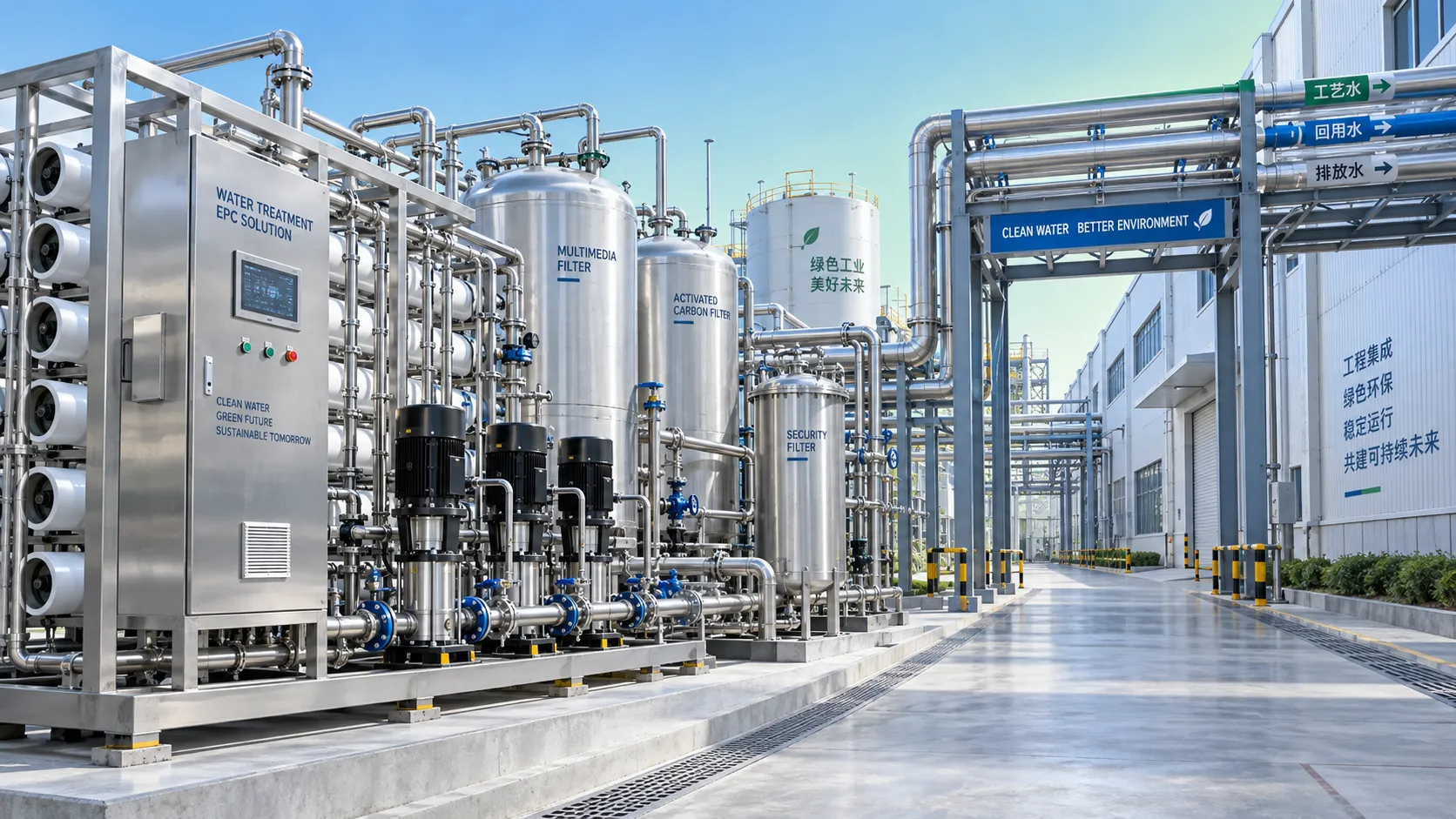
When does EPC environmental project support reduce delivery risk?
EPC environmental project support engineering reduces delivery risk by aligning design, procurement, compliance, construction, and commissioning decisions.
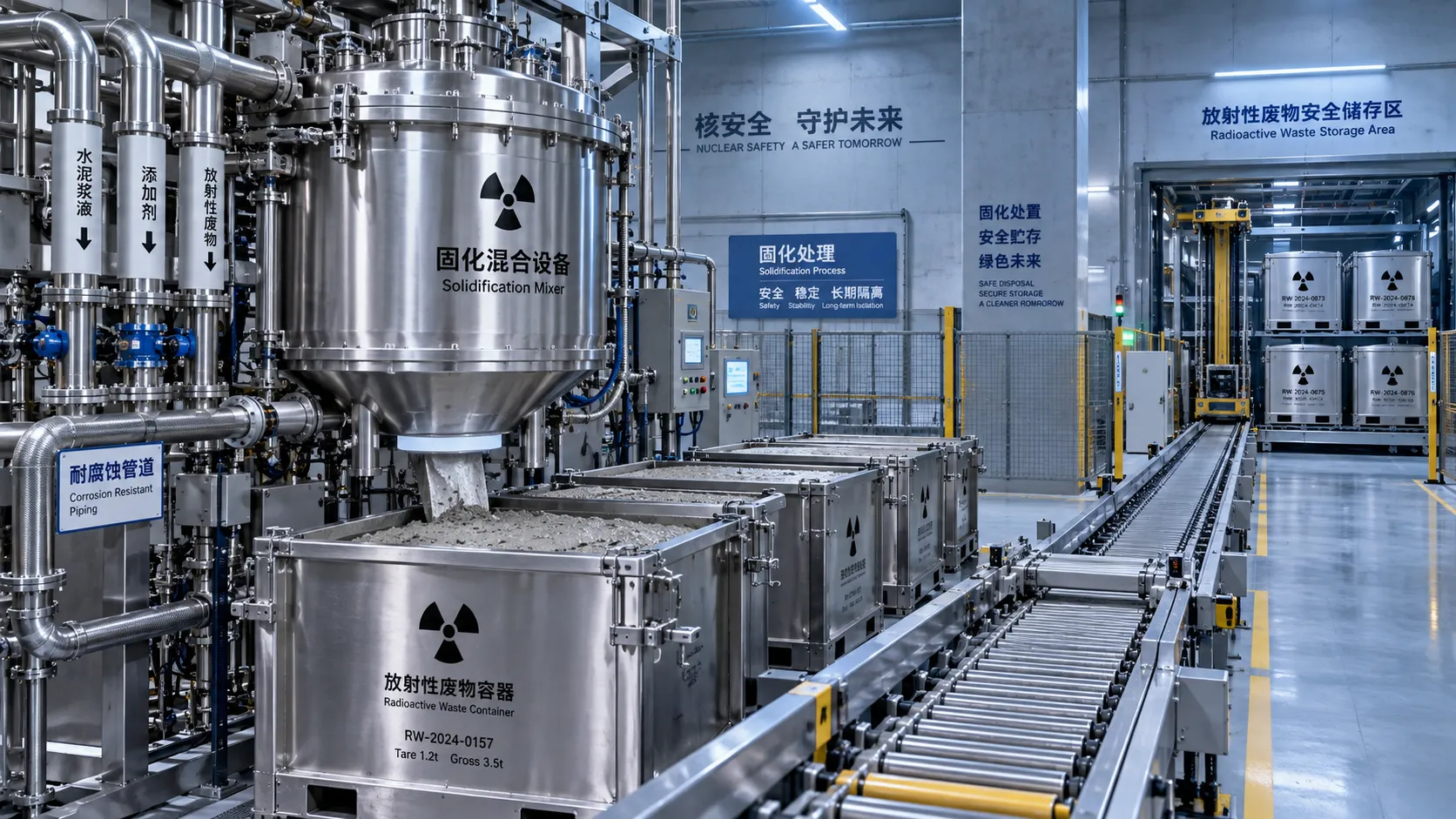
How nuclear plants select a radioactive waste solidification method
Radioactive waste management for nuclear plants: compare vitrification, cementation, polymers, and ceramics to select a compliant, durable solidification solution.
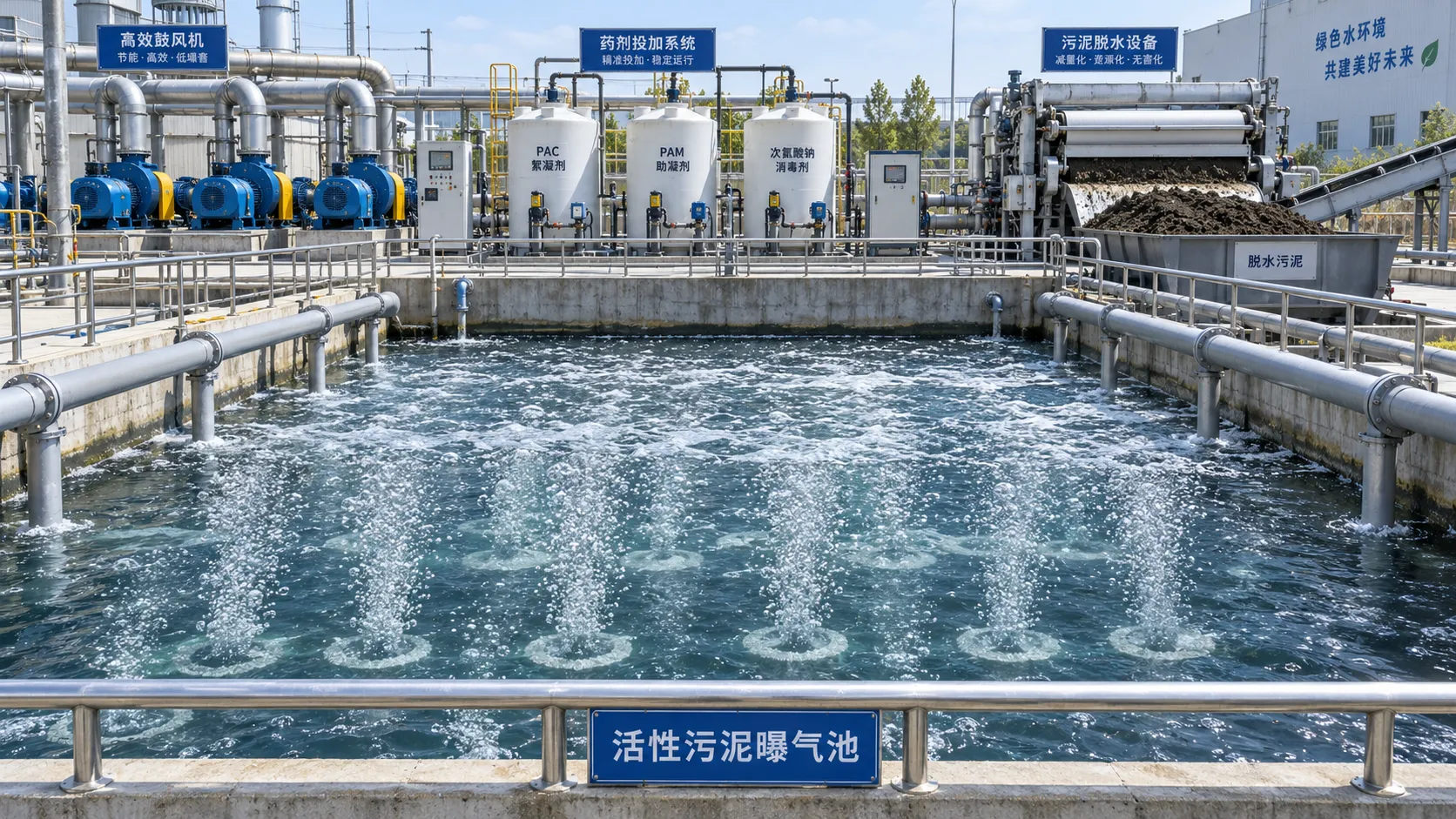
Activated Sludge Cost: Budgeting Energy, Chemicals, Sludge, and Labor
Activated sludge cost explained: compare energy, chemicals, sludge disposal, labor, and compliance risks to build a reliable lifecycle budget.
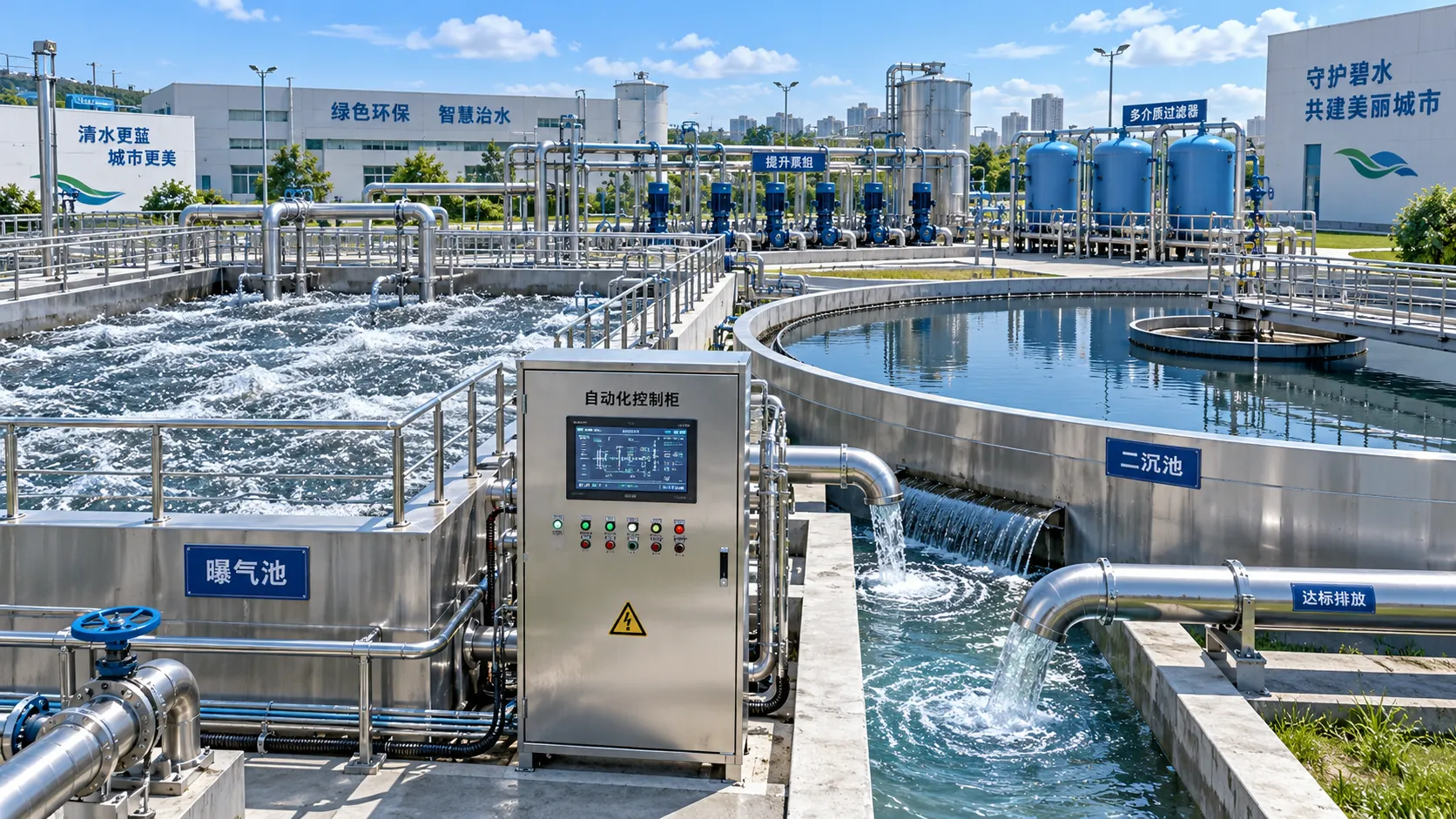
When Should Municipal Wastewater Plants Upgrade Treatment Capacity and Controls?
Municipal wastewater treatment upgrades: learn when capacity, controls, and resilient planning are needed to protect compliance and optimize plant performance.
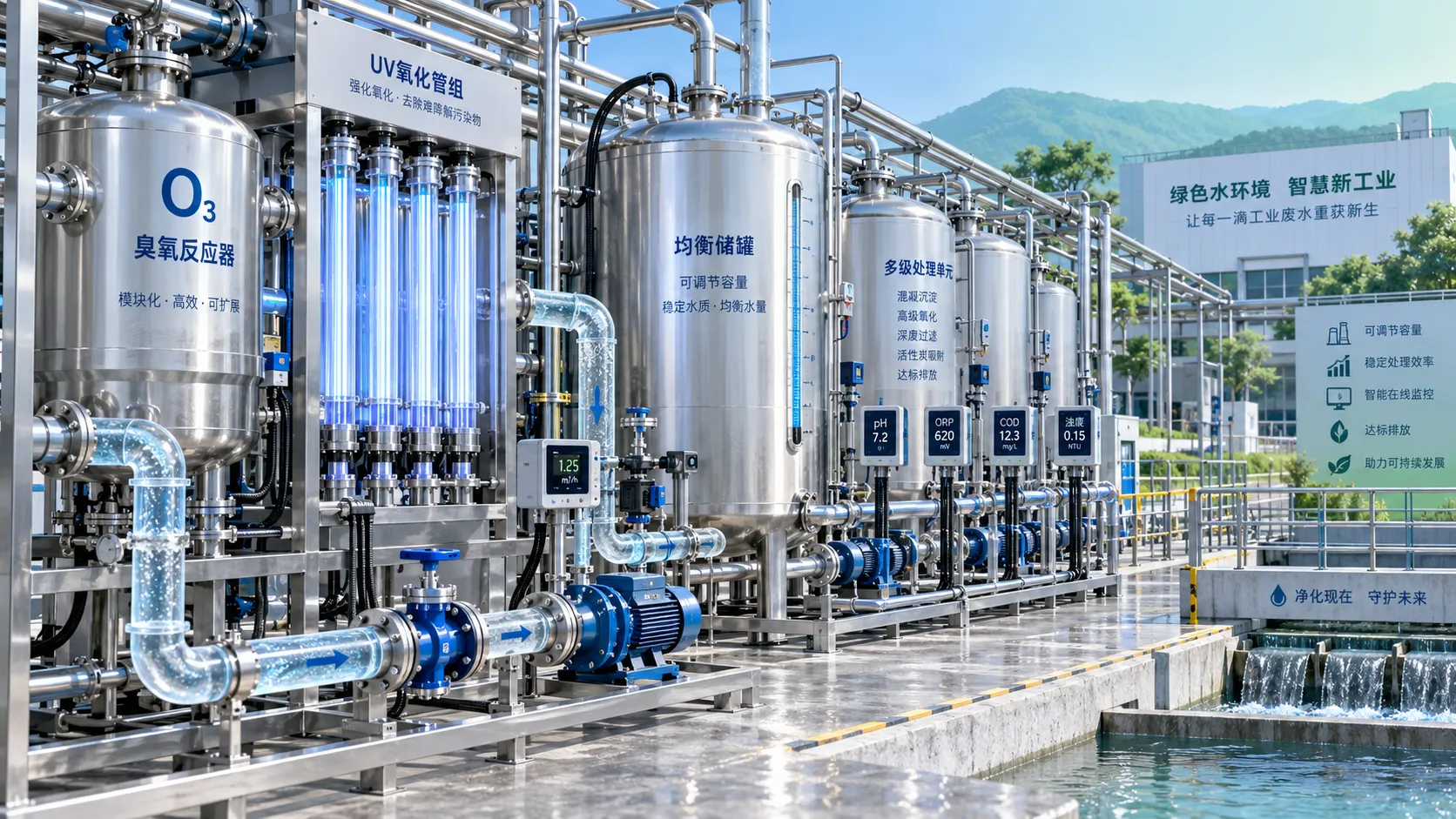
How to size advanced oxidation equipment for variable wastewater loads
Advanced oxidation equipment guide for sizing AOP systems under variable wastewater loads, improving compliance, efficiency, and lifecycle cost control.
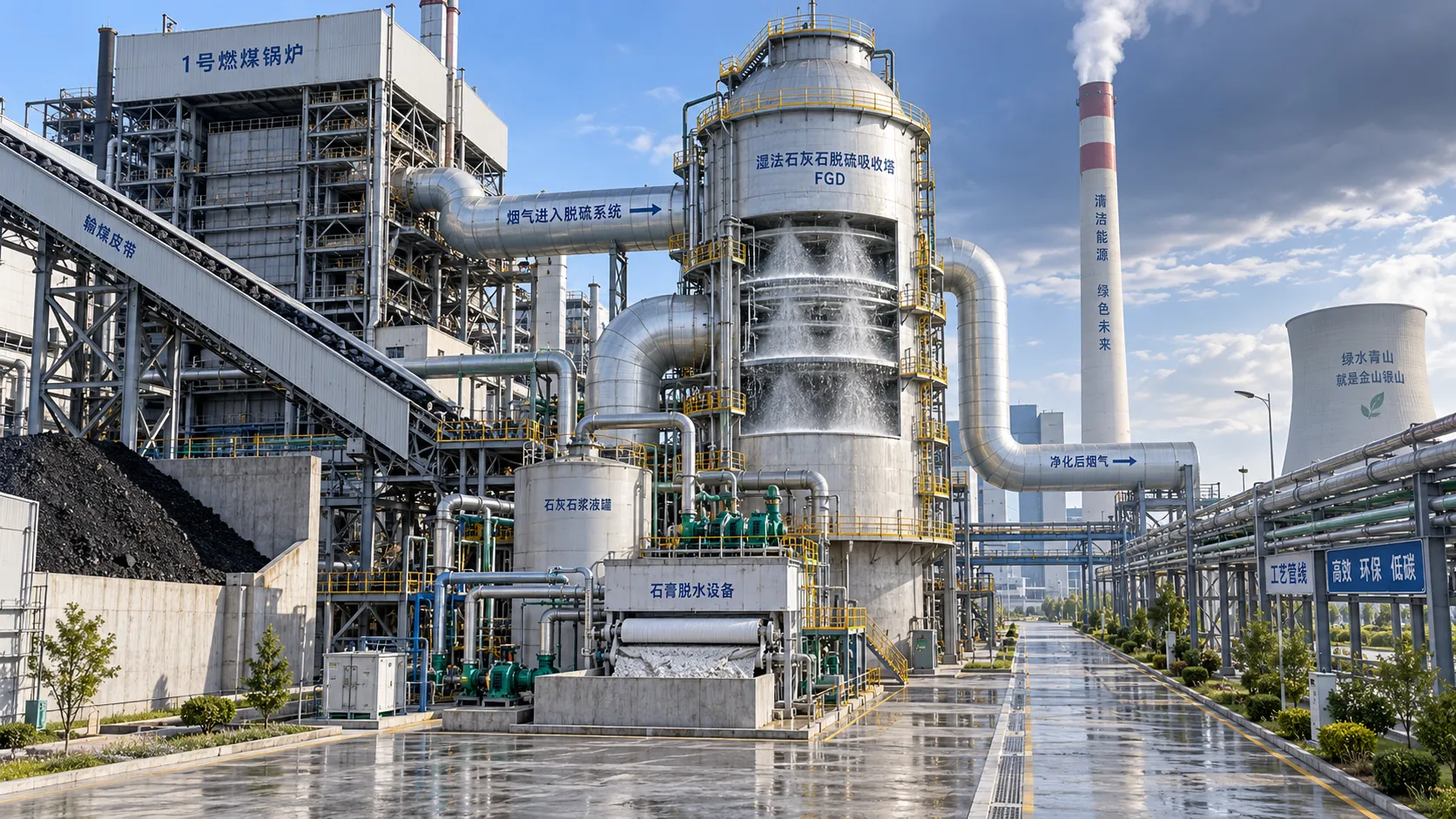
How to select FGD systems for coal boilers based on sulfur content
FGD systems for coal boilers: learn how sulfur content, fuel variability, emissions limits, water, waste, and retrofit constraints guide a compliant, cost-effective scrubber choice.
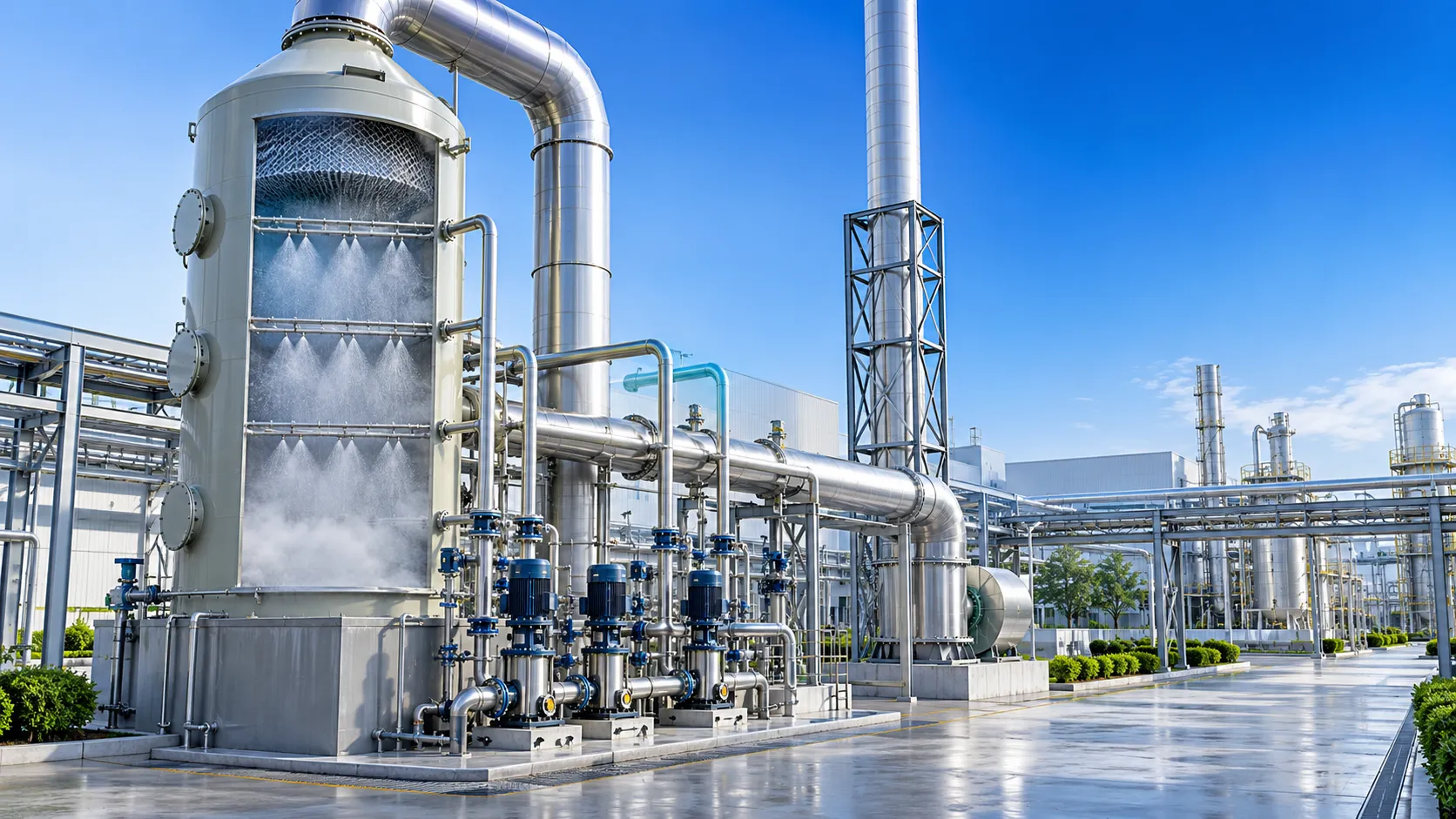
How to size a desulfurization equipment scrubber for variable gas flow
Desulfurization equipment scrubber sizing for variable gas flow: optimize SO2 removal, pressure drop, liquid-to-gas control, and compliance across every load.
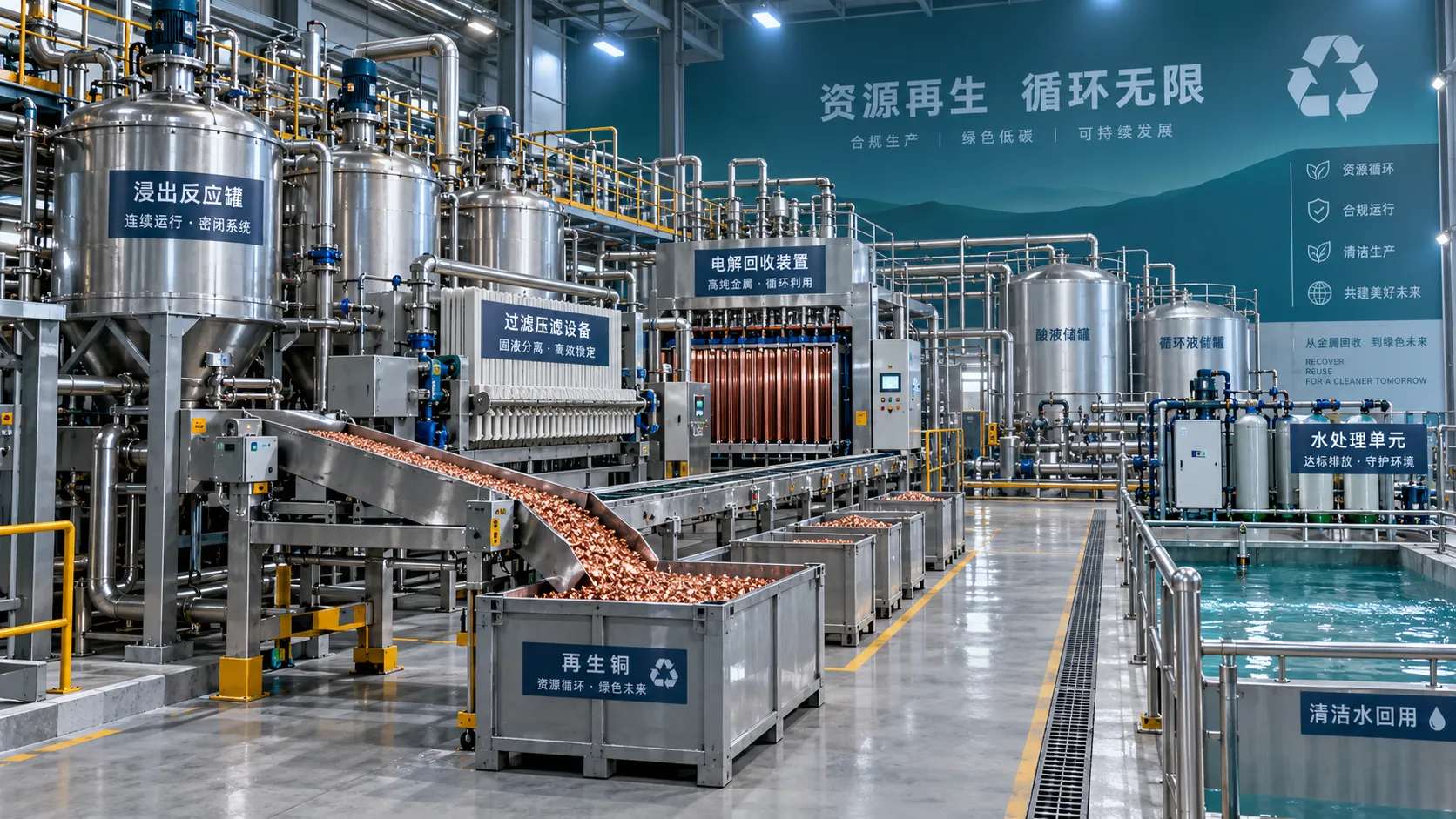
When does repeatable metals recovery infrastructure justify the investment?
Repeatable metals recovery infrastructure: discover when consistent feedstock, lower disposal costs, compliance control, and reliable offtake justify investment.