
Industry News
Curation by industry experts
Hot Articles
Popular Tags
Resource Recovery Systems for Sludge: When the Payback Justifies the Investment
Resource recovery systems for sludge: when does the investment really pay back?
Resource recovery systems for sludge have moved beyond a narrow compliance discussion. They now sit in the same capital planning category as energy, water resilience, and waste cost control.
That shift matters because sludge is expensive to transport, dewater, dry, destroy, or landfill. It also carries regulatory exposure that tends to rise, not fall.
In practical terms, the question is simple. Will a recovery system reduce total lifecycle cost enough to justify the upfront spend, operating complexity, and implementation risk?
Across the environmental infrastructure landscape tracked by ESD, that answer increasingly depends on closed-loop value. Facilities are no longer judged only by treatment performance.
They are judged by whether they recover energy, nutrients, reusable water, or carbon value while staying ahead of tightening compliance expectations.
What counts as a resource recovery system for sludge in real projects?
The term covers more than one technology. In real projects, resource recovery systems for sludge usually combine thickening, digestion, dewatering, drying, and a downstream recovery path.
That recovery path may be biogas generation, phosphorus extraction, biosolids reuse, thermal conversion, or integration with broader waste recovery systems.
Some systems focus on cutting disposal mass. Others focus on monetizable outputs. The strongest business case often comes from doing both at the same time.
For example, anaerobic digestion can reduce sludge volume while producing biogas. Thermal drying can improve transport economics and open reuse or fuel pathways.
More advanced systems recover ammonia or phosphorus where discharge rules and fertilizer markets support that model. Not every site needs that level of sophistication.
A useful starting point is to separate value into three buckets: avoided cost, recovered product, and reduced regulatory risk. Most payback cases rely on all three.
Where do resource recovery systems for sludge make the most financial sense?
The best fit is usually not the smallest facility or the one with the newest equipment. It is the site where sludge handling is already a painful line item.
That includes municipal wastewater plants facing rising hauling charges, industrial sites with difficult sludge chemistry, and regional hubs under landfill pressure.
Facilities linked to ZLD strategies or broader water reuse programs also deserve closer review. Sludge management can quietly undermine the economics of an otherwise efficient treatment system.
In ESD’s coverage of large water treatment plants and solid waste recovery systems, the most bankable projects usually share a few conditions.
- High annual sludge volumes with stable feed characteristics.
- Escalating disposal, fuel, or electricity costs.
- Strong pressure to cut Scope 1 or Scope 2 emissions.
- Limited landfill access or stricter biosolids regulations.
- A local market for recovered energy, heat, nutrients, or dried solids.
If those conditions are weak, the payback period tends to stretch. If several are present together, resource recovery systems for sludge become much easier to defend.
How should payback be tested without overstating the upside?
This is where many proposals become too optimistic. Vendors may present attractive returns based on nameplate output, perfect uptime, and strong commodity pricing.
A more reliable method uses conservative assumptions and checks whether the project still works under ordinary operating conditions.
The first step is to model today’s full sludge cost. That means transport, tipping, polymer, power, labor, maintenance, odor control, permits, and downtime consequences.
The second step is to estimate future avoided cost. Disposal inflation is often the most important driver, especially where regulations are becoming tighter.
The third step is to test realistic recovery revenue. Biogas, heat, nutrient salts, or dried solids all have value, but only when off-take conditions are credible.
A disciplined review should also compare simple payback with net present value. Some resource recovery systems for sludge look average on payback, yet strong on long-term cash impact.
What usually separates a strong proposal from an expensive mistake?
The difference is rarely one technical parameter. More often, it is whether the proposal reflects site reality instead of generic sludge recovery assumptions.
One common mistake is selecting a system because another city or plant adopted it. Sludge composition, utility pricing, labor capability, and local permitting can change everything.
Another mistake is treating dewatering performance as the whole story. Cake solids matter, but downstream handling, odor, reject water load, and maintenance frequency matter too.
Needless complexity is another warning sign. If a resource recovery system for sludge requires highly specialized operators, the hidden operating cost may erase projected gains.
More credible proposals usually show a balanced view of chemistry, uptime, utilities, and end-use logistics. They also explain failure modes instead of hiding them.
- Ask for guaranteed performance under actual sludge characteristics, not idealized samples.
- Check whether sidestream loads create new treatment costs elsewhere in the plant.
- Review spare parts, service response time, and automation maturity.
- Test the economics against low energy prices and lower-than-expected throughput.
How do regulation, carbon strategy, and procurement timing change the equation?
Payback is not just an engineering output. It changes when policy changes. This is increasingly visible across water, waste, and emissions sectors worldwide.
Where landfill restrictions tighten, sludge disposal cost can rise sharply. Where carbon accounting becomes more rigorous, self-generated energy and lower transport loads gain more value.
That is why ESD’s intelligence approach matters. A sludge project should not be screened in isolation from CBAM pressure, circular economy mandates, or industrial decarbonization targets.
In some regions, the best timing is before compliance pain peaks. Early movers often secure better contractors, better grid interconnection windows, and stronger public funding access.
Waiting can still be rational, but only when uncertainty is specific. It should be tied to feed variability, permit changes, or unresolved off-take value, not general hesitation.
A practical timing check
A project is usually moving into the investable zone when three signals appear together: disposal inflation, credible recovery value, and a regulatory path that rewards lower residual risk.
Before approving, what should be on the final decision checklist?
At this stage, the goal is not more marketing material. It is sharper evidence. Resource recovery systems for sludge should clear a short list of decision tests.
- Baseline sludge cost is documented with actual invoices and operating records.
- Projected savings include utilities, chemicals, labor, and maintenance, not just disposal reduction.
- Recovered outputs have a real internal use case or external buyer path.
- The system can tolerate feed variation without severe efficiency loss.
- The site has a credible operating model, including staffing and service support.
- Sensitivity analysis shows acceptable returns under conservative assumptions.
If several of those points remain unclear, the project is not necessarily weak. It simply means the investment case is not mature enough yet.
The most effective next step is usually a site-specific screening model. That should combine sludge data, local disposal economics, energy pricing, and compliance outlook.
When that model is built carefully, resource recovery systems for sludge become easier to compare on facts rather than optimism. That is where better infrastructure decisions begin.
Recommended News
How to verify a water treatment system factory’s production capacity
Verify a water treatment systems factory’s production capacity through records, bottlenecks, component availability, and testing. Learn what to check before accepting a delivery promise.
When does EPC environmental project support reduce delivery risk?
EPC environmental project support engineering reduces delivery risk by aligning design, procurement, compliance, construction, and commissioning decisions.
How nuclear plants select a radioactive waste solidification method
Radioactive waste management for nuclear plants: compare vitrification, cementation, polymers, and ceramics to select a compliant, durable solidification solution.
Activated Sludge Cost: Budgeting Energy, Chemicals, Sludge, and Labor
Activated sludge cost explained: compare energy, chemicals, sludge disposal, labor, and compliance risks to build a reliable lifecycle budget.
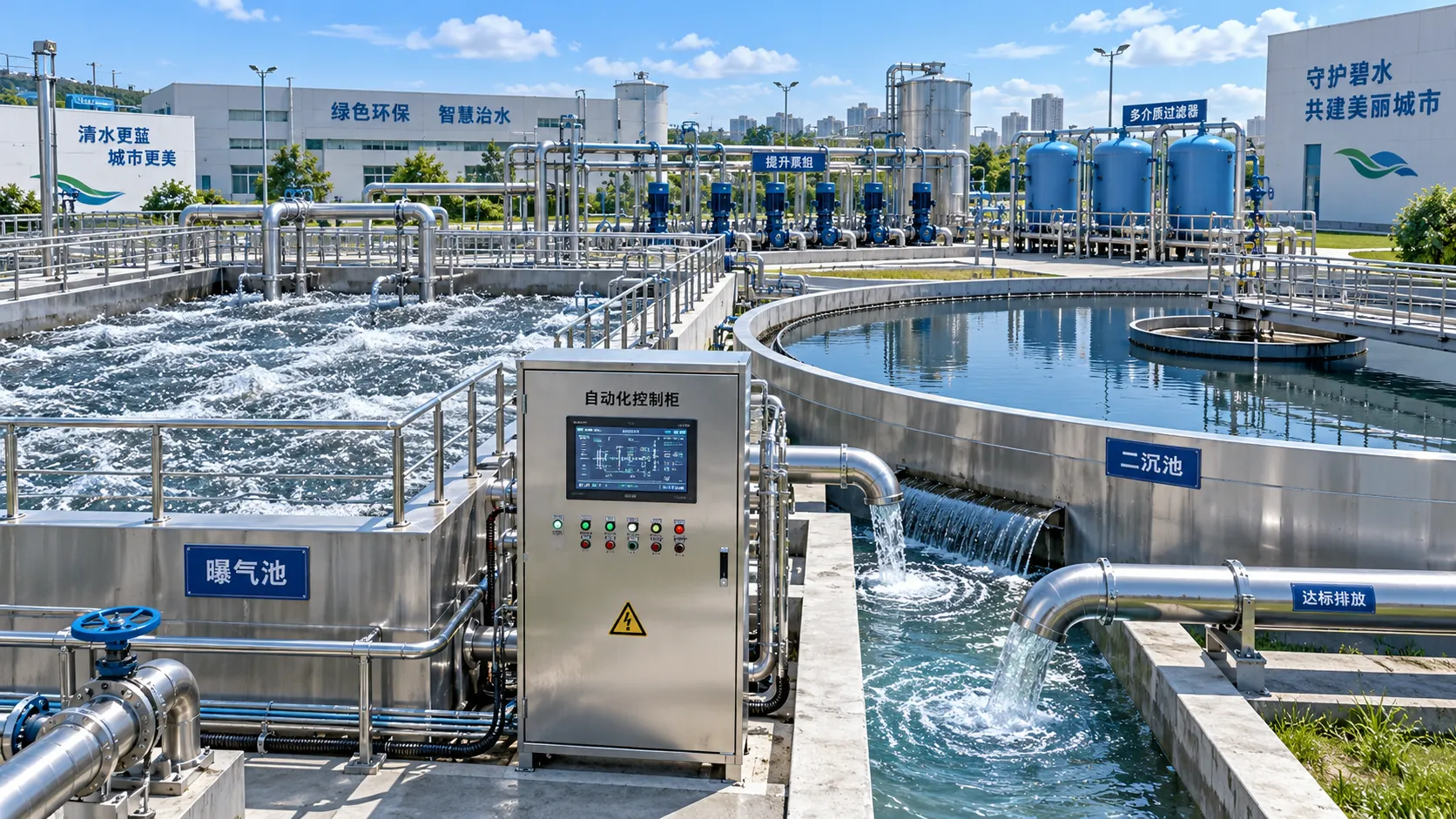
When Should Municipal Wastewater Plants Upgrade Treatment Capacity and Controls?
Municipal wastewater treatment upgrades: learn when capacity, controls, and resilient planning are needed to protect compliance and optimize plant performance.
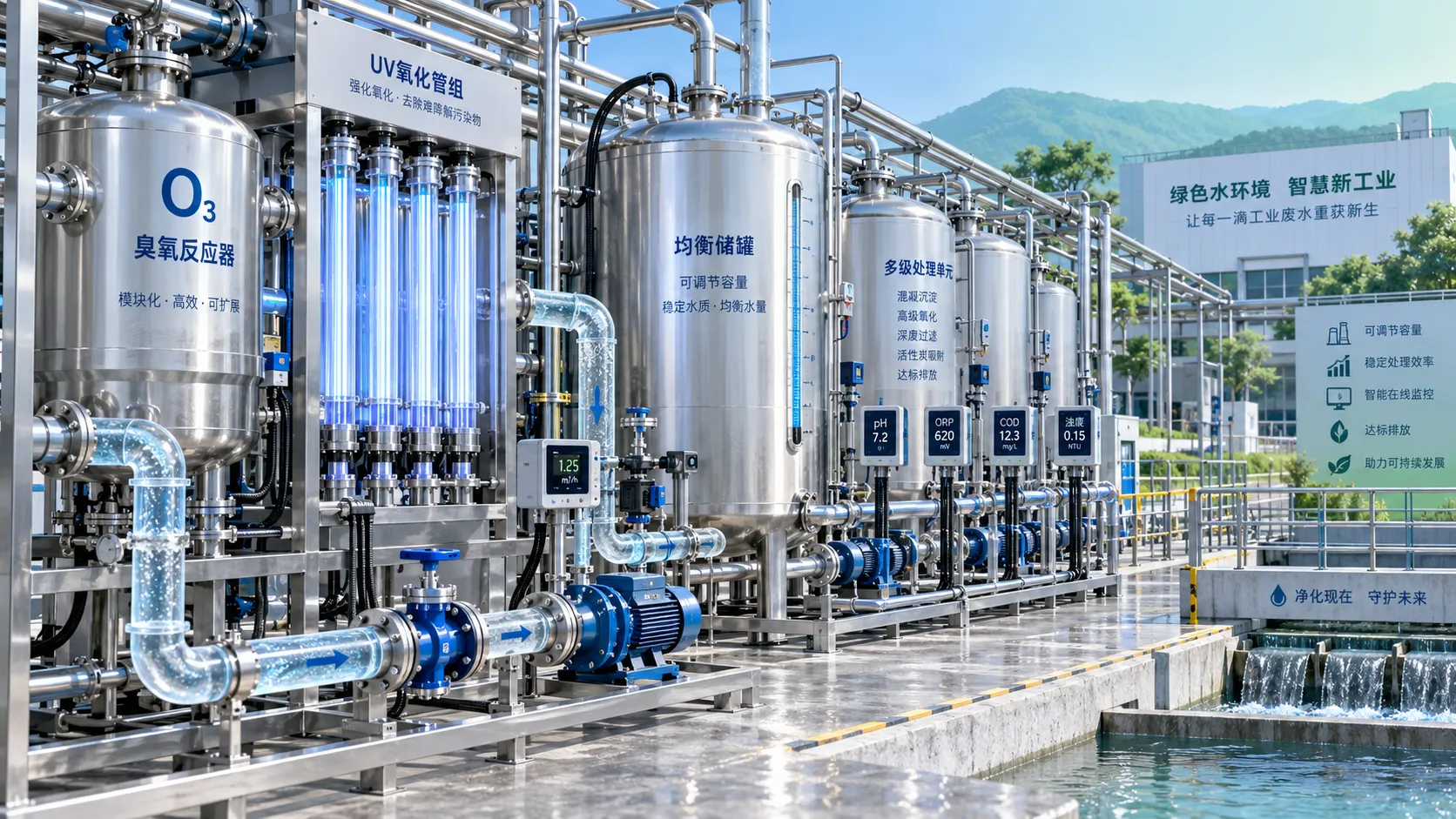
How to size advanced oxidation equipment for variable wastewater loads
Advanced oxidation equipment guide for sizing AOP systems under variable wastewater loads, improving compliance, efficiency, and lifecycle cost control.
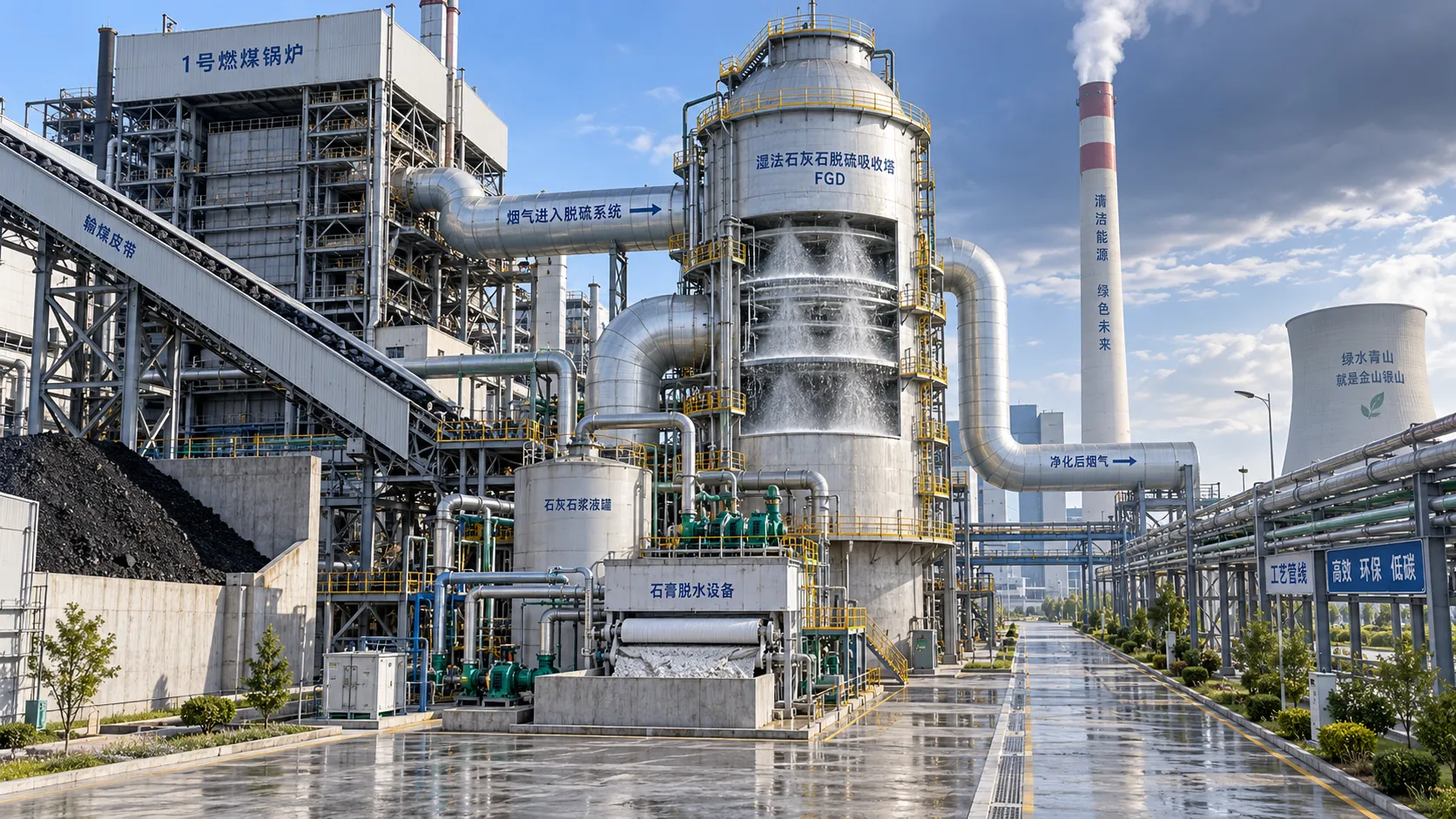
How to select FGD systems for coal boilers based on sulfur content
FGD systems for coal boilers: learn how sulfur content, fuel variability, emissions limits, water, waste, and retrofit constraints guide a compliant, cost-effective scrubber choice.
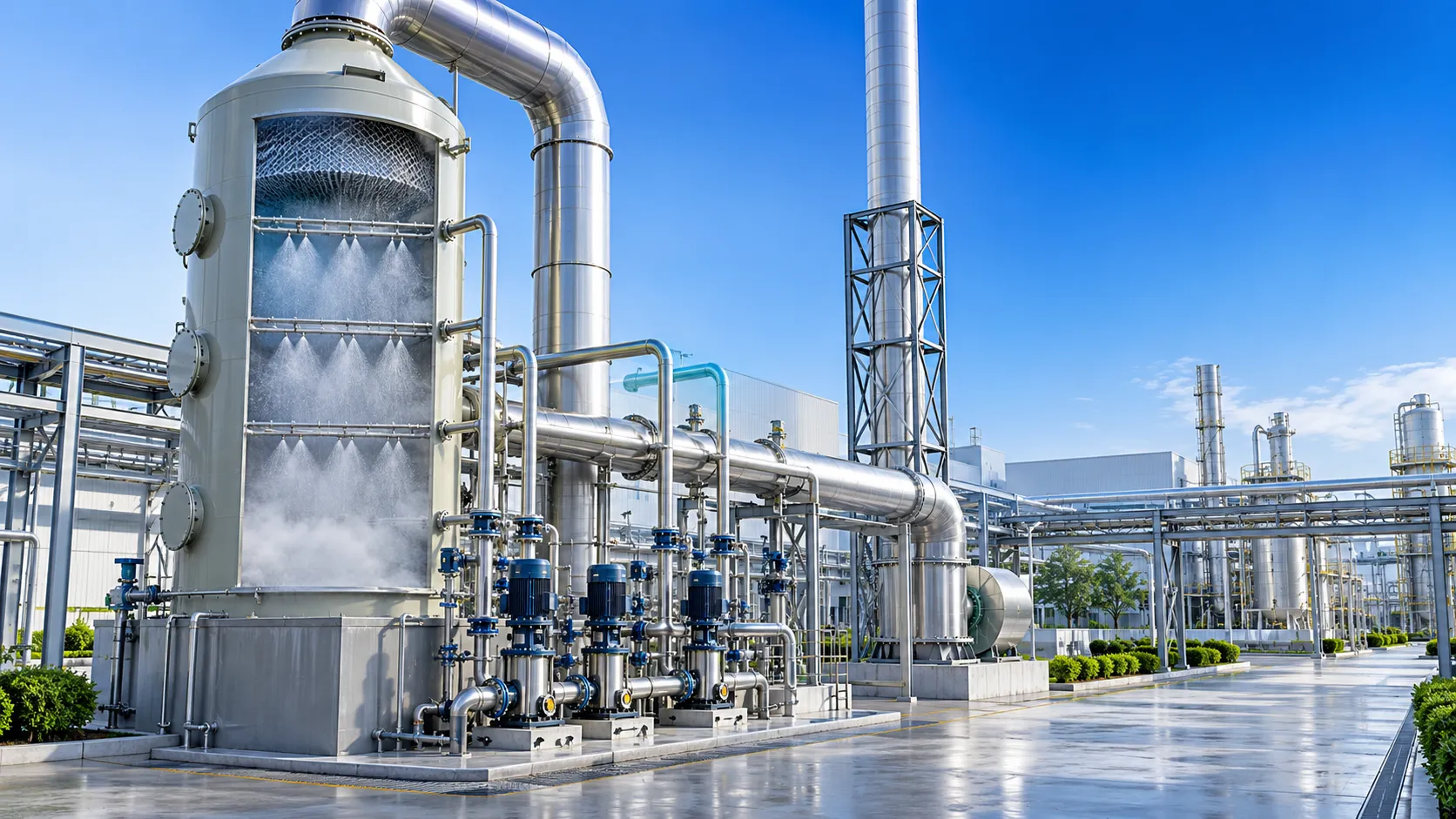
How to size a desulfurization equipment scrubber for variable gas flow
Desulfurization equipment scrubber sizing for variable gas flow: optimize SO2 removal, pressure drop, liquid-to-gas control, and compliance across every load.
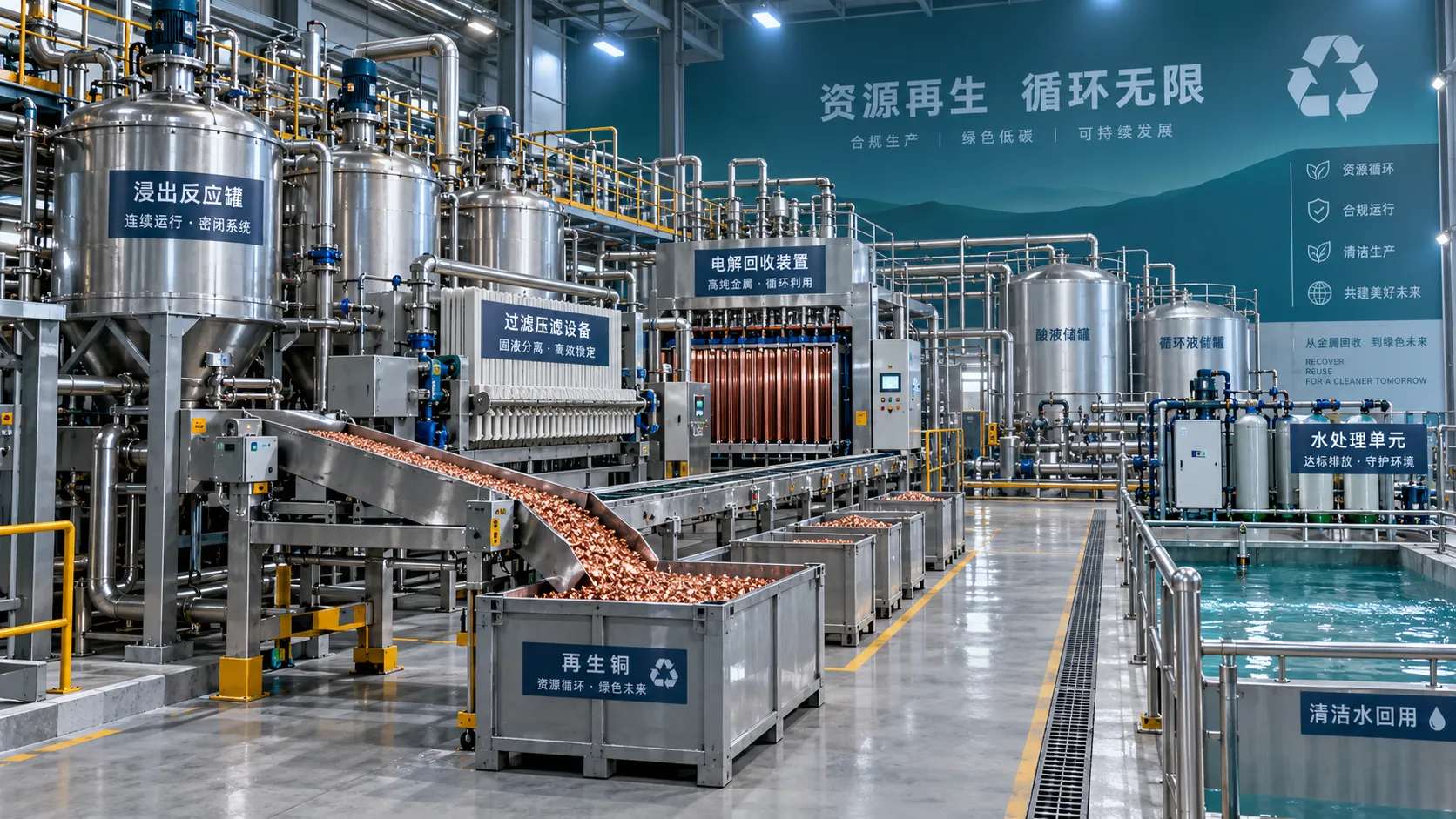
When does repeatable metals recovery infrastructure justify the investment?
Repeatable metals recovery infrastructure: discover when consistent feedstock, lower disposal costs, compliance control, and reliable offtake justify investment.